Aluminium Bronze is a highly valued alloy known for its strength, corrosion resistance, and excellent wear properties. Industries ranging from marine engineering to aerospace increasingly depend on Aluminium Bronze for its unique performance characteristics. According to a recent report by the International Alloy Designation System, Aluminium Bronze accounts for about 15% of all non-ferrous metal consumption in critical applications.
Dr. James H. Peterson, an expert in metallurgical engineering, emphasizes the importance of Aluminium Bronze. He states, “This alloy is vital for industries that demand durability and reliability.” As the demand for lightweight and resilient materials grows, Aluminium Bronze stands out for its ability to perform under extreme conditions.
Despite its advantages, challenges remain. The cost of production can hinder widespread adoption in some sectors. Furthermore, the need for effective recycling processes is becoming more apparent. Addressing these issues is essential for maximizing the potential of Aluminium Bronze in future applications.
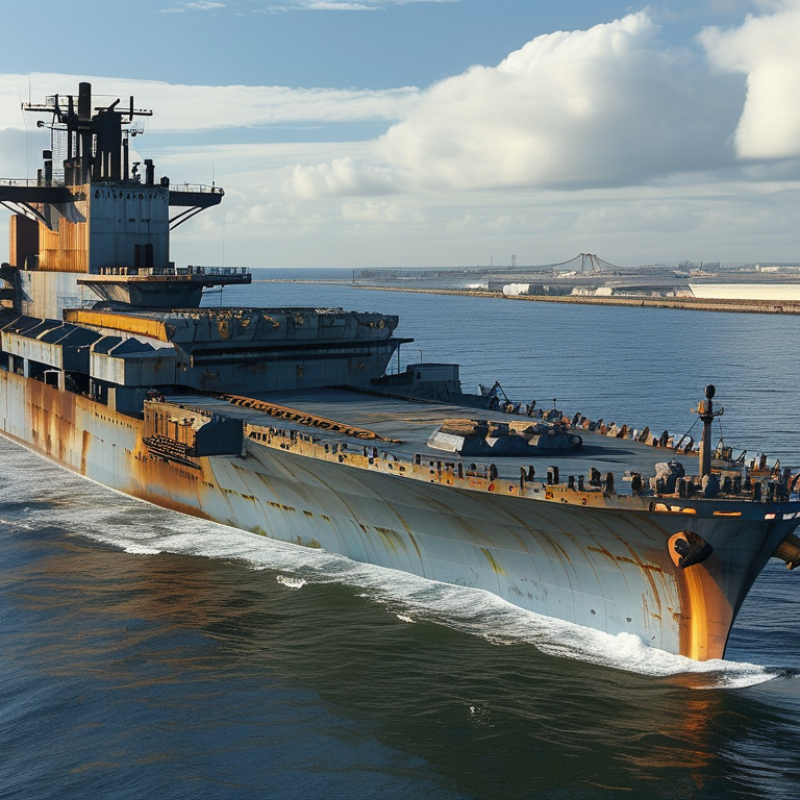
What is Aluminium Bronze?
Aluminium bronze is a copper-aluminium alloy known for its exceptional corrosion resistance and strength. This material typically contains around 5% to 11% aluminium, along with trace elements. Aluminium bronze exhibits a distinct golden color, making it visually appealing for various applications. In marine environments, for instance, it resists corrosion due to saltwater exposure effectively, outperforming many traditional metals. Reports indicate that the demand for aluminium bronze in shipbuilding has increased significantly, with growth rates projected at 4.1% annually through 2026.
In industries, aluminium bronze is crucial due to its mechanical properties. The material maintains high tensile strength and fatigue resistance, which are vital for heavy machinery components. Products such as pumps and valves benefit from this durability, reducing maintenance costs and downtime. Market research highlights its importance in aerospace and automotive sectors, where weight and performance are critical. Yet, the alloy's higher production costs compared to alternatives remain a challenge. This prompts ongoing discussions about balancing performance and cost-effectiveness in manufacturing. Despite its advantages, industries must address these economic factors while embracing aluminium bronze's unique benefits.
What is Aluminium Bronze and Why is it Important for Industry?
| Property |
Description |
Importance in Industry |
| Composition |
Copper alloyed with aluminum, typically 5-11% aluminum and 88-90% copper. |
Provides a unique combination of strength and corrosion resistance. |
| Corrosion Resistance |
Excellent resistance to seawater and other harsh environments. |
Ideal for marine applications, such as ship fittings and propellers. |
| Mechanical Properties |
High strength and toughness, along with good ductility. |
Useful in structural applications where durability is crucial. |
| Thermal Conductivity |
Good thermal conductor compared to many other metals. |
Beneficial for applications requiring heat exchange, like heat exchangers. |
| Machinability |
Relatively easy to machine with proper tooling. |
Facilitates the production of complex shapes and components. |
Composition and Properties of Aluminium Bronze
Aluminium bronze is an alloy primarily composed of copper and aluminum, notable for its remarkable strength and corrosion resistance. Typically, it contains about 60%-90% copper and 10%-40% aluminum. The presence of aluminum enhances the alloy's strength, while also providing a golden color. This aesthetic appeal is beneficial for decorative applications, like marine fixtures.
Properties such as high wear resistance, excellent machinability, and good thermal conductivity make aluminium bronze highly sought after in industrial applications. According to the International Copper Association, aluminium bronze has a tensile strength that can exceed 550 MPa. This robustness is crucial in demanding environments, like marine engineering, where components face constant exposure to saltwater.
Despite its advantages, aluminium bronze can be prone to galvanic corrosion when in contact with dissimilar metals. This limitation requires careful consideration during material selection. Additionally, the cost of aluminium can be higher than that of other alloys, which may deter some manufacturers. Developing a deep understanding of these properties allows industries to leverage aluminium bronze effectively while tackling its challenges.
Industrial Applications of Aluminium Bronze
Aluminium bronze is a copper-aluminium alloy known for its exceptional corrosion resistance and mechanical strength. This makes it a preferred material in various industrial applications. In marine environments, components made from aluminium bronze can last longer than those made from standard metals. A report from the International Aluminium Institute highlights a 50% increase in demand for corrosion-resistant materials in the maritime sector over the past decade.
In the oil and gas industry, aluminium bronze plays a crucial role. Its resistance to seawater makes it ideal for offshore platforms and sub-sea pipelines. According to a study by the Society of Petroleum Engineers, over 30% of materials used in offshore applications are aluminium bronze, reflecting its reliability and cost-effectiveness. However, the alloy is not without challenges. If not properly managed, it can suffer from stress corrosion cracking, leading to costly repairs and safety concerns.
The aerospace sector is also turning to aluminium bronze for components like bushings and bearings. The material’s lightweight composition reduces the overall weight of aircraft. Recent industry reports cite that lightweight materials, including aluminium bronze, can improve fuel efficiency by as much as 15%. Yet, as the demand grows, manufacturers must be vigilant to ensure quality control and adherence to safety protocols. This ongoing challenge underscores the need for continuous improvement in processing methods to truly harness the alloy's potential.
Applications of Aluminium Bronze in Various Industries
Aluminium bronze is a vital alloy used across various industries for its superior resistance to corrosion and wear. The chart above illustrates the percentage of usage in key sectors, highlighting its significance in marine applications, where it excels due to its durability in seawater environments.
Benefits of Using Aluminium Bronze in Manufacturing
Aluminium bronze is a copper alloy known for its unique properties. It combines excellent corrosion resistance with mechanical strength. This alloy finds applications in marine, aerospace, and industrial sectors. Due to its durability, aluminium bronze parts can withstand harsh environments, making it a preferred choice.
The primary benefit of using aluminium bronze in manufacturing is its resistance to corrosion. This characteristic is vital for components exposed to seawater or chemicals. Components made from this alloy can last longer, reducing maintenance costs. Additionally, its high strength-to-weight ratio makes it ideal for lightweight structures in aerospace applications.
When using aluminium bronze, consider the fabrication techniques. Machining this alloy requires specialized tools due to its hardness. Using inappropriate tools can result in tool wear or subpar finishes. Testing for compatibility with other materials is essential. Some alloys can lead to galvanic corrosion when in contact with dissimilar metals.
Recycling is another essential factor. Aluminium bronze is recyclable, contributing to sustainable practices in manufacturing. Recycling reduces waste and conserves resources. Finding ways to incorporate recycled materials can enhance the overall sustainability of production processes.
Challenges and Considerations in Working with Aluminium Bronze
Working with aluminium bronze presents unique challenges. This alloy, known for its strength and corrosion resistance, is widely used in marine, aerospace, and industrial applications. However, its properties also complicate manufacturing. Welding aluminium bronze can be tricky due to its susceptibility to cracking. Special techniques are necessary to ensure solid joins. Traditional welding methods may not work effectively, and this requires skilled labor.
Another consideration is machinability. While aluminium bronze machines well compared to other alloys, it still poses difficulties. Tool wear can be significant, leading to increased costs and time. Operators must monitor tools closely during the process. Additionally, finding the right cutting parameters can take experimentation. This trial-and-error approach requires time, and not every shop is equipped for it.
Heat treatment processes also impact the final properties of aluminium bronze. Inappropriate heating can alter its mechanical properties. This unpredictability necessitates precise temperature control and timing. Failure to manage these factors can lead to unexpected performance issues. It emphasizes the importance of understanding material properties and their behavior under different conditions.
FAQS
: Aluminium bronze is primarily composed of copper and aluminum, usually containing 60%-90% copper.
Its unique composition enhances corrosion resistance, making it ideal for marine applications exposed to saltwater.
Aluminium bronze has high wear resistance, excellent machinability, and a tensile strength that can exceed 550 MPa.
It is extensively used in marine, oil and gas, and aerospace industries due to its reliability.
It is prone to galvanic corrosion when in contact with dissimilar metals, requiring careful material choices.
Its lightweight composition can reduce the overall weight of aircraft, potentially improving fuel efficiency by 15%.
Stress corrosion cracking may occur if the material is not properly managed, leading to safety concerns.
Aluminium can be more expensive than other materials, which might influence some manufacturers' choices.
Conclusion
Aluminium Bronze is a specialized alloy known for its remarkable properties, including high corrosion resistance, excellent strength, and good wear resistance. This metal, primarily composed of copper and aluminum, is crucial in various industrial applications, including marine components, aerospace, and oil and gas industries. Its outstanding mechanical properties make it a preferred choice for manufacturing equipment that operates under harsh conditions.
The benefits of using Aluminium Bronze in manufacturing extend beyond durability; it can significantly enhance the lifespan of components, reduce maintenance costs, and improve overall efficiency. However, working with Aluminium Bronze also presents challenges, such as difficulty in machining and welding due to its unique properties. Understanding these aspects is essential for industries that wish to leverage the advantages of Aluminium Bronze while mitigating potential drawbacks.

 Kepai
Kepai