 Kepai
Kepai
An Introduction to C14700 Sulfur Copper Metallurgy
In modern electrical engineering, precision machining, and electrical manufacturing, the balance between high electrical conductivity and excellent machinability is a continuous engineering challenge. Pure copper possesses outstanding conductivity (100% IACS), but its soft, sticky nature makes high-speed CNC machining extremely difficult. Chips do not break easily, resulting in severe tool wear and poor surface finishes. To resolve this, metallurgical engineers developed free-machining copper alloys.
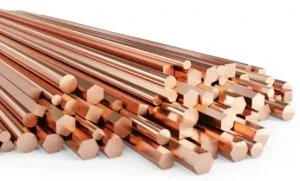
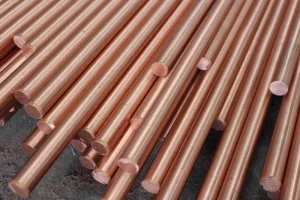
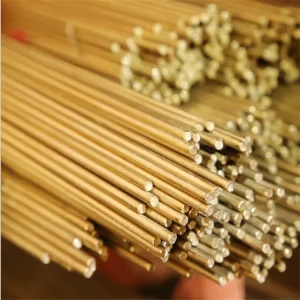
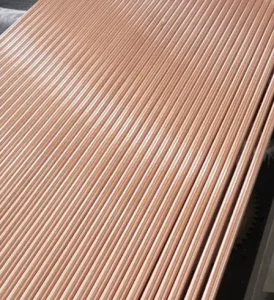
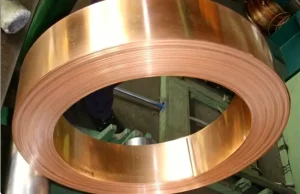
C14700 Sulfur Copper (commonly designated as UNS C14700) stands out as a highly effective solution. By introducing a precisely controlled amount of sulfur (typically between 0.20% and 0.50%) into the copper matrix, manufacturers produce a material with a machinability rating of approximately 85% relative to free-cutting brass (C36000). Crucially, this addition of sulfur forms microscopic copper sulfide (Cu2S) inclusions. These inclusions act as natural chip breakers during cutting operations, facilitating high-speed machining and clean cuts while maintaining an electrical conductivity rating above 90% to 93% IACS.
From a global market perspective, sulfur copper is increasingly replacing conventional alloys in high-frequency applications, automotive connector components, and semi-conductor packaging. Its ability to undergo rapid machining without producing lengthy, wire-like scrap makes it highly suitable for automated Swiss-type screw machines. This dramatically reduces cycle times and tool wear, lowering the overall cost of production for high-volume electrical components.