When it comes to C18150 Copper Machinability, understanding the specific characteristics of this alloy is crucial for global buyers. C18150 is known for its excellent electrical conductivity and high strength. However, its machinability often raises concerns among manufacturers.
Many factors influence the machinability of C18150 Copper. The alloy's hardness can lead to tool wear and increased production costs. Buyers must consider cutting speeds, tool types, and cooling methods to achieve optimal results. Experienced machinists suggest regular monitoring of tool condition. This is key to maintaining efficiency and precision in production.
While every machining environment is different, it's essential to share insights and tips. Learning from challenges can enhance the overall understanding of C18150 Copper Machinability. With the right approach and knowledge, buyers can turn potential difficulties into opportunities for improvement.
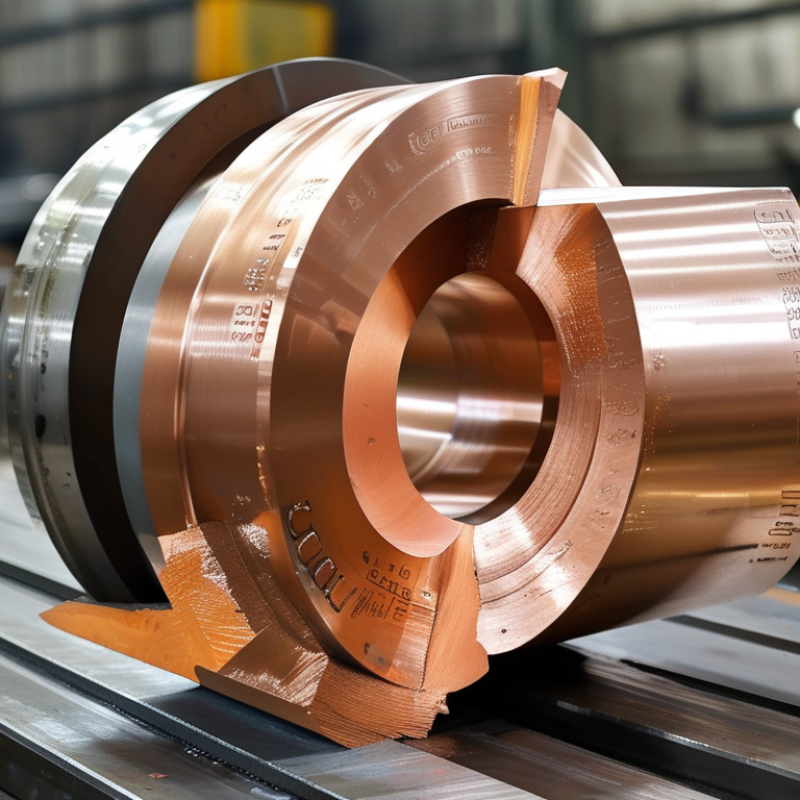
C18150 copper is a renowned choice in machining due to its unique properties. This copper alloy offers excellent electrical conductivity and good thermal performance. According to industry reports, C18150 copper has an electrical conductivity of approximately 92% IACS, making it ideal for electrical applications. Its machinability rating stands at 60, which is considered excellent in the copper family.
When working with C18150, precision in machining is crucial. The alloy responds well to standard machining processes, but maintaining the right parameters is key. Here are tips for maximizing efficiency:
C18150 copper alloys are known for their excellent machinability. Understanding their machinability rating is essential for global buyers. This rating helps determine how easily these materials can be shaped, cut, and processed. It provides a clear insight into the performance of C18150 in machining applications.
When machined correctly, C18150 offers smooth finishes and precise dimensions. However, achieving these results requires attention to detail. Incorrect tool selection can lead to excessive wear. Not all cutting tools work effectively with C18150 copper. Buyers must be aware that the feed rates and spindle speeds should be adjusted for optimal results.
Moreover, the alloy's reaction to heat is something to reflect upon. High temperatures can alter its properties, impacting the load and lifespan of the tool. Continuous monitoring of the machining environment can help prevent unexpected challenges. By understanding these factors, buyers can improve their processes and reduce costs while using C18150 copper effectively. Engaging with experienced machinists or experts can provide valuable insights into best practices.
C18150 copper is known for its excellent machinability. However, optimal performance requires adherence to specific machining techniques. Understanding these methods can significantly enhance your machining results.
One effective technique involves using carbide tooling. This material offers durability and improves cutting speeds. It’s beneficial to maintain proper speeds and feeds for C18150. Insufficient parameters may lead to tool wear. Excessive speeds can cause overheating, compromising the part quality.
Coolant application is another critical factor. It minimizes heat buildup during machining, reducing thermal distortion. A proper cooling strategy can enhance tool life. However, oversaturation can create a messy workspace. Regular cleaning is essential to prevent buildup. Proper chip removal is vital to maintain efficiency. Neglecting any of these aspects may impact overall performance and lead to defects in finished parts.
When machining C18150 copper, the choice of tool materials and coatings plays a critical role in achieving optimal outcomes. Tool wear is a common challenge due to C18150's unique properties, such as its high thermal and electrical conductivity. Reports indicate that using high-speed steel (HSS) tools can lead to increased wear rates, particularly in continuous machining operations. Conversely, carbide tools provide superior wear resistance, making them a preferable choice for prolonged machining sessions.
Coatings also significantly impact the performance of machining processes. A study by the International Journal of Advanced Manufacturing Technology highlights that tools coated with titanium nitride (TiN) exhibit reduced friction and enhanced cutting life. This durability is crucial when machining C18150, as it can mitigate heat generation, ensuring precision in production. Nonetheless, the initial investment in coated tools can be a concern for some manufacturers.
Furthermore, the machining parameters, such as feed rate and cutting speed, can also influence outcomes. A higher speed might improve efficiency but can lead to increased tool wear if not carefully managed. Machinists report a learning curve when finding the right balance between speed and tool longevity. Thus, while advancements in tool technology offer potential, practical applications often require ongoing evaluation and adjustment.
Machining C18150 copper presents unique challenges that many manufacturers encounter. C18150 is known for its excellent thermal and electrical conductivity, but this also makes it difficult to work with. One of the primary issues is the tendency for chip formation during machining. According to the Copper Development Association, the chip recycling process can lead to lower material yield, impacting overall production costs.
Another challenge arises from the brittleness of C18150 when not adequately cooled. Using high-pressure coolant systems can effectively minimize thermal stresses. A study from the Journal of Materials Processing Technology indicated that tools and setups with optimal cooling parameters can enhance tool life by as much as 30%. Furthermore, some operators find that adjusting machining speeds can prevent excessive tool wear.
A common issue in machining C18150 is surface finish. Many manufacturers report rough finishes that require additional operations, adding time and cost. Innovating with cutting tool geometry can mitigate this. Experts recommend regular tool inspections and prompt replacements to maintain machining quality. Failing to do so often results in subpar outputs. Adhering to these practical solutions can lead to improved efficiency in machining processes.
: C18150 copper is known for excellent electrical conductivity and thermal performance, making it ideal for various applications.
Use sharp cutting tools. Dull tools increase friction and heat, impacting surface quality and tool longevity.
A moderate cutting speed of 80-100 SFM is recommended to balance efficiency and tool life.
Carbide tools provide better wear resistance than high-speed steel tools, especially during extended machining tasks.
Yes, coatings like titanium nitride reduce friction and enhance tool life, but they come with higher initial costs.
High temperatures can alter the alloy's properties, affecting tool lifespan and material integrity. Continuous monitoring is essential.
Tool wear and surface hardness issues often arise, requiring attention for improved machining outcomes.
By understanding specific machining needs and engaging with experienced machinists, buyers can enhance efficiency and reduce costs.
Adjusting feed rates and spindle speeds is crucial; incorrect settings lead to excessive tool wear and poor results.
Yes, finding the right balance between speed and tool longevity often requires ongoing evaluation and adjustment.
The article "C18150 Copper Machinability Tips for Global Buyers" provides a comprehensive overview of C18150 copper, detailing its properties and various applications in machining. With a focus on C18150 copper machinability, it examines the machinability rating of this alloy, highlighting its advantages in different manufacturing processes. The article also explores essential machining techniques that enhance the performance of C18150 copper, as well as the influence of tool materials and coatings on the machining outcomes.
Additionally, the article addresses common challenges encountered when machining C18150 copper and offers practical solutions to overcome these issues. By understanding the characteristics and behavior of C18150 copper, global buyers and manufacturers can optimize their machining processes, leading to improved efficiency and quality in their products.

Kepai