How to Obtain Beryllium Copper C17200 Data Sheet for Buyers?

Time:2026-09-04 Author:Isabella
0%

Obtaining the Beryllium Copper C17200 Data Sheet is crucial for buyers seeking reliable materials. This alloy, known for its exceptional strength and conductivity, plays a vital role in various industries. According to industry reports, C17200 exhibits a tensile strength upwards of 1,400 MPa, making it suitable for demanding applications, such as aerospace and electronics.

Buyers often face challenges in sourcing comprehensive data sheets. The variability in composition and manufacturing processes can lead to discrepancies in performance. Accessing a trustworthy Beryllium Copper C17200 Data Sheet, therefore, ensures that the material meets specific requirements. Ensuring data accuracy is vital for procurement processes.

In addition, it’s essential to recognize the importance of sourcing these documents from reputable suppliers. A well-documented data sheet provides insights into mechanical properties, thermal behavior, and chemical resistance. This information allows for informed decision-making. However, discrepancies in data or misunderstandings from suppliers can lead to project delays. It’s worthwhile to reflect on the processes involved in obtaining these critical documents.
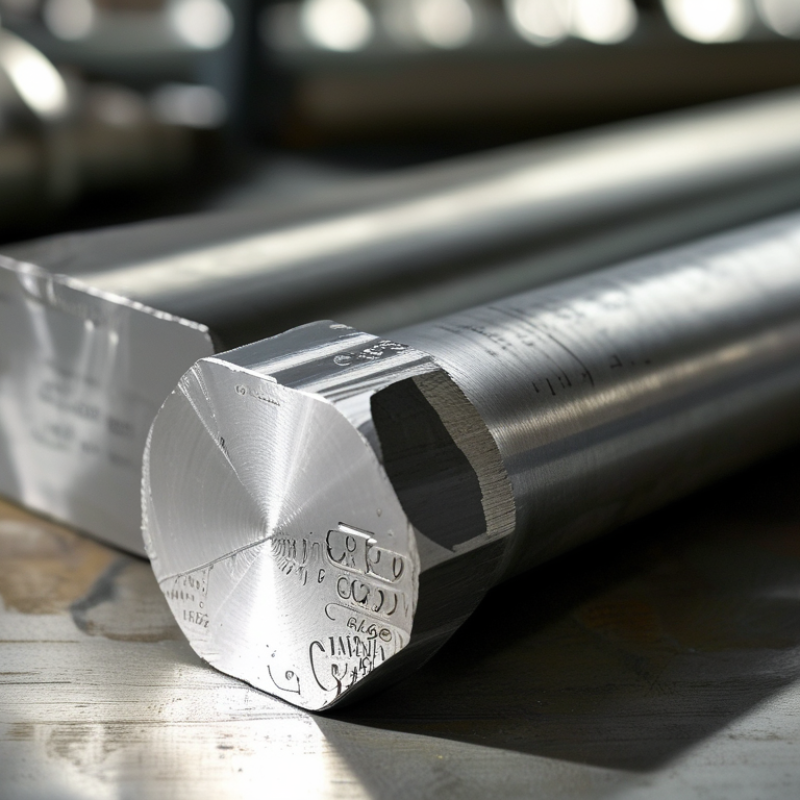
How to Obtain Beryllium Copper C17200 Data Sheet for Buyers?

Understanding Beryllium Copper C17200 and Its Applications

Beryllium copper C17200 is a highly versatile alloy known for its unique properties. It offers excellent electrical conductivity, high strength, and exceptional corrosion resistance. This makes it a favored choice in various industries, including aerospace, automotive, and electronics. According to recent industry reports, C17200 exhibits a tensile strength of over 200 ksi and an electrical conductivity of up to 40% IACS. These characteristics enable its application in critical components like connectors, springs, and tools.

The alloy's benefits go beyond mechanical properties. It also boasts good thermal conductivity and is non-sparking, making it suitable for hazardous environments. However, one should handle beryllium copper with care. The dust generated during machining can be harmful. Safety protocols must be followed to ensure worker safety. Furthermore, the alloy can be difficult to machine without proper tools. This may lead to increased costs and inefficient production processes.

Understanding the applications of C17200 is essential for buyers. Industries are increasingly seeking detailed specifications to make informed decisions. Nevertheless, the availability of reliable data sheets can be inconsistent. Buyers need to verify sources and ensure they obtain accurate information. This approach helps mitigate risks associated with material selection and usage. Engaging with experienced suppliers can provide additional insights into the alloy’s performance in specific applications.

Beryllium Copper C17200 Data Sheet

Property Value Unit
Chemical Composition Beryllium 1.8% - 2.0%, Copper Balance %
Density 8.3 g/cm³
Electrical Conductivity 45 % IACS
Thermal Conductivity 120 W/m·K
Yield Strength 310 MPa
Tensile Strength 550 MPa
Elongation 10 % (in 50 mm)
Hardness 200 HV
Temperature Range -200 to 200 °C

Identifying Reliable Sources for Beryllium Copper Data Sheets

When searching for reliable data sheets on Beryllium Copper C17200, it is crucial to focus on trusted sources. Several industry reports indicate that obtaining accurate material specifications can boost your confidence in making purchasing decisions. Many reputable organizations, such as ASTM International, provide comprehensive guidelines on material properties. These documents often include detailed mechanical and chemical characteristics essential for engineering applications.

In addition to industry standards, it can be beneficial to consult scientific journals or publications that focus on metallurgy. Research shows that these sources frequently provide up-to-date findings on material performance and applications. However, be mindful that not all online sources uphold the same level of accuracy. Cross-referencing multiple data sheets ensures you verify the information received. This step cannot be overlooked, as discrepancies can lead to improper material selection.

Lastly, while user-generated content may be accessible, it often lacks the reliability needed for critical decisions. Even qualified professionals can inadvertently share outdated or incorrect information. Focusing on peer-reviewed studies and official documentation helps guarantee that the data you rely on is credible. Remember to evaluate the qualifications of authors before placing significant trust in their publications.

Steps to Request a Beryllium Copper C17200 Data Sheet

Obtaining a data sheet for Beryllium Copper C17200 requires a clear approach. Start by identifying reputable suppliers who specialize in high-quality copper alloys. Research online to find manufacturers or distributors with verified credentials. Look for companies that provide detailed product information on their websites.

Once you have a list of potential suppliers, reach out to them directly. Send a concise email explaining your request for the C17200 data sheet. Be specific about your needs, such as required mechanical properties or dimensions. Most suppliers will be happy to assist. It's crucial to ask about any additional resources they might have on C17200.

In your communications, consider expressing interest in their expertise. This not only establishes rapport but also encourages them to share valuable details. If your request gets overlooked, follow up politely. Ensure that you clarify any uncertainties concerning the data sheet. Having thorough information can assist in making informed decisions about your purchase.

Key Information to Look For in the Data Sheet

When seeking a data sheet for beryllium copper C17200, it’s crucial to understand what specific information you need. The data sheet typically includes mechanical properties, chemical composition, and thermal characteristics. For instance, C17200 boasts a tensile strength of approximately 1,400 MPa and a yield strength around 1,200 MPa. These values are essential when evaluating materials for high-stress applications.

Another key area to consider is the electrical conductivity of C17200, which stands at about 20% IACS. This figure is particularly relevant for electrical contact applications. Additionally, you should check the material’s hardness, which generally ranges from 35 to 45 HRC. Variability in these numbers can arise from different tempering processes, so pay attention to the heat treatment specifications provided.

Moreover, consider the material’s fabrication recommendations. Some data sheets discuss cold working and machining capabilities. Understanding these factors can prevent costly errors during production. It is evident that focusing on specific mechanical and thermal properties, as well as processing guidelines, can significantly influence your purchasing decision. In case of discrepancies in the data, always consult with experts or request updated information to ensure reliability.

Beryllium Copper C17200 Properties Chart

Best Practices for Evaluating Data Sheet Quality and Reliability

Evaluating the quality and reliability of a beryllium copper C17200 data sheet requires careful attention. Buyers should look for specific metrics, such as tensile strength and electrical conductivity. According to a 2021 report from the Copper Alliance, C17200 exhibits a tensile strength of up to 200,000 psi and a conductivity of 20% IACS. These figures are critical for determining suitability for high-stress applications.


Scrutinizing the source of the data is essential. Trusted data sheets often come from recognized industry standards or manufacturers with a solid reputation. A recent study highlighted that many published data sheets lack clarity or include outdated data. This can lead to costly errors in application. It's key to verify that the data reflects the latest material properties and has been peer-reviewed.


Aside from numerical data, the details of the material's processing can provide insight. Processing methods can significantly affect the final properties of the alloy. Therefore, knowing whether the data sheet covers specific heat treatments or fabrication processes is vital. Incomplete information might necessitate further inquiries, delaying project timelines. Understanding data sheet limitations helps in making more informed decisions.

FAQS

: What is Beryllium Copper C17200?

: Beryllium Copper C17200 is a versatile alloy known for high strength and excellent electrical conductivity.

What are the main properties of C17200?

C17200 offers high tensile strength, up to 200 ksi, and good thermal conductivity.

What industries use C17200?

It's used in aerospace, automotive, and electronics due to its properties.

Is C17200 safe to handle?

Yes, but caution is needed. Dust from machining can be harmful; safety protocols should be followed.

How easy is it to machine C17200?

Machining can be challenging without proper tools, potentially leading to increased costs.

How can I obtain a data sheet for C17200?

Identify reputable suppliers and reach out to them directly with your request.

What should I include in my request for a data sheet?

Specify your needs, such as mechanical properties or dimensions, to facilitate assistance.

What if my initial request gets overlooked?

Follow up politely and clarify any uncertainties about the data sheet you need.

Why is it important to verify data sources?

Reliable data helps mitigate risks in material selection and ensures informed purchasing decisions.

How can engaging with experienced suppliers help?

They can provide insights into C17200's performance in specific applications, enhancing decision-making.

Conclusion

The article "How to Obtain Beryllium Copper C17200 Data Sheet for Buyers?" provides a comprehensive guide for buyers seeking essential information about Beryllium Copper C17200. It begins by explaining the unique properties and applications of this material, making it crucial for various industries. The article emphasizes the importance of identifying reliable sources to acquire accurate Beryllium Copper C17200 Data Sheets, ensuring the data is trustworthy and relevant.

The subsequent sections detail the steps to effectively request a Beryllium Copper C17200 Data Sheet and outline the key information that should be scrutinized within the document. This includes physical properties, mechanical characteristics, and recommended processing methods. Finally, the article highlights best practices for evaluating the quality and reliability of the data sheet, equipping buyers with the tools they need to make informed purchasing decisions.


Isabella

Isabella

Isabella is a dedicated marketing professional with a sharp focus on driving brand growth and engagement through strategic content creation. With an extensive background in digital marketing, she combines her passion for storytelling with her keen understanding of industry trends to deliver......