Explore our specialized copper wire, bar, and alloy products engineered for superior electric conductivity, thermal management, and precision CNC machinability.

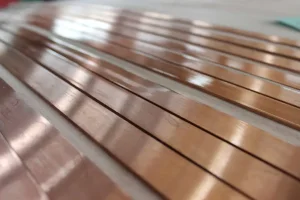
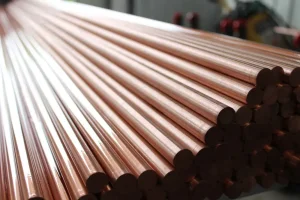
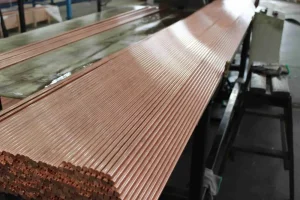
Decoding procurement trends, material science breakthroughs, and high-performance conductive copper alloy demands across global tier-1 supply chains.
In the current global industrial ecosystem, copper is no longer viewed merely as a commodity wire material, but as a critical high-performance structural and electrical medium. The global transition toward electrifying transportation, deploying 5G and millimeter-wave telecommunication infrastructure, expanding high-density photovoltaic/wind grid interconnections, and manufacturing ultra-precise CNC plasma components has placed unmatched performance strains on conventional copper formulations.
Modern engineering demands materials that deliver near-theoretical electrical conductivity (exceeding 85% to 100% IACS) while simultaneously exhibiting superior mechanical yield strength, thermal arc resistance, anti-welding properties, and high-speed CNC machinability. Achieving this delicate balance of physical and mechanical characteristics requires advanced metallurgical alloying techniques—specifically utilizing micro-additions of Tellurium (Te), Sulfur (S), Beryllium (Be), Nickel (Ni), Tin (Sn), and Phosphorus (P).
While standard pure ETP copper (C11000) provides 100% IACS electrical conductivity, its sticky nature leads to tool galling and poor surface finish during high-speed automated CNC lathe turning. By implementing Tellurium Copper (C14500) or Sulfur Copper (C14700), factories can maintain 85-93% IACS conductivity while reducing machining cycle times by up to 400% and extending tooling lifespans by 3x to 5x.
Technical comparison of physical, mechanical, and electrical properties across high-end customized copper alloy grades.
| Alloy Grade / Standard | Nominal Composition | Electrical Cond. (% IACS) | Tensile Strength (MPa) | Machinability Index | Key Industrial Applications |
|---|---|---|---|---|---|
| C14500 (Tellurium Copper) | Cu + 0.40-0.70% Te + 0.004-0.012% P | 90% - 93% | 250 - 380 | 85% (Free-Cutting) | Plasma cutting nozzles, EV charger pins, relays, high-current connectors |
| C14700 (Sulfur Copper) | Cu + 0.20-0.50% S + 0.002-0.010% P | 90% - 95% | 240 - 360 | 85% (Free-Cutting) | Precision screw machine parts, electrical switchgears, thermal conductors |
| C11000 (Pure ETP Copper) | Cu ≥ 99.90% (incl. Oxygen) | 100% | 200 - 350 | 20% (Sticky) | Busbars, transformer windings, heavy electrical power transmission lines |
| C10100 / C10200 (OFHC Pure Copper) | Cu ≥ 99.99% (Oxygen-Free) | 101% | 200 - 340 | 20% | Vacuum electronics, audio cables, semiconductor lead frames, cryogenics |
| C17200 (Beryllium Copper CuBe2) | Cu + 1.80-2.00% Be + Co/Ni | 22% - 28% | 1100 - 1400 | 20% (Heat treated) | Non-sparking tools, high-stress springs, aerospace bushings, mold inserts |
| C17300 (Leaded Beryllium Copper) | Cu + 1.90% Be + 0.20-0.60% Pb | 22% - 28% | 1100 - 1350 | 50% (Enhanced machining) | Microminiature coaxial connectors, military probe contacts, precision pins |
| C17510 (CuNiBe Alloy) | Cu + 0.20-0.60% Be + 1.40-2.20% Ni | 45% - 60% | 650 - 850 | 40% | Resistance welding electrodes, injection mold cooling inserts, switch blades |
| UNS C51900 / C51100 (Phosphor Bronze) | Cu + 4.0-7.0% Sn + 0.03-0.35% P | 13% - 20% | 400 - 650 | 20% | Wear-resistant bushings, Belleville washers, spring clips, marine hardware |
Tellurium (C14500) and Sulfur (C14700) copper alloys are engineered specifically to overcome the physical machining limitations of pure copper. Pure copper produces long, continuous stringy chips that entangle CNC tooling, causing rapid tool wear, poor surface finish, and machine downtime.
By adding controlled amounts of Tellurium or Sulfur, micro-phase particles (Cu2Te or Cu2S) precipitate within the copper matrix. These particles act as microscopic chip-breakers during cutting operations, yielding fine, manageable chips without sacrificing high electrical and thermal conductivity (retaining >90% IACS).
Beryllium Copper alloys represent the pinnacle of copper alloy strength, matching the tensile properties of high-strength alloy steels while maintaining non-magnetic properties and excellent thermal conductivity. C17200 undergo precipitation age hardening to reach tensile strengths exceeding 1400 MPa.
C17300 adds a tiny fraction of lead to provide free-machining capabilities for microscopic Swiss CNC turning, enabling the production of miniature military pin connectors, coaxial contact probes, and aerospace sensor housings.
A National High-Tech Enterprise integrating advanced R&D, specialized melting, precision continuous extrusion, and rigorous testing for high-performance copper alloys.
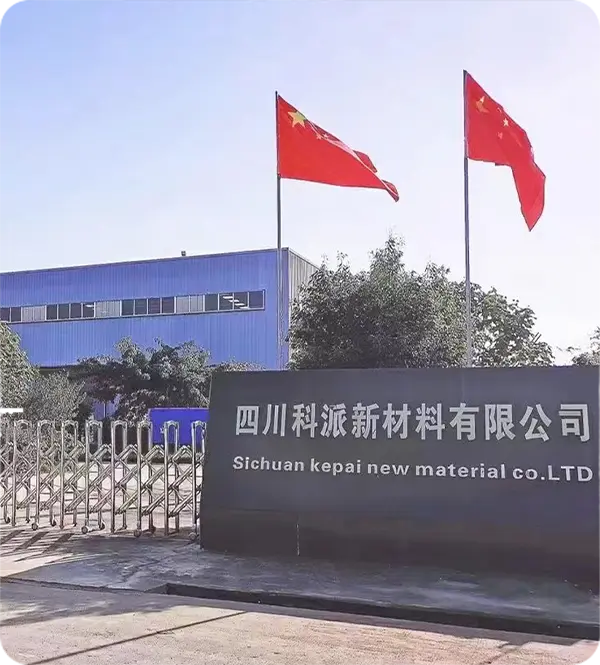
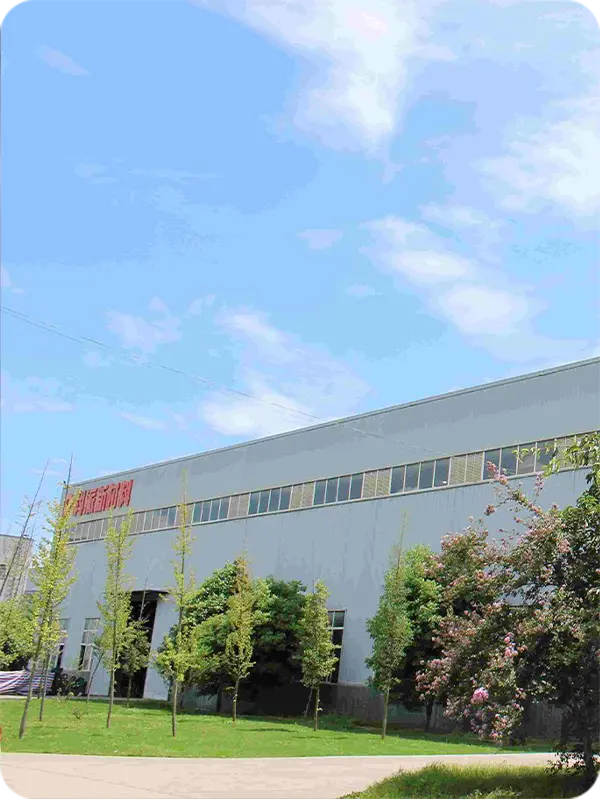
Established in 2017, Sichuan Kepai New Materials Co., Ltd. is a modern high-tech manufacturing enterprise located in the western area of the Sichuan Guanghan Industrial Development Zone, adjacent to National Highway 108. Spanning a state-of-the-art production factory covering approximately 9,000 square meters and an administrative R&D facility of 1,000 square meters, Kepai specializes in strategic new materials aligning with international clean energy and advanced electronics standards.
Our core focus encompasses the research, development, continuous extrusion, drawing, and precision testing of special high-conductivity, easy-to-machine, and high-strength copper alloys—including tellurium copper, high-conductivity oxygen-free copper, silver copper, dispersion copper, sulfur copper, beryllium copper, and lead bronzes.
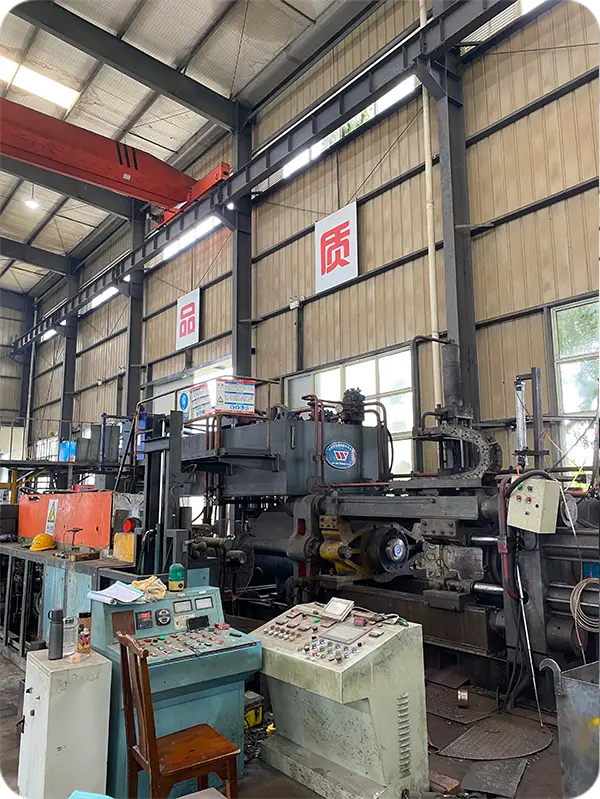
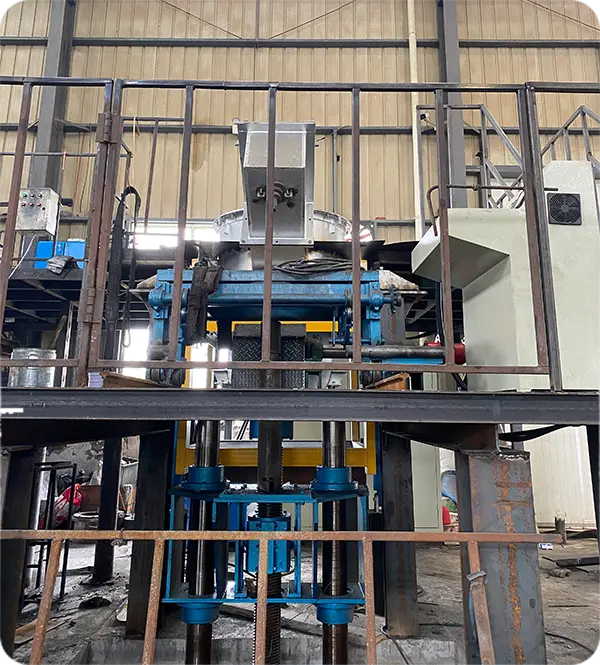
Technological innovation serves as Kepai’s primary core competitiveness. Supported by senior metallurgical experts and advanced laboratory equipment, Kepai continuously collaborates with leading university research centers to push the boundaries of special copper alloys. Our proprietary melting and extrusion techniques ensure ultra-low oxygen content, uniform phase dispersion, and consistent electrical conductivity across high-volume production batches.
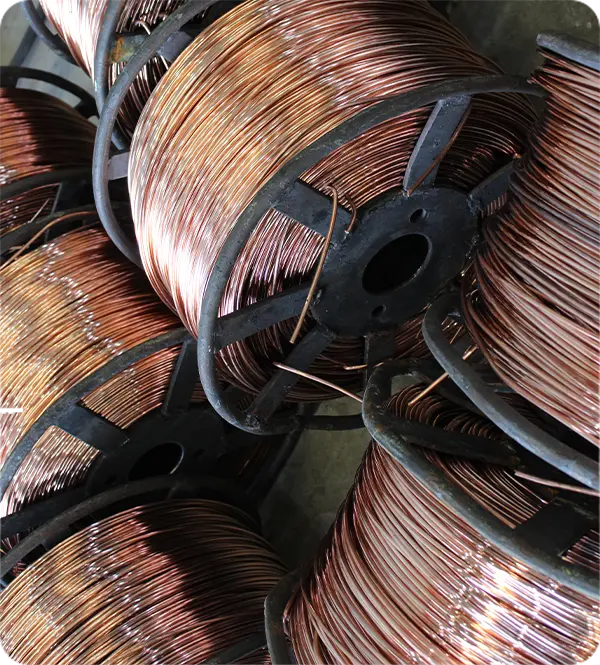
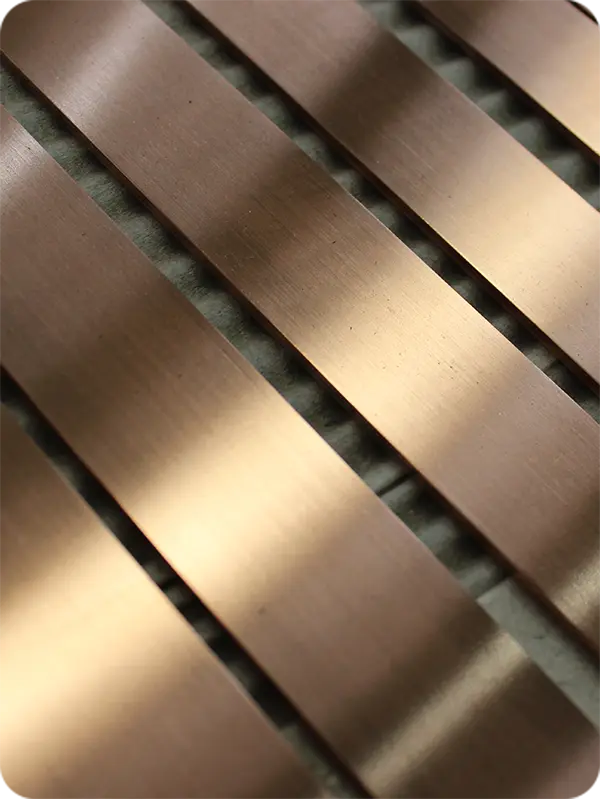
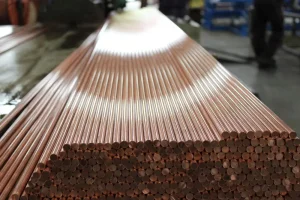
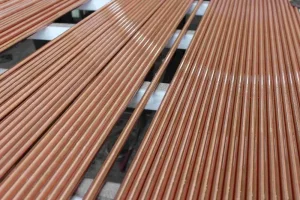
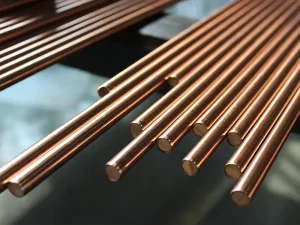
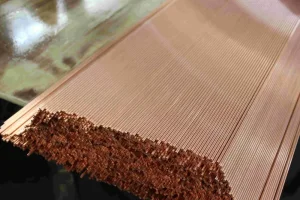
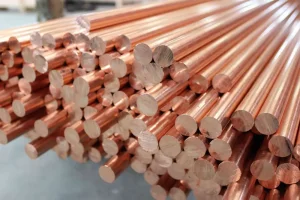
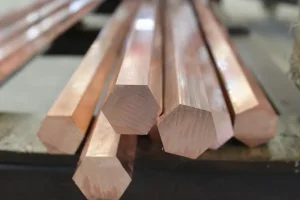
Kepai offers an extensive portfolio ranging from raw wire rods, precision drawn wires, solid round bars, hex bars, and custom profiles. Our product matrix includes Pure Copper, Oxygen-Free Copper (OFHC), Oxygen-Free High-Conductivity Tellurium Copper, Nickel Tellurium Copper, Tin Bronze, Beryllium Copper, Lead Bronze, Sulfur Copper, and Chromium Zirconium Copper (CuCrZr).

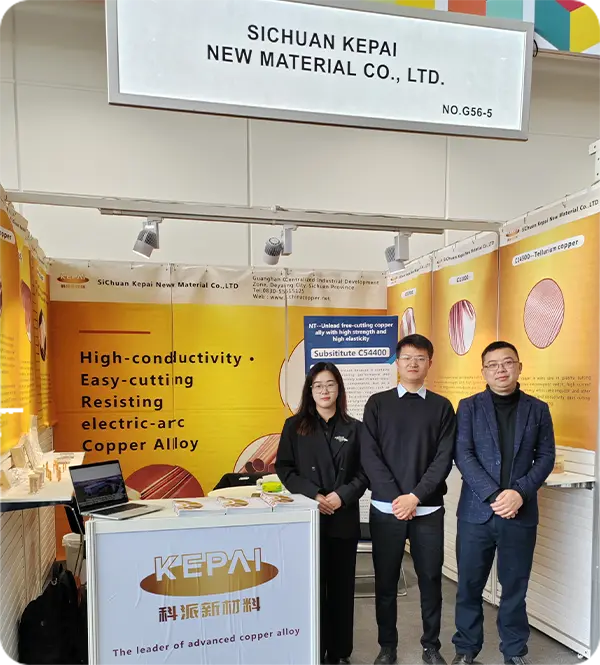
Following our growth strategy—"Rooted in Sichuan, Radiating Nationwide, Moving Towards the World"—Kepai has established long-term strategic supply contracts with Tier-1 automotive harness makers, 5G RF hardware integrators, and plasma equipment OEMs across North America, Europe, East Asia, and Southeast Asia.
Guided by the values of "Integrity, Innovation, Collaboration, and Win-Win," Kepai empowers continuous staff technical training, rigorous operational safety, and sustainable environmental practices to ensure zero-defect manufacturing and long-term customer trust.
End-to-end manufacturing capability: from vacuum induction smelting and continuous extrusion to high-precision eddy current conductivity testing.
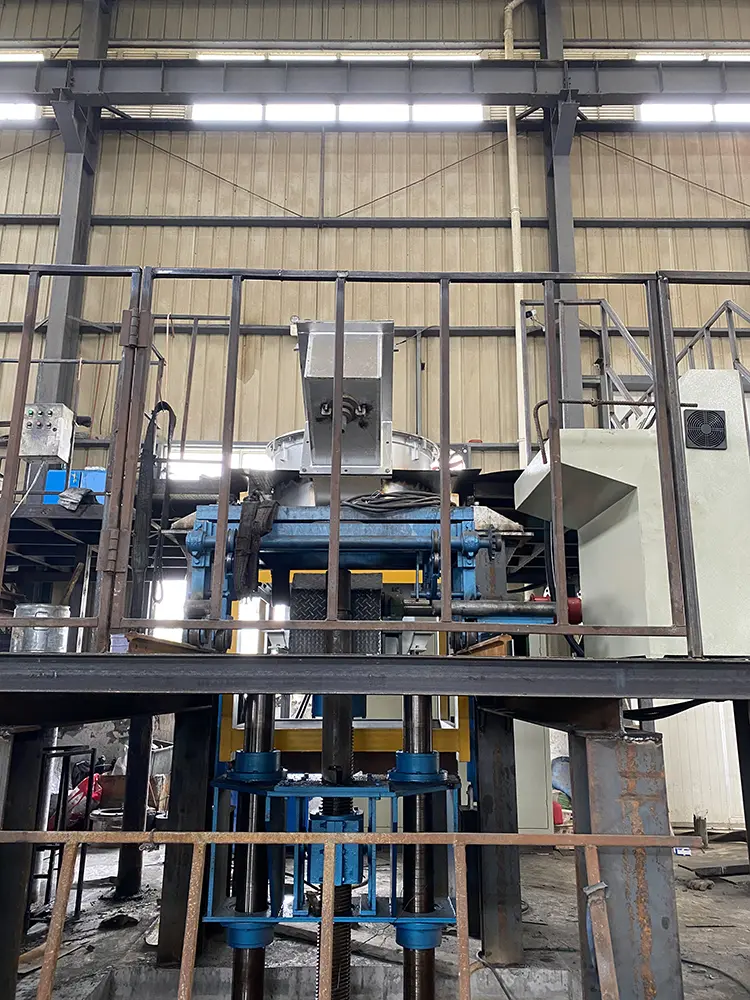
Precision Alloy Smelting
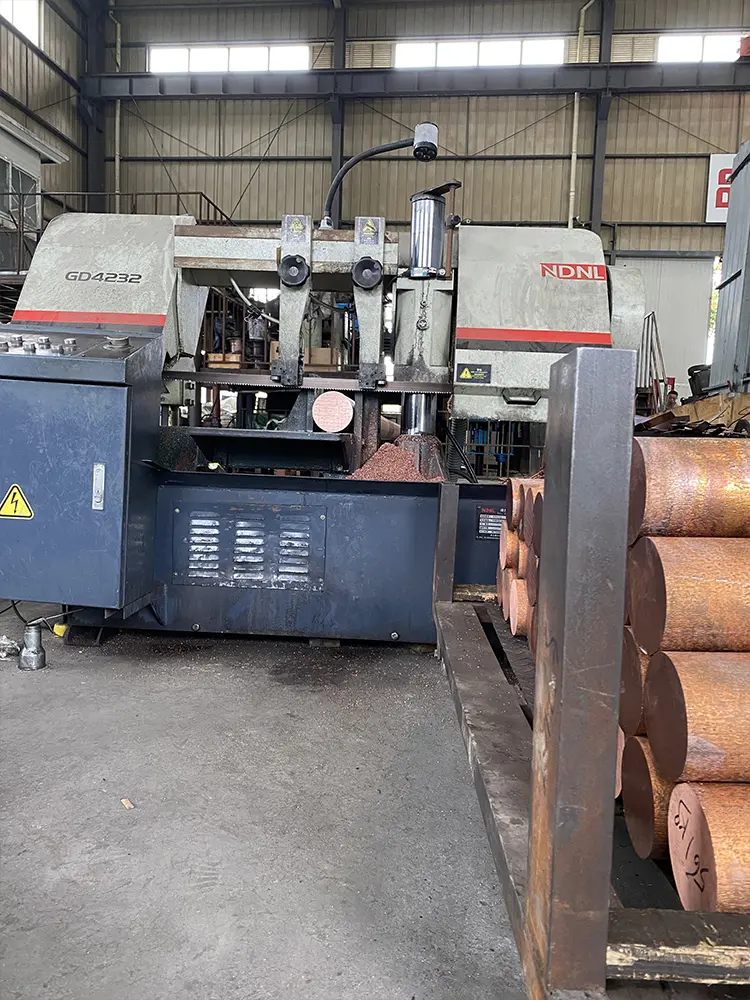
Automated Laying-off
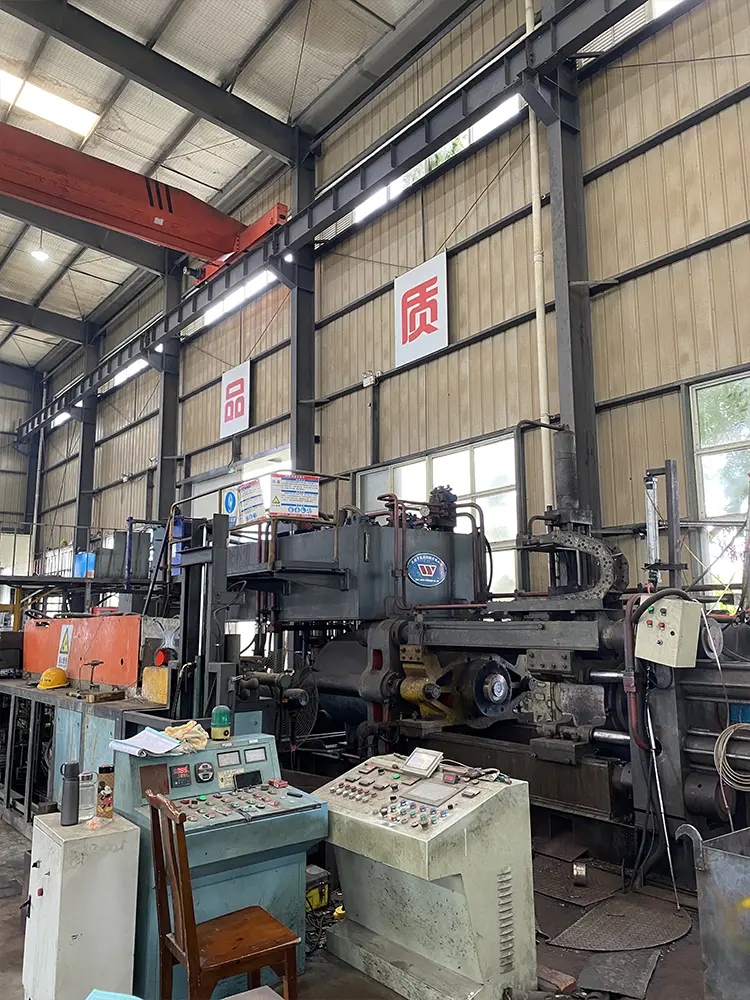
Continuous Extrusion Press
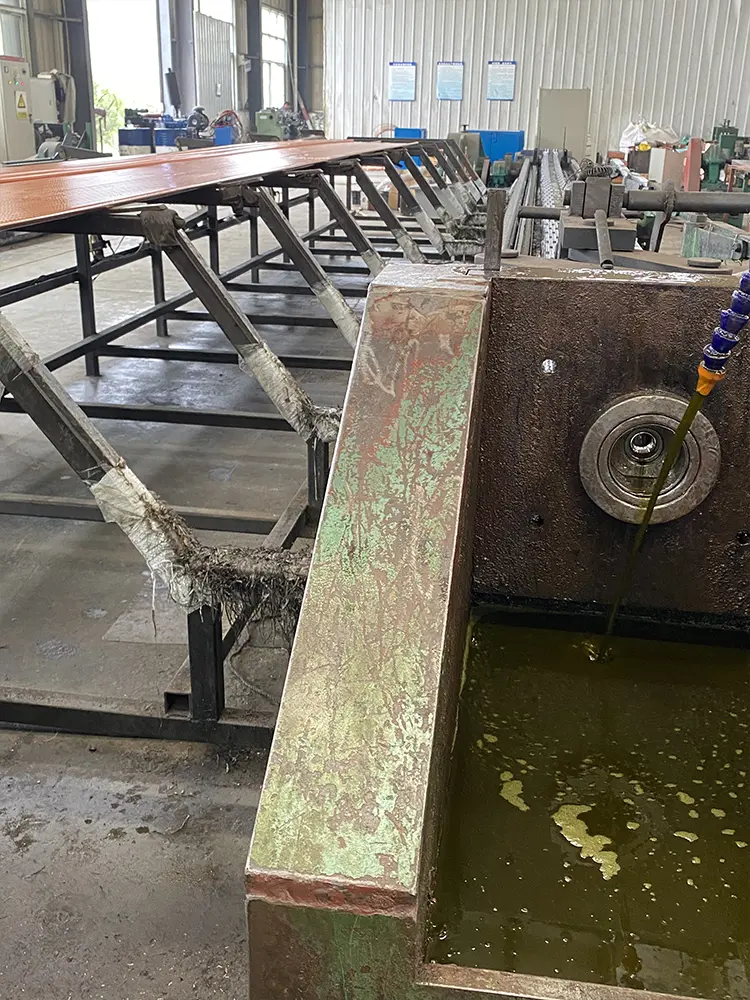
Precision Cold Drawing
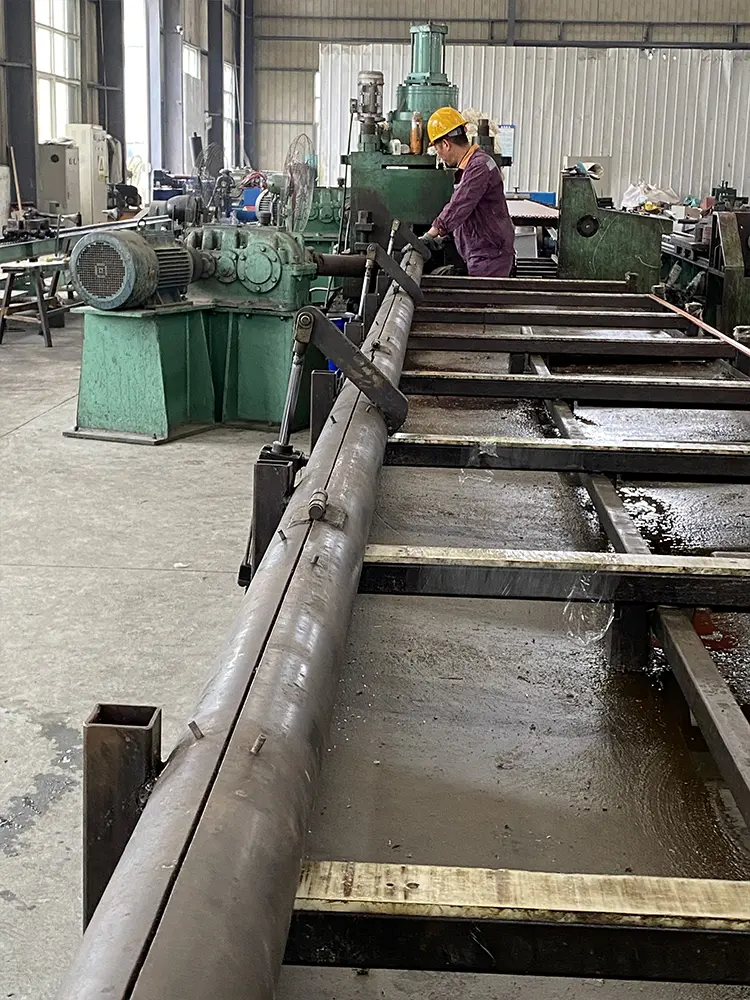
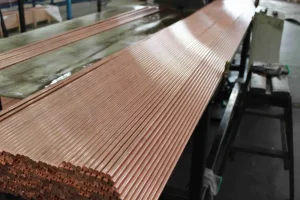
Automatic Straightening
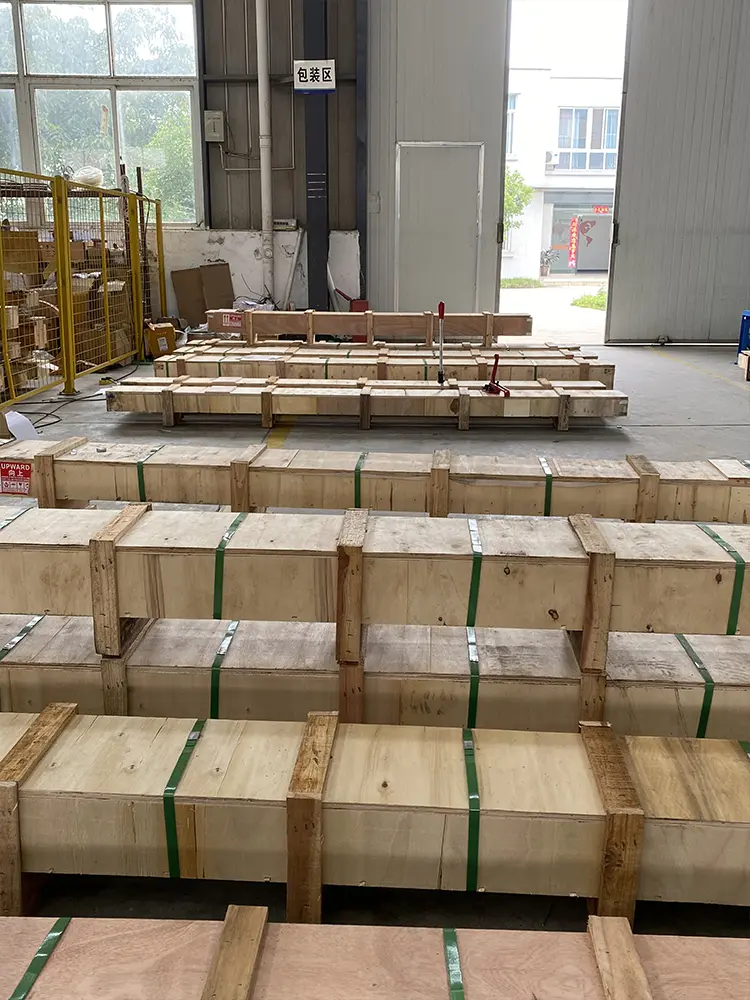
VCI Protective Packaging
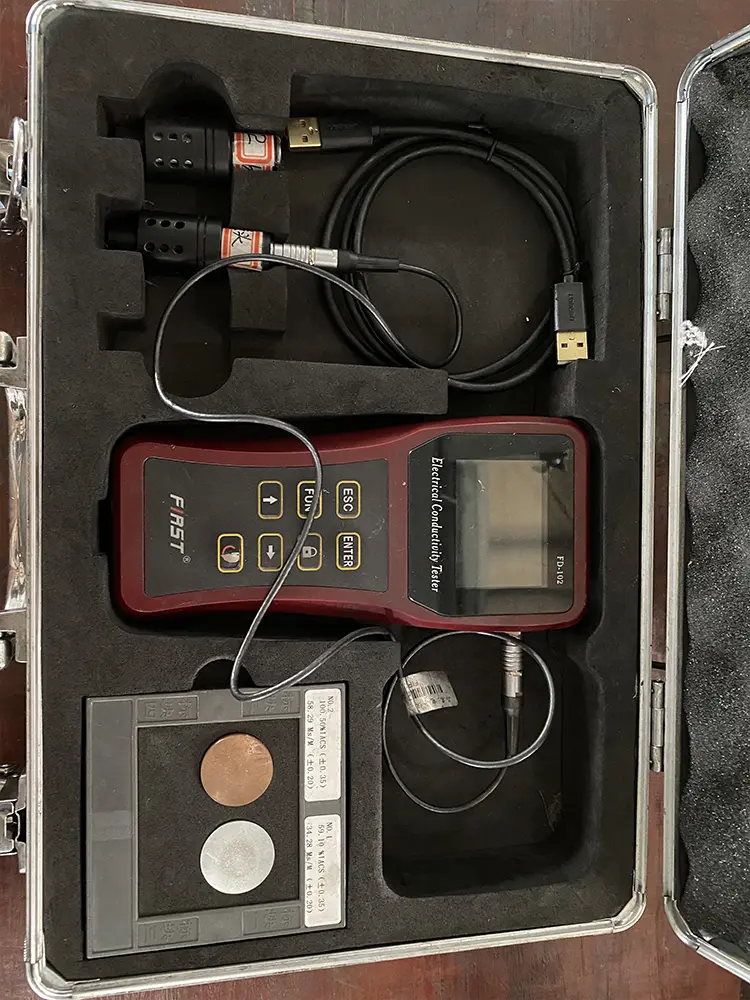
Eddy Current Conductance Instrument
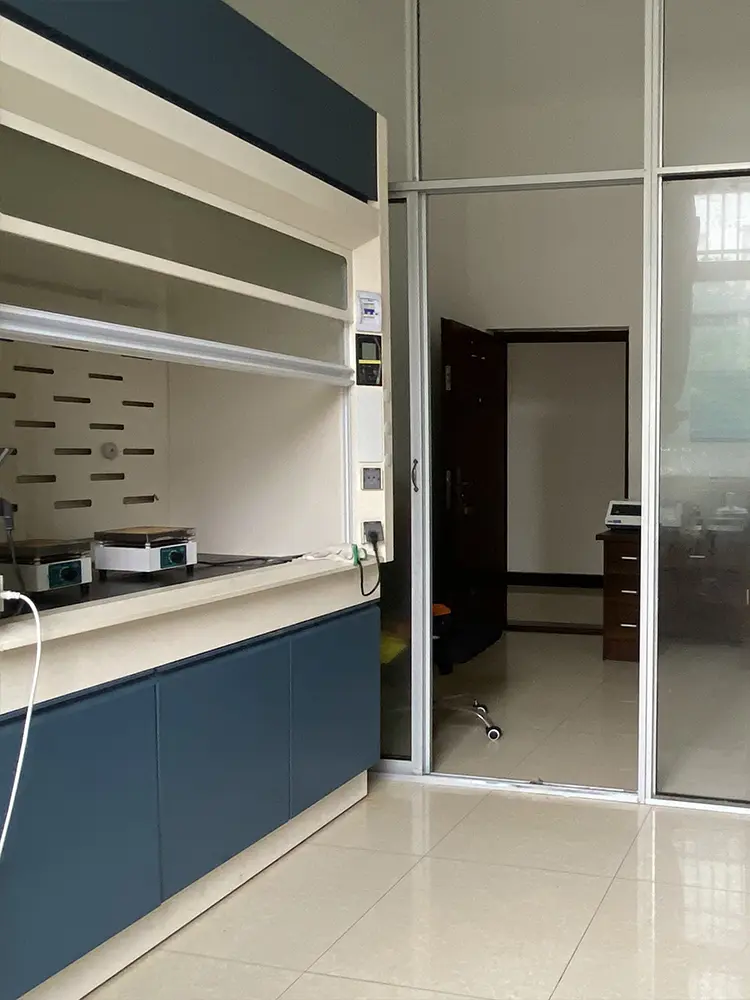
Chemical Composition Lab

Metallographic Specimen Polisher
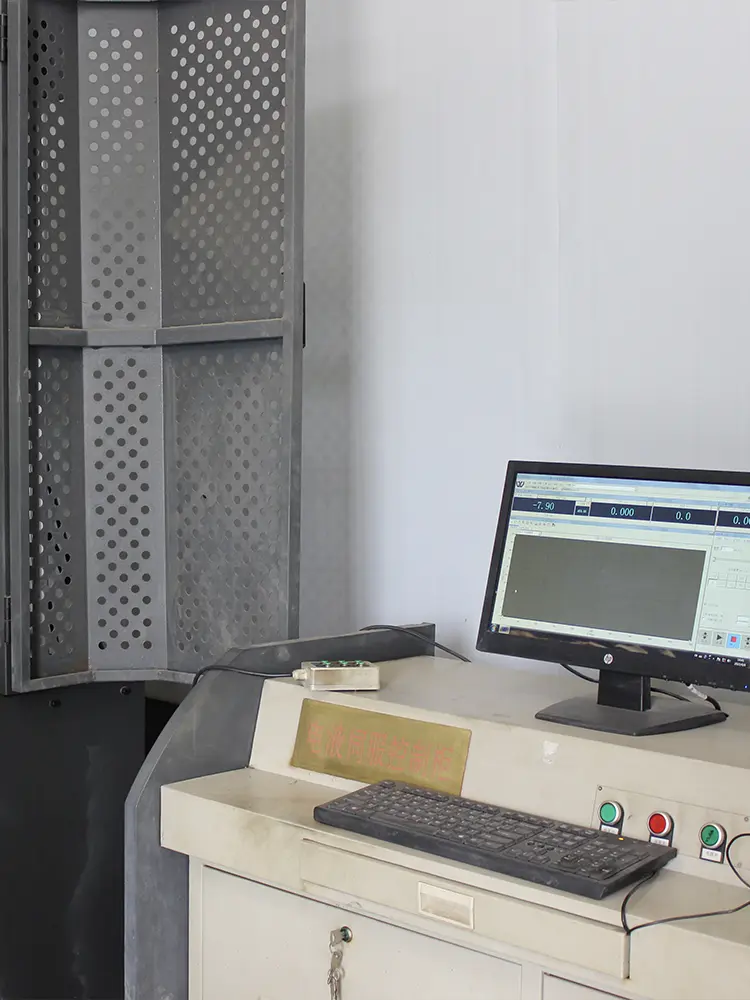
Microcomputer Electro-hydraulic Servo Tester
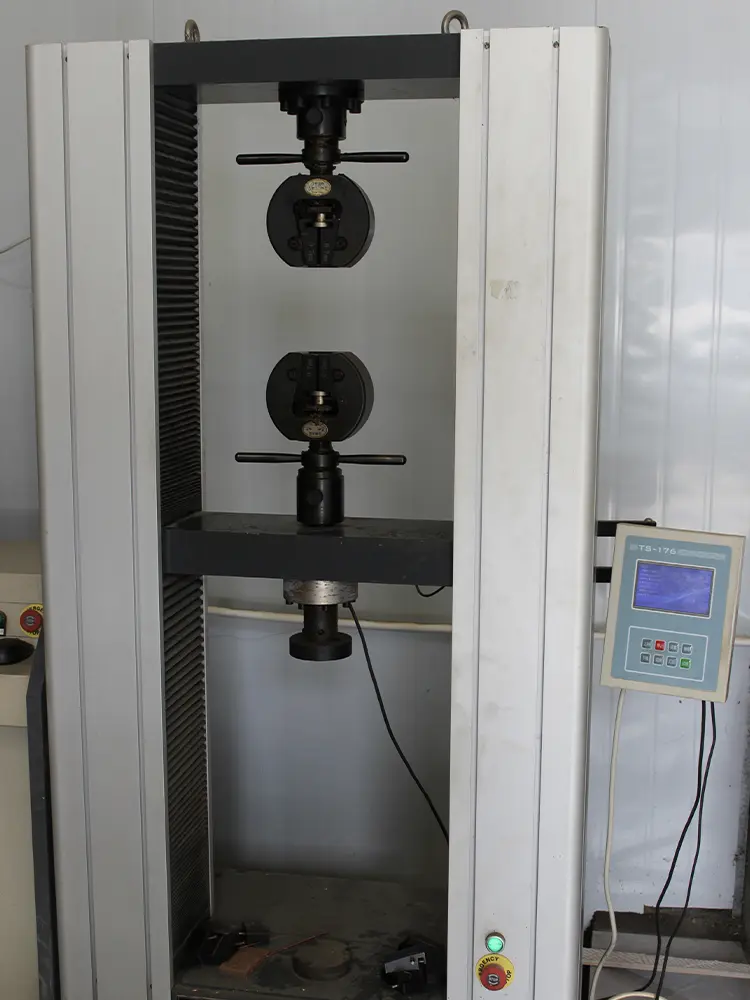
LCD Electronic Tensile Tester
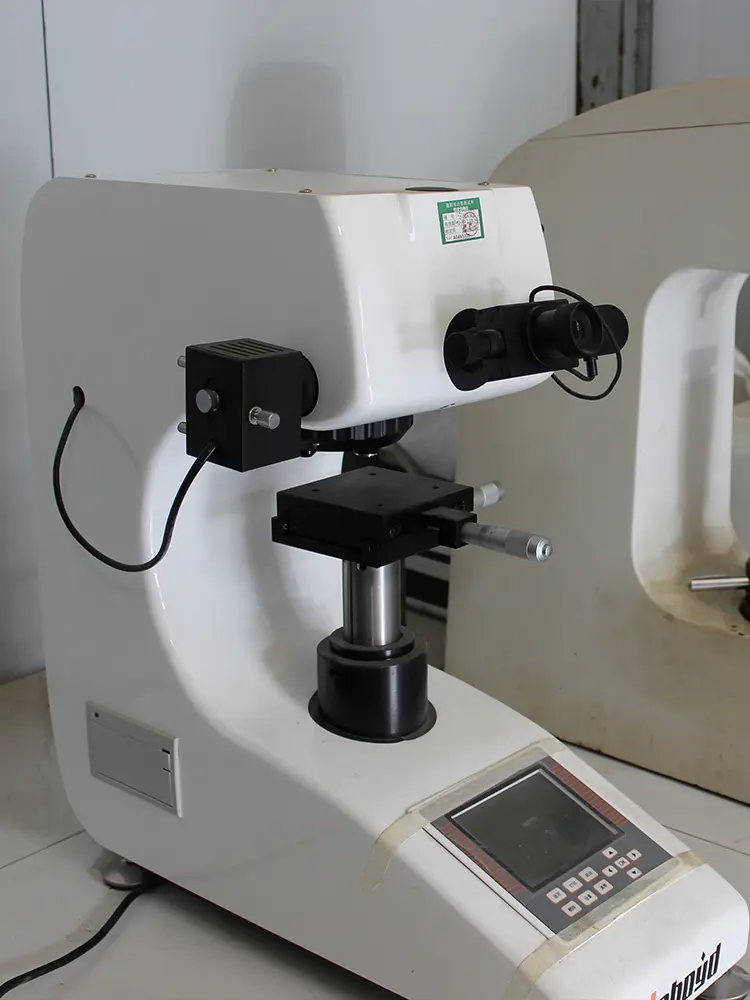
Vickers & Rockwell Hardness Tester
Empowering next-generation technology sectors with tailored copper wire and custom alloy profiles.
High-voltage direct current (HVDC) relays, charging gun pins, battery management busbars, and traction motor interconnects require high thermal conductivity, low contact resistance, and deformation resistance under severe thermal cycling.
Precision micro-coaxial connectors, millimeter-wave probe pins, and RF shielding components manufactured from Tellurium Copper (C14500) and Leaded Beryllium Copper (C17300) ensure zero signal attenuation and burr-free microscopic geometry.
High-power laser cutting nozzles and plasma arc electrode holders manufactured using Kepai’s high-density Tellurium Copper withstand localized arc temperatures exceeding 3,000°C while resisting slag adhesion and thermal deformation.
Pioneering eco-friendly, lead-free free-machining alloys and zero-carbon continuous extrusion processes.
With global environmental directives such as RoHS and REACH tightening lead content limits (<0.1%), Kepai is leading the transition toward ultra-clean Tellurium (C14500) and Sulfur (C14700) copper alloys. These materials completely eliminate environmental toxicity while matching or exceeding the machinability indices of traditional leaded copper brasses.
For high-vacuum power tubes and hydrogen energy storage valves, standard oxygen-bearing coppers suffer from catastrophic embrittlement when exposed to hydrogen at elevated temperatures. Kepai's High-Purity Oxygen-Free Copper (OFHC) process reduces oxygen content below 10 ppm, guaranteeing zero structural cracking under harsh reducing atmospheres.
Verified compliance with international quality management systems, material traceability, and export logistics.
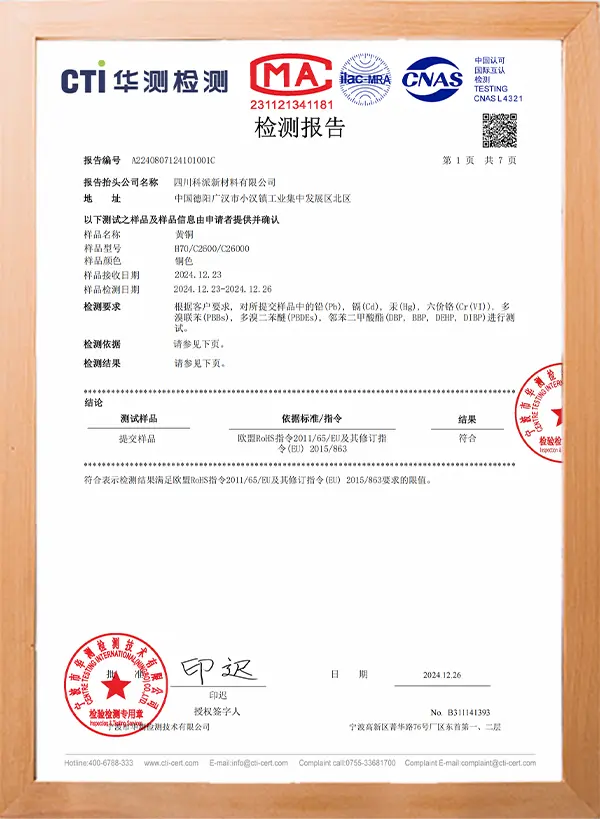
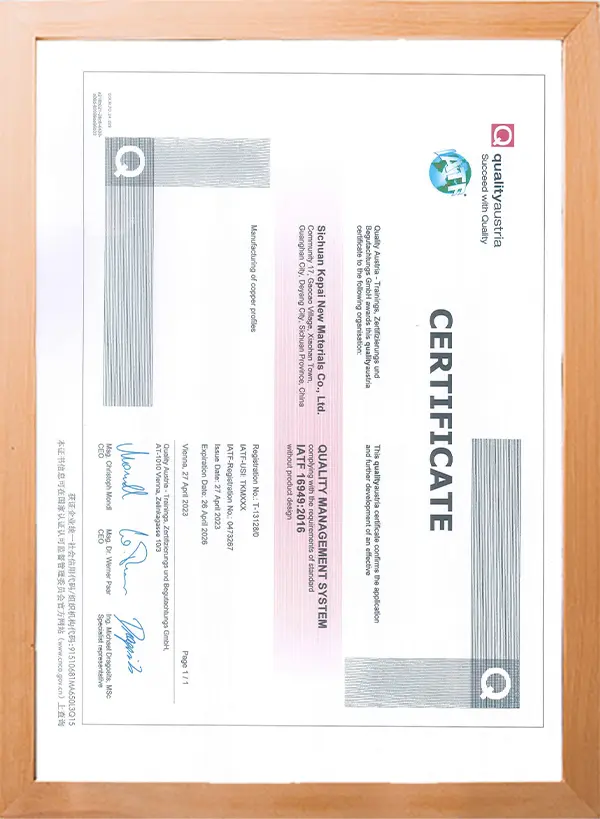
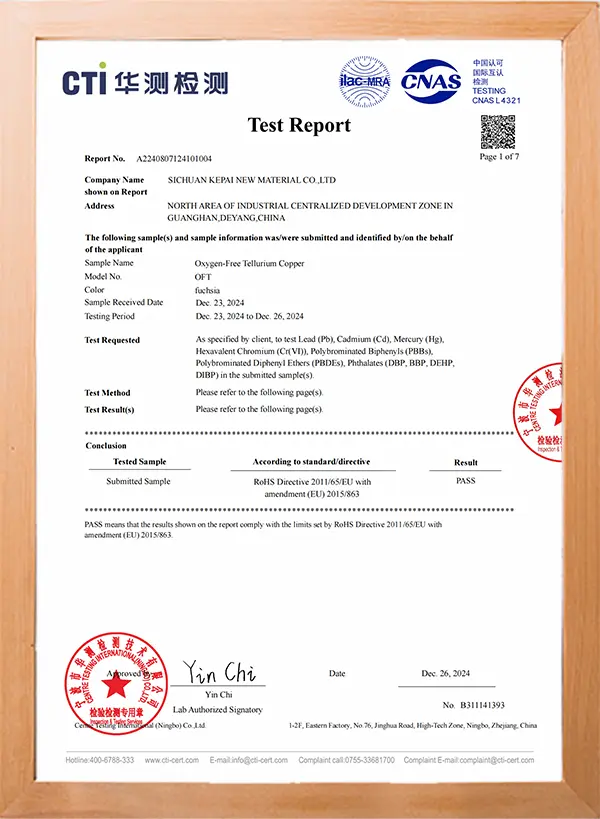
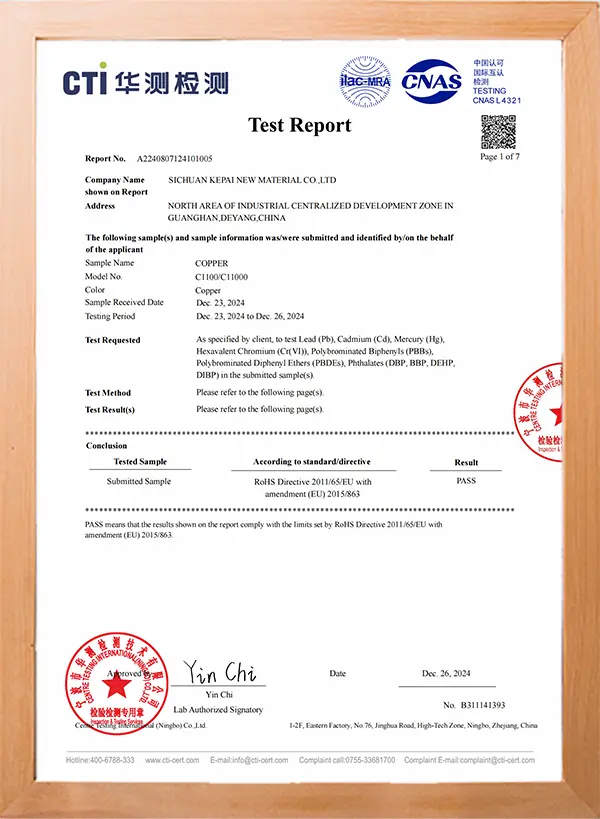
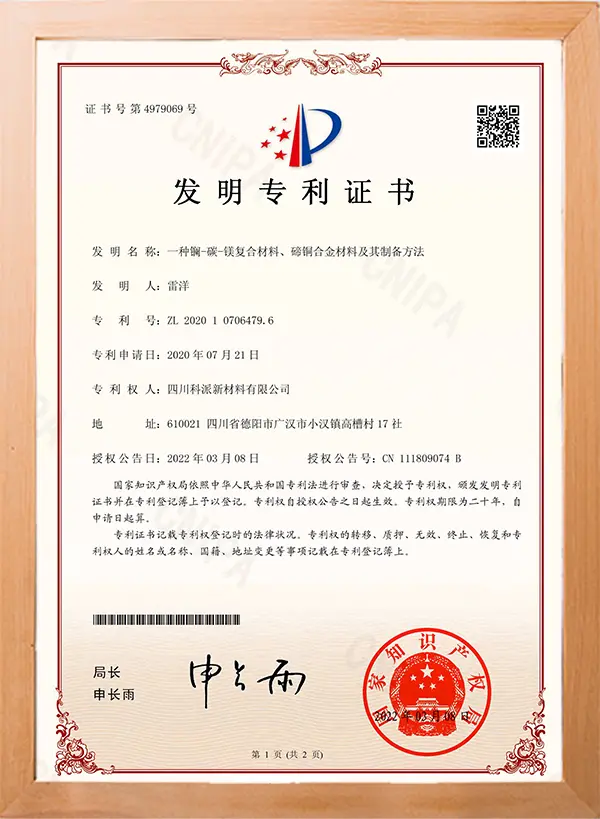
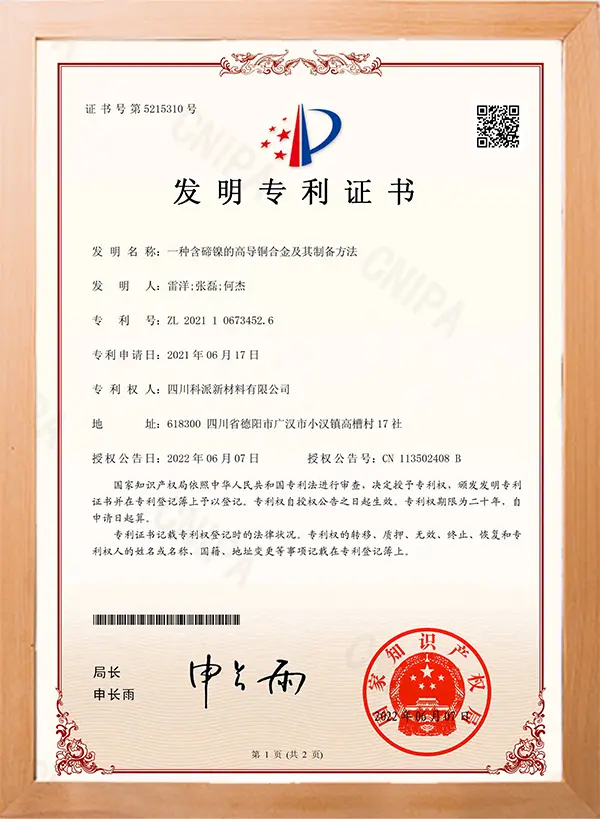
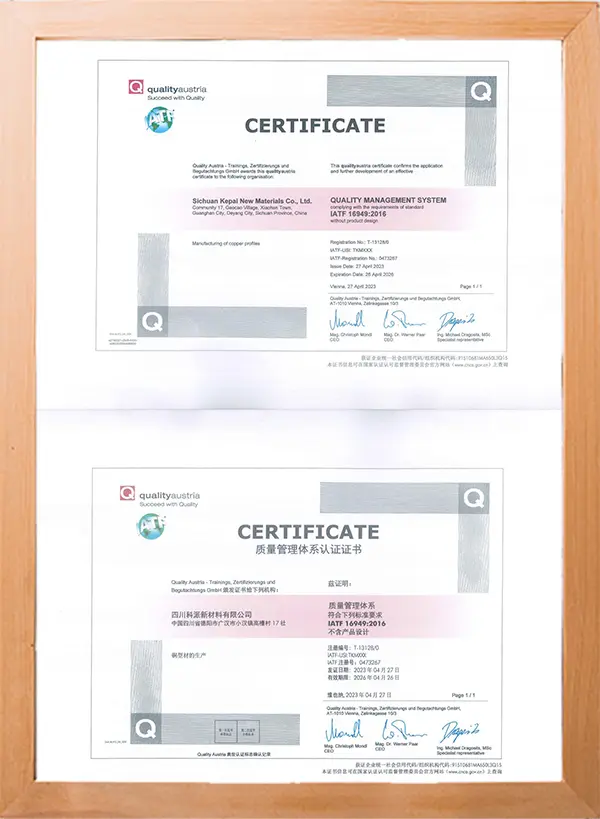
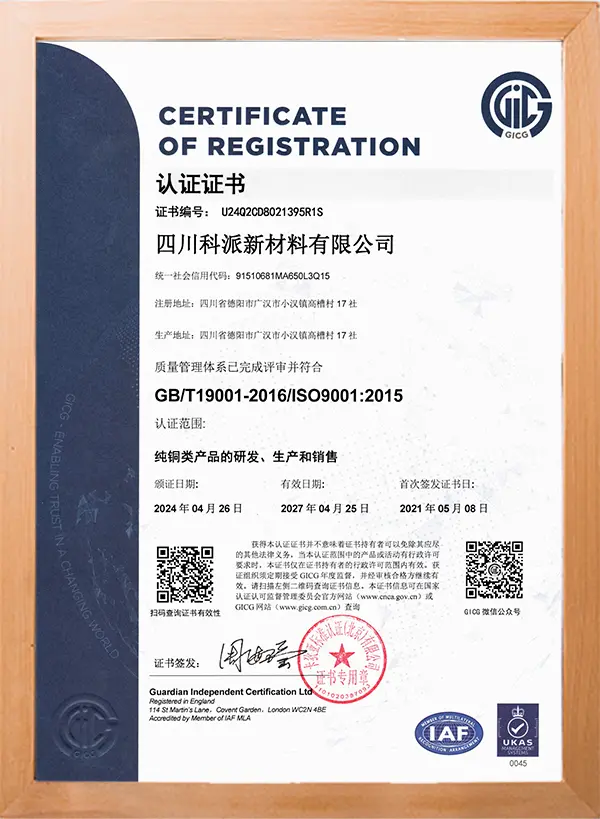
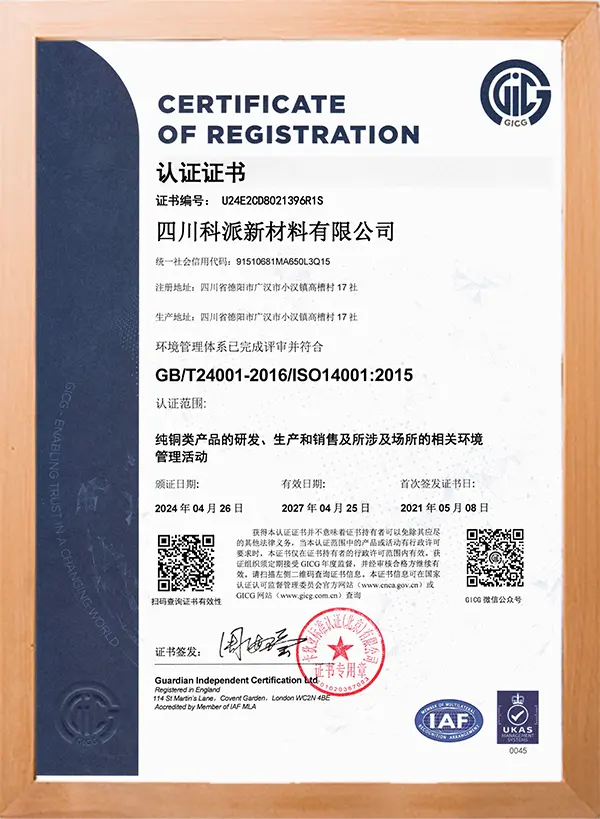
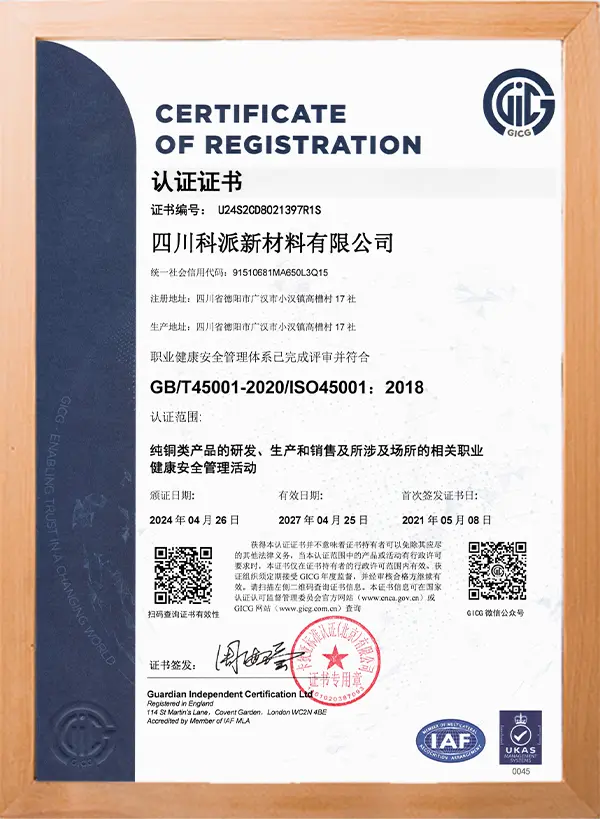
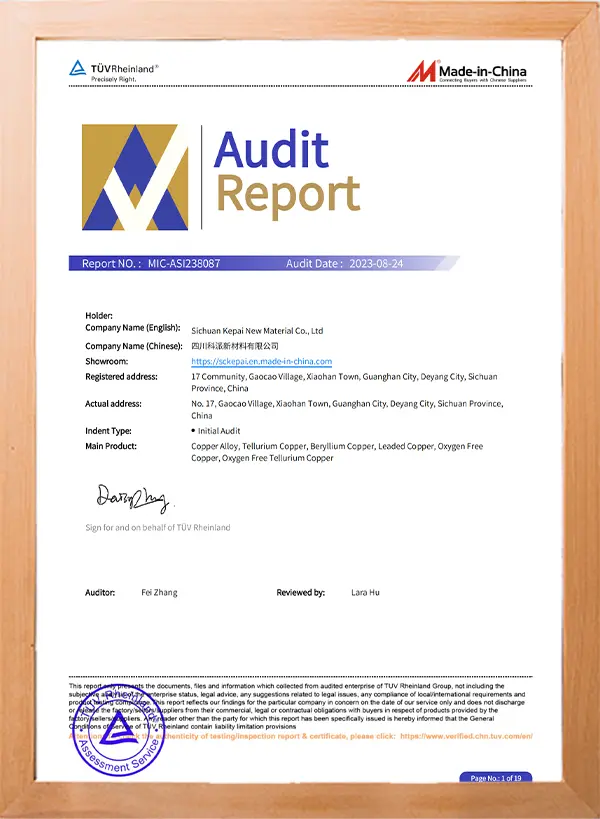
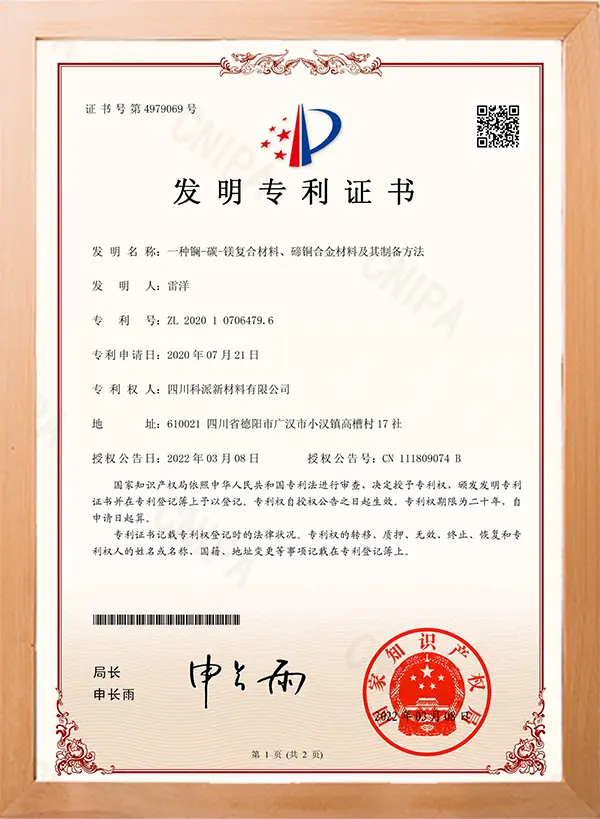
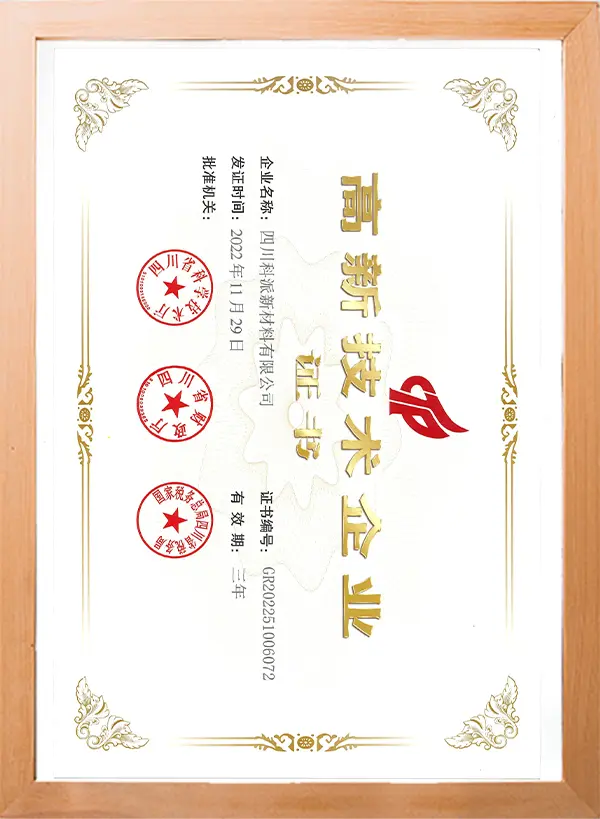
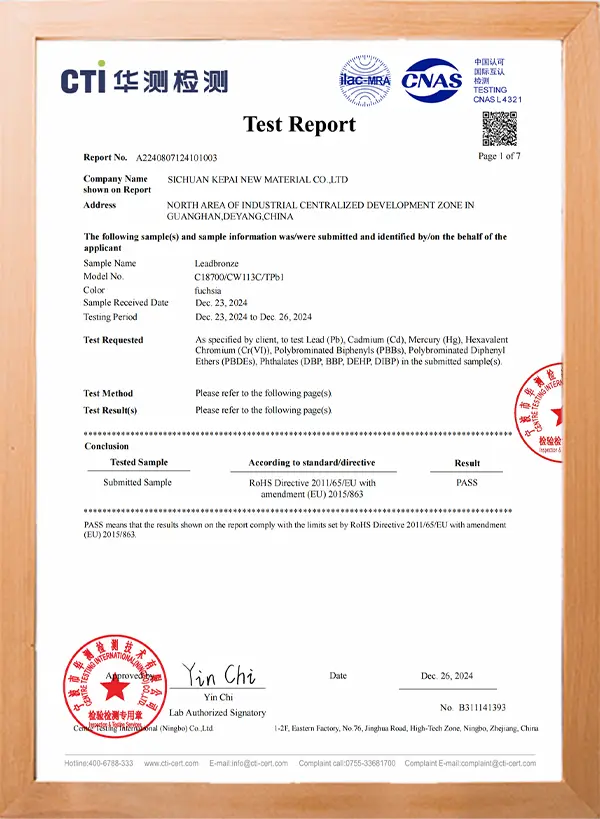
Explore additional specialized alloy formulations, high-conductivity tellurium coppers, and wear-resistant bronzes.
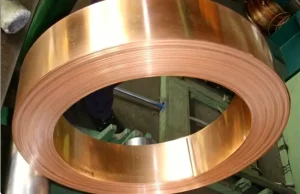
Expert technical answers addressing conductivity metrics, machining speeds, heat treatment, and order fulfillment.
Pure C11000 copper is notoriously tough and ductile, causing long continuous chips that wrap around high-speed CNC tooling, generating heat and causing premature cutter failure. C14500 Tellurium Copper contains 0.40–0.70% Tellurium, which creates microscopic chip-breaker particles in the matrix. This increases the machining rating to 85% (compared to 20% for pure copper) while maintaining over 90% IACS electrical conductivity.
Standard ETP copper contains trace oxygen (up to 0.04%). When heated above 400°C in an environment containing hydrogen, the hydrogen diffuses into the copper and reacts with cuprous oxide to form high-pressure water vapor (steam), creating micro-voids and cracking. Oxygen-Free copper (C10100/C10200) reduces oxygen to <0.001% (10 ppm), eliminating steam formation and guaranteeing total structural integrity during vacuum brazing or hydrogen annealing.
C17200 is typically supplied in the solution-annealed (A or TB00) or cold-worked (H or TD04) condition. To achieve maximum tensile strength (up to 1400 MPa) and hardness (up to 40 HRC), components are heat-treated in a precipitation furnace at 315°C to 330°C (600°F to 625°F) for 2 to 3 hours depending on wall thickness, followed by controlled air cooling.
Yes. Sichuan Kepai operates internal cold-drawing and automatic precision straightening lines capable of achieving outer diameter tolerances down to h7/h8 for round bars and ±0.01 mm for custom extruded wire profiles. We supply custom coils, cut-to-length rods, hex bars, and hollow tubes configured to your technical drawing blueprints.
Looking ahead, Sichuan Kepai New Materials Co., Ltd. will continue to uphold its original intention, with even greater enthusiasm and determination, to engage in research and application in the field of new materials, contributing to the development of the new copper alloy materials industry in China and globally. We look forward to working hand in hand with friends from all walks of life to create a brilliant future together!
 Kepai
Kepai