 Kepai
Kepai
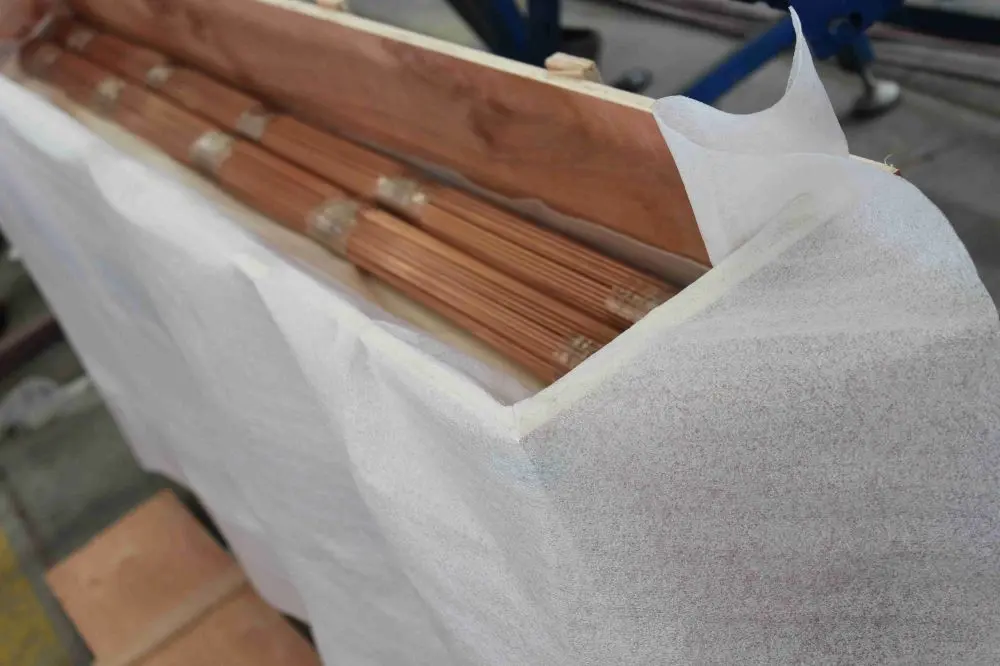
1 / 3
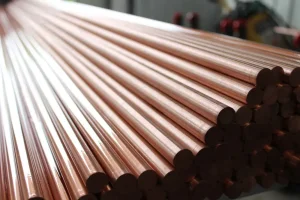
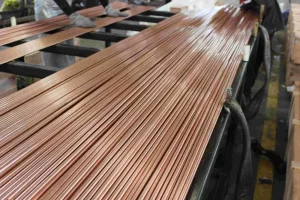
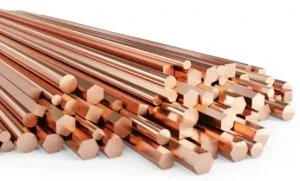
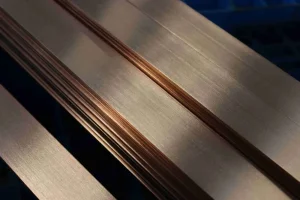
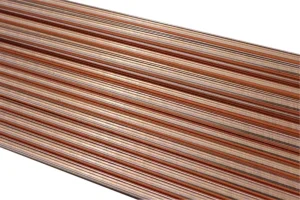
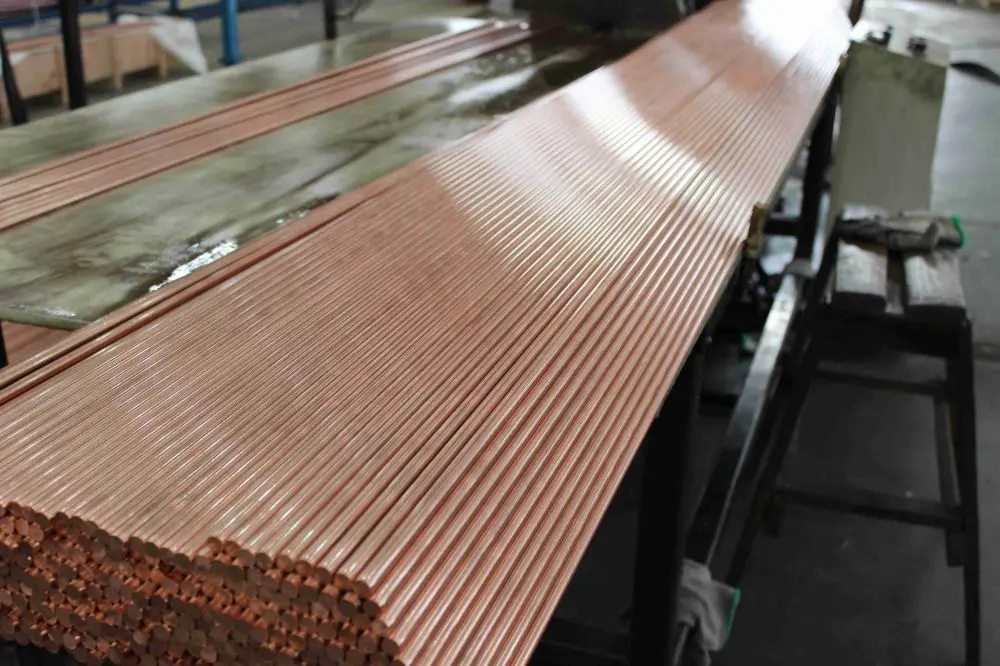
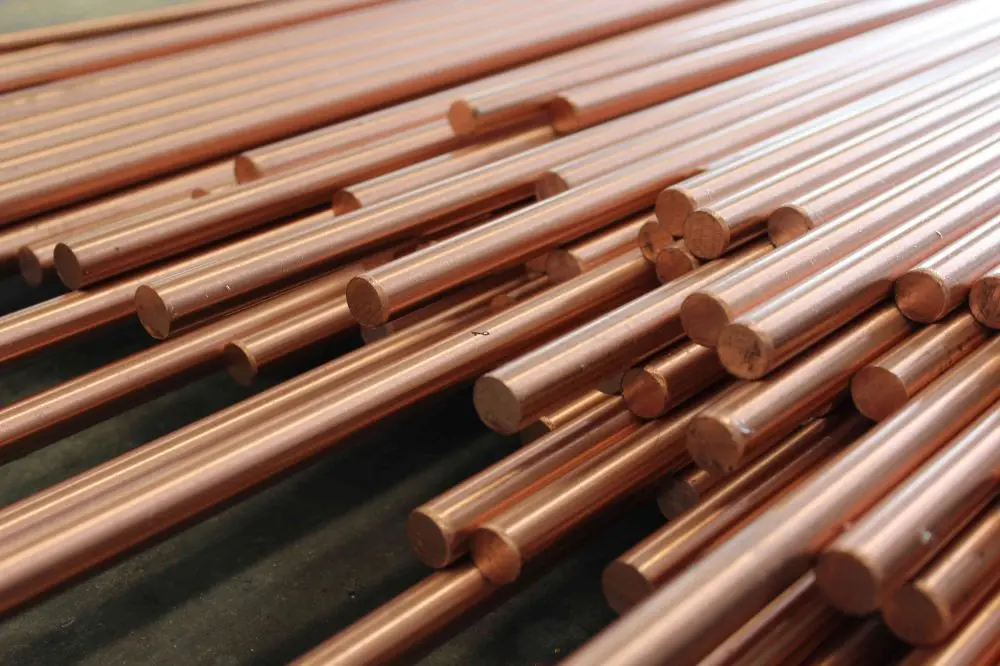
Oxygen-free copper is an important material made into plates, strips, and wires. It is used to manufacture wires and cables, batteries, motors, tachronic tubes, microwave tubes, and transistor components. Its high electrical conductivity ensures high efficiency and reliability.
Featuring excellent thermal conductivity, oxygen-free copper is widely utilized in radiators, heat exchangers, and other systems requiring highly efficient heat conduction performance.
In plumbing systems for water supply, gas supply, and heating, oxygen-free copper is highly favored due to its excellent combination of high mechanical strength and corrosion resistance.
In the chemical industry, the outstanding stability and high physical strength of oxygen-free copper make it an ideal material choice for manufacturing specialized high-temperature and high-pressure equipment.
Used in the production of electric vacuum instruments, precise meter components, coaxial tubes for LPG service pipes, and medical gas oxygen tubes.
Reaches 100% IACS (International Annealed Copper Standard), giving it a critical advantage in applications like power cables that require efficient energy transmission.
Extremely strong corrosion resistance, verified by salt spray tests showing performance three times stronger than ordinary copper, extending lifespan in harsh environments.
Features high physical strength combined with excellent processing capabilities, allowing it to withstand major mechanical stress during processing and usage.
Outstanding thermal properties allow heat sinks utilizing oxygen-free copper to achieve up to a 25% increase in total heat conduction efficiency.
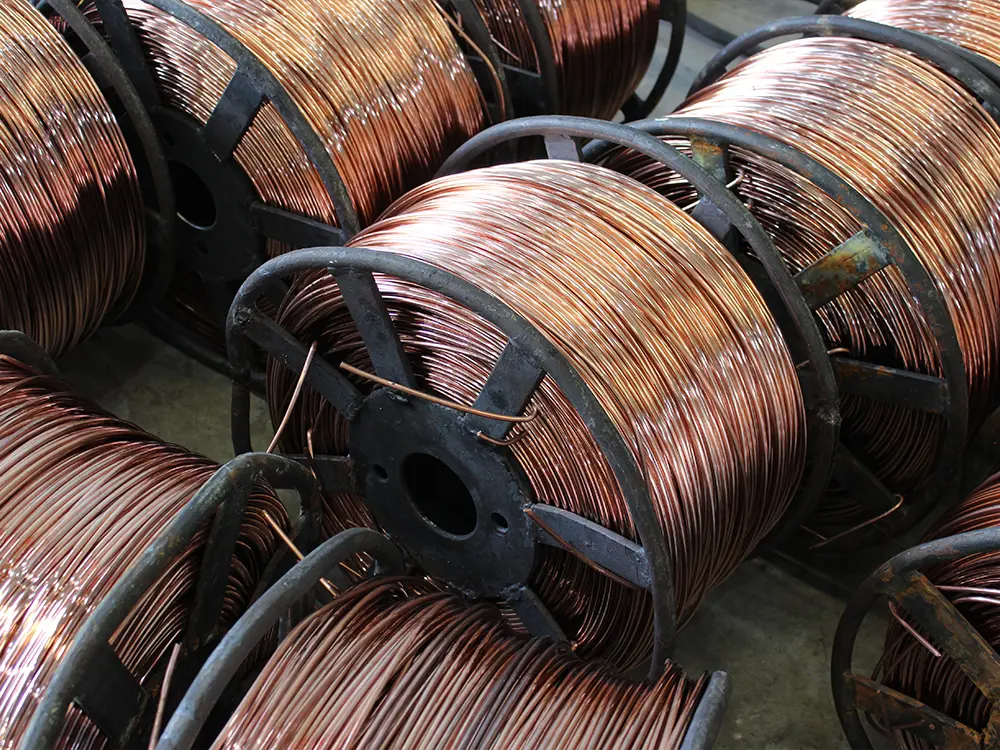
Oxygen-free copper possesses an exceptionally high level of electrical conductivity, reaching 100% on the IACS (International Annealed Copper Standard) scale, making it ideal for efficient energy transmission.
Based on salt spray testing, oxygen-free copper features corrosion resistance that is three times stronger than that of ordinary copper, providing significantly enhanced durability in harsh environments like submarine applications.
When oxygen-free copper is used to construct heat sinks and thermal dissipation components, the overall thermal conductivity efficiency can be increased by up to 25%.
Yes, it features both high mechanical strength and excellent processing performance, enabling it to withstand significant physical stress and adapt to various manufacturing configurations.
It is widely implemented in piping materials for water, gas, and heating supply systems, as well as coaxial tubes for liquefied petroleum gas, and specialized medical gas oxygen tubes.