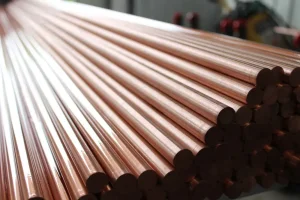
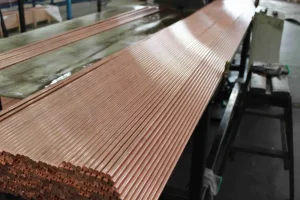
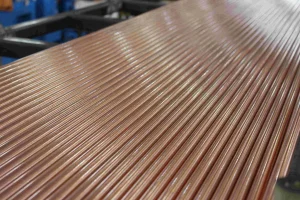
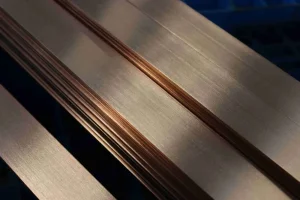
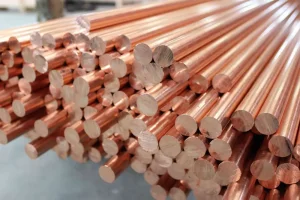
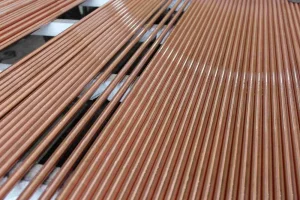
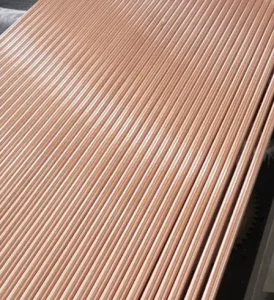
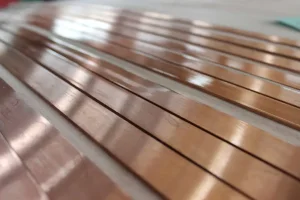
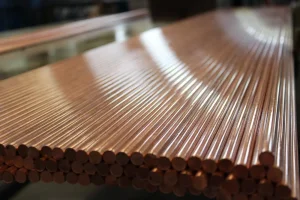
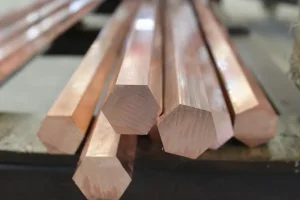
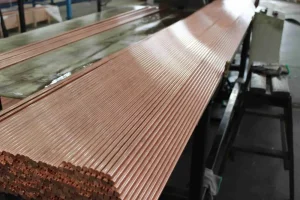
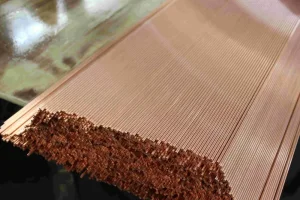
Explore our leading-edge oxygen-free, tellurium, beryllium, and customized copper alloys, optimized for maximum electrical performance.
In the modern landscape of advanced industrial manufacturing, the demand for materials featuring good electrical conductivity has evolved from a basic mechanical requirement into a highly specialized technological science. Standard commercially pure copper, while offering respectable conductivity, often falls short when exposed to severe operational stress, high temperatures, and the need for precision high-speed machining. Consequently, key industries like electric vehicles (EVs), 5G networks, aerospace, and high-precision laser cutting demand specialized copper alloys. These alloys must maintain exceptional electrical performance while offering high tensile strength, anti-softening capabilities, and superior free-cutting performance.
Sichuan Kepai New Material Co., Ltd. leads this metallurgical advancement. By utilizing precise alloying techniques, we incorporate key elements such as tellurium, beryllium, chromium, zirconium, and sulfur. This enables us to design materials that push the thermodynamic limits of copper. In this technical whitepaper, we analyze the microstructural mechanisms, processing advancements, and macroeconomic trends that establish Kepai as the world's premier good electrical conductivity manufacturer and exporter.
A high-tech enterprise committed to innovation, quality, and sustainable development.
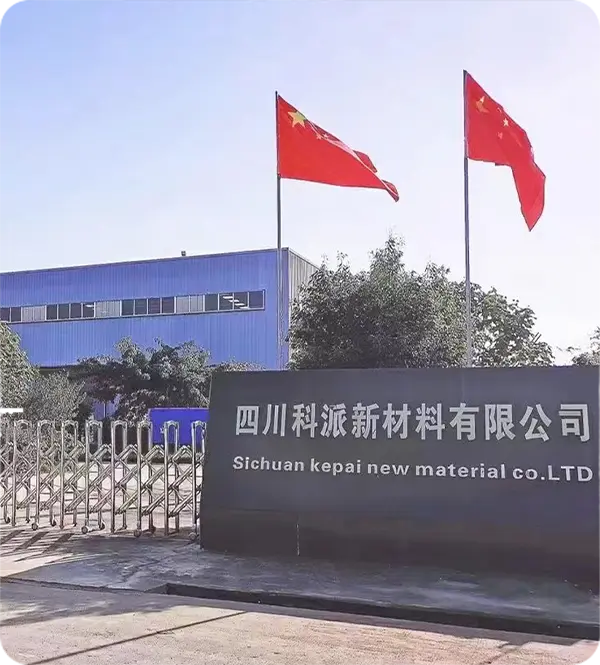
Established in 2017, Sichuan Kepai New Materials Co., Ltd. is a high-tech enterprise integrating research and development, production, and sales. Currently, the factory covers an area of approximately 9,000 square meters, with an office space of about 1,000 square meters.
The company primarily engages in the production of strategic emerging new materials for the national 13th Five-Year Plan, including special copper alloys such as tellurium copper, high-conductivity oxygen-free copper, silver copper, and dispersion copper, while also focusing on the research and development of high-conductivity, easy-to-machine, high-strength copper alloys. Our products are mainly applied in high-tech fields such as new energy vehicles, 5G technology, laser cutting, and lithium battery relays.
The company is located in the western area of the Sichuan Guanghan Industrial Development Zone, adjacent to National Highway 108, boasting a superior geographical location and convenient transportation, which lays a solid foundation for the rapid development of the enterprise.
Since its establishment, Kepai has adhered to the business philosophy of "innovation-driven development, quality wins the market," committed to providing customers with the highest quality high-end copper alloy materials, and promoting industrial upgrading and sustainable development.
Our four pillars: Technical Innovation, Rich Product Systems, Global Market Layout, and Corporate Culture.
Technological innovation is the core competitiveness of Sichuan Kepai New Materials Co., Ltd. The company has a research and development and production team composed of senior industry experts who keep pace with international cutting-edge technology trends and continuously explore the unknown boundaries in the field of new copper alloy materials. Through a combination of independent research and development and industry-university-research collaboration, Kepai has made breakthrough progress in several areas, including high-performance tellurium copper, lead copper, and sulfur copper.
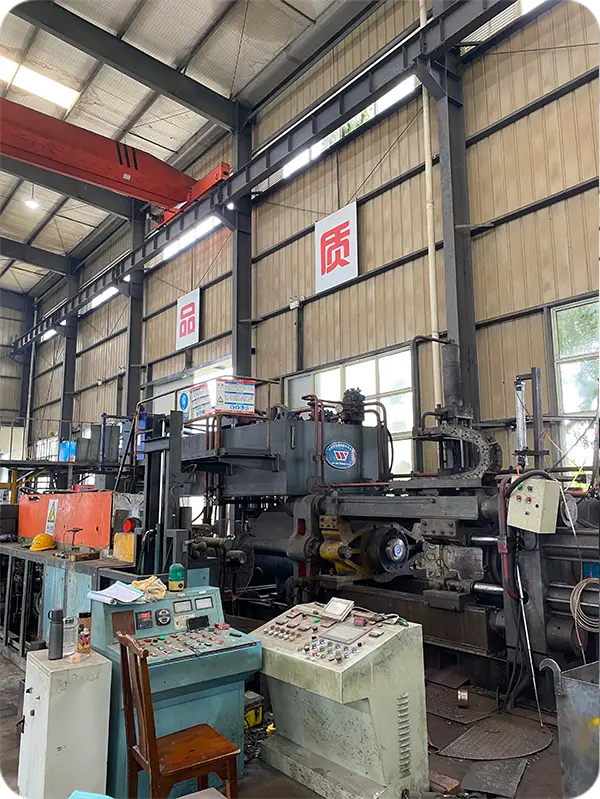
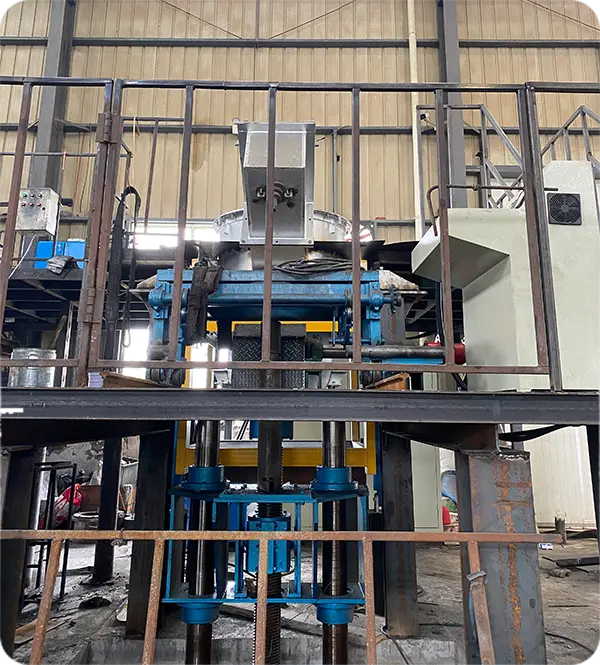
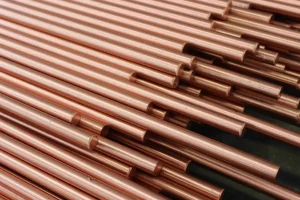
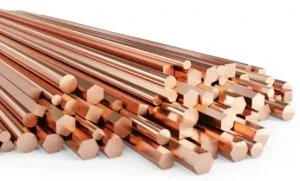
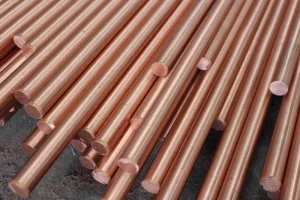
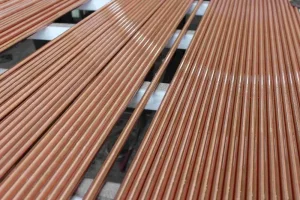
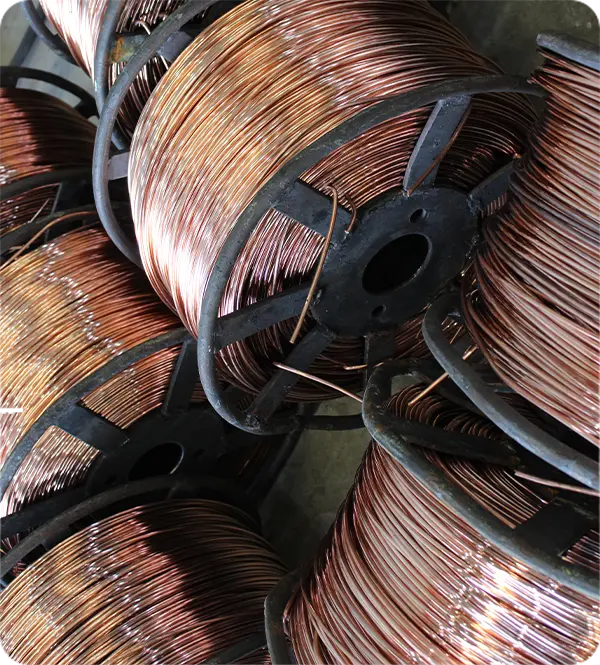
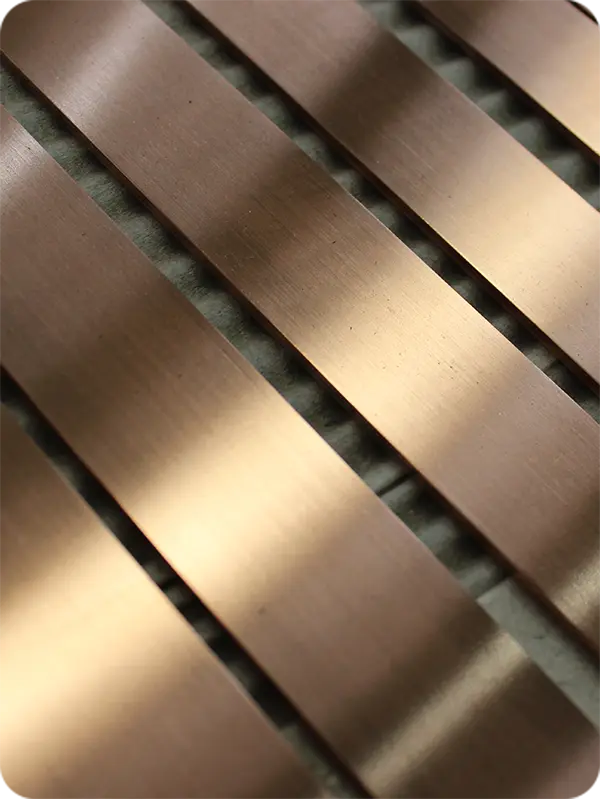
Kepai's product line is rich and diverse, covering a comprehensive range of solutions from basic materials to high-end customization. We focus on providing customers with high-performance, high-quality high-end copper alloy products, including but not limited to pure copper, oxygen-free copper, oxygen-free high-conductivity tellurium copper, nickel tellurium copper, tin bronze, beryllium copper, lead bronze, sulfur copper, and chromium zirconium copper.
In the face of global market competition, Sichuan Kepai New Materials adheres to the development strategy of "rooted in Sichuan, radiating nationwide, and moving towards the world." By continuously optimizing market layout and improving the sales network, we have established a stable customer base in multiple provinces and cities across the country and have formed long-term cooperative relationships with several internationally renowned enterprises.

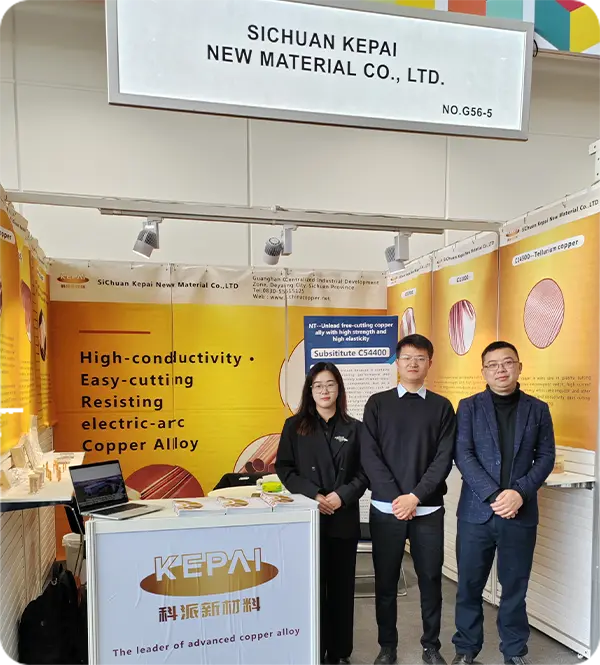
We understand that the long-term development of an enterprise is inseparable from an excellent corporate culture. We advocate the corporate spirit of "integrity, innovation, collaboration, and win-win," encouraging employees to explore boldly and innovate courageously, while also emphasizing teamwork and talent cultivation, striving to create a harmonious, open, and inclusive work atmosphere.

Analyzing key market drivers, clean energy demands, and micro-machinability standards.
The global shift towards electric vehicles (EVs) has revolutionized the electrical performance requirements for power connectors, busbars, and distribution blocks. Traditional copper grades often experience thermal degradation and high resistance under extreme currents. High-conductivity tellurium copper alloys (such as UNS C14500) have become the industry standard for EV charging pins and relays. Incorporating tellurium facilitates high-speed machining without sacrificing electrical conductivity (which remains >93% IACS), ensuring low contact resistance and preventing thermal runaway during ultra-fast charging cycles.
High-frequency communication networks require exceptional signal purity and minimal electrical resistance. Oxygen-free high-conductivity (OFHC) copper (like C10100 and C10200) is crucial for manufacturing coaxial cables, waveguides, and semiconductor lead frames. By keeping oxygen levels below 10 ppm, the alloy prevents hydrogen embrittlement and mitigates signal loss, supporting the rapid transmission speeds required by modern telecommunication networks.
Historically, manufacturers faced a trade-off: pure copper offered excellent conductivity but poor machinability (clogging tooling and creating continuous stringy chips). Today, precision electronics require intricate geometries that can only be produced via high-speed Swiss-type CNC machining. Advanced alloys like sulfur copper and tellurium copper maintain excellent conductivity while delivering short, brittle chips, dramatically increasing machining throughput and tool life.
How Kepai customizes metallurgy to solve complex engineering challenges across critical sectors.
Providing high-current connectors, high-voltage battery distribution relays, and robust charging contactors manufactured from premium C14500 Tellurium Copper to ensure thermal efficiency and vehicle safety.
Electrodes and nozzles require rapid heat dissipation and electric arc resistance. Our high-conductivity copper alloys extend consumable lifespan by up to 40% compared to conventional copper grades.
High-conductivity oxygen-free copper and custom dispersion-strengthened copper alloys are engineered for smart grid systems, industrial switches, and power grid automation relay parts.
A full-process manufacturing, extrusion, drawing, and precision testing infrastructure to guarantee absolute material integrity.
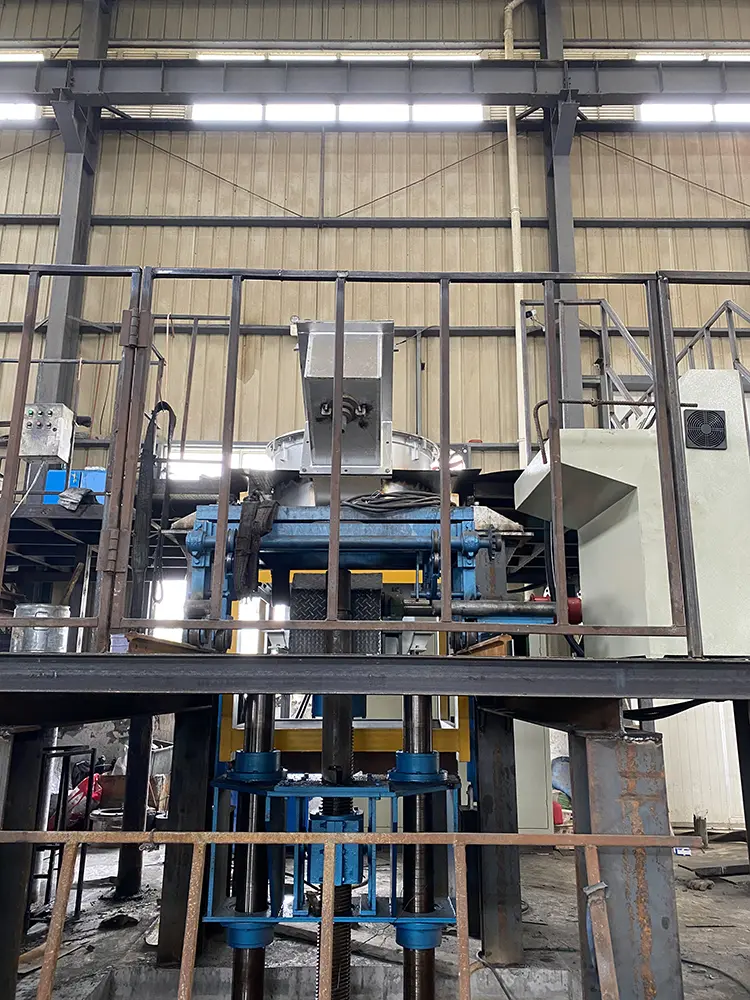
Smelting
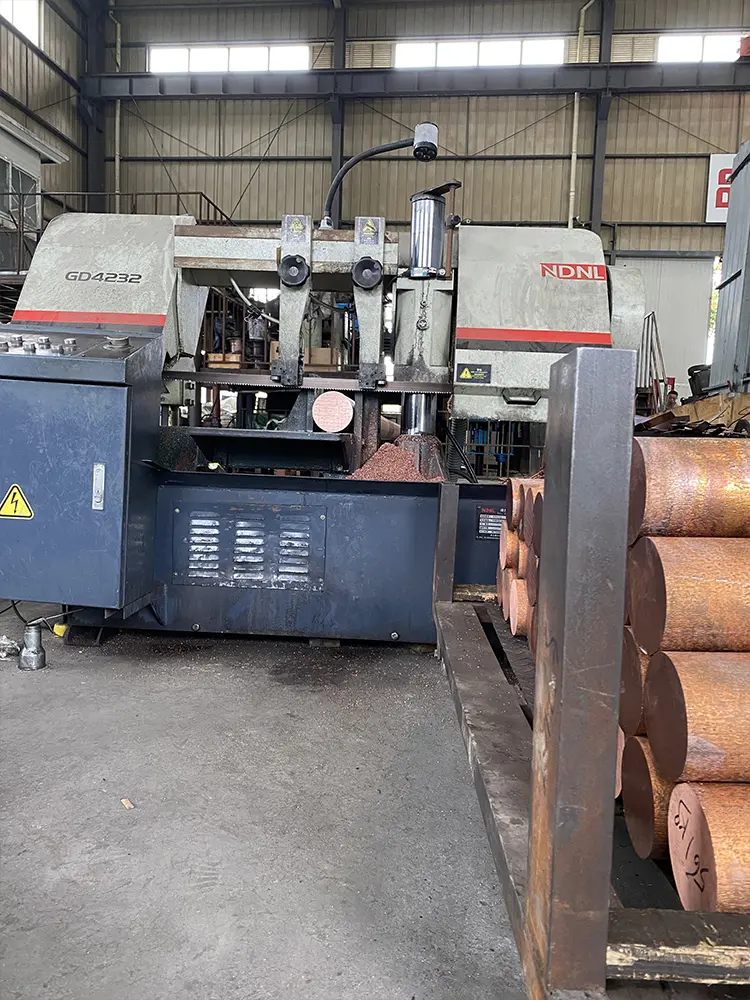
laying-off
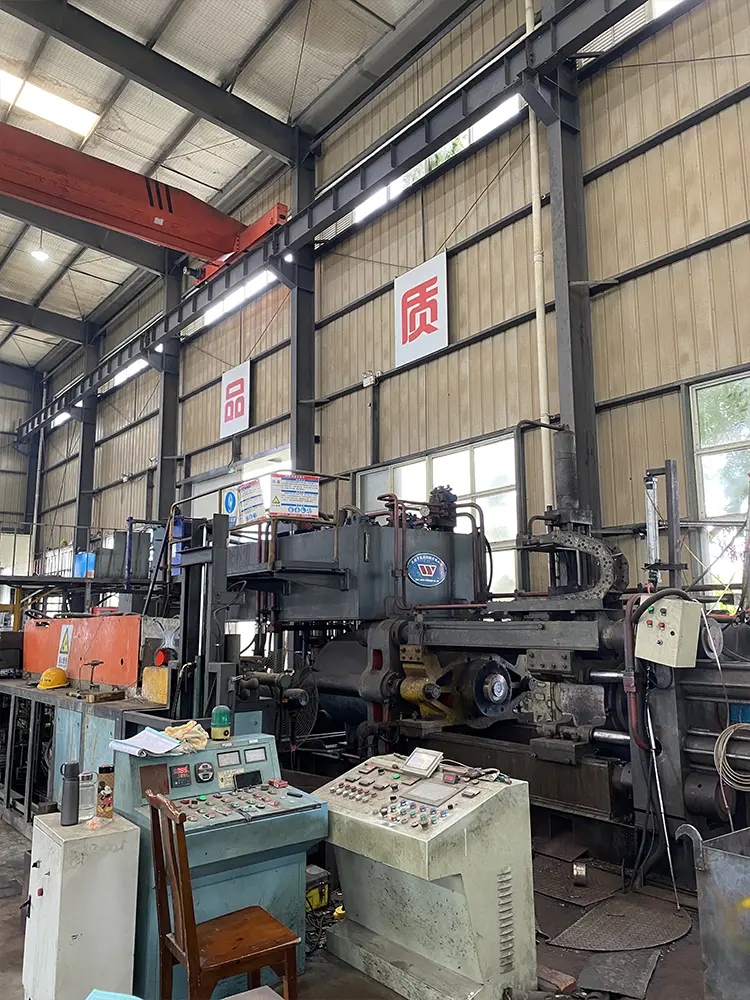
extrusion
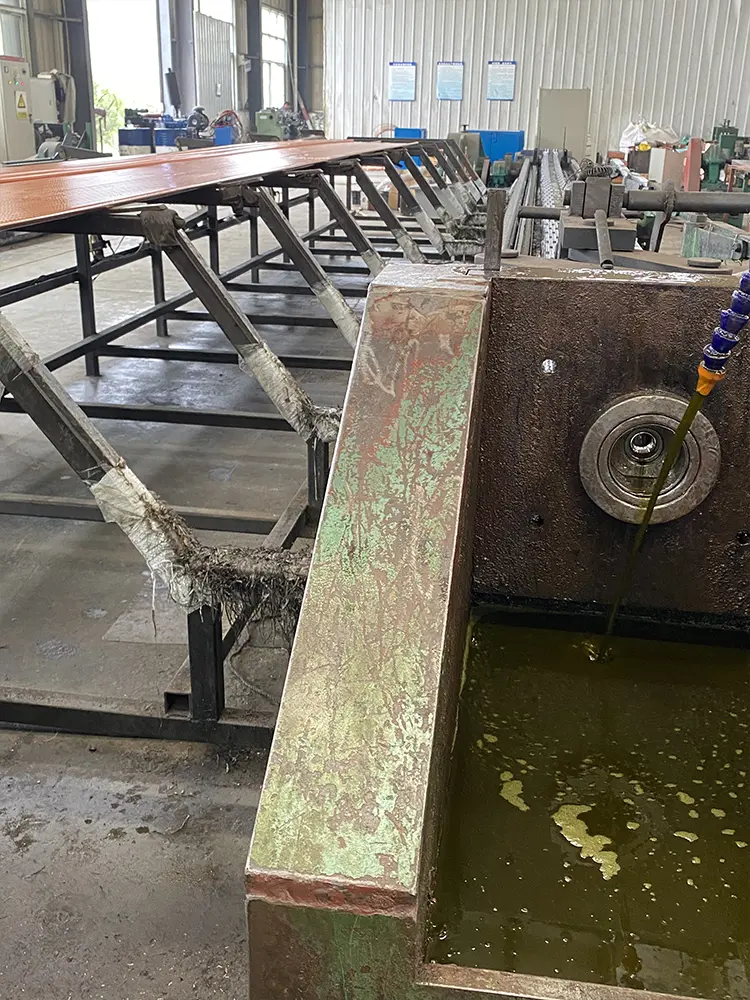
drawing
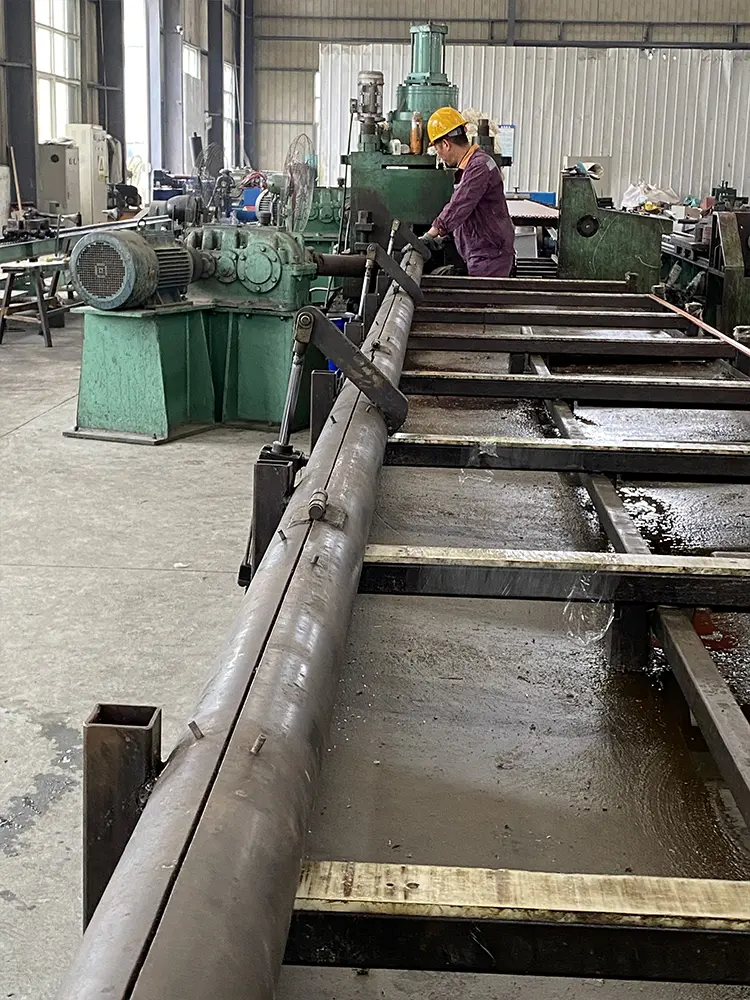
straightening
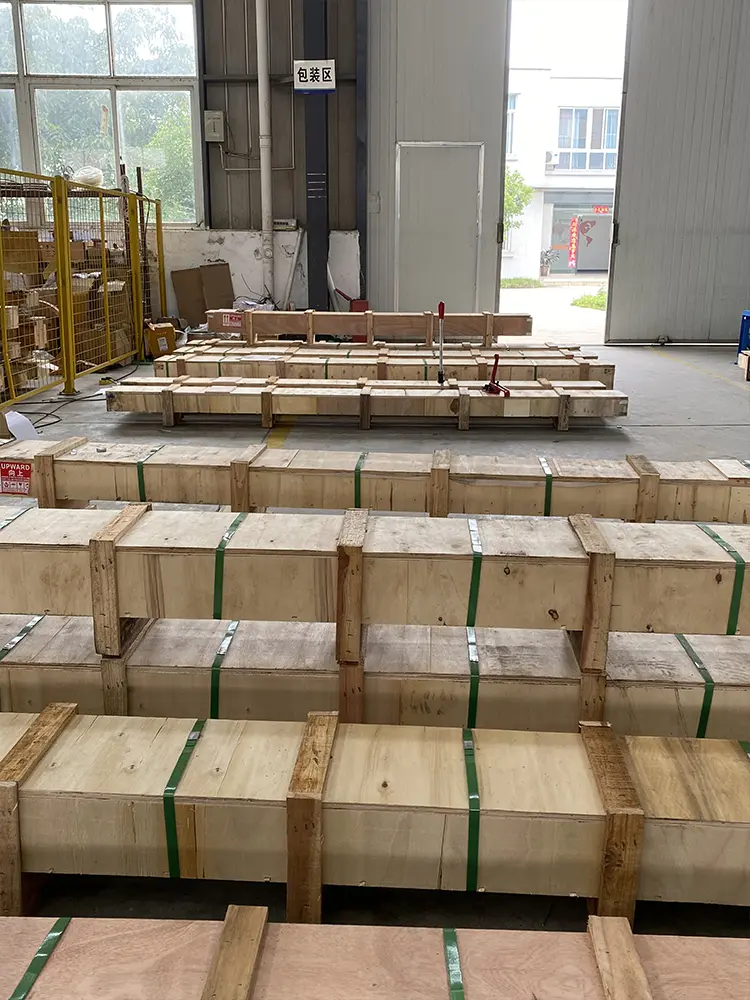
package
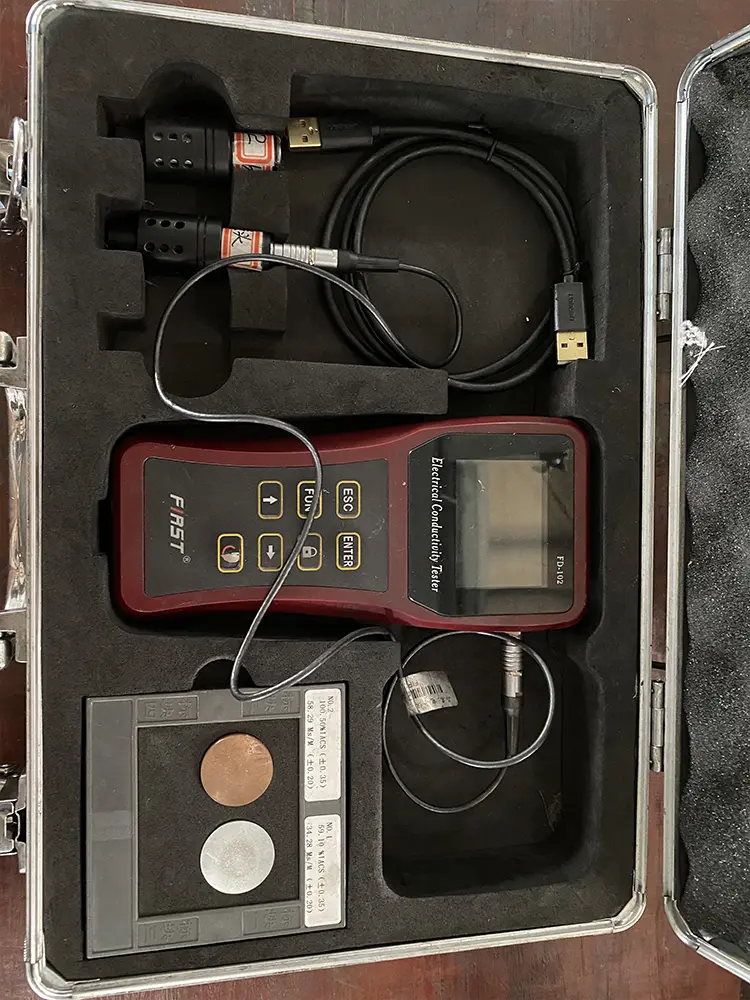
eddy current conductance instrument
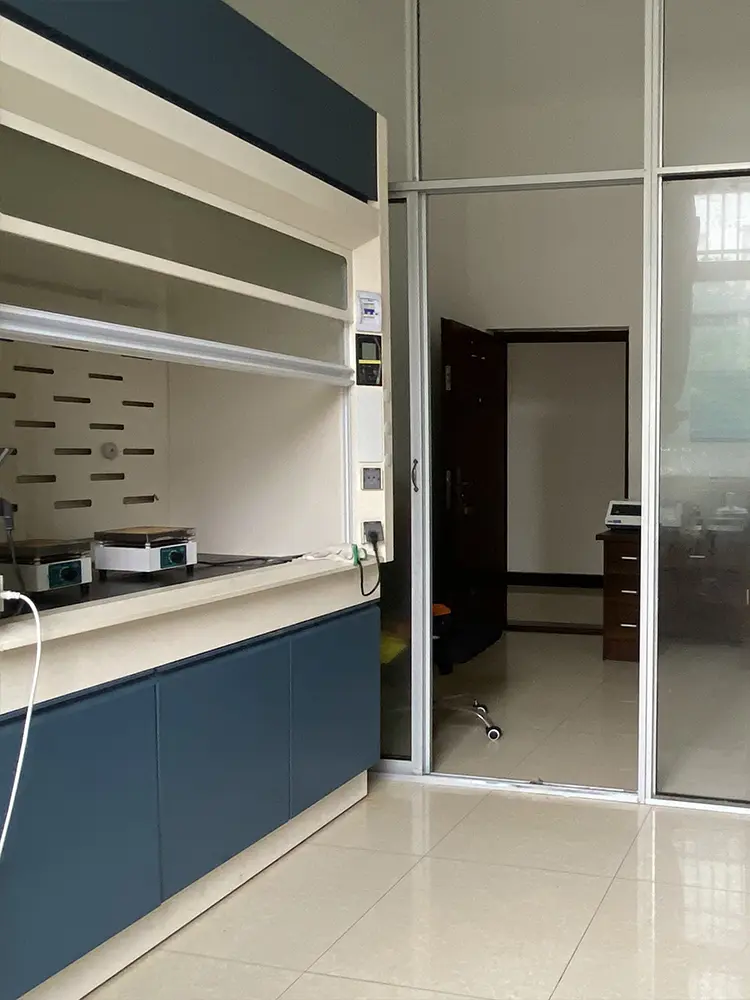
Chemical composition test room

Metallographic sample polishing machine
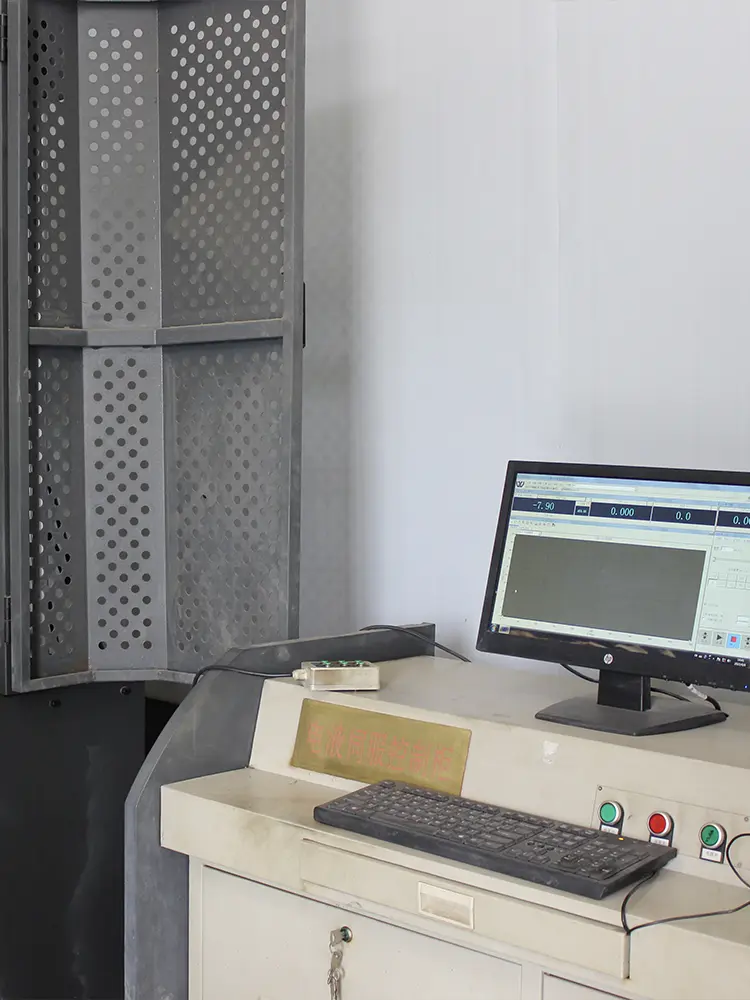
Microcomputer controlled electro-hydraulic servo universal testing machine
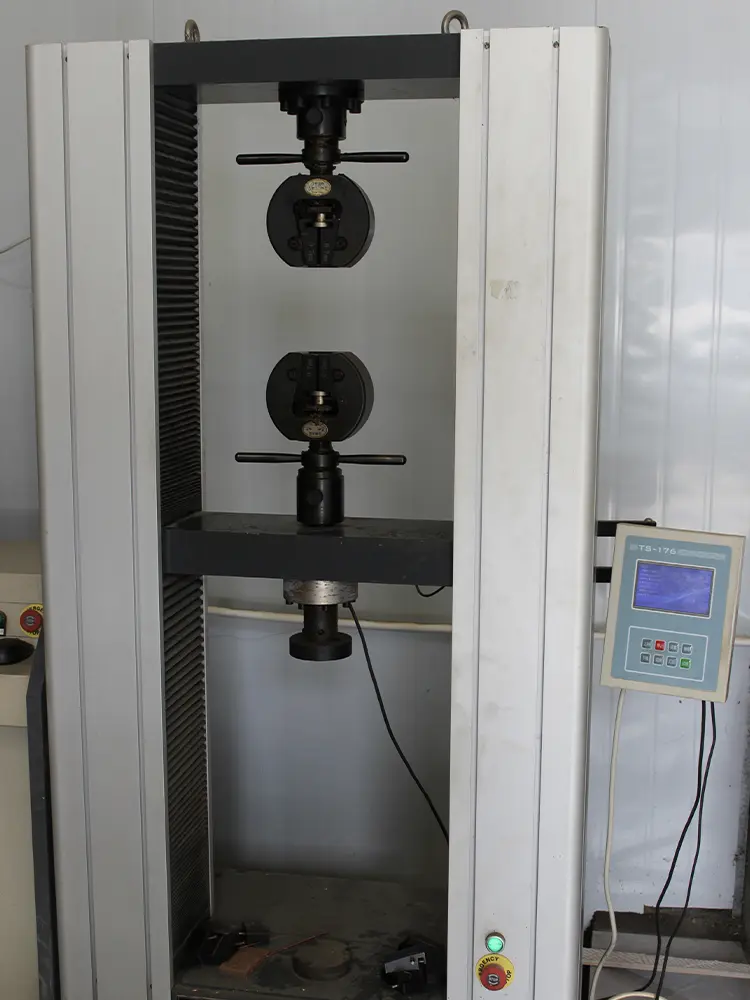
Liquid crystal display electronic universal testing machine
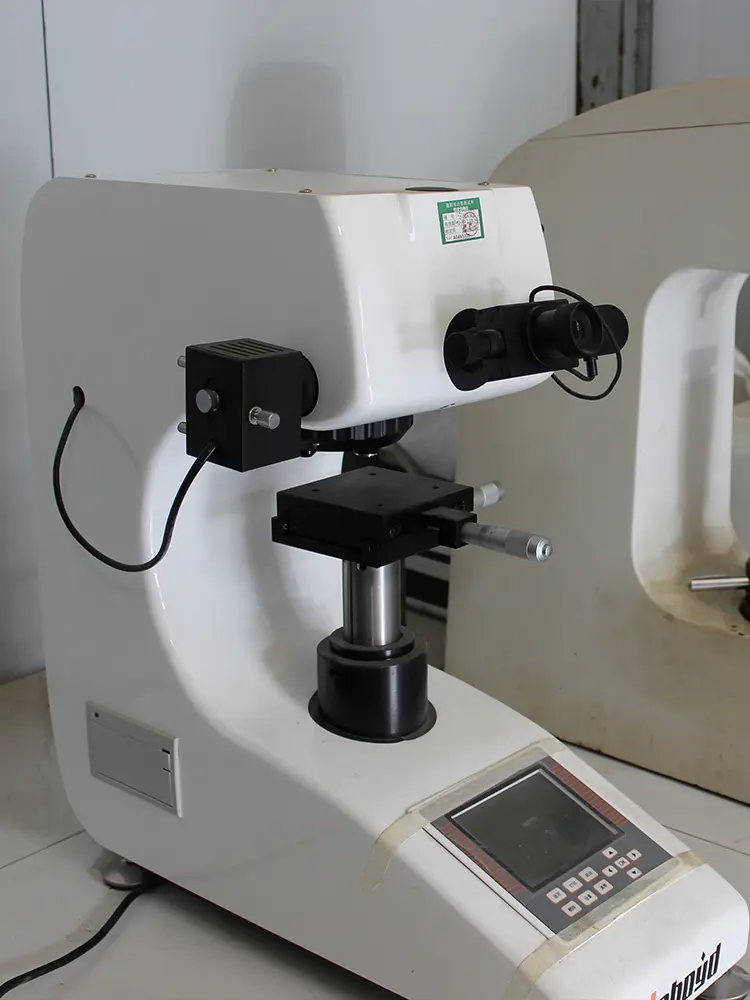
Hardness tester
Ensuring global industrial standards, RoHS/REACH compliance, and ISO 9001 certified metallurgical quality.
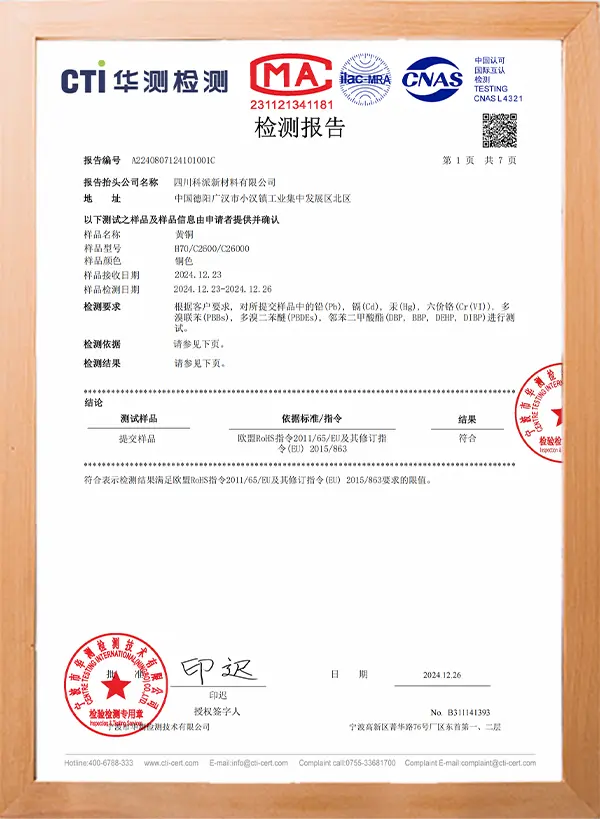
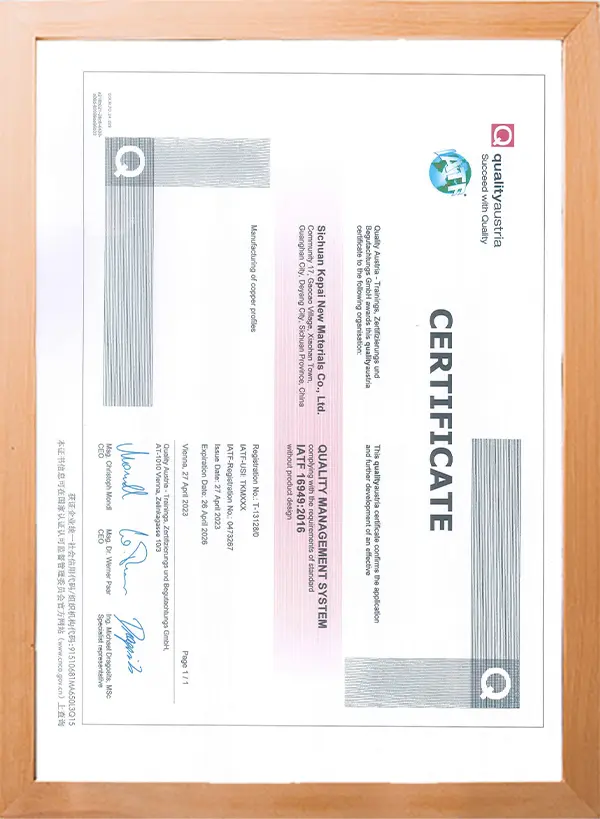
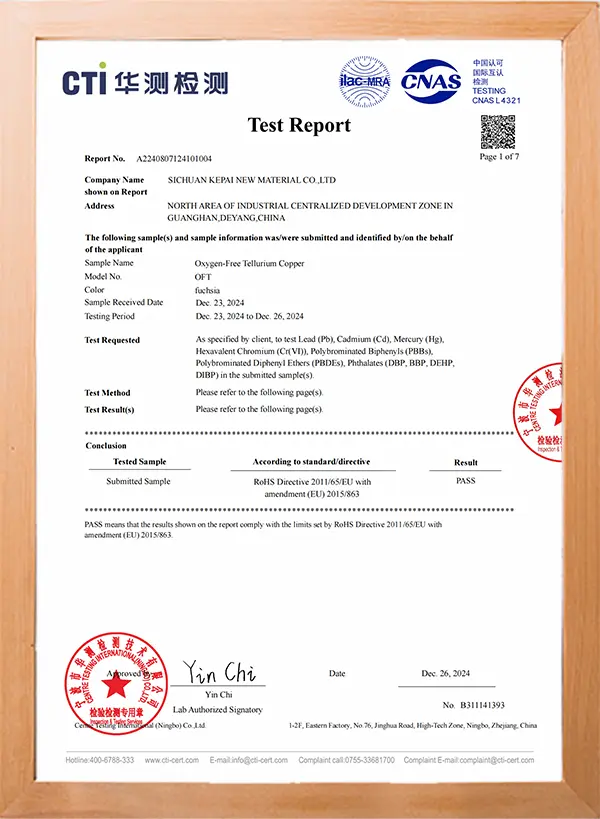
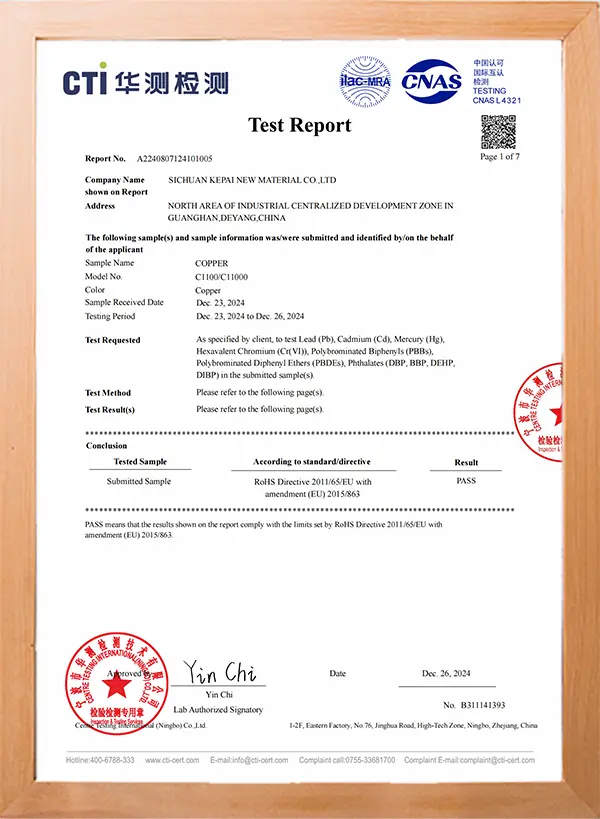
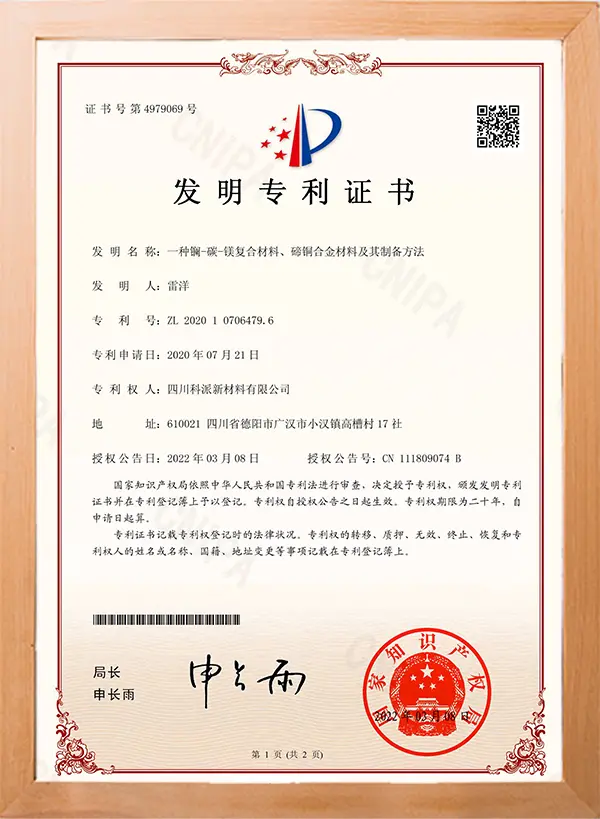
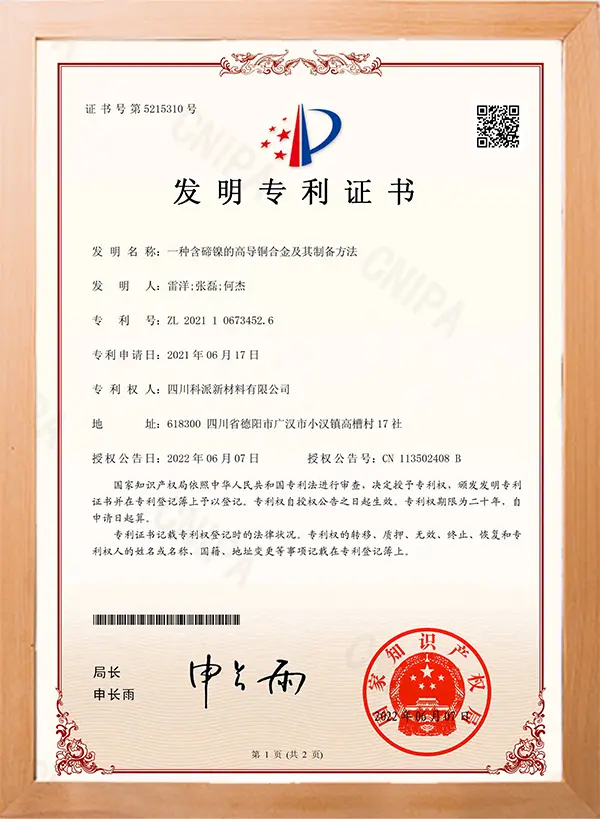
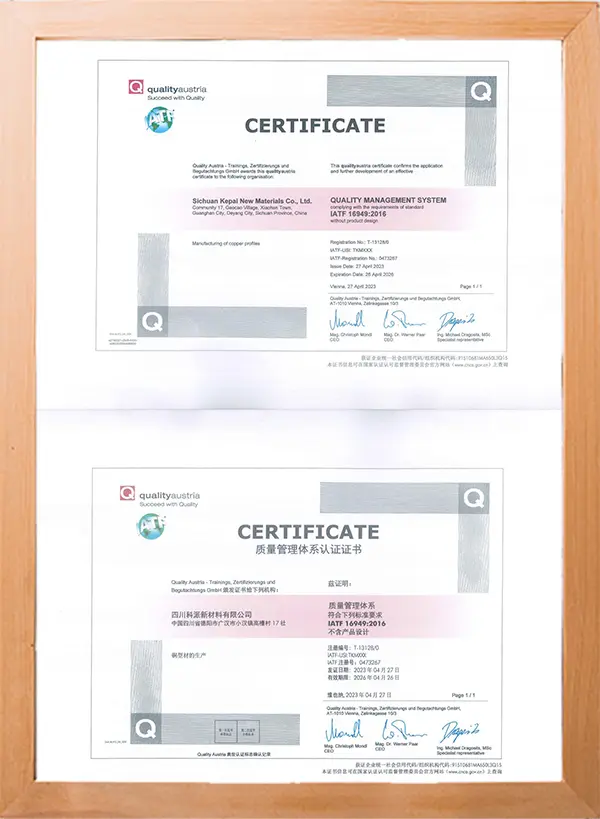
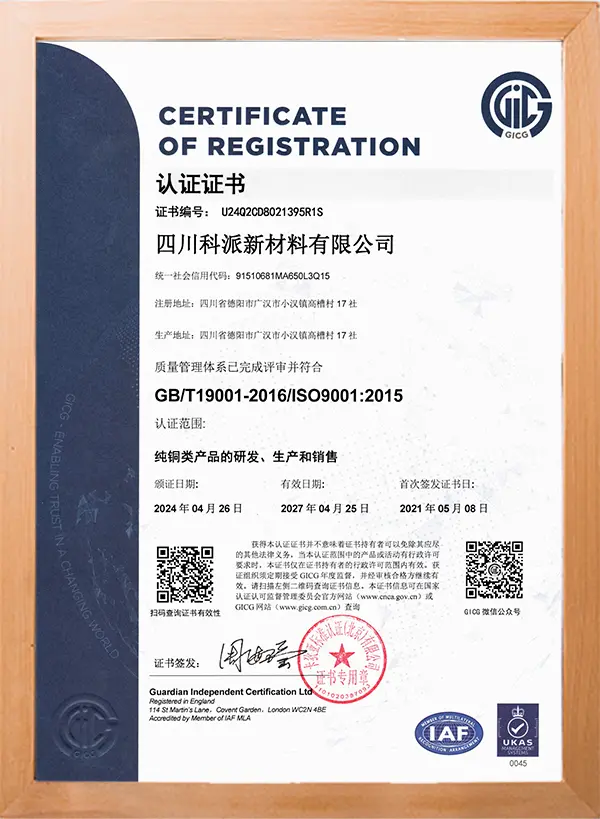
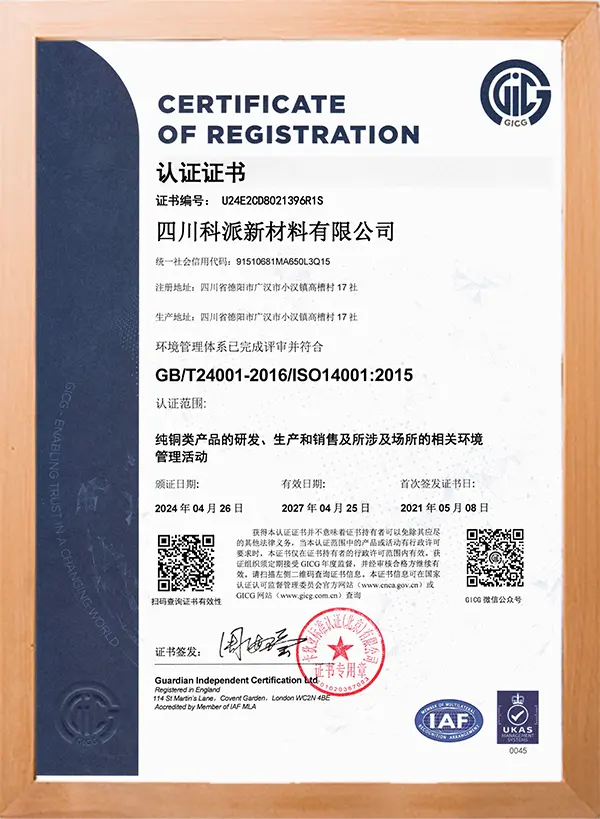
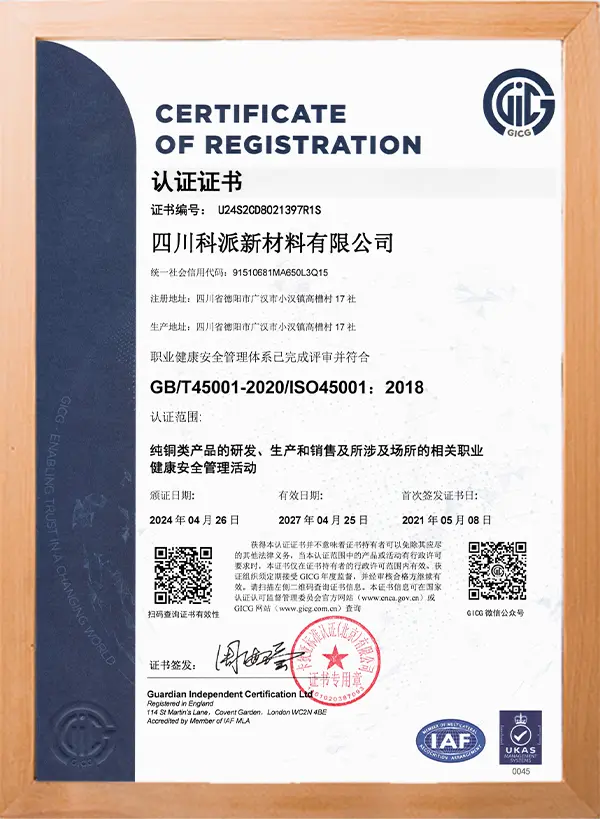
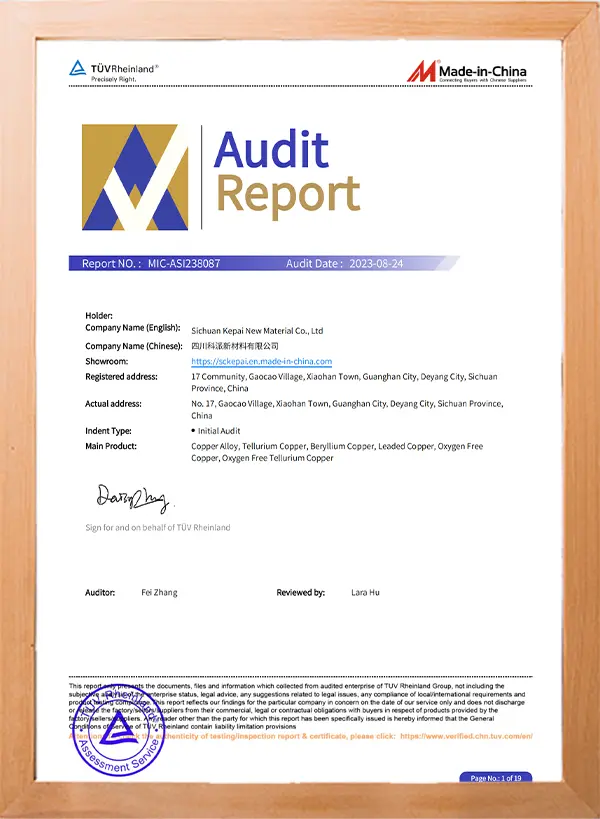
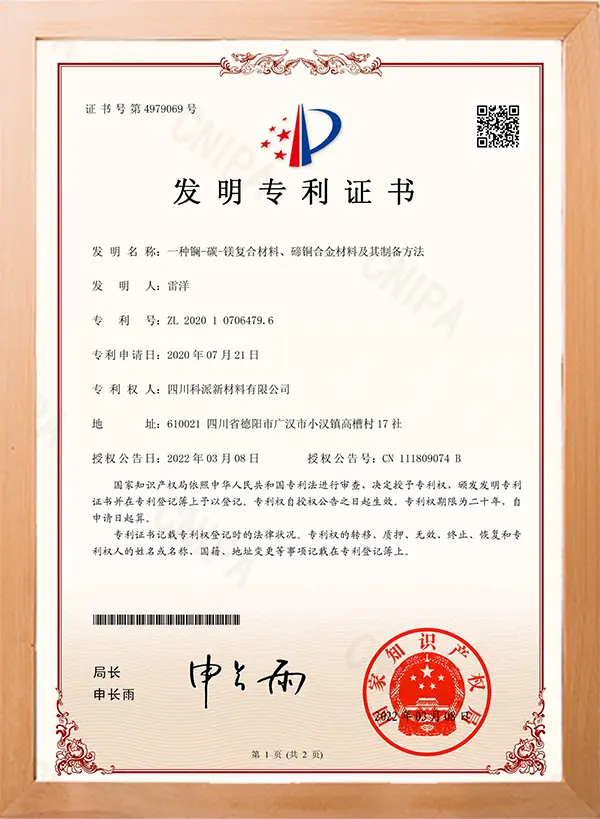
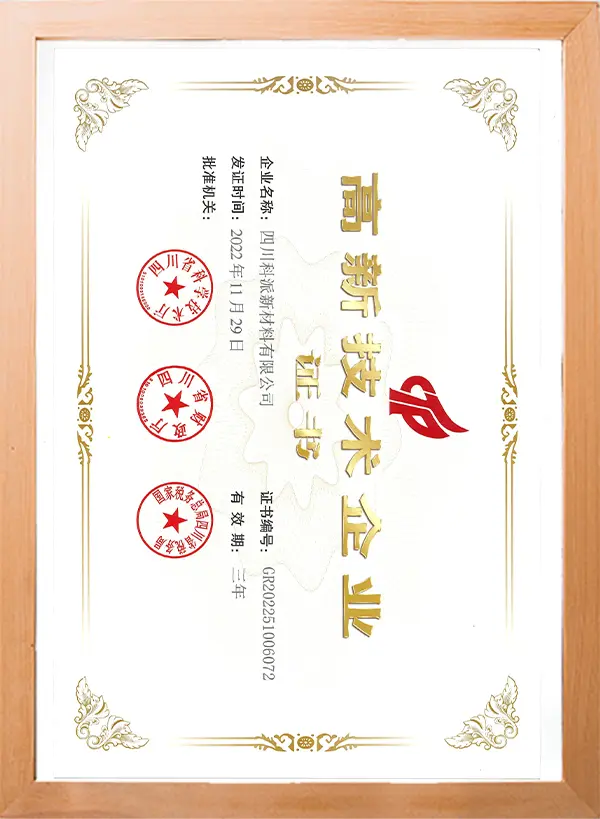
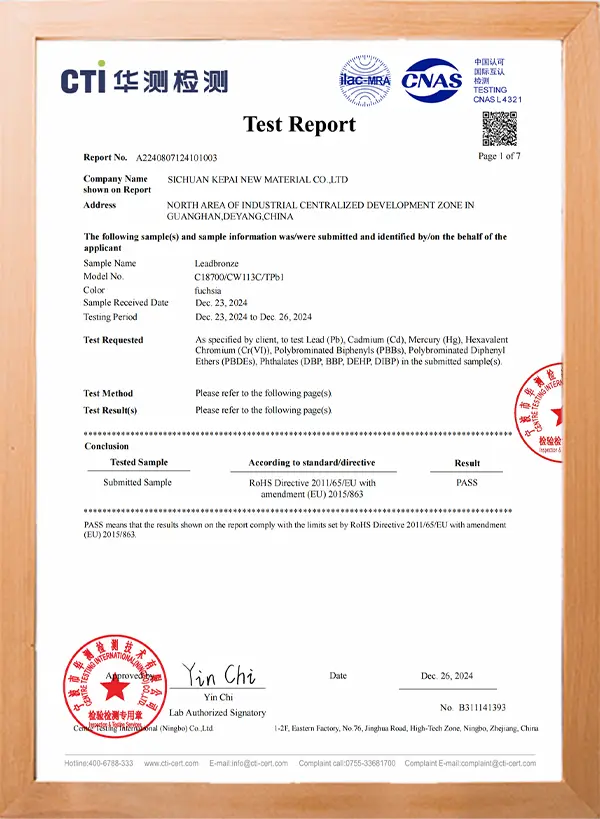
Minimizing supply chain risk, complying with environmental directives, and securing material traceabilty.
For global procurement managers, consistency is as critical as material performance. Fluctuations in alloy composition, micro-voids, and gas inclusions can cause component failures and halt automated assembly lines. Sichuan Kepai implements a rigorous quality control program that ensures complete traceability from raw material smelting to final drawing and straightening. Located near major highway routes in Sichuan, our facilities enable efficient domestic and international distribution. This logistical framework ensures consistent supply chains and reduces lead times for customers across Europe, North America, and Southeast Asia.
In response to international standards such as RoHS (Restriction of Hazardous Substances) and REACH (Registration, Evaluation, Authorisation and Restriction of Chemicals), the electronics industry has restricted the use of lead-bearing alloys. Sichuan Kepai has developed alternative copper alloys, including eco-friendly tellurium-based and sulfur-based variants. These materials provide free-cutting and high-conductivity properties while remaining compliant with environmental regulations. This compliance helps our clients minimize potential regulatory risks in global markets.
Pioneering the next frontier of high-conductivity, high-strength copper alloys.
As microelectronics and power systems grow smaller and denser, the limits of current alloy performance are constantly challenged. Our research and development focuses on the following primary areas:
Our commitment to continuous technological development ensures Sichuan Kepai remains at the forefront of the global special copper alloy industry, supplying the critical materials required for emerging technologies.
Technical answers to common engineering questions regarding high-conductivity copper alloys.
A: Standard pure copper is soft and highly ductile, which leads to tool wear, burrs, and long, stringy chips during machining. Tellurium Copper (C14500) contains a small amount of tellurium, which acts as a chip-breaker, improving the machinability rating to 85% (compared to 20% for pure copper). It achieves this while retaining between 93% and 98% IACS electrical conductivity, making it suitable for high-precision, high-volume electrical components.
A: High-purity oxygen-free copper (C10100/C10200) contains less than 0.001% (10 ppm) oxygen. Standard copper containing higher oxygen levels can suffer from hydrogen embrittlement when heated in reducing atmospheres during welding or brazing. Low-oxygen alloys prevent this failure mechanism, ensuring mechanical and electrical reliability in high-vacuum components, semiconductors, and telecommunications equipment.
A: Beryllium copper alloys undergo precipitation hardening, allowing them to achieve high tensile strength (up to 1400 MPa) and fatigue resistance. This mechanical strength is combined with moderate to high electrical conductivity (typically 20% to 60% IACS depending on heat treatment), making it the preferred material for spring contacts, automotive terminal connectors, and sensor diaphragms.
A: Chromium Zirconium Copper is designed to resist softening at high operational temperatures (up to 500°C) while maintaining an electrical conductivity of roughly 80% IACS. It is commonly used in resistance welding electrodes, switchgear parts, and continuous casting molds where high mechanical load and thermal cycling occur simultaneously.
A: We utilize advanced eddy current conductance instruments and dedicated chemical testing laboratories to verify the purity and conductivity of every production lot. This quality control protocol ensures that all shipped material conforms to international standards and customer-specified tolerances.
Browse our selection of specialized high-conductivity, easy-machining, and high-strength copper alloys.
Looking ahead, Sichuan Kepai New Materials Co., Ltd. will continue to uphold its original intention, with even greater enthusiasm and determination, to engage in research and application in the field of new materials, contributing to the development of the new copper alloy materials industry in China and globally. We look forward to working hand in hand with friends from all walks of life to create a brilliant future together!
 Kepai
Kepai