 Kepai
Kepai
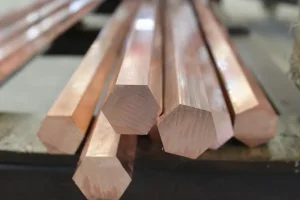
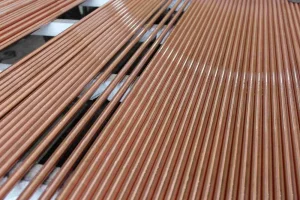
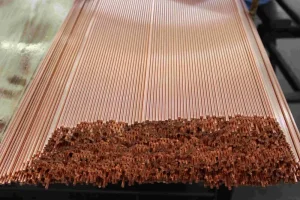
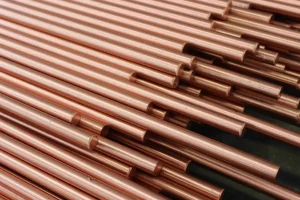

Oxygen-Free Copper (OFC) Wire Industry Whitepaper
1. Defining High-Purity OFC: The Science and Technical Specifications
Oxygen-Free Copper (OFC) represents a major advancement in copper metallurgy, offering critical structural benefits over standard Electrolytic Tough Pitch (ETP) copper. By definition, OFC is produced through direct induction melting of high-grade cathode copper under protective, oxygen-reducing gas covers. This process limits residual oxygen levels to less than 10 ppm (parts per million), and in high-purity variants (such as Oxygen-Free Electronic, or OFE), to below 5 ppm. In contrast, standard commercial copper may contain oxygen levels between 200 ppm and 400 ppm in the form of cuprous oxide (Cu₂O) inclusions.
From an engineering standpoint, the presence of oxygen in copper can lead to hydrogen embrittlement if the metal is heated to temperatures above 400°C in atmospheres containing hydrogen. The hydrogen diffuses into the copper structure, reacting with the cuprous oxide to form steam. This steam accumulates under high pressure at the grain boundaries, creating micro-voids and structural cracking. For global electrical manufacturing, aerospace systems, and high-frequency communication equipment, selecting an expert OFC copper wire exporter ensures raw material security and guarantees components remain free from structural embrittlement during subsequent welding, brazing, or heat treatment processes.
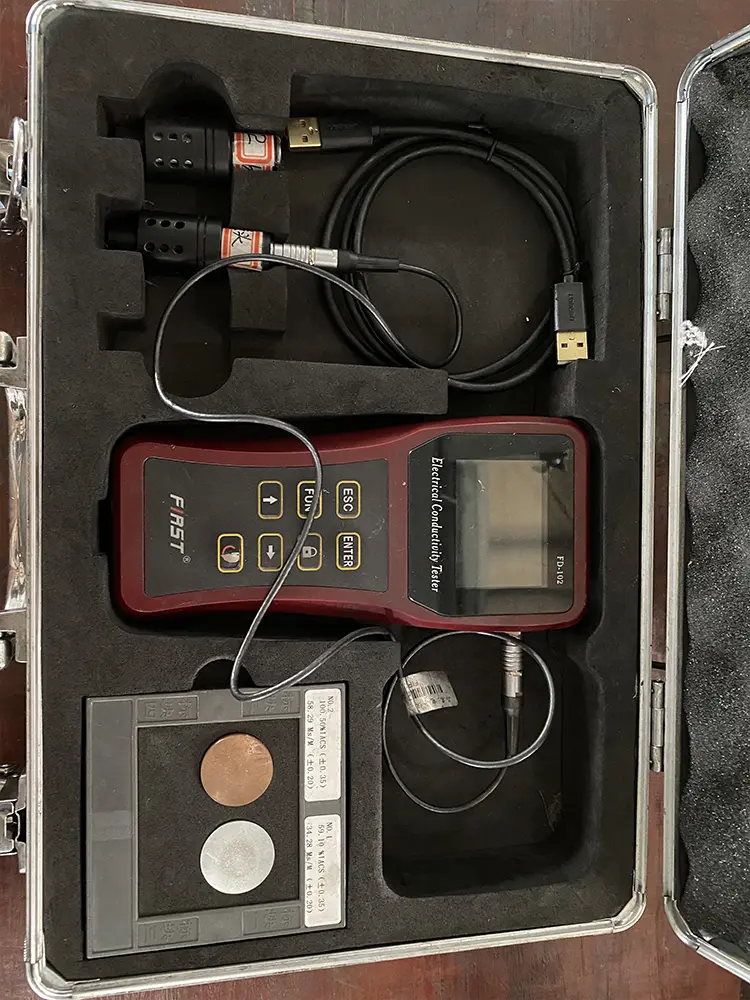
Technical Insight: Electrical conductivity is measured according to the International Annealed Copper Standard (IACS). Standard ETP copper typically achieves 100% to 101% IACS, whereas high-grade OFC products reliably reach 101.5% to 102% IACS, resulting in minimal electrical resistance, lower heat dissipation, and superior signal integrity in high-frequency data transmission.
2. The Strategic Advantage of China's Copper Supply Chain
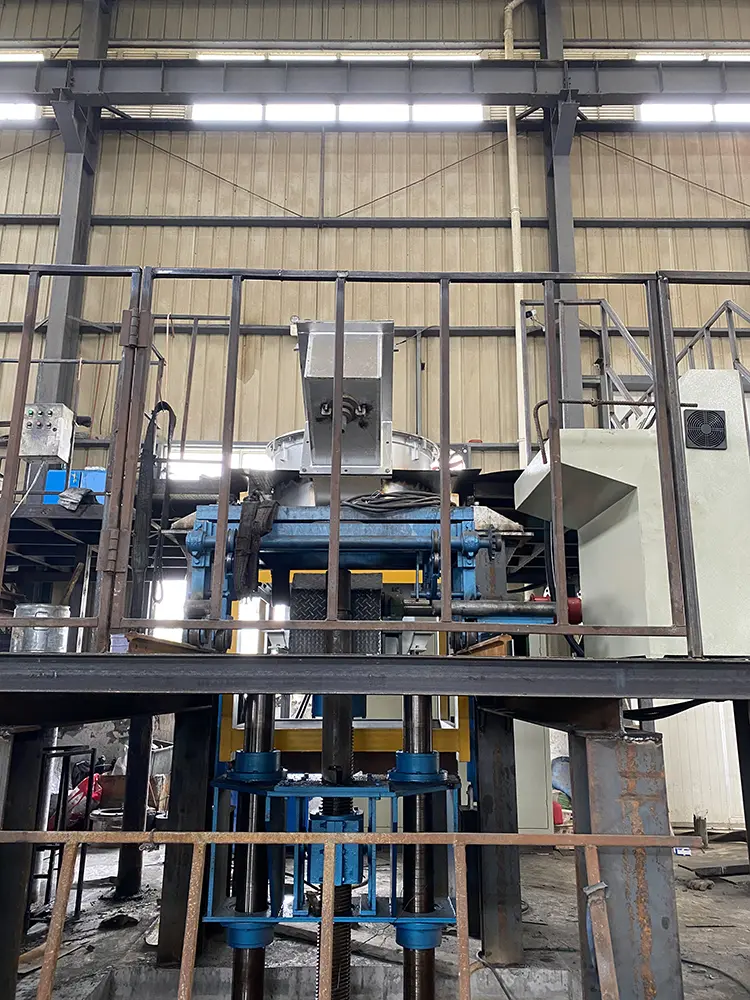
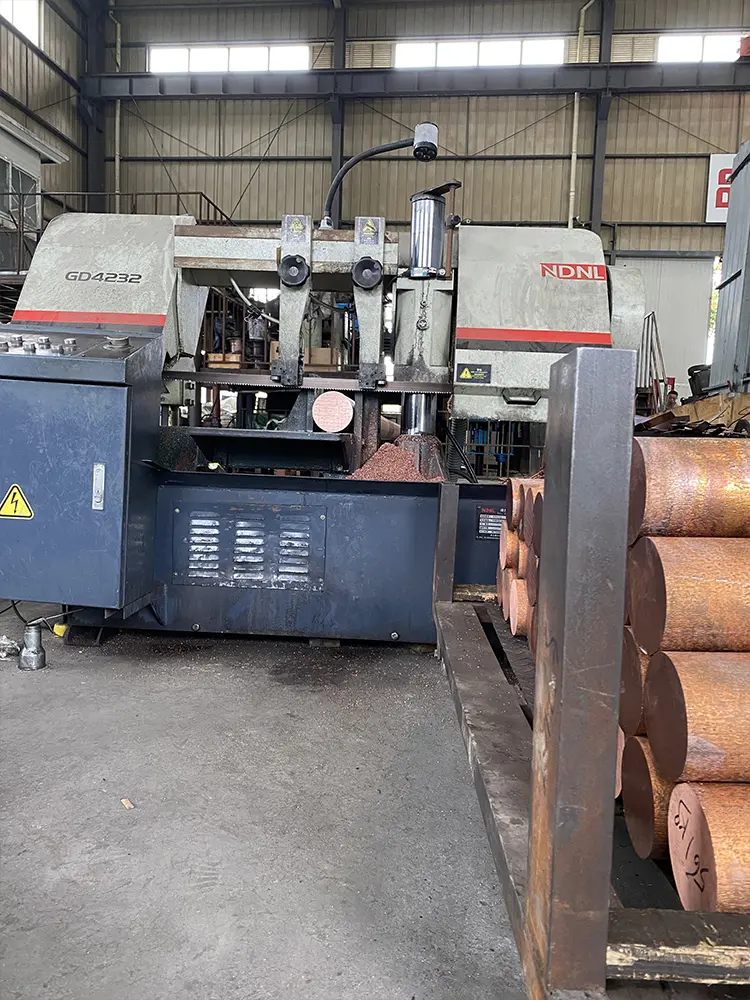
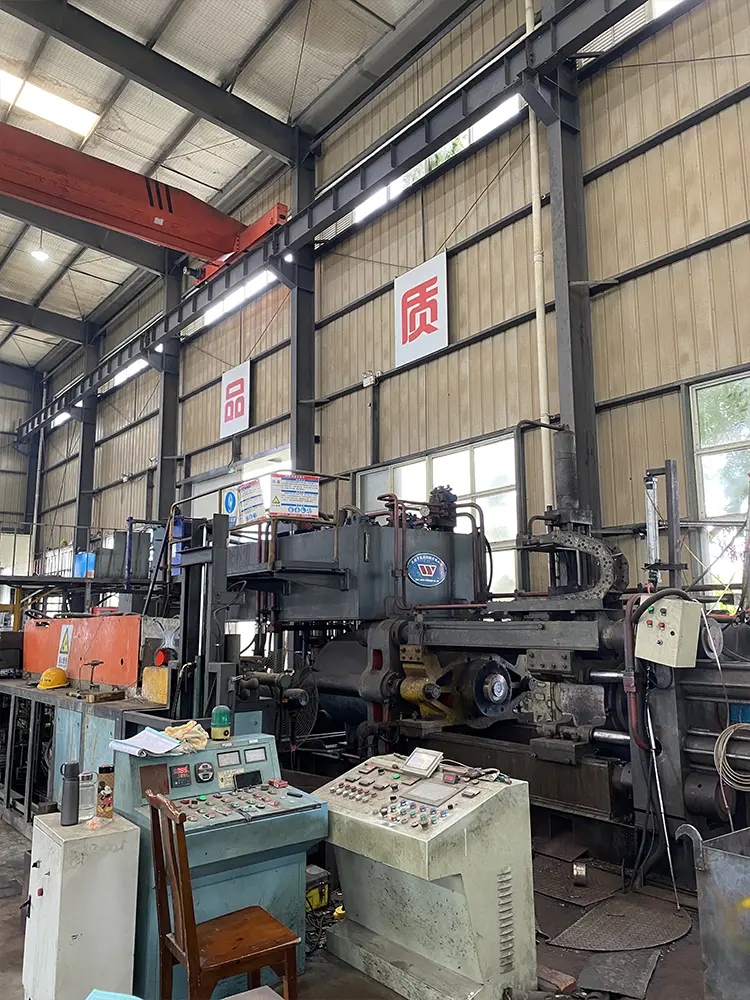
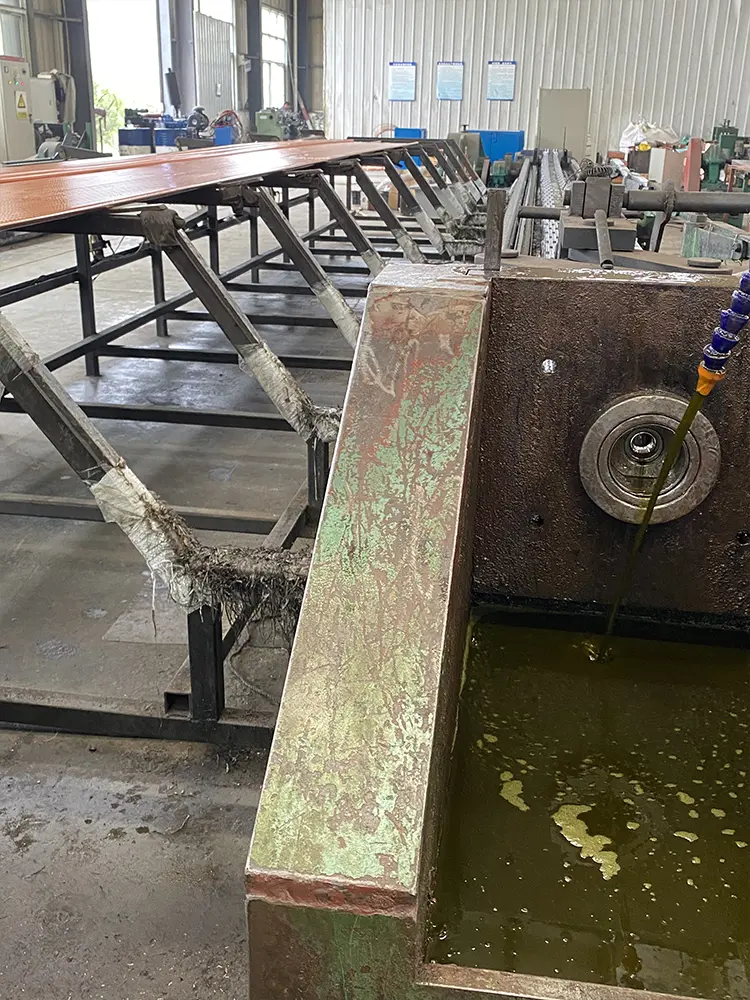
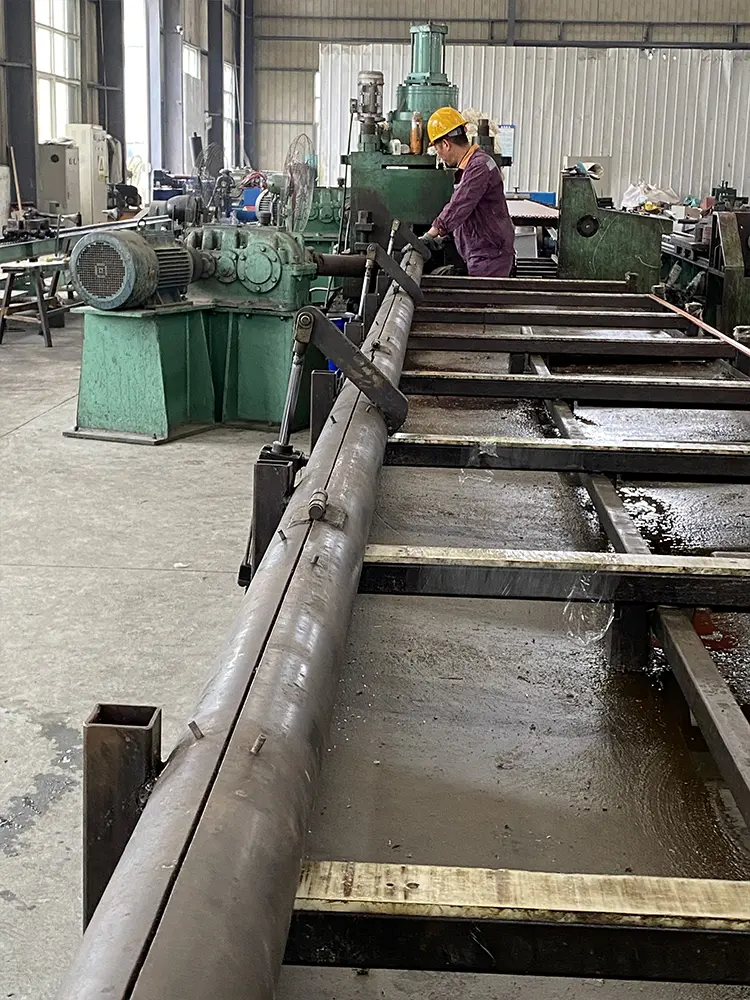
China's specialized industrial clusters provide significant advantages for global copper alloy procurement. Sichuan Kepai New Material Co., Ltd., founded in 2017, operates within the Sichuan Guanghan Industrial Development Zone. This strategic location offers direct access to key shipping hubs and land transportation via National Highway 108. Spanning a 9,000-square-meter facility alongside a 1,000-square-meter administrative base, Kepai leverages regional supply chains to streamline production from raw metallurgy to finished copper wire extrusion and drawing.
The concentration of metallurgical expertise, raw material sourcing, and specialized logistics corridors in Sichuan enables rapid scaling from prototype alloys to large-volume industrial production. This integrated ecosystem shortens production cycles and reduces shipping bottlenecks, allowing us to serve as a reliable partner for international operations requiring custom formulations, including tellurium copper, silver copper, dispersion copper, and ultra-high-conductivity oxygen-free copper wires.
3. Global Procurement Dynamics: Meeting Corporate Requirements
For modern procurement managers and engineering coordinators, sourcing critical materials internationally requires navigating strict regulatory frameworks, logistical challenges, and quality controls. Industrial enterprises require more than just raw materials; they need comprehensive traceability, transparent manufacturing workflows, and rigorous documentation.
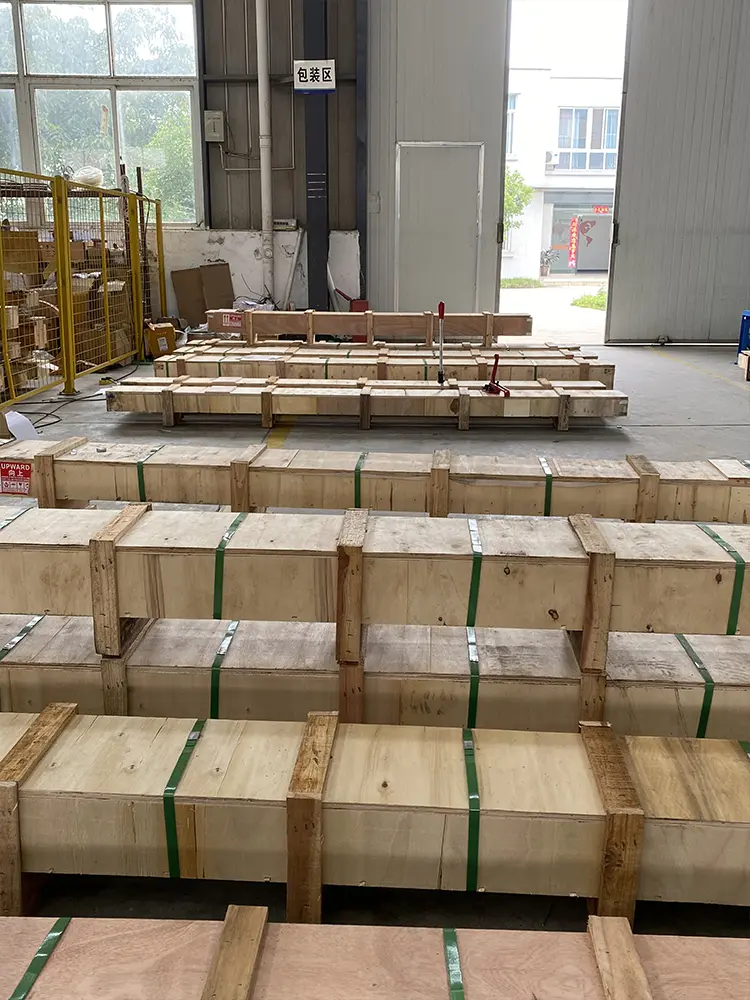
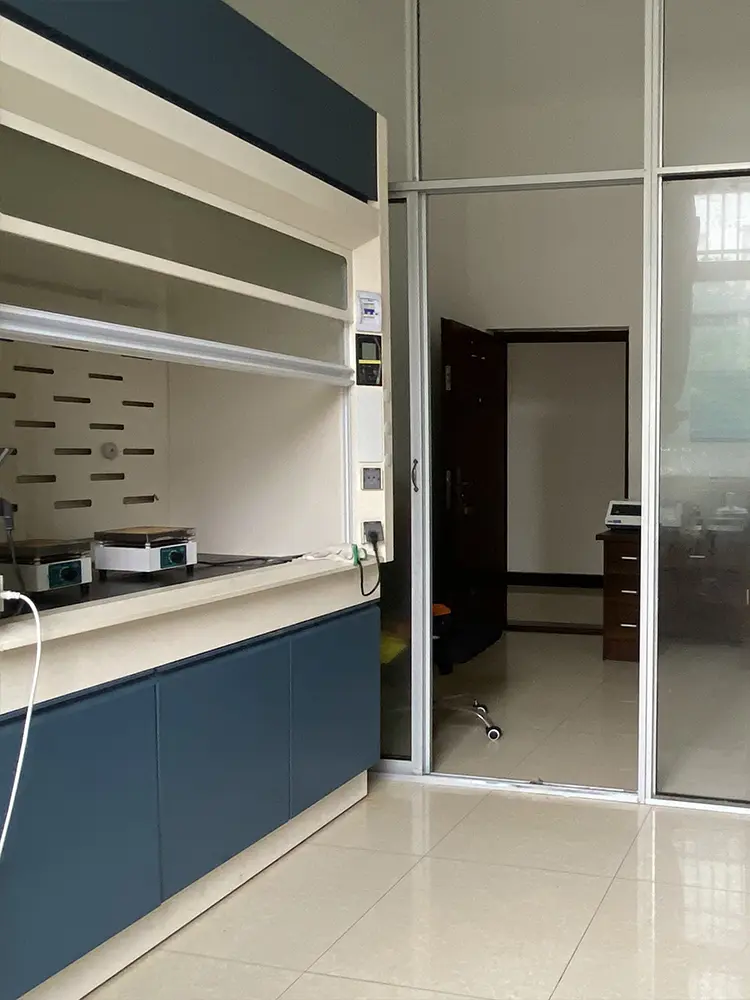
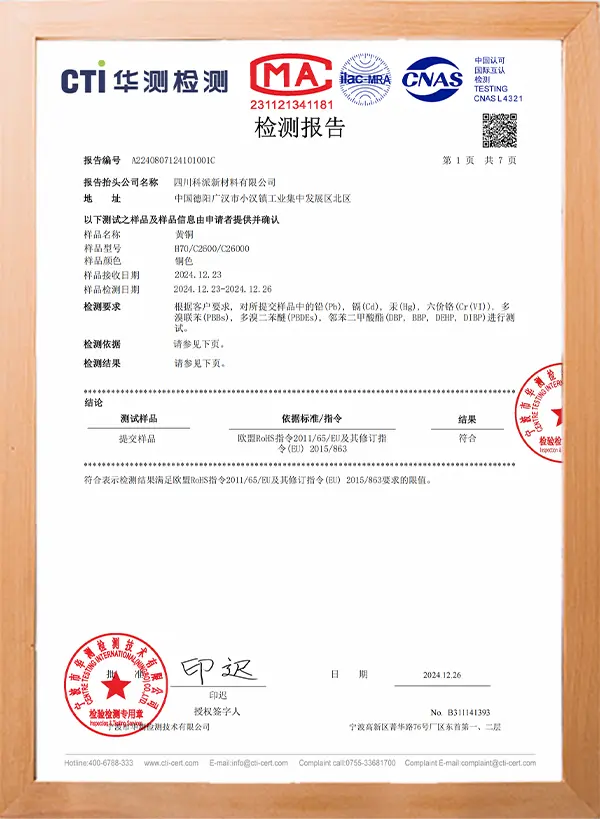
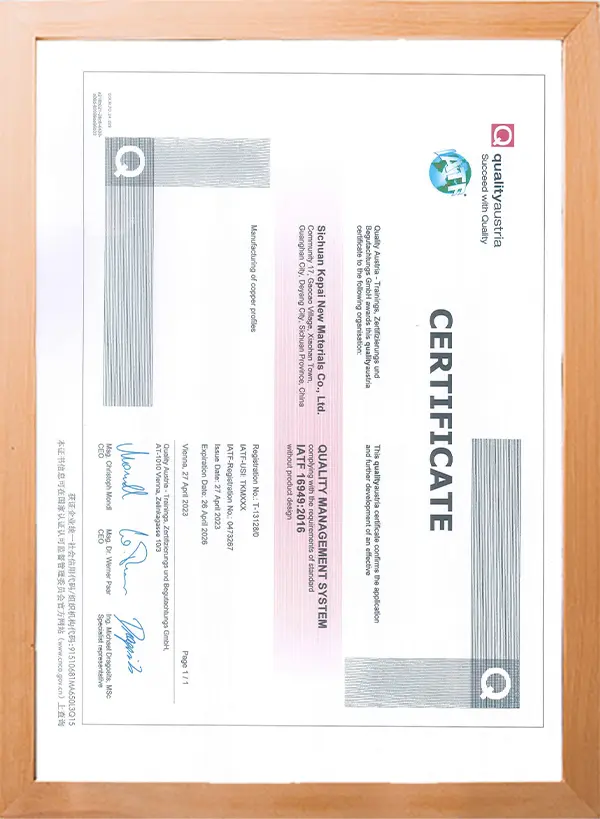
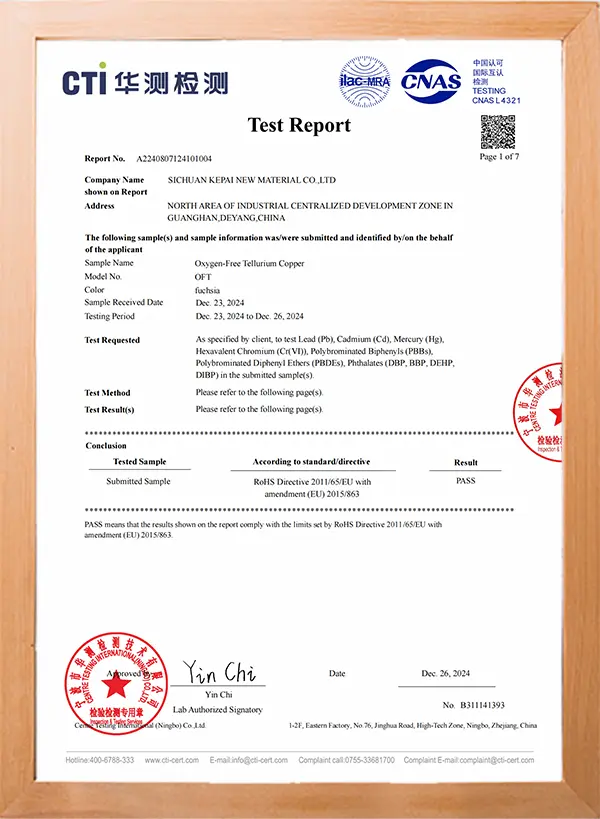
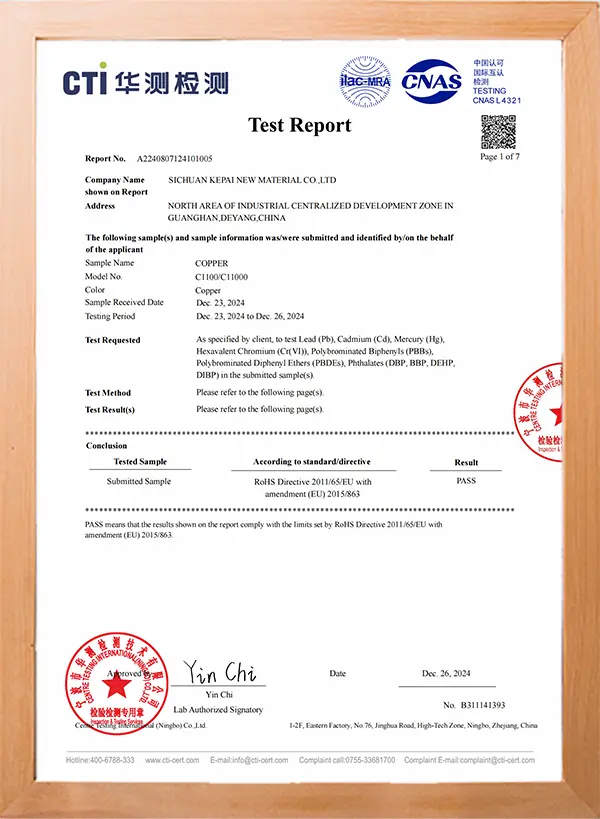
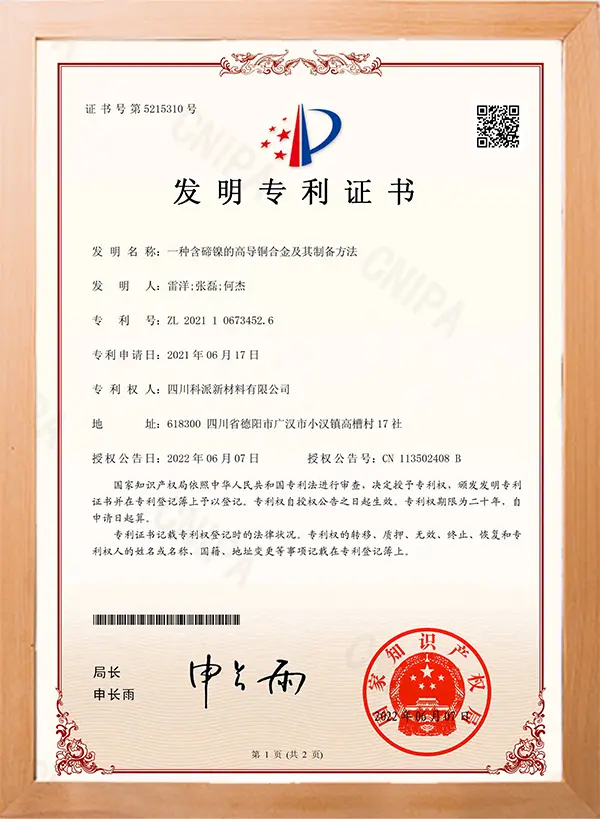
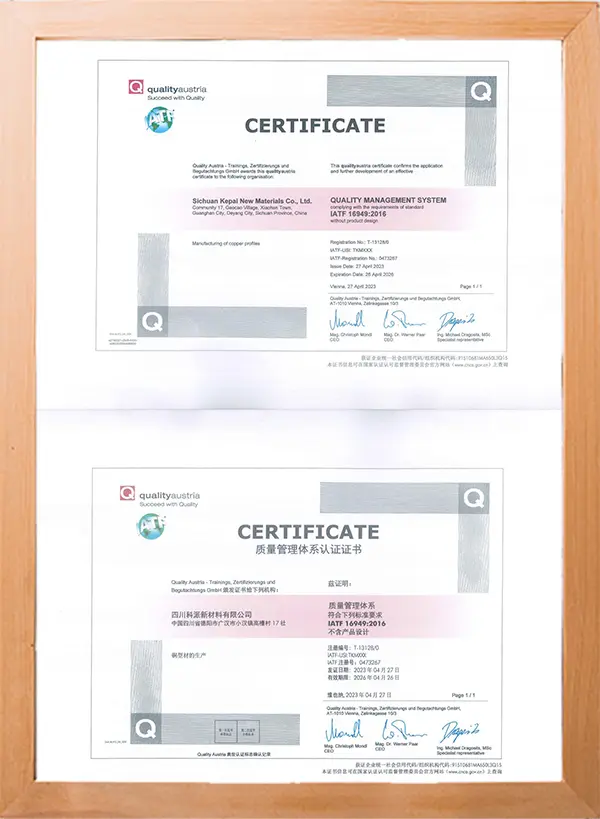
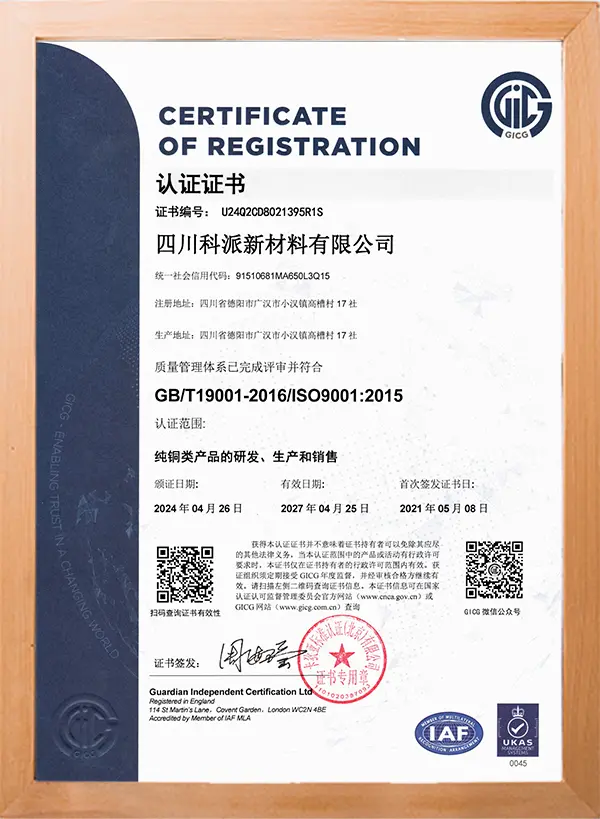
To support global supply chains, exporters must provide clear verification for international standards. Sichuan Kepai implements structured quality control protocols, producing detailed Mill Test Reports (MTRs) and Chemical Composition Analysis sheets for every production run. Our manufacturing processes align with REACH and RoHS standards, ensuring all copper alloys are free from restricted substances and compliant with international environmental regulations. Furthermore, we implement specialized marine packaging solutions, such as vacuum-sealed plastic barriers and robust wooden crating, to prevent surface oxidation and moisture damage during transit across varying climates.
4. Localized Application Scenarios: Where OFC Drives Tech Innovation
OFC wire is a foundational material for high-technology applications. Its purity and structural stability make it suitable for several advanced fields:
- New Energy Vehicles (NEVs) & EV Charging Infrastructures: Electric vehicles demand high efficiency to maximize range and minimize thermal loading. OFC is utilized in stator windings, busbars, and high-voltage cabling to reduce energy loss and heat generation.
- 5G Telecommunications & High-Frequency Signal Transmission: RF connectors, coaxial cables, and high-speed data transmission lines rely on the uniform grain structure of oxygen-free copper to minimize signal attenuation and phase shifts.
- Laser Cutting & Plasma Technology: Precision copper alloy components (such as tellurium copper nozzles) withstand extreme heat and electrical arcs, ensuring consistent cutting profiles and extended consumable life.
- Lithium Battery Relays & Energy Storage Systems: High-performance relays require stable, low-resistance contacts to safely manage high current loads and prevent contact welding.
5. Technological Evolution: Metallurgy Trends (2025-2030)
The global copper alloy market is shifting toward higher performance, improved processability, and sustainable production. The traditional trade-off between electrical conductivity and mechanical tensile strength is being addressed through micro-alloying and precision thermomechanical processing. By introducing controlled trace elements (such as Tellurium, Chromium, or Zirconium), manufacturers can produce copper alloys that retain up to 90%+ IACS conductivity while offering the wear resistance, free-machining performance, and yield strength required for high-stress applications.
Environmental sustainability is also reshaping the industry. Global supply chains increasingly require manufacturers to minimize carbon footprints and utilize clean energy in smelting. The integration of advanced scrap-sorting technologies, energy-efficient induction furnaces, and closed-loop water cooling systems allows modern manufacturers to reduce overall carbon intensity while maintaining the strict chemical purity limits demanded by high-tech industries.