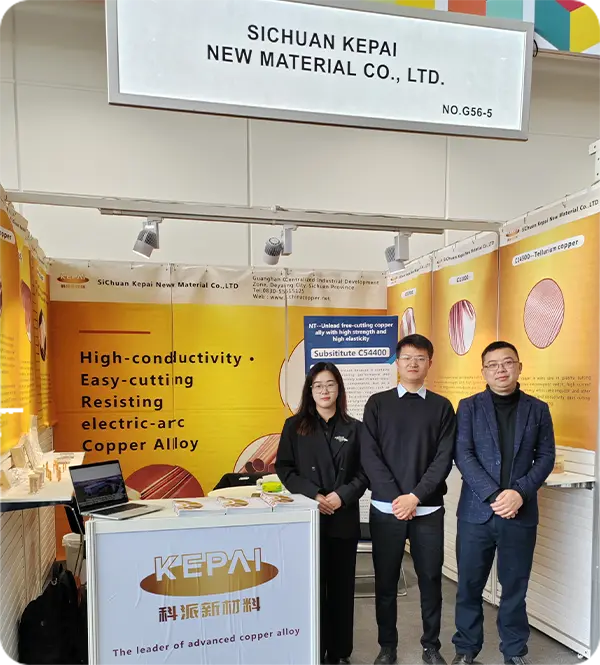
Precision-engineered copper alloy grades custom-manufactured to support high electrical conductivity and extreme machinability.
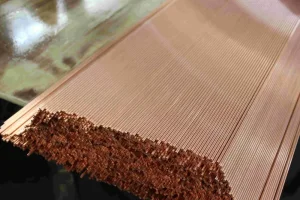

Pioneering green production workflows while maintaining rigorous material science standards.
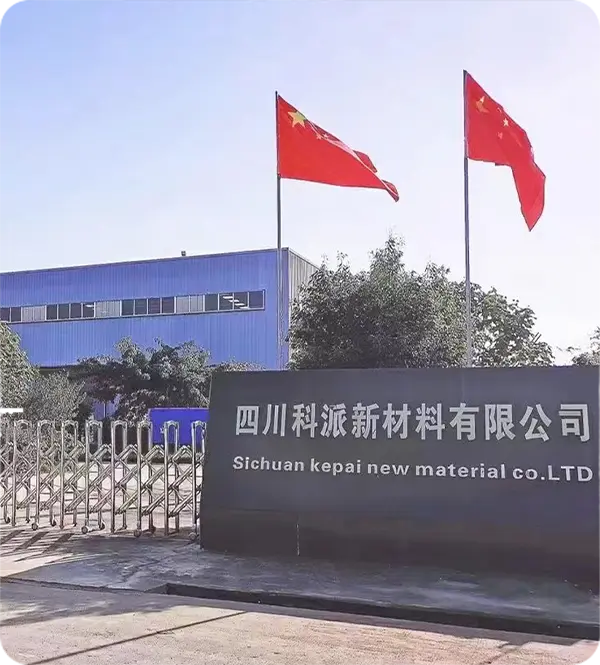
Established in 2017, Sichuan Kepai New Materials Co., Ltd. is a leading high-tech enterprise integrating research and development, production, and sales. Located strategically in the western area of the Sichuan Guanghan Industrial Development Zone, adjacent to National Highway 108, we benefit from a superior geographical location and highly convenient logistics channels, laying a solid foundation for rapid enterprise scalability.
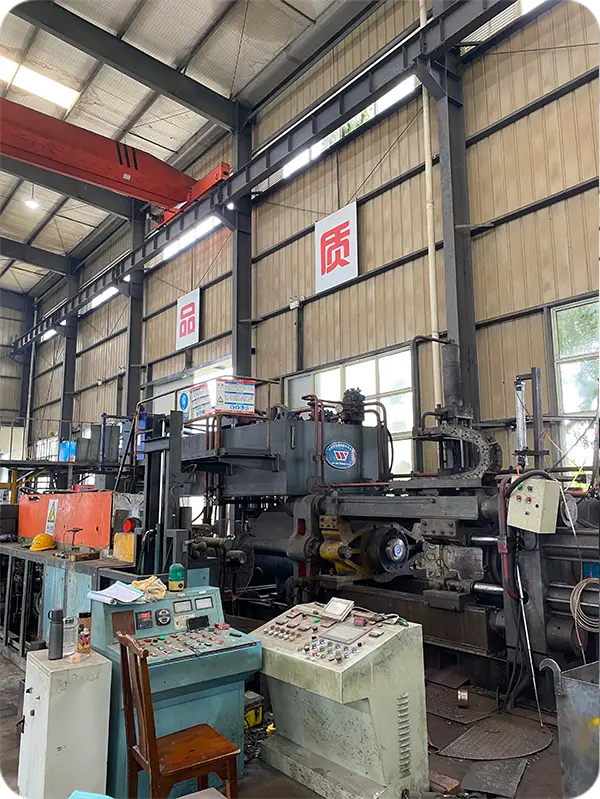
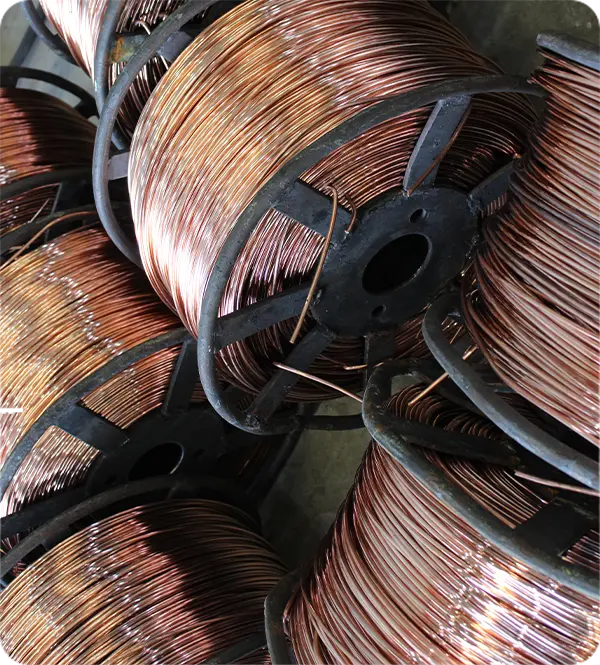
Our facility boasts a sprawling infrastructure, covering an area of approximately 9,000 square meters, paired with a modern 1,000 square meter office hub. We specialize in producing national strategic emerging materials, focusing specifically on special copper alloys such as tellurium copper, high-conductivity oxygen-free copper, silver copper, and dispersion copper.
Since our inception, Kepai has adhered to the core business philosophy of "innovation-driven development, quality wins the market." We are fully committed to providing worldwide partners with premium, high-end copper alloy materials, promoting global industrial upgrading and environmentally conscious sustainable development.
Executive Summary: Modern electrical and thermal engineering demands materials that resolve the classic conflict between high electrical conductivity and ease of machining. Pure copper exhibits exceptional conductivity (>100% IACS) but is notoriously difficult to machine due to its gummy nature, causing rapid tool wear and poor surface finish. By precision alloying copper with Tellurium (typically 0.4% to 0.7%), metallurgical engineering creates a solution: free-machining tellurium copper (C14500) that retains 90% to 96% IACS electrical conductivity while increasing the machinability rating from 20% to 85%.
Tellurium has extremely low solid solubility in copper at ambient temperatures. In the copper-tellurium system, tellurium reacts with copper to form copper telluride (Cu₂Te) intermetallic phases. During solidification, these intermetallics precipitate as fine, uniformly distributed particles throughout the copper matrix. These microscopic particles function as natural chip breakers during machining operations.
When a cutting tool engages the tellurium-copper alloy, the shear stress induces localized fractures along the Cu₂Te boundaries. This results in the formation of short, brittle chips rather than long, continuous stringy nests characteristic of pure copper. Furthermore, the Cu₂Te particles act as a solid lubricant at the tool-chip interface, reducing friction, cutting forces, and thermal accumulation. This preservation of low temperatures at the tool tip drastically extends tooling lifetimes and enables CNC operators to run at significantly higher spindle speeds and feed rates.
The global transition towards high-efficiency technologies is driving unprecedented demand for custom copper-tellurium alloys. Industrial procurement teams are facing tight tolerances and strict metallurgical standards due to key macroeconomic shifts:
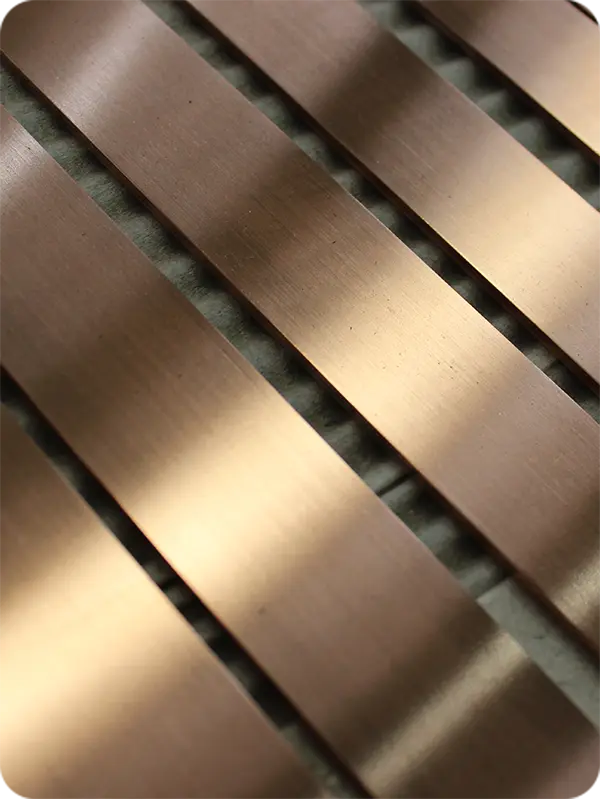
As a specialized supplier, Sichuan Kepai New Materials develops tailored solutions to match specific industrial engineering protocols. Our manufacturing workflows are optimized to supply customized profiles, sheets, tubes, and rods with tailored tempers (H01, H02, H04, or fully annealed O60). By adjusting the cold-reduction ratios and heat treatment cycles, we can alter mechanical properties to meet target tensile strengths (up to 380 MPa) and elongation percentages required for stamping or cold-bending applications.
Understanding our technological foundations, product ranges, and global footprint.
Our production is certified under standard international parameters to guarantee repeatability, safety, and performance.
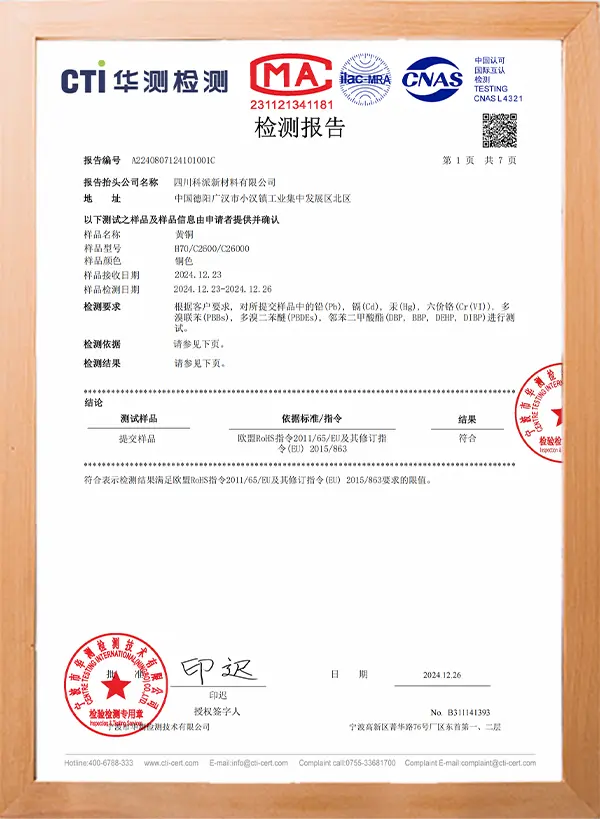
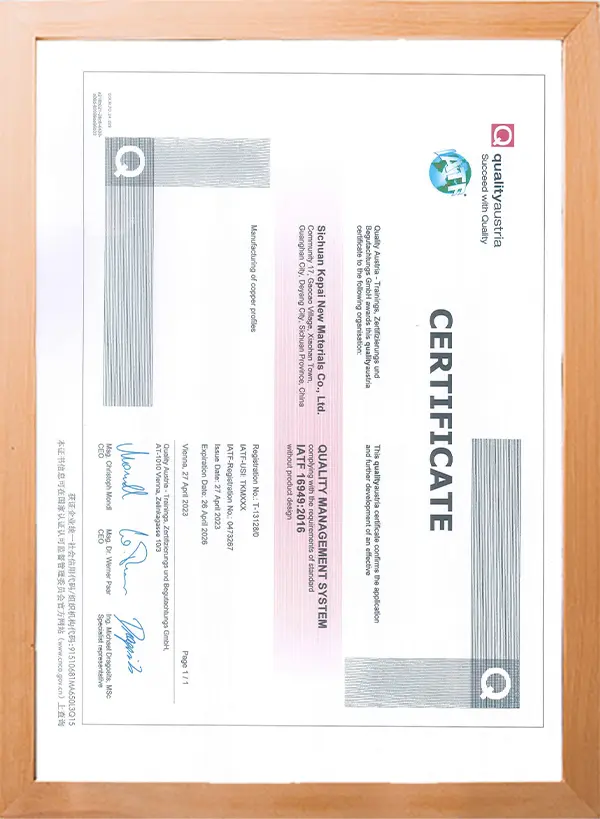
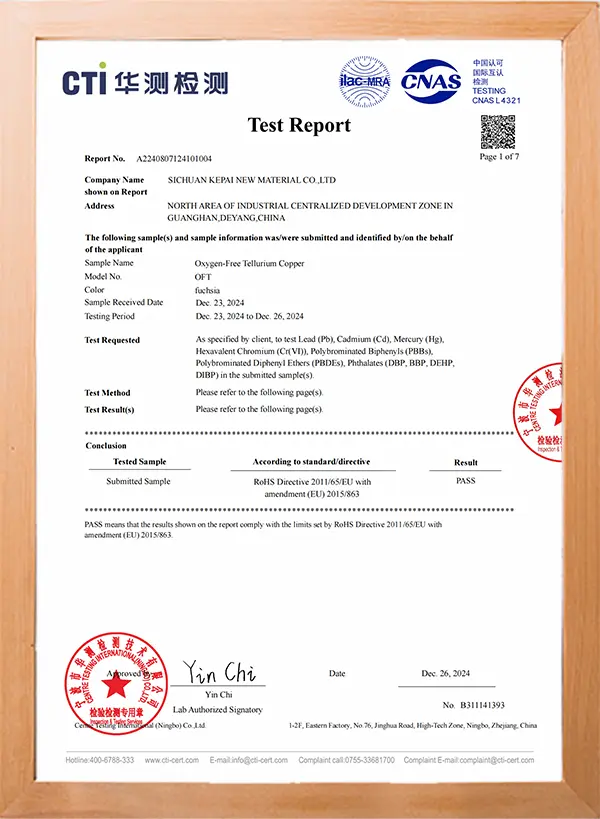
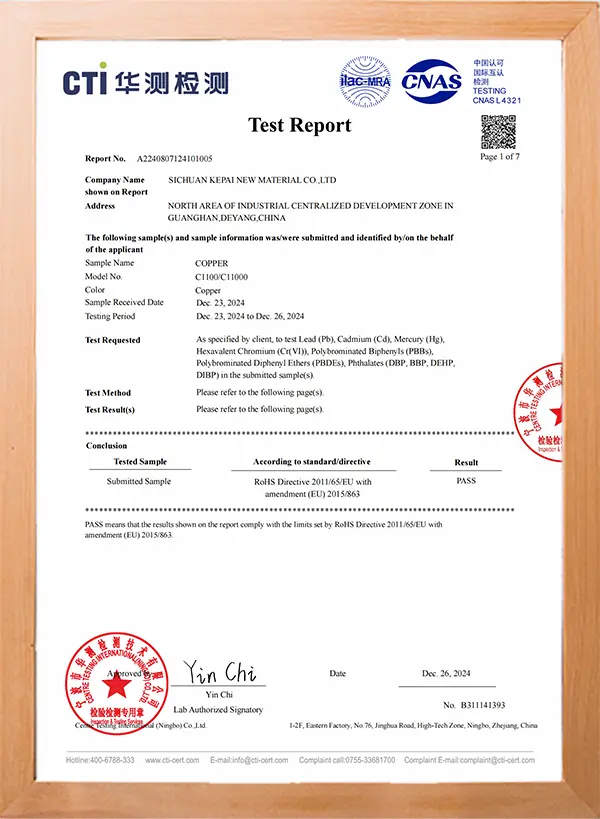
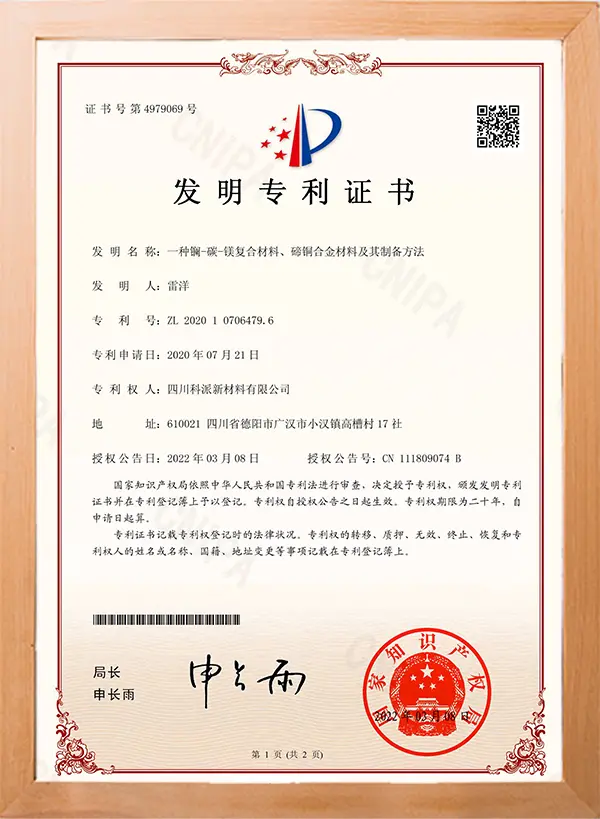
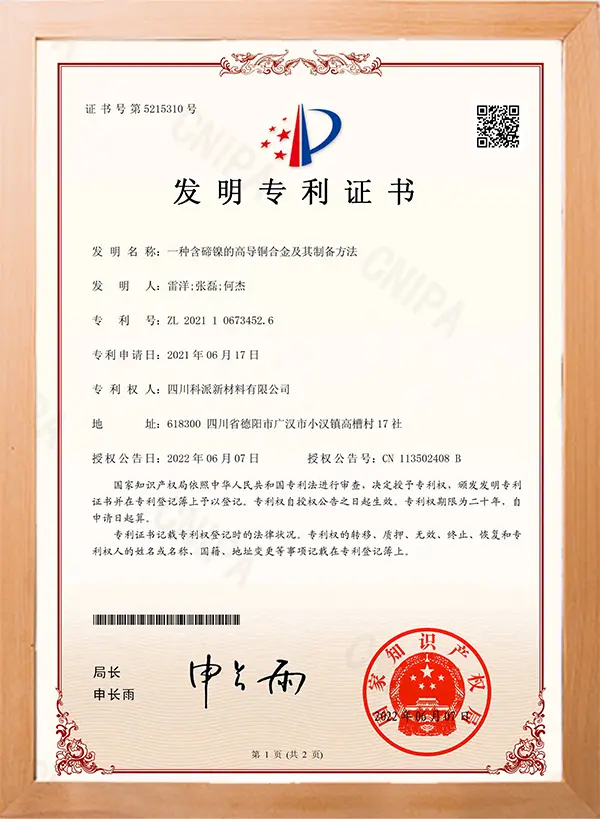
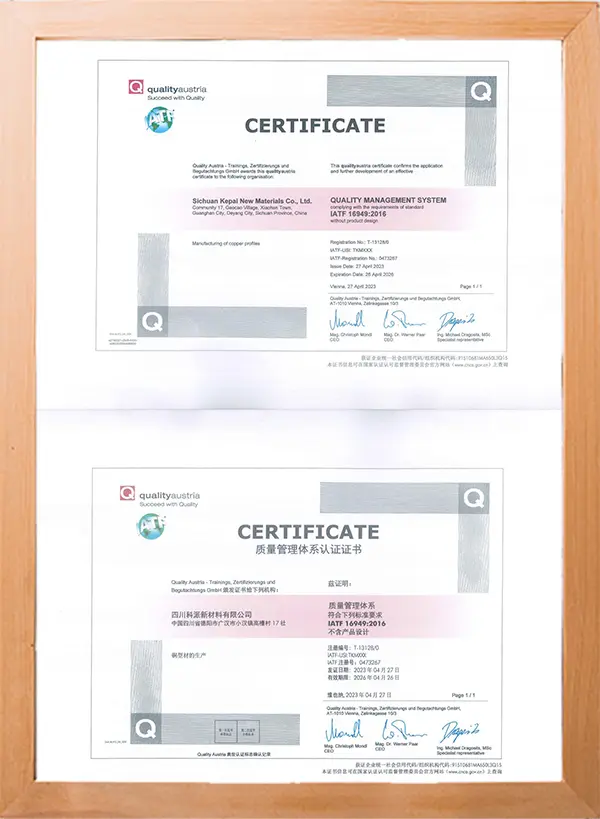
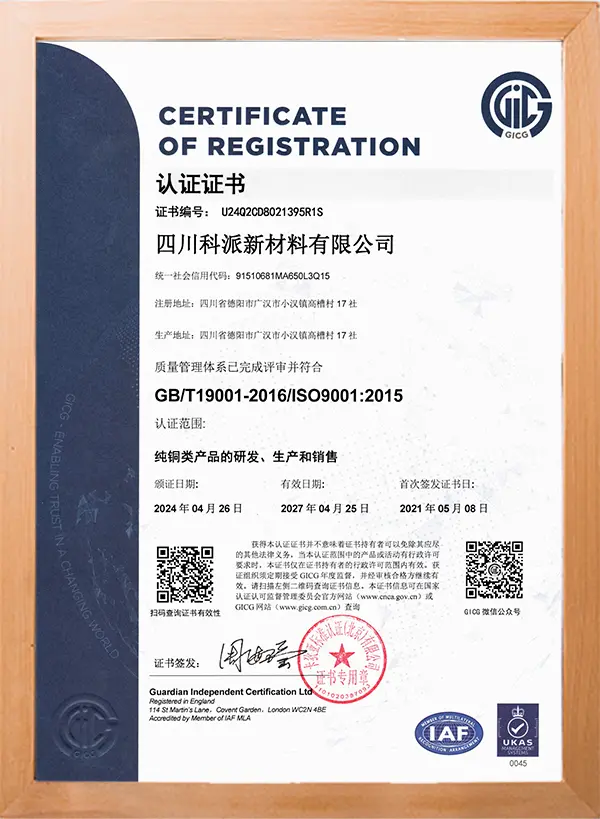
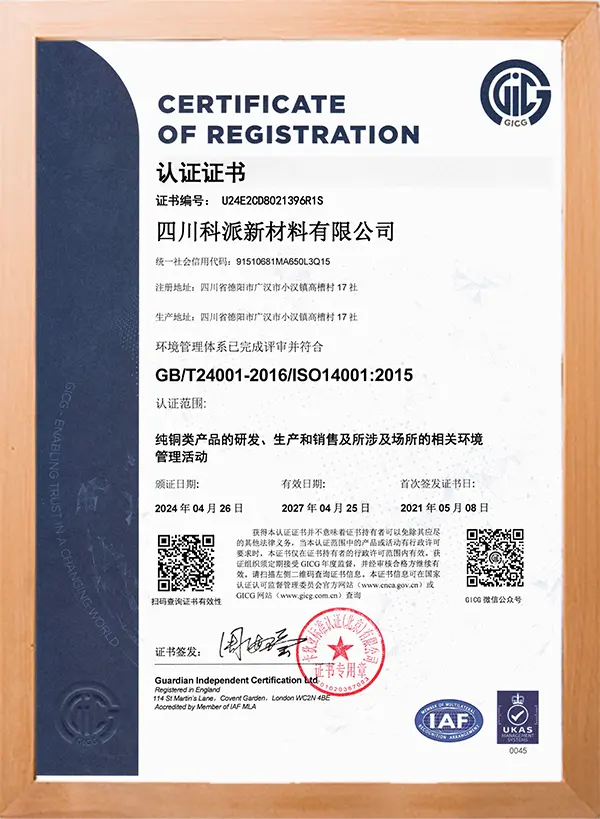
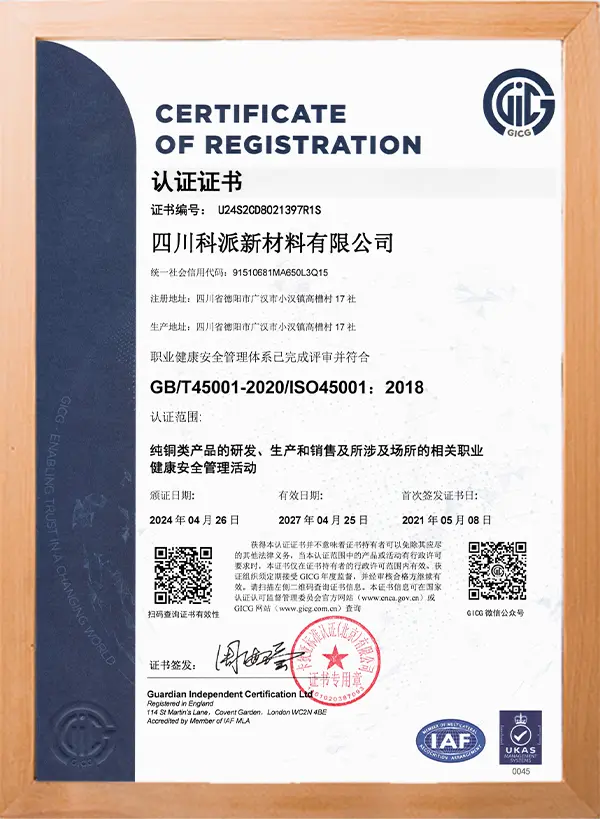
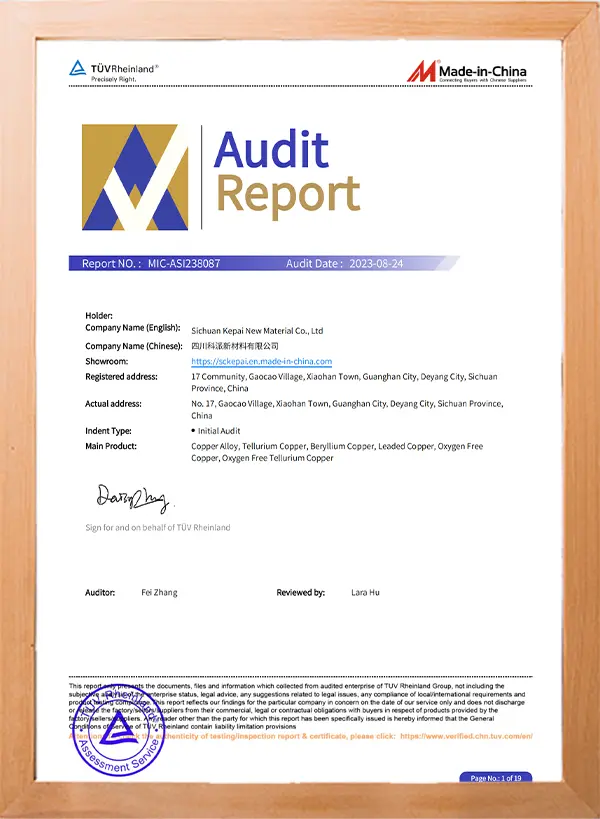
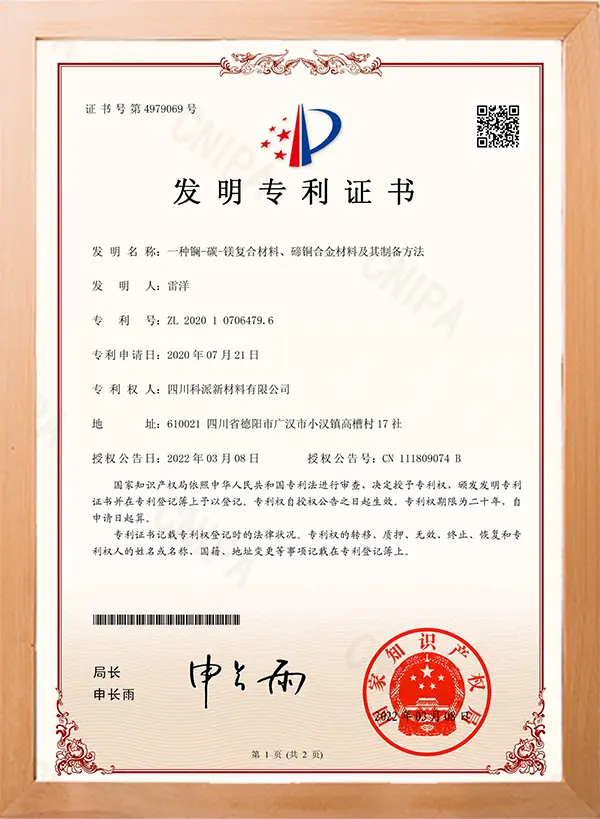
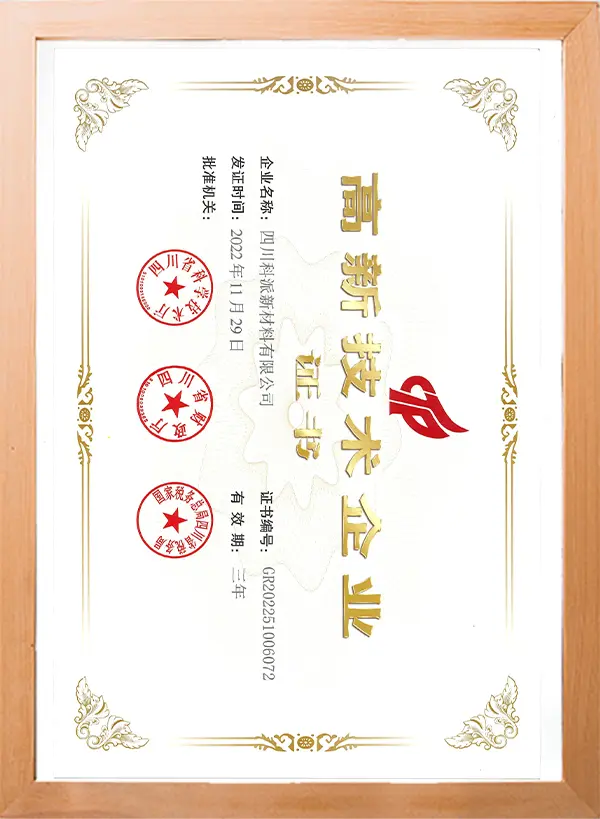
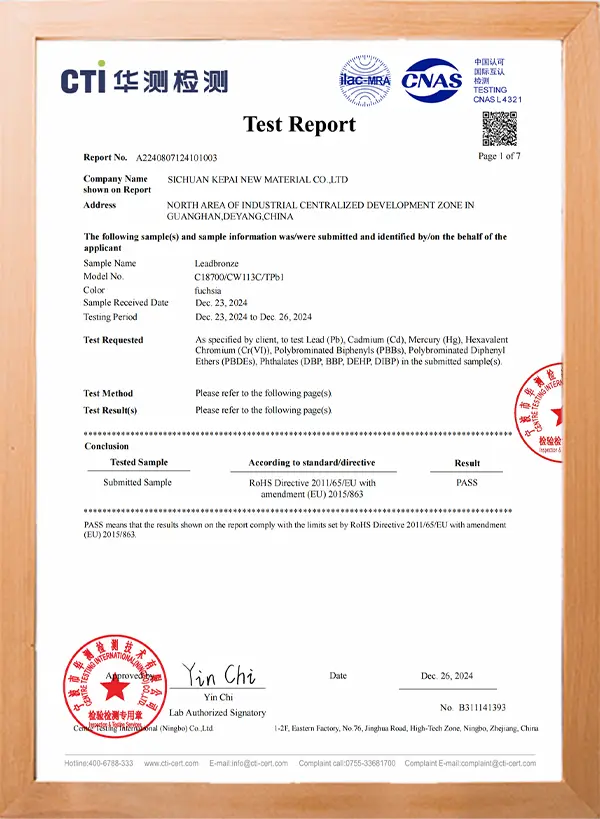
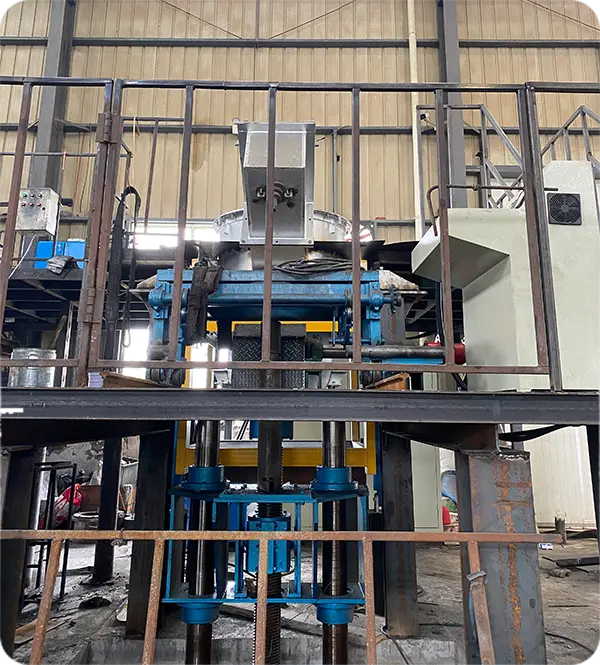
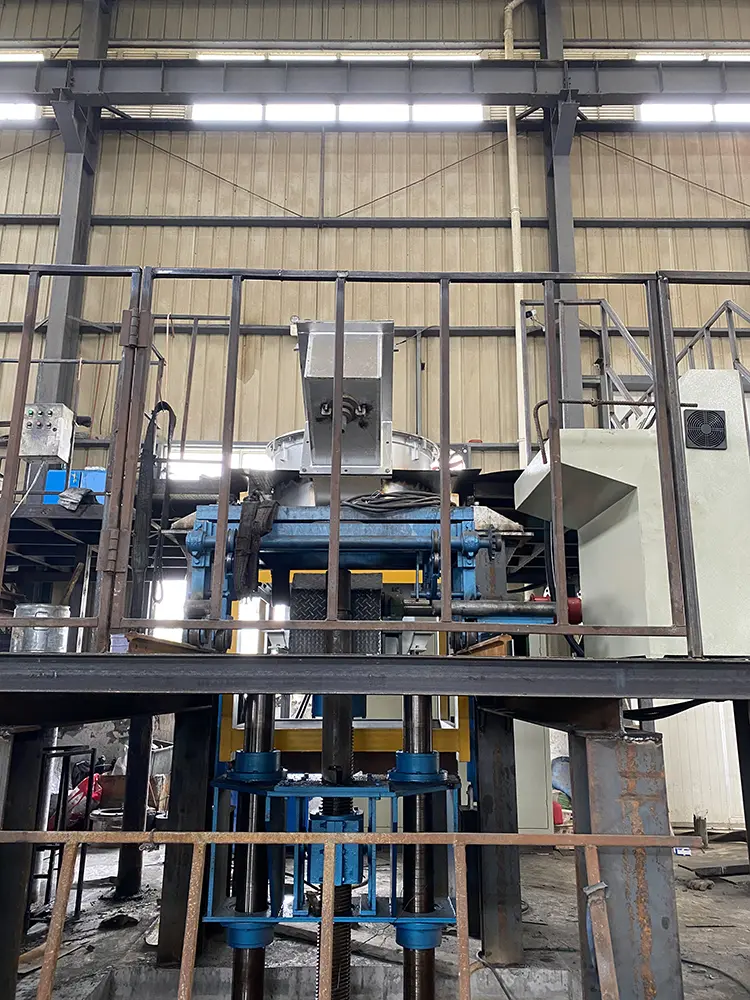
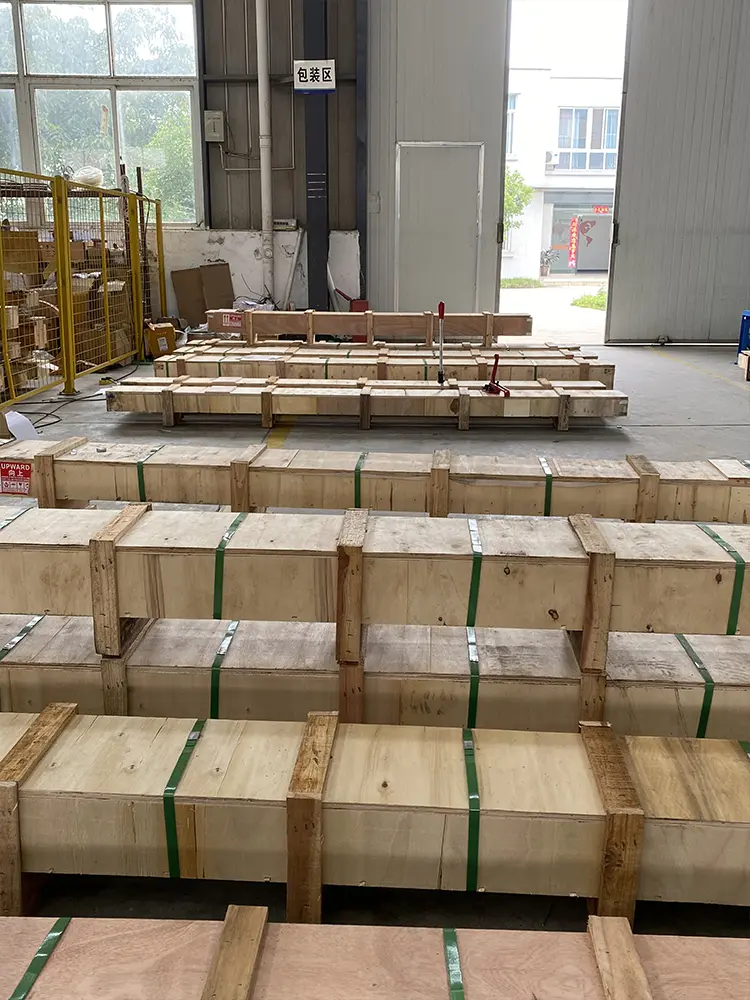
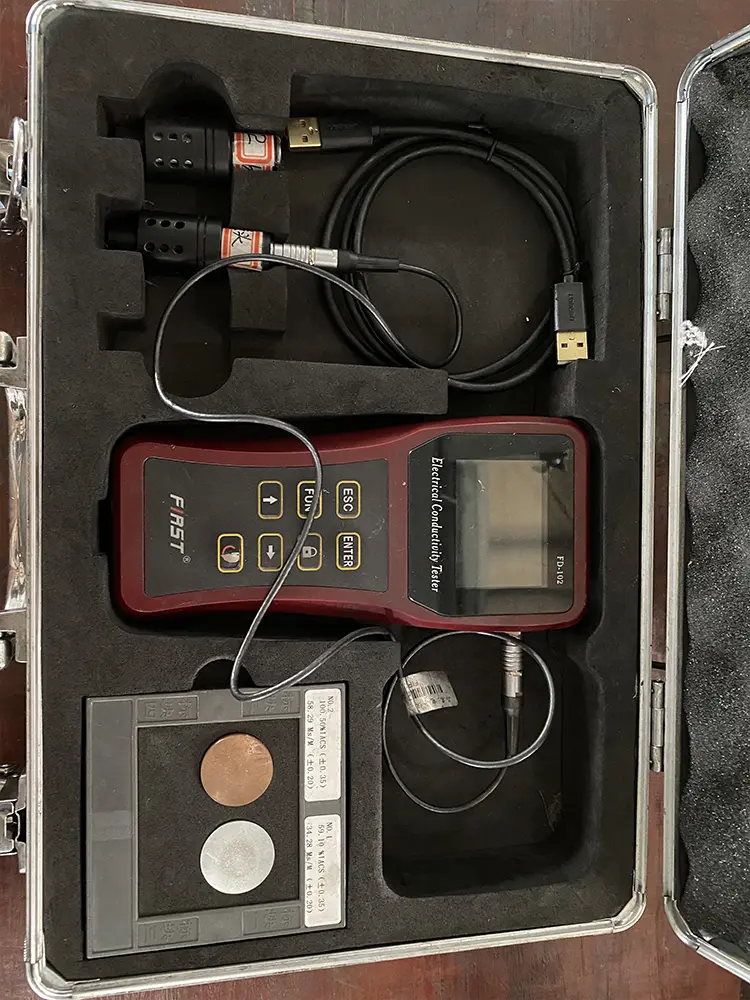
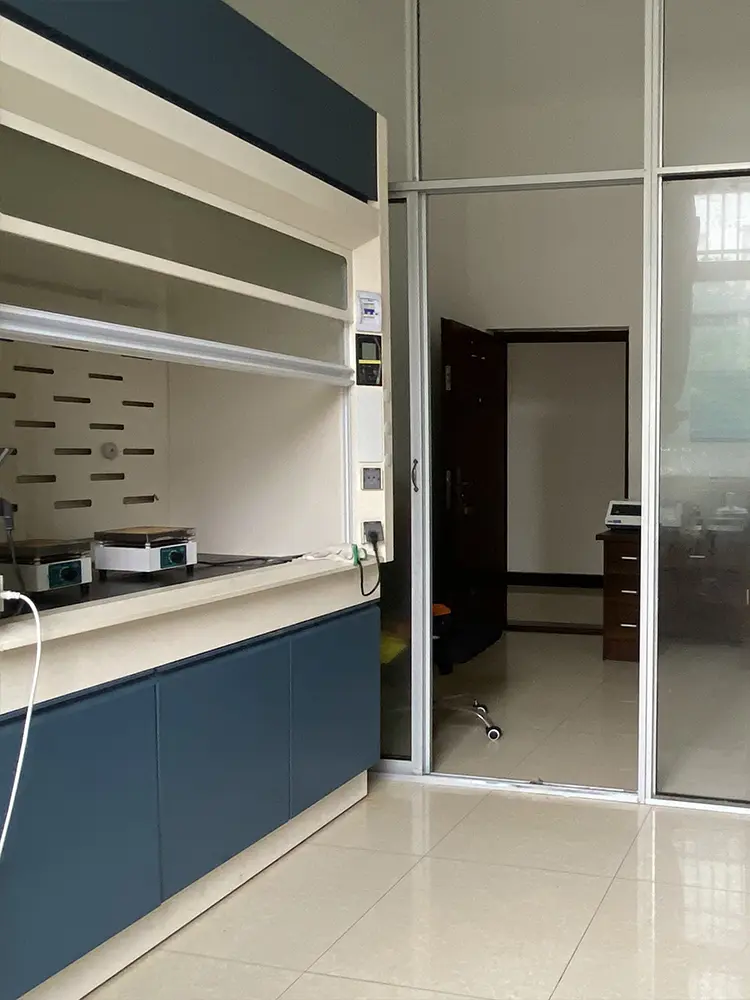
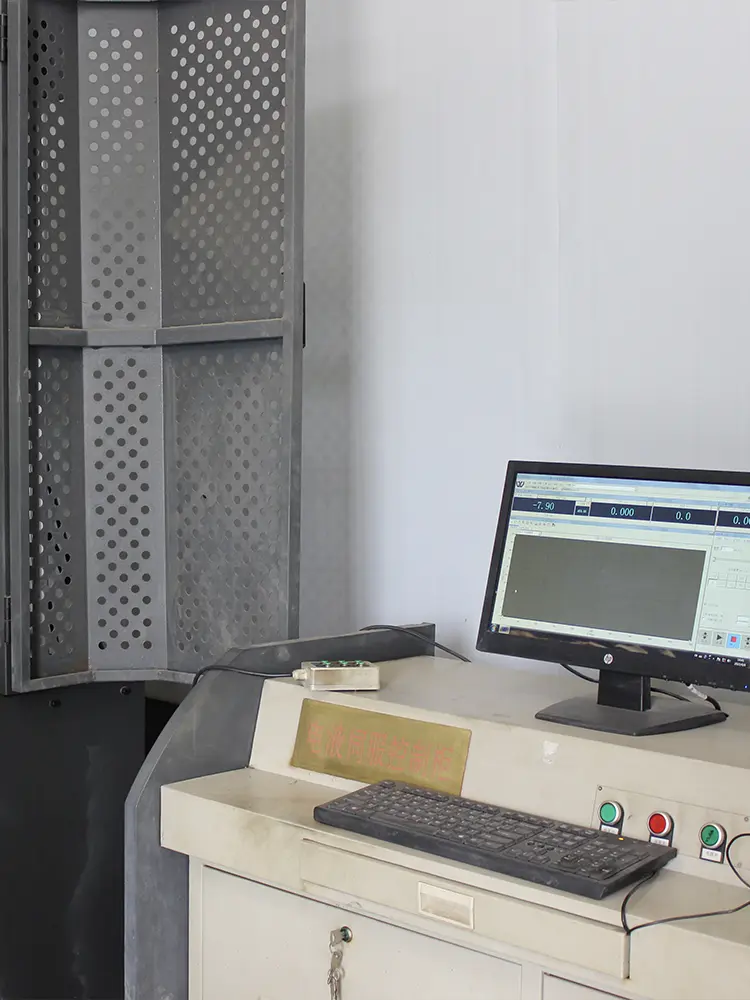
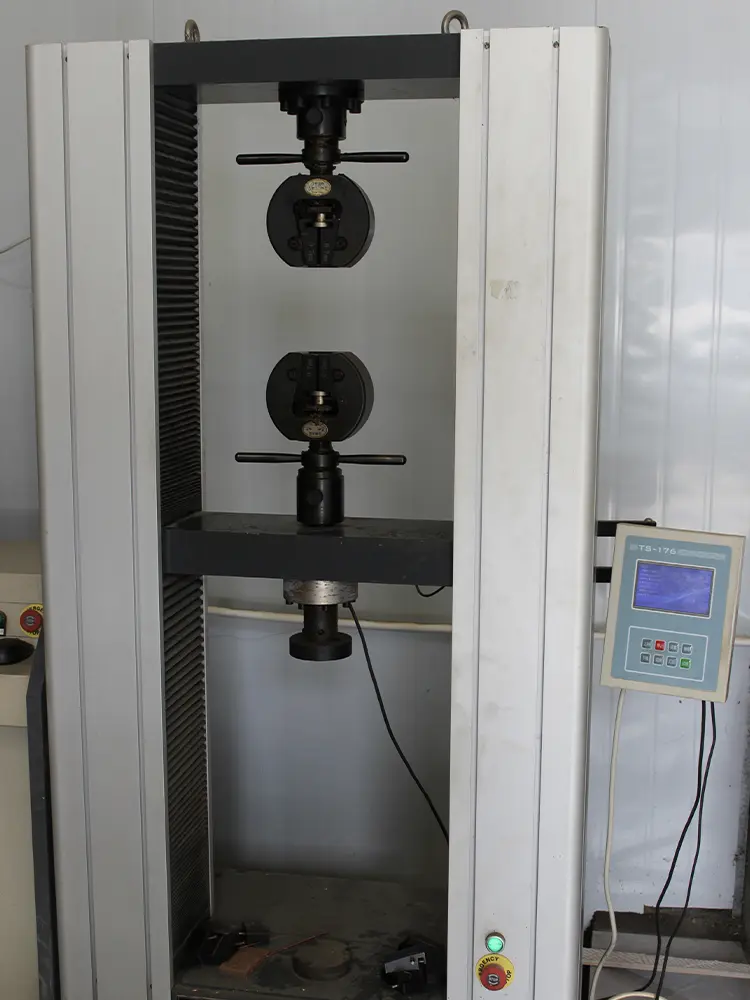
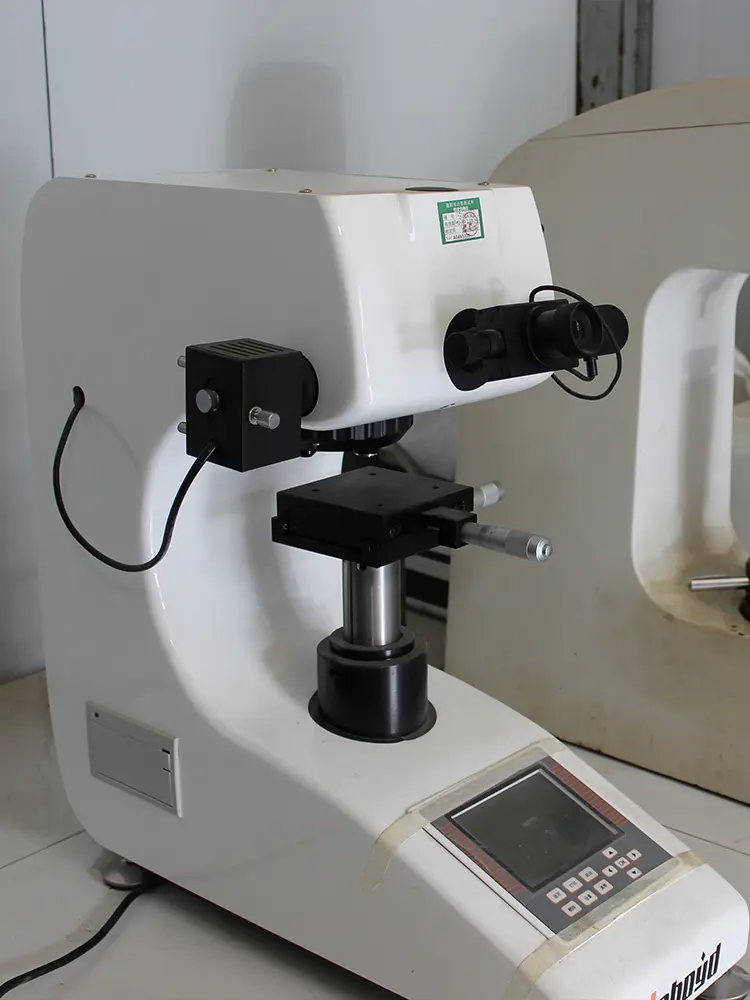
Integrating heavy industrial manufacturing lines with laboratory testing units to maintain close batch tolerances.
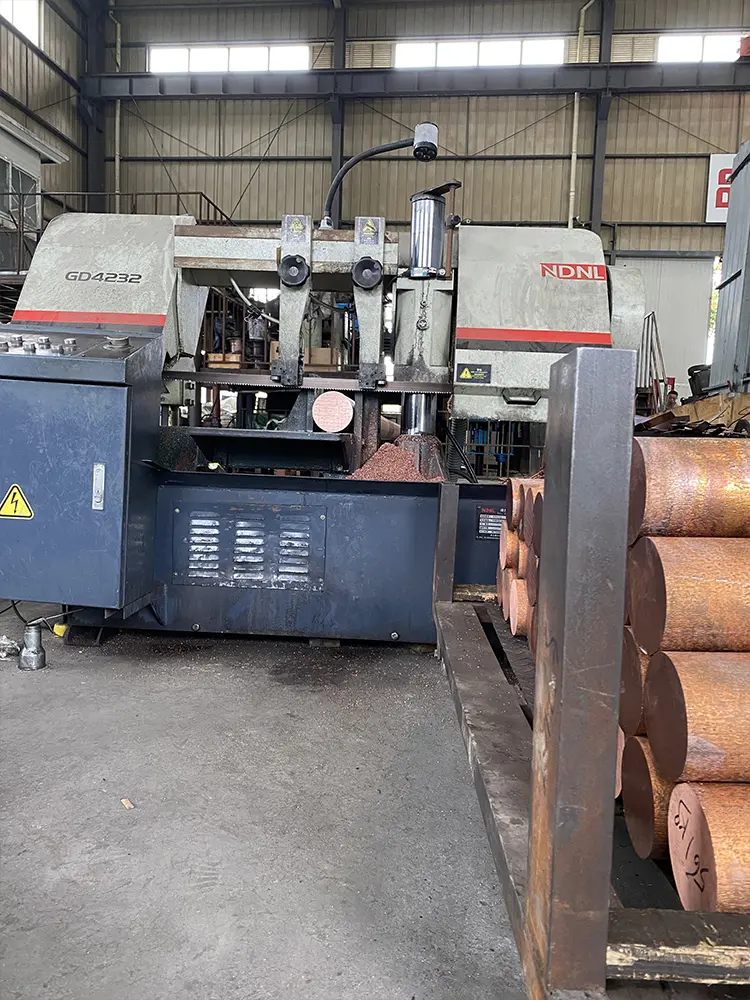
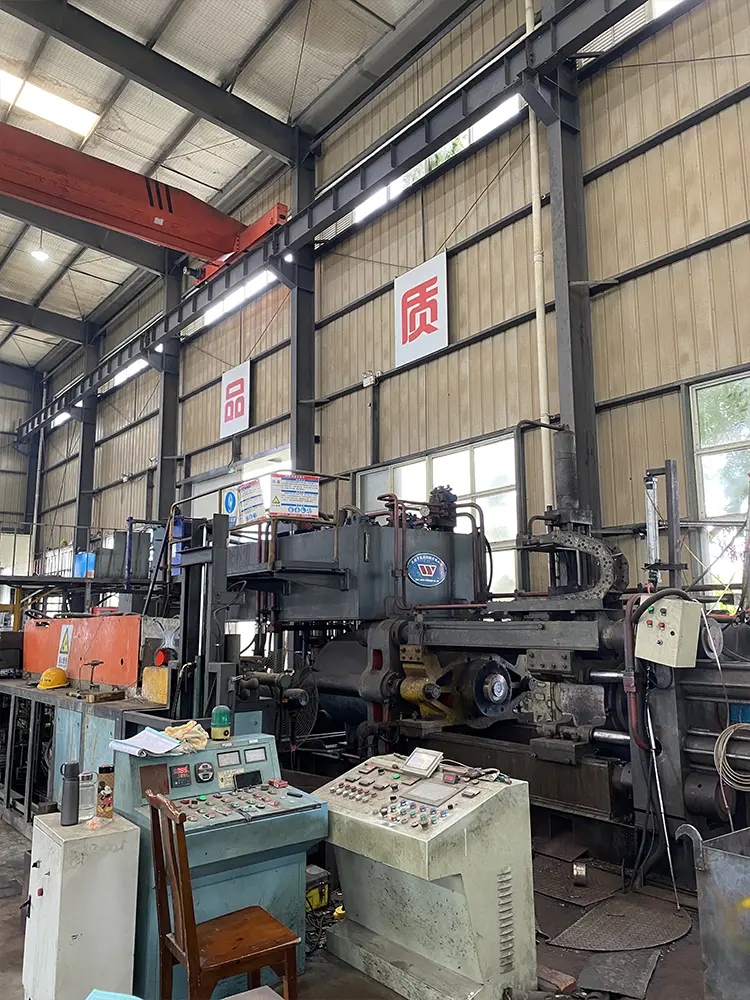
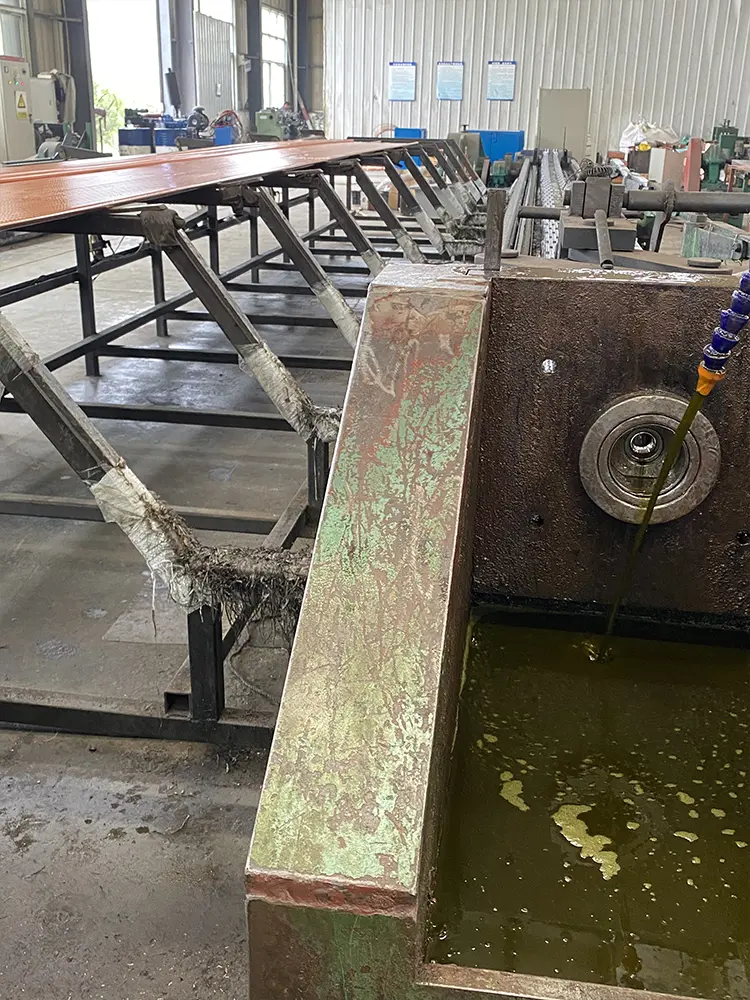
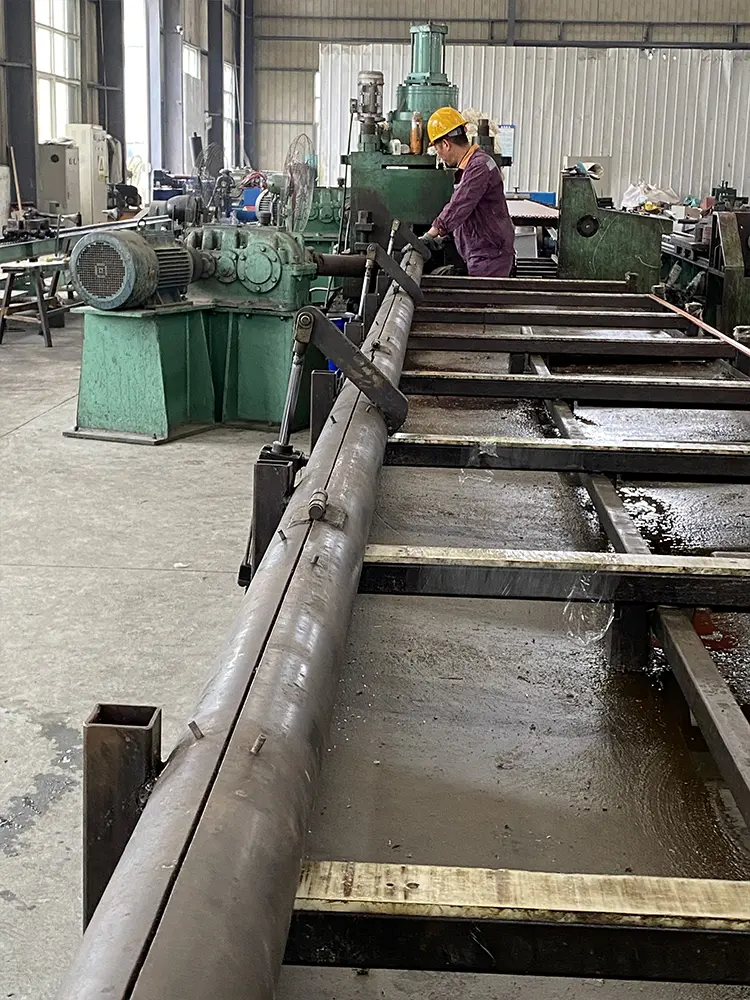

As microelectronics demand tighter tolerances and thinner designs, copper alloy development is undergoing rapid transformation. Sichuan Kepai is currently targeting several developments to push the physical performance limits of copper materials:
Traditional tellurium coppers feature micron-sized telluride inclusions. Our R&D team is developing refined solidification models using electromagnetic stirring and ultrasonic treatment during smelting to reduce telluride phases to sub-micron scales. This structure yields higher tensile properties and ensures consistent machining capabilities even for ultra-thin pins and micro-coaxial connectors.
Oxygen-free tellurium copper holds oxygen levels below 10 ppm while maintaining high tellurium contents. This low-oxygen content eliminates the risk of hydrogen embrittlement during high-temperature brazing or welding. OFT represents the ideal solution for vacuum electronics, hermetic relays, and space exploration equipment.
With international regulations such as RoHS and REACH continually lowering allowable lead thresholds, traditional free-machining lead-brass alloys (like C36000) are increasingly restricted. Tellurium copper serves as an eco-friendly replacement. Offering comparable machinability ratings without toxic heavy-metal contamination, C14500 is positioned to replace leaded materials across municipal water systems, consumer electronics, and automotive architectures globally.
Addressing technical engineering questions on material selection, machining processes, and thermal properties.
C14500 Tellurium Copper typically consists of 99.4% to 99.5% copper (Cu), 0.4% to 0.7% tellurium (Te), and a small trace amount of phosphorus (0.004% to 0.012%) used as a deoxidizer. Standard copper alloys like C11000 contain trace oxygen but no tellurium, which makes them highly ductile and difficult to machine cleanly.
Tellurium is insoluble in solid copper and exists as copper telluride (Cu₂Te) precipitates. These precipitates form chip breakers that prevent long ribbons, and act as a solid lubricant during CNC processes. Because the tellurium remains phase-separated and does not dissolve in the copper matrix, the copper retains its original high-conductivity pathways, preserving >90% IACS.
Yes. C14500 can be soft-soldered, silver-brazed, and welded using gas shielded arc methods (TIG or MIG). The addition of phosphorus deoxidizes the melt pool, preventing oxygen-induced cracking. For high-temperature brazing under hydrogen atmospheres, we recommend our specialized Oxygen-Free Tellurium Copper (OFT) to avoid hydrogen embrittlement.
Depending on CNC spindle parameters and cutting fluids, tool wear can be reduced by 300% to 500% compared to pure copper. Machining feed rates can be tripled, resulting in significantly lower manufacturing costs and minimal system downtime due to tool replacement.
Yes. Unlike leaded brasses, tellurium is not classified as a hazardous substance under RoHS or REACH guidelines. This makes C14500 and OFT alloys excellent choices for electronic systems requiring eco-friendly materials.
Extended portfolio featuring specialized chromium zirconium copper, beryllium variants, and high-purity systems.
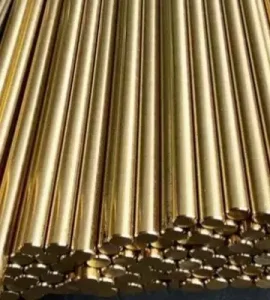
Get in touch with our metallurgical engineers today. Sichuan Kepai New Materials provides tailored chemistry profiles, shapes, tempers, and supply volumes designed for global supply chain requirements.
 Kepai
Kepai