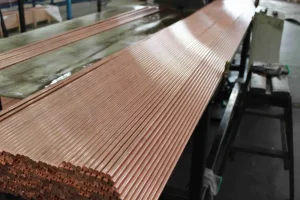
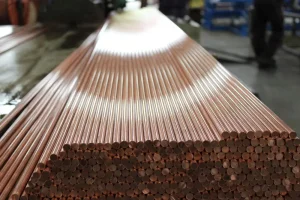
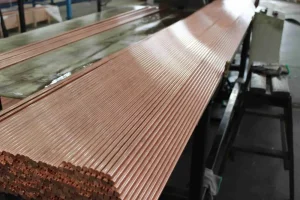
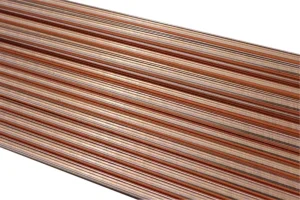
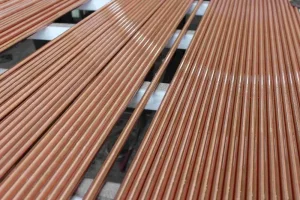
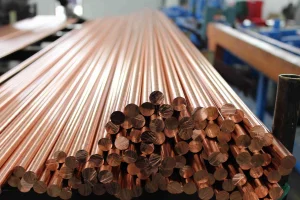
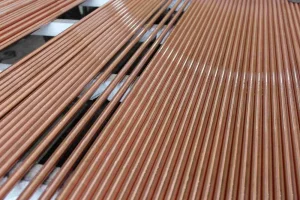
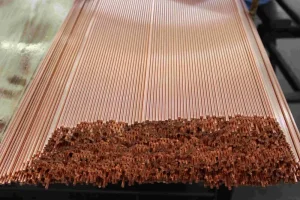
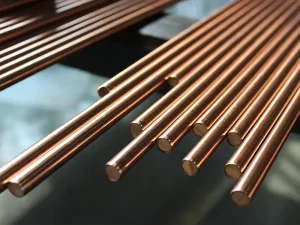
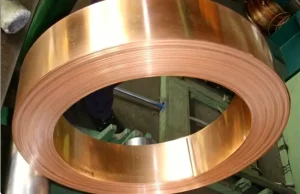
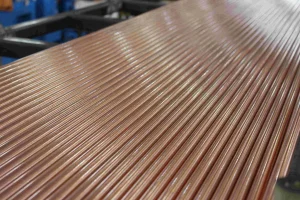
High-purity, easy-to-machine, and micro-alloyed copper products optimized for demanding global engineering applications.
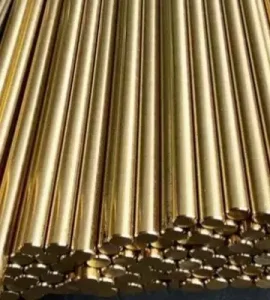
Established in 2017, Sichuan Kepai New Materials Co., Ltd. stands as a premier high-tech enterprise at the forefront of copper metallurgy research, development, and high-volume precision production. Nestled strategically in the western area of the Sichuan Guanghan Industrial Development Zone adjacent to National Highway 108, our advanced manufacturing footprint encompasses a state-of-the-art facility designed to execute high-purity smelting, drawing, heat treatment, and precision finishing operations.
Our core mandate aligns with the development and deployment of critical strategic emerging materials outlined in the national 13th Five-Year Plan. We specialize in producing next-generation copper alloys, including Tellurium Copper (C14500), Oxygen-Free Copper (OFC), Silver Copper, and Dispersion Strengthened Copper. Through relentless metallurgical research, our team of material scientists designs high-conductivity, easy-to-machine, and high-strength alloys customized for disruptive technological sectors such as New Energy Vehicles (NEVs), 5G wireless networks, precision plasma/laser cutting, and aerospace relays.
Decoding the modern electrification value chain and the role of precision-engineered copper exporters.
In the modern industrial era, pure copper is no longer viewed merely as a commodity wire material, but as a critical technical bottleneck for high-efficiency energy systems. Global initiatives toward decarbonization and localized high-tech manufacturing have triggered an unprecedented demand shift toward customized micro-alloys. Pure copper (such as UNS C11000 or oxygen-free UNS C10100) and its variations (Tellurium Copper UNS C14500, Sulfur Copper UNS C14700) possess distinct thermodynamic and electrical properties essential for high-stress applications.
As a global exporter, Sichuan Kepai New Materials addresses this challenge by providing raw materials that balance mechanical shear integrity with high conductivity. Modern CNC machining facilities require materials that produce short, manageable chips, minimizing tool wear during high-volume production runs. This is where specialized exporters provide significant value by supplying alloys that meet both ASTM/DIN mechanical parameters and stringent RoHS chemical limits.
To help procurement engineers optimize their selection processes, the table below provides technical data for the primary grades manufactured and exported by Kepai:
| Alloy Grade | UNS Designation | Electrical Conductivity (% IACS) | Tensile Strength (MPa) | Machinability Rating | Primary Application Fields |
|---|---|---|---|---|---|
| Oxygen-Free Tellurium Copper | UNS C14500 / OFT | ≥ 93% | 250 - 360 | 85% (Free-cutting) | EV Charging Pins, Laser Nozzles, Connectors |
| Oxygen-Free Copper | UNS C10100 / C10200 | ≥ 101% | 220 - 320 | 20% | Vacuum Electronics, Busbars, 5G Components |
| Pure Copper (Electrolytic) | UNS C11000 | ≥ 100% | 220 - 350 | 20% | Electrical Switchgear, Power Transistors |
| Sulfur Copper | UNS C14700 | ≥ 90% | 240 - 340 | 85% (Free-cutting) | Precision Relays, Subminiature Machined Parts |
| Beryllium Cobalt Copper | UNS C17500 / C17510 | 45% - 60% | 680 - 960 | 50% | Resistance Welding Electrodes, Injection Mold Tooling |
Oxygen-Free Tellurium Copper (C14500) represents a key technological advancement in free-machining, high-conductivity copper alloys. Pure copper is highly ductile and produces long, stringy chips during machining, which can wrap around cutting tools, generate excessive heat, and compromise dimensional tolerances. Adding 0.4% to 0.7% tellurium introduces a dispersed phase of copper telluride (Cu2Te) within the copper matrix. These microscopic telluride inclusions act as chip breakers, allowing clean sheared chips to drop away from the tooling interface.
Unlike leaded brass, tellurium copper retains high electrical and thermal conductivity while remaining environmentally friendly. It is compliant with RoHS directives banning heavy metals in electronic interfaces. The removal of oxygen prevents hydrogen embrittlement during brazing or annealing operations, ensuring components maintain mechanical and electrical integrity over extended operation cycles.
Vertically integrated manufacturing from primary melting to final non-destructive testing.
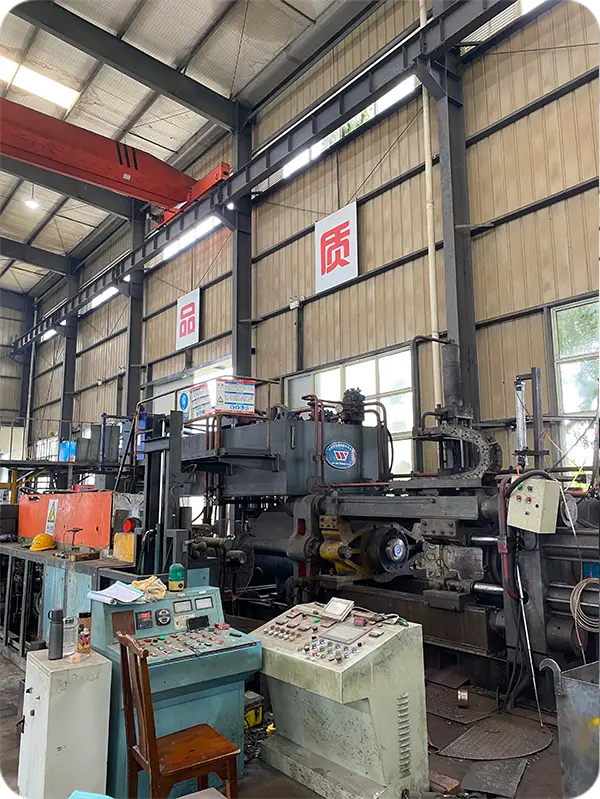
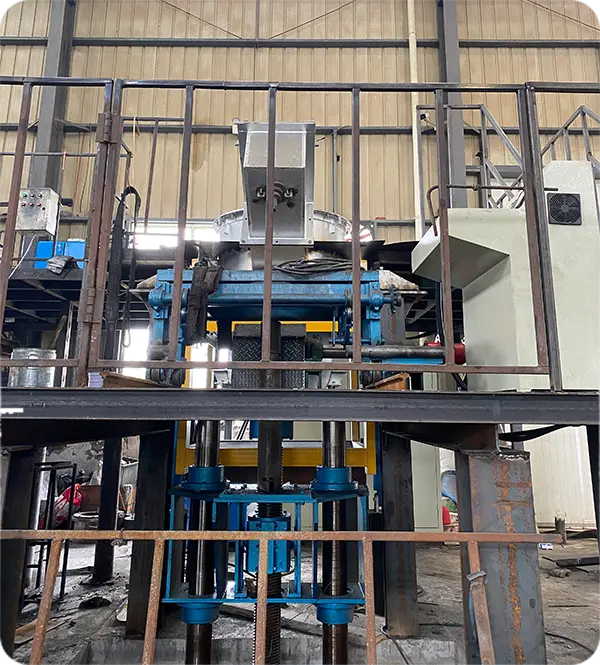
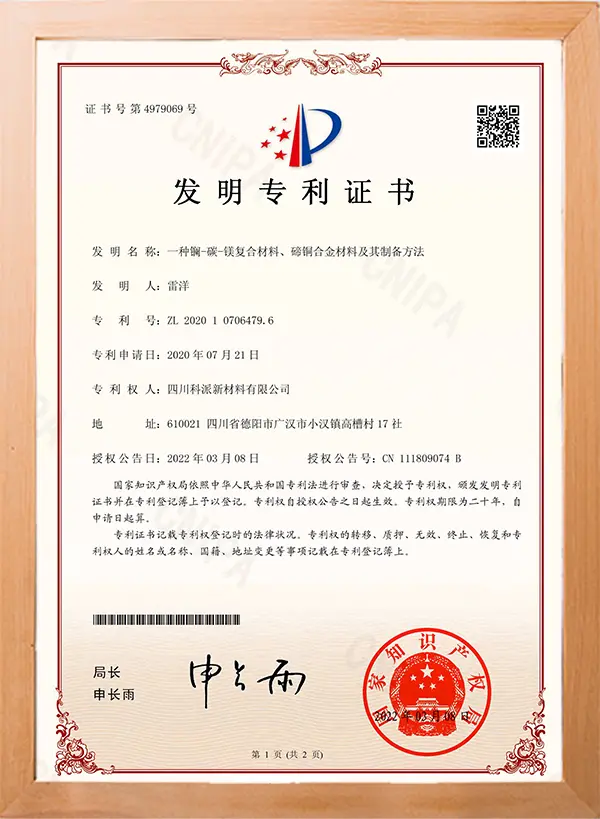
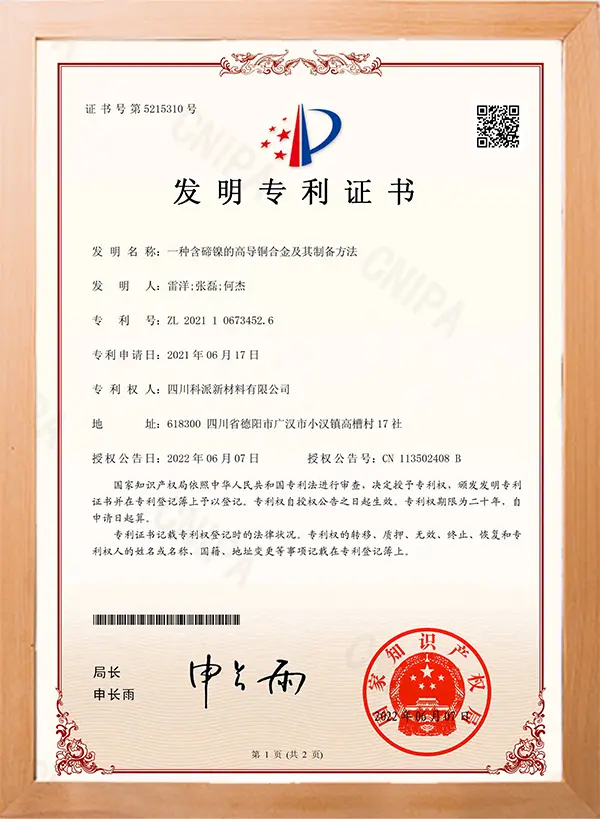
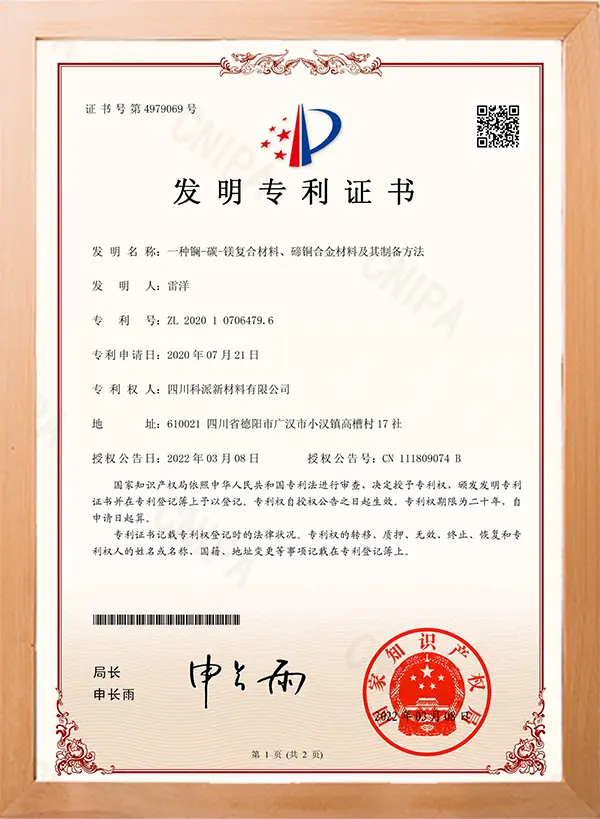
Technological innovation is the core competitiveness of Sichuan Kepai New Materials Co., Ltd. The company has a research and development and production team composed of senior industry experts who keep pace with international cutting-edge technology trends and continuously explore the unknown boundaries in the field of new copper alloy materials. Through a combination of independent research and development and industry-university-research collaboration, Kepai has made breakthrough progress in several areas, including high-performance tellurium copper, lead copper, and sulfur copper.
Many of its technological achievements have reached international advanced levels and have been successfully applied in various industries such as new energy vehicles, precision machining parts, plasma cutting, relays, and energy storage, earning widespread recognition and praise in the market.
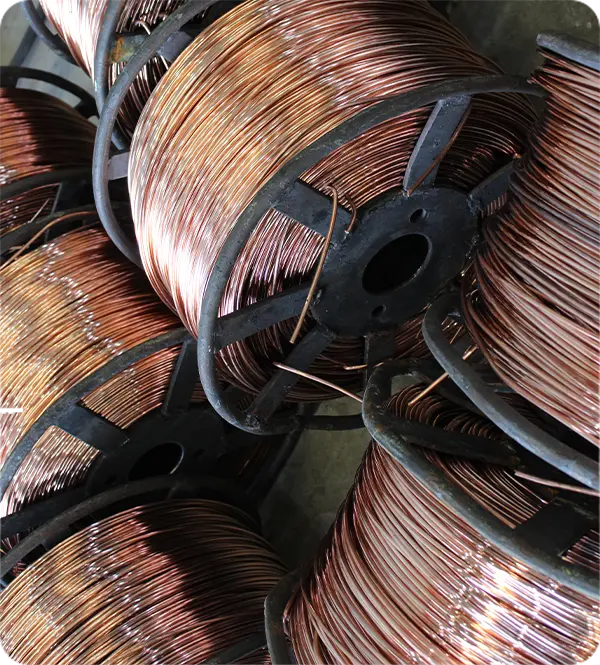
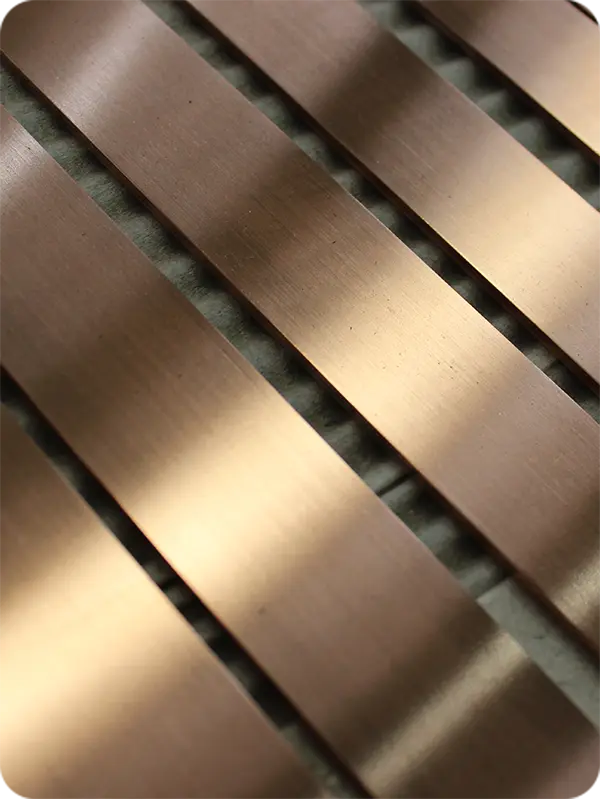
Kepai's product line is rich and diverse, covering a comprehensive range of solutions from basic materials to high-end customization. We focus on providing customers with high-performance, high-quality high-end copper alloy products, including but not limited to pure copper, oxygen-free copper, oxygen-free high-conductivity tellurium copper, nickel tellurium copper, tin bronze, beryllium copper, lead bronze, sulfur copper, and chromium zirconium copper.
These products play an important role in reducing production costs and enhancing product performance due to their excellent physical and chemical properties and environmental friendliness, creating significant economic and social benefits for customers.

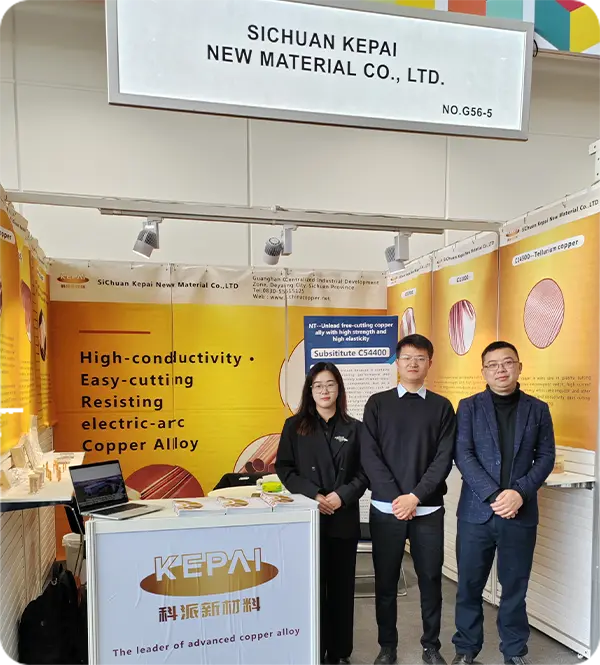
In the face of global market competition, Sichuan Kepai New Materials adheres to the development strategy of "rooted in Sichuan, radiating nationwide, and moving towards the world." By continuously optimizing market layout and improving the sales network, we have established a stable customer base in multiple provinces and cities across the country and have formed long-term cooperative relationships with several internationally renowned enterprises.
At the same time, the company actively expands into overseas markets, participates in international competition and cooperation, and strives to promote Kepai's brand influence on the global stage. We provide customized containerized logistics, moisture-proof anti-oxidation packaging, and complete customs clearance documentation for all export destinations.
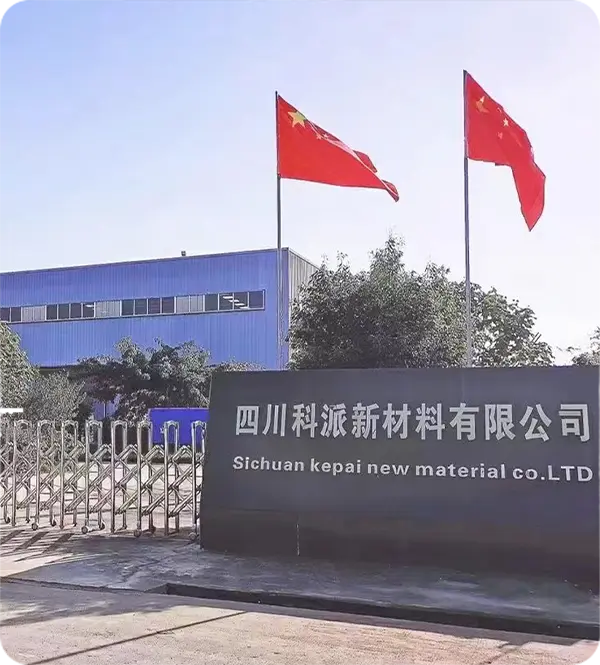
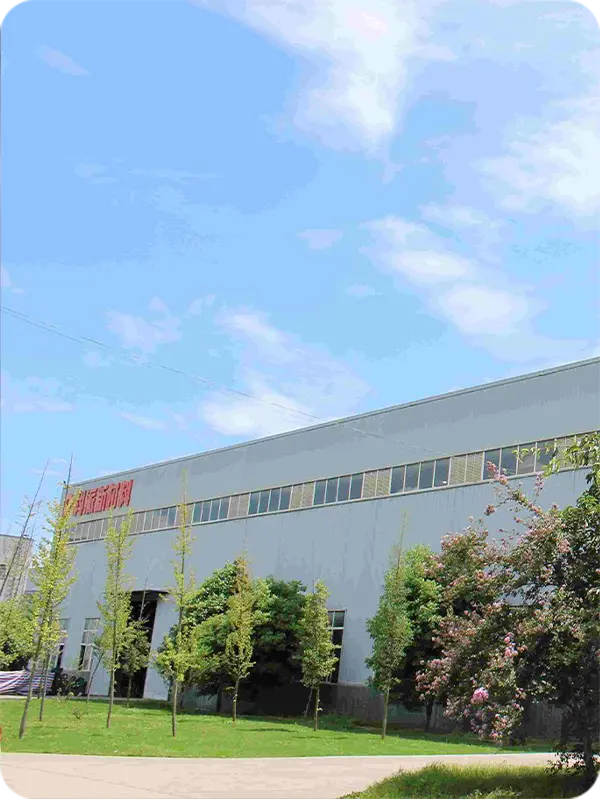
We understand that the long-term development of an enterprise is inseparable from an excellent corporate culture. We advocate the corporate spirit of "integrity, innovation, collaboration, and win-win," encouraging employees to explore boldly and innovate courageously, while also emphasizing teamwork and talent cultivation, striving to create a harmonious, open, and inclusive work atmosphere.
We believe that only by continuously pursuing excellence and creating value can we win the trust of customers and the respect of society. Our commitment to sustainability shapes every step of our copper extraction, smelting, and refining workflows, reducing local carbon footprint while maintaining product quality.
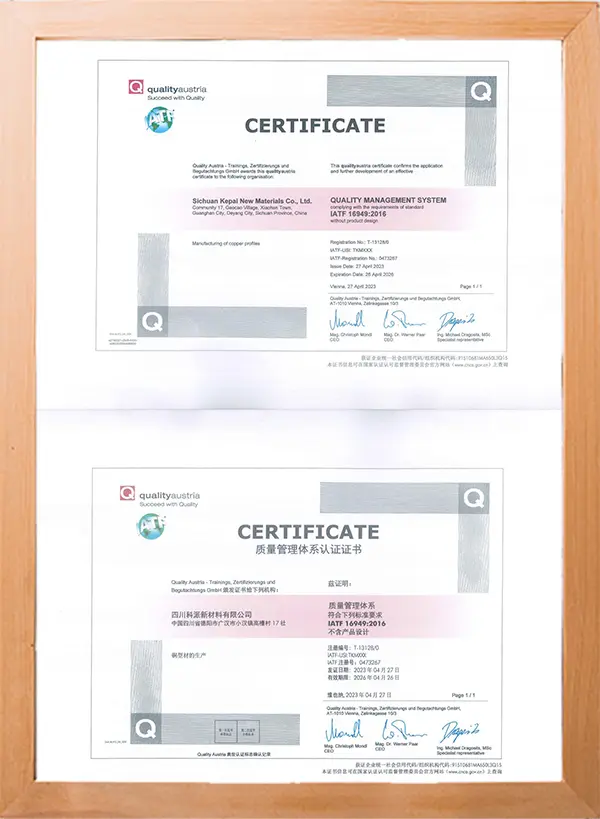
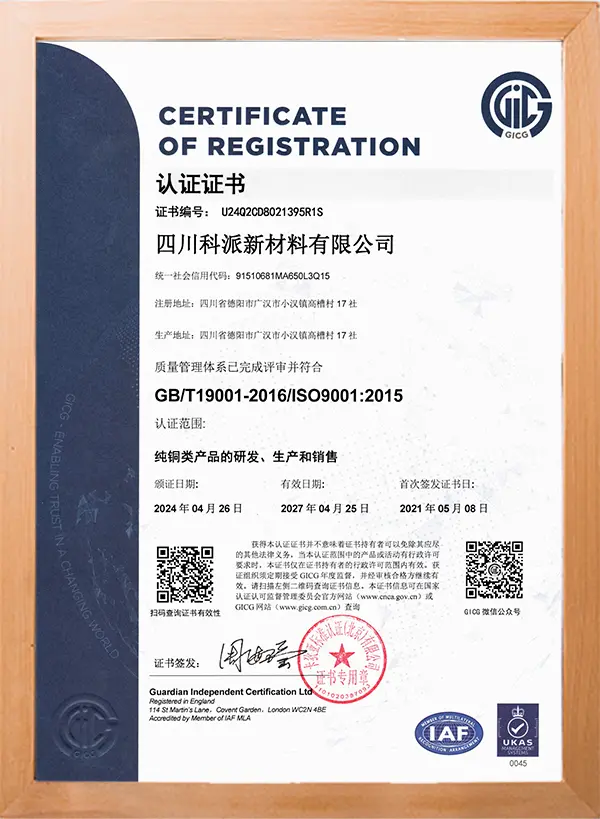
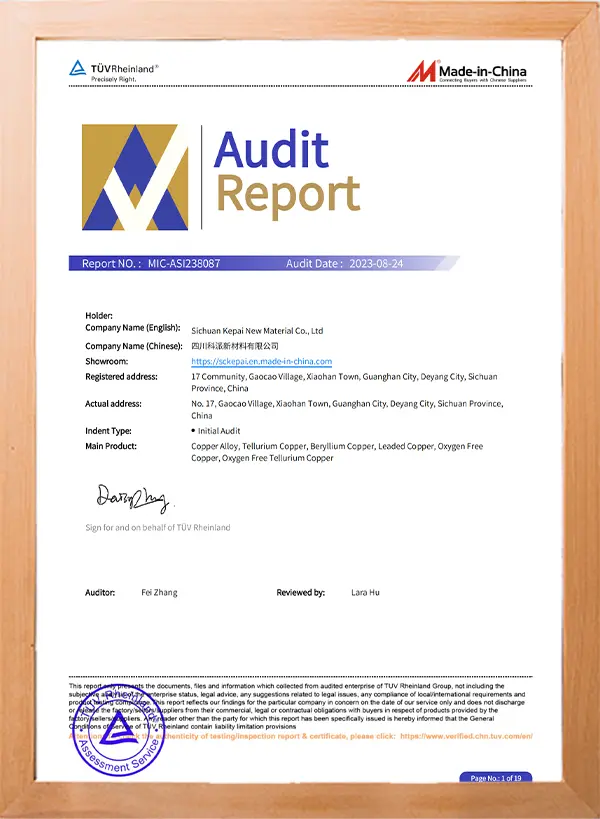
Tested to international standards. Verified under strict QA workflows.
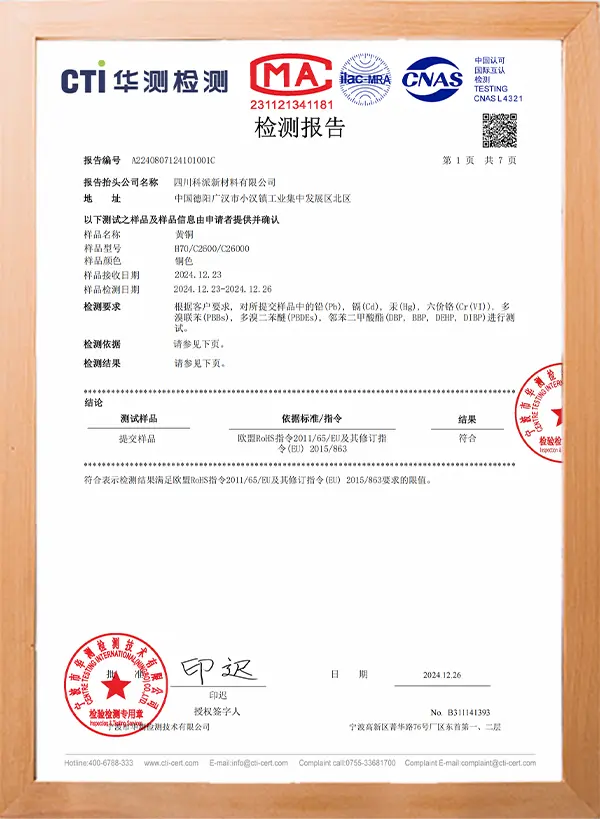
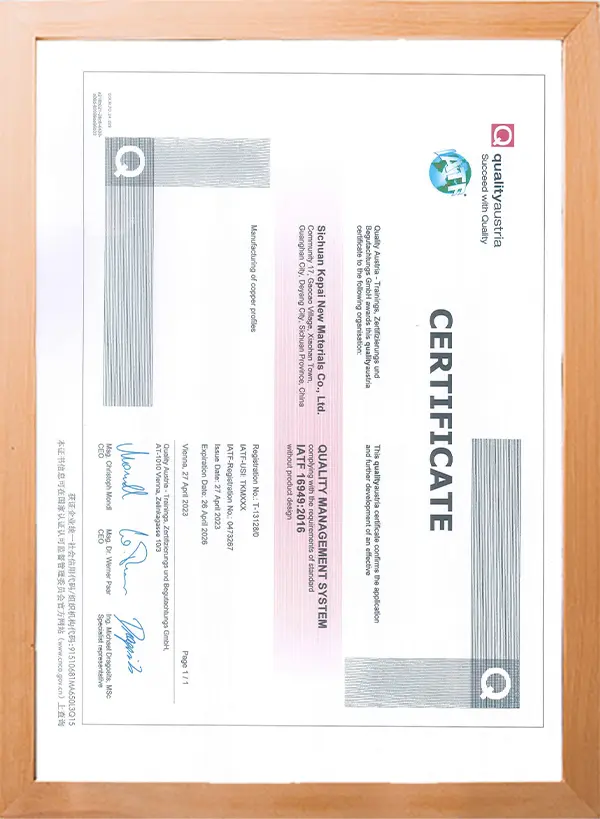
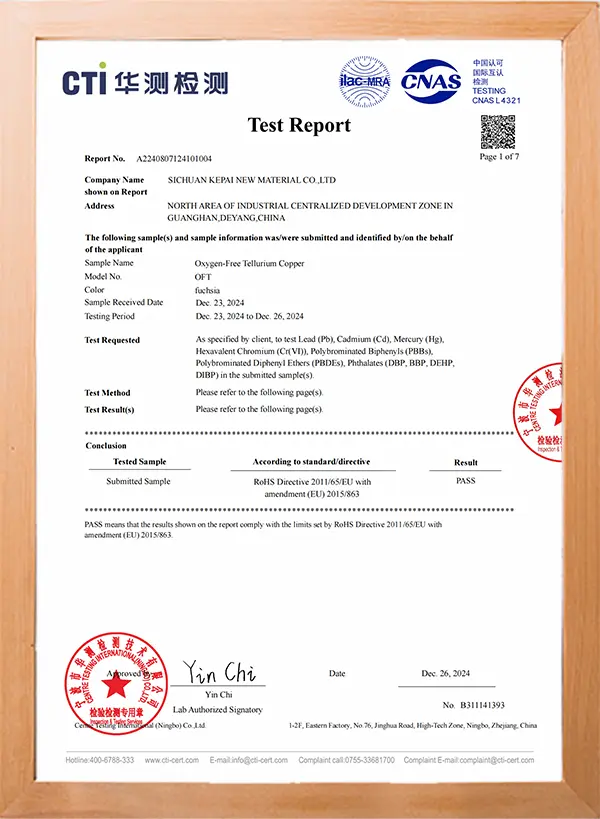
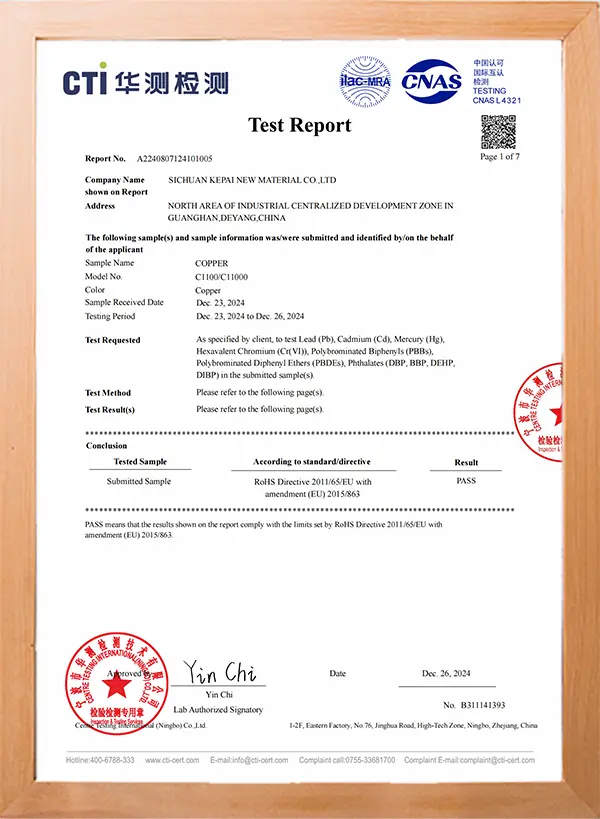
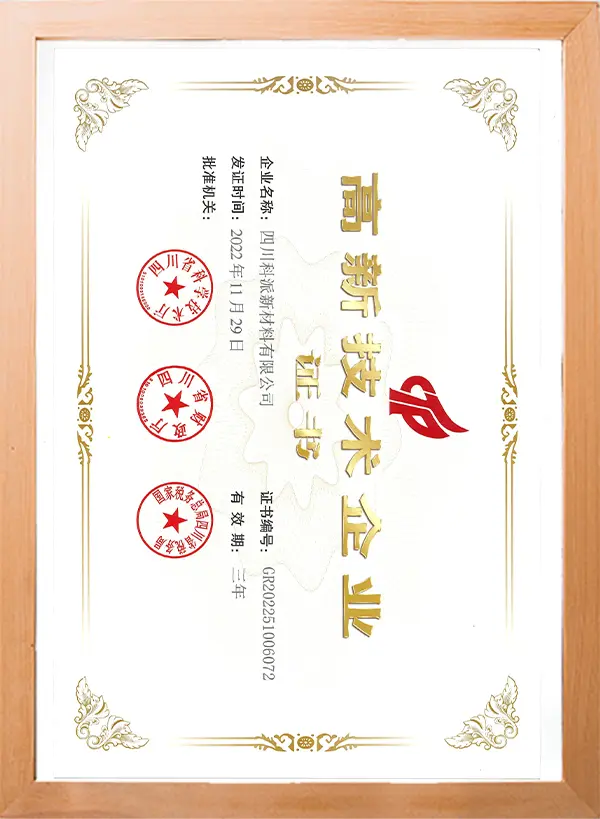
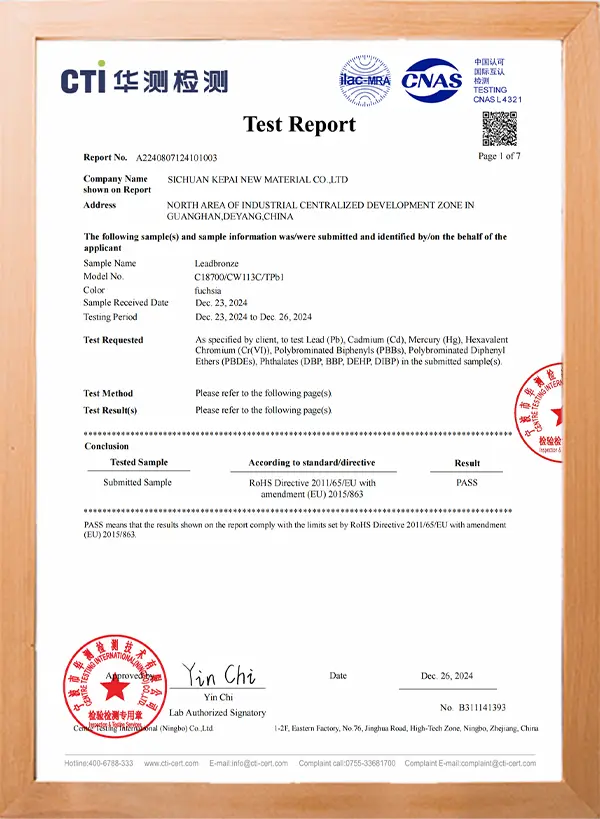
Continuous investment in high-end machinery to maintain uniform mechanical profiles and tight dimensional tolerances.
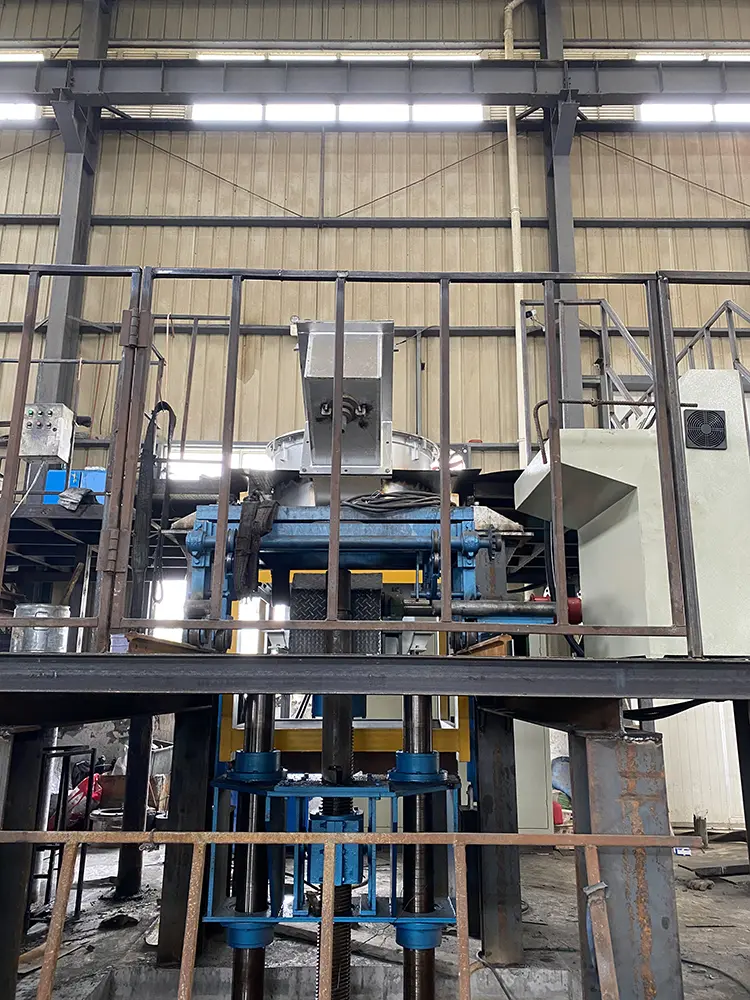
Smelting & Refining
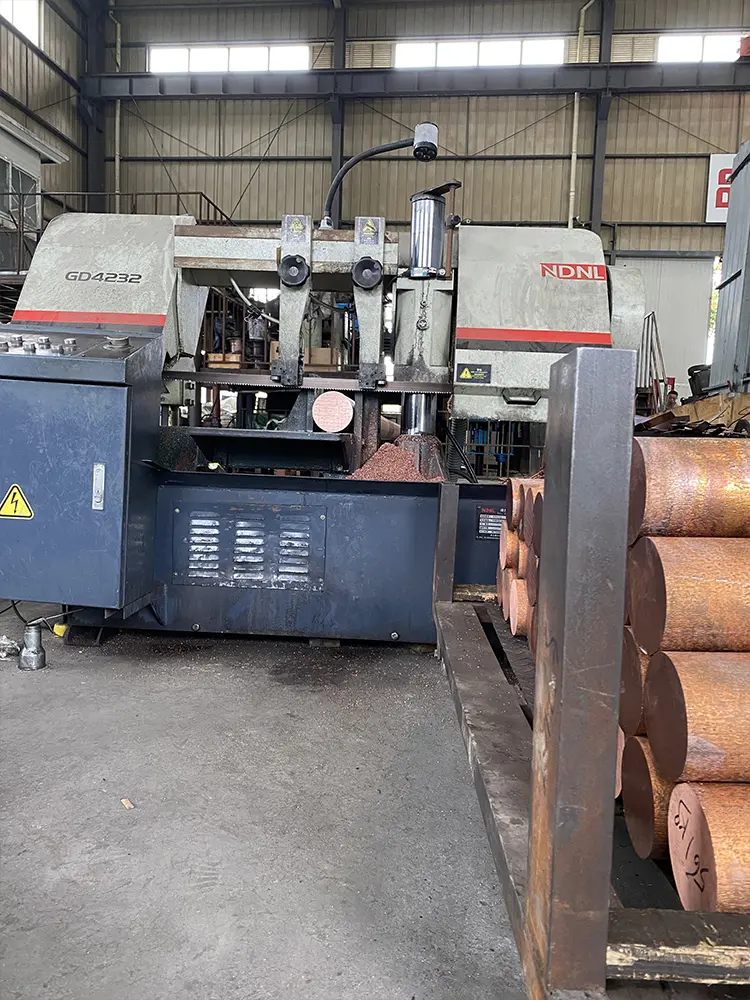
Laying-off / Sizing
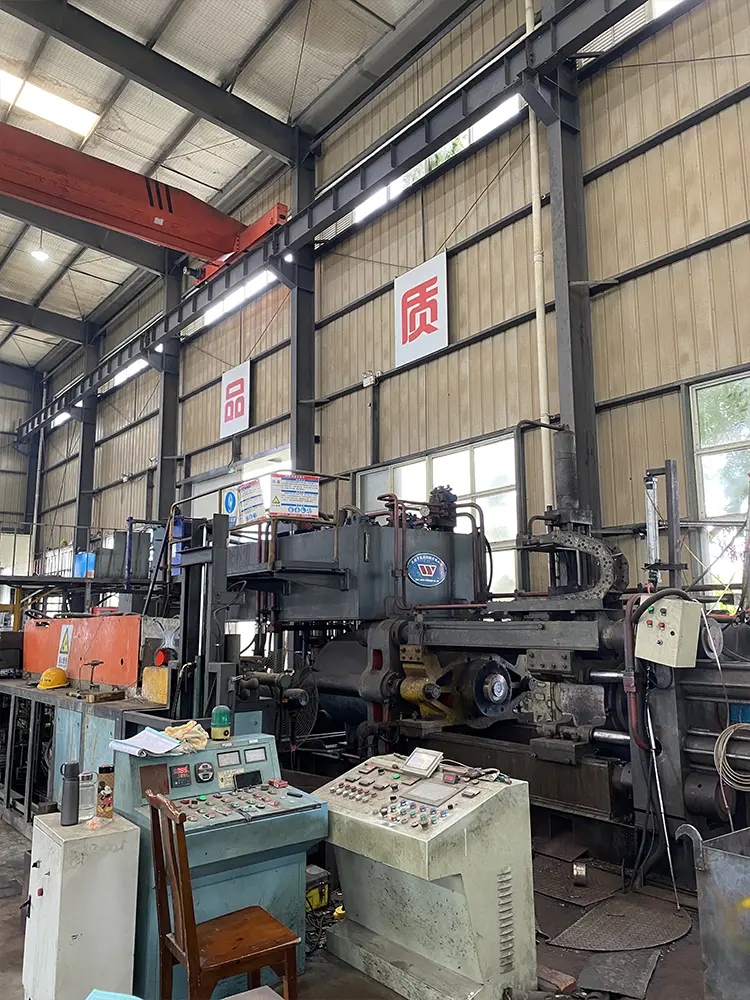
Hot Extrusion Press
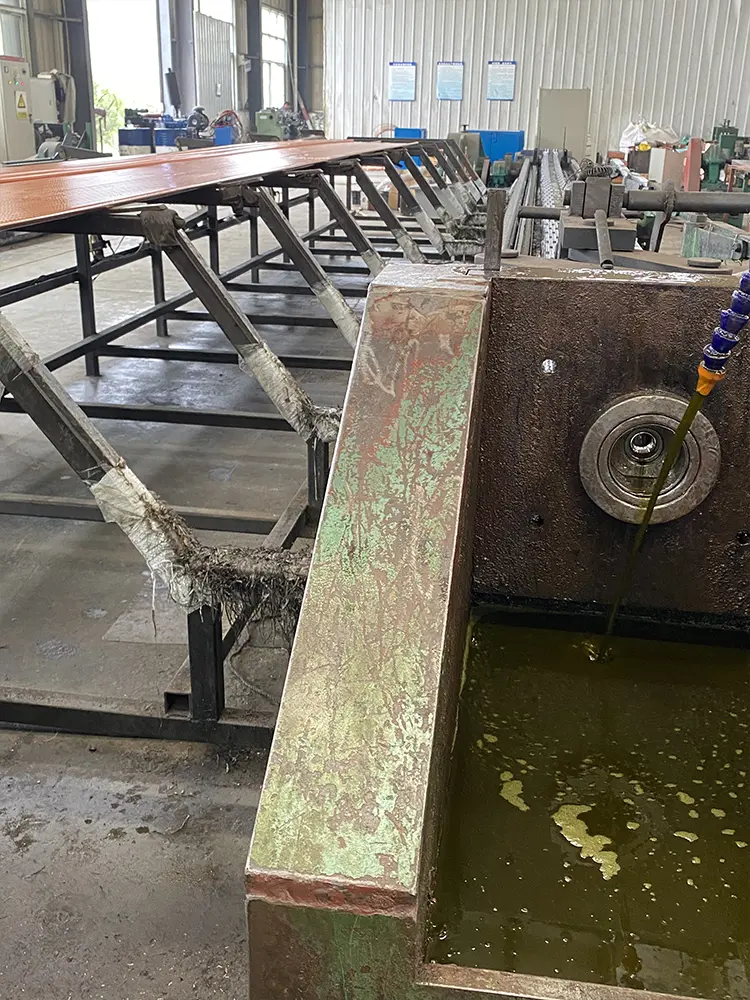
Cold Drawing Lines
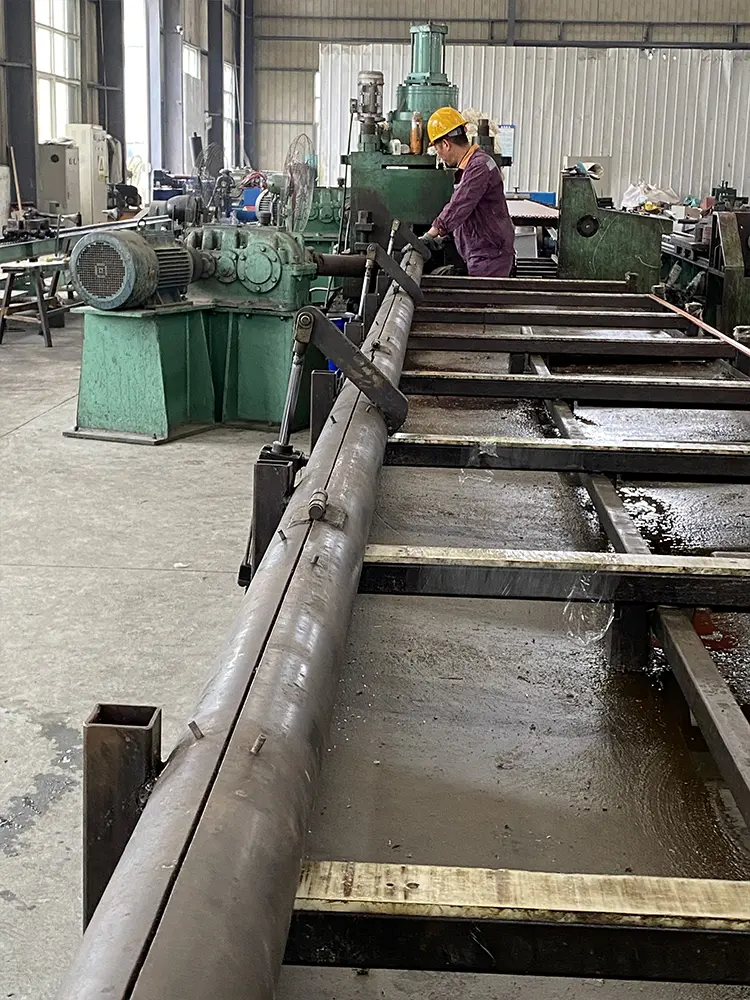
Precision Straightening

Anti-Oxidation Packaging
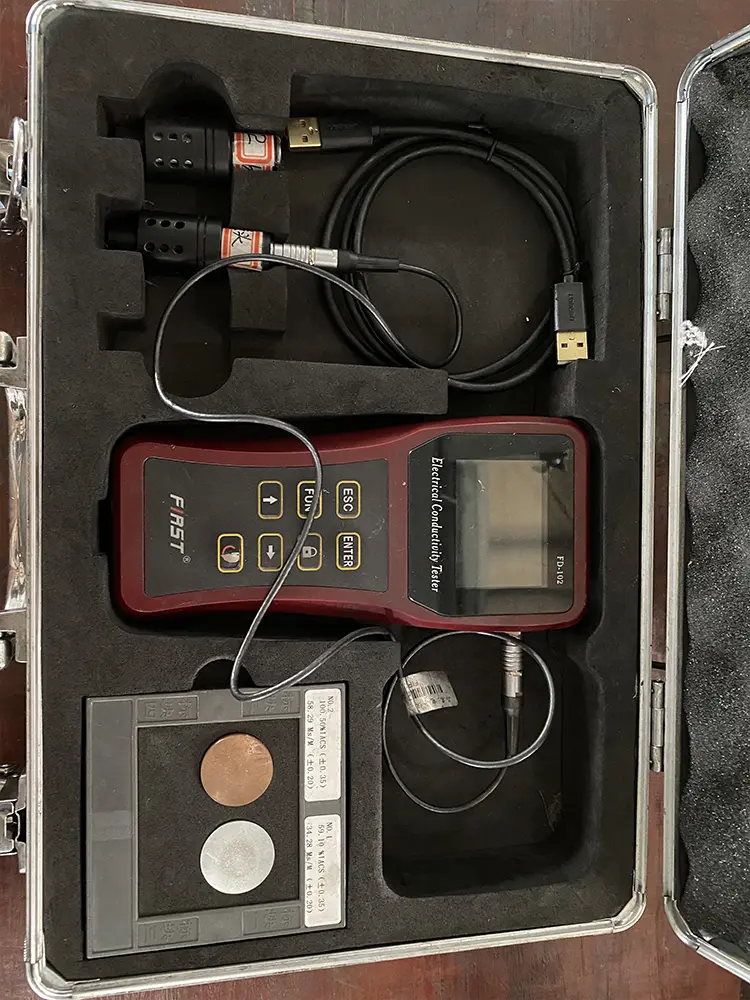
Eddy Current Conductance
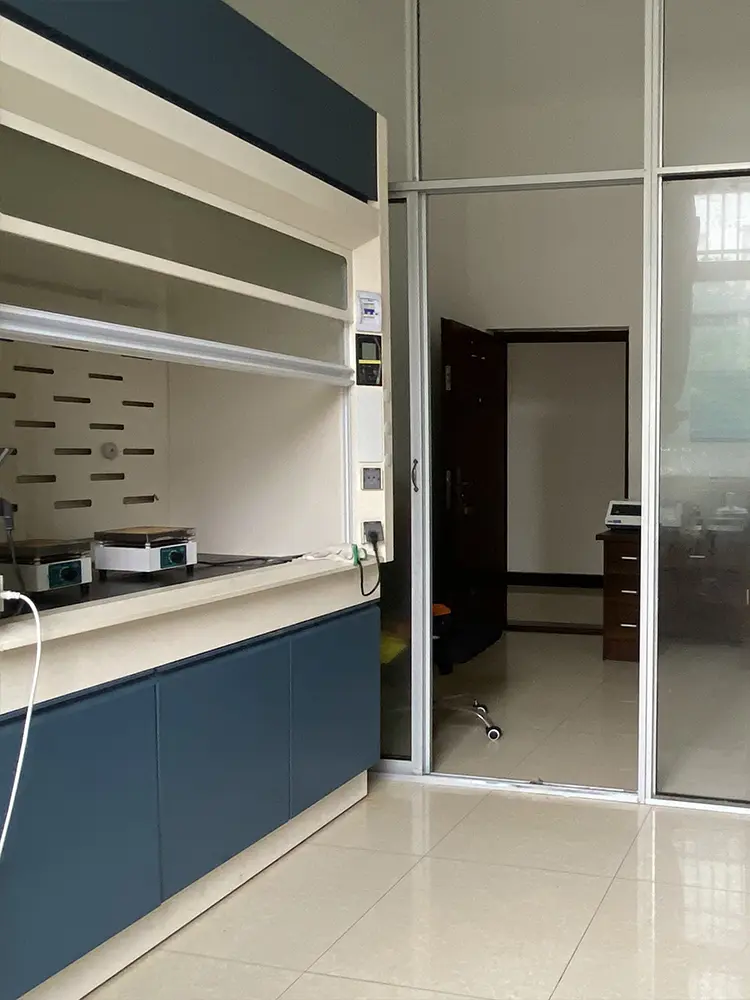
Chemical Composition Lab

Metallographic Polisher
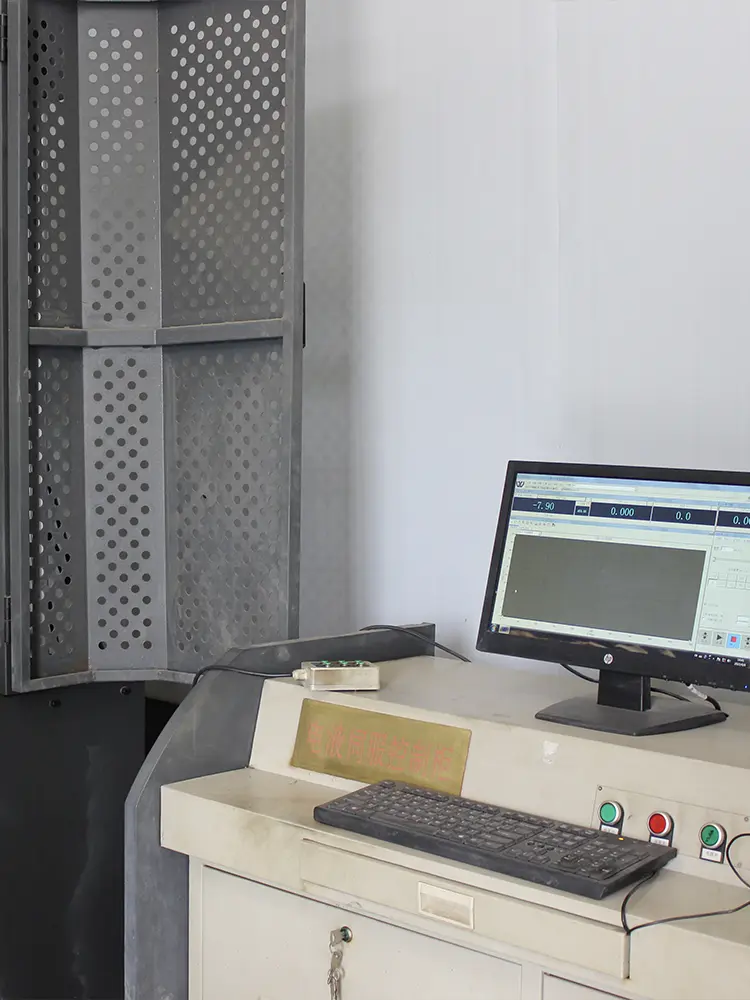
Electro-Hydraulic Servo Tester
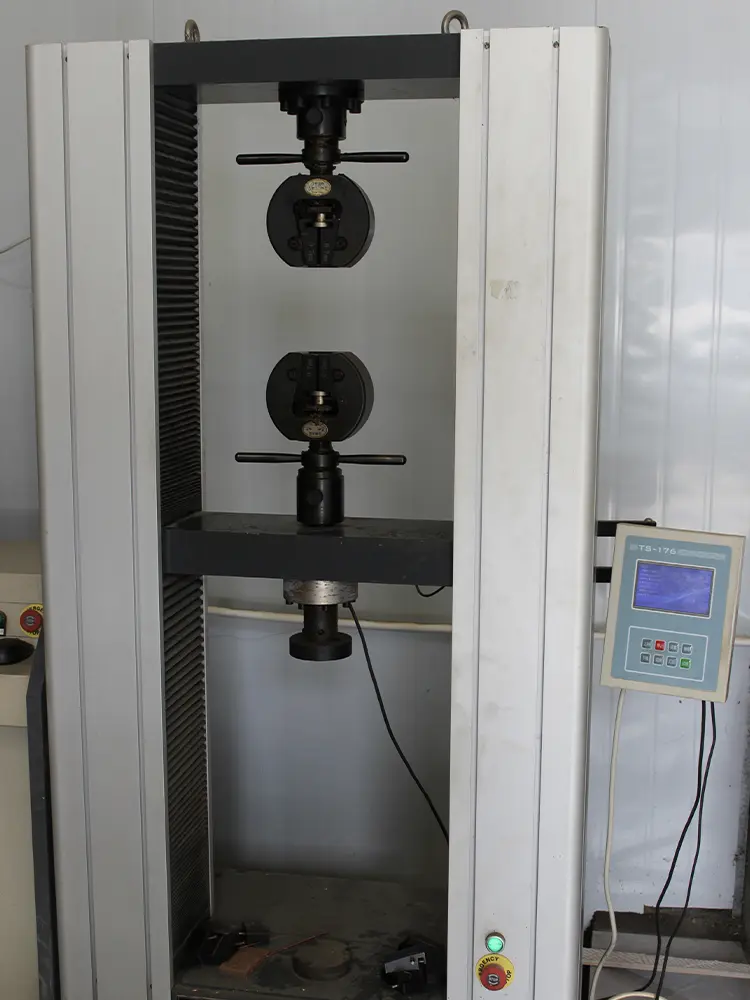
Electronic Tensile Tester
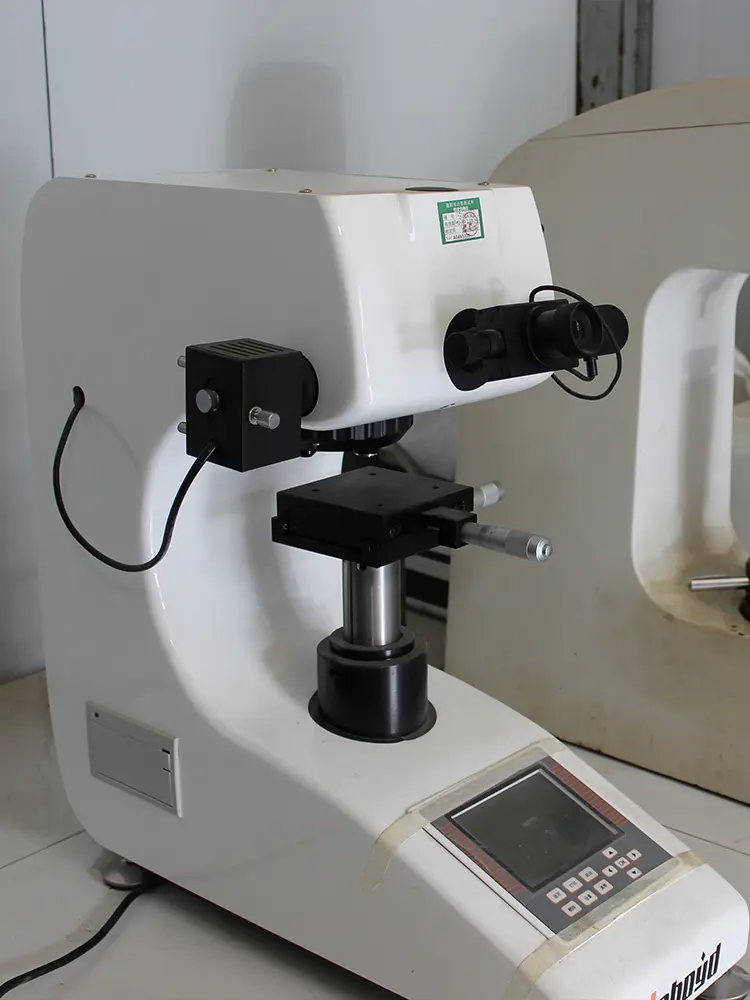
Vickers/Brinell Hardness Tester
How custom copper grades drive efficiency across high-tech domains.
In electric vehicles, pure copper serves as the primary conductor for battery interconnects, busbars, and internal relay switches. However, charging stations require plug contacts that withstand thousands of mating cycles under high current loads. For this, Tellurium Copper (C14500) is preferred because its high electrical conductivity (≥ 93% IACS) prevents localized heating (Joule heating), while its mechanical hardness prevents surface wear and deformation of contact interfaces.
The transmission of millimetric wave signals requires RF connectors (SMA, SMB, N-type) with precise geometries and minimal signal attenuation. Oxygen-Free Copper (OFC) prevents signal distortion, and when combined with tellurium, it allows parts to be machined to tolerances of ± 0.005 mm. The material maintains low electrical resistance, preventing signal loss across critical nodes in 5G cellular arrays.
During plasma torch operation, the electrode and nozzle are exposed to temperatures exceeding several thousand degrees. Pure copper would soften quickly under these conditions. The high thermal conductivity of Tellurium Copper helps dissipate heat away from the cutting tip, extending consumable life. The free-machining properties also ensure the nozzle's internal orifice remains free of defects that could disrupt gas flow.
Driving sustainable metallurgical processes and ultra-high purity alloy manufacturing.
Looking ahead, Sichuan Kepai New Material Co., Ltd. is focusing research on next-generation copper materials. Key research priorities include:
Answering common technical, commercial, and logistical questions from global procurement engineers.
Tellurium Copper (C14500) offers comparable machinability (85% vs 100% of free-cutting brass) while retaining high electrical conductivity (≥ 93% IACS vs 26% IACS for brass). Additionally, it is lead-free, making it fully compliant with RoHS and REACH regulations for global trade.
Our raw materials are processed in vacuum or protective atmosphere smelting furnaces. This keeps oxygen content below 10 ppm, which prevents the formation of steam pockets along grain boundaries when the copper is exposed to hydrogen at elevated temperatures.
We manufacture products in compliance with ASTM B301, ASTM B224, and EN 12164 standards. For cold-drawn bars and rods, we can supply tolerances down to h9 or h8 (± 0.015 mm to ± 0.025 mm) depending on the alloy grade and diameter.
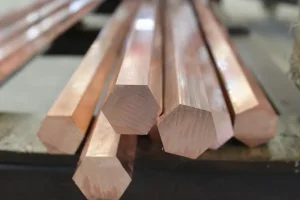
Yes. We have in-house extrusion tooling facilities that allow us to manufacture custom hollow bars, hexagonal sections, flat busbars, and specific asymmetrical profiles based on customer engineering drawings.
We use heavy-duty anti-oxidation vacuum packaging. Products are wrapped in Volatile Corrosion Inhibitor (VCI) films, layered with desiccant packs, and packed into reinforced wooden crates to prevent surface oxidation from saltwater humidity.
Both are free-machining alloys with 85% machinability. C14700 uses sulfur as the alloying agent instead of tellurium. Sulfur copper is sometimes preferred in subminiature electronics where tellurium copper might face trace metal compatibility issues, though tellurium copper offers slightly better hot-working characteristics.
Standard specifications for rods, plates, and wires are usually shipped within 15 to 20 days. Custom extruded profiles that require new die development typically require 30 to 45 days, including trial extrusions and material validation reports.
Yes. Every shipment includes a Mill Test Certificate (EN 10204 3.1) showing the exact chemical composition (ICP analysis), electrical conductivity (% IACS), tensile strength, elongation, and hardness test results from our QA lab.
We use eddy current conductivity meters, optical emission spectrometers, metallographic microscope polishers, and electro-hydraulic servo tensile testers. These tools allow us to verify the chemical, electrical, and mechanical properties of each batch before shipping.
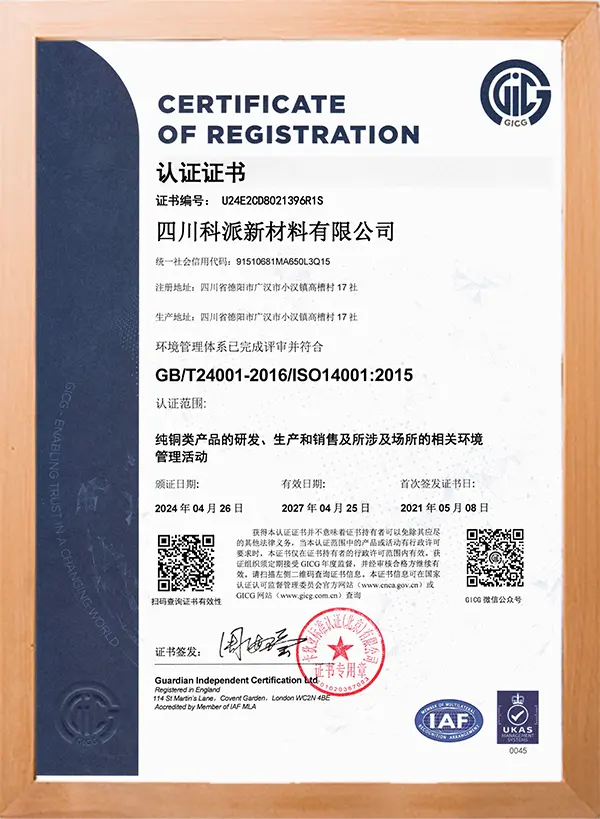
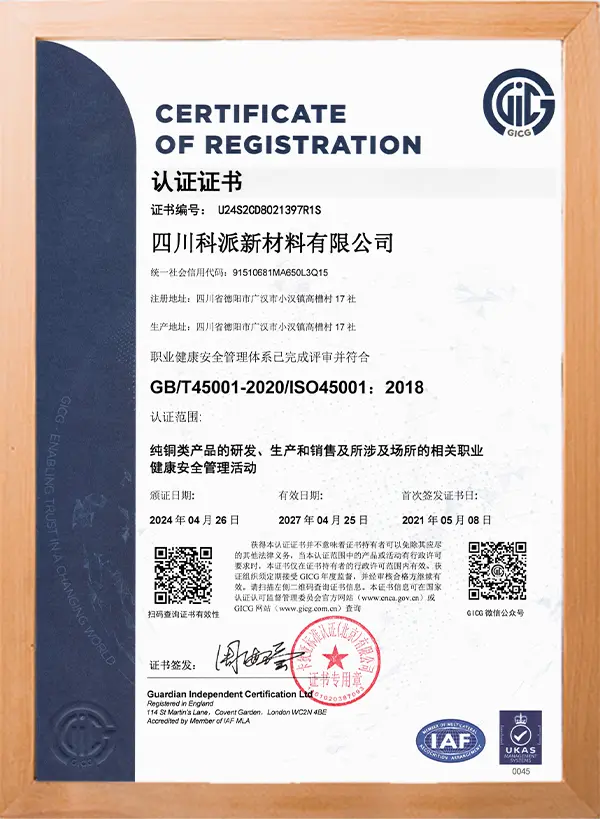
Yes. Our facilities operate under a registered ISO 9001:2015 Quality Management System and ISO 14001:2015 Environmental Management System, ensuring consistent production quality and regulatory compliance.
Engineered to support modern manufacturing, drawing, and stamping requirements.
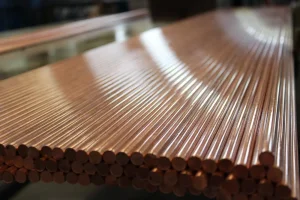
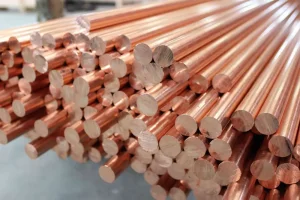
Whether you need custom extruded profiles, free-cutting tellurium copper rods, or high-purity oxygen-free copper plates, our engineering team is ready to support your project from development to export delivery.
 Kepai
Kepai