Explore our core engineered alloys optimized for extreme electrical conductivity, dimensional stability, and high-speed machinability.
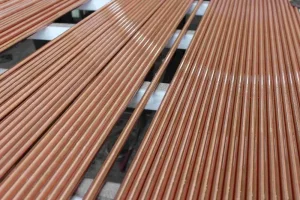
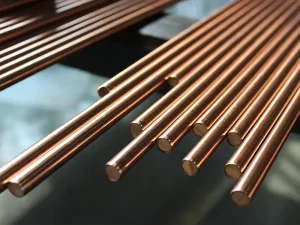
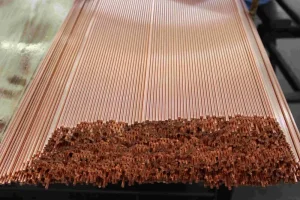
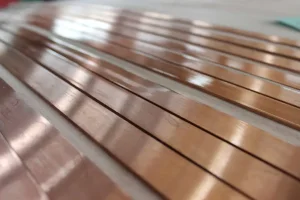
Sichuan Kepai New Material Co., Ltd. leads the development and fabrication of strategic copper-based formulations.
Founded in 2017, our advanced facility spans 9,000 square meters of specialized manufacturing areas and a 1,000-square-meter modern engineering and corporate complex in Guanghan, Sichuan, China.
We develop high-performance copper formulations supporting key international initiatives: new energy vehicles (EVs), ultra-precise laser cutting components, 5G wireless technology, and high-capacity electrical relays.
Located next to Highway 108 in Guanghan Industrial zone, our facility optimizes logistics. We enforce eco-friendly alloy formulations that support our goal of delivering low-carbon, recyclable materials globally.
How Sichuan Kepai navigates the challenges of next-generation metallurgy to provide a reliable, long-term supply of copper alloys.
The rapid evolution of technological sectors places strict demands on structural metals. Standard electrolytic tough pitch (ETP) coppers no longer suffice for high-voltage, high-frequency, or extreme-temperature applications. Sichuan Kepai’s metallurgy roadmap targets three challenges: maintaining electrical conductivity while optimizing machinability, minimizing thermal degradation under high mechanical load, and removing hazardous heavy metals (like lead) without compromising alloy workability.
Our development plan centers on refining the atomic structure of copper matrixes. By introducing precise micro-alloys, we create structural properties that resist wear and degradation. Key projects in our current pipeline include:
Developing sulfur-copper (C14700) and modified tellurium-copper (C14500) variations to replace leaded brass. These formulas maintain 85% to 95% IACS electrical conductivity and support fast machining speeds with reduced tool wear.
Using sub-micron metal oxides to strengthen the copper matrix, creating alloys that maintain structural integrity above 800°C. These are designed for spot welding electrodes and aerospace electronics.
Advancing our casting technology to yield oxygen levels under 5 ppm and overall purity levels above 99.99%. This prevents hydrogen embrittlement in critical vacuum systems, aerospace housings, and high-fidelity signal cables.
Supplying critical sub-assemblies and raw materials to global industries seeking reliable performance under demanding operations.
EV charging stations and onboard battery management systems require high-current connections. Our tellurium copper alloys are used in contact pins, busbars, and charging connectors, offering high conductivity to limit thermal load and prevent melting during rapid charging cycles.
We supply oxygen-free copper and phosphor bronze for high-frequency coaxial connectors, RF cables, and MIMO antenna components. These materials feature low signal attenuation and resist environmental corrosion in outdoor telecom systems.
Nozzles and electrode holders in laser/plasma systems must withstand arc heat and gas wear. Our tellurium copper offers the wear resistance and thermal dissipation required to maintain shape stability and clean cuts over long operating cycles.
Combining advanced industrial metallurgy, end-to-end quality controls, and modern logistics for reliable volume supply.
At Sichuan Kepai New Material Co., Ltd., we combine traditional metallurgical experience with modern manufacturing practices. We monitor the production cycle from raw copper sorting and vacuum melting to extrusion, drawing, and final chemical analysis. By integrating manufacturing steps on-site, we maintain consistent material parameters across batches, preventing variations in electrical conductivity and hardness.
Our manufacturing flow includes 12 operational steps, shown in detail below. Each step utilizes automated machinery and integrated quality checks to detect surface and internal material defects.
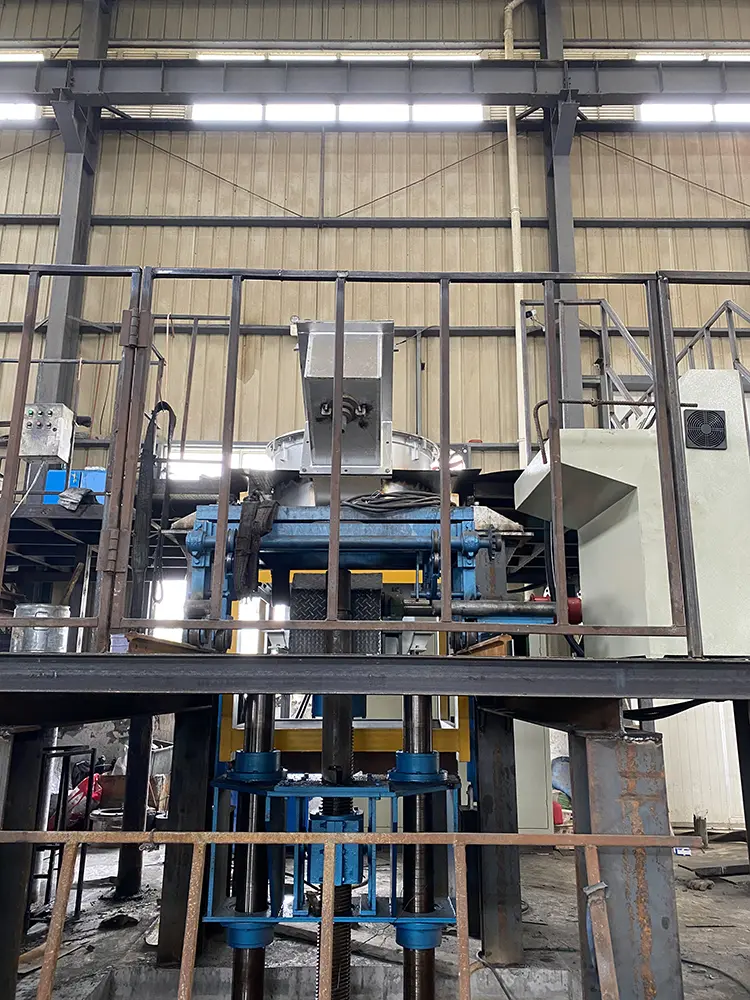
Induction furnaces melt high-grade raw copper and alloying elements under protective atmospheres to limit oxygen pickup.
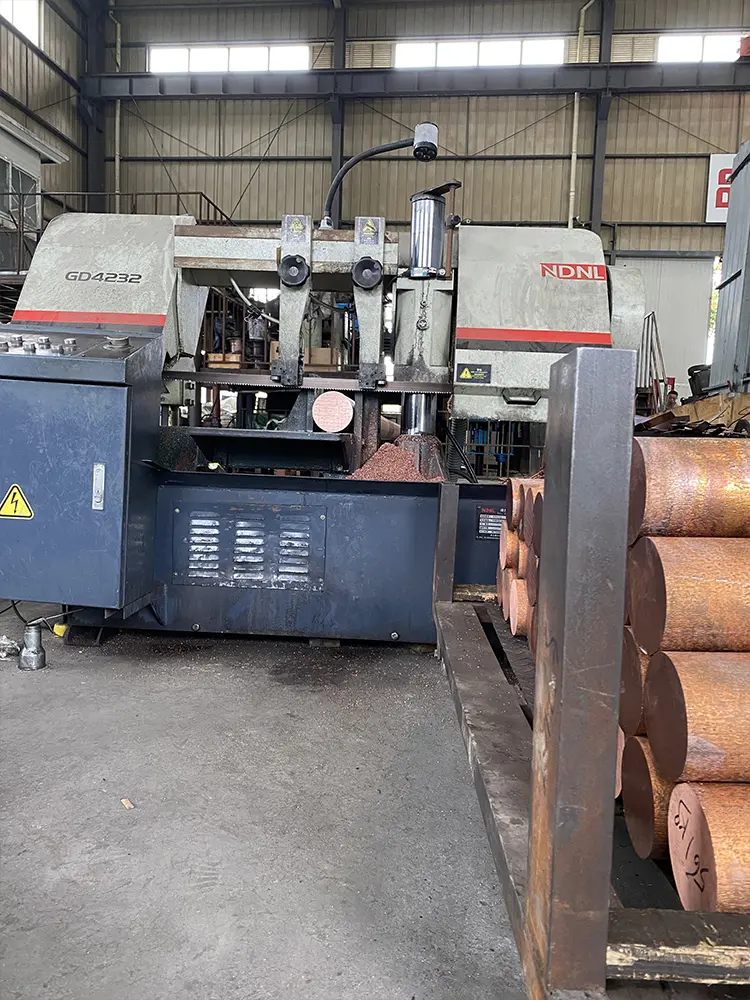
Billet preparation cuts cast copper logs to precise lengths, clearing surface oxide layers before the extrusion phase.
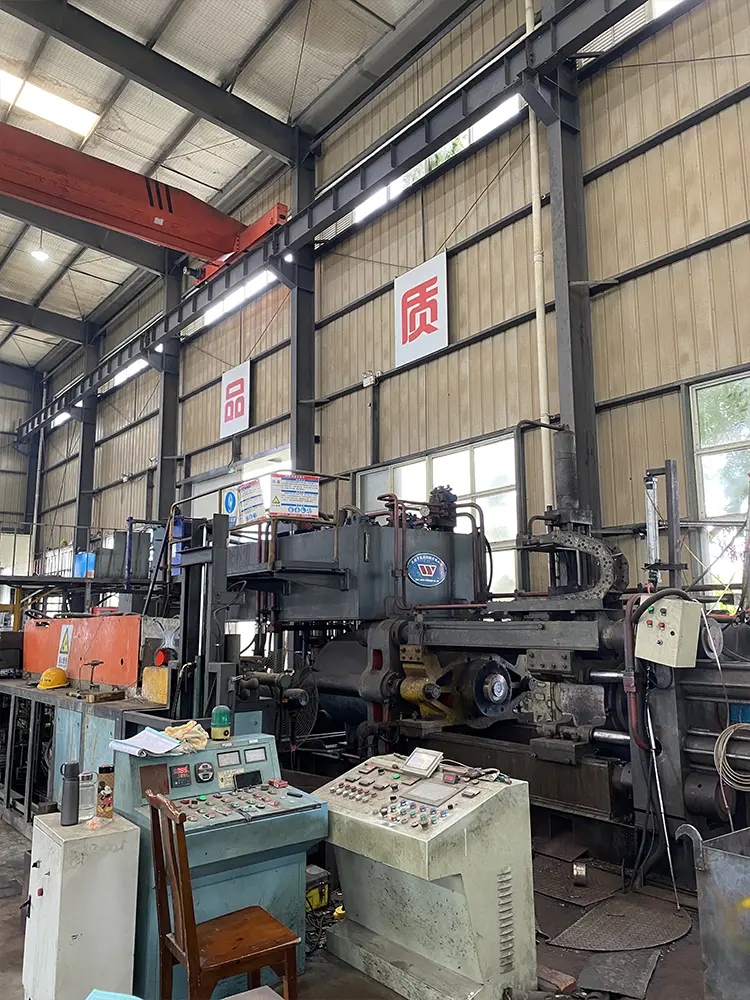
Large hydraulic presses extrude heated billets, refining grain structures and establishing the base dimensions.
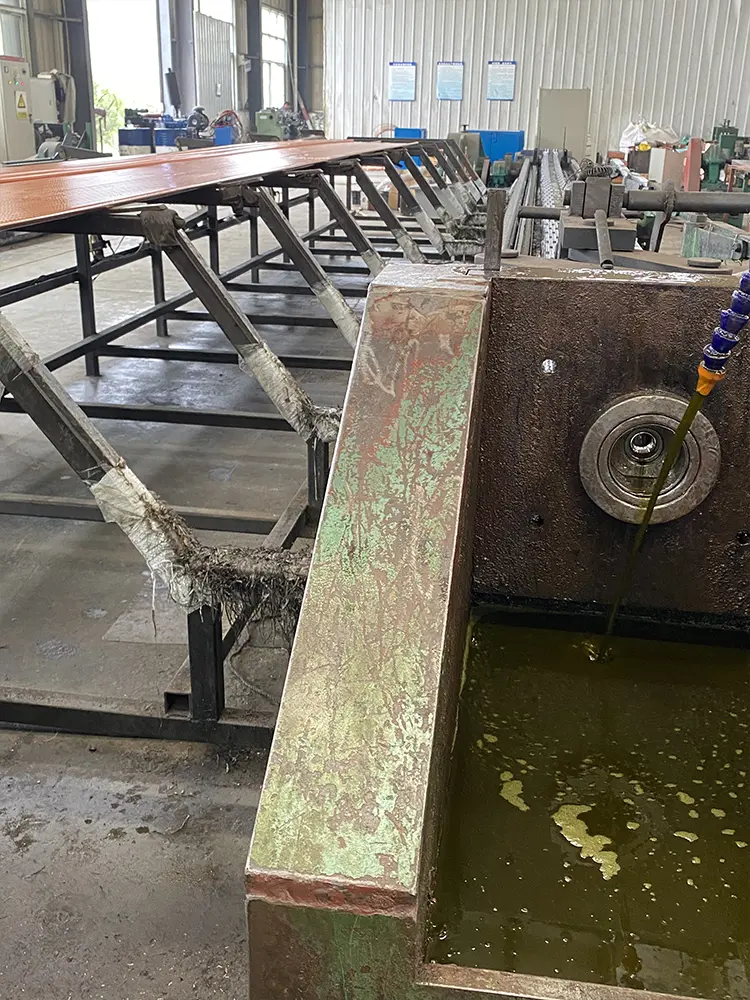
Cold drawing machines pull rods and profiles to exact tolerances, increasing tensile strength and hardness.
Precision straightening rolls correct curvature, meeting straightness requirements for high-speed CNC bar feeders.
Materials receive protective coatings and wrapping to prevent surface tarnishing or oxidation during transport.
Non-destructive electromagnetic testing scans bars and profiles for subsurface cracks, voids, or impurities.
Spectrographic analysis verifies element percentages to confirm the alloy meets international ASTM/EN standards.
Polishing equipment prepares material cross-sections for microscopic analysis of grain size and phase distribution.
Computerized tensile testing records mechanical properties including yield strength, elongation, and ultimate tensile load.
Dynamic fatigue and deformation testing evaluates our alloys under simulated cyclic mechanical stress.
Brinell/Vickers microhardness instruments verify the material's temper parameters across its cross-section.
Maintaining high consistency through physical, mechanical, and chemical analysis tools.
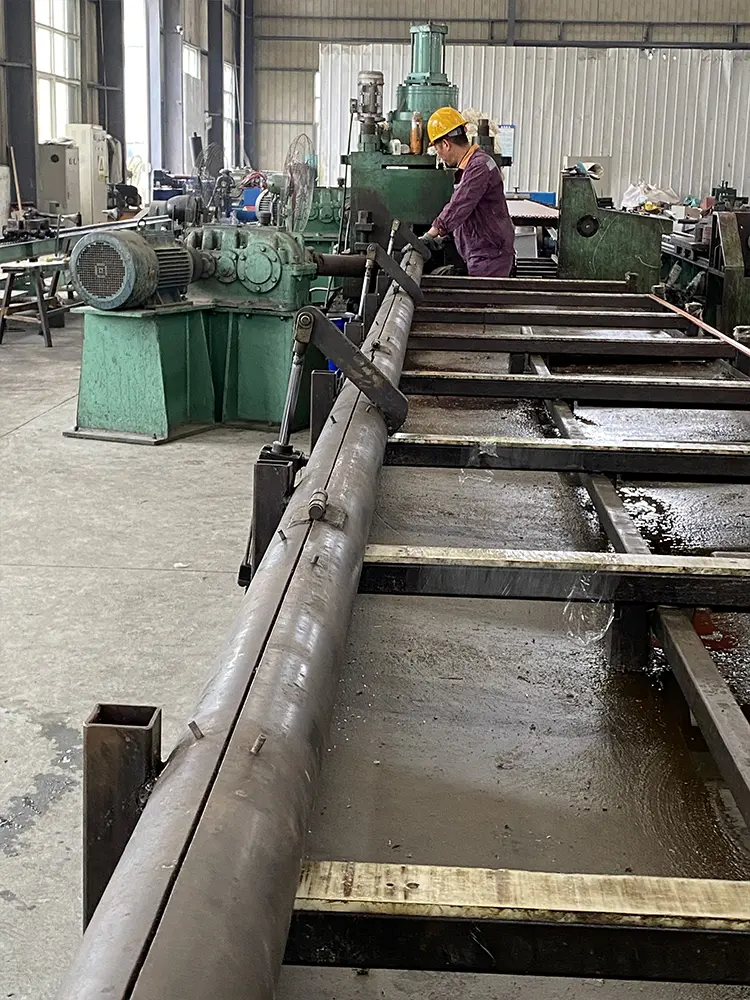
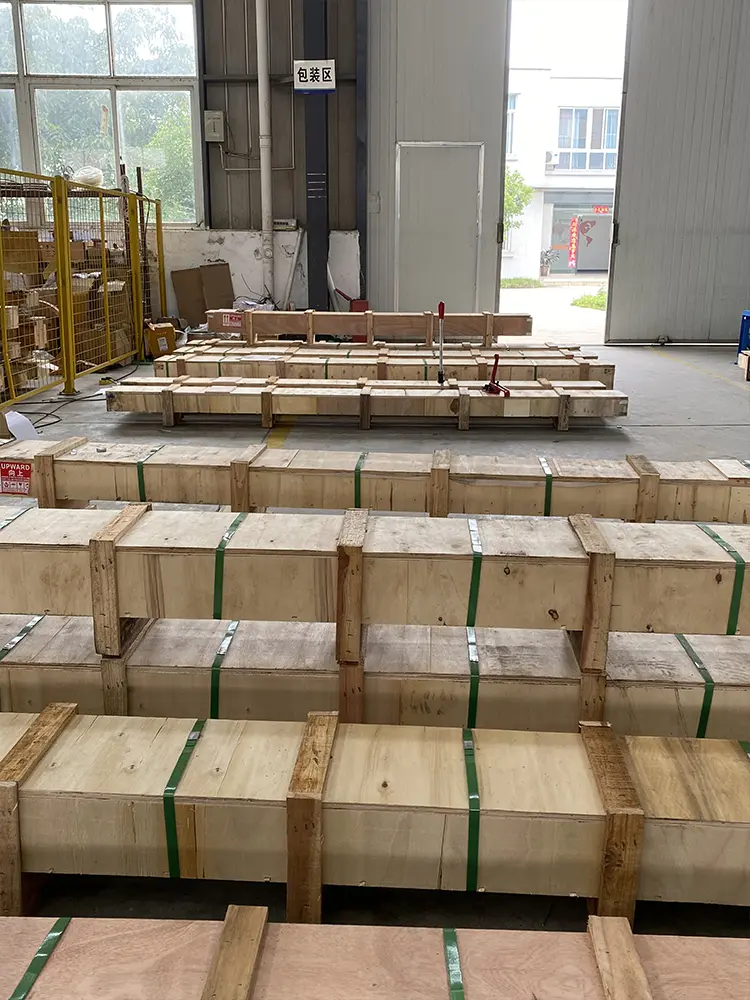
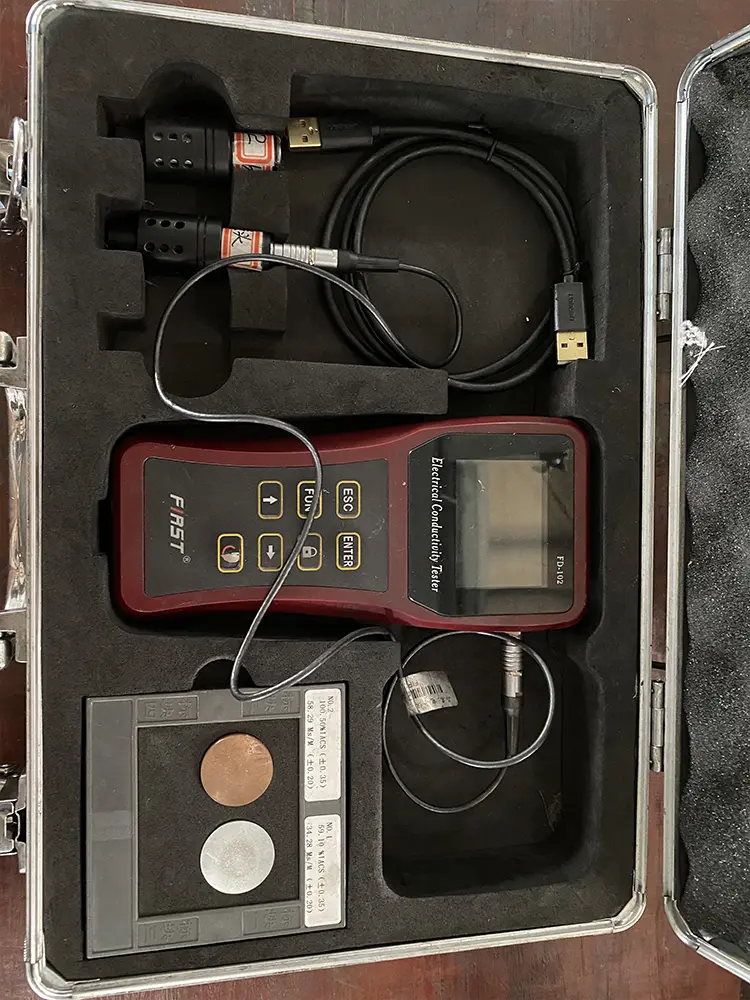
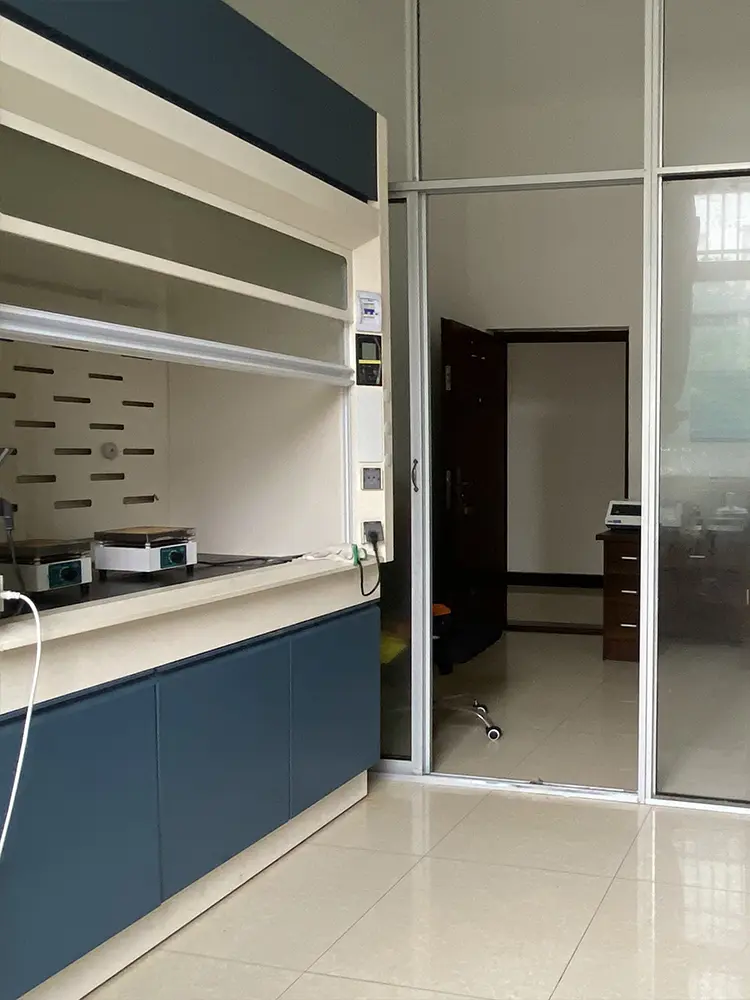

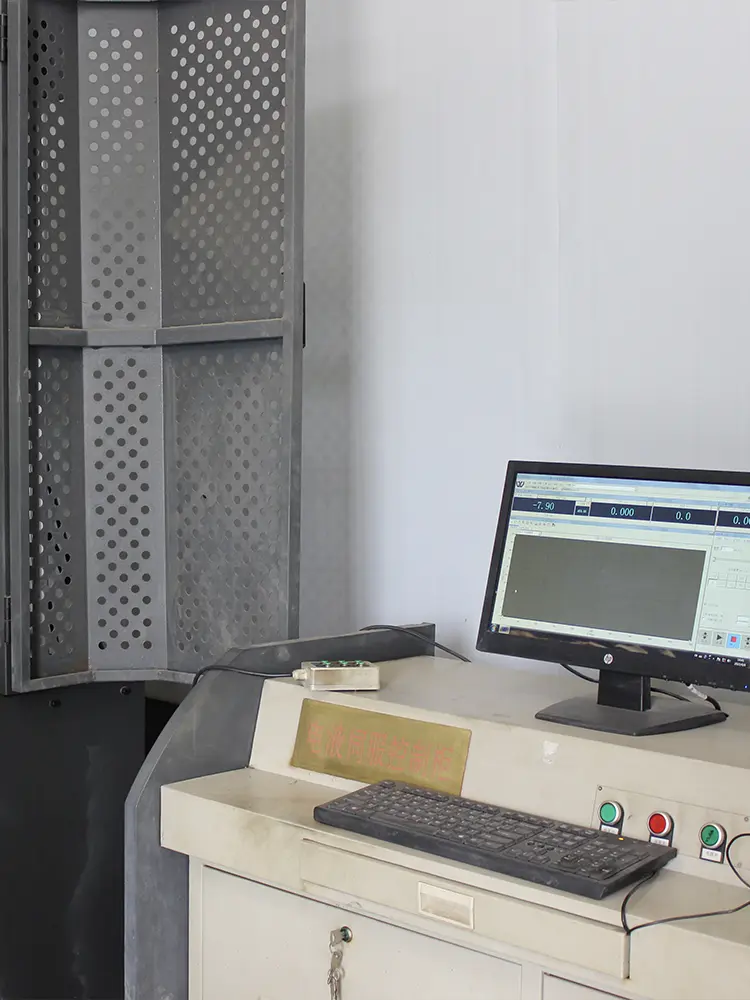
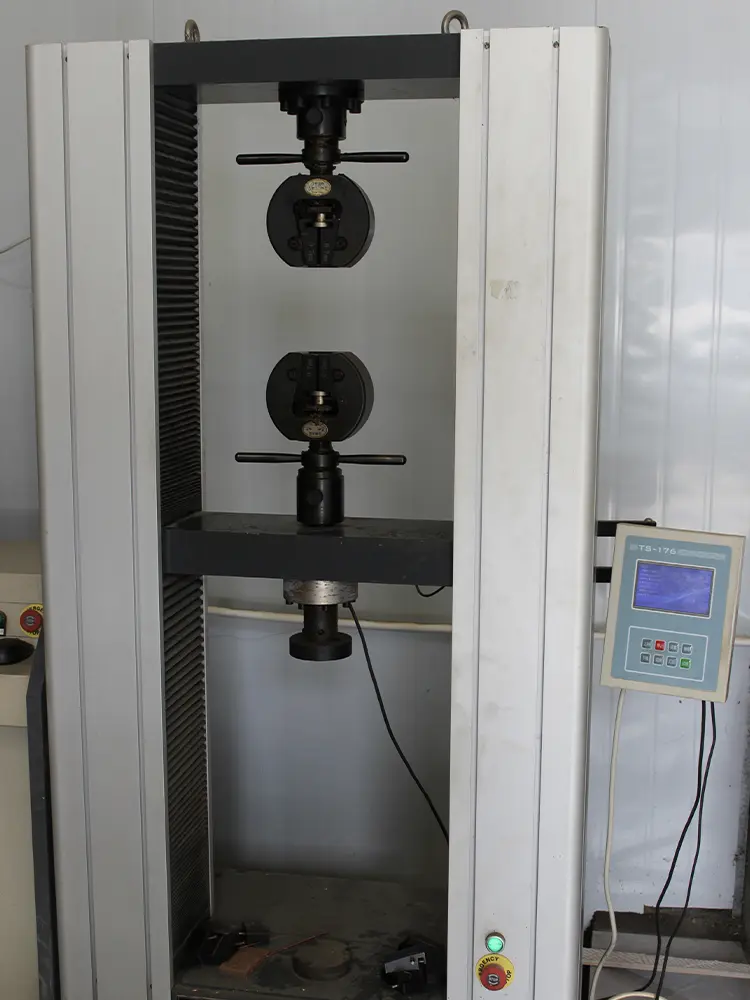
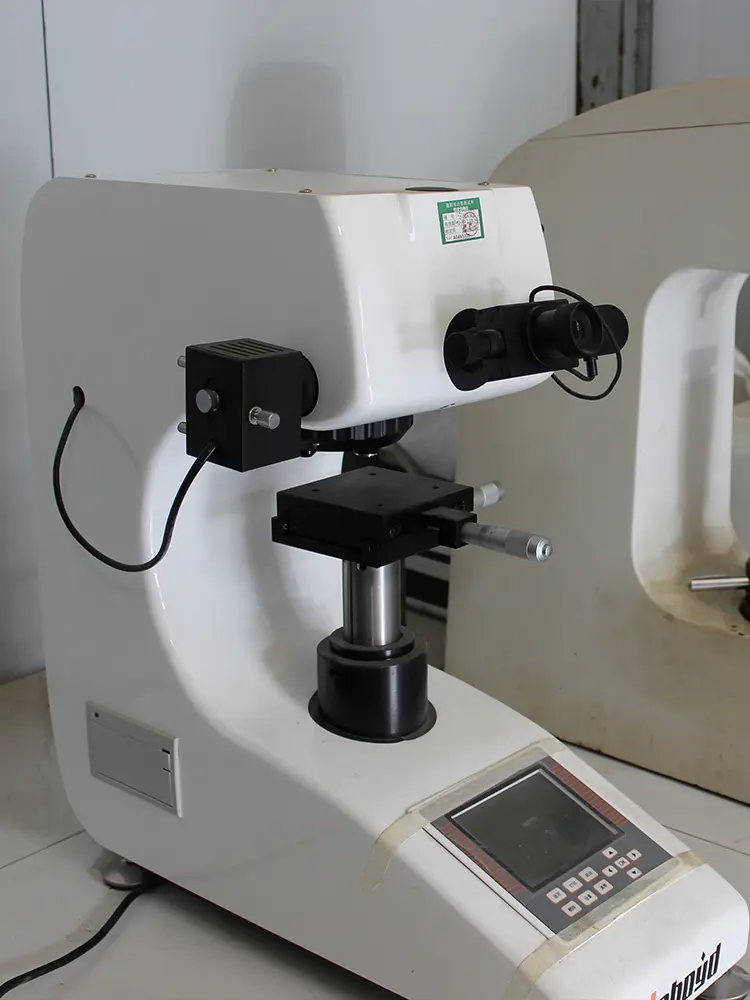
Aligning with international supply chains through strict quality, logistical, and commercial standards.
Managing international procurement involves challenges like shipping delays, raw material price fluctuations, and strict quality compliance. Global manufacturers seek supply partners who can deliver consistent material quality to protect their automated assembly operations.
At Sichuan Kepai, our export team coordinates with global purchasing groups to manage risk and maintain transparency. We address the primary requirements of modern procurement:
Every shipment is marked with mill test reports showing chemical composition, IACS electrical conductivity, and mechanical tensile metrics. This trace records raw melt origins through to final cold drawing stages.
Copper spot pricing fluctuates daily on exchanges (LME, SHFE). We offer custom index pricing models and keep strategic stocks of raw billets to stabilize supply prices during volatile market periods.
We work with international logistics providers to manage customs processes. This helps reduce port lead times and supports Just-In-Time (JIT) deliveries to regional warehouses.
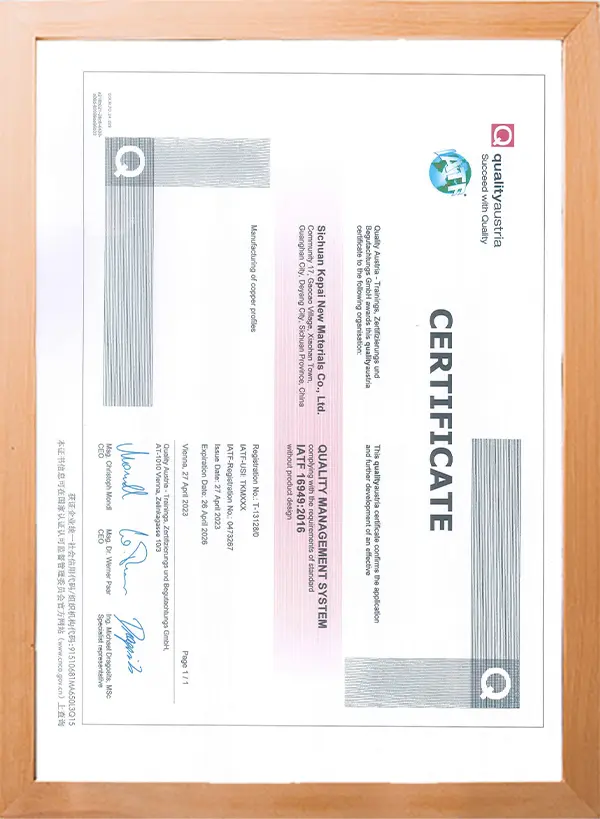
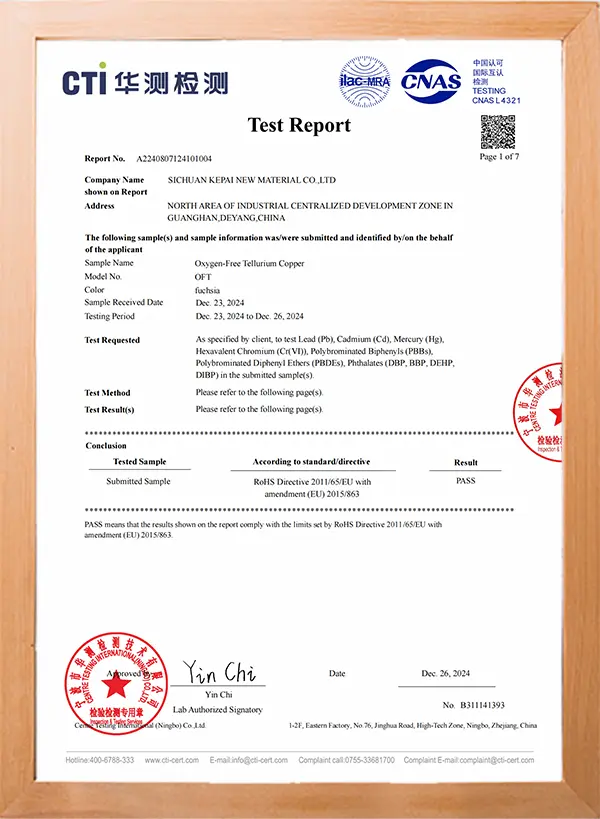
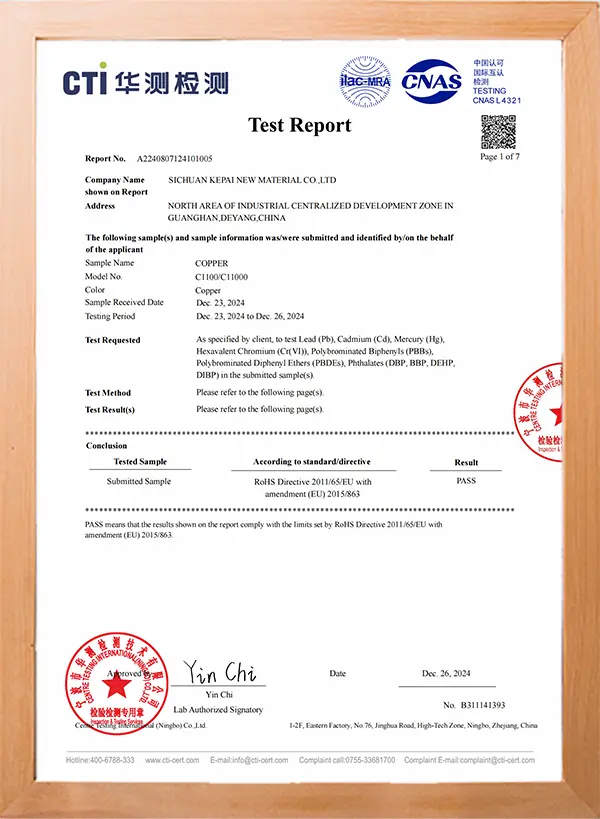
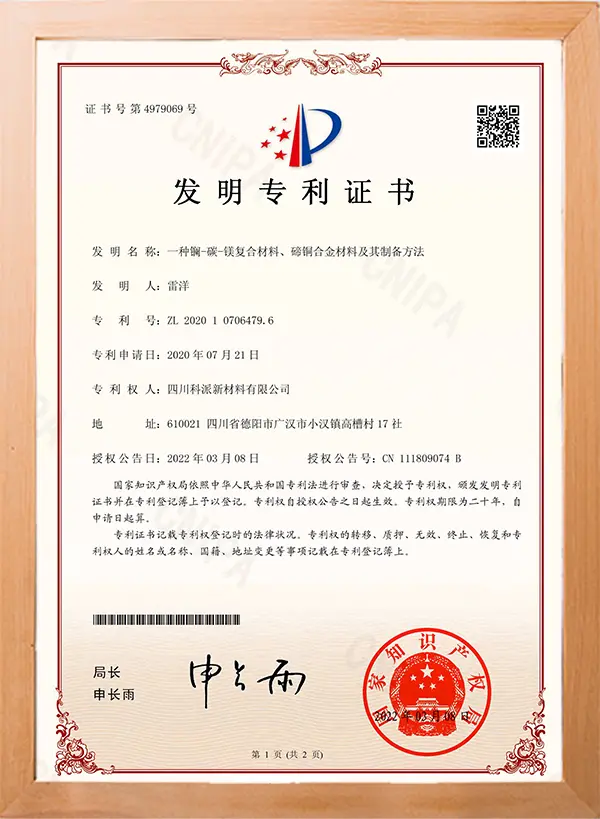
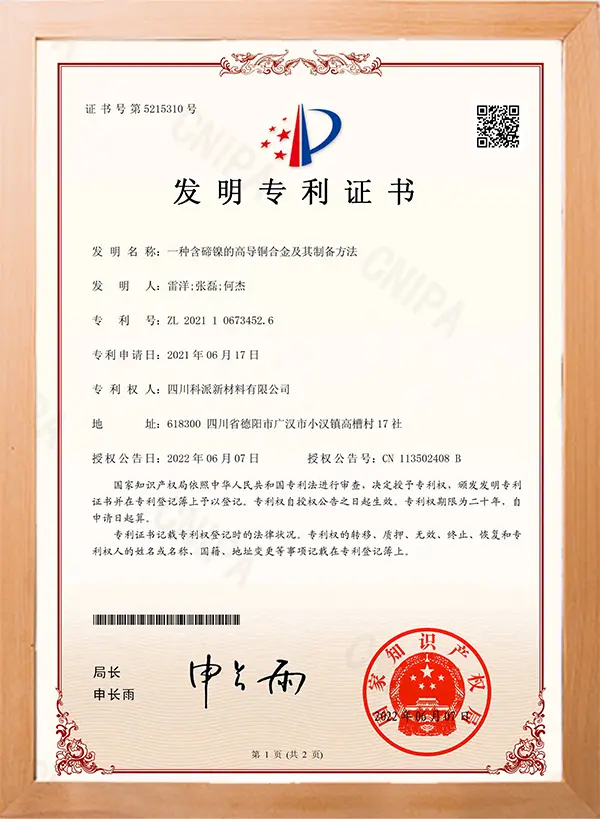
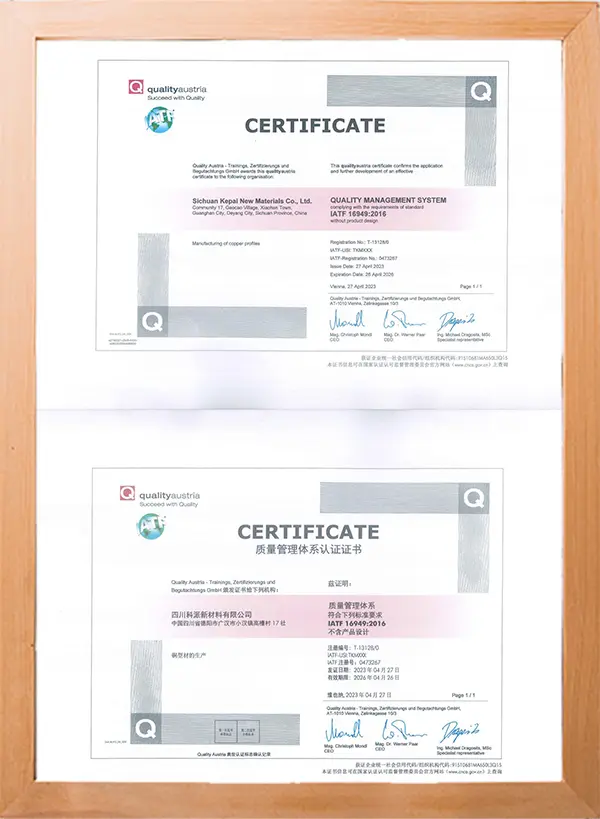
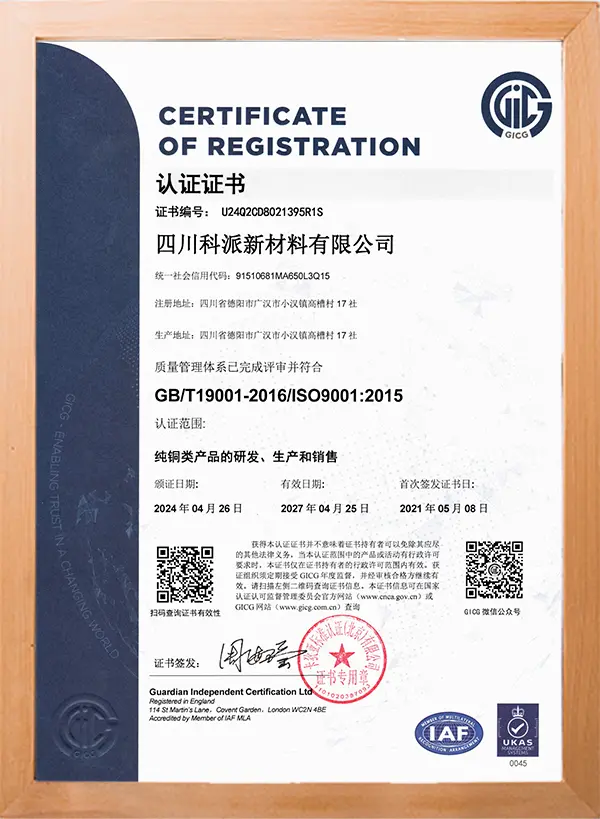
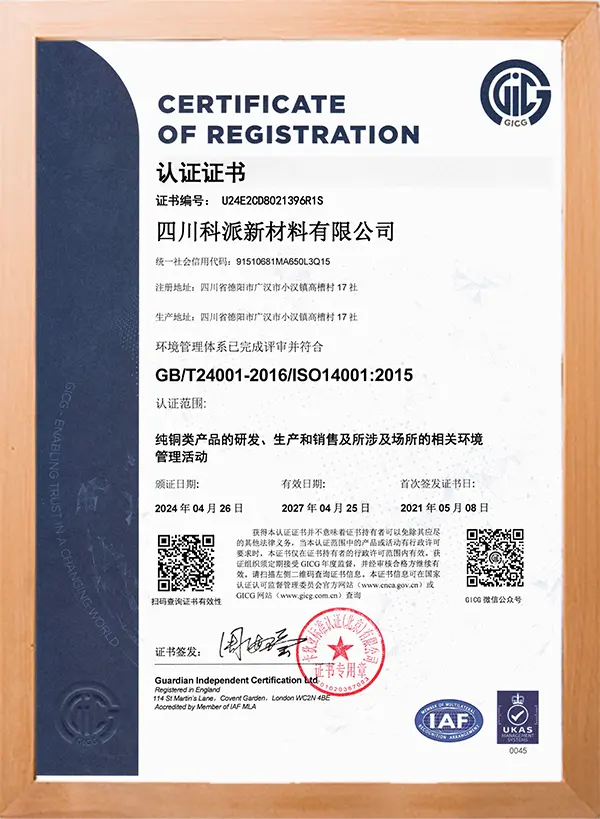
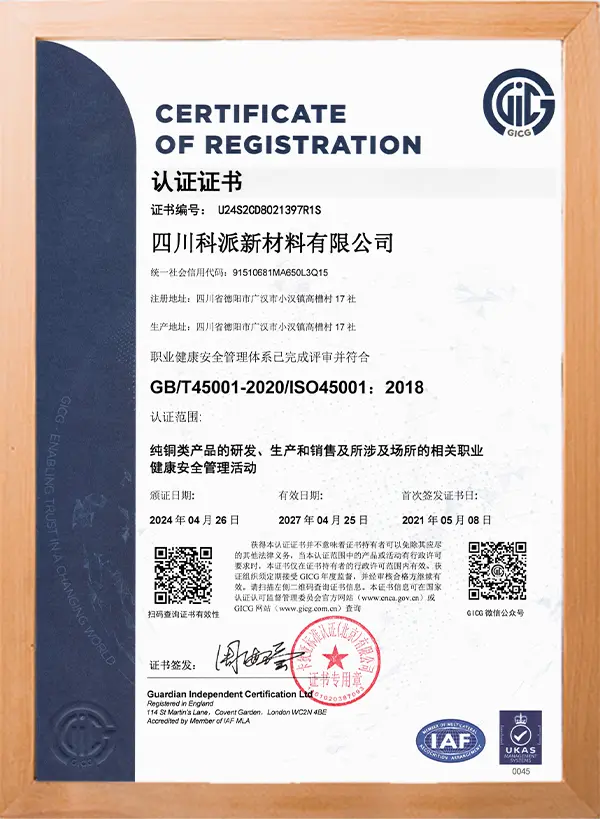
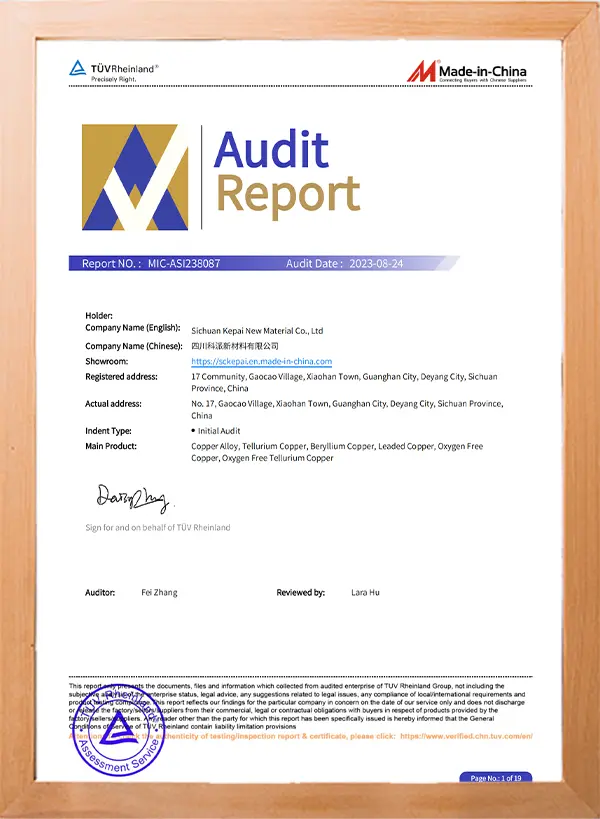
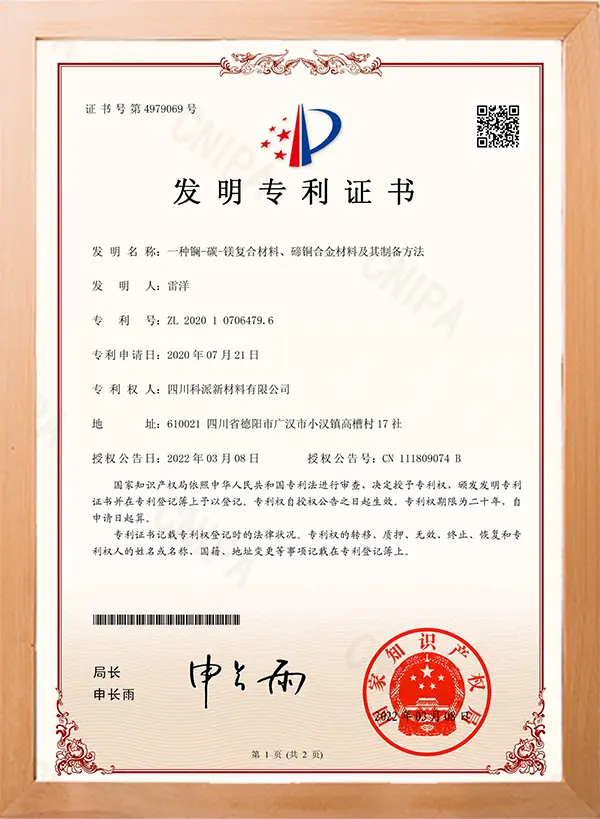
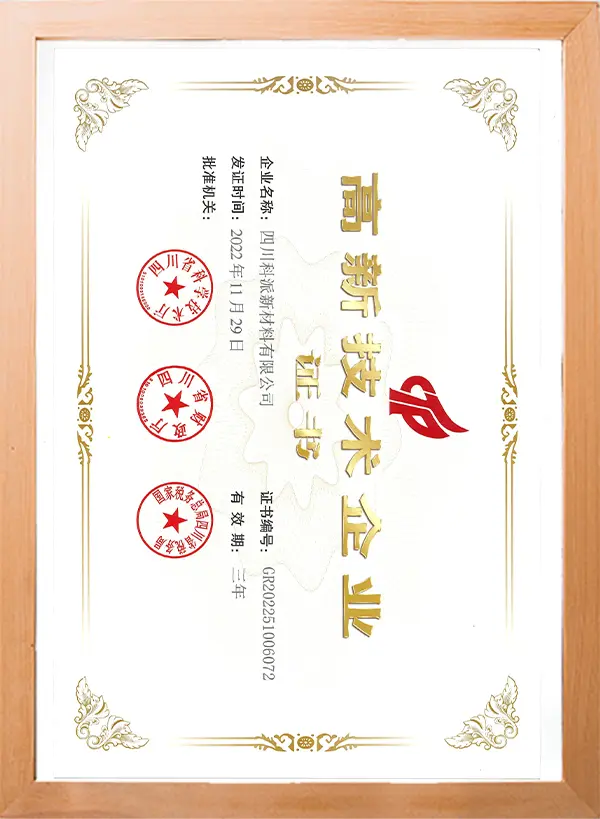
Certifications and compliance standards meeting international manufacturing criteria.
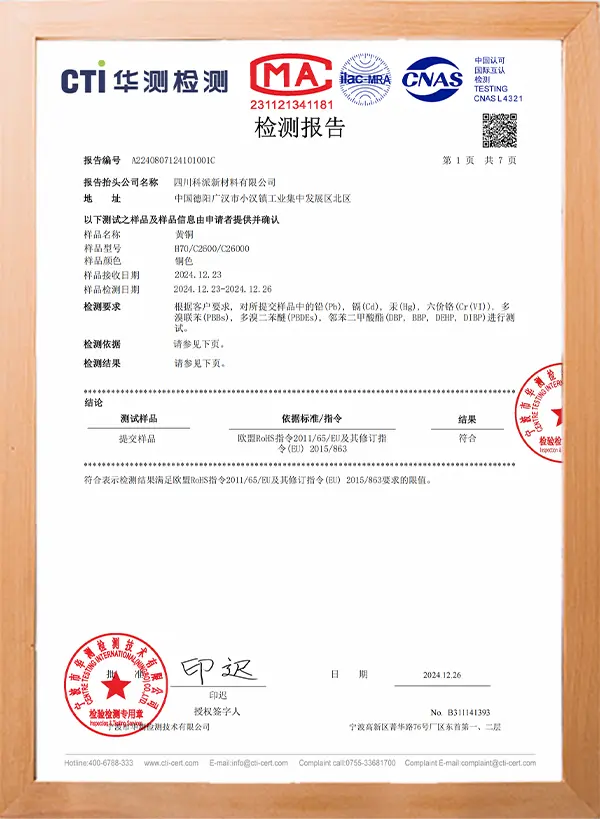
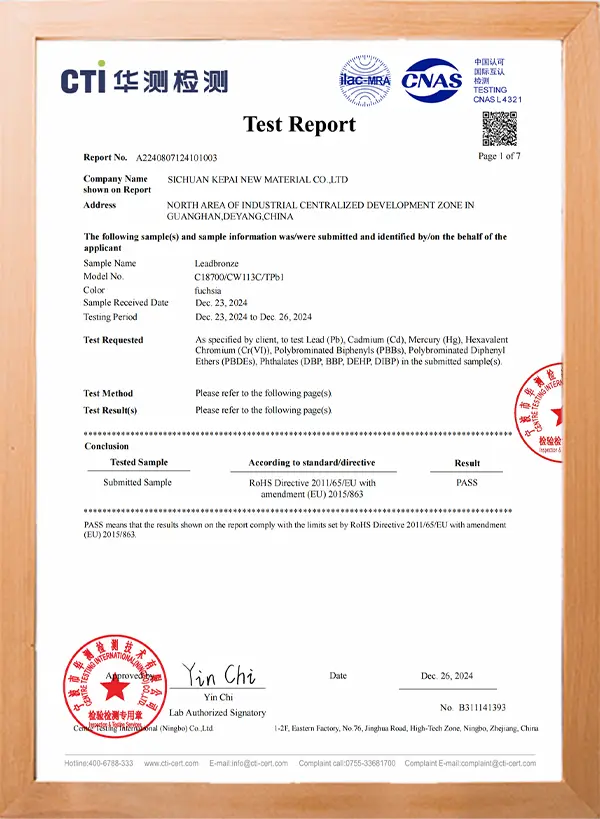
We export to countries in Europe, North America, and across the Asia-Pacific region. These destinations require strict compliance with environmental regulations and safety standards. Our copper alloys are tested to confirm they meet regulatory limits:
We monitor chemical compositions to ensure lead, cadmium, and other restricted elements remain within legal limits. This is particularly important for consumer electronics and automotive applications.
Our manufacturing sites run under quality management protocols and environmental control frameworks. This focus ensures consistent processing and systematic waste management.
We provide localized technical assistance. Our metallurgy engineers help client development teams select alloys, determine dimensional profiles, and optimize CNC cutting parameters.
Technical answers to common metallurgical and procurement questions from engineers and procurement managers.
Explore our specialized bronze, brass, and high-strength beryllium alloy solutions built for durability and electrical performance.
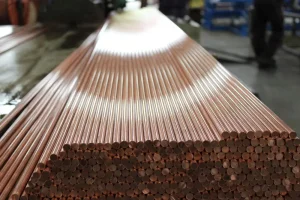
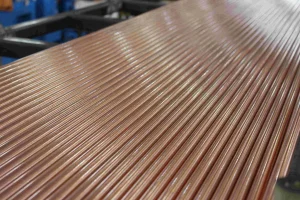
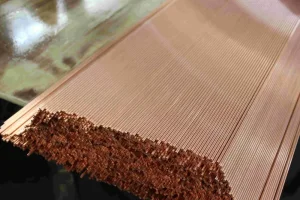
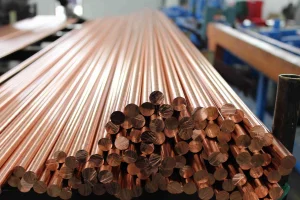
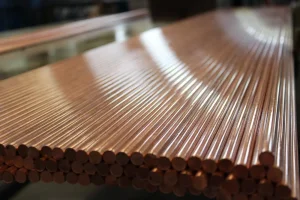
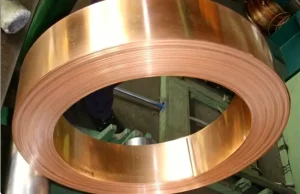
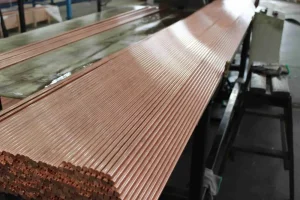
Sichuan Kepai New Materials Co., Ltd. is committed to the research, development, and delivery of high-conductivity, free-machining copper alloys for domestic and global markets. Partner with us to build reliable, high-performance systems for your industry.
 Kepai
Kepai