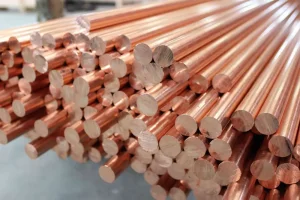
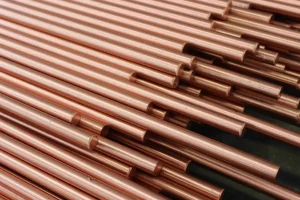
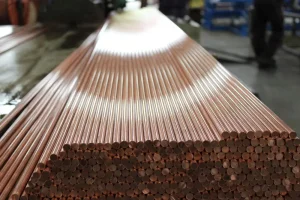
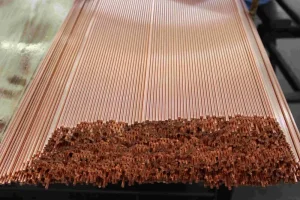
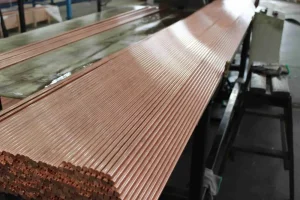
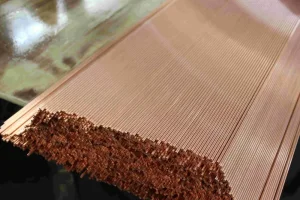
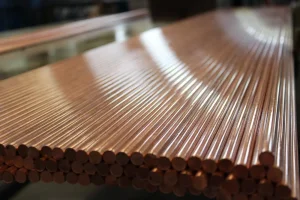
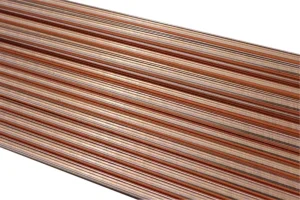
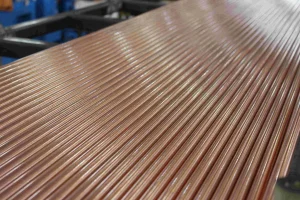
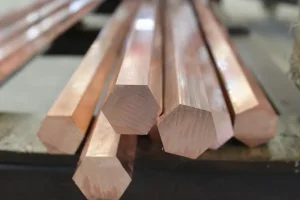
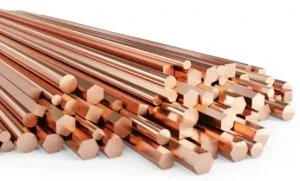
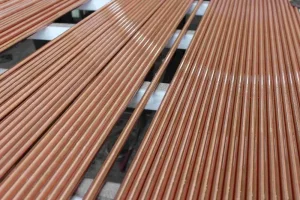
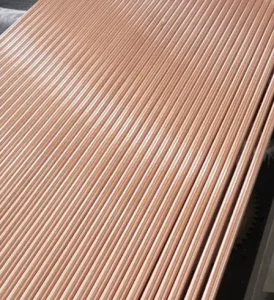
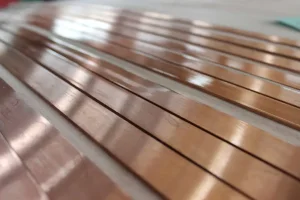
Explore our foundational range of strategic copper materials optimized for aerospace, electronics, and heavy industry applications.
Copper Alloy 172 (UNS C17200), universally classified as Beryllium Copper, stands as the premier high-performance copper alloy utilized in modern engineering. Consisting of approximately 1.8% to 2.0% beryllium combined with small percentages of cobalt and nickel, this alloy achieves the highest strength of any copper-based material when subjected to precipitation age hardening.
By blending the electrical properties of copper with the mechanical capabilities of high-tensile steel, C17200 offers a critical engineering balance for components operating under extreme environments. The metallurgical configuration allows it to resist thermal relaxation, withstand severe cyclical stress, and deliver outstanding conductivity.
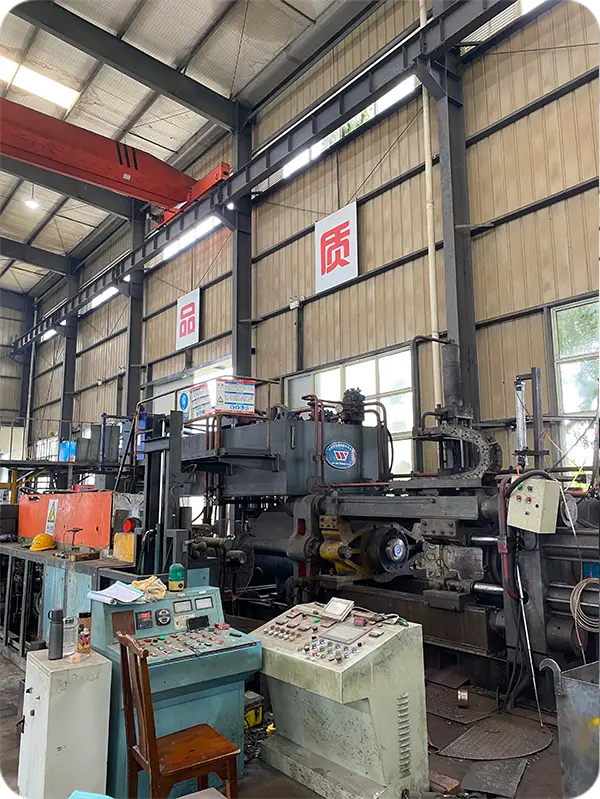
How C172 Beryllium Copper powers global technology infrastructure across multiple industrial vectors.
| Sector | Application Area | Critical Engineering Requirements | Why C17200 Beryllium Copper is Indispensable |
|---|---|---|---|
| Automotive & Electric Vehicles | EV relays, battery connectors, fast-charging terminals | High electrical conductivity, structural integrity, resistance to stress relaxation | Ensures high-amperage transfer with minimal thermal dissipation, preventing terminal loss over extended operational life cycles. |
| Telecommunications (5G/6G) | Coaxial connectors, micro-switches, fiber-optic transceiver housings | Extremely tight tolerances, continuous contact force, signal clarity | Maintains shape and spring-loaded pressure under continuous cycling, supporting high-frequency signal processing without deformation. |
| Laser Technology & Optics | Laser cutting nozzles, reflective optics backings, plasma arc torches | High thermal conductivity, heat dissipation, thermal shock resistance | Allows rapid cooling cycles, extending the operational lifespan of consumables while preventing dimensional drifting during extreme heat exposure. |
| Aerospace & Aviation | Landing gear bushings, actuator bearings, high-rel instrumentation | Non-sparking characteristics, friction management, anti-galling properties | Avoids spark generation in volatile environments; matches steel's load-bearing threshold while avoiding galvanic corrosion. |
In high-pressure oil and gas exploration, C172 Beryllium Copper is selected for directional drilling housings, instrumentation sleeves, and telemetry components. Its non-magnetic properties ensure that precision sensor arrays can operate without electromagnetic interference. Furthermore, its natural resistance to hydrogen embrittlement and chloride stress corrosion cracking makes it a reliable asset for deep-sea subsea extraction machinery.
Analyzing supply chain dynamics, regional manufacturing nodes, and compliance regulations shaping the beryllium copper market.
The global demand for C17200 / Beryllium Copper alloys has experienced a sharp increase due to the exponential growth of green energy initiatives, smart grid setups, and advanced automation. As clean energy grids expand, high-strength alloys capable of maintaining long-term connection force without fatigue become absolute necessities. Europe, North America, and the Asia-Pacific region remain the primary consumption markets for these components.
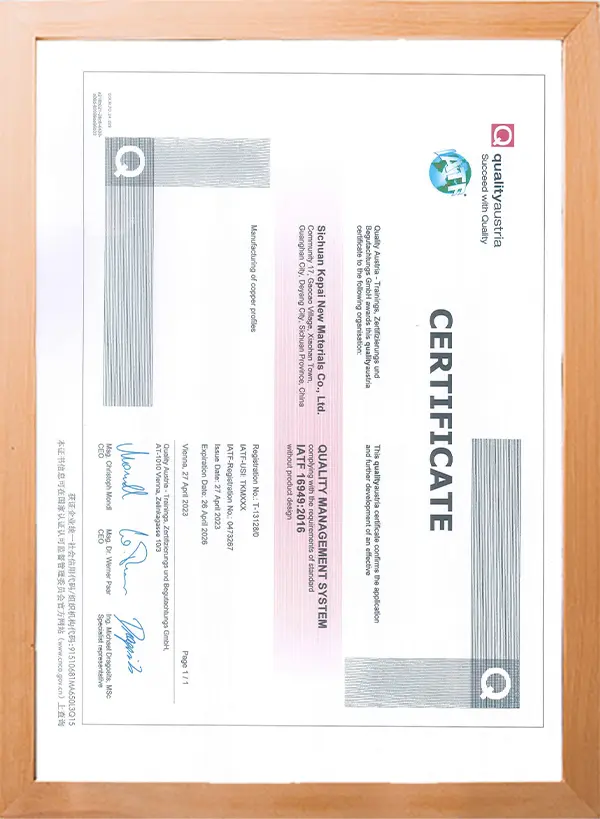
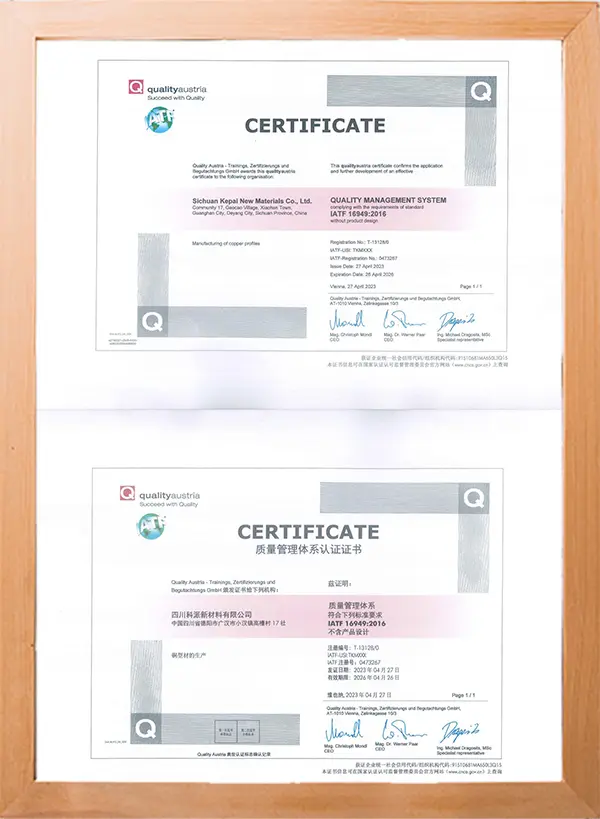
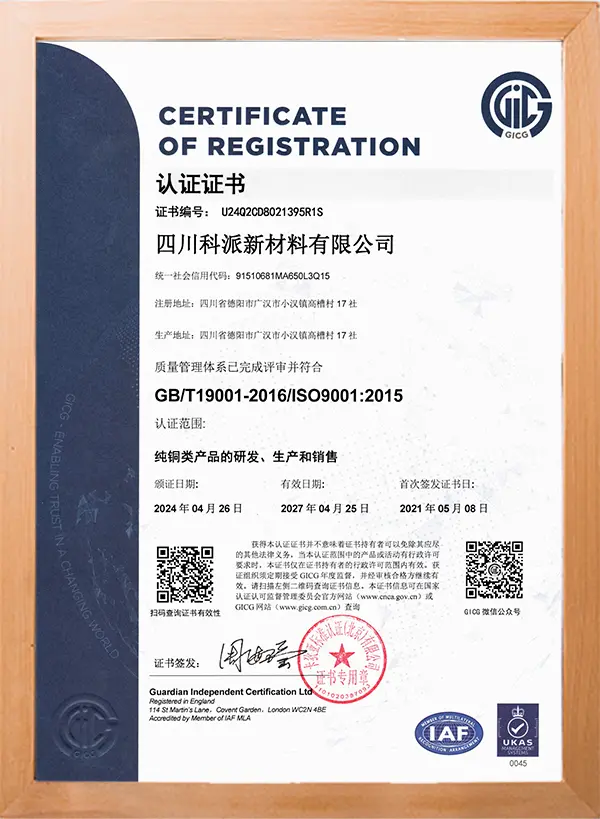
However, processing C17200 requires specialized industrial environments. Due to the health parameters associated with airborne beryllium dust during machining or dry grinding, manufacturing plants must follow strict regulatory protocols. This has concentrated production capabilities among top-tier manufacturers who maintain ISO-certified facilities and implement closed-loop dust extraction and wet-machining practices to guarantee environmental and workplace safety.
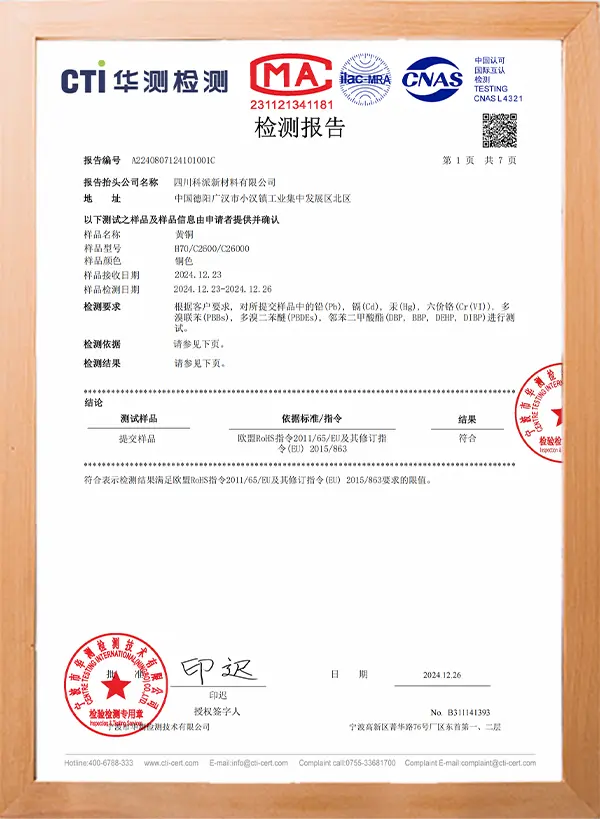
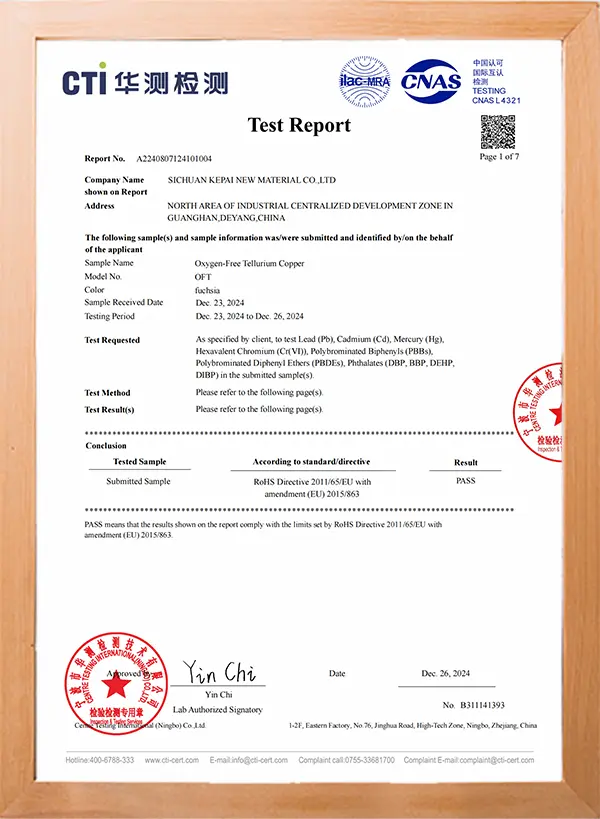
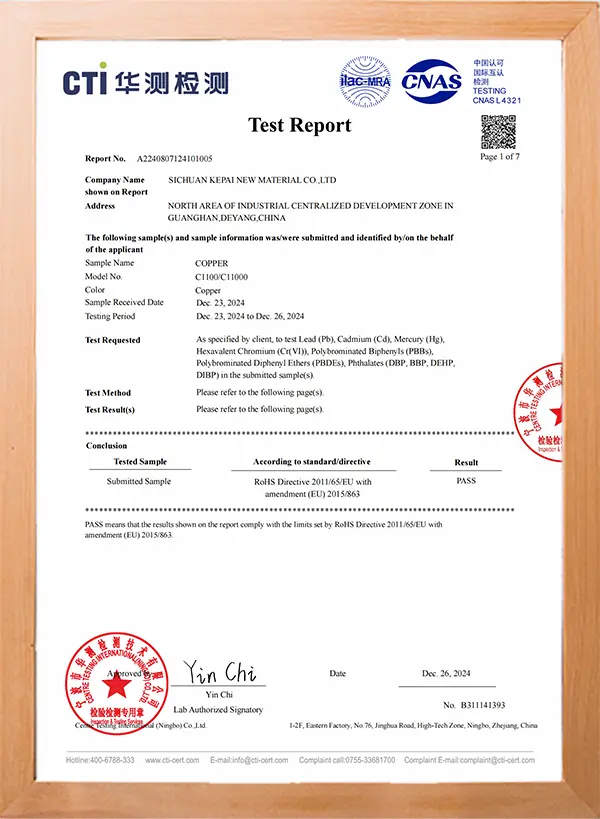
Furthermore, international supply chain dynamics demand strict compliance with global directives such as EU RoHS and REACH. Industry-leading suppliers have invested heavily in purifying processes to ensure that finished articles are safe, compliant, and ready for deployment in consumer electronics and medical device applications without compliance barriers.
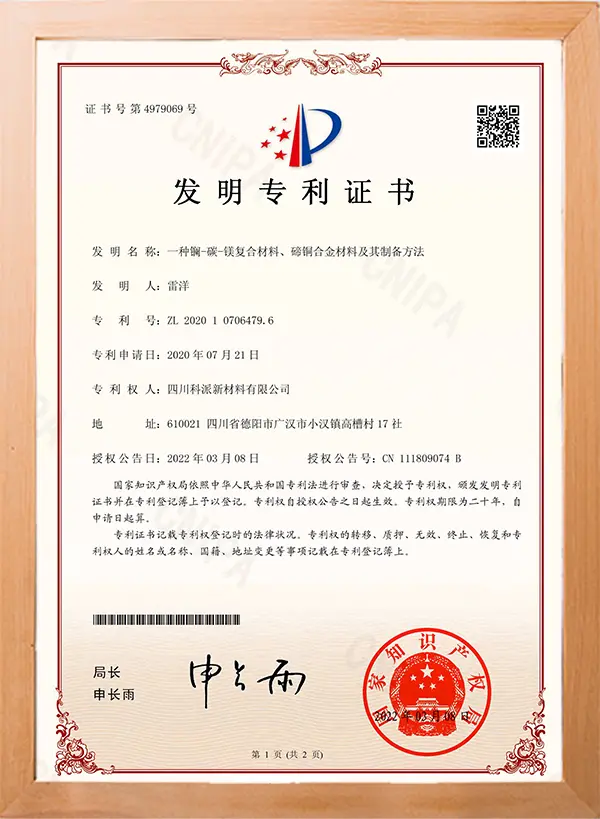
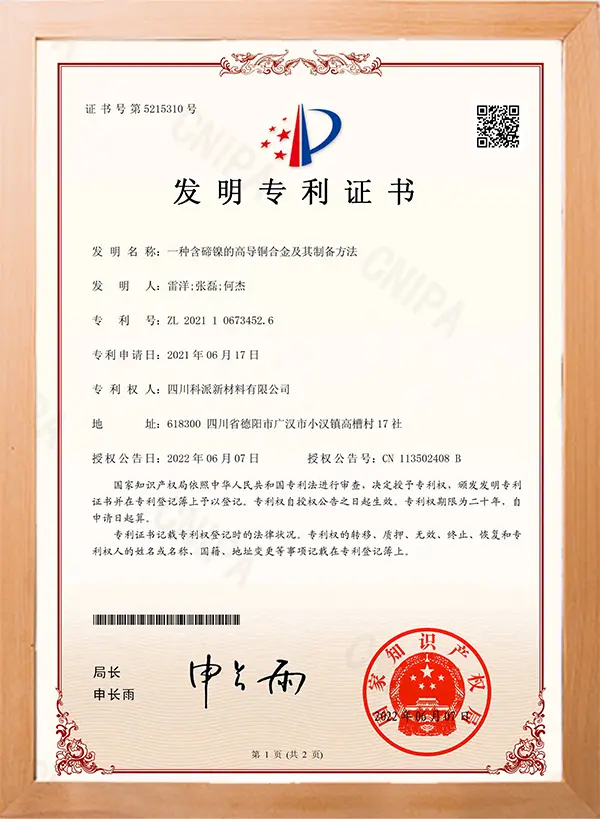
As a key partner in advanced metallurgy, Sichuan Kepai New Material Co., Ltd. offers robust localization and international support. Established in 2017 in the western industrial development zone of Guanghan, Sichuan, Kepai has built its manufacturing processes to align with rigorous international benchmarks.
Our localized support structure ensures that engineering and technical teams receive rapid responses, customized alloy development, and direct engineering consultations to optimize raw material specifications for their specific manufacturing processes. This localization reduces lead times and lowers supply chain risks for companies relying on strategic metal components.
The evolution of high-strength copper alloys toward sustainable, high-conductivity, and advanced manufacturing processes.
A leading high-tech enterprise integrating R&D, production, and precision quality testing of strategic copper alloys.
Located in the western area of the Sichuan Guanghan Industrial Development Zone, Sichuan Kepai New Material Co., Ltd. is positioned near major transportation corridors, including National Highway 108. The company is dedicated to providing high-end copper alloy materials, supporting industrial upgrades, and serving key sectors like electric vehicles, 5G communications, laser cutting, and lithium battery relays.
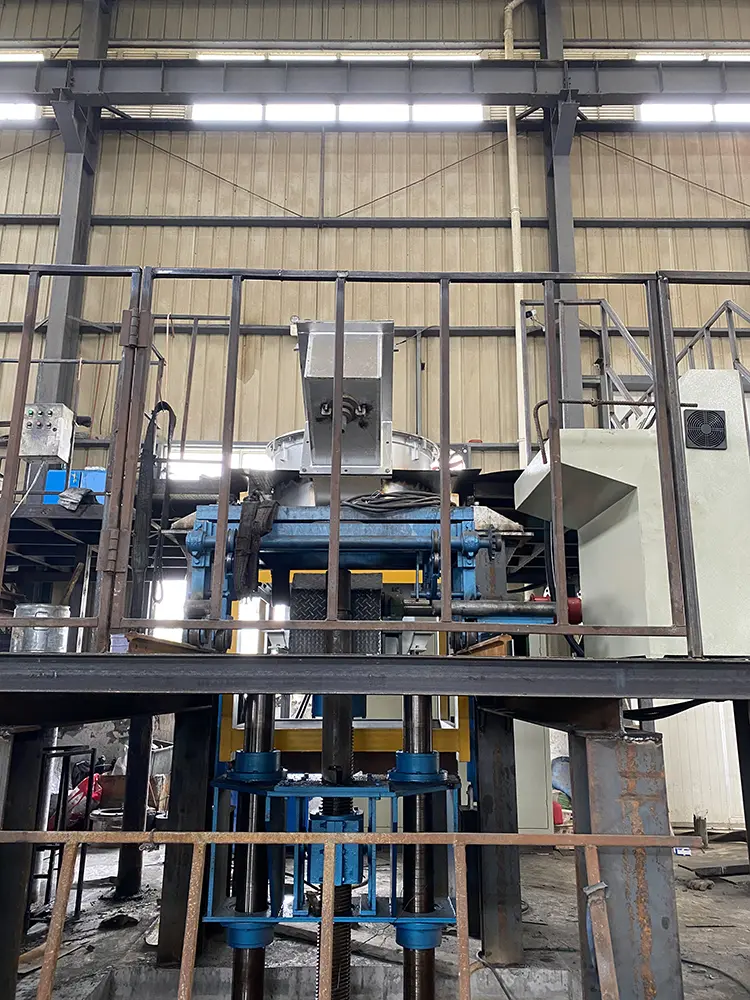
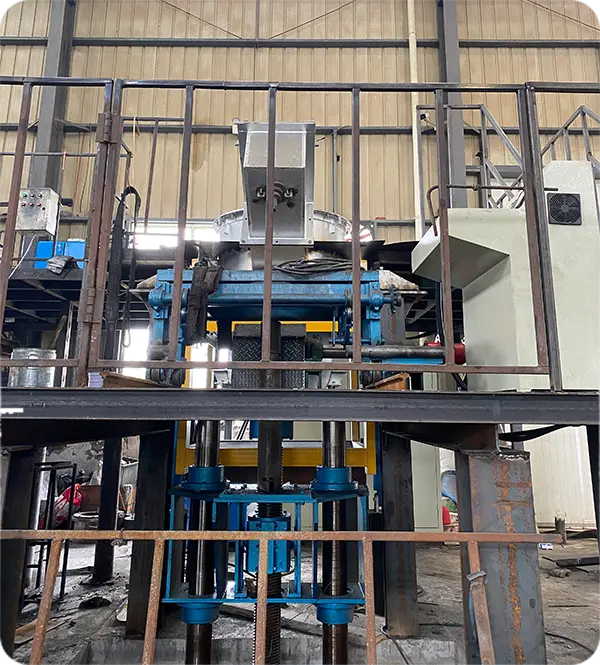
Smelting Stage
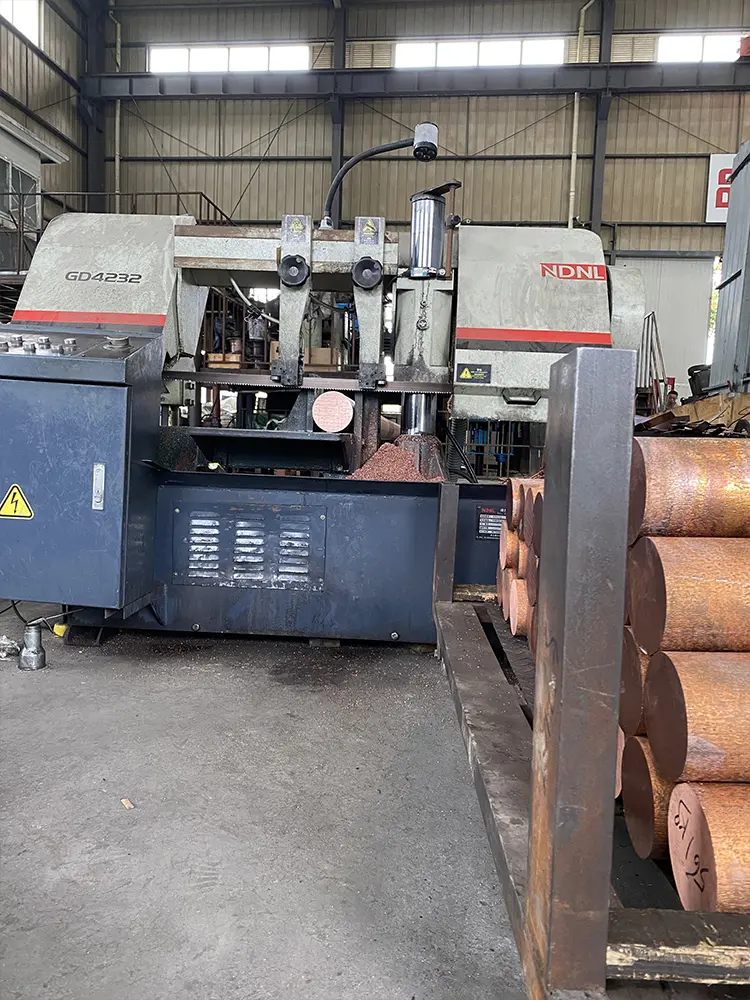
Laying-off Stage
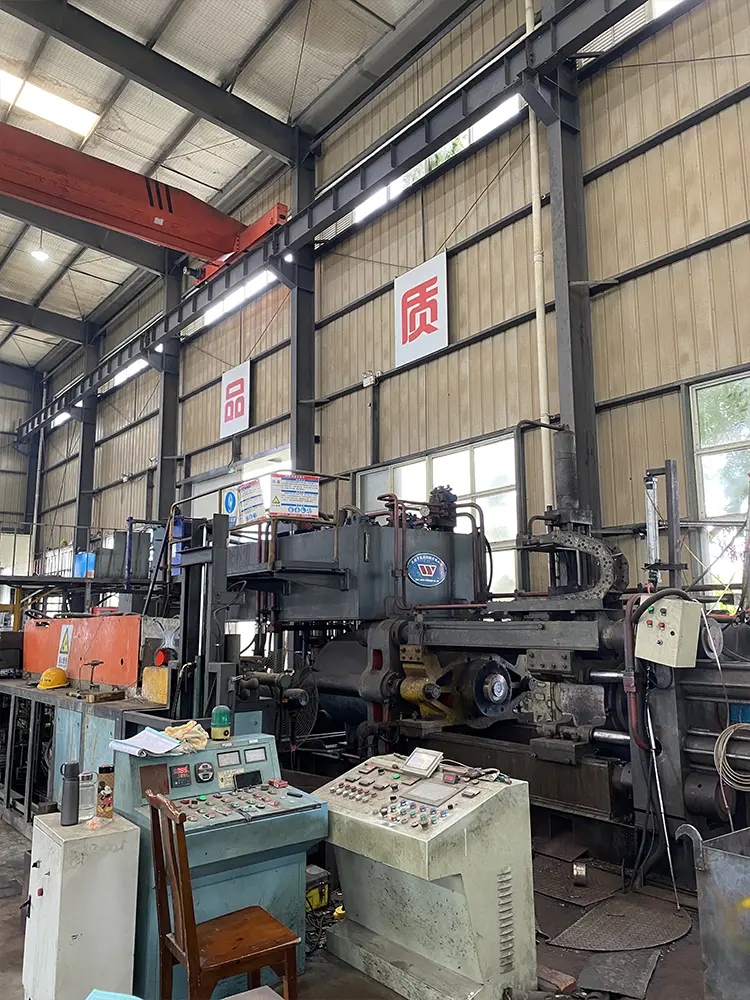
Extrusion Stage
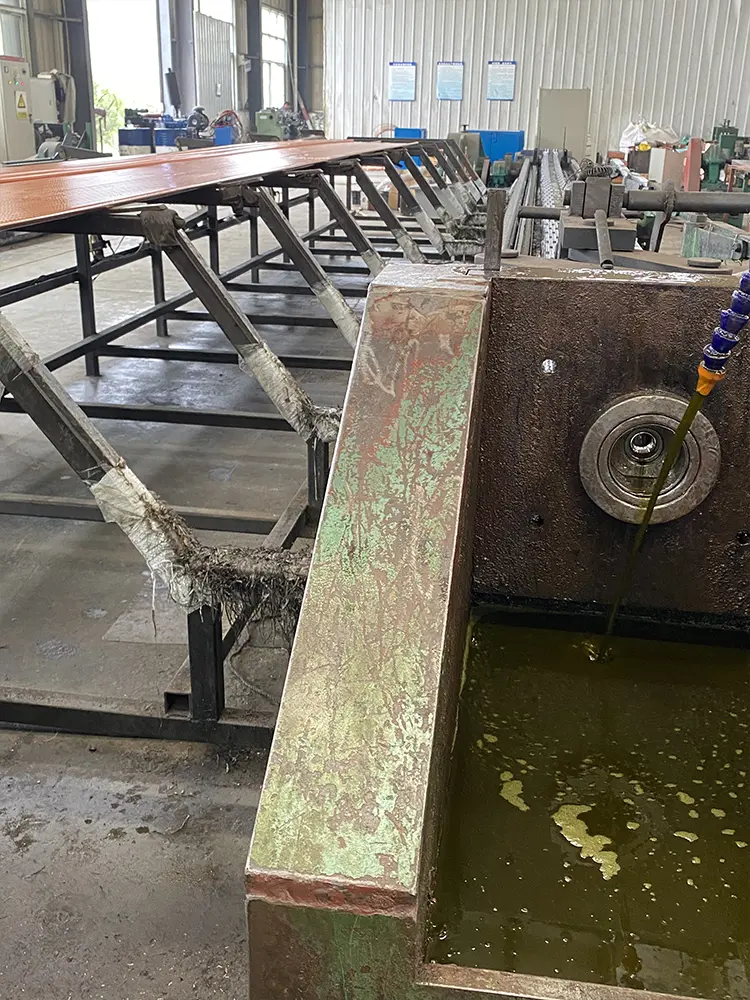
Drawing Stage
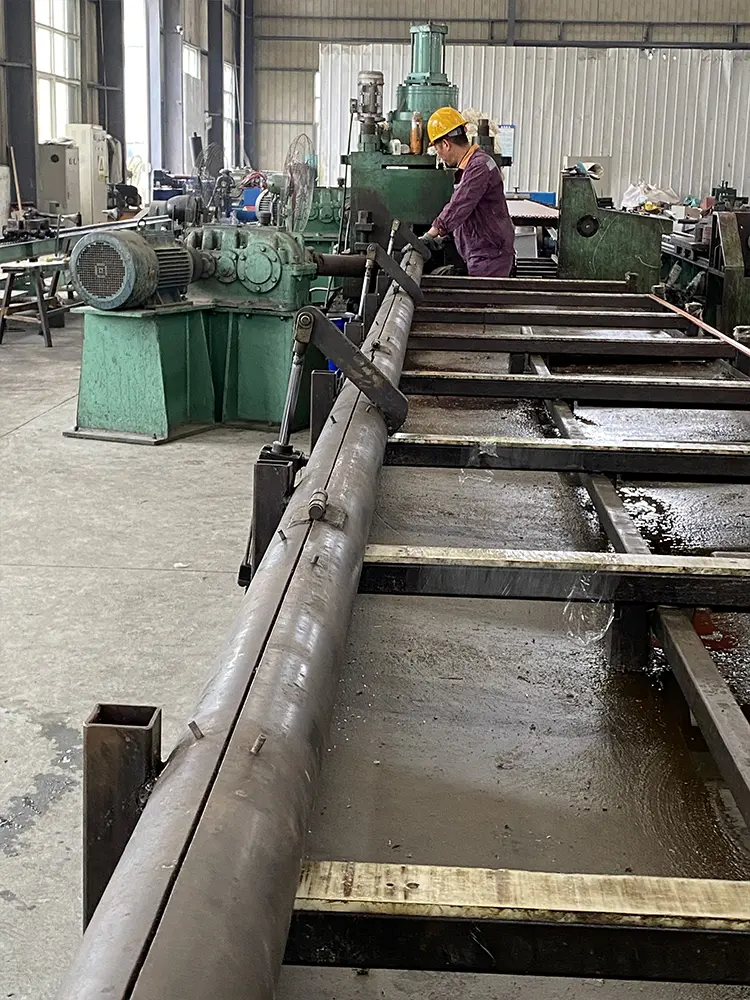
Straightening Stage
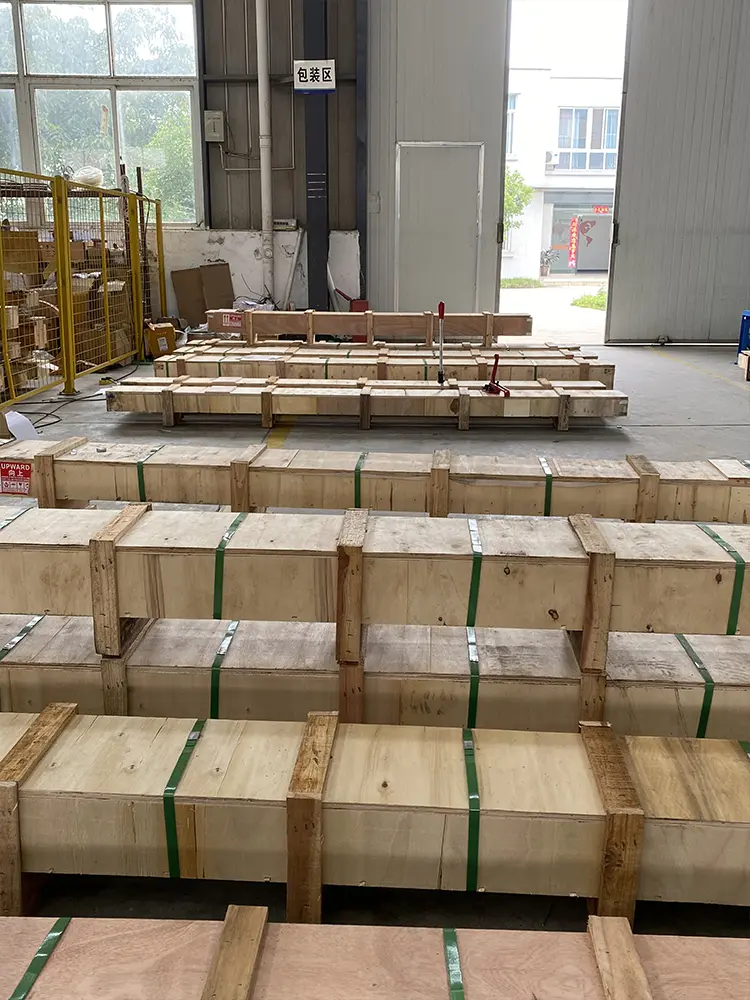
Packaging & Shipping
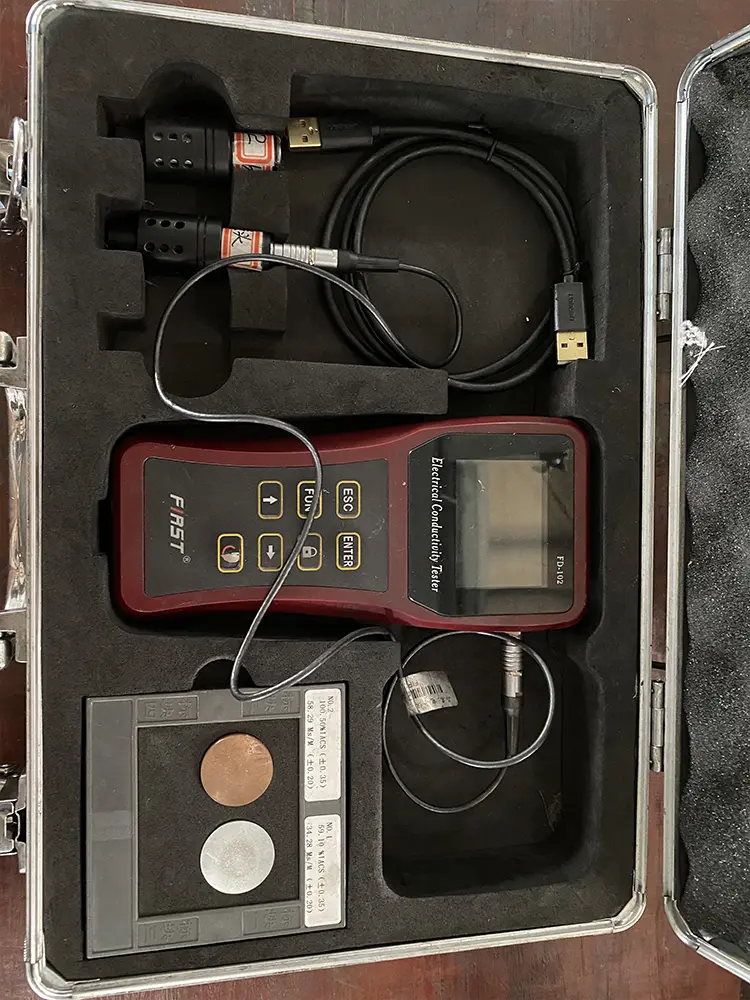
Eddy Current Conductance Instrument
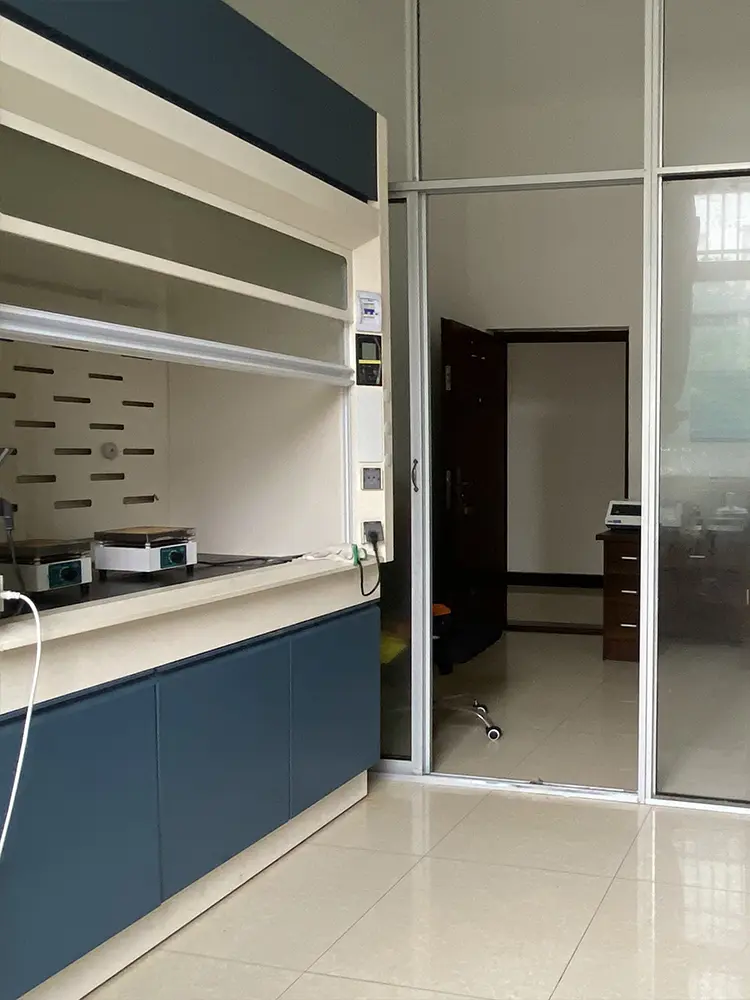
Chemical Composition Testing Laboratory

Metallographic Polishing Room
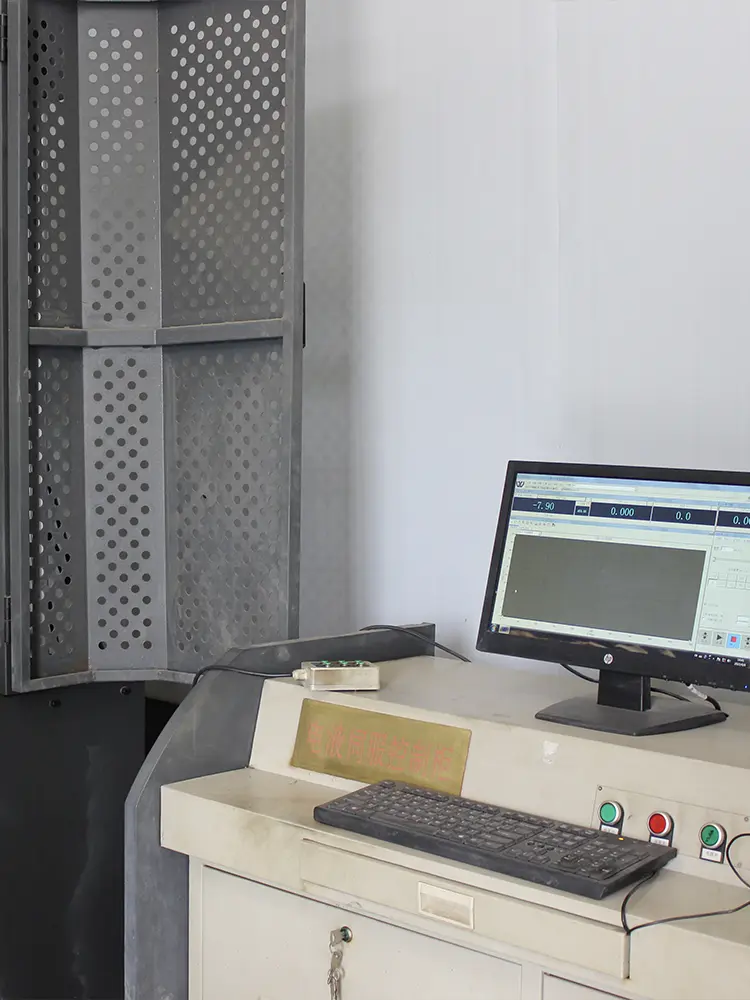
Servo Universal Testing Machine
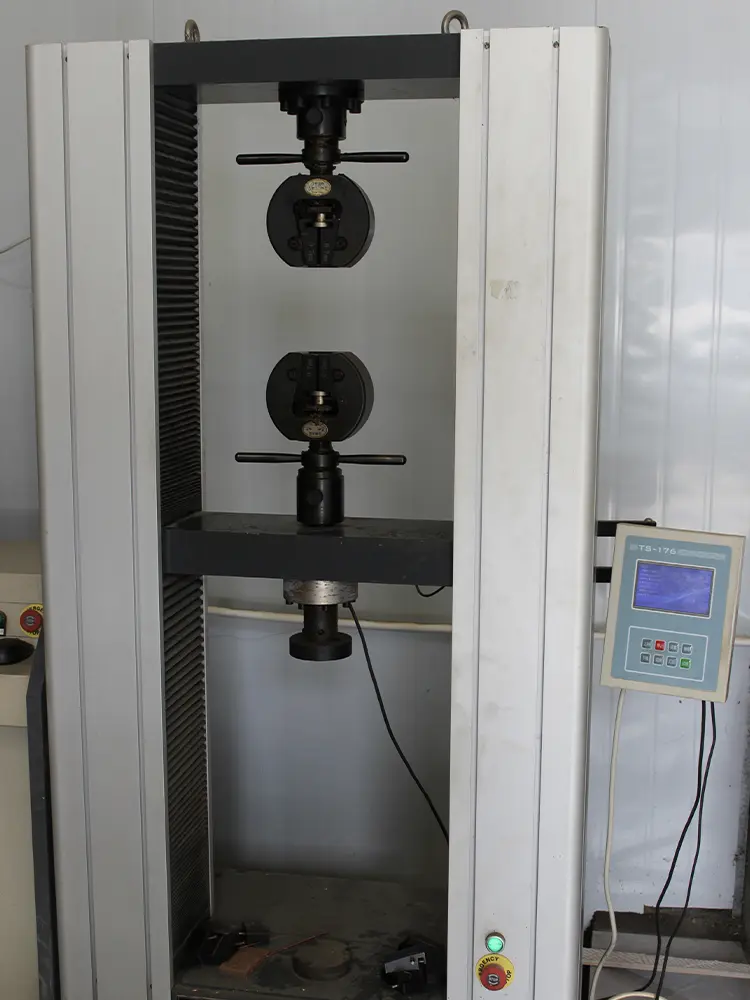
Electronic Universal Testing Machine
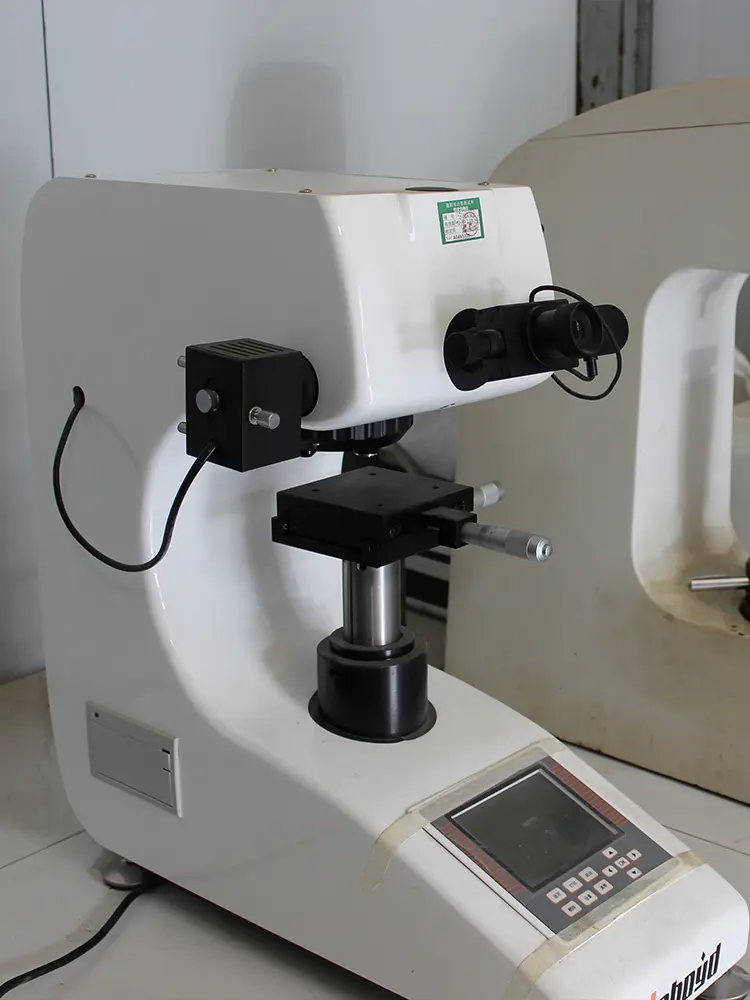
High-Precision Hardness Tester
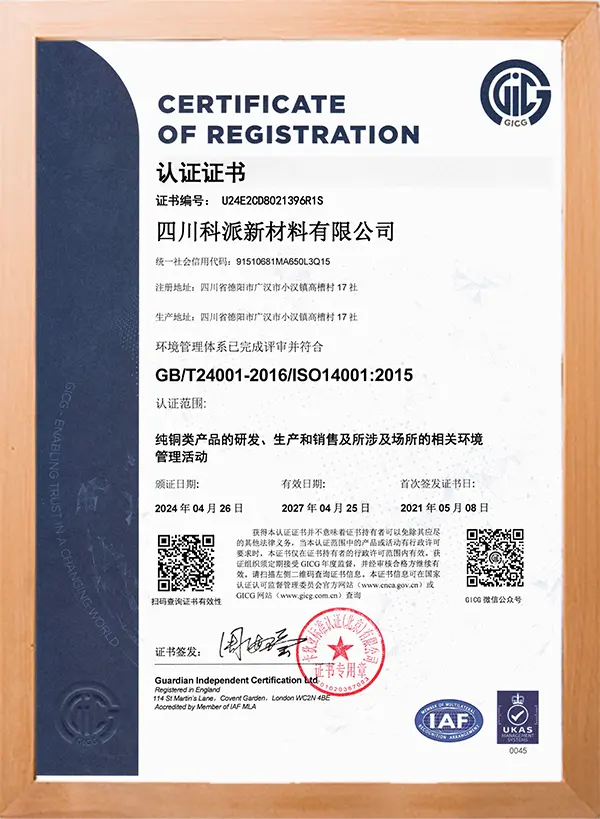
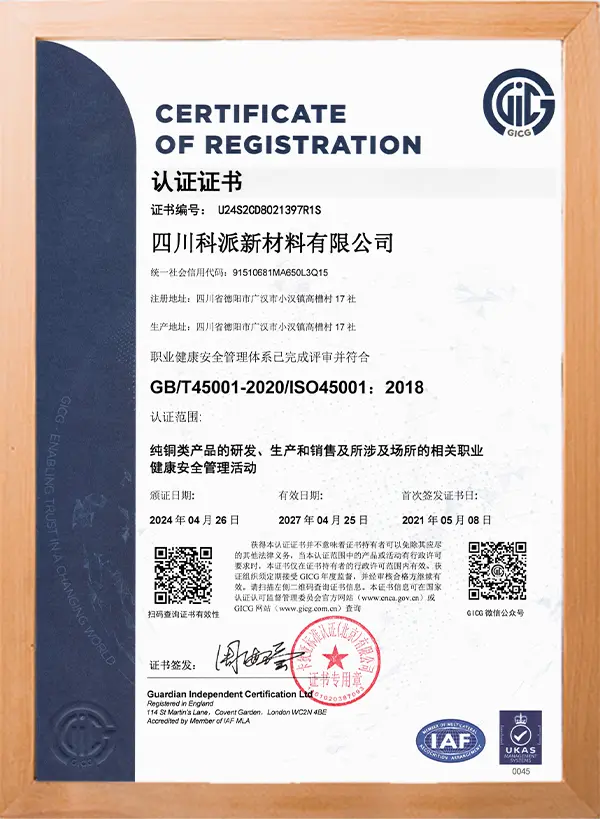
Detailed technical answers for procurement managers, materials engineers, and compliance officers.
Explore our specialized range of high-performance tellurium copper, bronze, and custom-tempered structural alloys.
Connect with Sichuan Kepai New Material Co., Ltd. for custom composition specifications, project quotes, and direct access to high-performance copper alloys.
 Kepai
Kepai