Explore our diverse inventory of high-performance strategic metal materials engineered to reduce fabrication costs and enhance product life cycle.
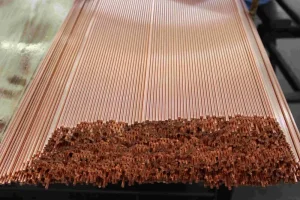
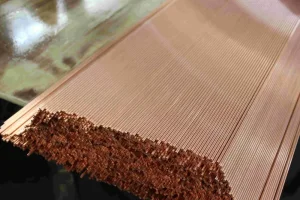
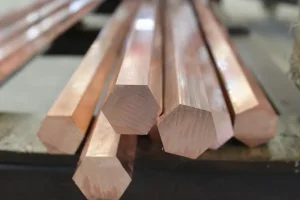
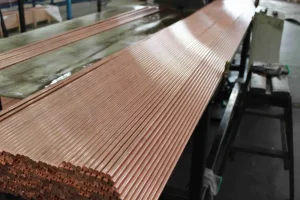
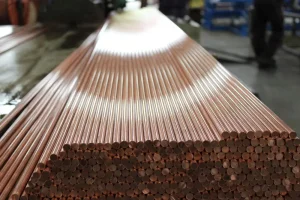
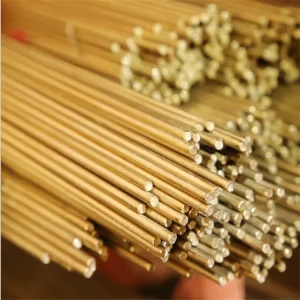
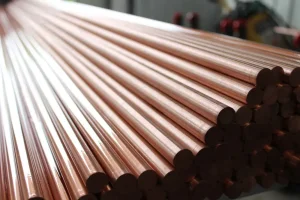
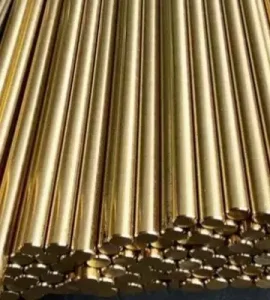
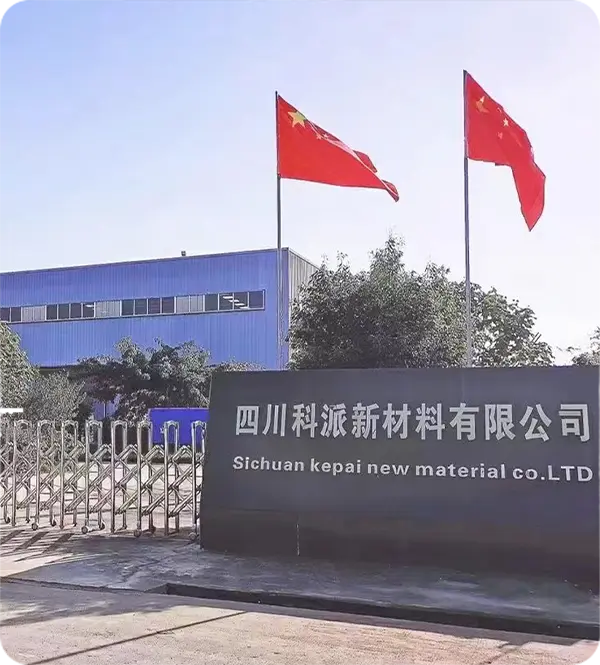
Established in 2017, Sichuan Kepai New Materials Co., Ltd. has grown into a cornerstone high-tech enterprise integrating R&D, advanced manufacturing, and global exportation. Occupying a modern facility of 9,000 square meters alongside 1,000 square meters of administrative and engineering design centers in Guanghan Industrial Development Zone, we are ideally located adjacent to National Highway 108 for streamlined multimodal domestic and international logistics.
Under China's national 13th Five-Year Plan for strategic emerging industries, Kepai has prioritized the localized production and global dissemination of critical materials including CW118C Tellurium Copper, high-conductivity oxygen-free copper, silver copper, and dispersion-strengthened copper. Through direct collaboration with industry partners and academic research organizations, Kepai is redefining the efficiency limits of electrical contacts, thermal conductors, and CNC machining operations.
Our engineering team comprises seasoned metallurgists and industry experts who keep pace with international cutting-edge standards (ASTM B301, EN 12164, EN 12165). Each batch is fully traceable and backed by comprehensive mill certification (EN 10204 3.1).
Understand the mechanical and chemical parameters that make CW118C tellurium copper superior to C11000 pure copper and standard C36000 free-cutting brass.
CW118C (EN 12164), colloquially known as Tellurium Copper or CuTeP, is copper alloyed with approximately 0.4% to 0.7% tellurium (Te). The strategic inclusion of tellurium creates a discrete phase of copper telluride ($Cu_2Te$) distributed uniformly throughout the copper matrix. This second phase acts as an efficient chip breaker during high-speed CNC operations, reducing tool friction, temperature buildup, and tool wear while maintaining high electrical and thermal conductivity levels.
Unlike leaded brass alloys, CW118C offers an outstanding combination of 85% minimum machinability rating (compared to C36000 free-cutting brass as 100%) and 93% to 98% IACS electrical conductivity. This makes it the premier choice for high-power electrical components requiring intricate geometric machining.
| Alloy Grade | Copper (Cu) % | Tellurium (Te) % | Phosphorus (P) % | Electrical Conductivity | Machinability Rating |
|---|---|---|---|---|---|
| CW118C (CuTeP / C14500) | Min. 99.0 | 0.40 - 0.70 | 0.003 - 0.012 | 93% - 98% IACS | 85% (Very High) |
| C11000 (ETP Copper) | Min. 99.90 | - | - | 101% IACS | 20% (Poor / Gummy) |
| C10200 (OF Copper) | Min. 99.95 | - | - | 101% IACS | 20% (Poor / Gummy) |
| CW614N (C36000 Brass) | 57.0 - 59.0 | - | - (Lead 2.5-3.5) | 26% IACS | 100% (Standard) |
As industrial demand shifts toward sustainable, high-power, and compact electronic designs, the metallurgical requirements for tellurium copper alloys are evolving rapidly. Sichuan Kepai is positioning itself at the forefront of this shift through structured product development pathways:
Standard tellurium copper is prone to low-level oxide inclusion which can lead to structural failure under heavy thermal cycles. Our R&D team has formulated an oxygen-free tellurium copper variant ($O_2$ levels restricted to <10 ppm) that eliminates hydrogen embrittlement risks, achieving unprecedented reliability for vacuum electronics and high-power laser systems.
With 5G RF connectors and micro-relays scaling down, we are refining extrusion and cold-drawing tolerances to manufacture micro-rods (down to 1.0 mm in diameter) with exceptional straightness and concentricity, allowing high-speed Swiss-style automatic lathe operations.
How CW118C acts as a critical technological enabler in high-stress, high-conductivity commercial sectors.
For high-power DC fast-charging ports (CCS, MCS, NACS), low contact resistance is critical to prevent thermal runaway. CW118C pins ensure high electrical contact reliability while allowing easy machining of the complex hollow contact designs required for liquid cooling paths.
Plasma torch nozzles and gas diffusers undergo constant thermal bombardment. CW118C's high thermal conductivity rapidly dissipates heat from the tip, while its ease of machining guarantees sub-micron precision for gas channels, extending the lifespan of torch consumables.
Next-generation lithium battery energy storage systems (BESS) require high-current relays and busbar connectors. Kepai's CW118C components resist electrical arcing and maintain contact integrity over millions of operational switching cycles.
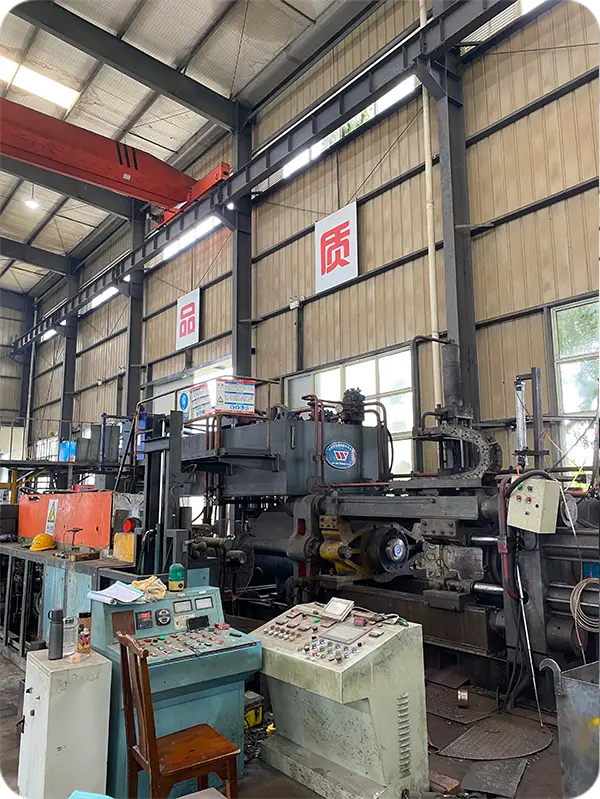
In our 9,000 square meter facility in Sichuan, China, we operate an integrated manufacturing ecosystem built around quality assurance, efficiency, and supply chain reliability. Our production sequence utilizes advanced manufacturing equipment that guarantees material homogeneity from furnace to shipping yard:
By leveraging advanced raw material hedging strategies and optimizing local Sichuan supply lines, we insulate global procurers from copper price volatility and deliver reliable shipping times.
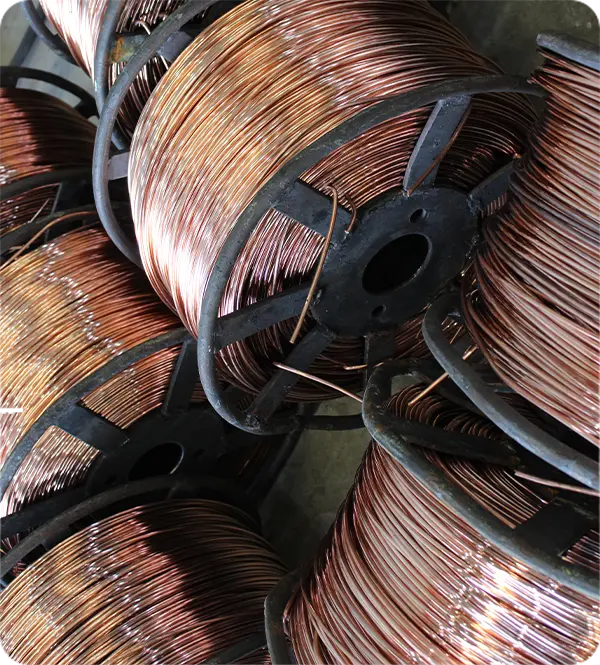
Take a closer look inside our Sichuan production plant and QA testing laboratory facilities.
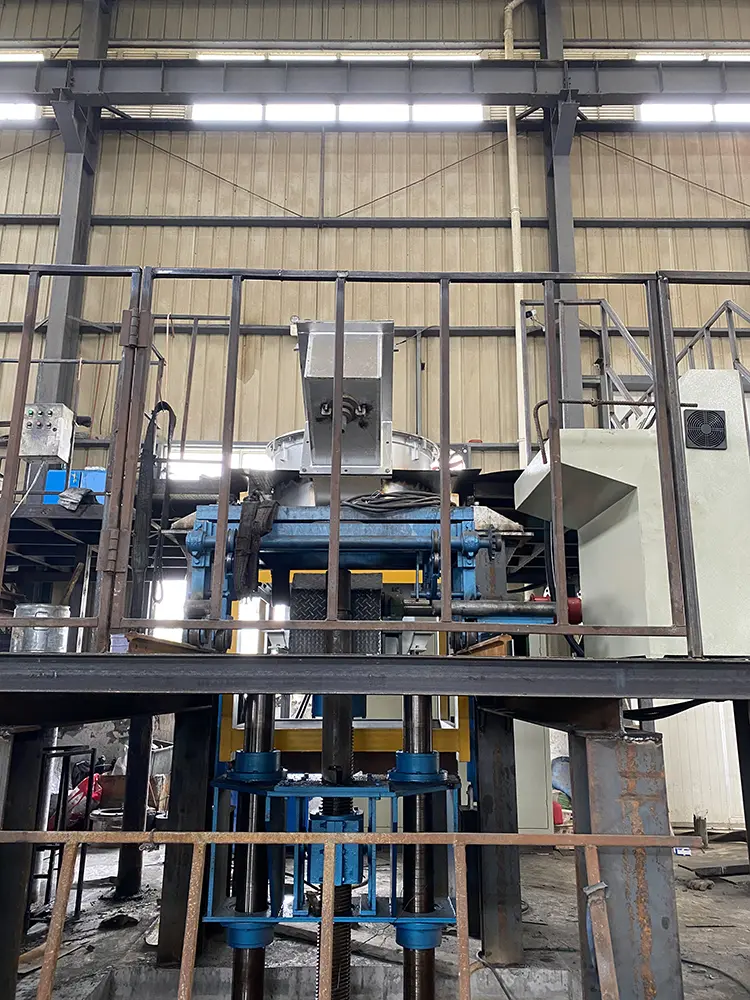
Smelting
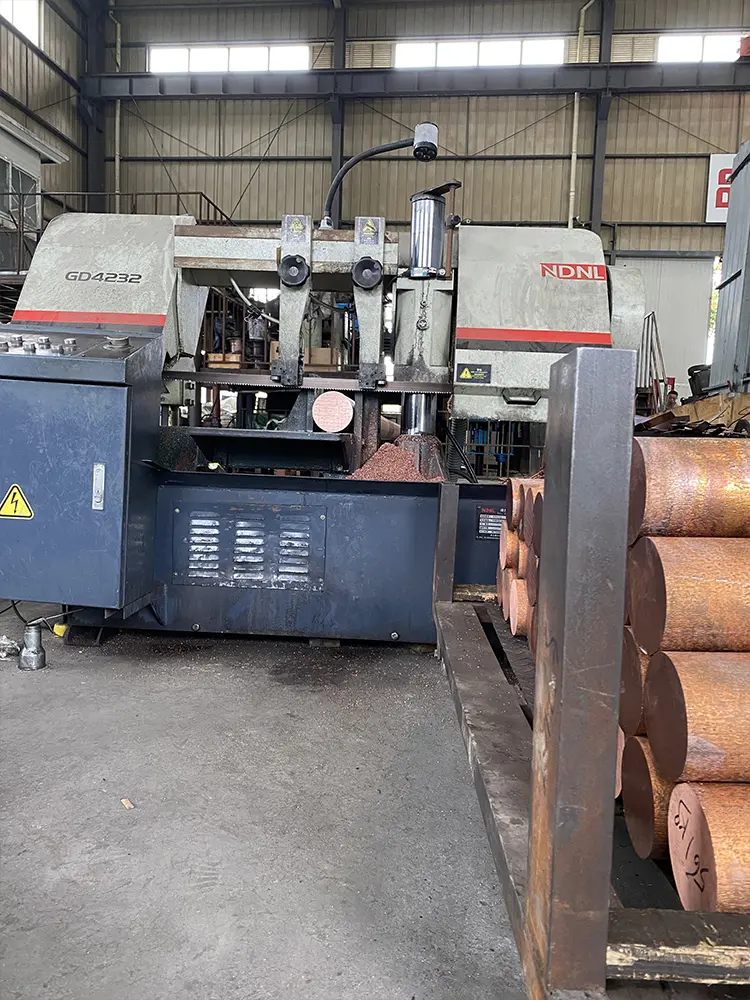
laying-off
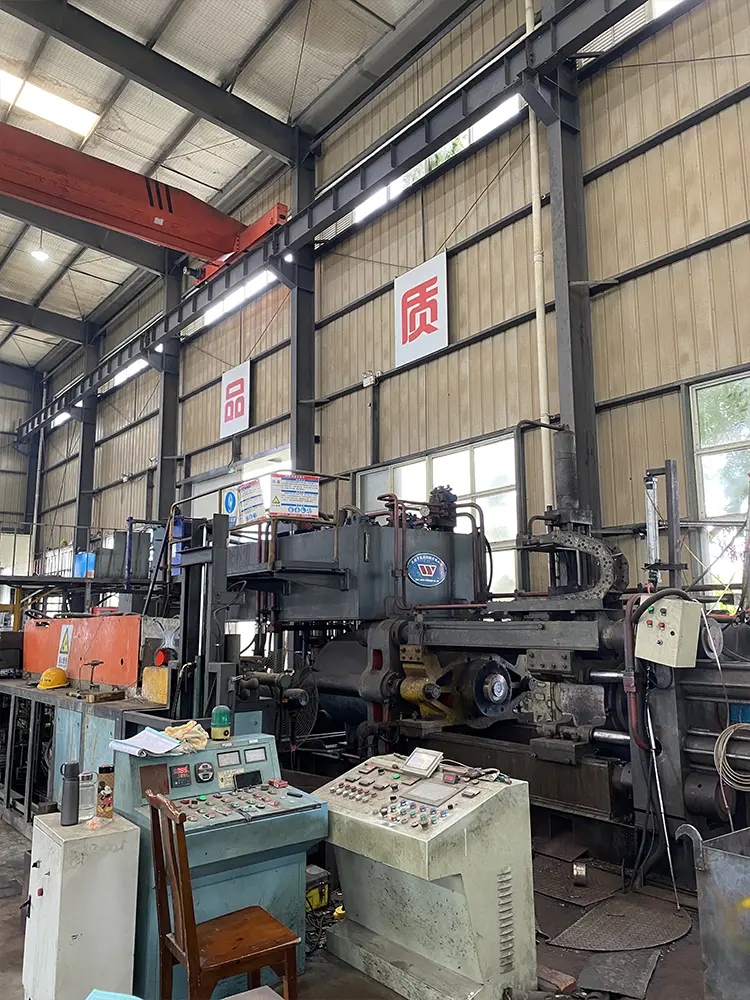
extrusion
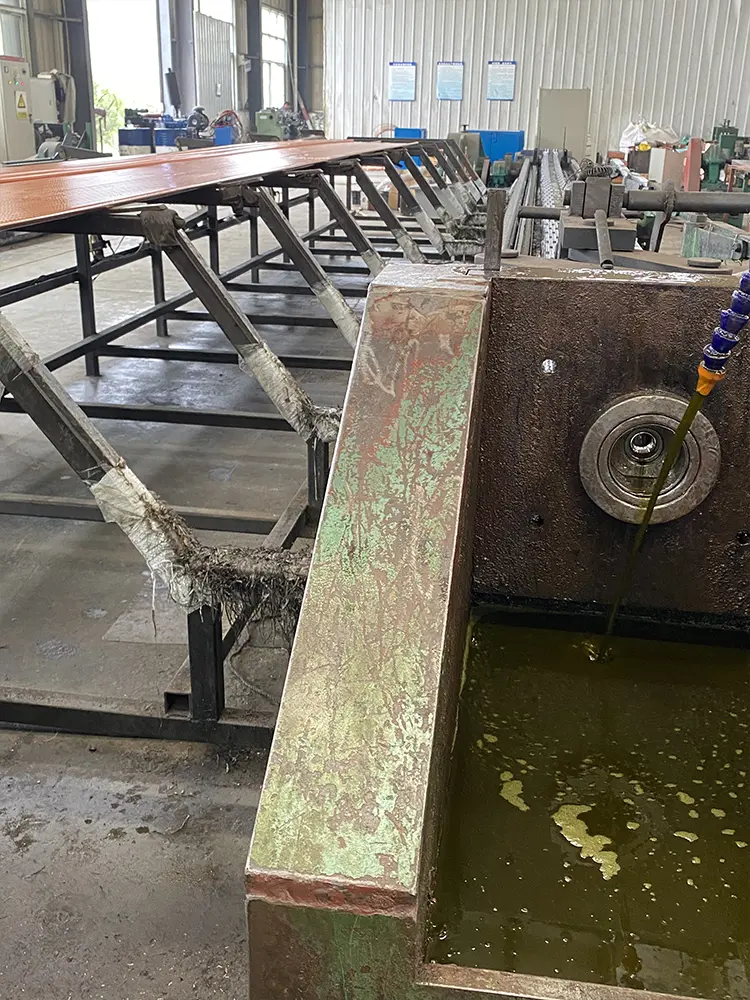
drawing
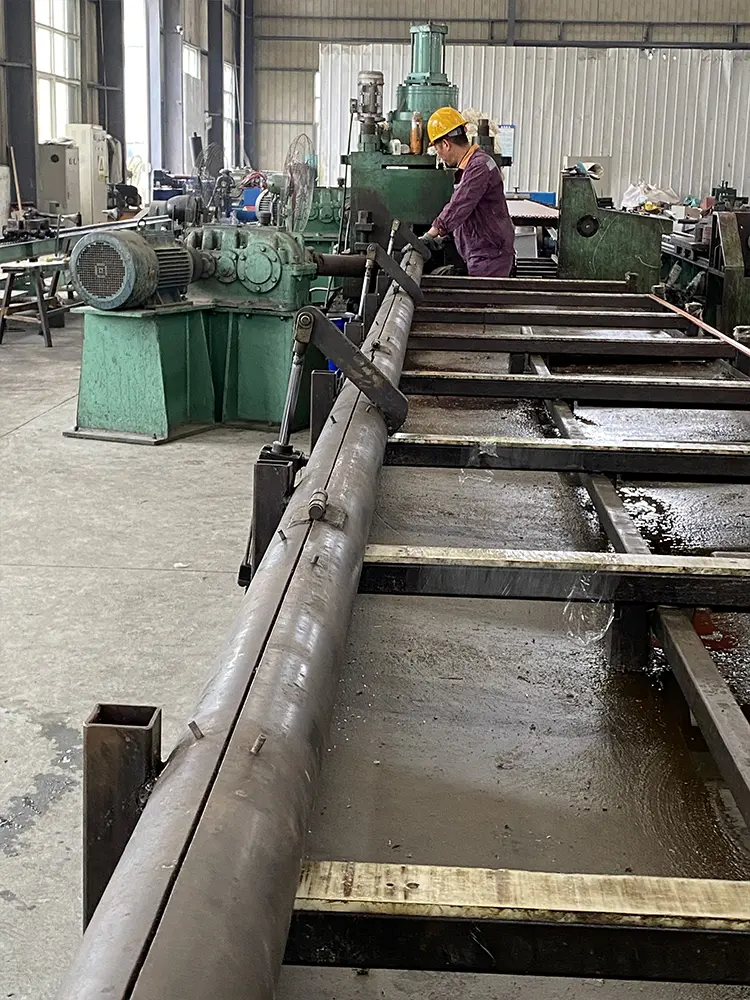
straightening
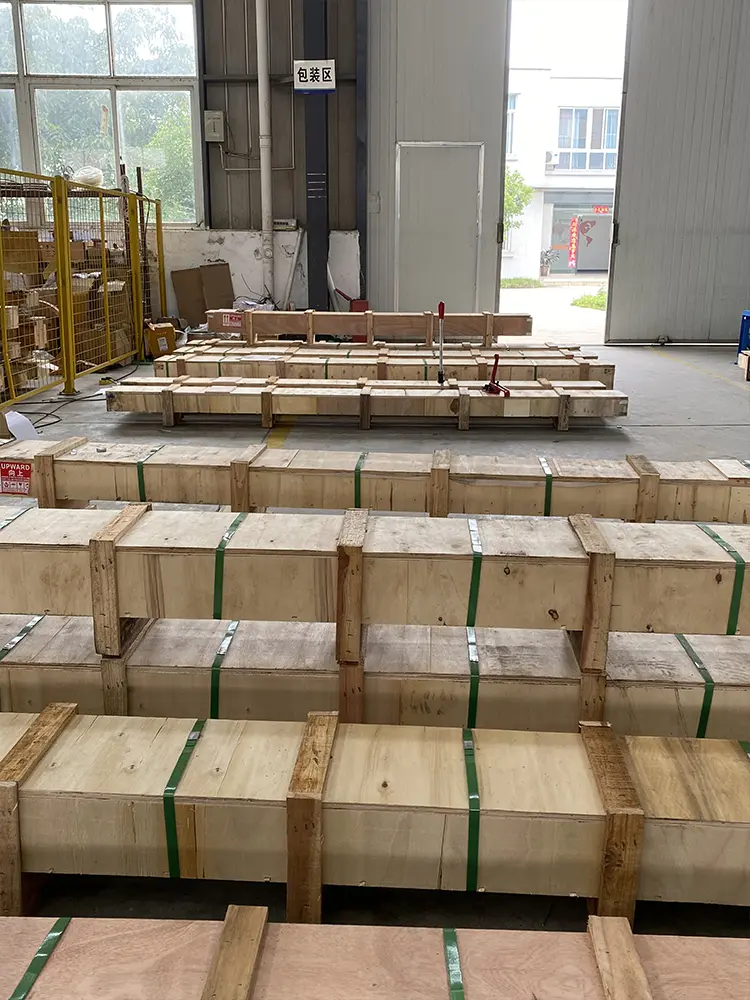
package
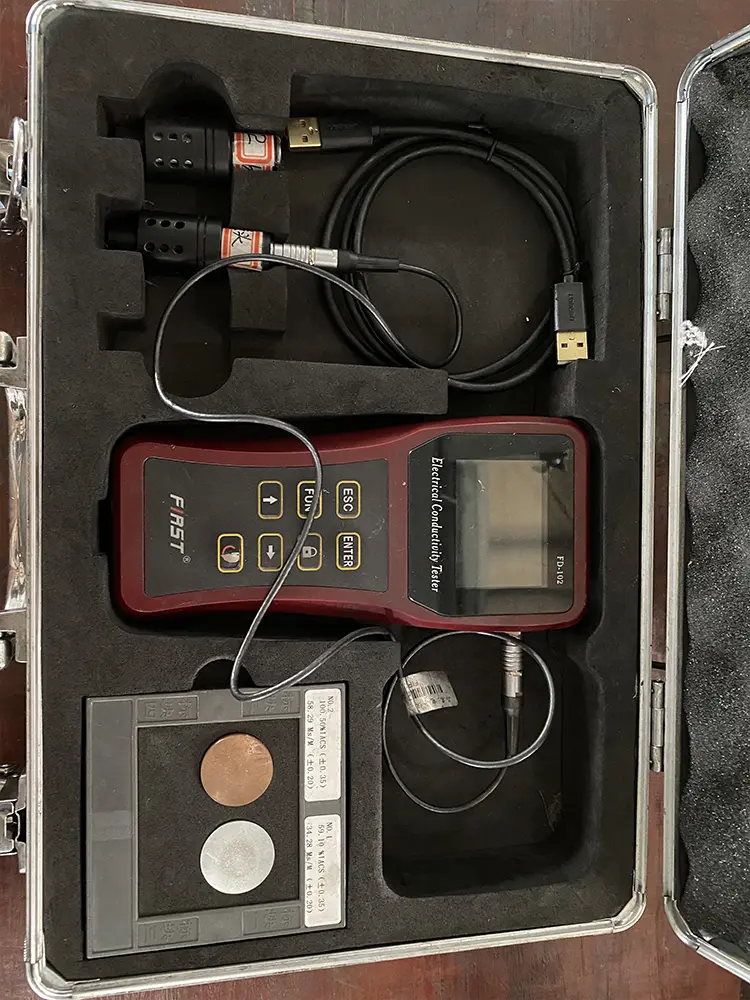
eddy current conductance instrument
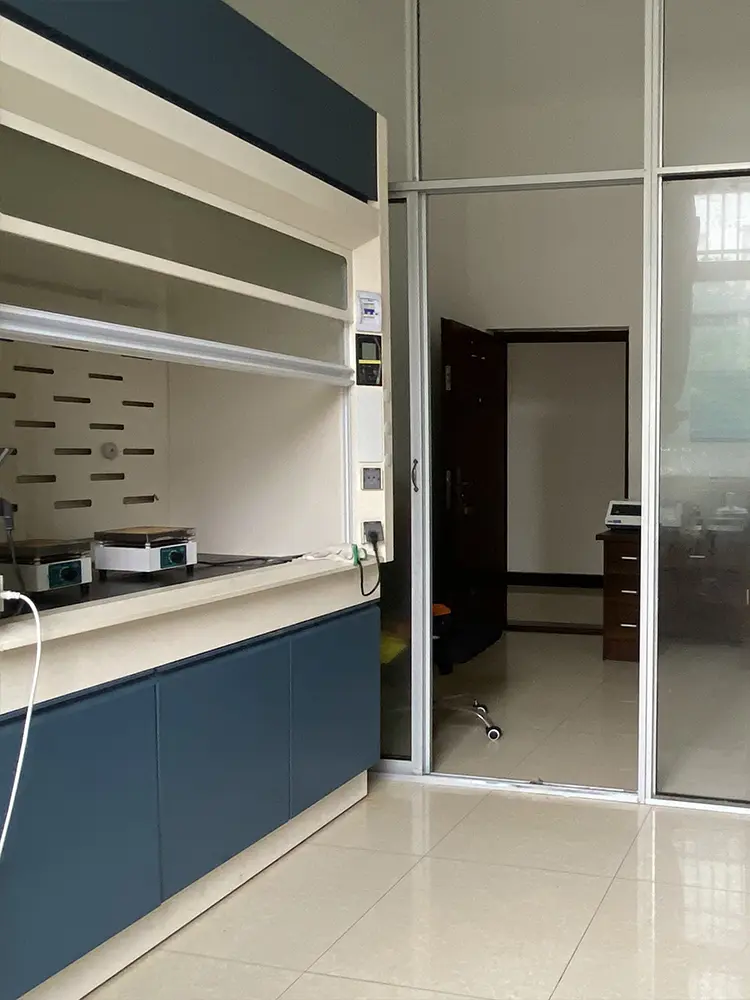
Chemical composition test room

Metallographic sample polishing machine
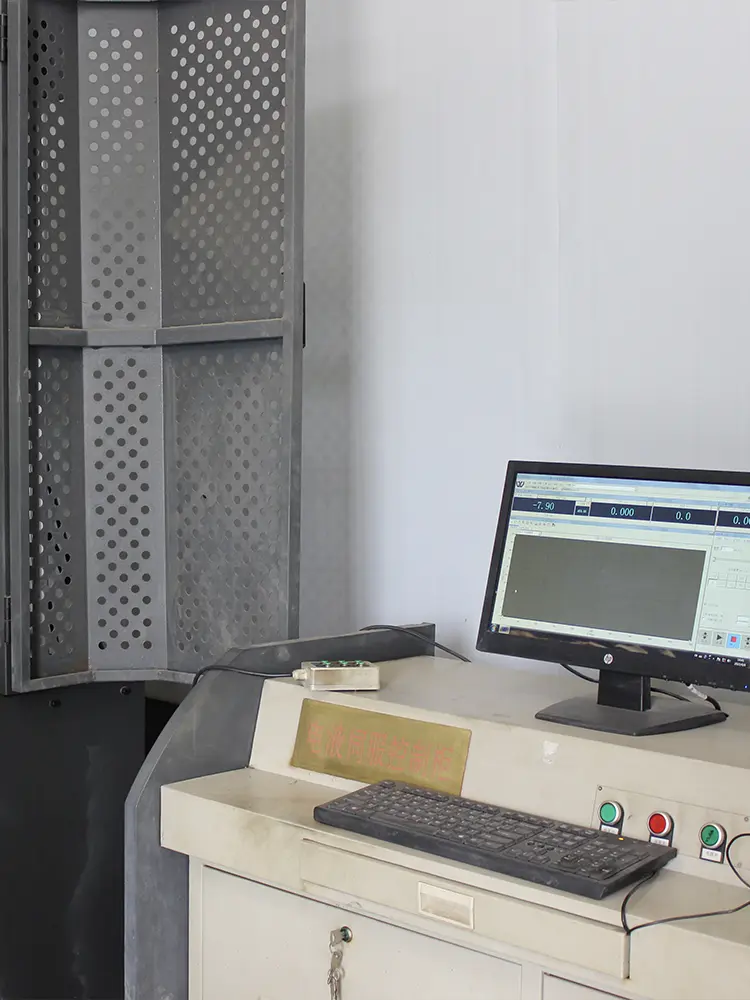
Microcomputer controlled electro-hydraulic servo universal testing machine
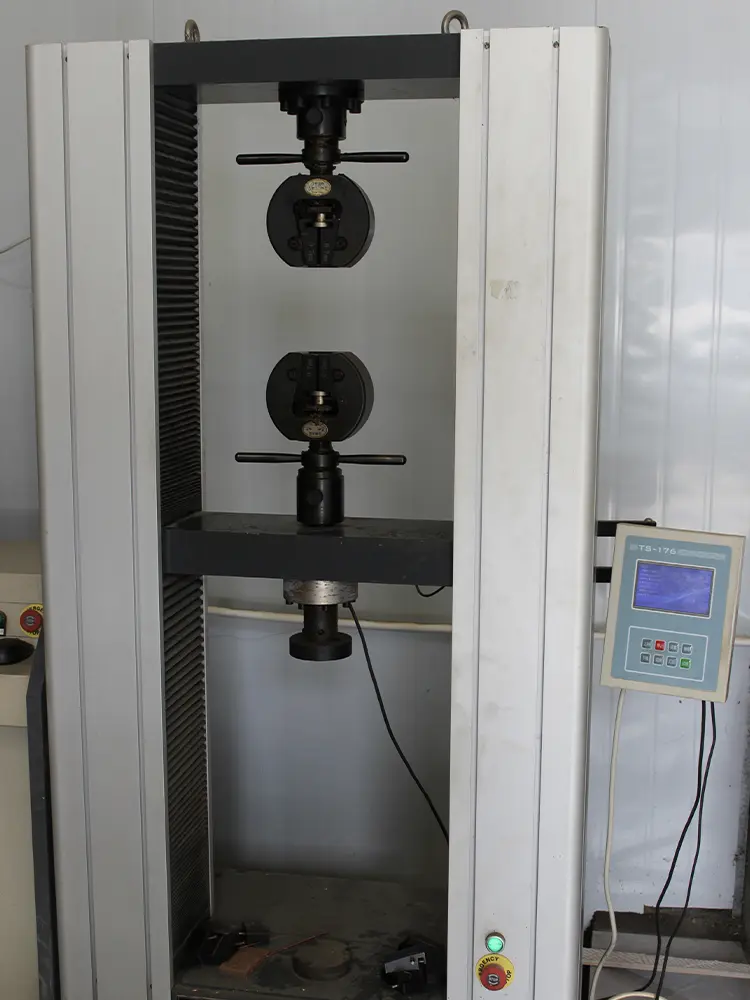
Liquid crystal display electronic universal testing machine
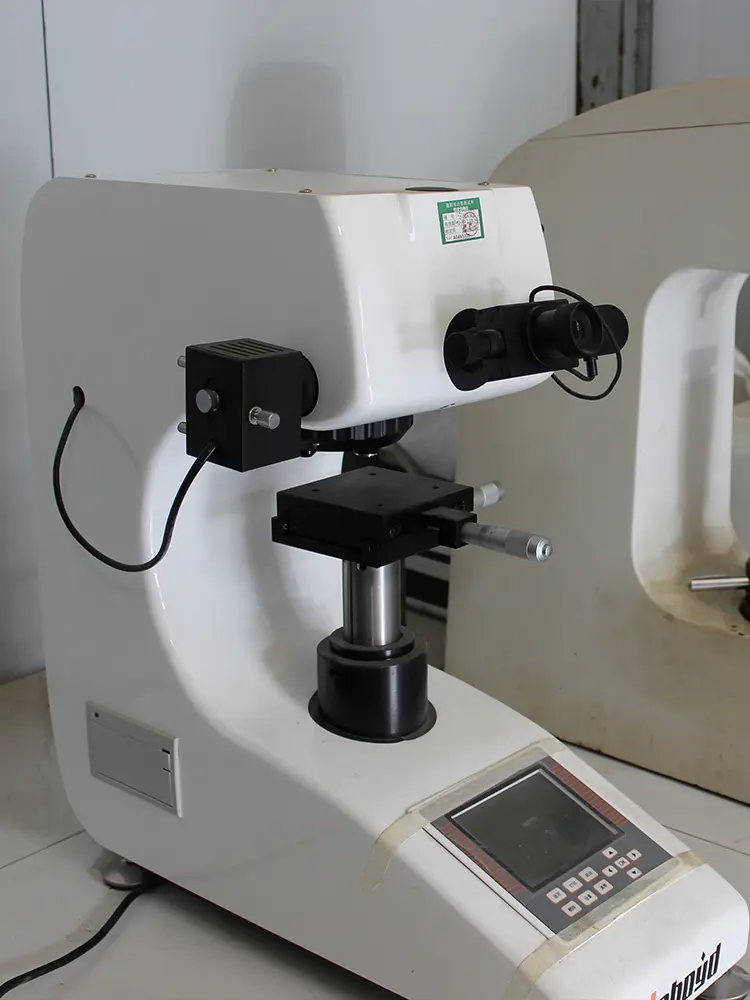
Hardness tester

Global markets require metals that satisfy rigorous statutory limits regarding environmental contaminants. At Sichuan Kepai, environmental compliance and quality verification are integrated into our core manufacturing protocol:
Our CW118C tellurium copper is strictly free from harmful impurities and meets all EU RoHS directive thresholds. As global industries move away from leaded brass (such as C36000), CW118C stands as the primary environmentally compliant alternative for electric connector systems.
Our plant operates under certified ISO 9001 (Quality Management Systems), ISO 14001 (Environmental Management Systems), and ISO 45001 (Occupational Health and Safety) frameworks. We guarantee the structural and chemical consistency of every container shipment.
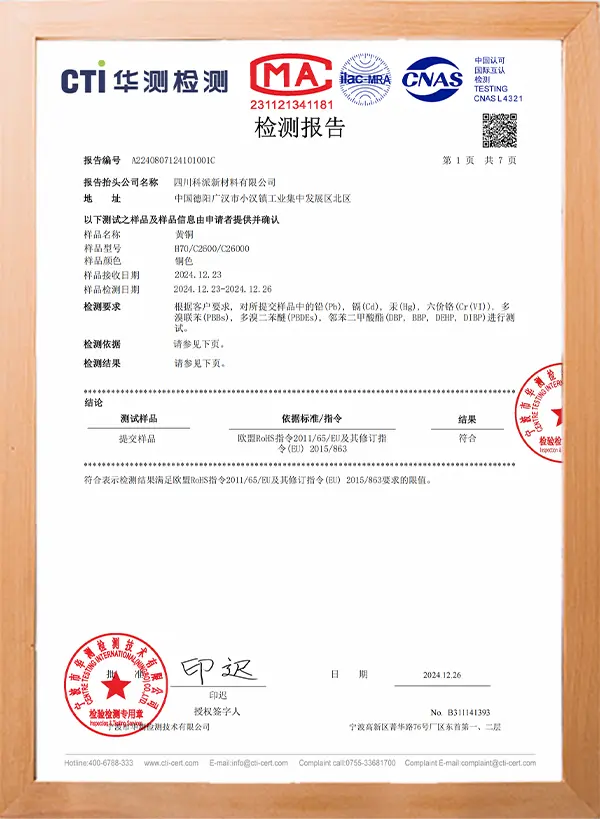
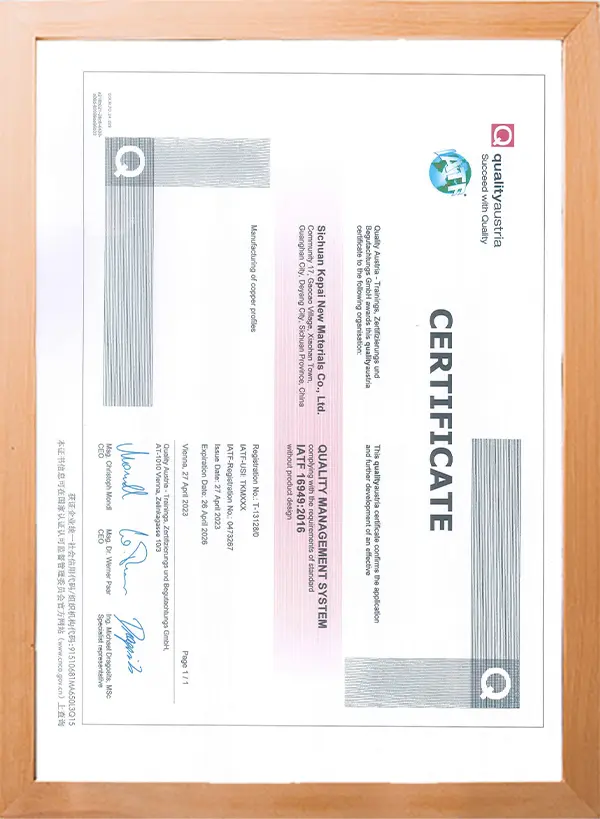
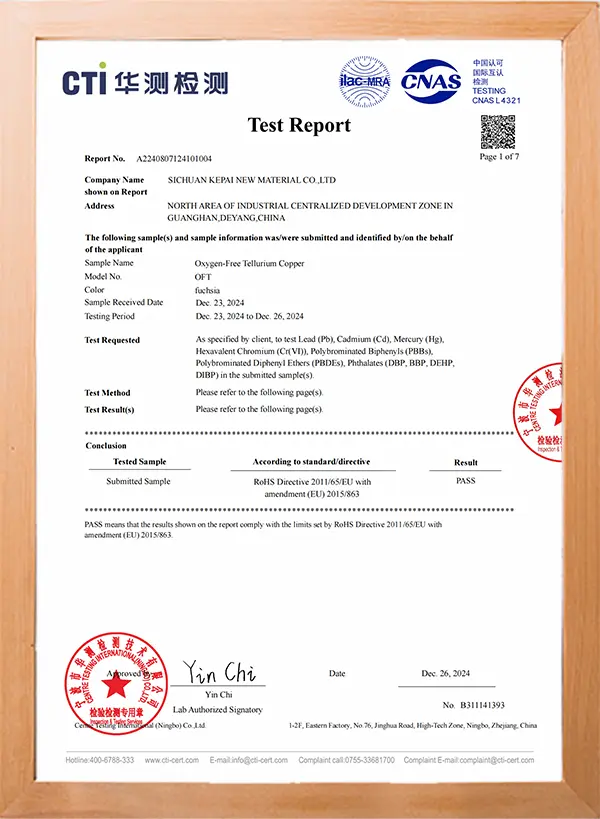
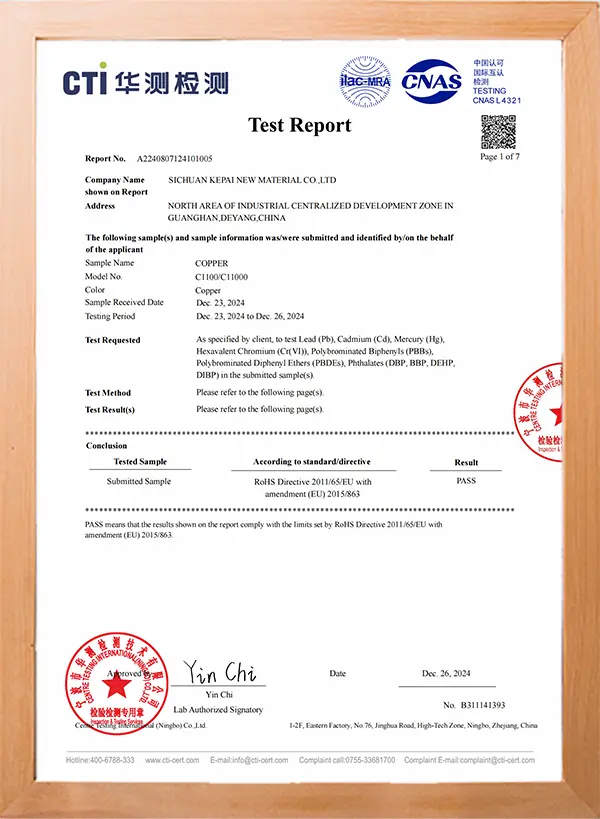
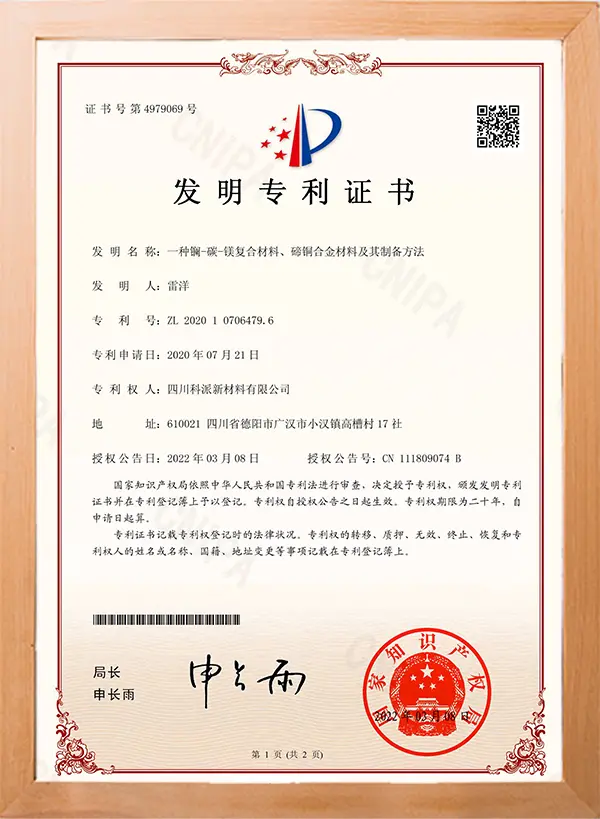
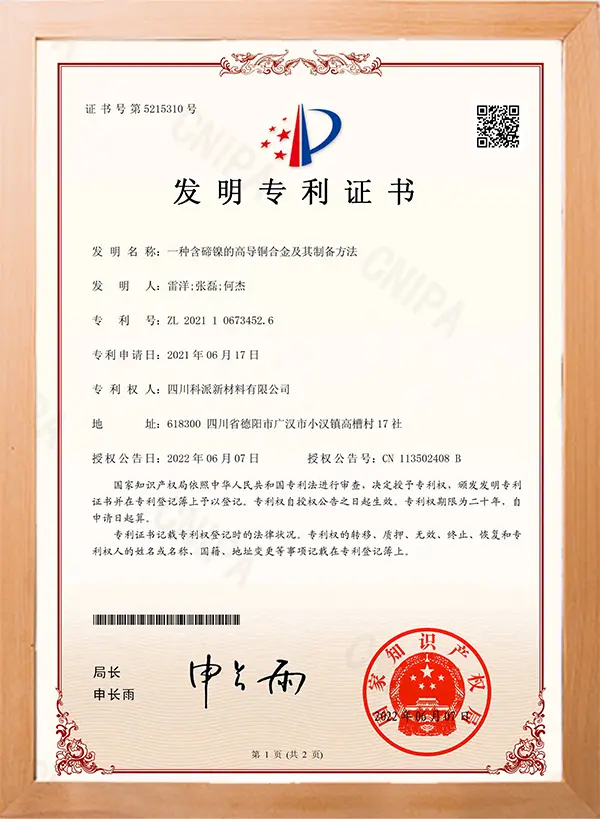
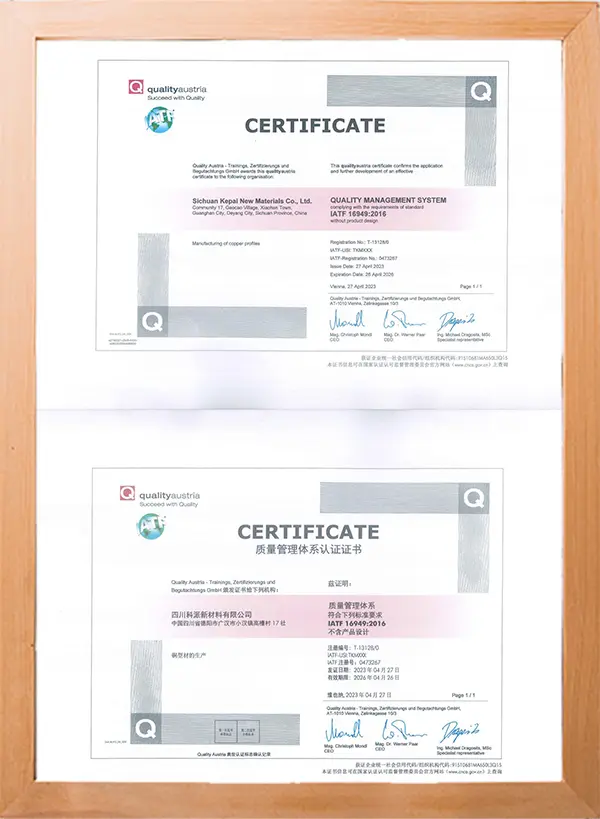
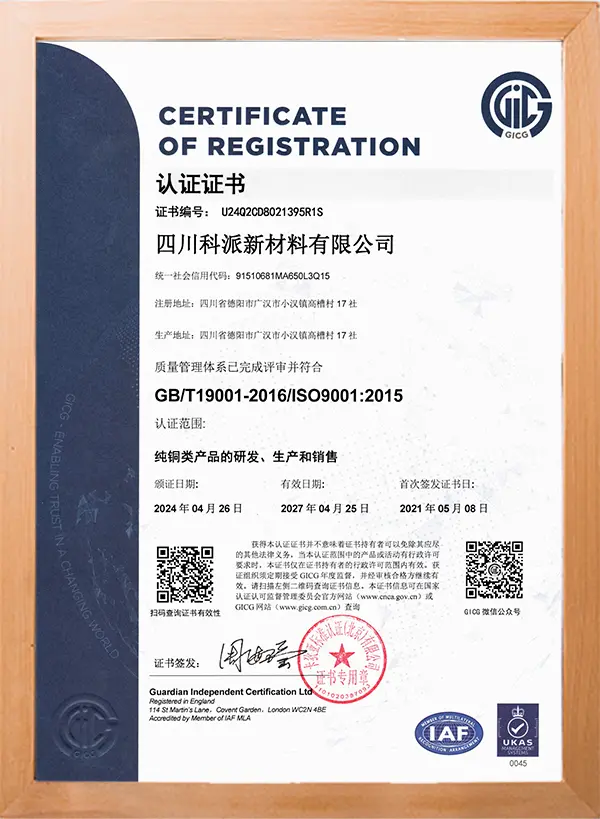
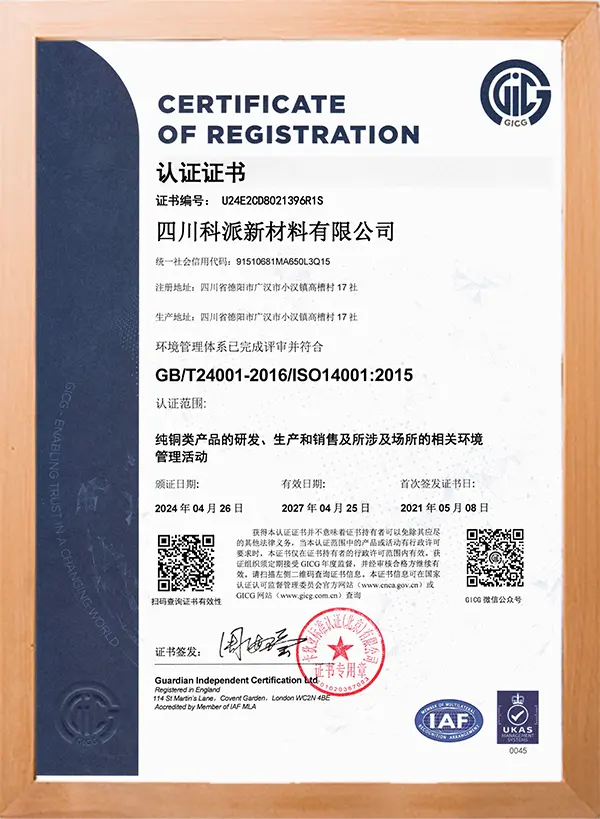
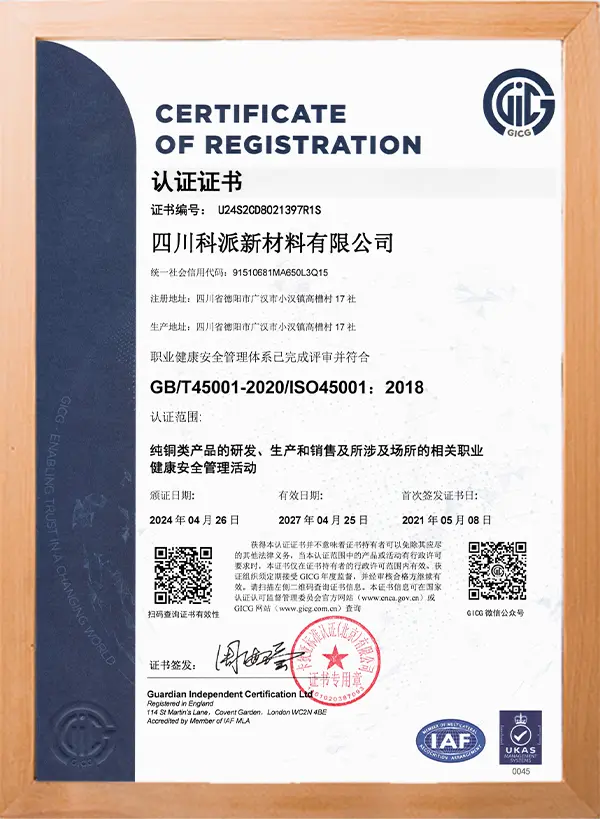
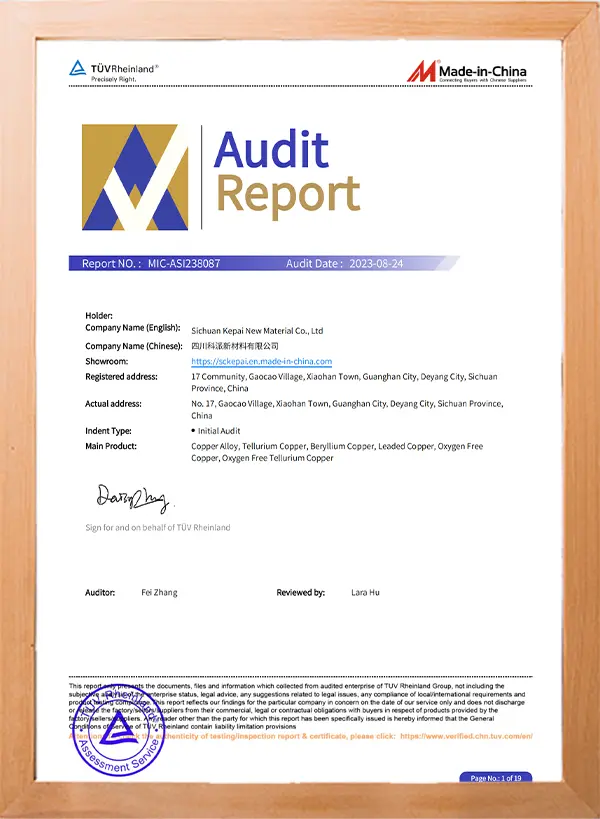
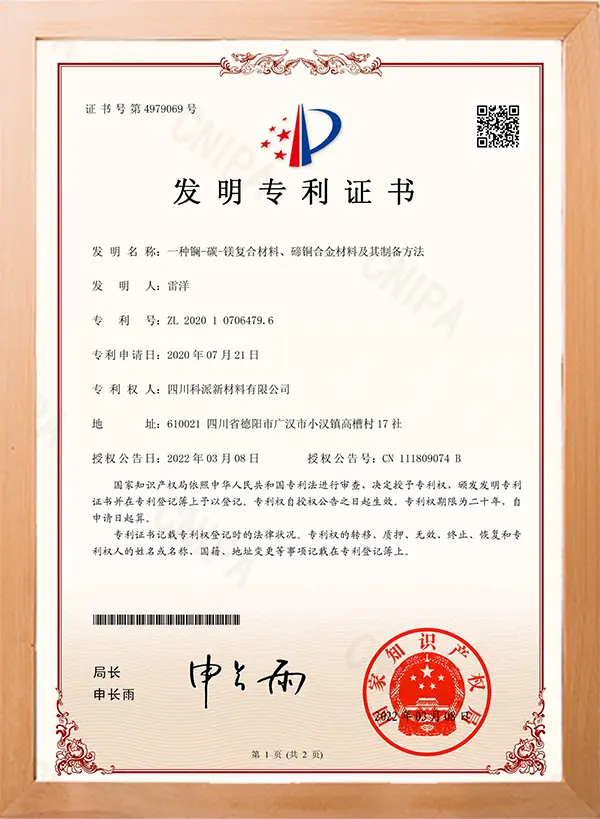
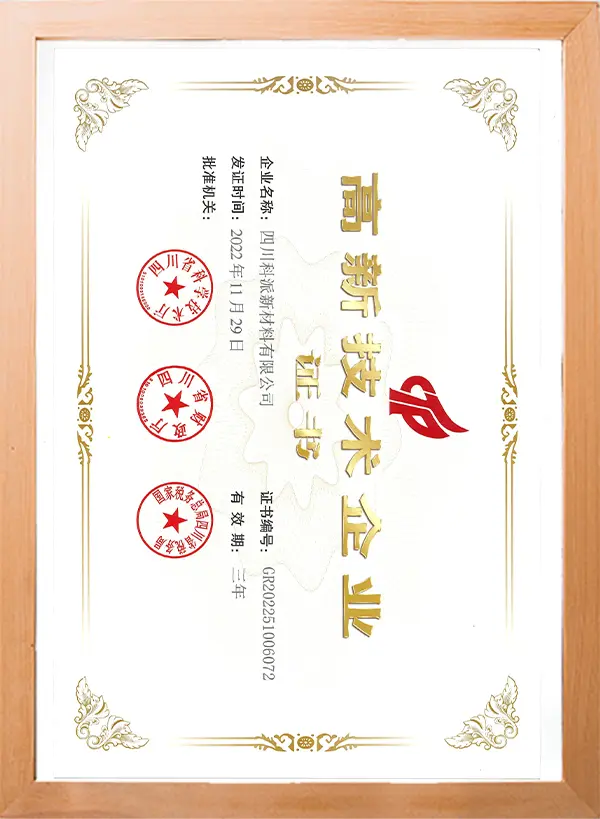
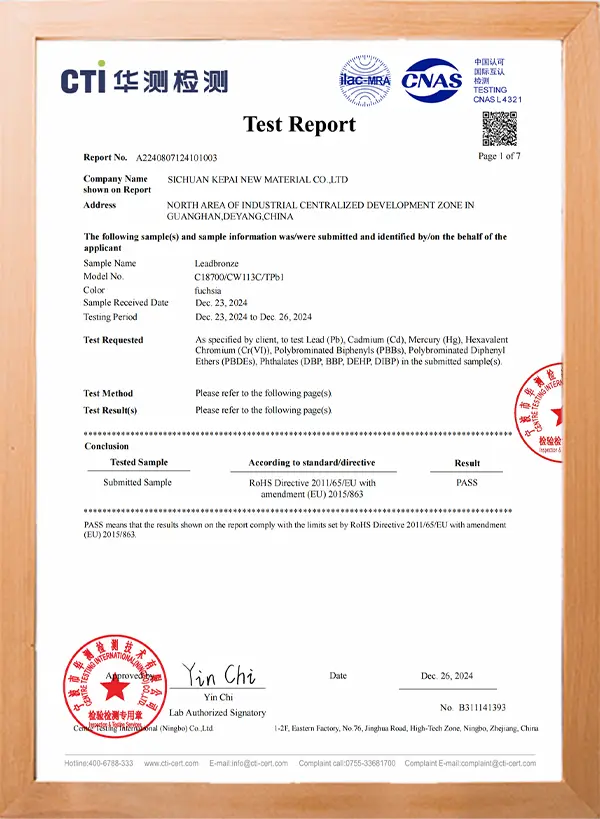
For international sourcing managers, purchasing specialized raw materials like CW118C requires addressing several core challenges: dimensional tolerances, surface quality, chemical homogeneity, and logistical security. At Sichuan Kepai, we address these concerns through structured procurement services:
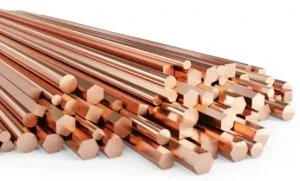
Customizable Dimensions & Tempers: We supply CW118C in a variety of tempers, including Half Hard (H02/H04), Hard (H04), and Annealed (O60), allowing buyers to match raw material ductility exactly to their subsequent manufacturing demands (e.g., deep drawing or extensive bending).
High Straightness Tolerances: Our state-of-the-art cold drawing and straightening machines prevent bending during high-speed feed cycles in Swiss screw machining, reducing operational downtime and preventing damage to delicate lathe tooling.
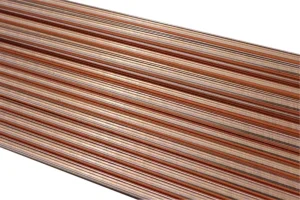
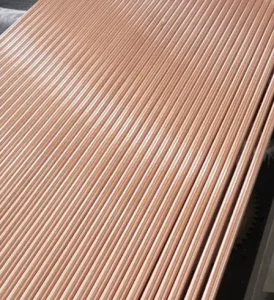
Logistics & Packaging Security: We package all rods, sheets, and tubes in moisture-resistant custom wooden crates to prevent surface oxidation during long-distance maritime transit. This ensures that materials arrive in production-ready condition.
Get answers to the most common inquiries regarding machining parameters, equivalent specifications, and structural application of tellurium copper alloys.
CW118C is the designation defined by European Standard EN 12164/EN 12165. It is equivalent to ASTM C14500 (US standard) and is widely recognized as CuTeP (Copper Tellurium Phosphorus). All these terms represent the same copper alloy modified with tellurium and phosphorus.
Phosphorus (0.003% to 0.012%) acts as a deoxidizing agent. It removes oxygen during the melting stage to prevent hydrogen embrittlement when the copper is exposed to reducing atmospheres at elevated temperatures, ensuring reliable welding and brazing.
Because the copper-telluride particles cause chips to shear off in short, brittle fragments, they do not wrap around the tool. This reduces heat generation and minimizes friction, resulting in up to 4x longer tooling lifetimes compared to pure copper (C11000).
Yes, CW118C has good hot-working properties and can be cold worked, although the tellurium inclusions make it slightly less ductile than pure copper during extreme cold heading. It is widely used in high-speed hot stamping applications under EN 12165 specs.
Standard rods and bars are typically dispatched within 7 to 15 days. For custom profiles, tailored tempers, or non-standard diameters, tooling fabrication and casting usually require 30 to 45 days. Contact our technical team for a detailed timeline.
Yes, all shipments are issued with a comprehensive Mill Test Certificate conforming to EN 10204 3.1. This certificate details the exact chemical composition, electrical conductivity, tensile strength, and hardness values of the shipped batch.
Looking ahead, Sichuan Kepai New Materials Co., Ltd. will continue to uphold its original intention, with even greater enthusiasm and determination, to engage in research and application in the field of new materials, contributing to the development of the new copper alloy materials industry in China and globally. We look forward to working hand in hand with friends from all walks of life to create a brilliant future together!
Explore our full line of specialized copper alloys, including high-strength beryllium copper and free-cutting sulfur copper.

 Kepai
Kepai