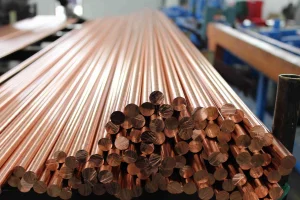
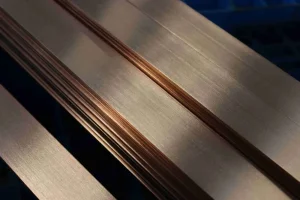
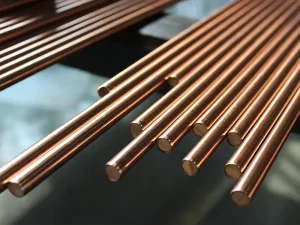
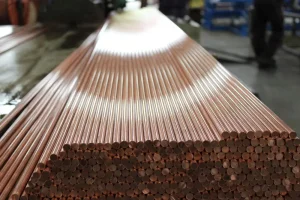
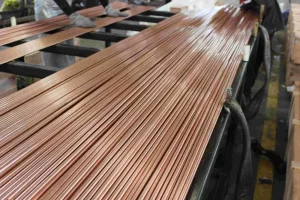
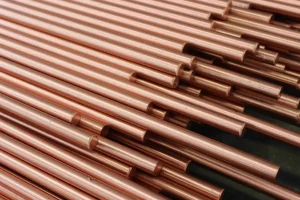
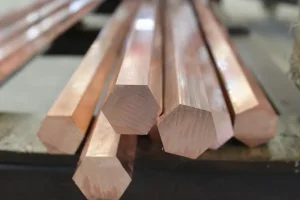
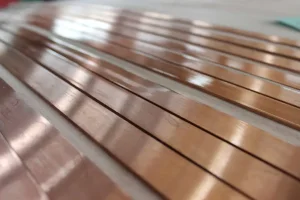
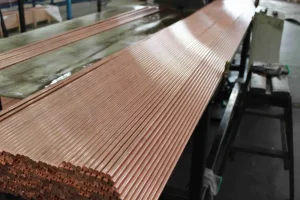
Explore our range of premium copper alloys engineered for complex stamping, deep drawing, and advanced electric conductivity. Click on individual products to view specifications.
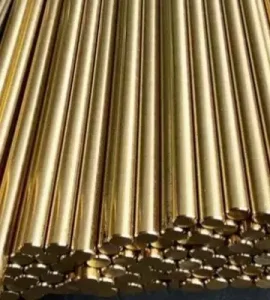
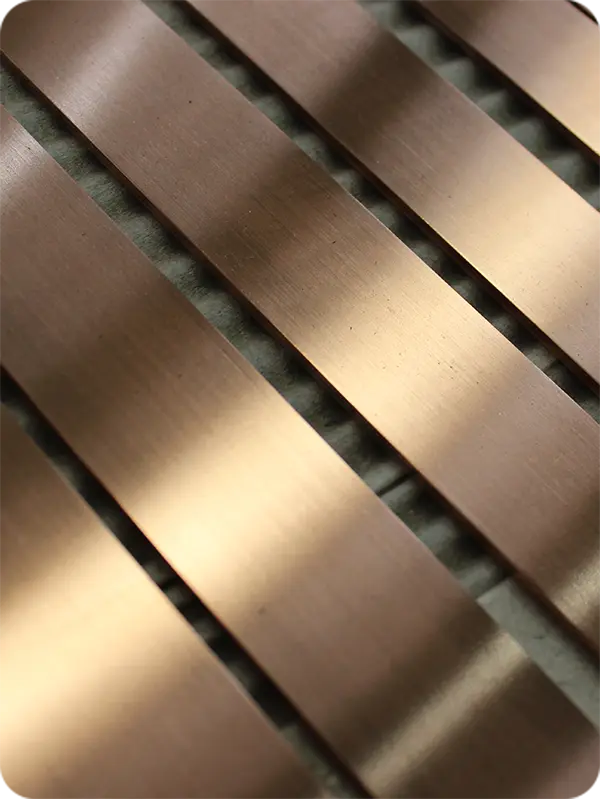
In the modern landscape of high-precision component manufacturing, Deep Drawing Brass represents a foundational material pillar. Deep drawing is an essential sheet-metal forming process where a sheet metal blank is radially drawn into a forming die by the mechanical action of a punch. The transition of raw copper-zinc alloys into intricate 3D hollow shapes—such as ammunition cartridges, electrical connectors, automotive components, and micro-fluidic channels—requires materials with unique ductility and work-hardening profiles.
From a global commercial standpoint, industrial consumerism is shifting toward highly reliable and conductive materials capable of withstanding extreme physical pressures without micro-cracking or yielding to stress corrosion cracking (SCC). Raw brass, particularly alloys such as C26000 (CuZn30 / cartridge brass), represents the golden standard for these applications due to its optimal ratio of 70% copper to 30% zinc. This chemical composition yields a material with a single-phase alpha structure, offering exceptional cold ductility and enabling maximum deep drawing depth without the immediate need for intermediate annealing stages.
As top-tier exporters, advanced manufacturers must manage precise chemical purity, grain-size uniformity (typically controlled between 15 to 30 microns depending on the wall thickness requirements), and surface conditions. The presence of impurities like lead or bismuth must be controlled down to parts-per-million (ppm) levels to avoid hot shortness during the forming processes. We implement advanced vacuum induction melting and continuous vertical casting to achieve zero-defect microstructures.
Rigorous chemical composition monitoring using optical emission spectrometers. Precise balancing of Cu-Zn ratios allows consistent mechanical parameters (anisotropy ratio "r" value and strain hardening exponent "n" value) across different delivery batches.
We calibrate the grain size limits dynamically. A grain size too large causes an undesired "orange peel" surface defect upon deformation, while a grain size too small yields elevated yield strength, raising press load requirements.
By applying special cross-rolling and thermo-mechanical treatment plans, we minimize directional variations (earing tendencies) during drawing. This leads to reduced metal scrap trim rates, raising productivity up to 15%.
The metal forming industry is undergoing a digital and ecological transition. With the rise of electrification, the demand for precision brass components has surged in areas that were historically reliant on plastic housings or basic steel pressings. Deep drawing brass provides three major benefits: superior thermal/electrical conductivity, native antimicrobial performance, and unmatched corrosion resistance.
Currently, the industry roadmap points towards Green Metallurgy and Micro-Deep Drawing (μDD). In the electronics sector, components are shrinking rapidly. Drawing a brass cup with a wall thickness of under 100 microns requires a profound understanding of size effects, where individual grains dictate the entire mechanical property of the part.
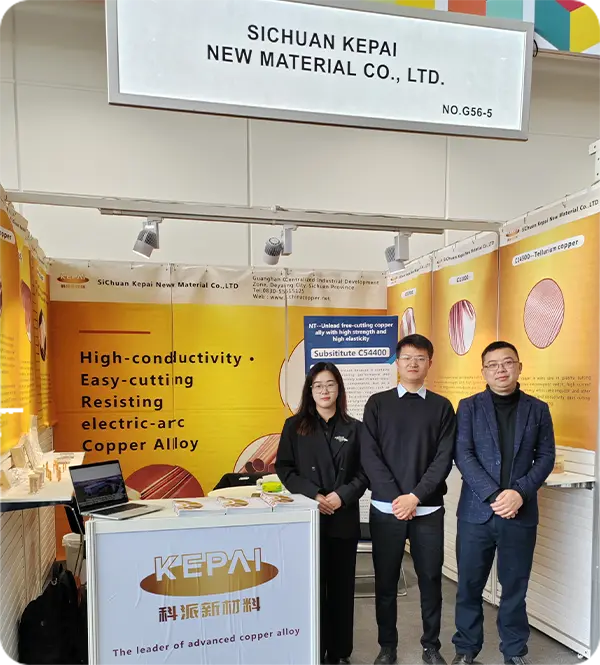
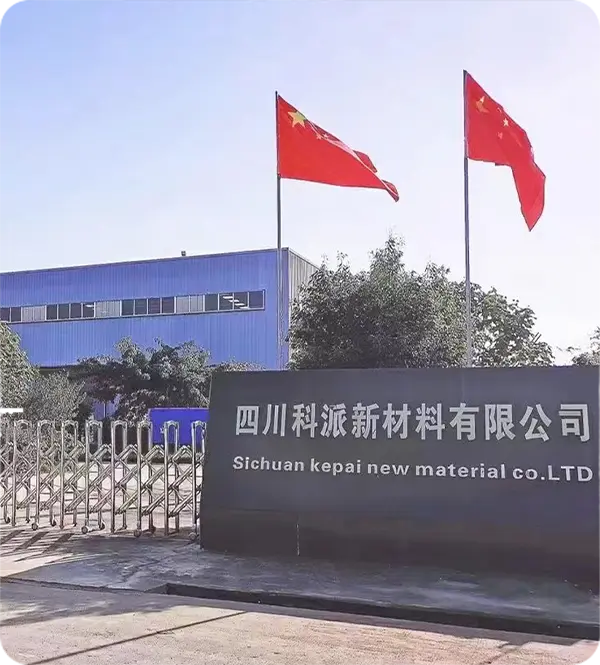
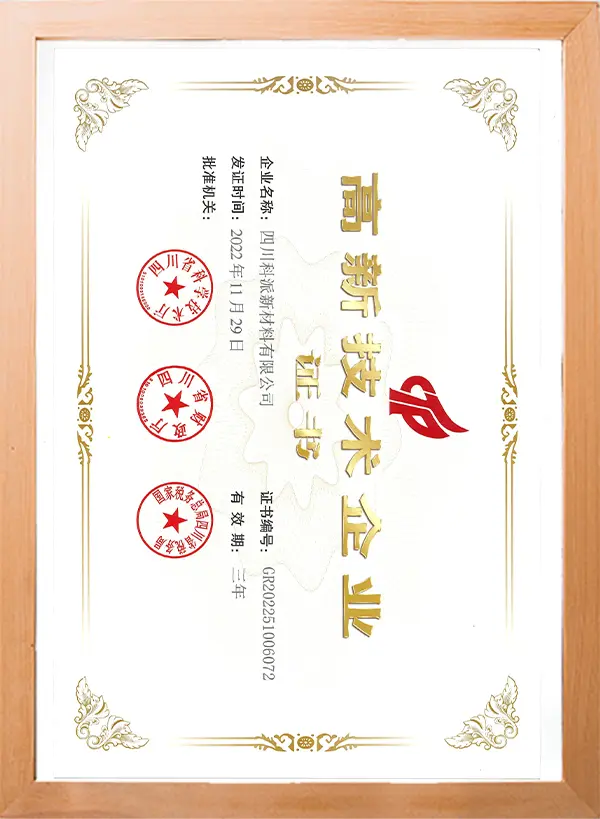
Established in 2017, Sichuan Kepai New Materials Co., Ltd. is a high-tech enterprise integrating research and development, production, and sales. Currently, our state-of-the-art facility covers an area of approximately 9,000 square meters, complemented by a modern administrative office space of about 1,000 square meters.
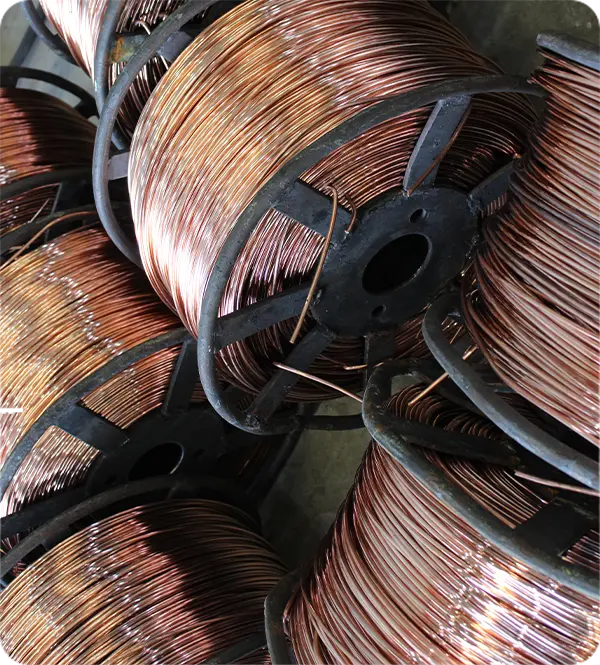
The company primarily focuses on the production of strategic emerging new materials, including special copper alloys such as tellurium copper, high-conductivity oxygen-free copper, silver copper, and dispersion copper. We are deeply committed to the research and development of high-conductivity, easy-to-machine, and high-strength copper alloys.
Our products are applied in advanced industries such as new energy vehicles (NEVs), 5G telecommunications, laser cutting technology, and lithium battery relays. Situated in the western area of the Sichuan Guanghan Industrial Development Zone adjacent to National Highway 108, our superior geographical location and convenient transport networks establish a solid foundation for rapid enterprise growth.
Sichuan Kepai relies on a seasoned team of metallurgical experts who continuously explore the limits of copper alloy parameters. Through a combination of independent R&D and industry-university-research partnerships, we have achieved breakthroughs in oxygen-free high-conductivity tellurium copper, lead bronze, and sulfur copper alloys.
Our catalog ranges from pure copper types to complex customized alloys, including oxygen-free high-conductivity tellurium copper, nickel-tellurium copper, tin bronze, beryllium copper, lead bronze, and chromium-zirconium copper, engineered to reduce production costs.
Rooted in Sichuan, radiating nationwide, and serving global clients, Kepai has built long-term commercial relationships with leading enterprises across North America, Europe, and East Asia, constantly strengthening our brand influence internationally.
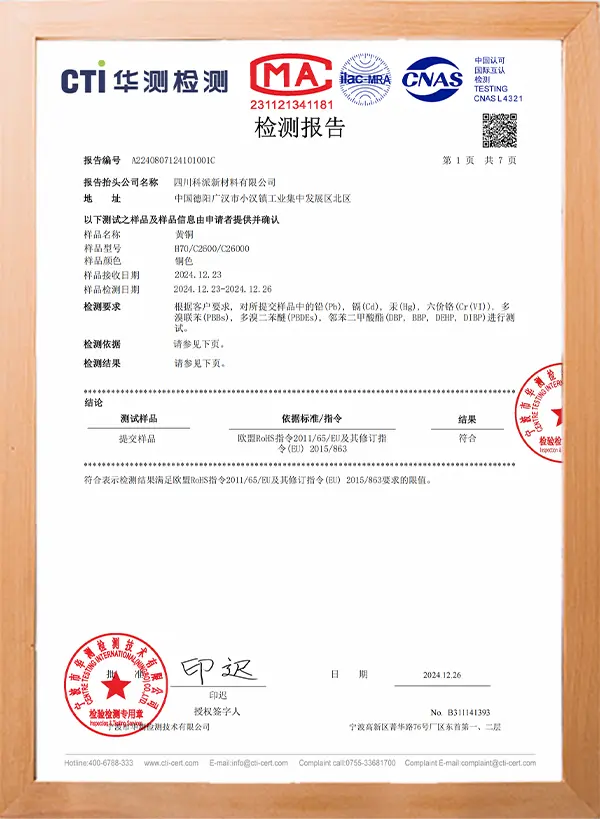
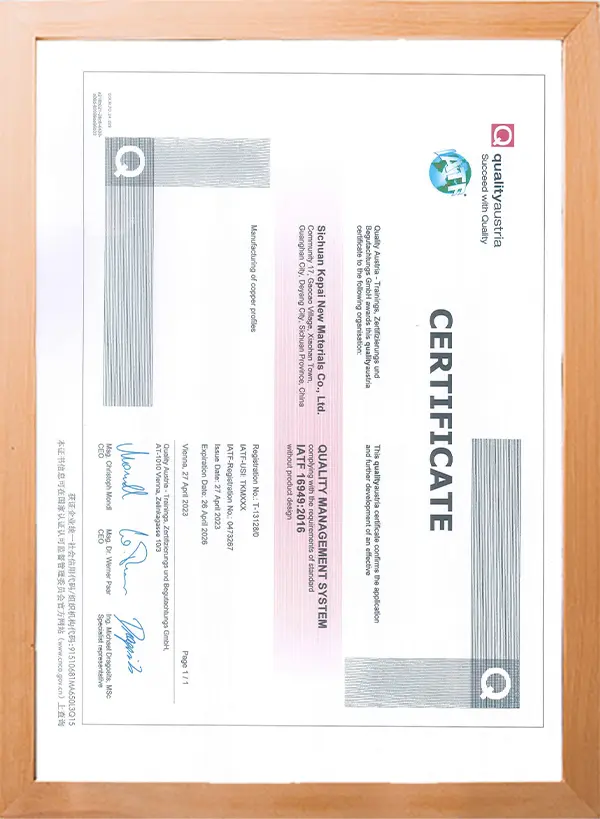
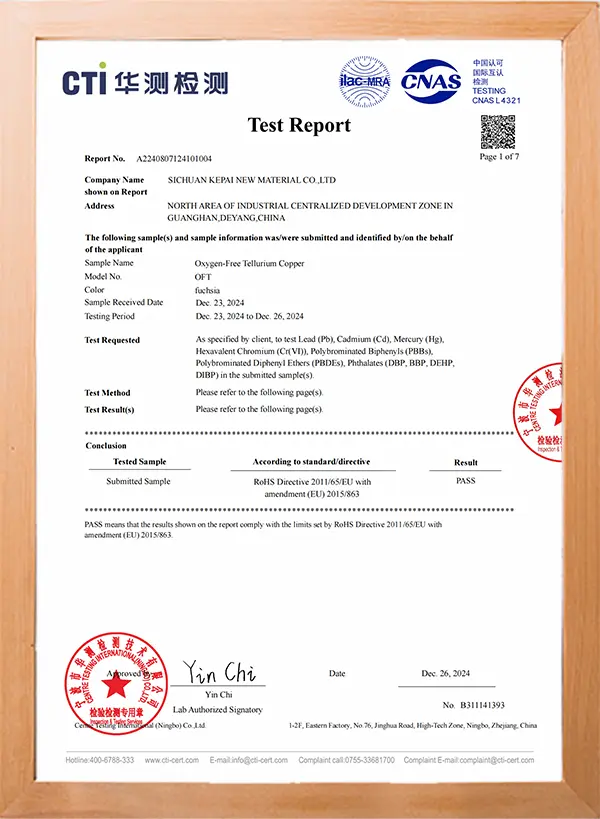
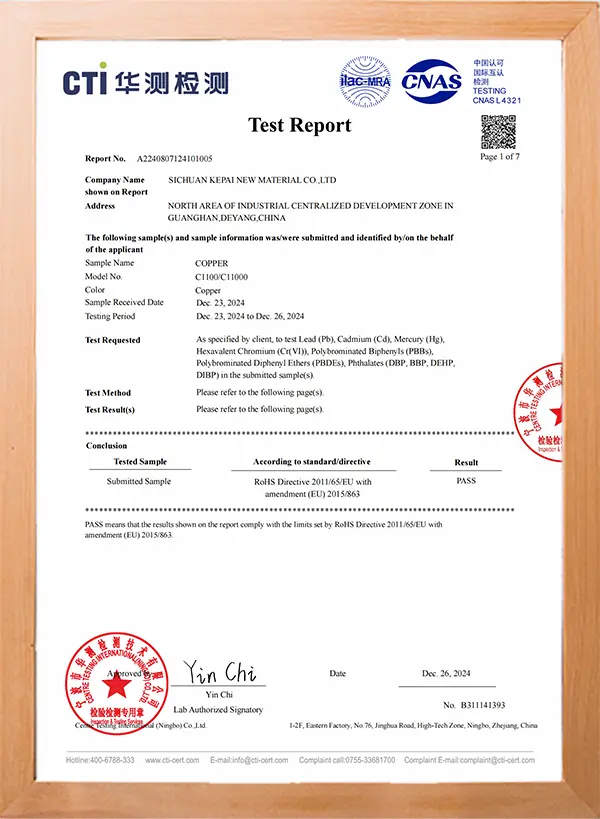
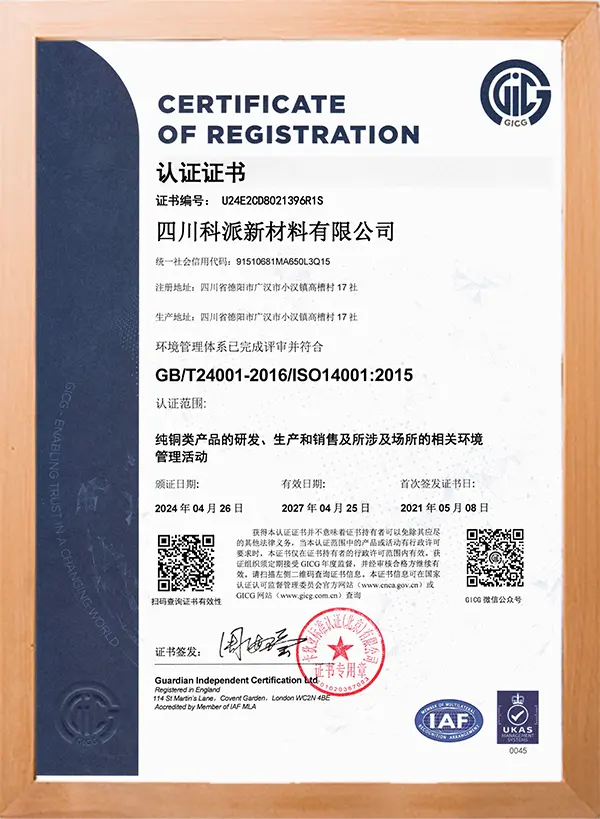
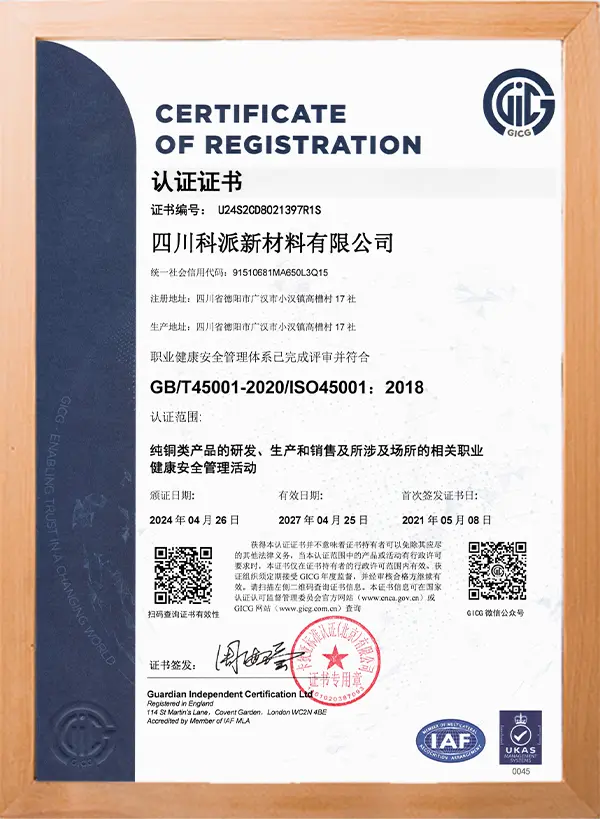
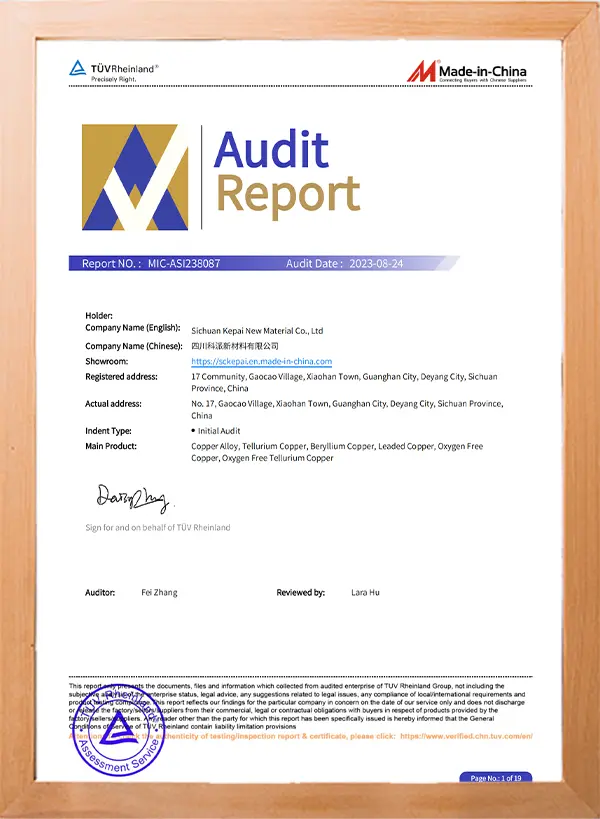
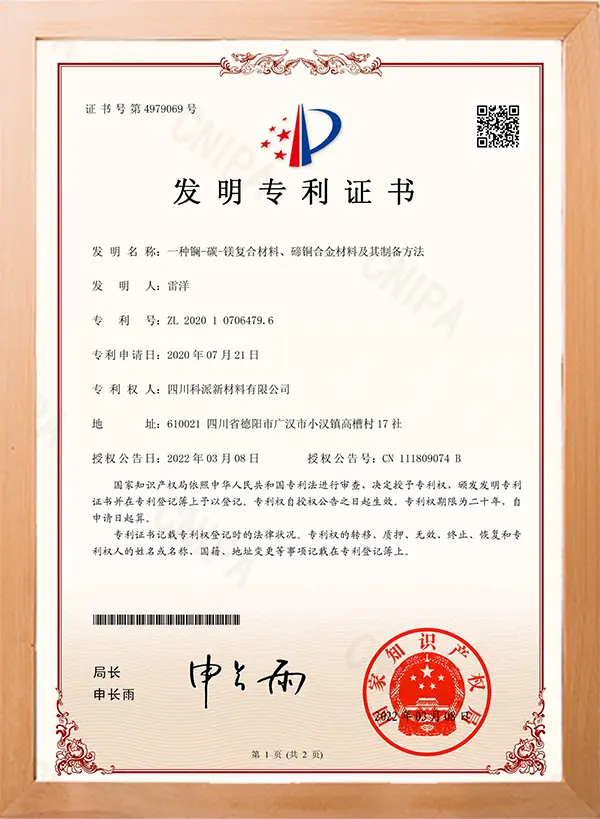
Our manufacturing operations adhere strictly to international quality standard procedures. Below are the verified certifications and test report documents earned by Sichuan Kepai New Materials.
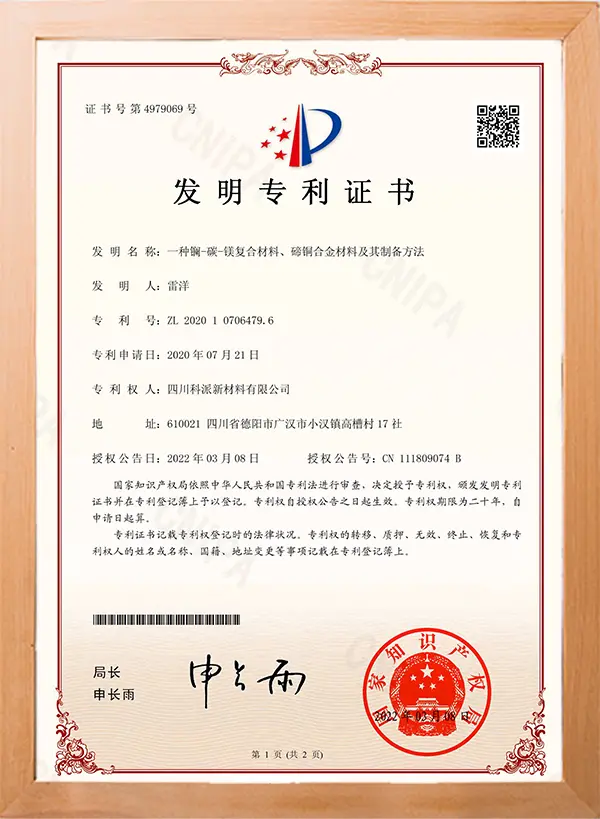
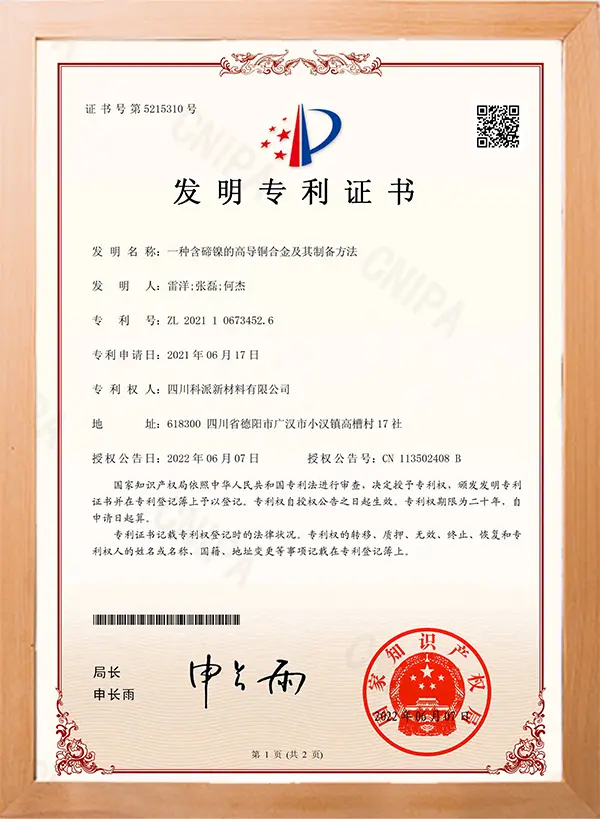
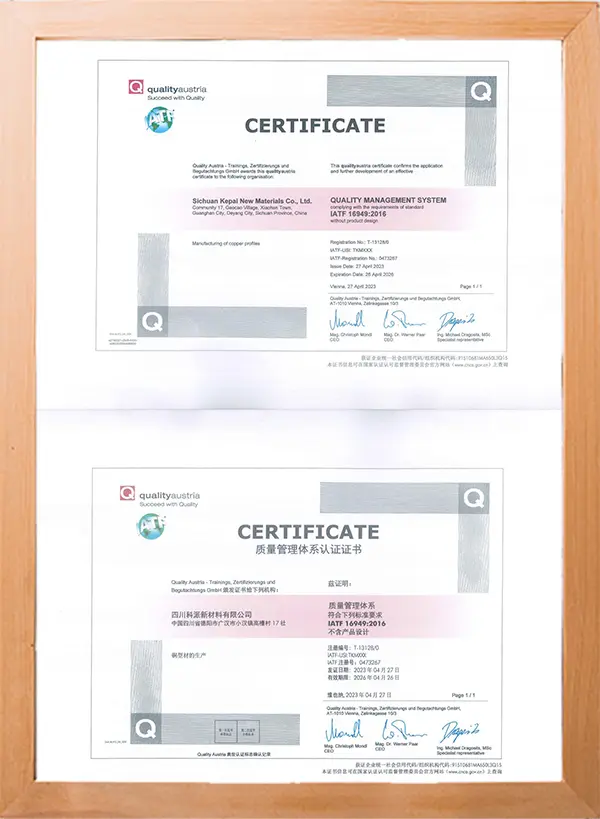
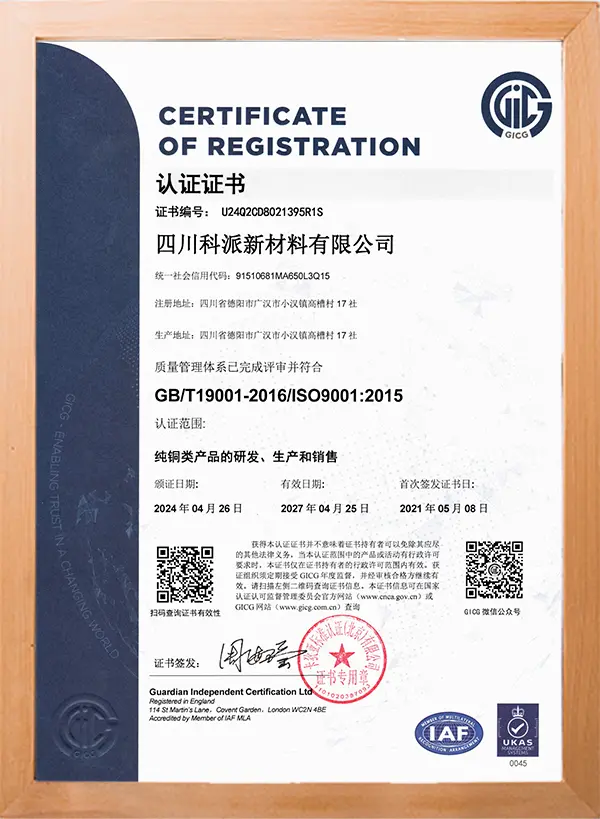
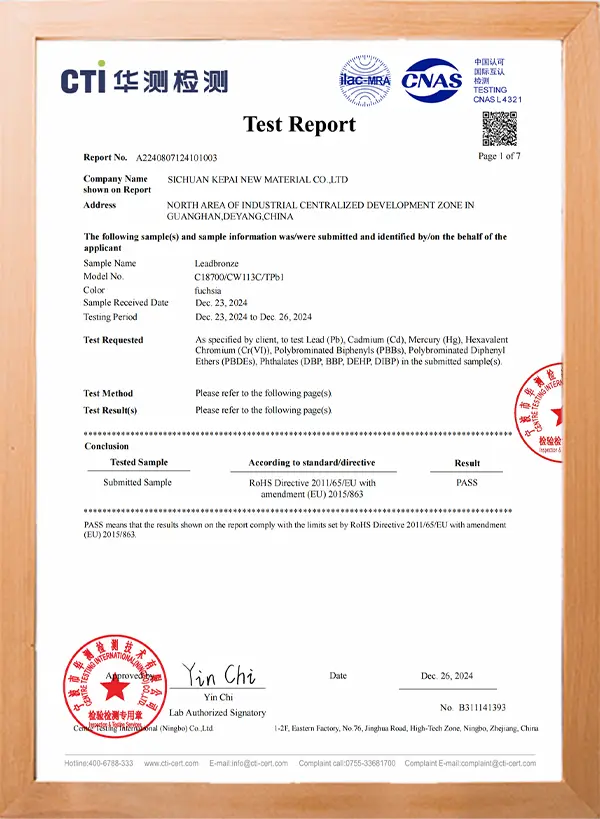
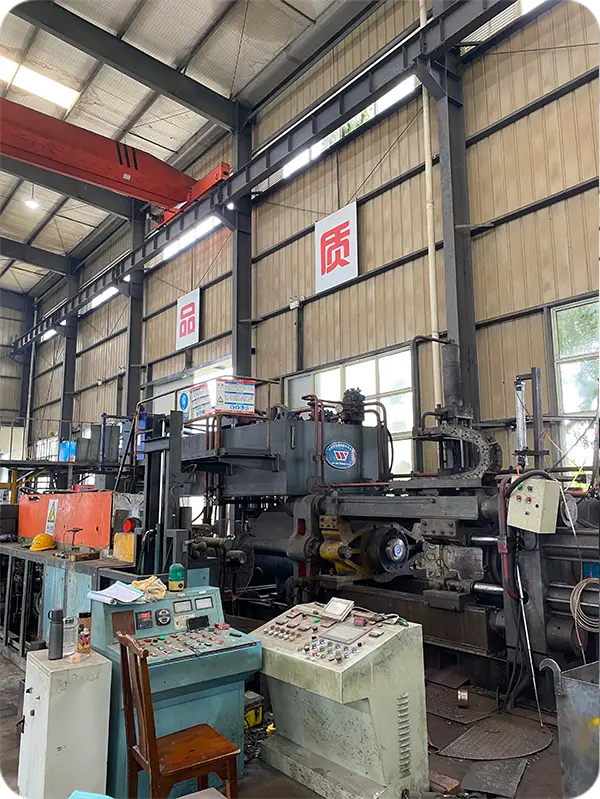
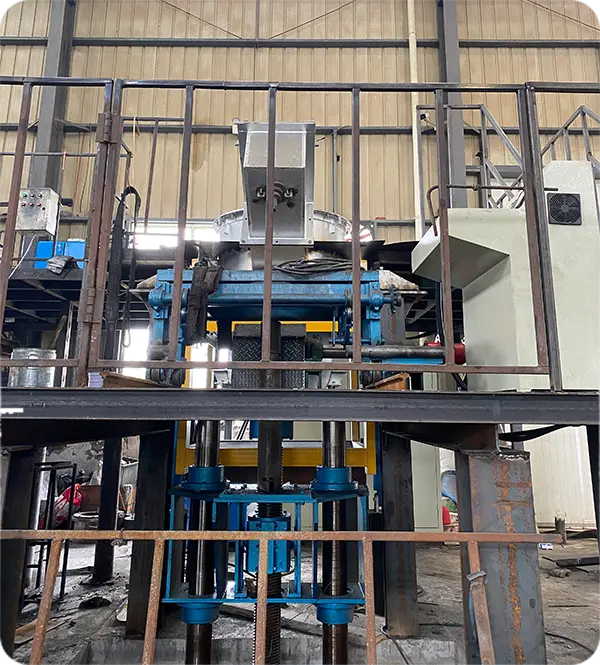
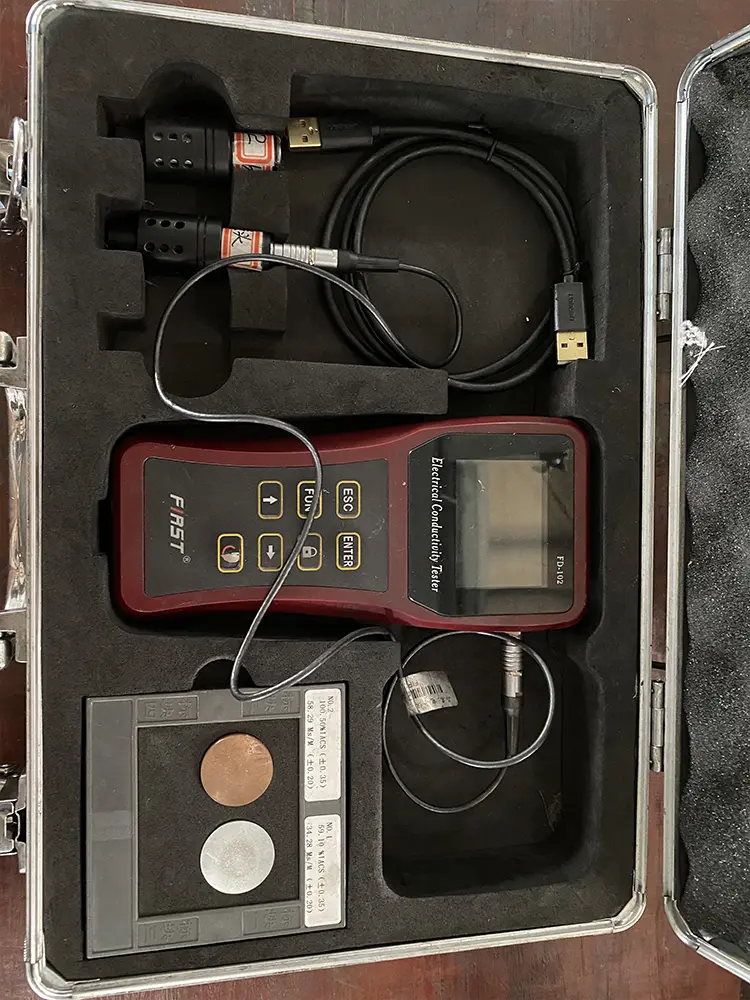
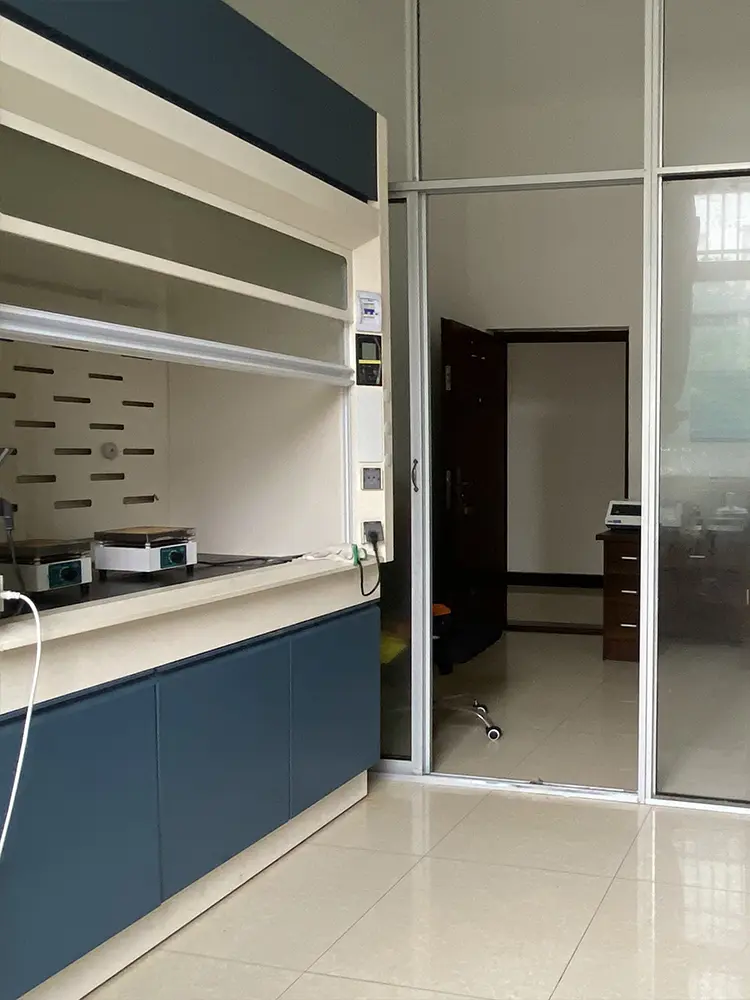
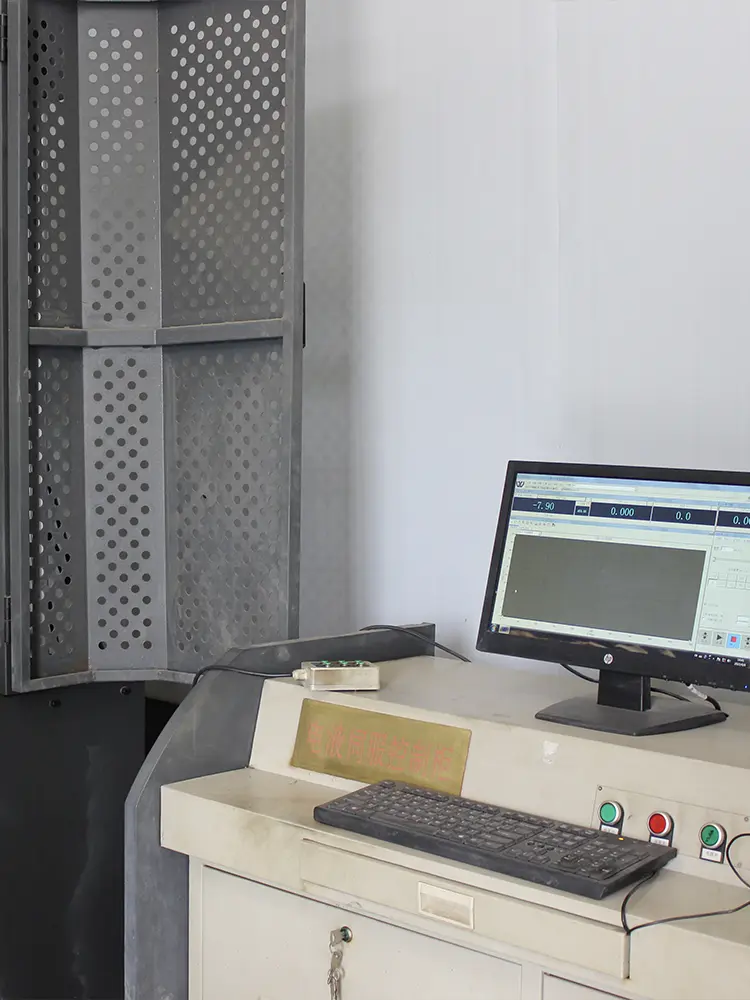
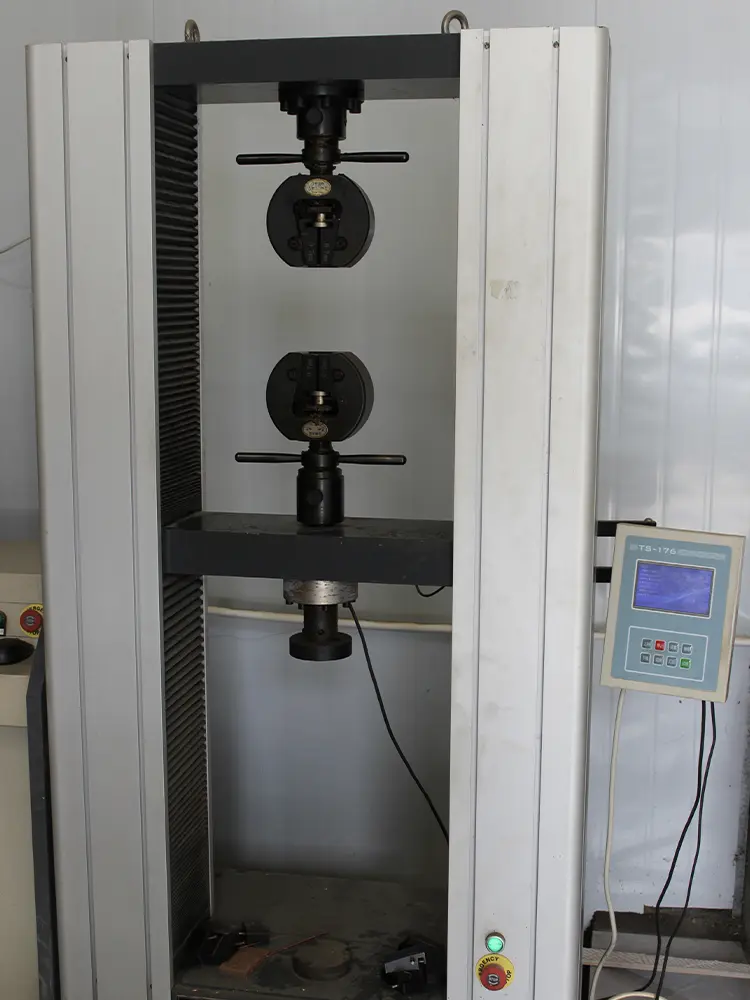
Precision begins with quality tools. We implement high-end testing labs and extrusion equipment to guarantee excellent physical properties and structural stability across our entire production process.
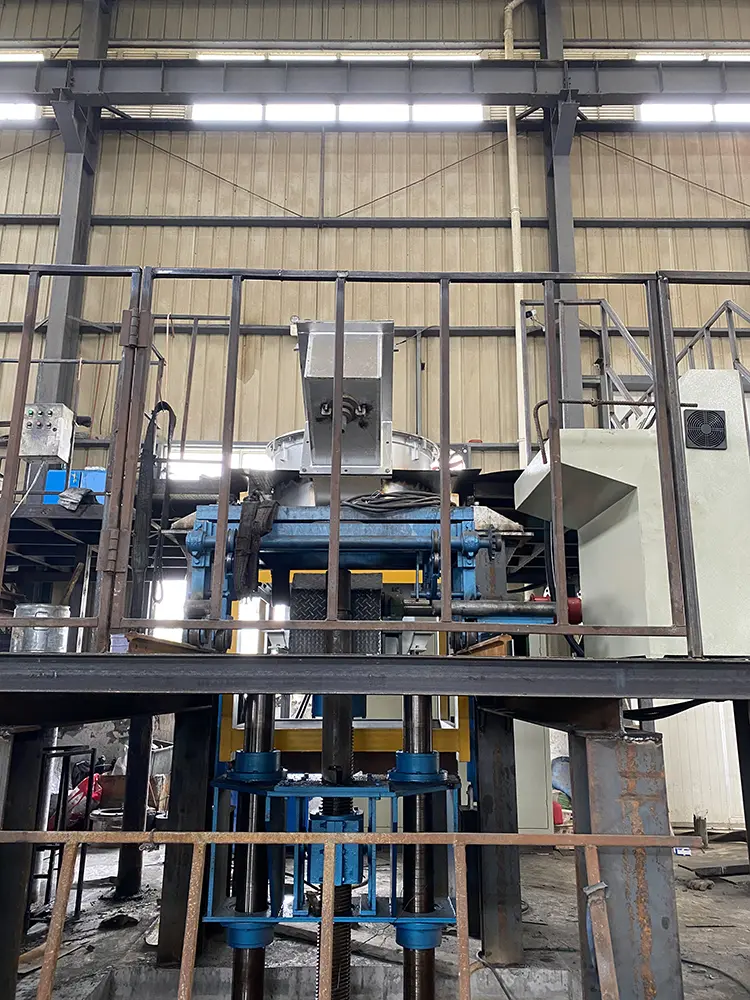
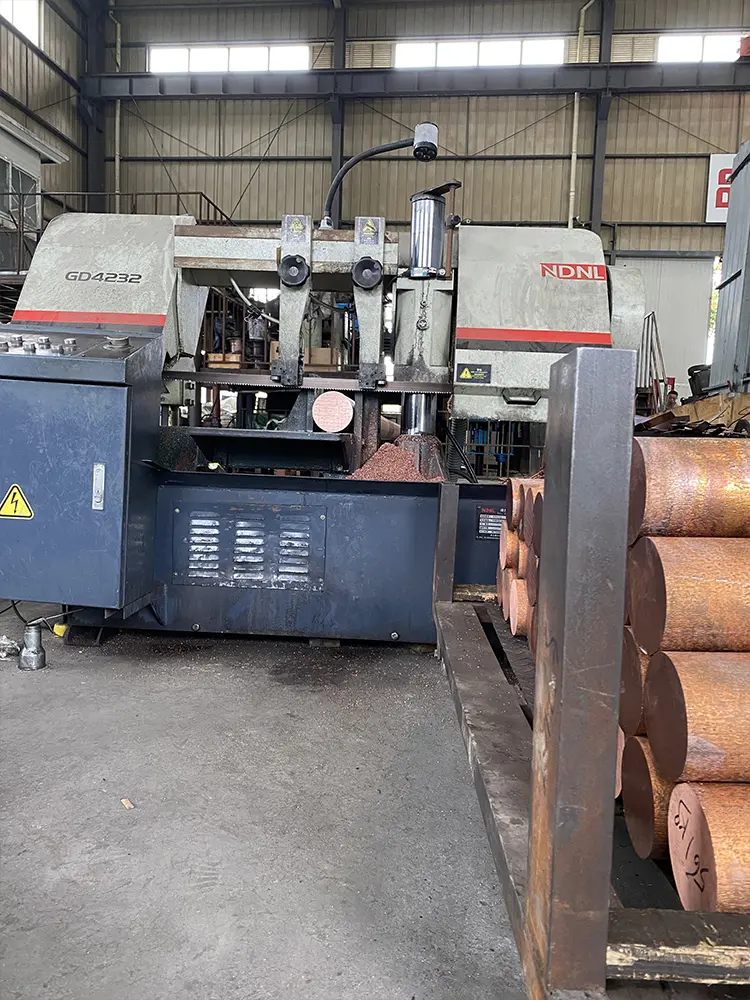
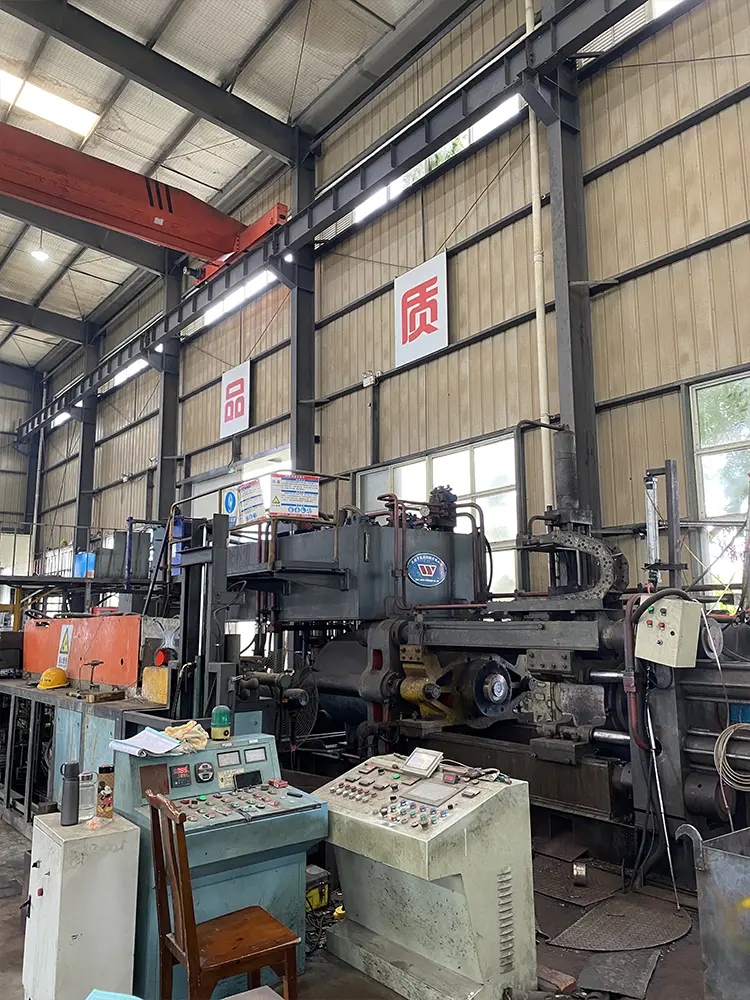
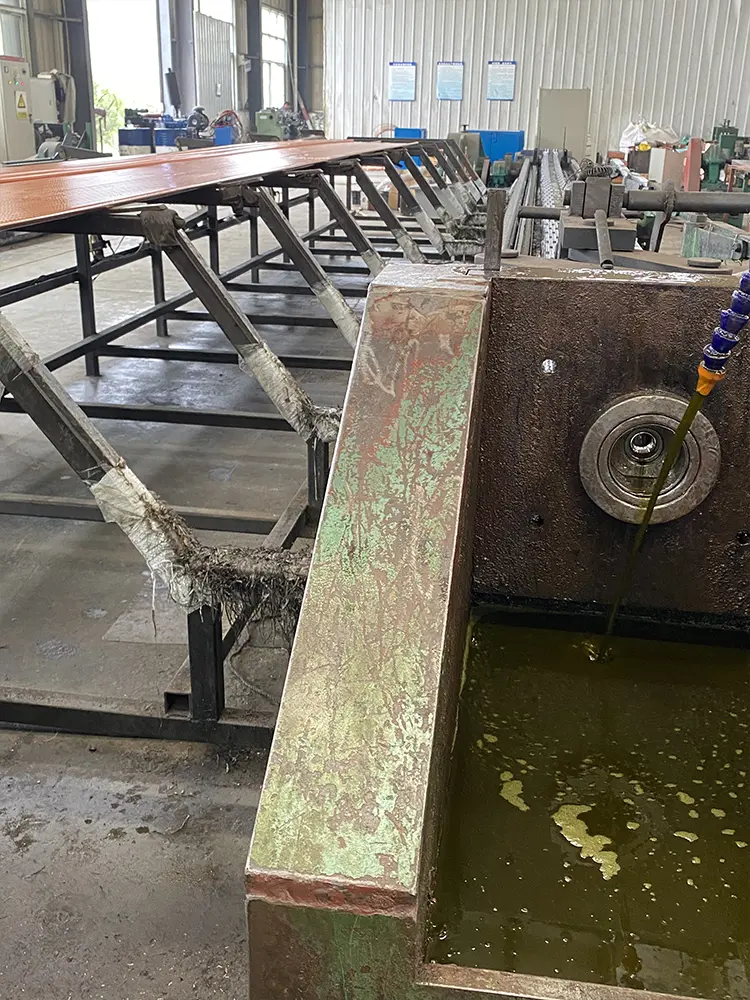
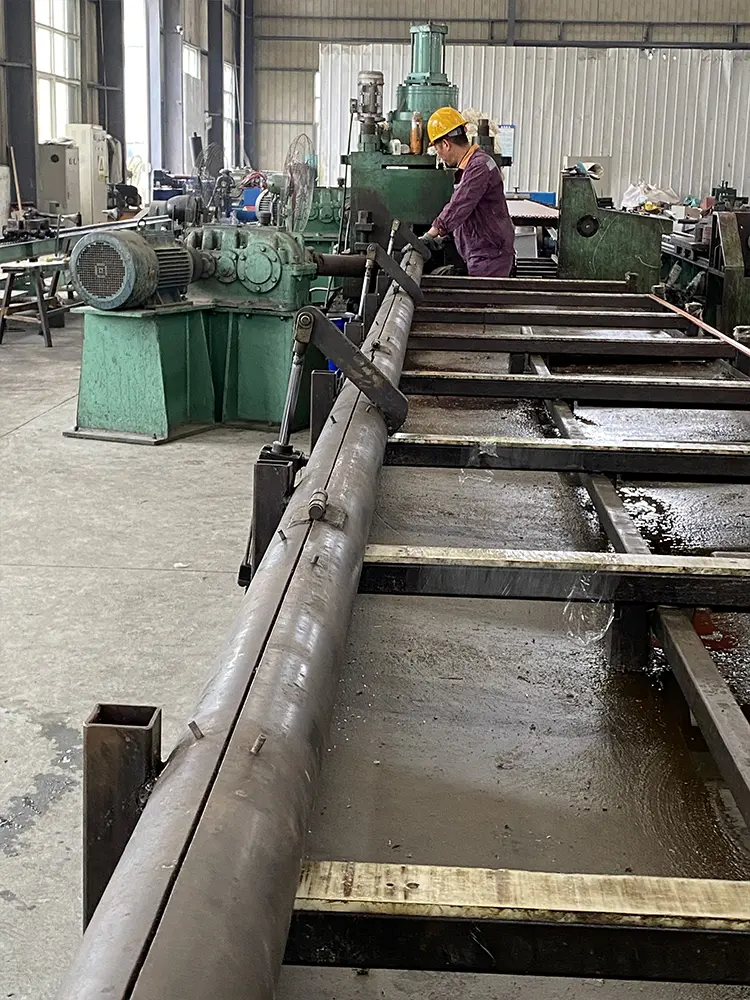
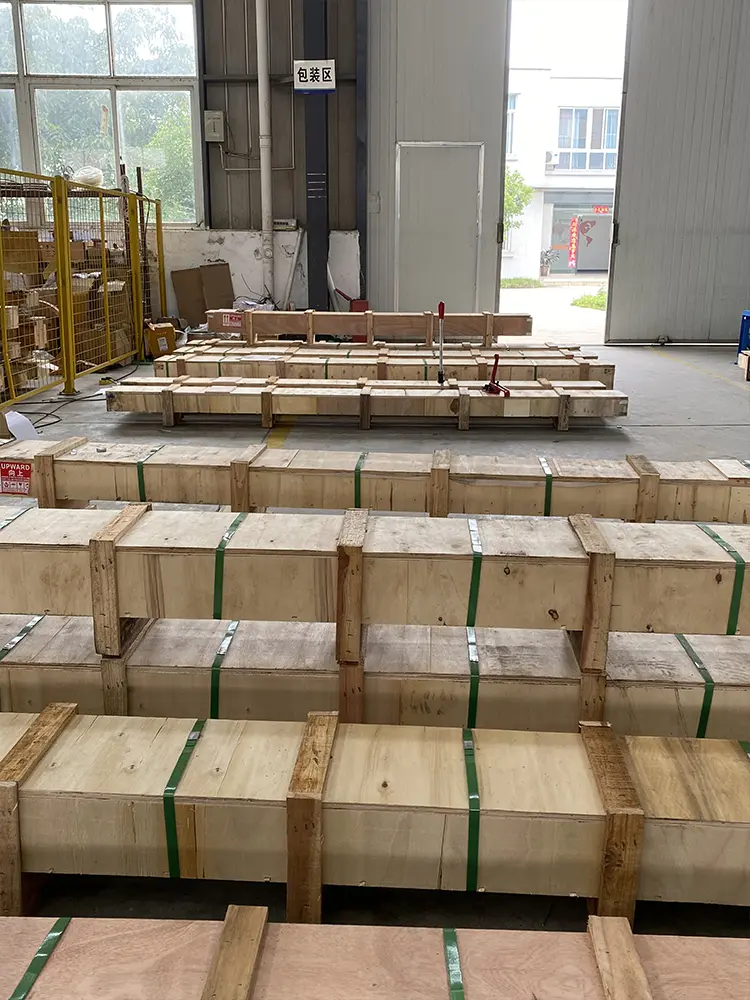

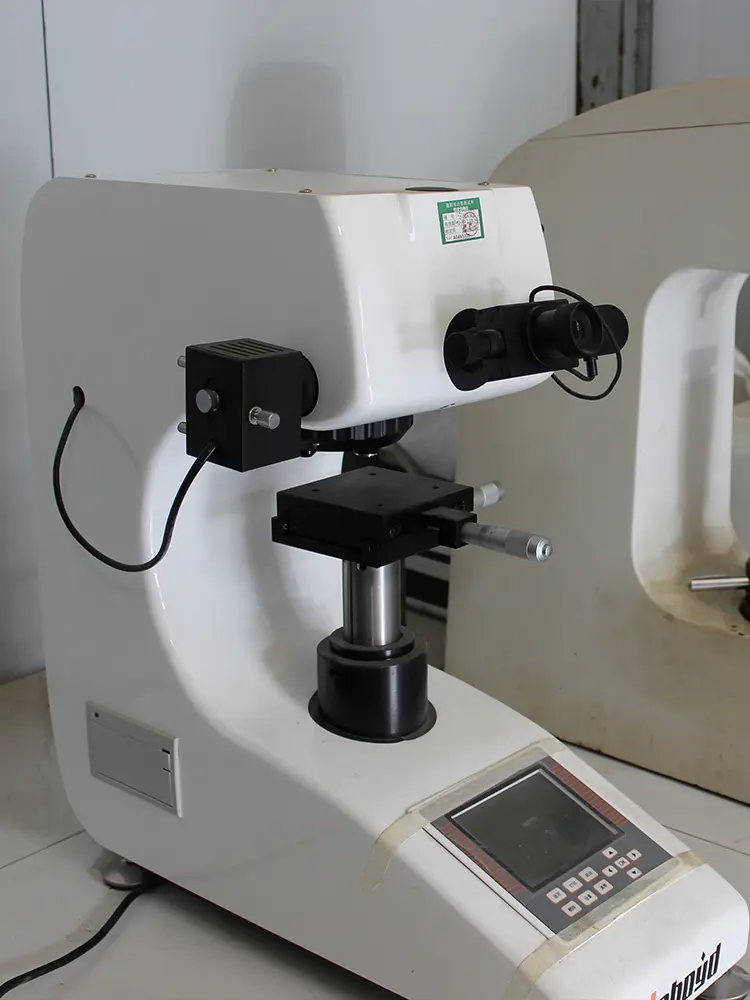
Sichuan Kepai provides holistic solutions that match alloy chemistry to down-stream application processes. The deep drawing of brass is rarely a standalone production step. It is normally integrated into dynamic stamping lines operating at speeds upwards of 300 strokes per minute. Lubrication compatibility, structural stress recovery parameters, and surface finish values must be matched with exact precision.
Designing customized, thin-walled battery cell terminal caps and busbars. By using specialized C26000 and C26800 variants with custom grain borders, we prevent post-forming stress-corrosion issues, ensuring structural durability in EV powertrains.
High-frequency signal shields require extremely thin walls and flat geometry. Our premium copper-nickel-beryllium and tellurium-copper materials support complex forming limits without dimensional springback issues.
Providing stress-free deep drawing cups for hydraulic valves and domestic water management systems. We ensure full compliance with international Lead-Free mandates while preserving ductility and cold-forming limits.
Browse our extended catalog of wear-resistant and highly conductive alloys, engineered to deliver outstanding reliability in demanding operating environments.
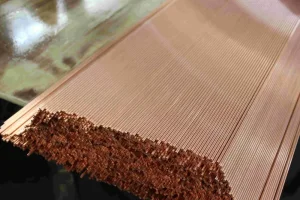
Looking ahead, Sichuan Kepai New Materials Co., Ltd. will continue to uphold its original intention with determination to engage in research and application in the field of new materials. We look forward to working hand in hand with global partners to create a brilliant future together!
 Kepai
Kepai