Engineered for extreme performance in electrical conduction and thermal dissipation. Explore our primary collection of high-purity copper alloys designed for aerospace, automotive, 5G networking, and semiconductor applications.

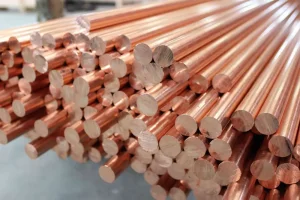
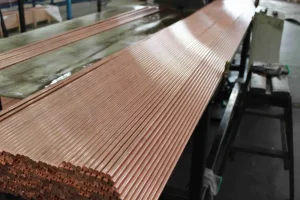
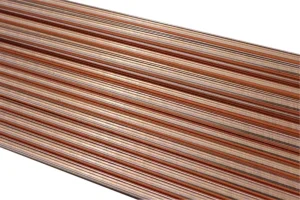
In modern electrical engineering, power distribution, and electronics cooling, the demand for metals exhibiting both ultra-high electrical conductivity and robust mechanical properties has escalated. Traditionally, pure copper (C11000) has set the benchmark for conductivity with a rating of 101% IACS (International Annealed Copper Standard). However, raw copper lacks the necessary yield strength, hardness, and wear resistance required for high-stress industrial applications. This necessitates the introduction of alloying elements. In this whitepaper, Sichuan Kepai New Material Co., Ltd. presents the metallurgical principles governing the balance between high conductivity and mechanical strength, highlighting how our processing methods overcome the limitations of traditional materials.
Electrical and thermal conduction in copper is governed by the movement of free electrons. According to the Wiedemann-Franz Law, the ratio of the thermal conductivity (κ) to the electrical conductivity (σ) is proportional to the absolute temperature (T) multiplied by the Lorenz number (L): κ / σ = L * T. In practice, this means that any alteration to the crystal lattice that restricts electron flow will simultaneously reduce both electrical and thermal performance.
When alloying elements such as Beryllium, Zirconium, Tellurium, or Chromium are introduced to copper, they dissolve in the matrix, creating solid solutions. These foreign atoms cause local distortions in the copper lattice, acting as scattering sites for conducting electrons. This phenomenon, known as electron scattering, increases electrical resistivity. To combat this, Sichuan Kepai utilizes precise precipitation hardening and micro-alloying techniques. By controlling the heat treatment processes, we cause the solute elements to precipitate out of the solid solution as discrete, secondary-phase intermetallic compounds. This clears the primary copper matrix of dissolved impurities, restoring its electrical conductivity while the precipitates act as barriers to dislocation movement, substantially increasing mechanical strength.
For high-volume precision-turned parts, such as plasma cutting nozzles and electrical connector pins, pure copper is notoriously difficult to machine due to its high ductility, which leads to long, stringy chips and rapid tool wear. To address this, free-machining alloys are utilized:
Sichuan Kepai New Materials Co., Ltd., established in 2017, is a high-tech enterprise integrating research and development, production, and sales. We manufacture strategic emerging materials tailored for high-conductivity, easy-to-machine, and high-strength applications.
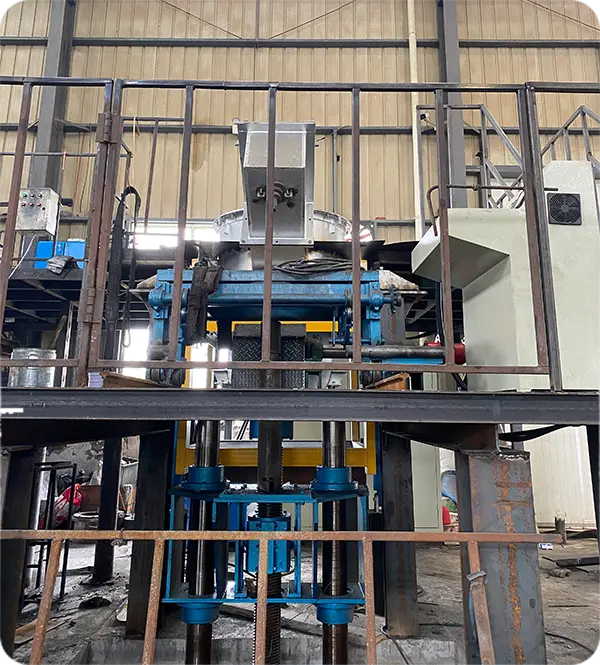
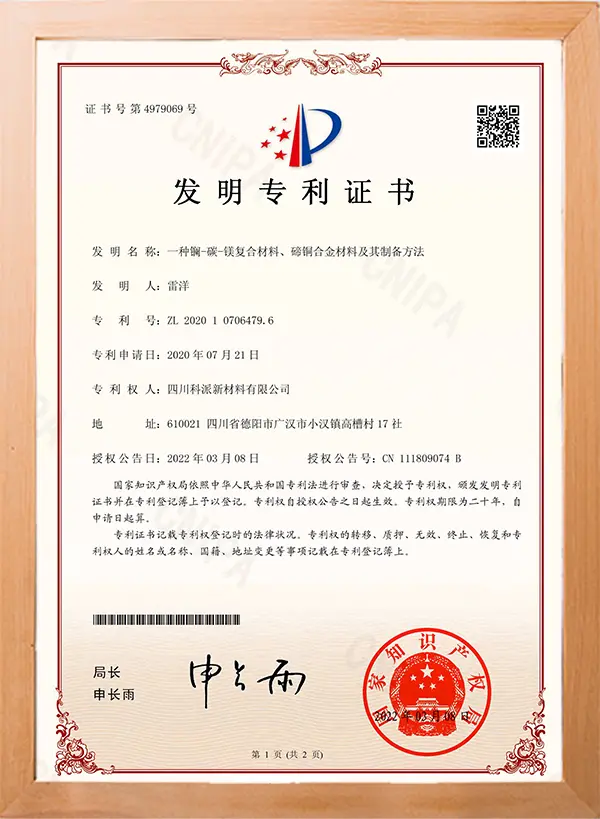
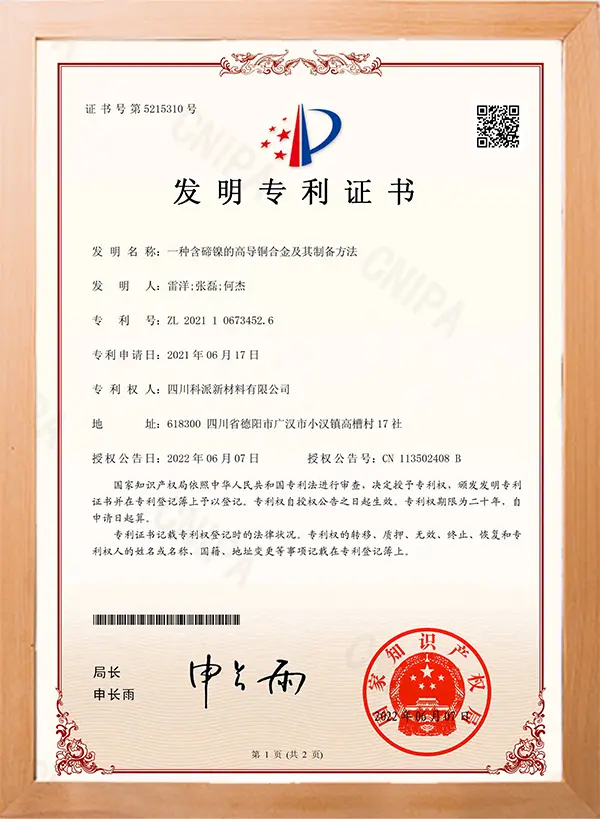
Technological innovation is the core competitiveness of Sichuan Kepai New Materials Co., Ltd. The company has a research and development and production team composed of senior industry experts who keep pace with international cutting-edge technology trends and continuously explore the unknown boundaries in the field of new copper alloy materials. Through a combination of independent research and development and industry-university-research collaboration, Kepai has made breakthrough progress in several areas, including high-performance tellurium copper, lead copper, and sulfur copper.
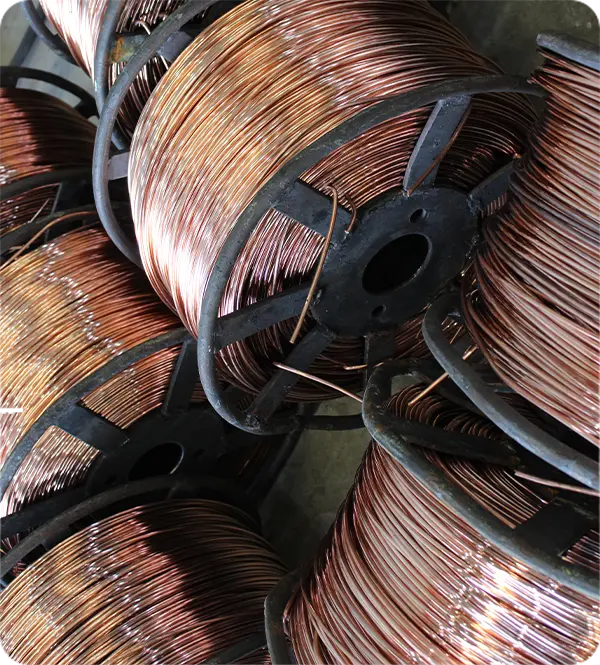
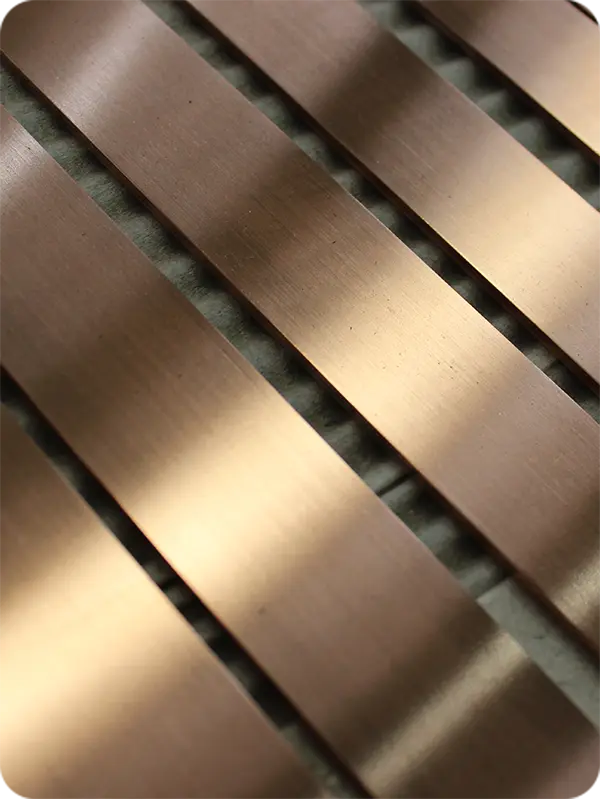
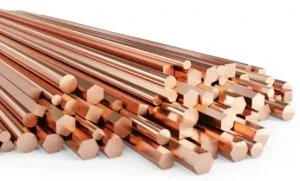
Kepai's product line is rich and diverse, covering a comprehensive range of solutions from basic materials to high-end customization. We focus on providing customers with high-performance, high-quality high-end copper alloy products, including but not limited to pure copper, oxygen-free copper, oxygen-free high-conductivity tellurium copper, nickel tellurium copper, tin bronze, beryllium copper, lead bronze, sulfur copper, and chromium zirconium copper.

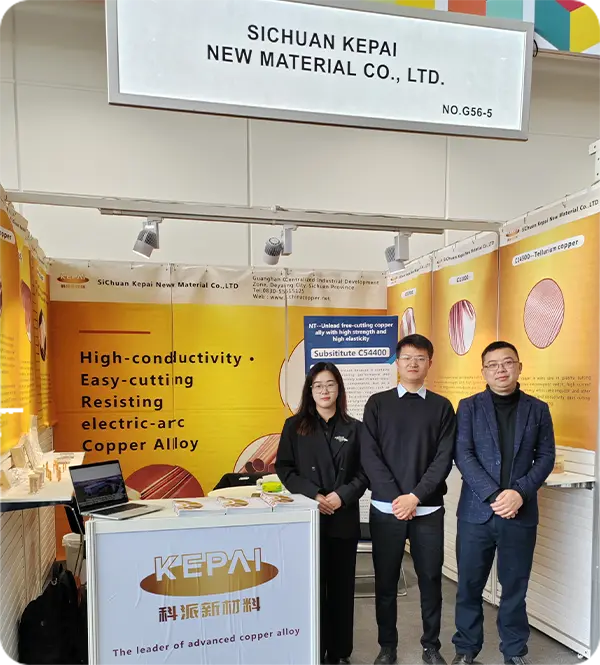
In the face of global market competition, Sichuan Kepai New Materials adheres to the development strategy of "rooted in Sichuan, radiating nationwide, and moving towards the world." By continuously optimizing market layout and improving the sales network, we have established a stable customer base in multiple provinces and cities across the country and have formed long-term cooperative relationships with several internationally renowned enterprises.
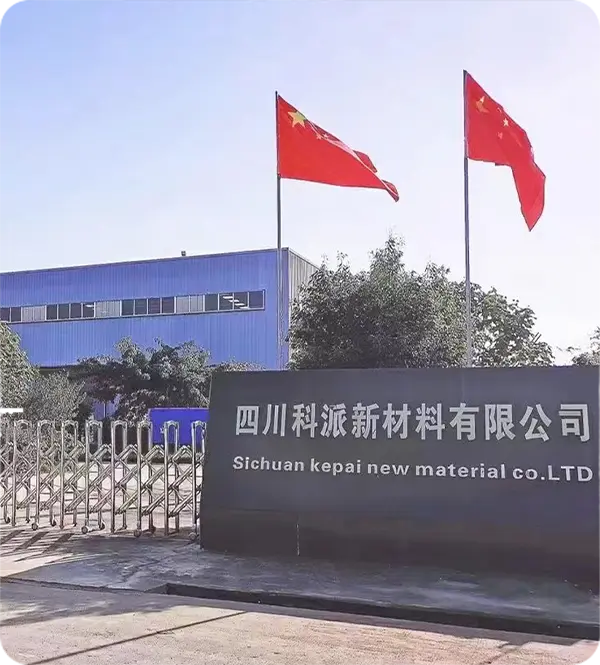

We understand that the long-term development of an enterprise is inseparable from an excellent corporate culture. We advocate the corporate spirit of "integrity, innovation, collaboration, and win-win," encouraging employees to explore boldly and innovate courageously, while also emphasizing teamwork and talent cultivation, striving to create a harmonious, open, and inclusive work atmosphere.
Sichuan Kepai’s technology roadmap focuses on developing materials with higher thermal performance, lower environmental impact, and improved processing properties to support next-generation power electronics and thermal management applications.
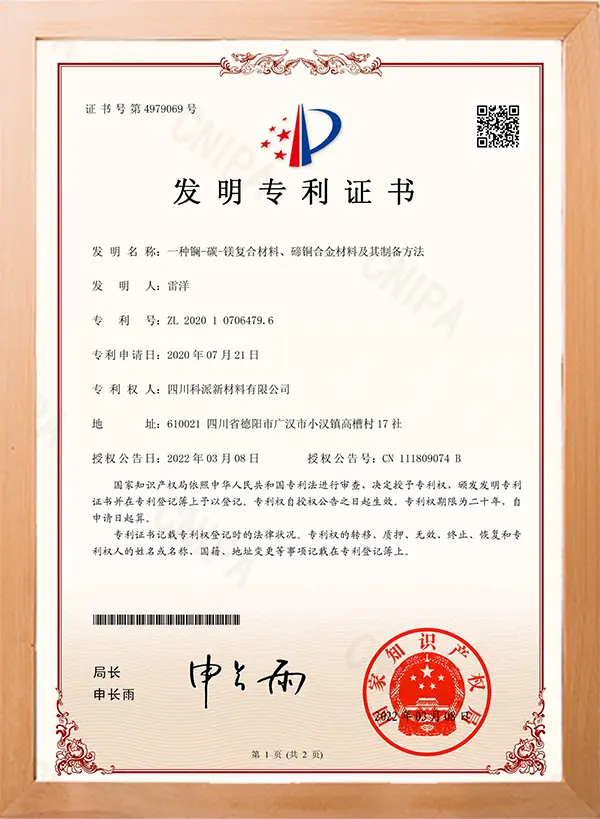
To overcome the limits of traditional copper alloys, our R&D team is investigating the integration of carbon-based nanomaterials, specifically graphene, into copper matrices. Graphene exhibits high intrinsic thermal and electrical conductivity. By co-depositing graphene into a copper matrix through electro-forming or powder metallurgy, we aim to produce structural composites that exceed the conductivity of pure copper while offering high mechanical strength and thermal stability. This technology is designed to support high-density semiconductor power electronics and aerospace components.
Environmental standards such as RoHS and REACH are driving the replacement of leaded copper alloys, such as C36000. While lead enhances machinability, its toxicity poses health and environmental risks. Kepai's research focuses on Tellurium (Te) and Sulfur (S) as alternative chip-breaking agents. We are developing multi-component formulations, such as Nickel-Tellurium-Copper, which offer high strength, improved corrosion resistance, and high electrical conductivity, serving as clean alternatives for global markets.
The growth of 3D printing in aerospace and automotive manufacturing requires specialized metal powders. High-conductivity copper alloys are historically difficult to print due to their high thermal reflectivity and dissipation rates. Kepai is developing spherical copper-alloy powders with controlled particle size distributions to optimize laser absorption during Selective Laser Melting (SLM). This research aims to enable the manufacturing of complex cooling channels and bespoke electrical inductors with high structural density.
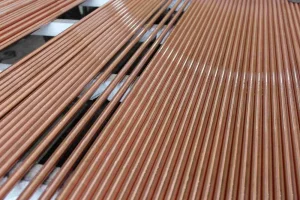
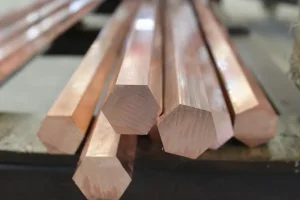
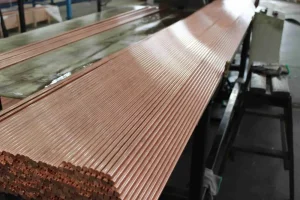
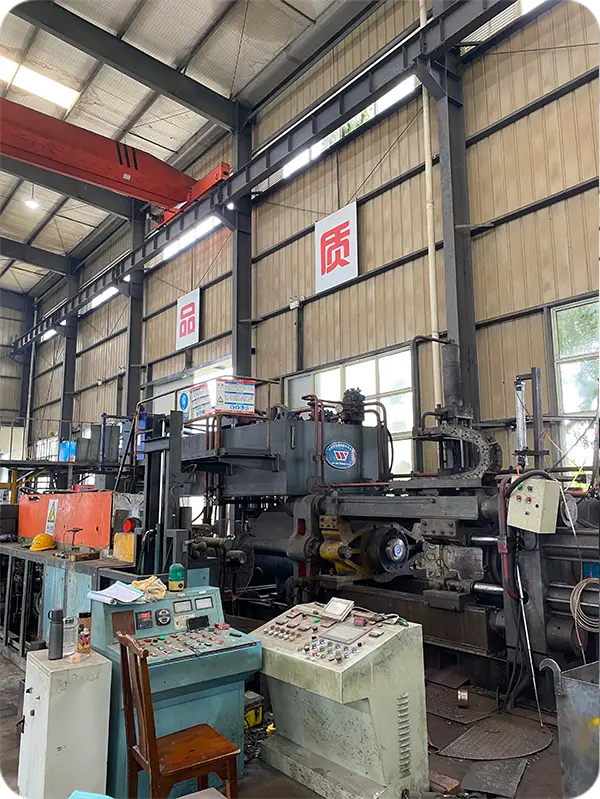
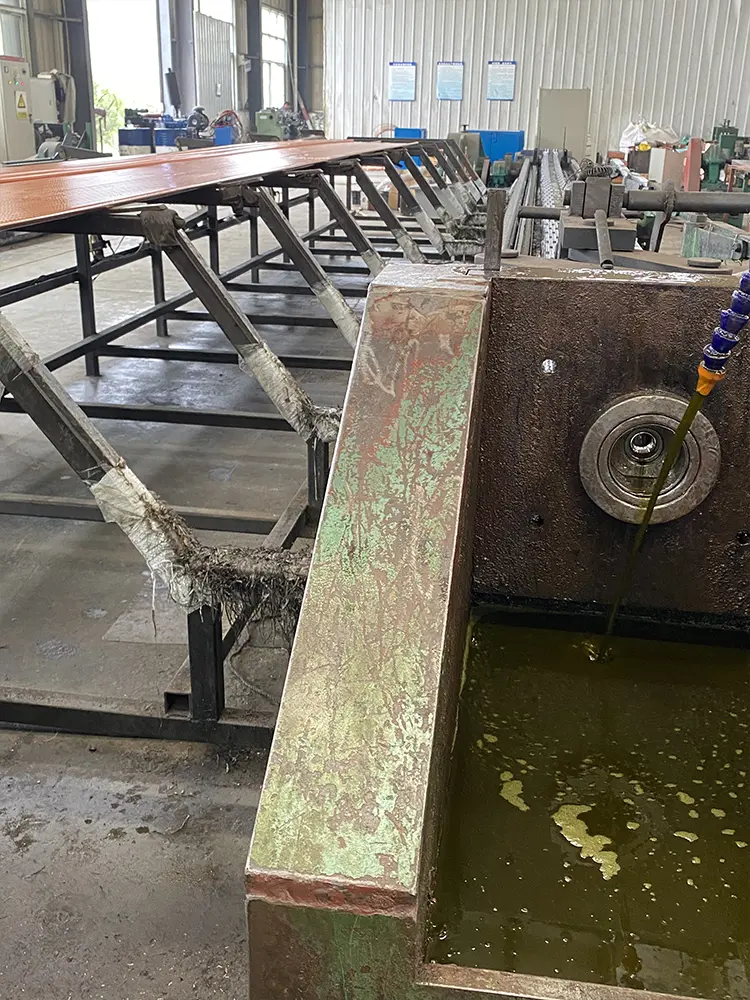
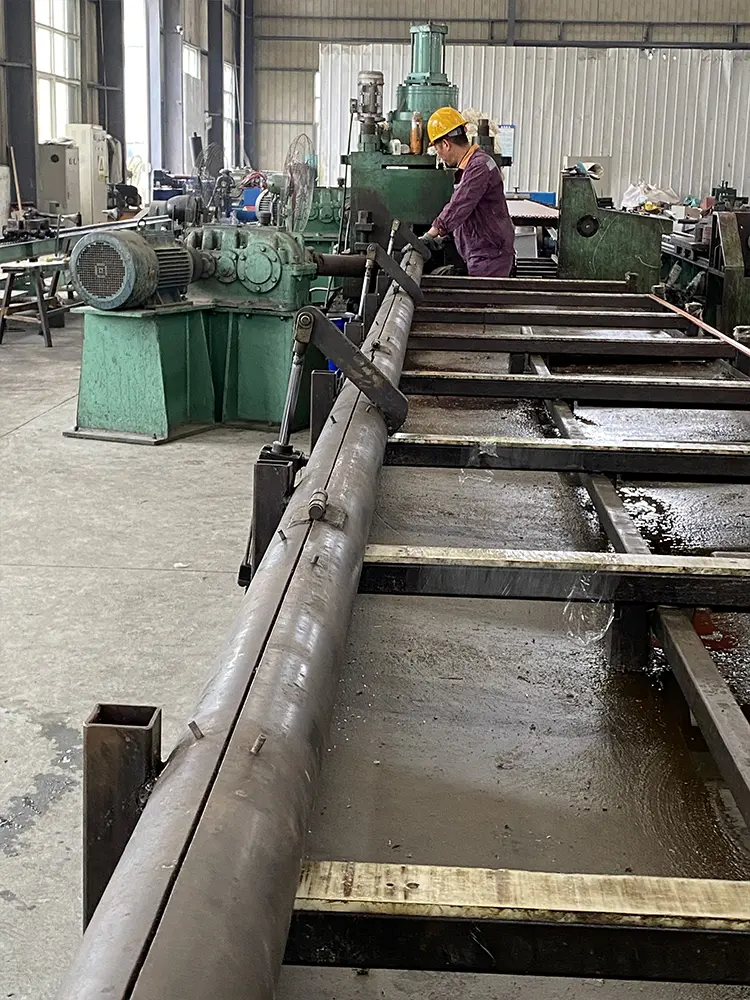
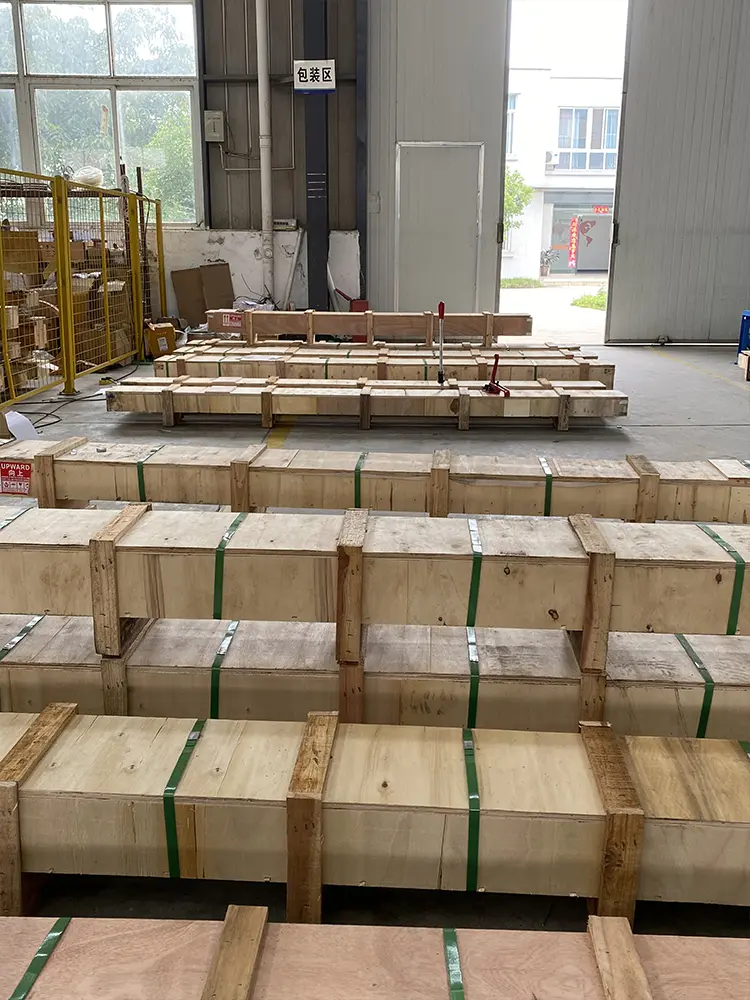
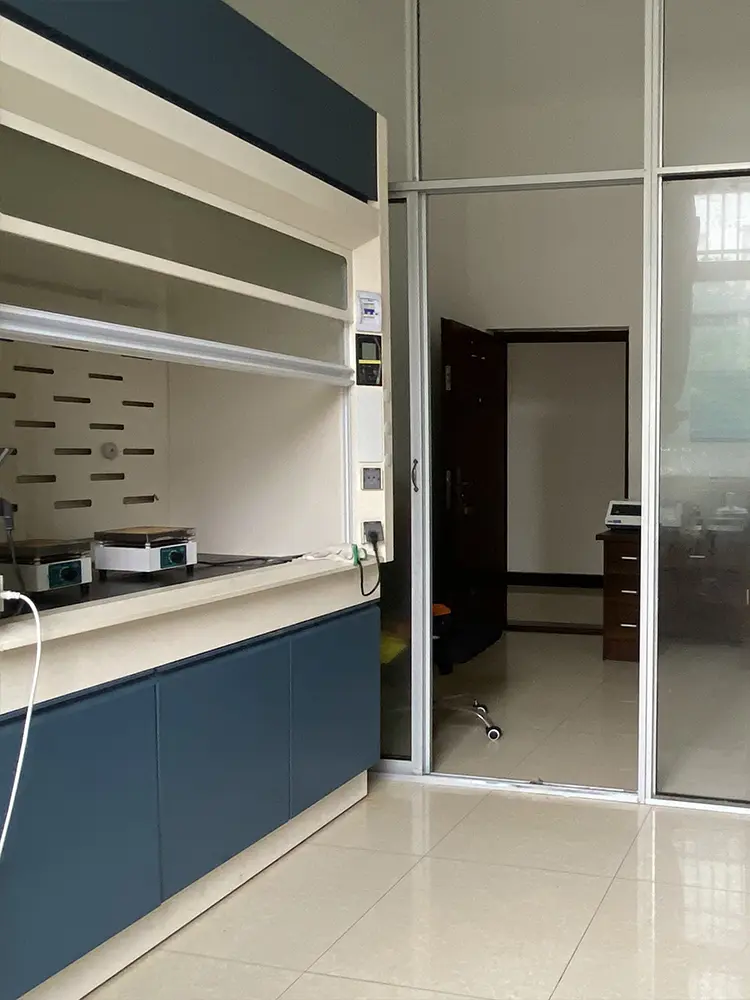
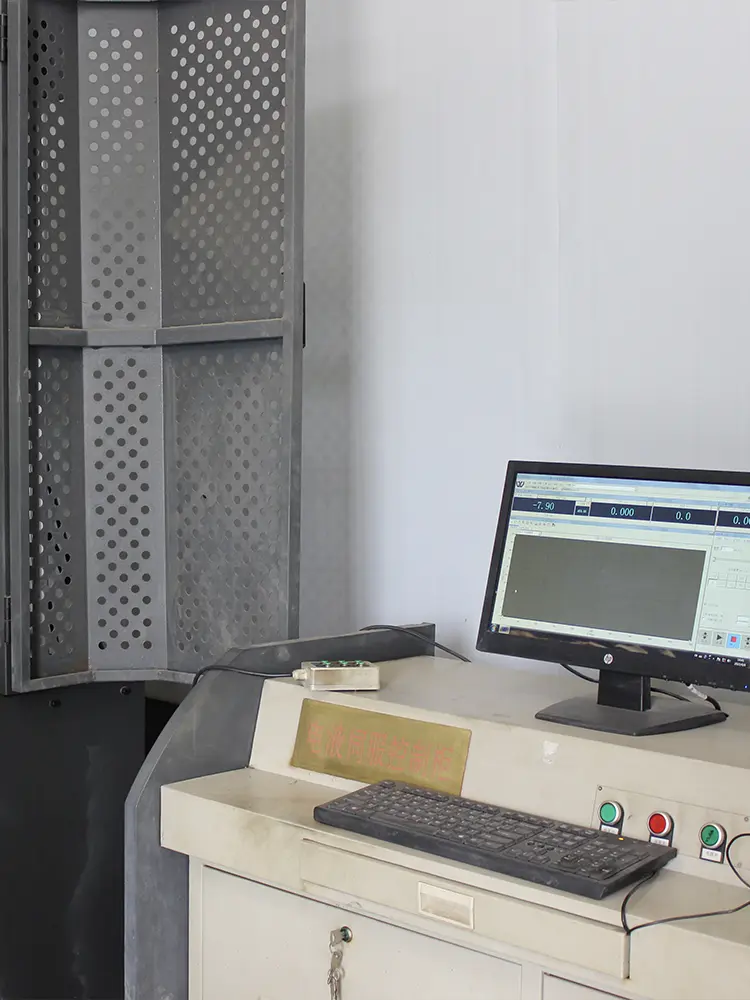
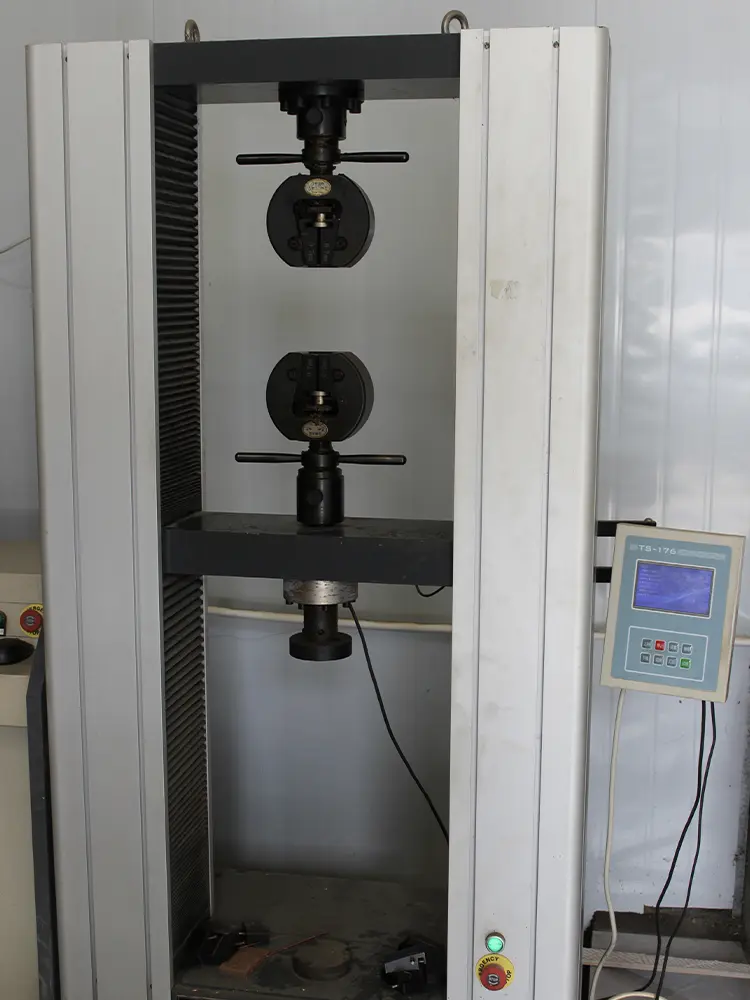
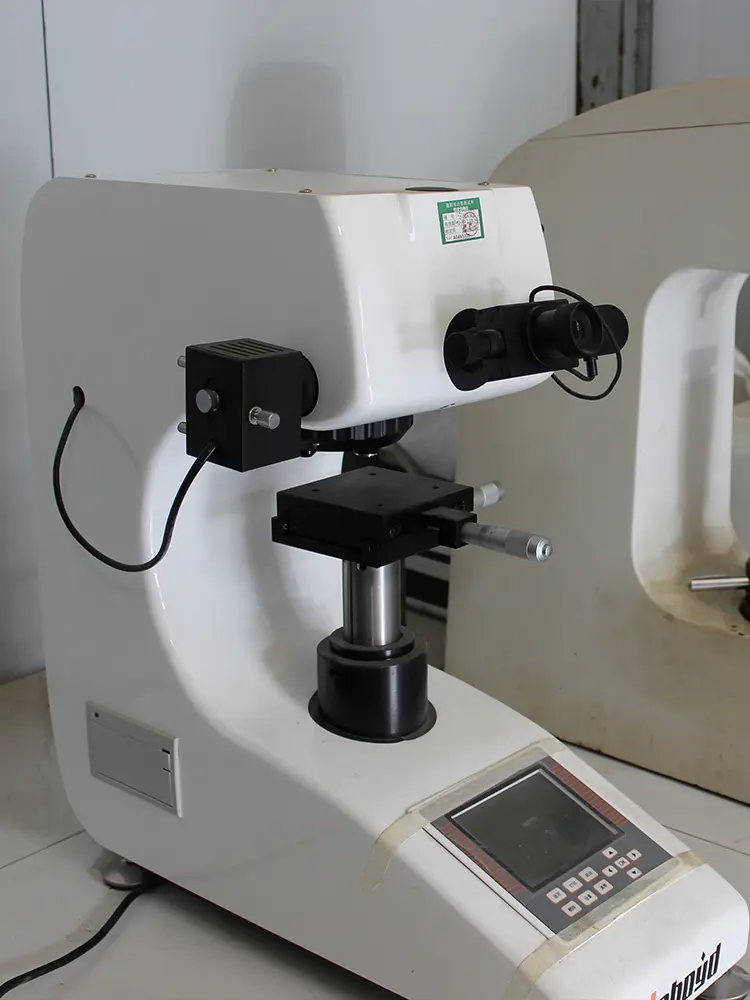
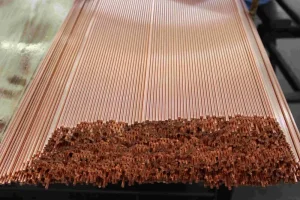
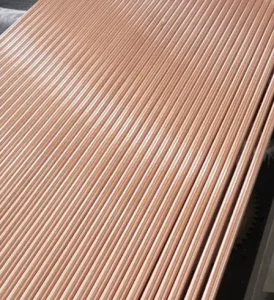
Our manufacturing facilities are equipped with vertically integrated production lines. From vacuum smelting and extrusion to drawing, straightening, and testing, every phase is managed to ensure consistent material quality.
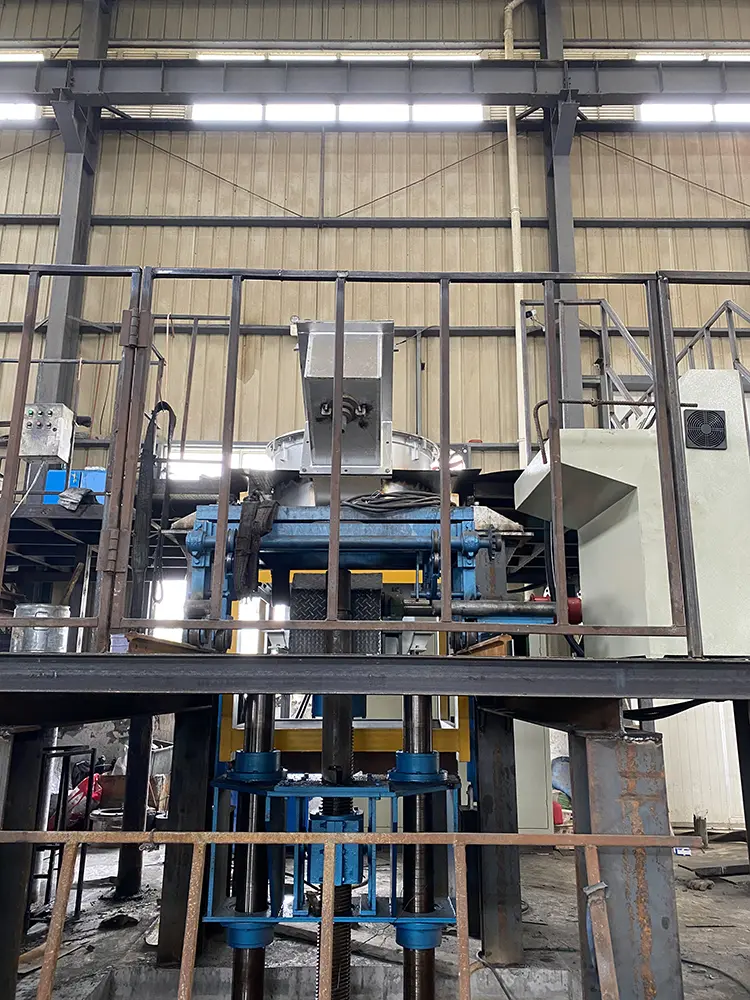
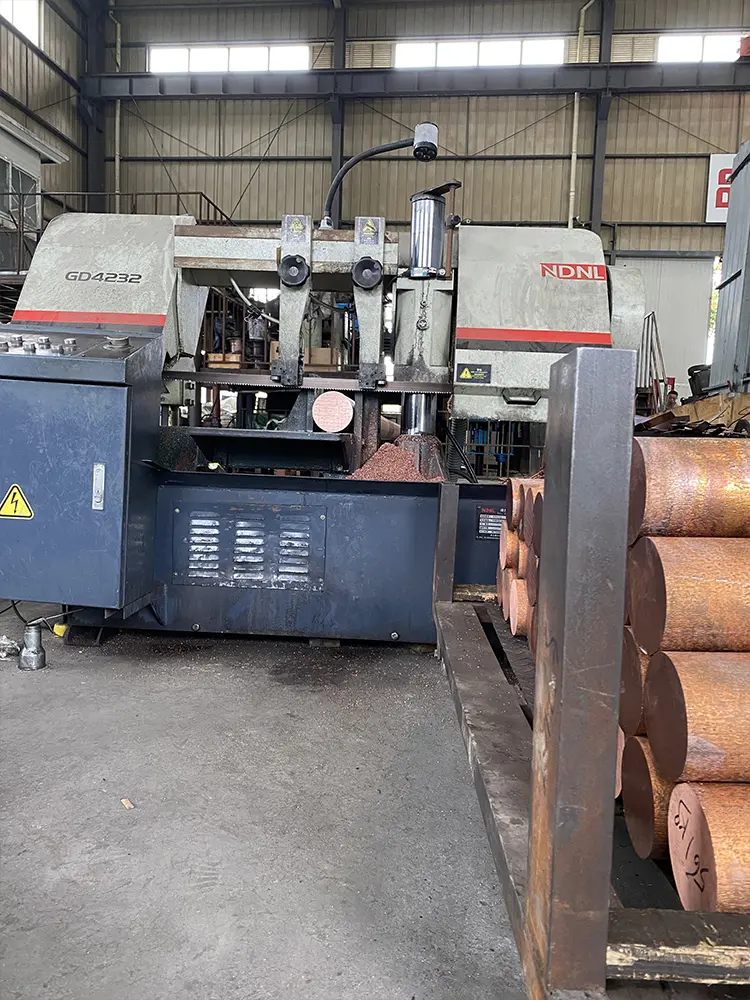
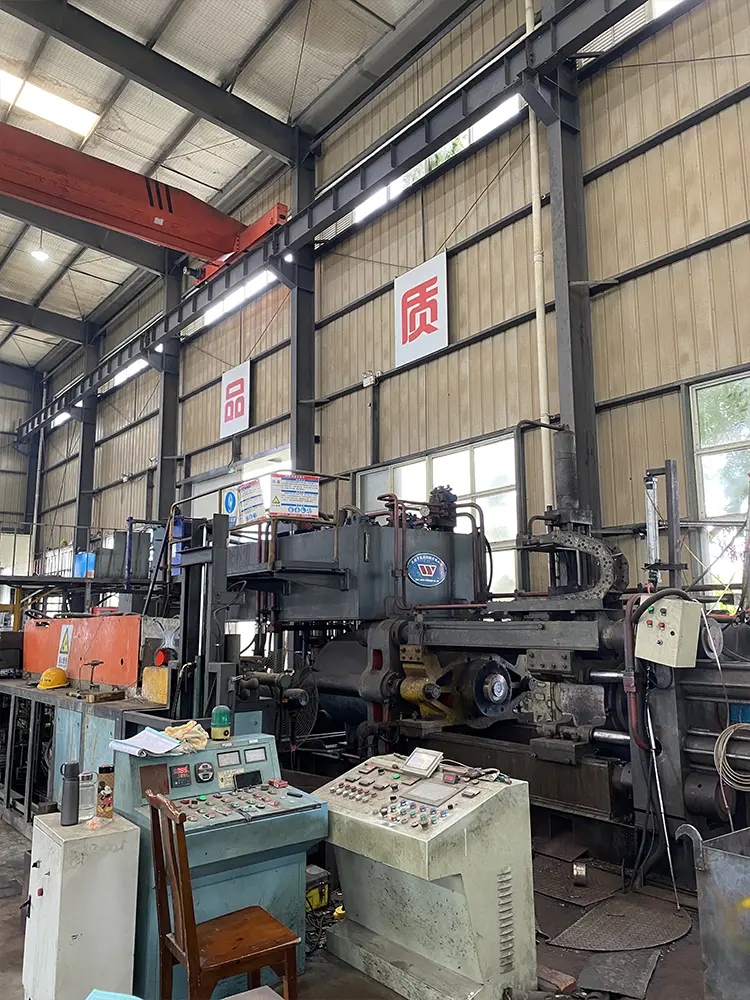

Electric vehicle charging systems require materials that can handle high current densities. EV inlets and high-power charging connectors (such as liquid-cooled DC fast chargers operating at 350kW+) generate heat due to contact resistance. Standard copper alloys can overheat, accelerating material degradation. By utilizing Kepai’s oxygen-free copper and tellurium copper, system engineers can minimize resistance-induced heating, ensuring stable power delivery, reducing thermal load on adjacent components, and maintaining a high level of electrical safety.
In telecommunications, signal loss is heavily dependent on the quality of coaxial connectors. As data transmission frequencies rise into the millimeter-wave spectrum, the skin effect concentrates electrical currents near the outer surface of conductor pins. Minor material imperfections can lead to signal degradation. Kepai’s oxygen-free high-conductivity copper alloys are processed to minimize surface contamination and internal voids. This helps reduce passive intermodulation (PIM) and signal loss, supporting reliable performance in high-frequency network base stations.
Plasma cutting processes involve temperatures exceeding 10,000°C, requiring copper components with high thermal dissipation capabilities. The cutting nozzle and electrode are subject to high thermal loads and erosion. Traditional copper components require frequent replacement, which increases downtime. Our C14500 tellurium copper alloys are designed to provide the necessary thermal conductivity to quickly dissipate heat from the nozzle tip, while maintaining the structural stability needed for precise cuts and longer consumable lifespans.
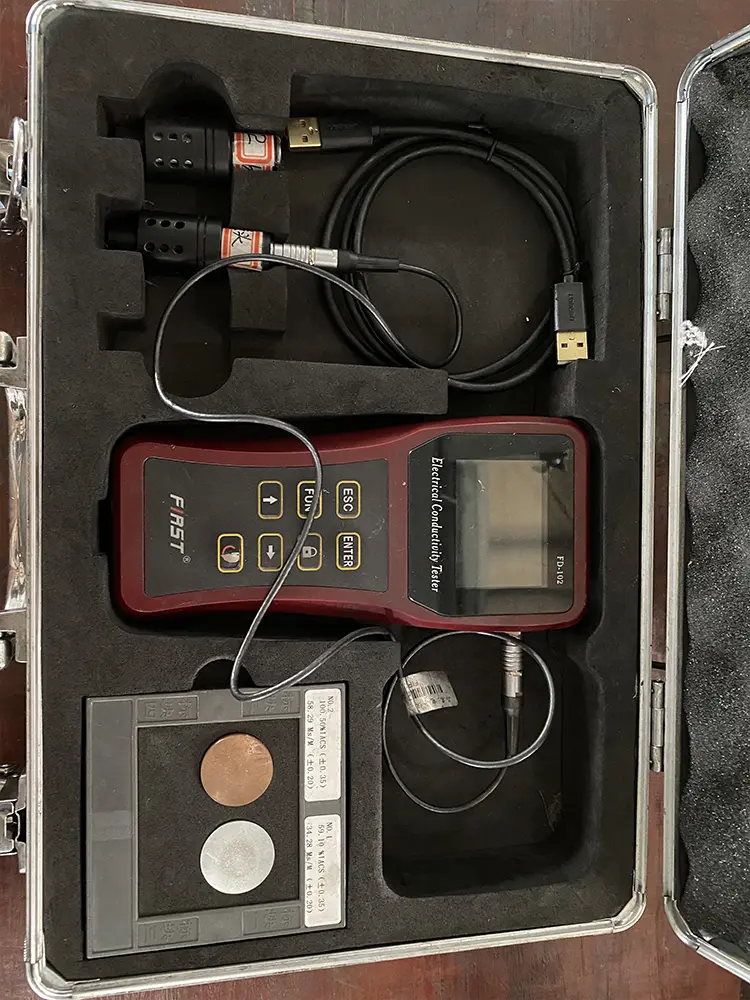
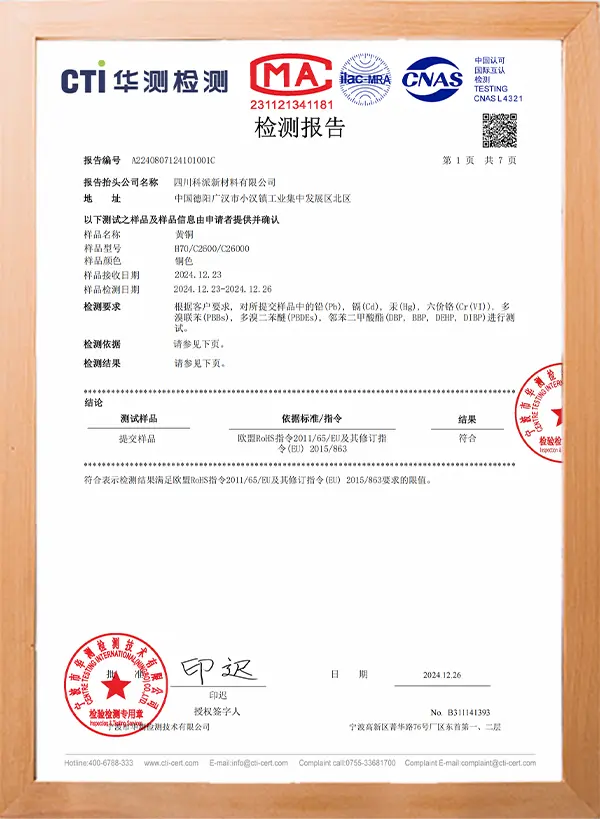
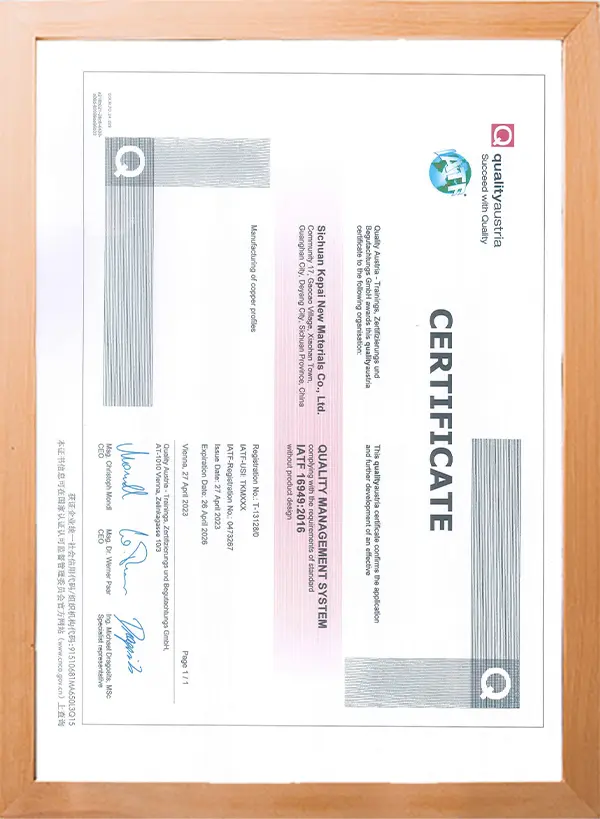
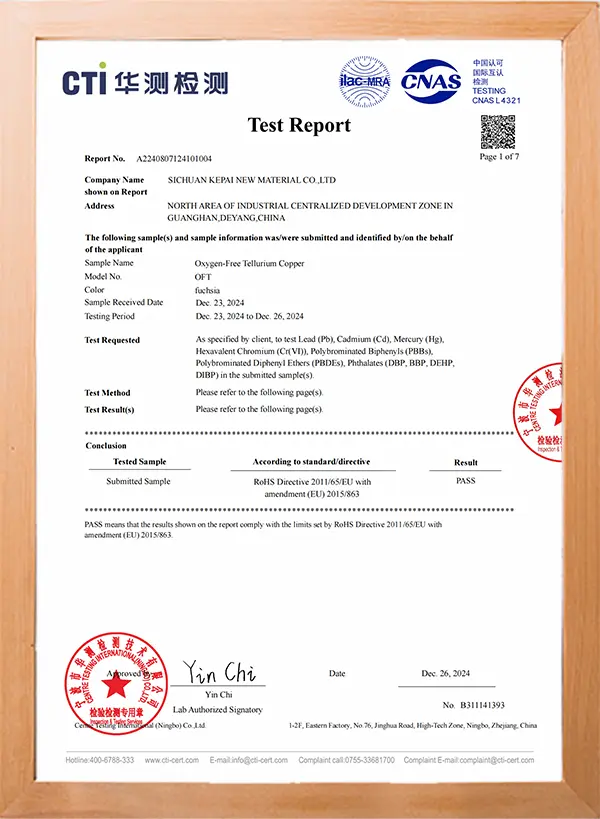
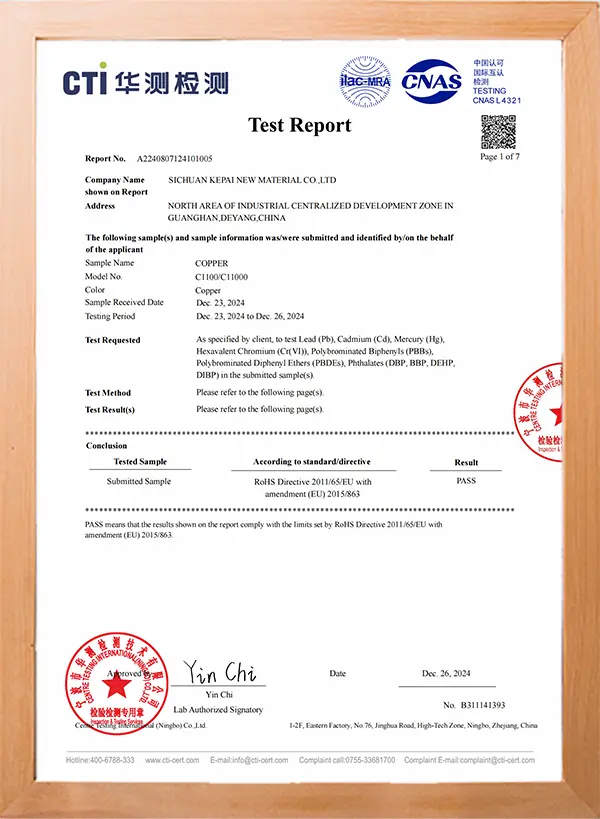
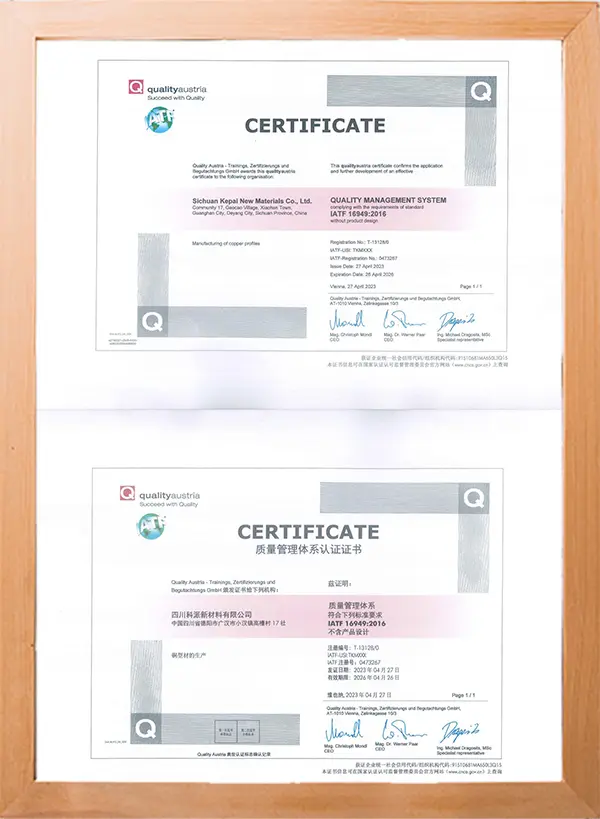
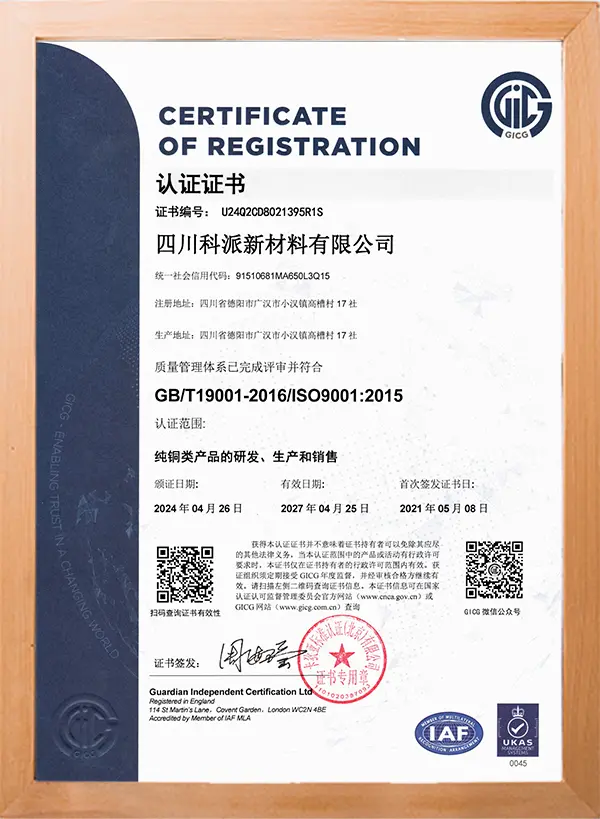
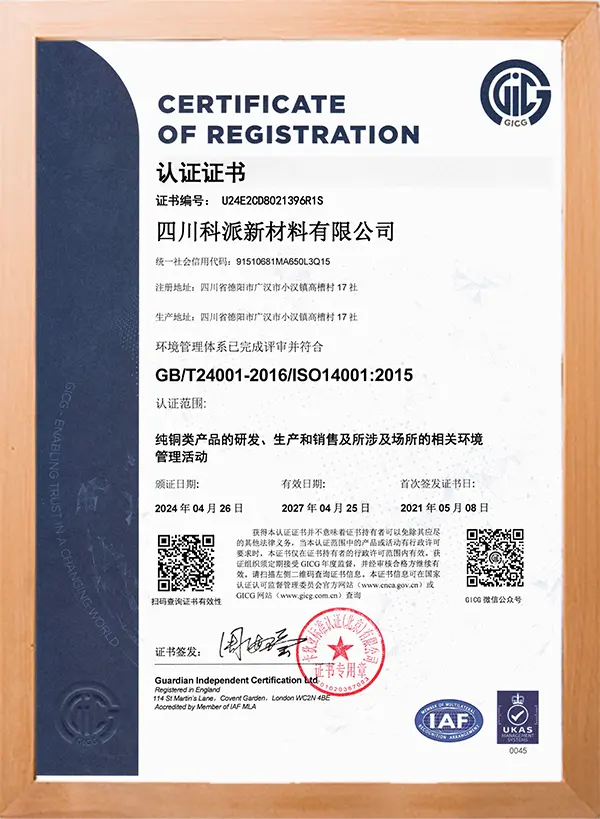
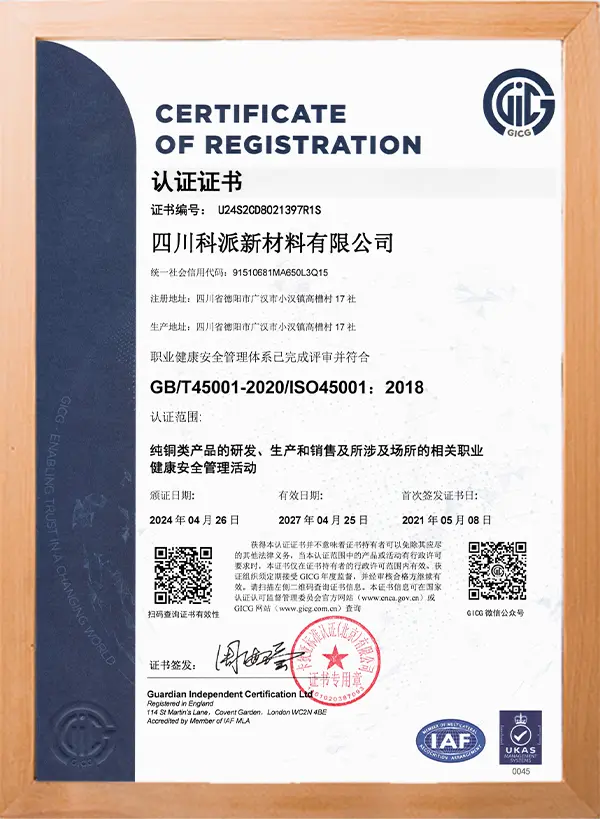
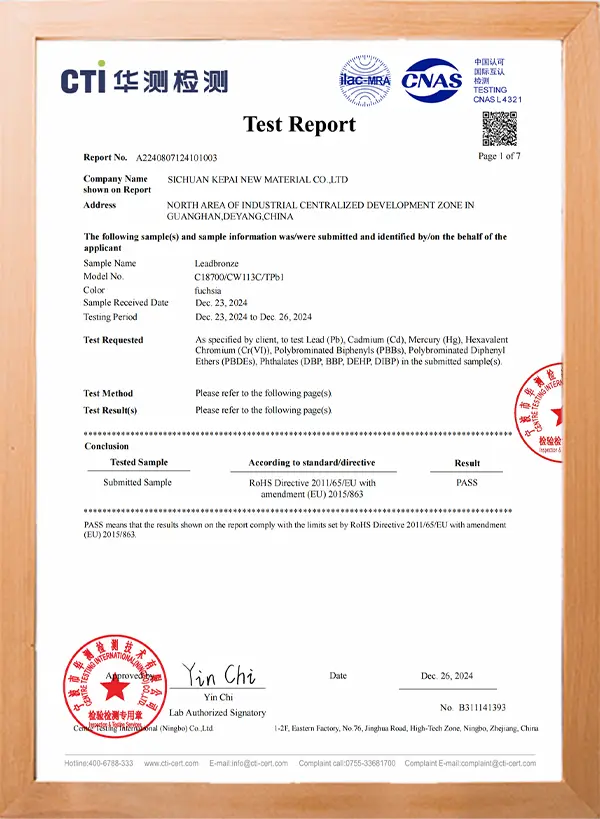
We maintain an ISO 9001:2015 certified quality management system to support our global customer base. Our production batches undergo non-destructive eddy current testing, chemical analysis, metallographic examinations, and mechanical properties verification. We verify that all materials comply with major global environmental regulations, including RoHS and REACH, and meet ASTM, EN, DIN, and JIS metallurgical standards. This compliance ensures that our copper alloys are ready for integration into sensitive electronics, automotive systems, and industrial machinery worldwide.
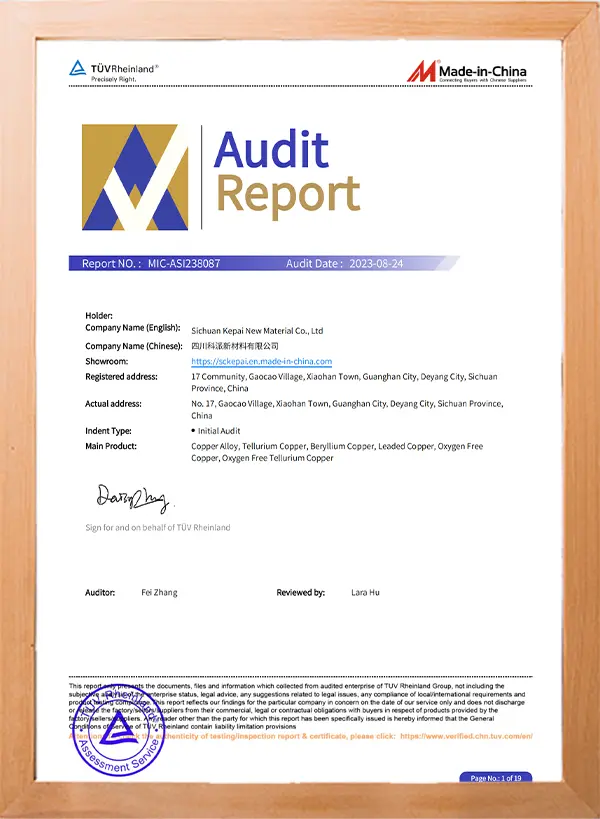
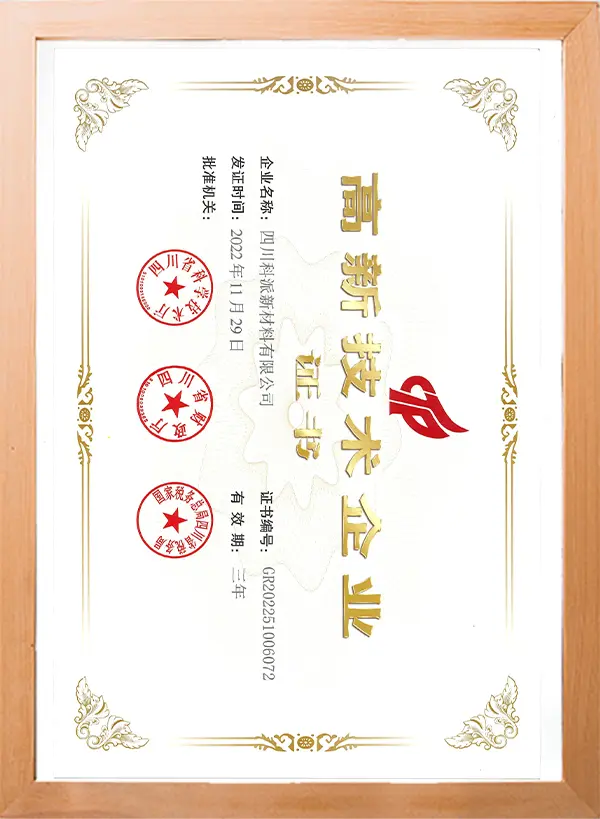
Sichuan Kepai operates in accordance with strict international standards. Our materials are fully certified for mechanical properties, chemical purity, and environmental safety.
Find answers to common questions about selection criteria, alloy behaviors, heat treatments, and manufacturing characteristics.
Browse our secondary catalog of specialized copper alloys, featuring pure copper grades, high-purity tellurium copper configurations, and precipitation-hardened formulations.
Sichuan Kepai New Material Co., Ltd. provides copper alloy materials designed to meet demanding electrical, thermal, and mechanical requirements. Contact our engineering team to discuss your project specifications or request a custom quote.
 Kepai
Kepai