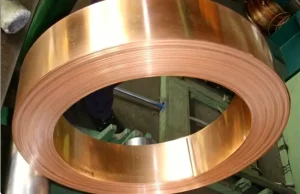
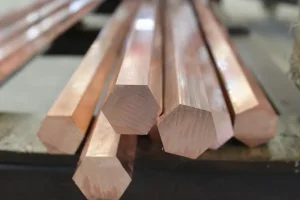
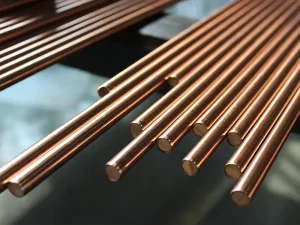
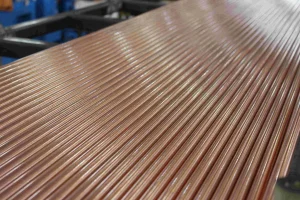
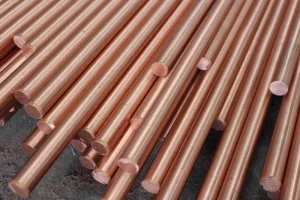
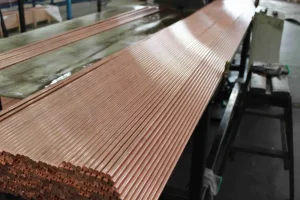
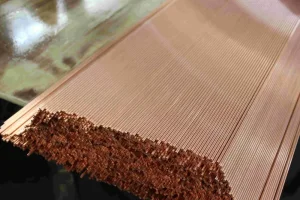
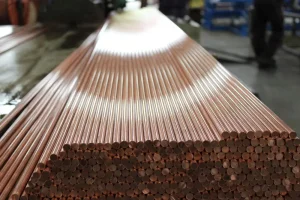
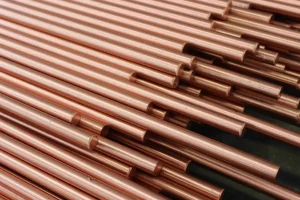
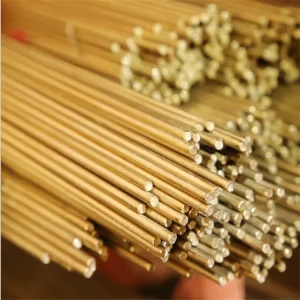
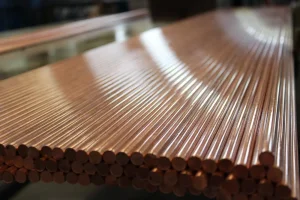
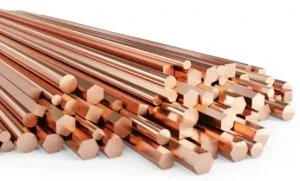
Explore our top-tier industrial product line, engineered for high reliability, precision machining, and superior heat dissipation performance.
C18150 (CuCr1Zr) is a premium, high-strength, precipitation-hardening copper alloy containing approximately 1% Chromium and 0.1% Zirconium. Renowned for its exceptional thermal and electrical conductivity, high softening temperature, and outstanding mechanical properties at elevated temperatures, C18150 has become the material of choice for high-stress electrical and thermal applications globally.
By undergoing specialized heat treatment (solution annealing followed by age hardening) combined with cold working, C18150 develops a microstructure optimized to resist deformation under high thermal stress. Its softening temperature exceeds 500°C, compared to just 200°C for pure, non-alloyed copper, making it indispensable for modern heavy industries.
Understanding the chemical composition and mechanical properties that make C18150 a dominant alloy in high-thermal, high-current environments.
C18150 owes its properties to precipitation hardening. During smelting, chromium and zirconium are dissolved in the copper matrix. During the aging process, these elements precipitate as coherent submicroscopic particles, which block dislocation movement, thereby increasing the material's yield strength without significantly degrading its electrical conductivity. Below is an engineering specification sheet detailing the performance parameters compared to standard copper grades.
| Property Parameter | C18150 (CuCr1Zr) Value | C11000 (ETP Copper) Value | C17200 (Beryllium Copper) Value |
|---|---|---|---|
| Chemical Composition | Cu: Bal, Cr: 0.5-1.2%, Zr: 0.03-0.3% | Cu: >99.9% | Cu: Bal, Be: 1.8-2.0% |
| Electrical Conductivity | 80% - 85% IACS | 100% - 101% IACS | 22% - 28% IACS |
| Thermal Conductivity | 320 W/(m·K) at 20°C | 390 W/(m·K) at 20°C | 105-130 W/(m·K) at 20°C |
| Hardness (HRB) | 75 - 85 HRB | 40 - 55 HRB | 36 - 42 HRC (Approx 110 HRB) |
| Tensile Strength (MPa) | 480 - 540 MPa | 220 - 340 MPa | 1100 - 1300 MPa |
| Softening Temperature | 500°C - 520°C | 200°C | 350°C |
Leveraging geographical, technological, and supply-chain efficiencies to deliver world-class copper alloys globally.
Chinese manufacturers like Sichuan Kepai have invested heavily in localized metallurgical laboratories. Utilizing optical emission spectrometers, atomic absorption testers, and advanced metallographic analysis, Kepai ensures that the trace zirconium and chromium levels remain tightly bounded. This strict chemistry control guarantees consistent hardness and electrical conductivity throughout every batch of C18150.
By performing smelting, laying-off, hot extrusion, cold drawing, and finishing inline, Chinese OEMs eliminate transit-based oxidation risks. Vertically integrated factories control the entire processing lifecycle, resulting in uniform microstructures in the finished rods, plates, and customized profiles. This reduces cost while significantly improving quality reliability.
Based in the western area of Sichuan Guanghan Industrial Development Zone, adjacent to National Highway 108, factories like Sichuan Kepai leverage comprehensive logistics channels. Raw material sourcing and international container shipping routes through Chengdu and Qingdao allow cost-effective shipping to global manufacturing hubs in Europe, North America, and Southeast Asia.
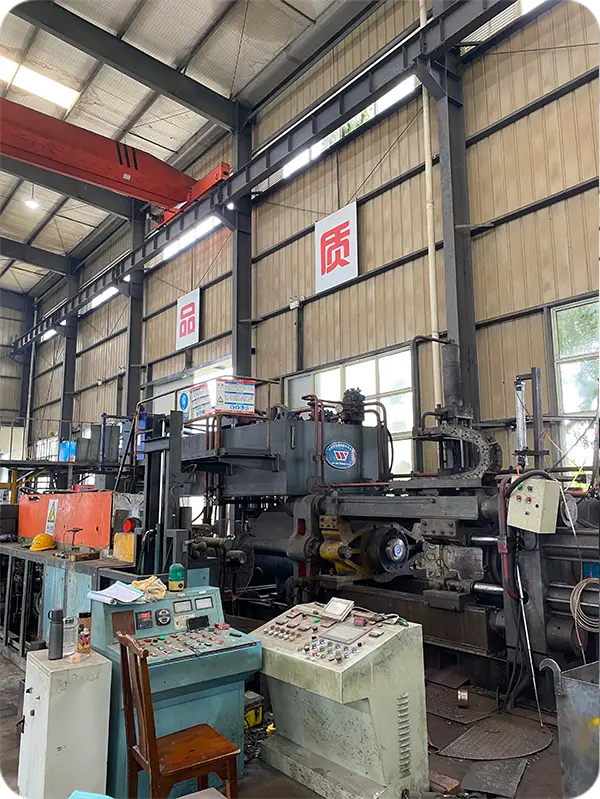
A look inside Sichuan Kepai New Material Co., Ltd. - established in 2017 with 9,000 m² of state-of-the-art production capacity.
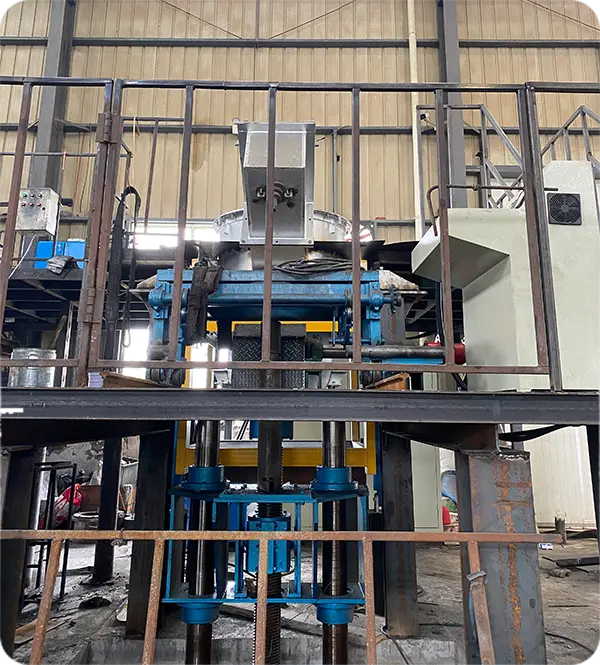
Technological innovation is the core competitiveness of Sichuan Kepai New Materials Co., Ltd. Our dedicated team of senior metallurgical engineers explores the boundaries of new copper alloy compositions. Through active collaborations with top research universities and material laboratories, we have made breakthrough progress in stabilizing high-performance C18150 alloys.
Our research focuses heavily on dispersion and precipitation hardening. Many of our patented processes have enabled domestic production of tellurium copper, chromium zirconium copper, and beryllium-cobalt-copper to match or exceed international standards (ASTM, DIN, EN). These materials are successfully integrated into new energy vehicles, high-current relays, plasma cutting systems, and aerospace components.
Kepai’s production line is comprehensive, ranging from raw ingot cast shapes to precision-extruded rods, bars, custom shapes, and machined parts. Our primary alloy portfolio includes pure copper, oxygen-free copper, oxygen-free high-conductivity tellurium copper, nickel-tellurium copper, tin bronze, beryllium copper, lead bronze, sulfur copper, and chromium zirconium copper (C18150).
Adhering to our core strategy—"Rooted in Sichuan, radiating nationwide, and moving towards the world"—we have established a robust distribution network spanning multiple domestic provinces. Our export division serves premium manufacturing accounts in North America, Germany, Japan, South Korea, and the Middle East, satisfying strict automotive, defense, and power grid technical standards.
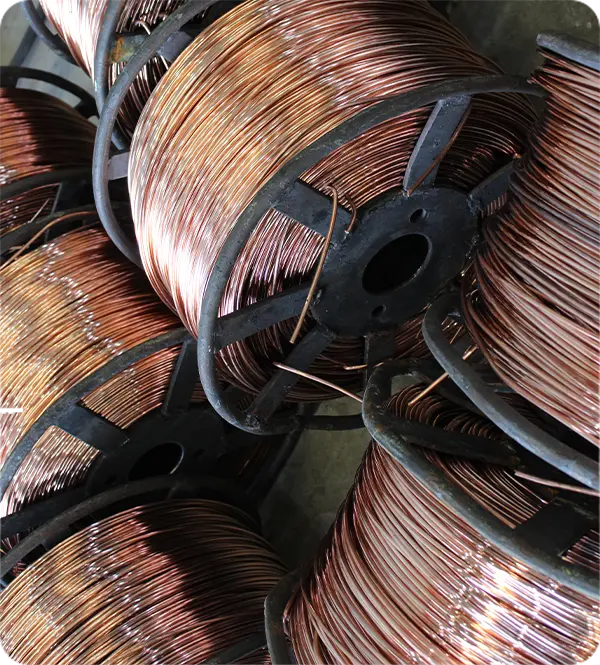
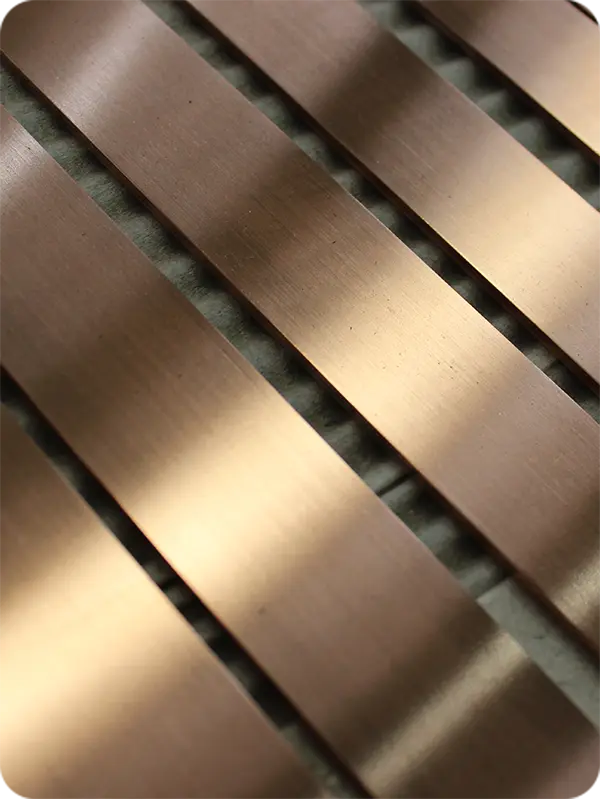

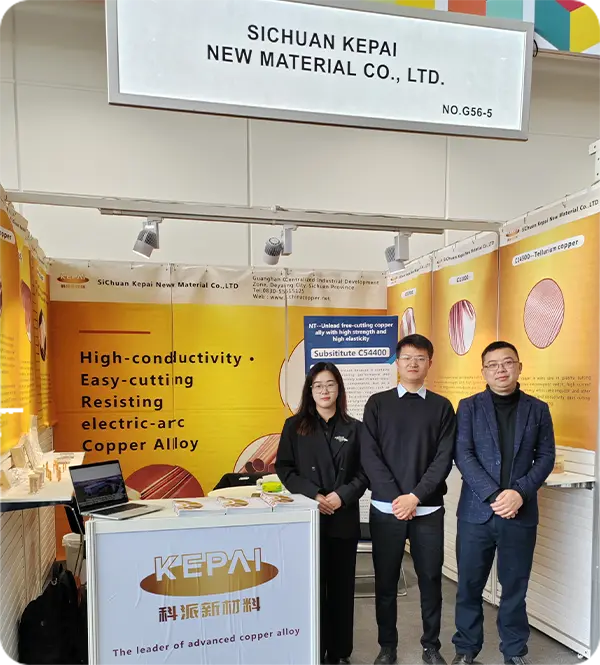
Long-term development in high-end metallurgy is impossible without a strict quality management culture. We advocate the corporate spirit of "integrity, innovation, collaboration, and win-win." By enforcing stringent ISO9001:2015 standards and environmental control procedures, we ensure that every C18150 bar shipped matches the technical datasheets.
Our commitment to sustainability translates into highly efficient recycling processes for copper scrap within our smelting loop, energy-saving electric melting furnaces, and low-waste drawing technologies. This keeps production footprints minimal and helps our global buyers meet their ESG and clean supply chain compliance targets.
How C18150 CrZrCu solves engineering challenges in high-temperature, high-current, and robotic automation environments.
In automated vehicle production lines, resistance spot welding gun arms operate at thousands of Amperes, welding steel plates continuously. Standard copper electrodes rapidly soften and wear out. C18150 electrodes resist mushrooming and adhesion, minimizing downtime and maintaining uniform weld bead quality across hundreds of thousands of cycles.
With the shift toward 800V high-voltage EV architectures, DC fast charging relays and battery pack interconnect terminals face massive thermal loads during charge cycles. C18150’s balance of high electrical conductivity and resistance to thermal stress makes it the ideal alloy for these connectors, preventing dangerous localized thermal runaway.
For steel and non-ferrous metal casting processes, mold walls require maximum thermal transfer rates to solidify molten metal rapidly while maintaining physical shape under severe temperature gradients. C18150 plates and inserts demonstrate low thermal fatigue cracking and outstanding mechanical stability under these thermal cycles.
From smelting to raw material testing, we use state-of-the-art machinery to guarantee structural and mechanical integrity.
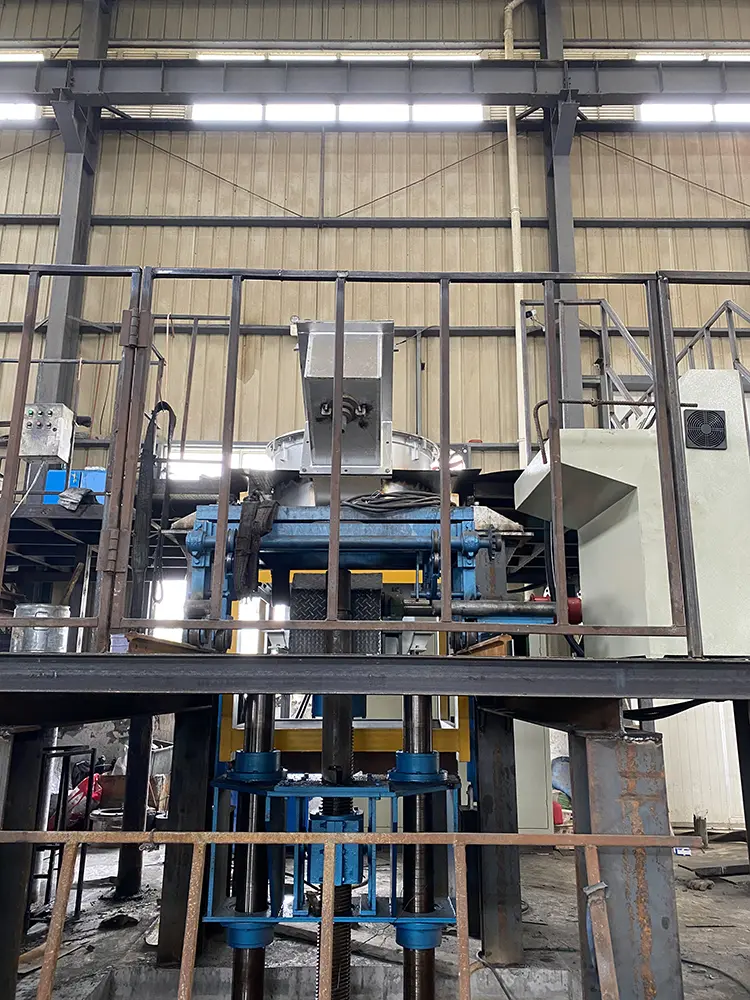
Vacuum Smelting
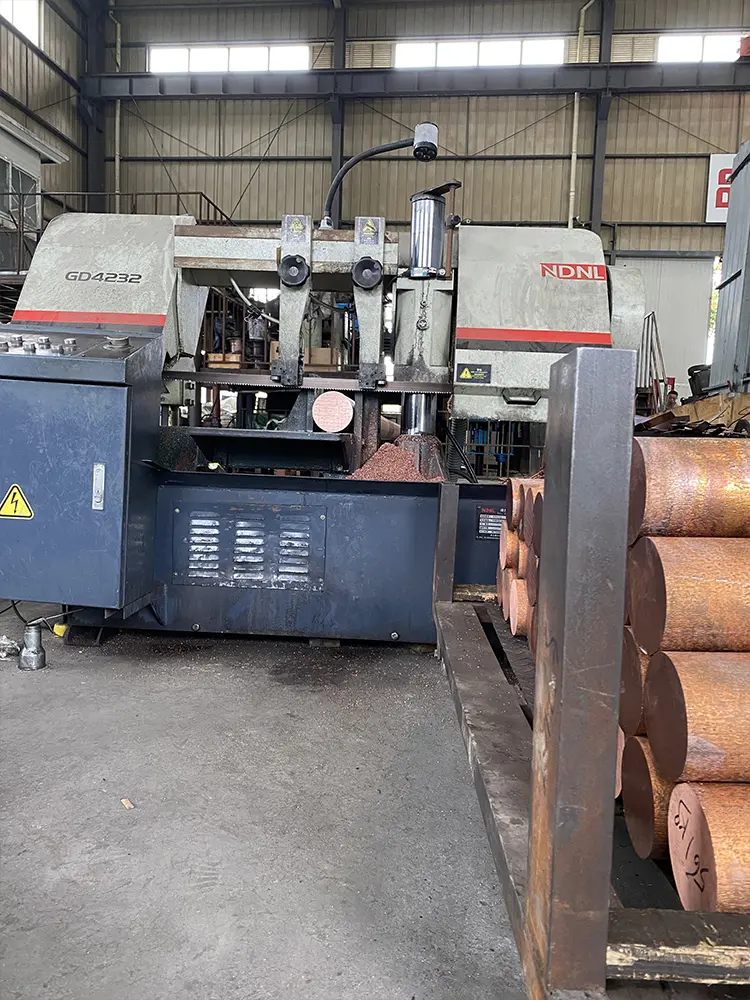
Precision Laying-off
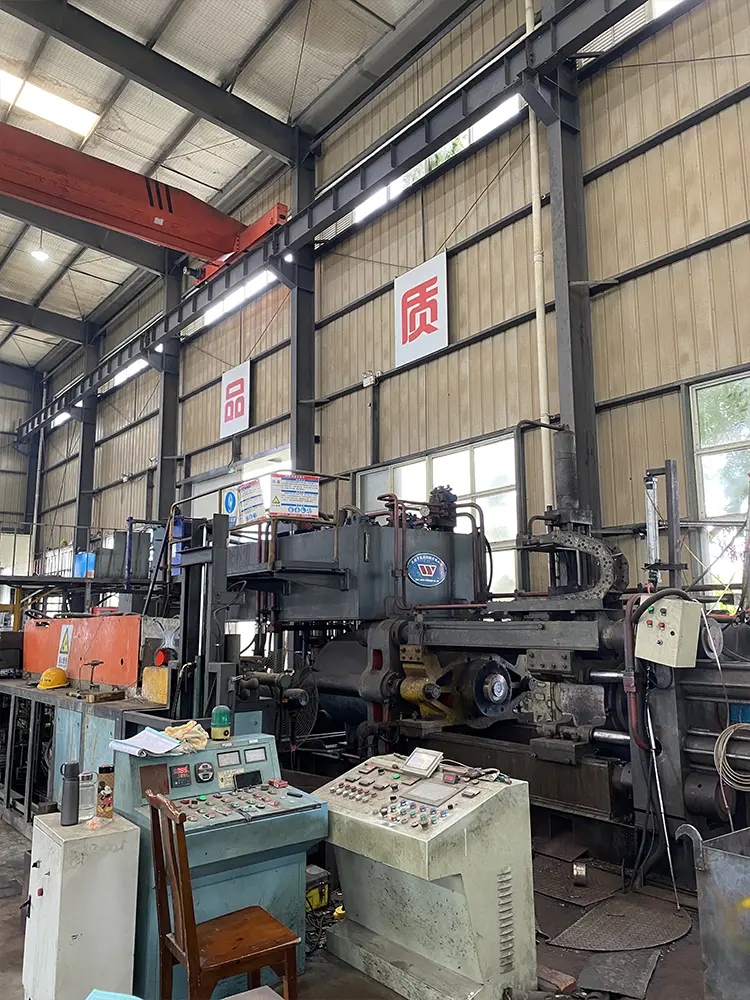
Hot Extrusion Press
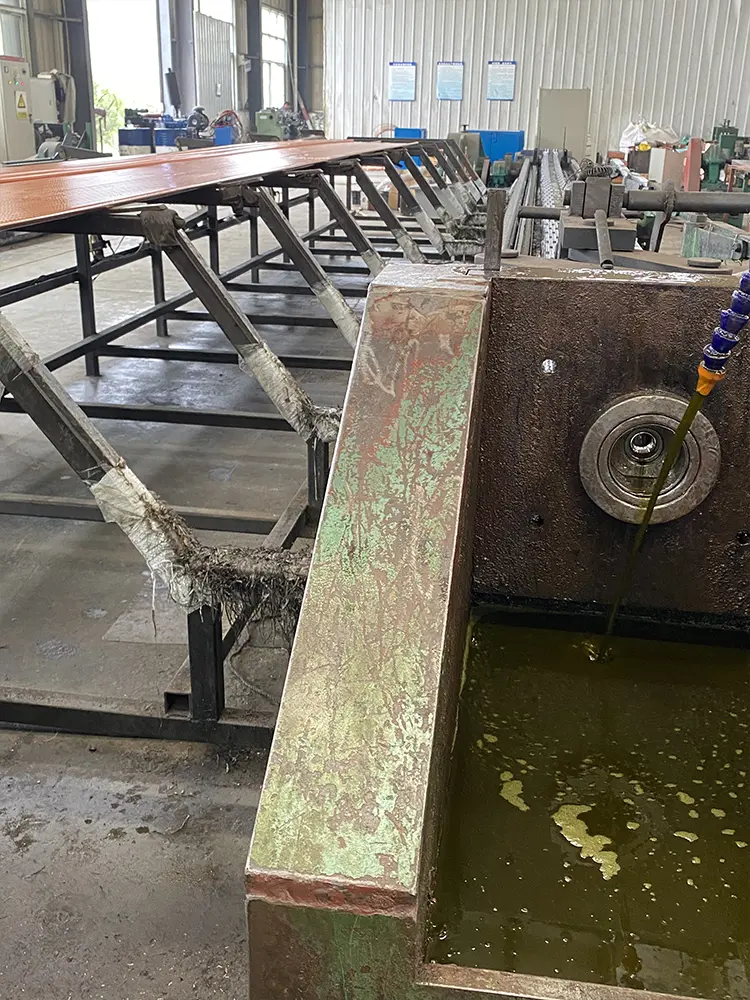
Precision Drawing
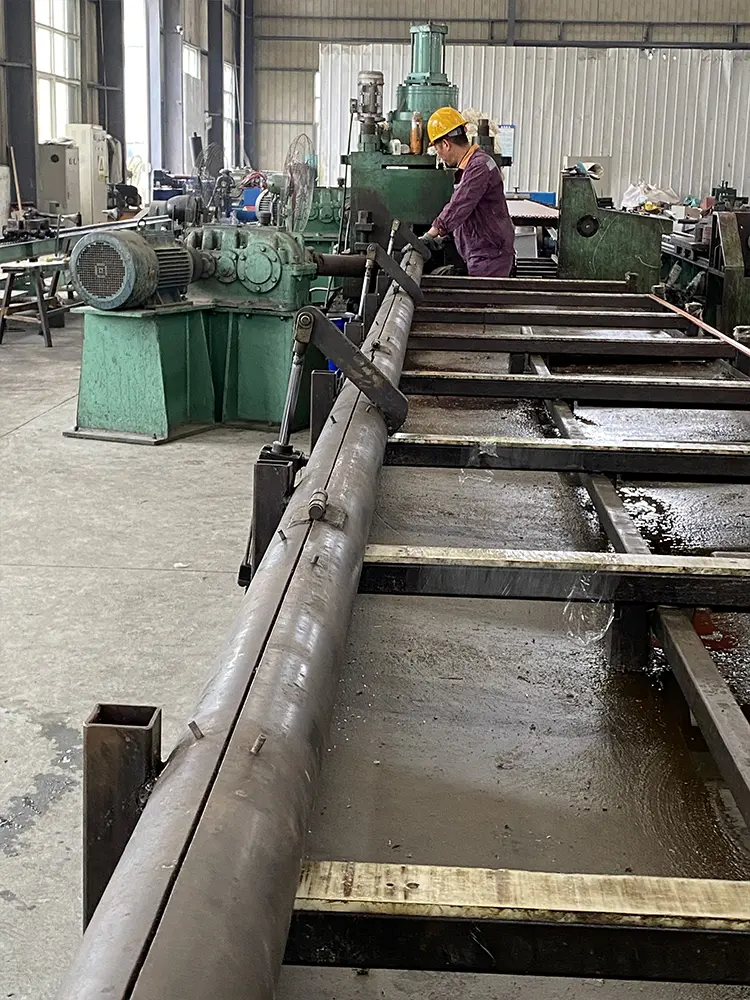
Straightening Line
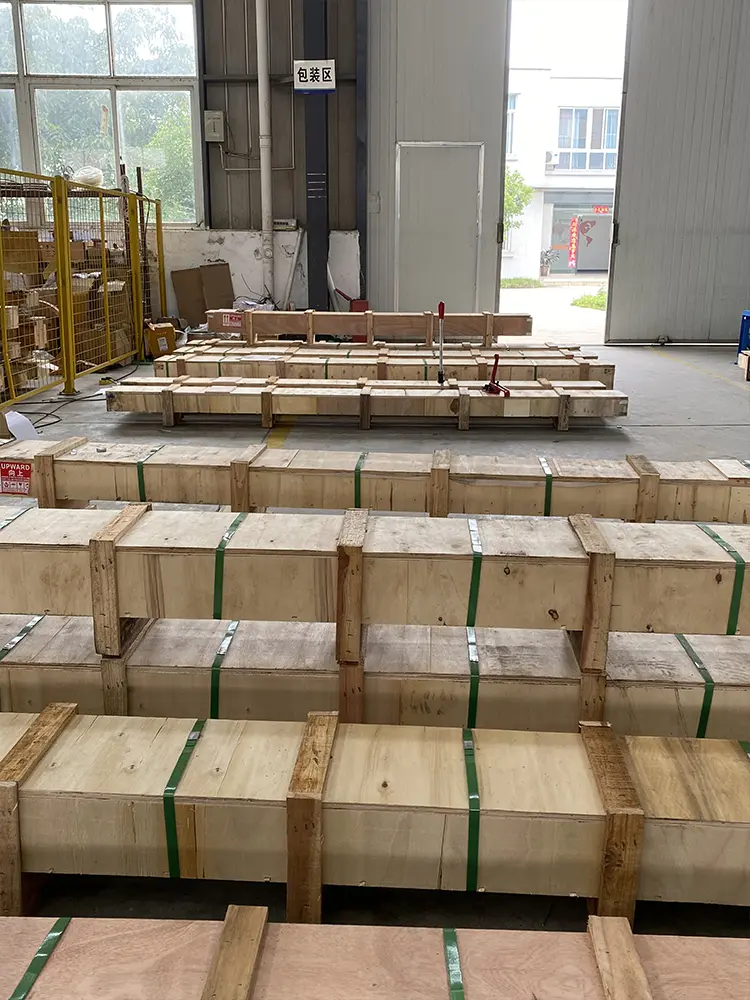
Sealed Packaging
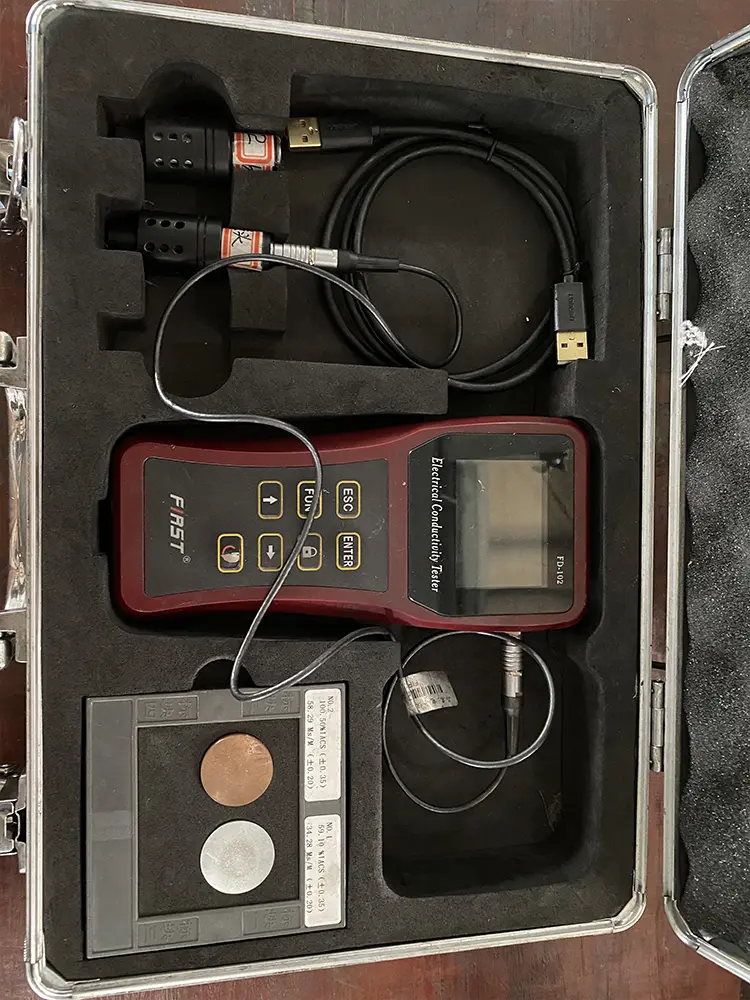
Eddy Current Conductance Tester
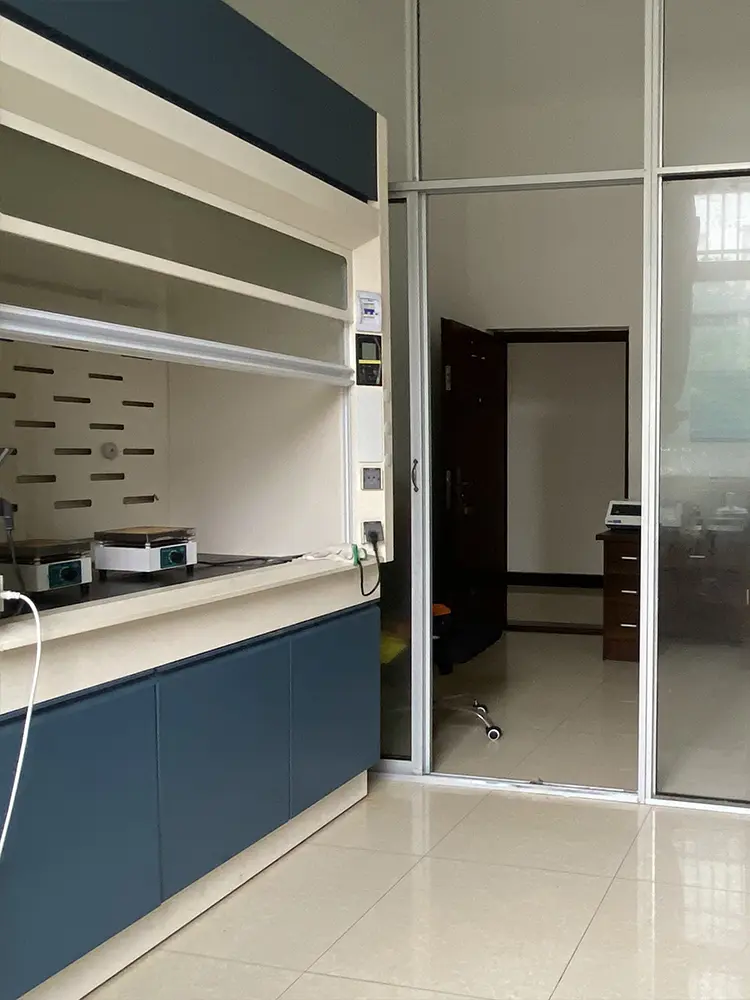
Chemical Composition Room

Metallographic Polisher
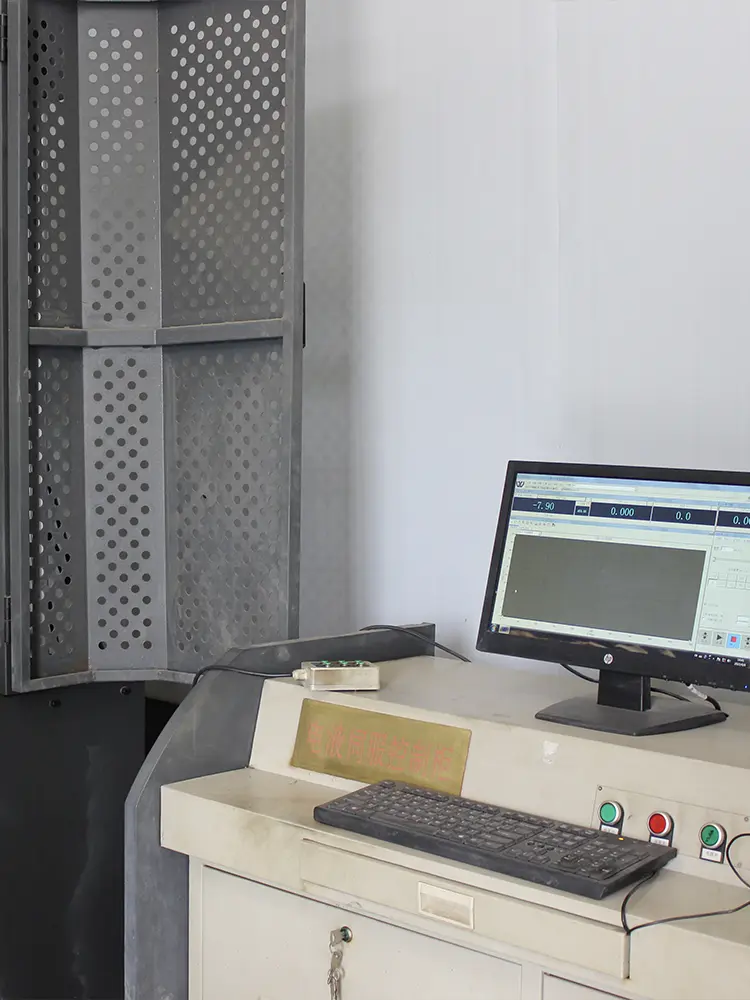
Servo Universal Tester
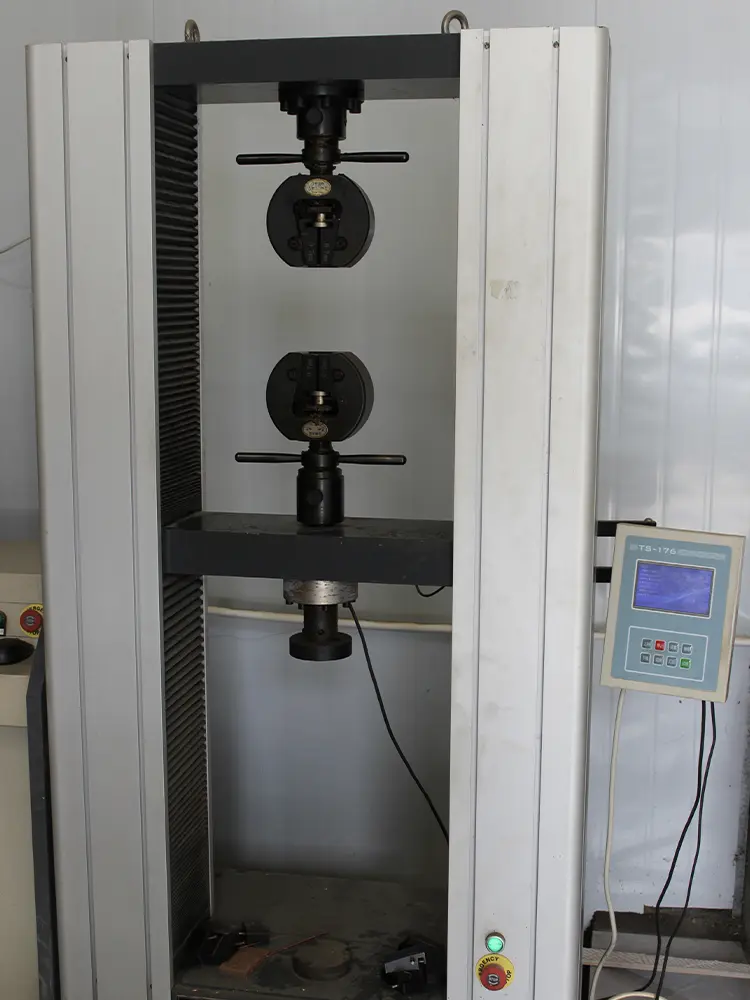
Universal Testing Machine
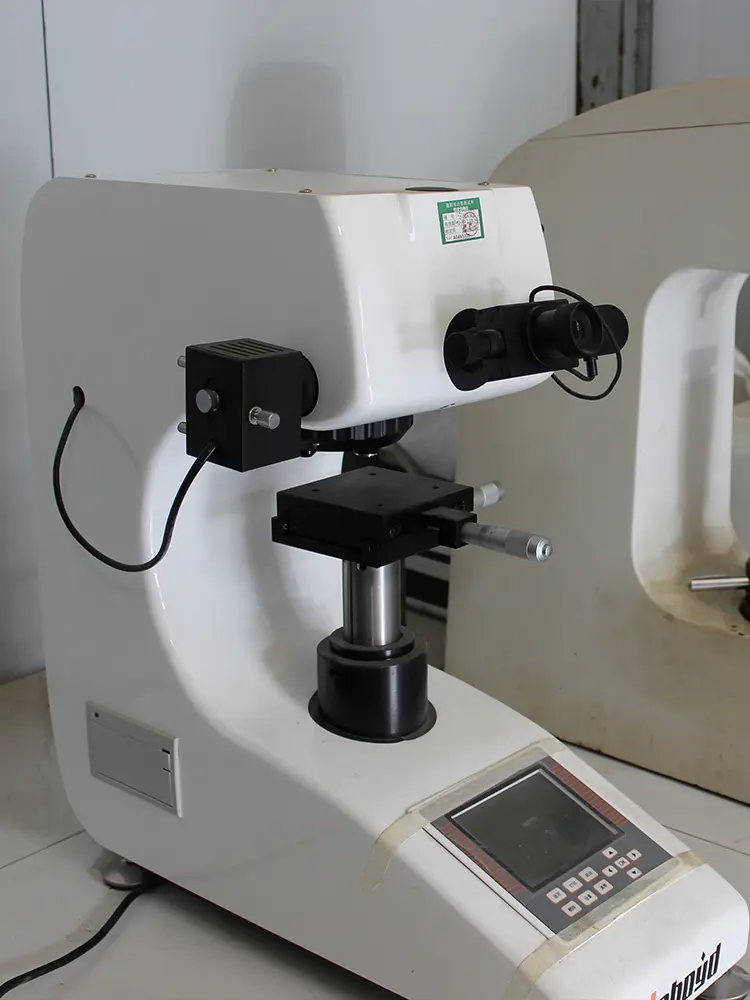
Precision Hardness Tester
Our factory operates under ISO9001 and high environmental management standards, audited by international verification agencies.
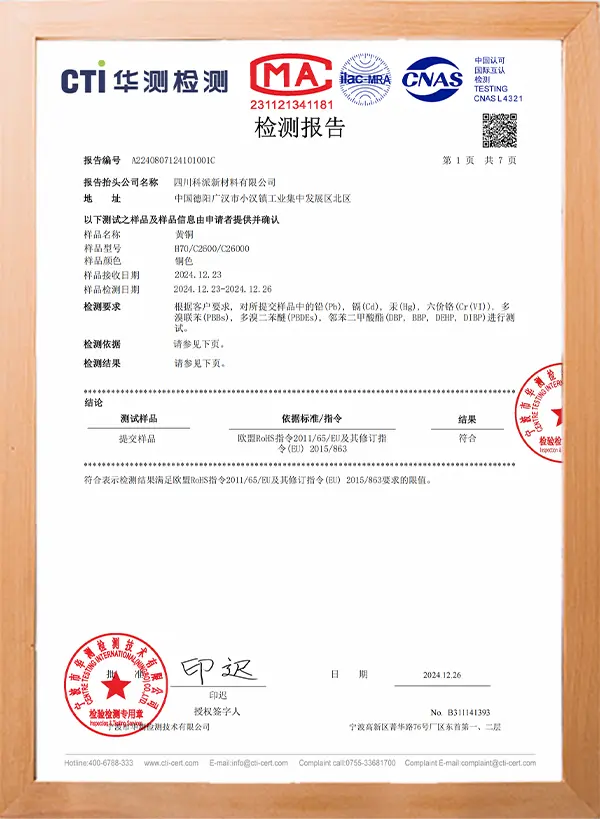
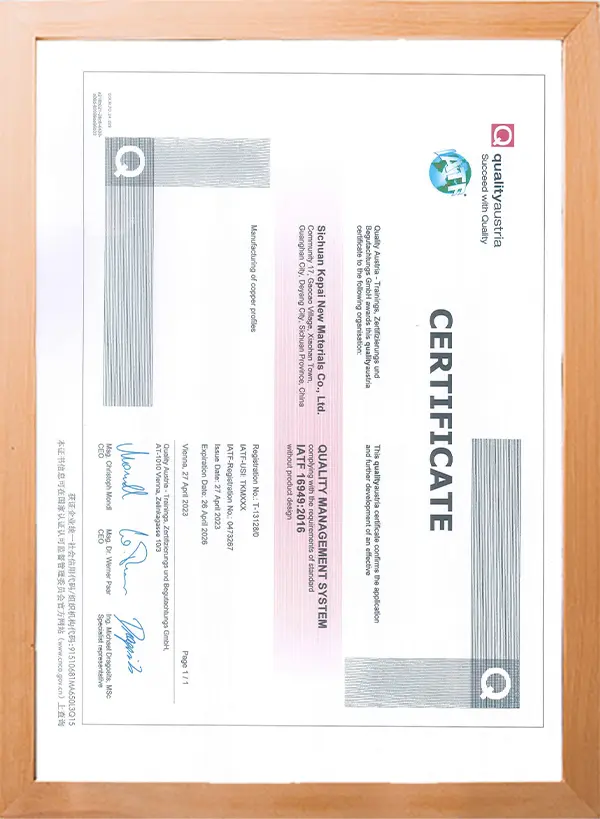
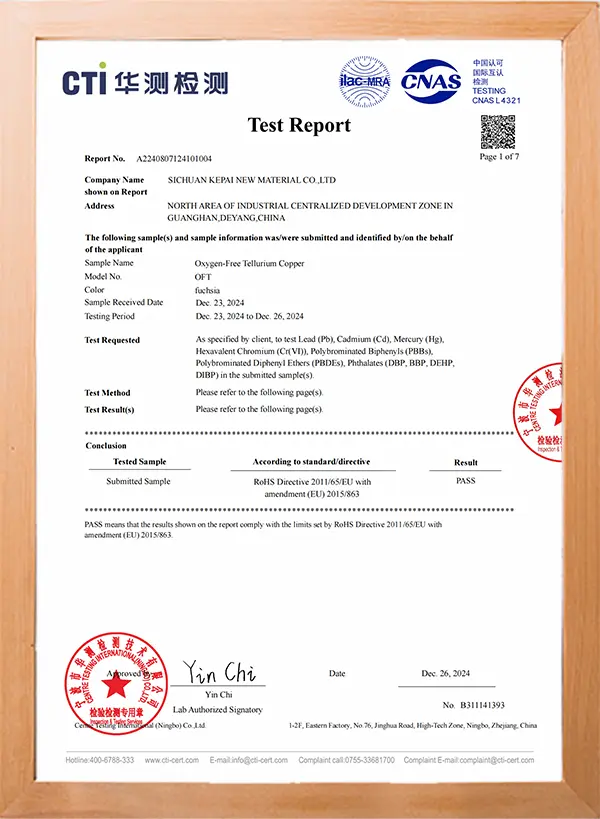
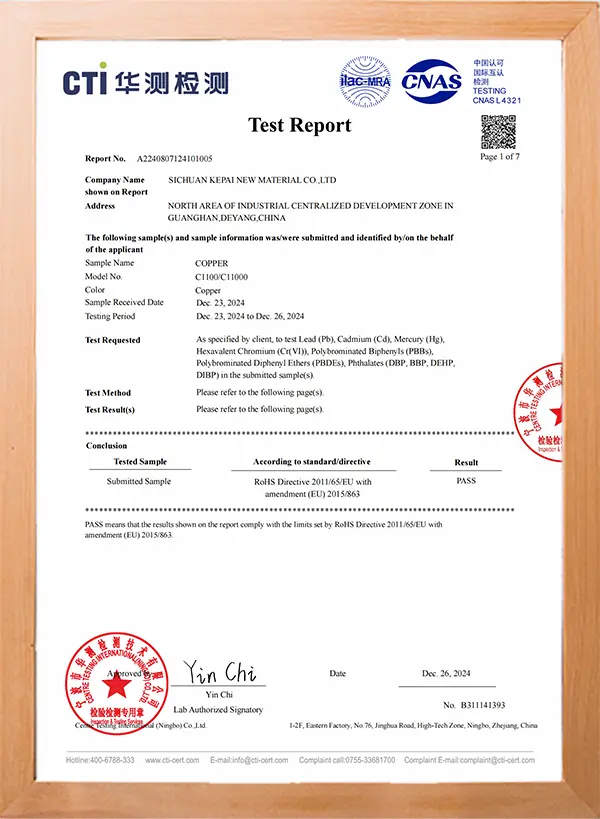
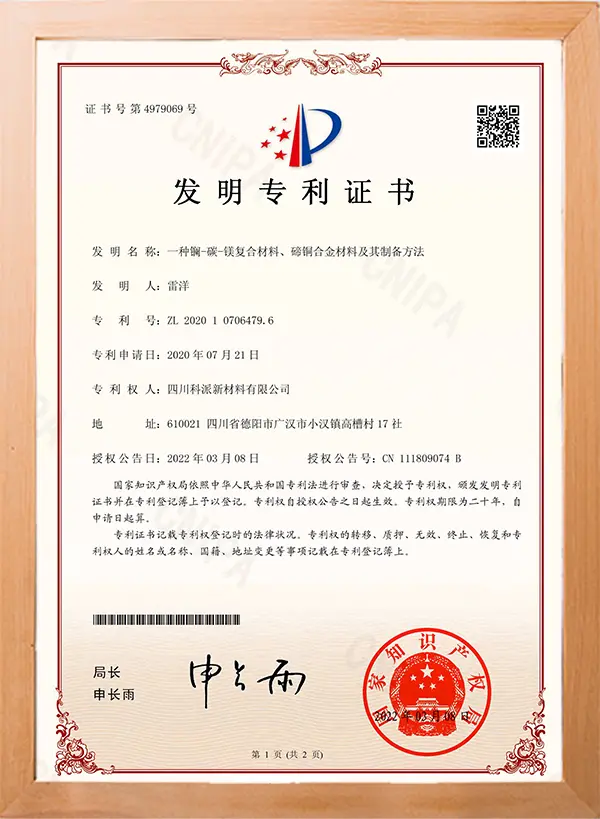
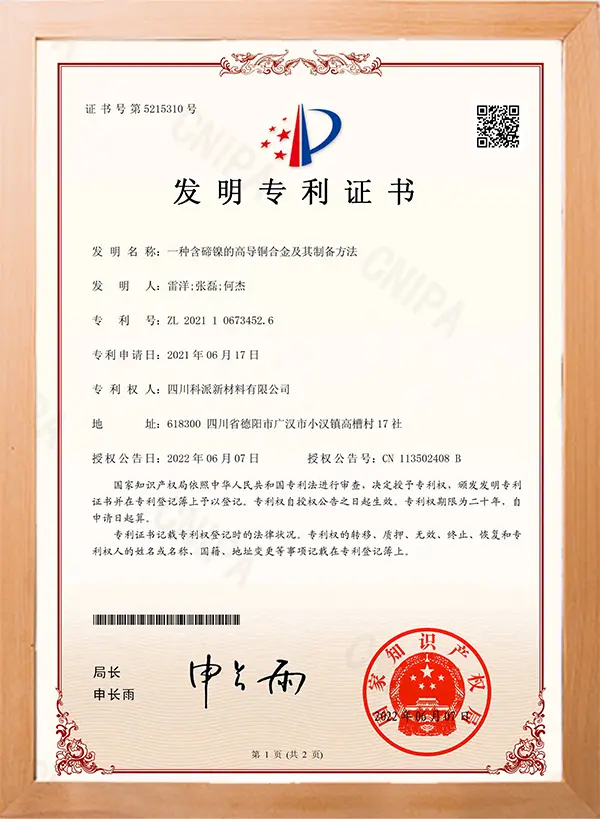
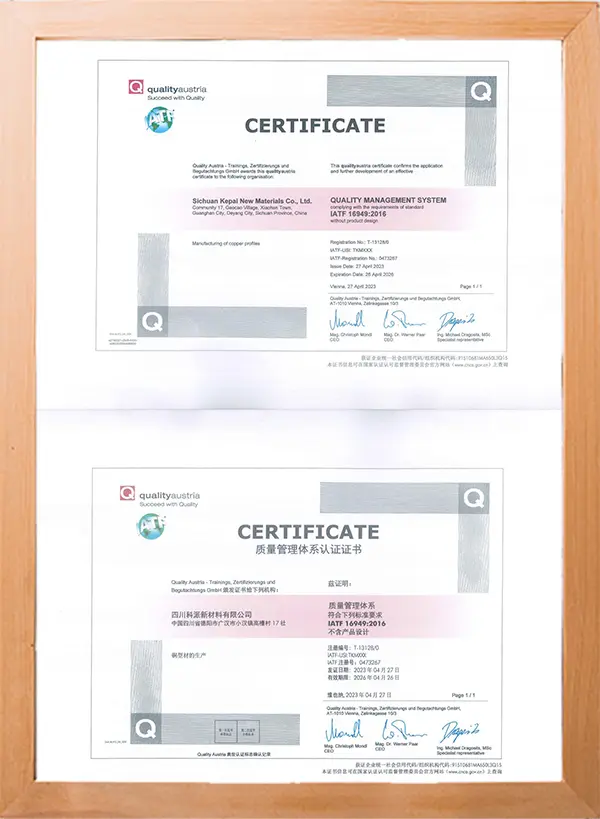
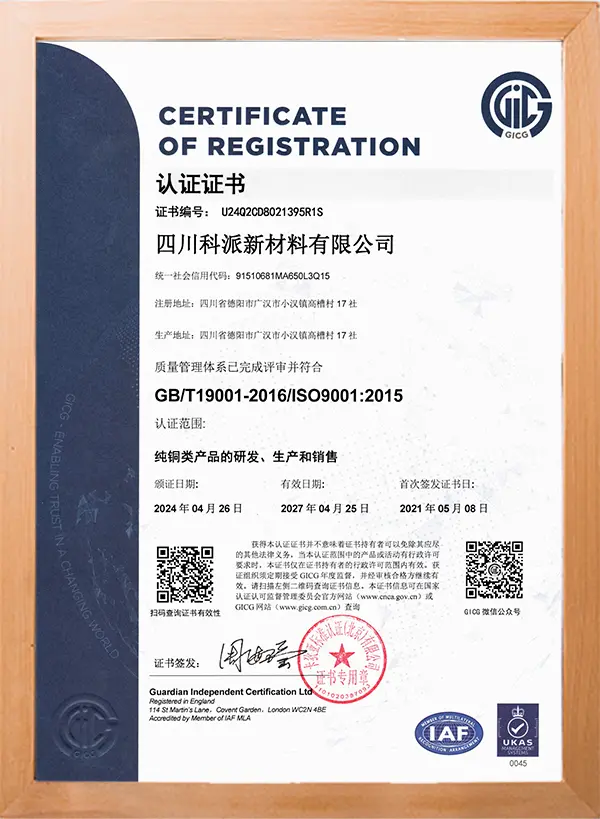
A guide for industrial sourcing engineers when auditing Chinese OEM factories for Chromium-Zirconium-Copper components.
When procurement managers source C18150 CrZrCu products from OEM factories, checking the material's chemical and mechanical consistency is critical. To prevent structural cracking and premature wear in electrodes and connectors, ensure your supplier provides verification for each of the following properties:
Verify that the Chromium content is held strictly between 0.5% and 1.2%, and Zirconium between 0.03% and 0.3%. Variations outside these limits will cause either a drop in conductivity or an inability to achieve the desired age-hardening effect.
Ask for the supplier's specific heat treatment curves (Solution treatment at ~950°C and aging at ~450°C). Materials that have not undergone age-hardening will suffer from severe deformation when subjected to operating temperatures above 200°C.
Require non-destructive eddy current testing across 100% of the production lot. This step detects internal porosity, cracking, or casting defects in rods and bars before they enter precision CNC machining centers.
Answers to technical and metallurgical questions regarding C18150 Chromium-Zirconium-Copper.
While C18200 contains only chromium (Cu-Cr), C18150 includes Zirconium (Cu-Cr-Zr). Zirconium improves resistance to creep and cracking under high stress at elevated temperatures, and reduces adhesion to steel and aluminum during welding. This makes C18150 more stable and durable than C18200 in robotic spot welding environments.
During resistance welding, high current flows through the electrode, generating intense heat. Normal copper electrodes soften and deform (mushroom) rapidly under these conditions. C18150 resists softening at temperatures up to 500°C and retains high hardness, extending electrode life and maintaining weld consistency.
C18150 has a machinability rating of approximately 20-30% of free-machining brass. While less machinable than tellurium copper, it can be machined with standard high-speed steel or carbide tooling. Using appropriate coolants and feed speeds yields highly precise surfaces and tight tolerances.
C18150 is typically shipped in the fully heat-treated (aged and cold worked) condition, ready for machining and use. Attempting to weld or heat the material above its softening point will alter its microstructure. If you must perform hot forming, the material will need a full solution-anneal and aging cycle to restore its properties.
Always request a Mill Test Certificate (MTC) showing chemical composition (specifically Cr and Zr ratios), electrical conductivity (minimum 80% IACS), hardness values (HRB or HB), and tensile strength metrics. ISO9001 compliance is also recommended.
Yes, C18150 is fully RoHS and REACH compliant, as it does not contain lead, beryllium, or other hazardous heavy metals. It is an environmentally friendly alternative to Beryllium Copper in applications where high conductivity and moderate strength are required.
Like all high-copper alloys, C18150 will form a protective oxide patina when exposed to moisture and oxygen over time. While this thin oxide layer does not affect mechanical properties, it can slightly increase contact resistance. Proper packaging and dry storage are recommended to prevent cosmetic oxidation.
Aged C18150 typically has a hardness between 75 and 85 HRB (Rockwell B), which corresponds to approximately 135 to 170 HV (Vickers). This provides the structural rigidity needed to resist deformation under mechanical loads.
Chromium and zirconium atoms in solid solution disrupt the regularity of the copper crystal lattice, which scatters conducting electrons and lowers conductivity to about 80-85% IACS. However, the resulting precipitation-hardening structure is what provides the alloy's high mechanical strength and thermal stability.
Yes, C18150 maintains its ductility and mechanical strength at sub-zero and cryogenic temperatures without experiencing low-temperature embrittlement, making it suitable for specialized cryogenic and scientific equipment.
Sichuan Kepai New Material Co., Ltd. provides customized copper alloy extrusion, drawing, and machining services. Get in touch with our engineering team for detailed material datasheets, custom quotes, and product samples.
Our comprehensive range of copper materials engineered to meet diverse electrical, thermal, and manufacturing specifications.
 Kepai
Kepai