 Kepai
Kepai
Whitepaper: Advanced Beryllium Cobalt Copper Integration in Korean Industrial Ecosystems
In the highly competitive landscape of high-precision engineering, metallurgy serves as the backbone of technical advancement. Among advanced alloys, Beryllium Cobalt Copper (designated as UNS C17500 and C17510) stands out as a unique structural metal. It resolves the classic engineering conflict of combining high electrical conductivity with exceptional mechanical strength. As South Korea accelerates its transition toward 3nm/2nm semiconductor fabrication, electric vehicle (EV) battery systems, high-speed rail, and aerospace defense, the demand for high-reliability C17500 and C17510 alloys has escalated significantly.
1. The Industrial Landscape of Beryllium Cobalt Copper in South Korea
South Korea's modern industrial sectors are concentrated in specialized clusters. These include the massive Gyeonggi-do semiconductor belt, the automotive manufacturing hubs of Incheon and Ulsan, and the heavy maritime yards of Busan. Each region relies heavily on high-specification copper alloys. Beryllium Cobalt Copper is crucial for these operations:
Semiconductor Packaging and Testing: At the heart of South Korea’s memory and logic foundries, precision probe cards, IC test sockets, and burn-in boards are subjected to continuous mechanical contact and high-speed electrical pulses. The structural pins in these test systems must resist wear while maintaining high electrical conductivity. C17500 and C17510 are standard specifications due to their high tensile strength and resistance to fatigue under cyclic loading.
EV Battery Production and Smart Relays: The transition to 800V fast-charging architectures in the Korean EV sector requires heavy-duty electrical contacts, relays, and busbars. Standard pure copper lacks the mechanical spring force retention required at elevated temperatures. Beryllium cobalt copper alloys provide the necessary combination of continuous contact pressure and high ampacity. This prevents high contact resistance and catastrophic thermal runaway.
Resistance Welding in Automotive Assembly Lines: Hyundai and Kia assembly plants rely on robotic spot welding systems. These systems require welding tips capable of operating under high clamping pressures and temperatures without softening. Beryllium cobalt copper (classified under RWMA Class 3) is a standard choice for these heavy-duty welding electrodes.
2. Global Commercial & Industrial Status: Supply Chains and Standards
Globally, the production of high-end beryllium-containing copper alloys is concentrated among a select group of metallurgical manufacturers. Beryllium is a tightly regulated element due to health and safety protocols during the primary extraction and smelting phases. Consequently, global supply chains rely on advanced companies that possess the specialized vacuum induction melting (VIM) systems and environmental controls necessary to process these alloys safely.
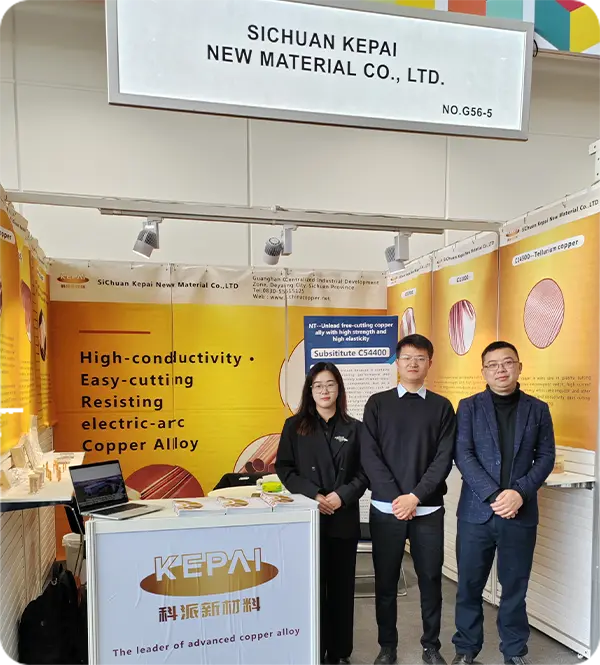
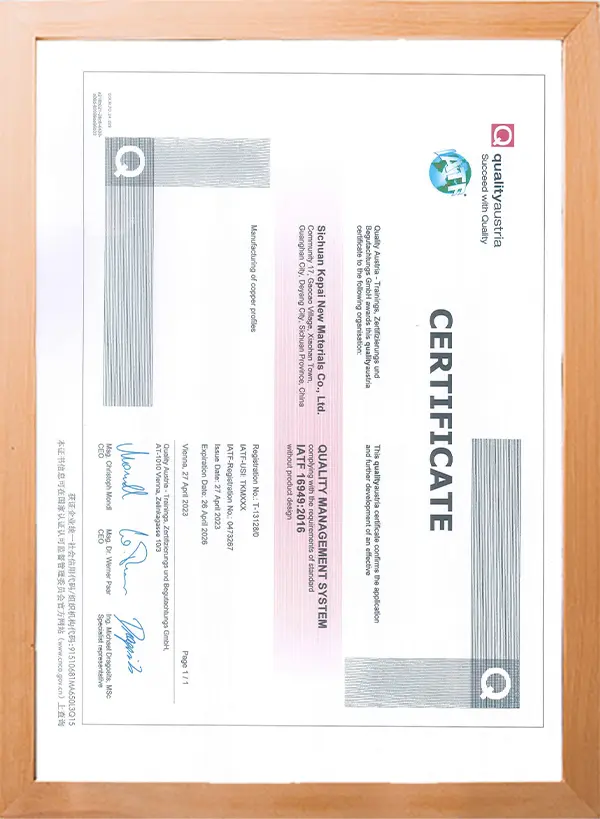
Internationally, alloys are governed by stringent standards, including ASTM B534, DIN EN 12163, and RWMA Class 3 specifications. Procurement managers in Europe, the United States, and Asia face complex lead times and quality variances. Sichuan Kepai New Material Co., Ltd. addresses this gap by offering high-purity, fully certified copper alloy alternatives with short lead times, direct logistics to the Port of Busan, and comprehensive quality documentation.
3. The China Production Efficiency Advantage (Sichuan Kepai)
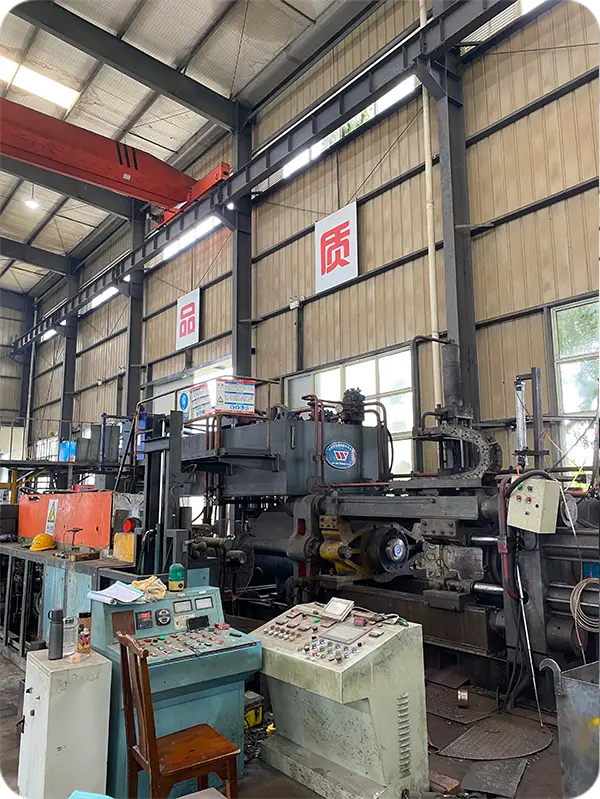
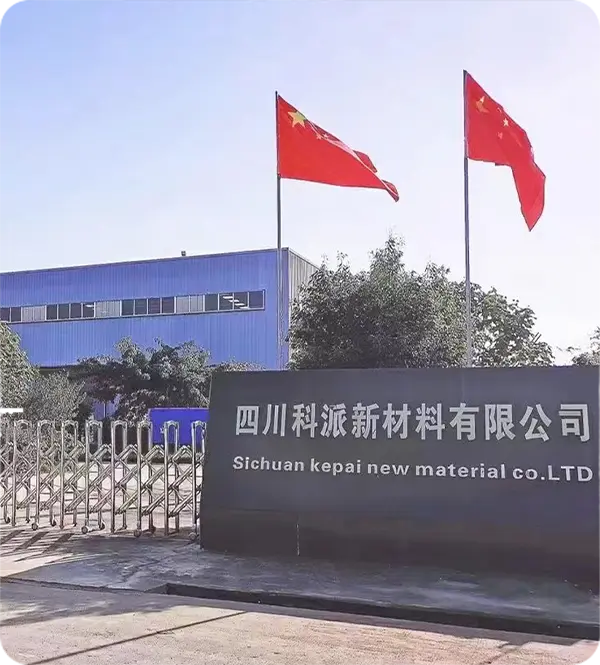
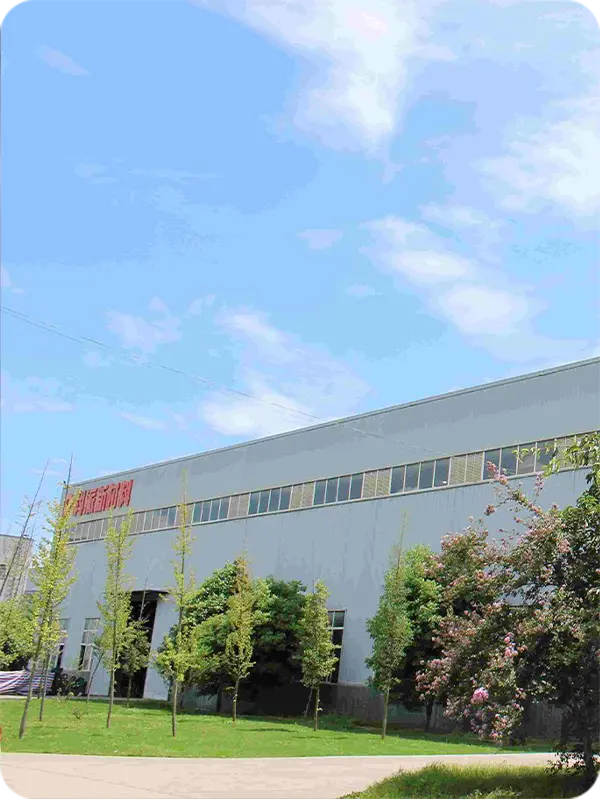
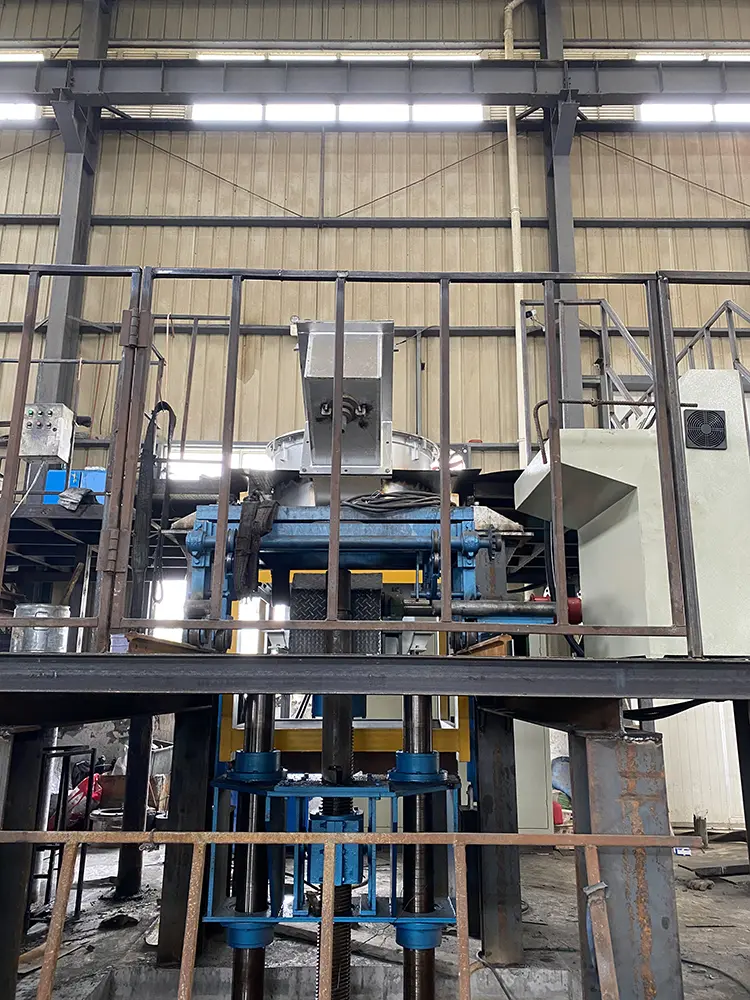
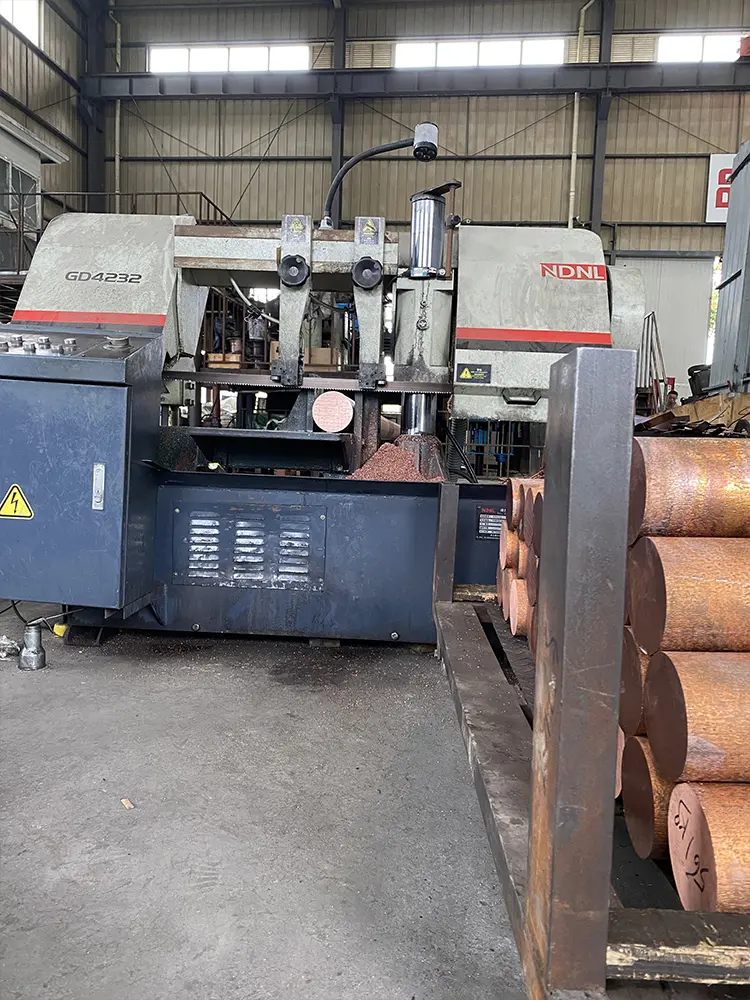
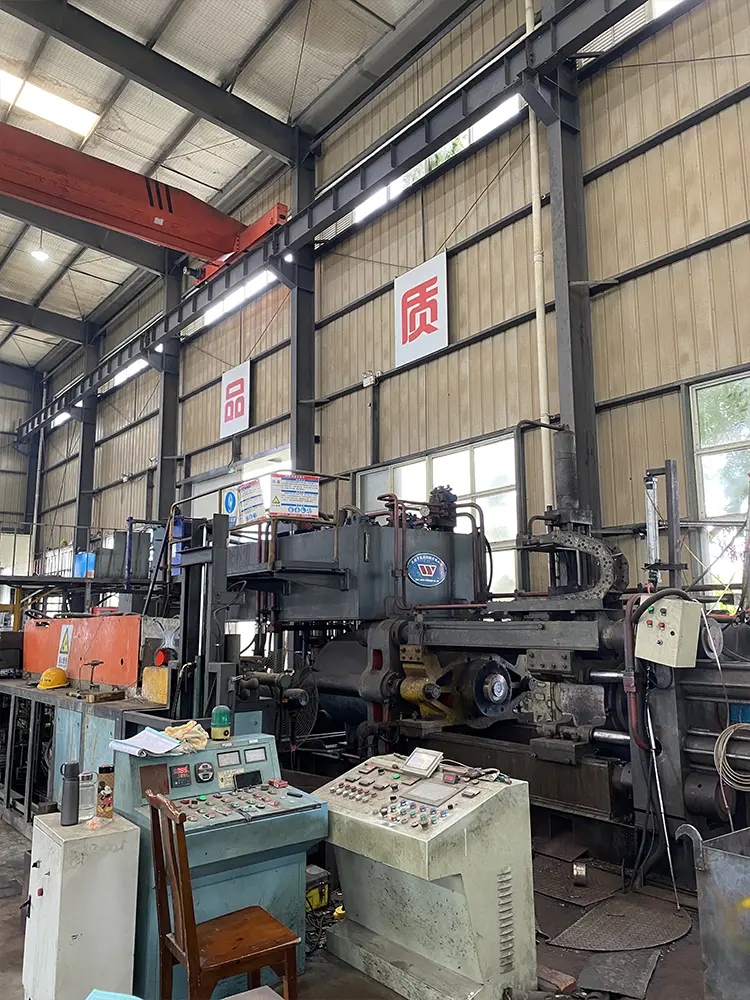
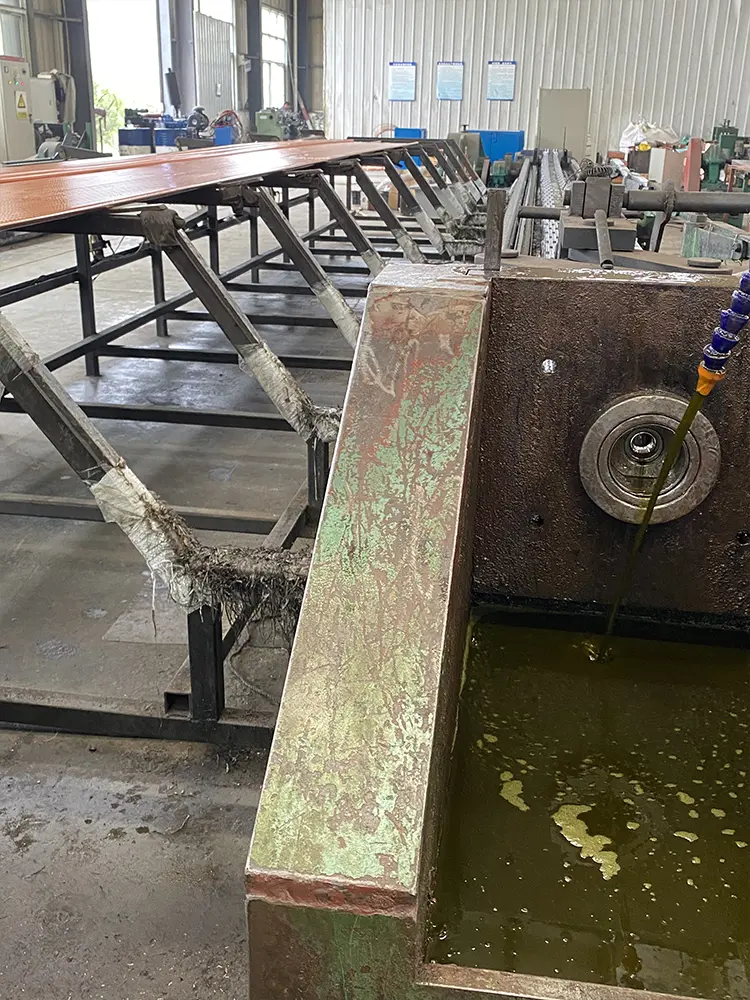
Sichuan Kepai New Material Co., Ltd. operates a specialized 9,000-square-meter manufacturing facility in the Guanghan Industrial Development Zone. Our production efficiency is driven by three core pillars:
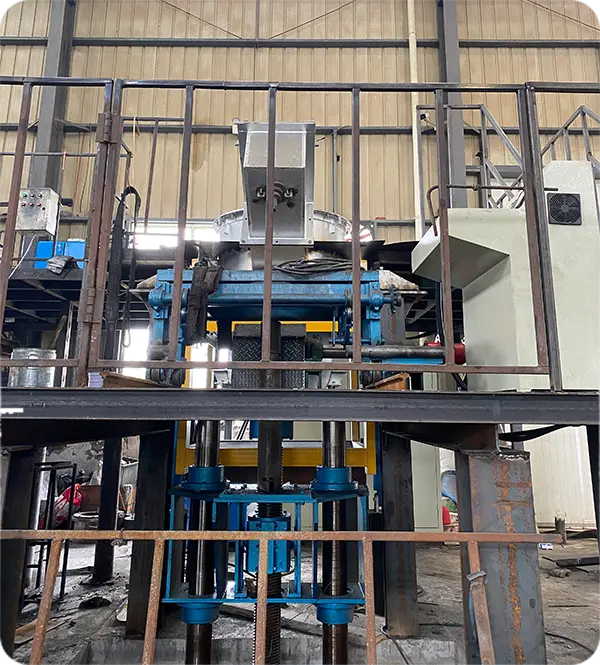
Upstream Resource Integration and Clean Smelting: Sichuan Kepai maintains proximity to reliable raw copper and master alloy resources. This geographic layout allows us to secure stable raw materials and minimize supply fluctuations. We utilize state-of-the-art oxygen-free induction melting technology to ensure exceptionally low gas content and high purity in our copper matrices.
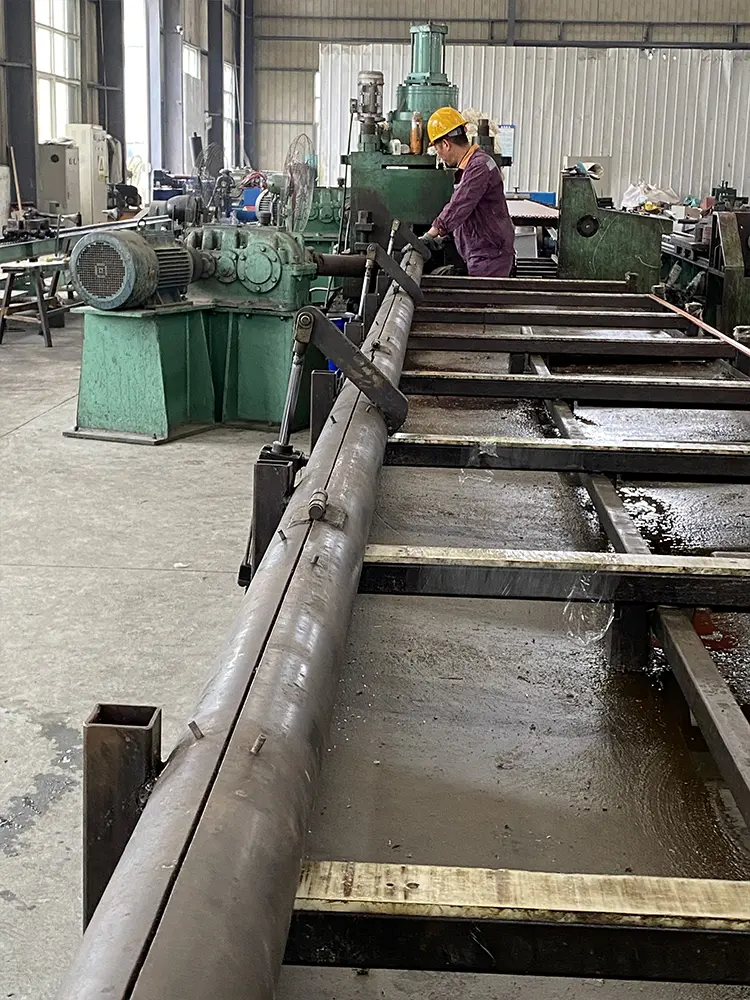
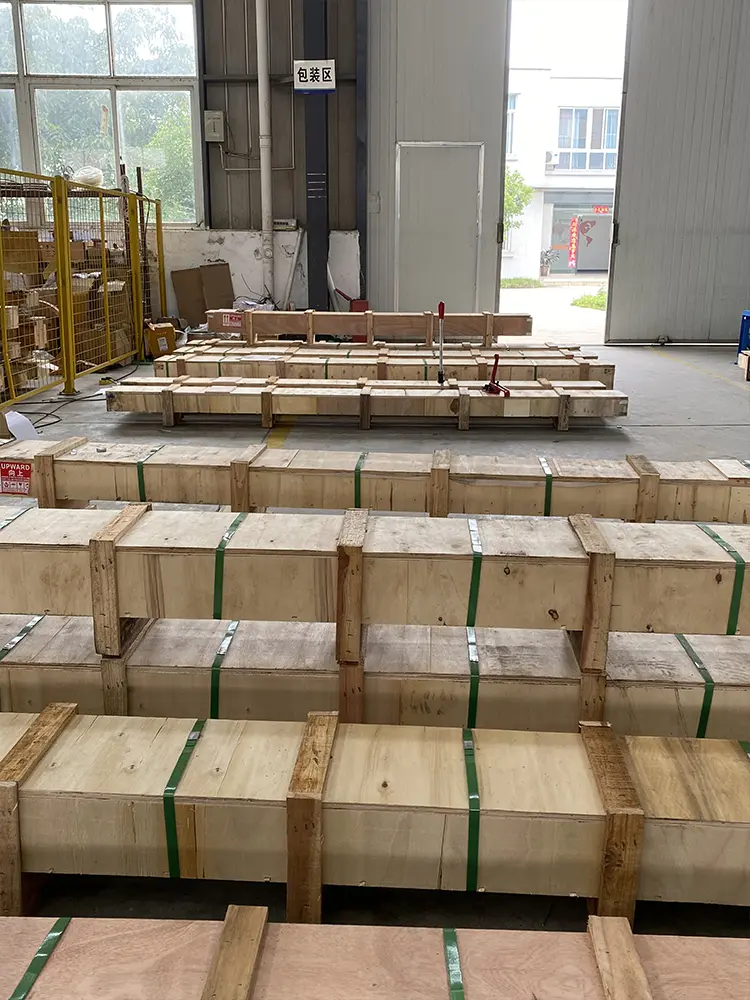
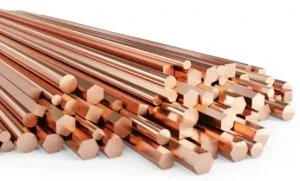
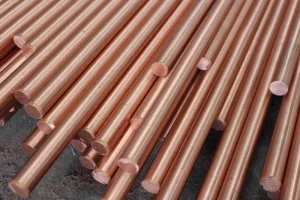
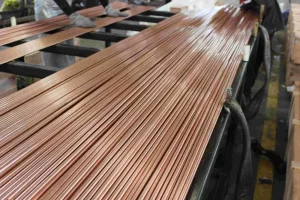
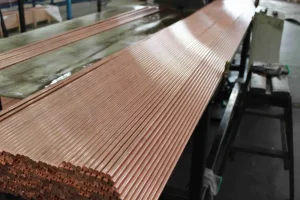
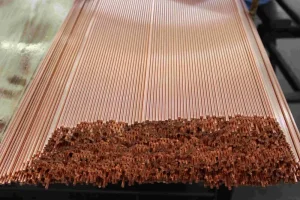
Advanced Extrusion and Finishing Lines: Our manufacturing facility integrates heavy extrusion, continuous drawing, and automated straightening equipment. By managing the process in-house—from vacuum melting to final sizing and packaging—we reduce yield losses by 15-20% compared to fragmented manufacturers. This operational efficiency is reflected in our competitive pricing structure.
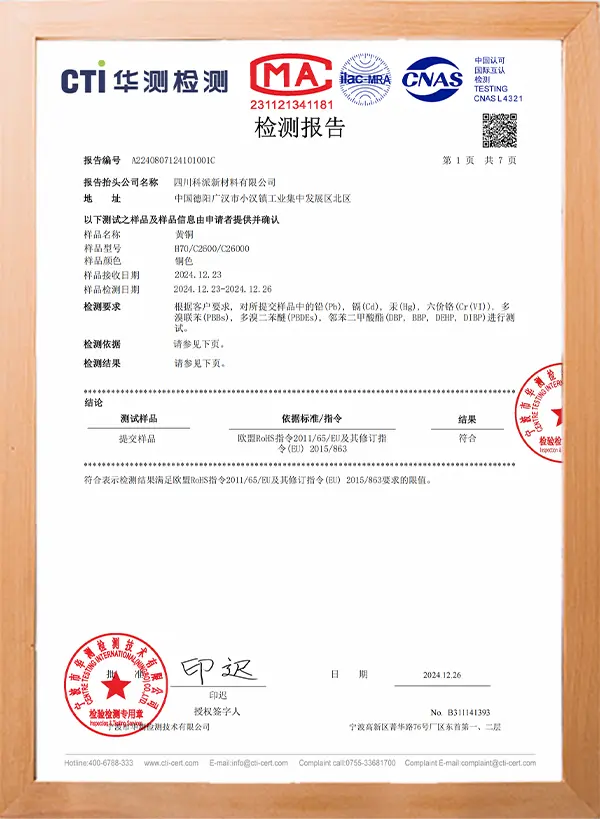
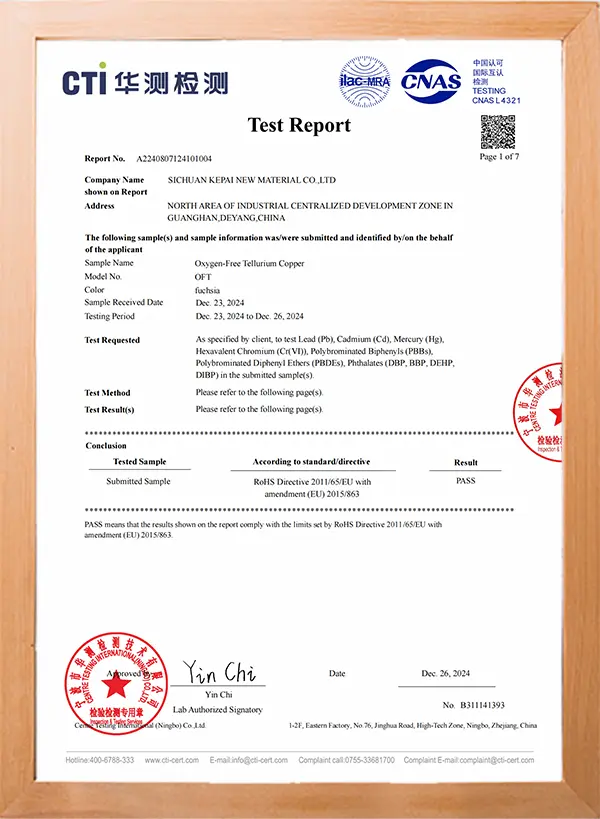
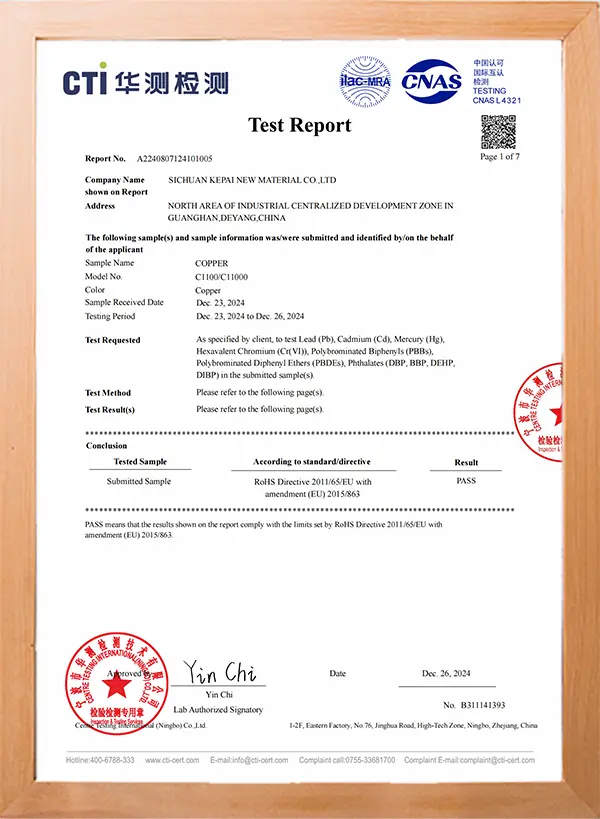
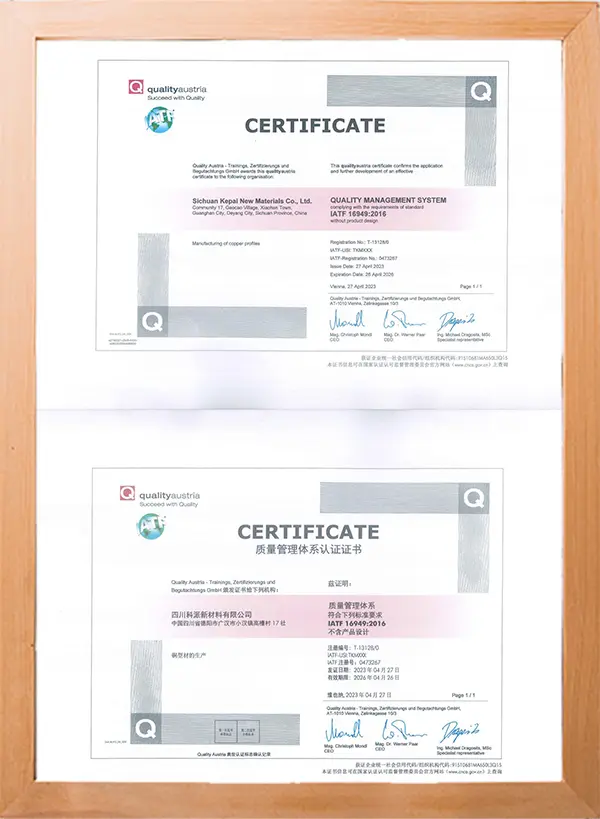
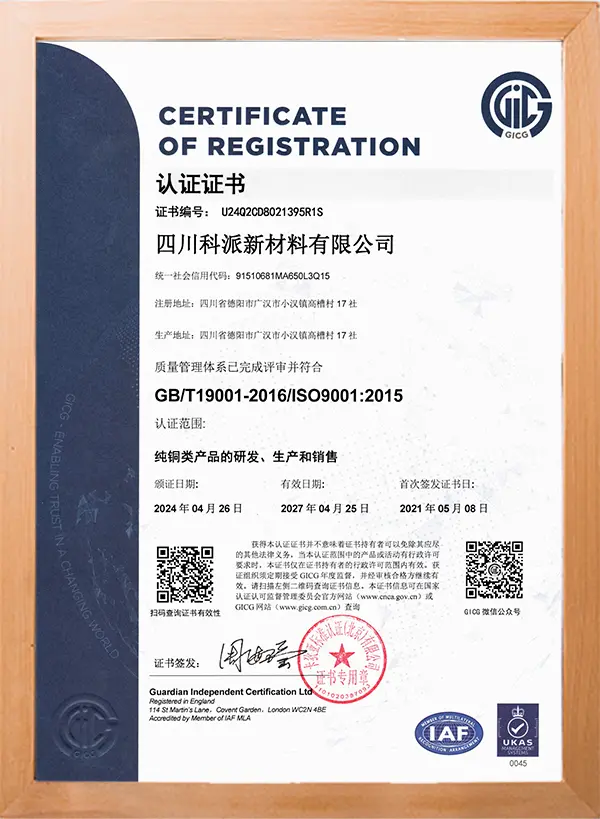
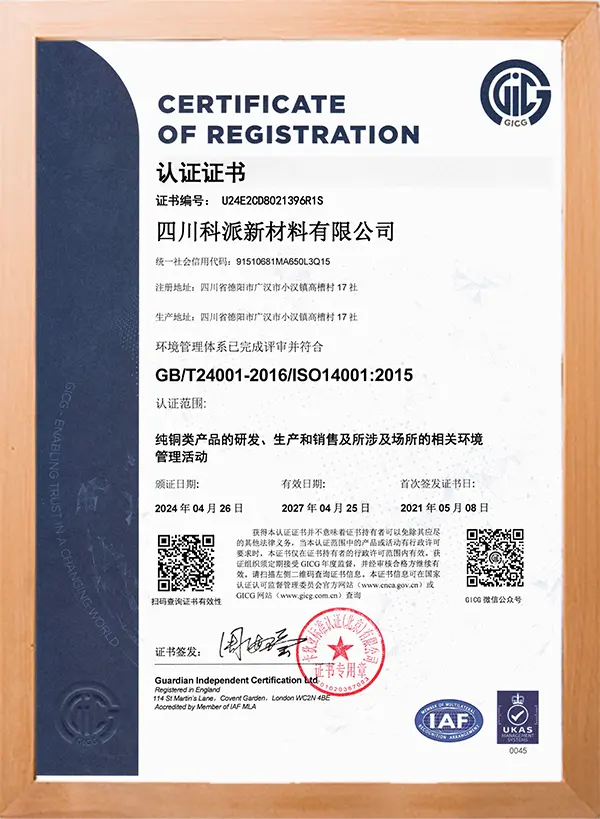
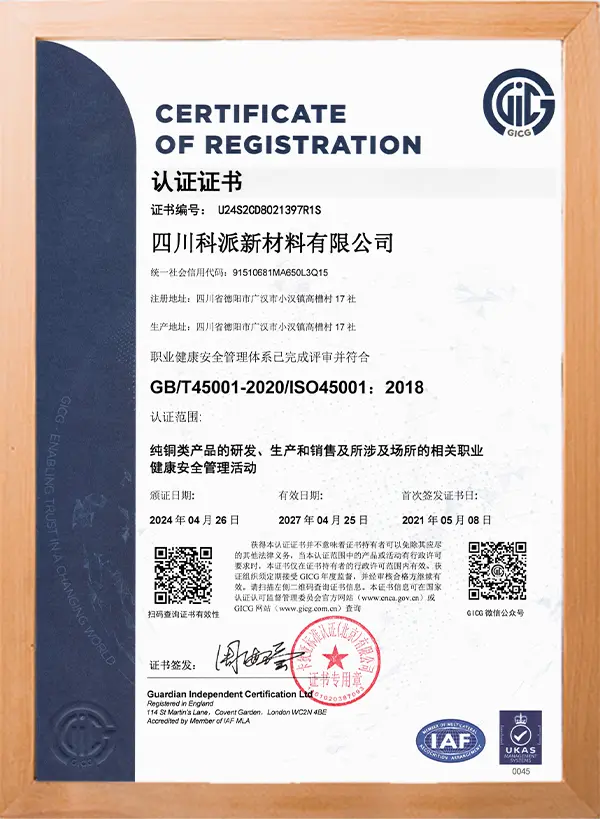
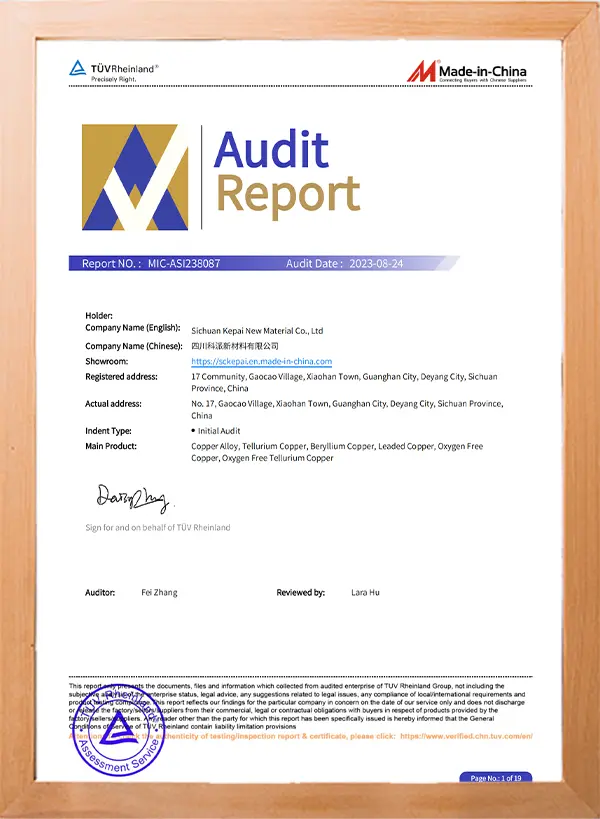
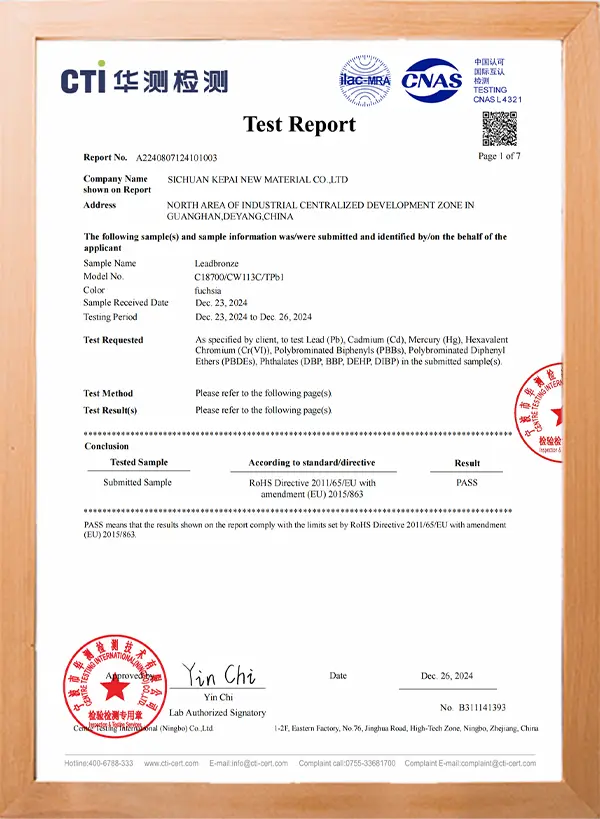
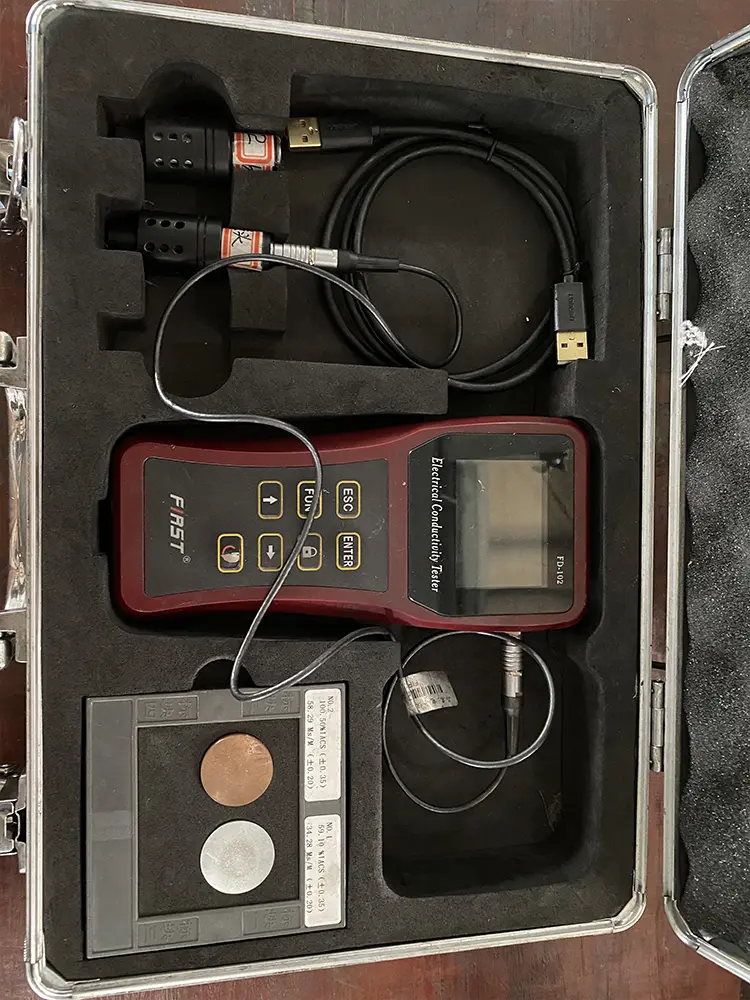
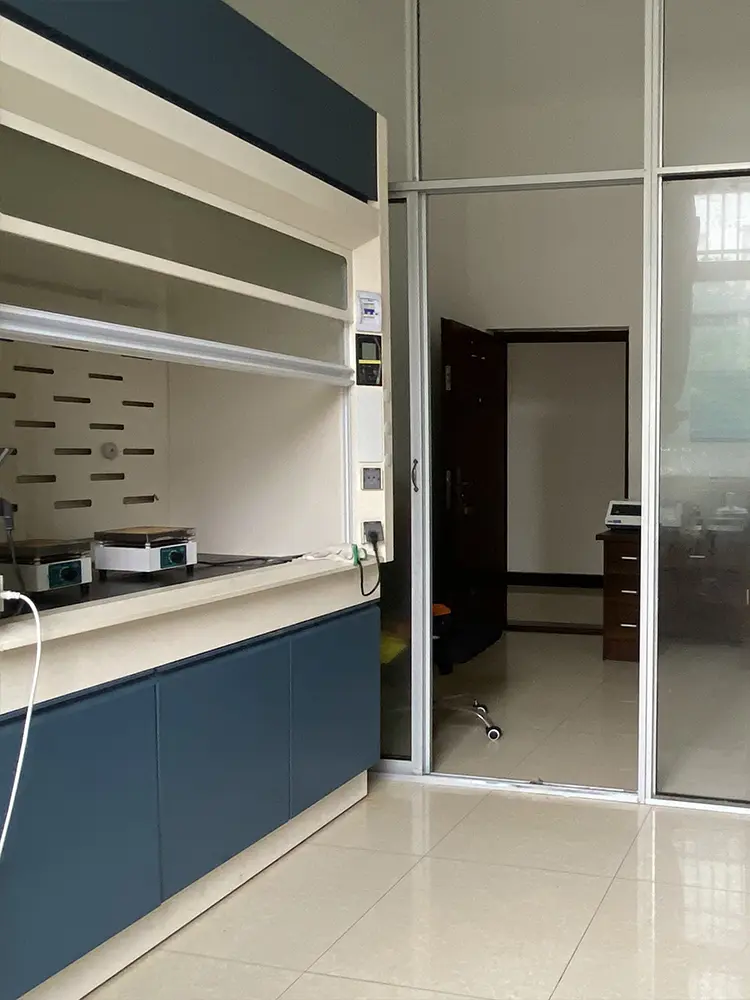
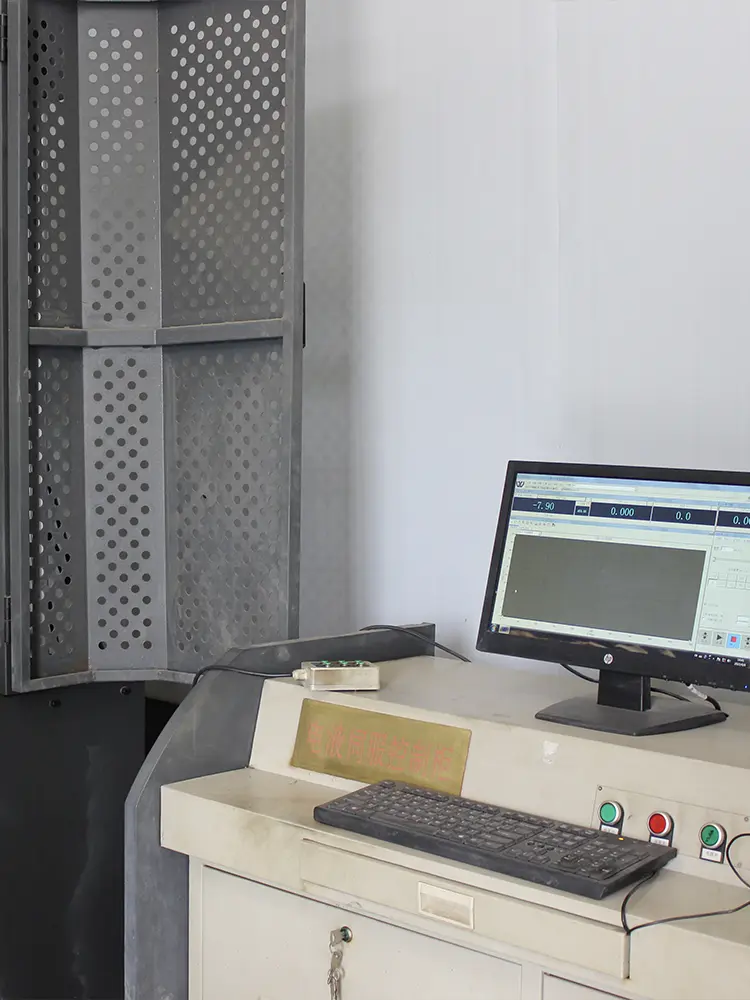
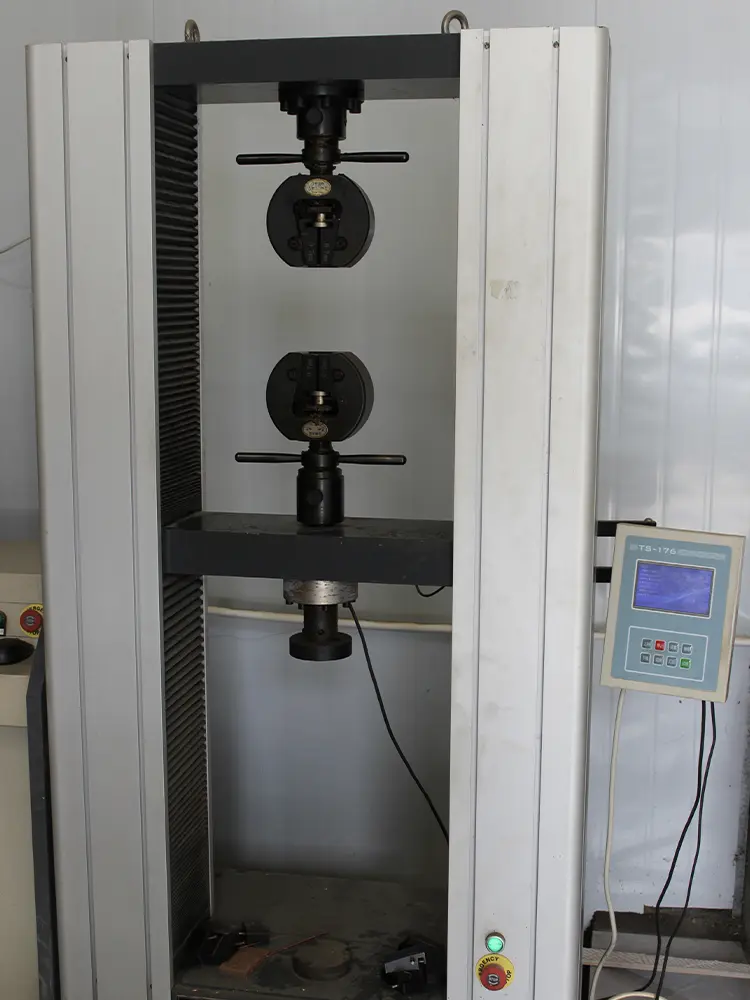
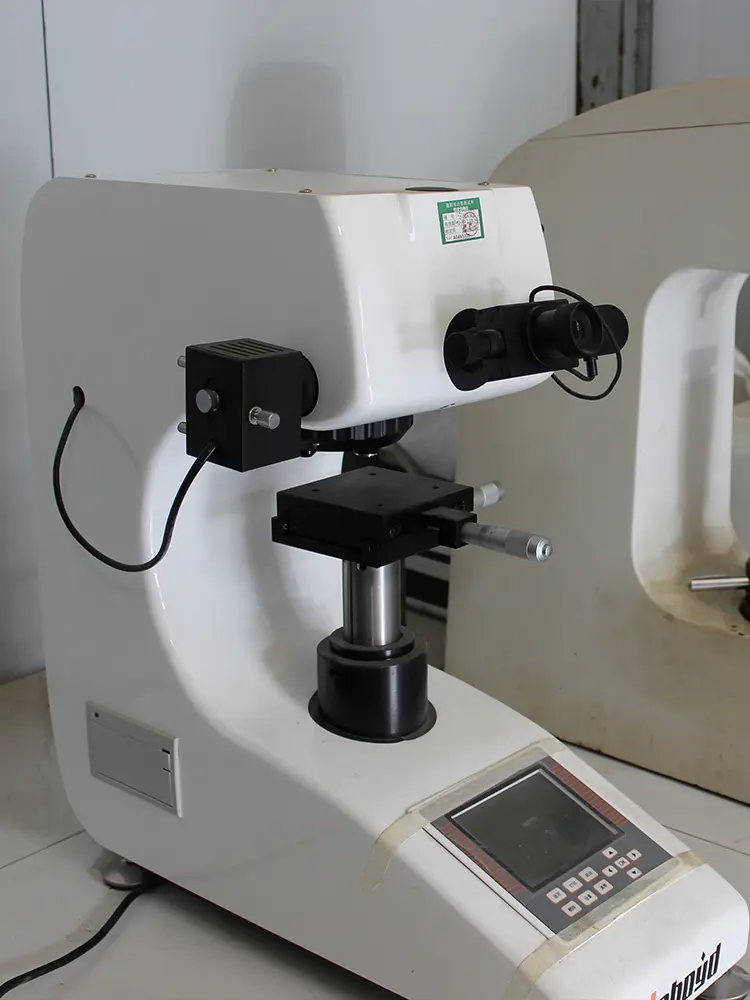
Comprehensive Quality Management: With dedicated testing infrastructure—including eddy current conductance instruments, universal testing machines, metallographic polishing labs, and chemical analysis centers—we perform end-to-end quality validation. Every shipment to Korea is accompanied by a mill test certificate (MTC) detailing chemical composition, electrical conductivity (% IACS), hardness (HRB/HV), and tensile strength.
4. Localized Application Scenarios for the Korea Market
To maximize ROI, South Korean engineering teams must select the appropriate copper alloy based on their specific application parameters:
- Incheon Electric Connector Hubs: Standard connectors experience stress relaxation over time, leading to terminal failure. Utilizing Kepai’s high-strength C17500 ensures long-term elastic spring force retention even in high-humidity automotive sensor arrays.
- Ulsan Precision Die Casting: In injection molding plants, high-thermal-conductivity copper alloy core inserts are used to accelerate cooling cycles. Our beryllium cobalt copper offers thermal conductivity up to 3 to 4 times higher than tool steels, reducing cooling times by up to 30%.
- Seoul High-Frequency RF Transmission: 5G base stations and radar arrays require components that handle high currents with minimal insertion loss. The high electrical conductivity (>48% IACS) of C17510 ensures efficient signal transmission.
5. Industry Development Trends: Decarbonization and Alloy Innovation
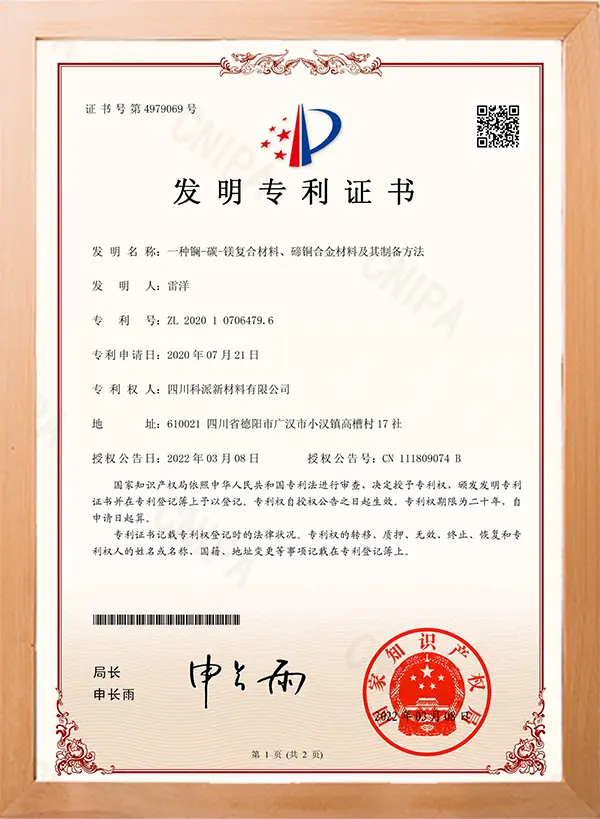
The global copper alloy industry is moving toward environmental sustainability, lead-free composition, and higher resource recycling rates. At Sichuan Kepai, we are researching low-carbon smelting processes to align with global environmental mandates. In addition, we are continually refining the balance of cobalt and beryllium contents to optimize the cost-to-performance ratio for next-generation electronic systems.