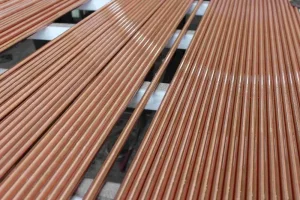
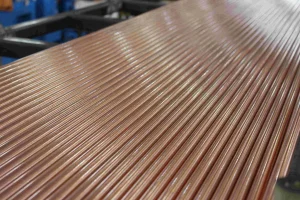
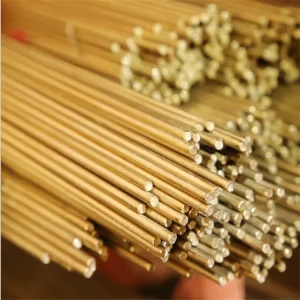
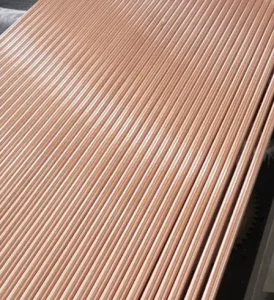
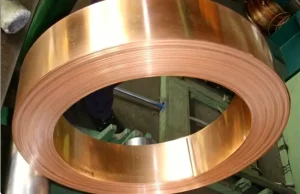
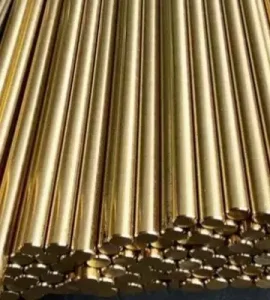
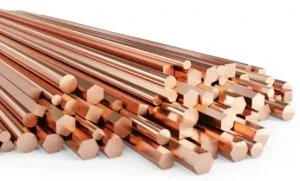
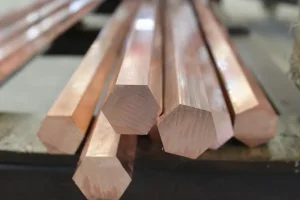
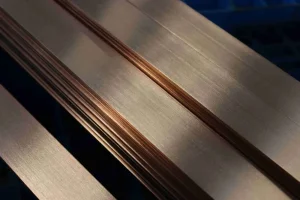
Direct access to our engineered high-performance alloys. These formulations are specifically designated for Danish mechanical operations, wind turbine integration, and marine electronics.
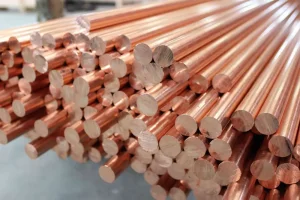
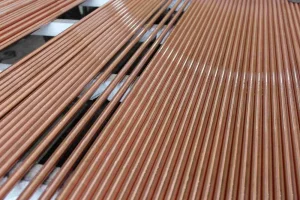
Denmark stands as a global pioneer in green transition, carbon-neutral manufacturing, and clean tech engineering. Key industrial clusters, from offshore wind grid stations in Esbjerg to advanced smart-robotics companies in Odense and maritime propulsion engineering in Copenhagen, rely on component reliability and electrical conductivity. Traditional free-cutting brass contains lead, a hazardous substance strictly regulated under the European Union’s REACH and RoHS directives. Modern production facilities are transitioning to C14700 Sulfur Copper (CuSP).
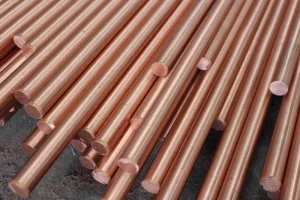
Sulfur Copper C14700 offers an optimized balance of high electrical conductivity (retaining approximately 95% IACS) and exceptional free-machining performance (index rating of 85% compared to free-cutting brass). By utilizing sulfur as the lubricating agent, C14700 forms stable copper sulfide (Cu2S) inclusions throughout the metal matrix. These inclusions break up chips into fine, manageable fragments during high-speed CNC processes, limiting tool wear and reducing energy usage for Danish OEM partners.
From micro-contact pins in high-frequency marine radar equipment to heavy-duty relays in Vestas wind turbine control boxes, C14700 provides high conductivity and thermal dissipation while meeting EU eco-regulations.
Designing electrical connectors requires balancing high electrical conductivity with mechanical machinability. Below is a comparative metallurgical overview of key high-conductivity copper alloys.
| Alloy Class | UNS / EN Standard | Electrical Conductivity (% IACS) | Machinability Rating | Lubrication Agent | Primary Industrial Use Case in Denmark |
|---|---|---|---|---|---|
| Sulfur Copper | C14700 / CuSP | 90% - 98% | 85 | Sulfur (S) | Wind turbine relays, high-frequency connectors, aerospace electronics |
| Tellurium Copper | C14500 / CuTe | 93% - 98% | 85 | Tellurium (Te) | Laser cutting nozzle tips, high-voltage vehicle power connectors |
| Phosphor Bronze | C51900 / CuSn6 | 15% - 20% | 20 | None (Work-Hardened) | Odense robotics spring clips, wear-resistant marine bushings |
| Chromium Zirconium Copper | C18150 / CuCr1Zr | 75% - 85% | 20 | Precipitation Hardened | Resistance welding electrodes, high-stress EV structural contacts |
The Physics of Sulfur Dispersion: Unlike alloying elements that form solid solutions with copper—which can lower electrical conductivity by scattering conduction electrons—sulfur exhibits negligible solid solubility in copper. Instead, it forms distinct copper sulfide (Cu2S) particles. These particles act as natural chip breakers without disrupting the high-purity copper grain boundaries responsible for conducting electricity. Consequently, design engineers in Copenhagen and Aarhus can utilize C14700 to produce precision micro-parts that run cool under high current loads.
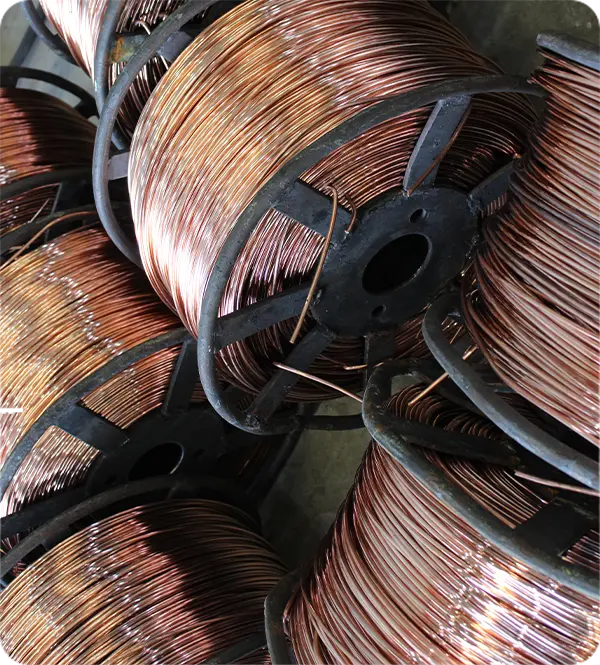
Established in 2017, Sichuan Kepai New Material Co., Ltd. is a high-tech developer, manufacturer, and supplier of high-conductivity special copper alloys. Located in the western area of the Sichuan Guanghan Industrial Development Zone, adjacent to National Highway 108, our production site has a logistical connection to the China-Europe Railway Express (Chengdu-Europe Network), facilitating freight shipping directly into continental Scandinavia, including the Aarhus and Copenhagen industrial ports.
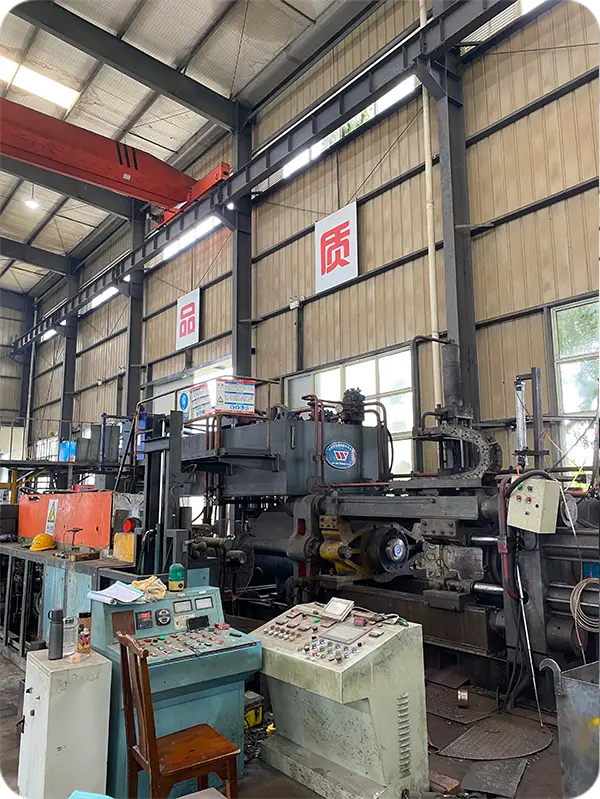
Currently, our production footprint spans a 9,000 square meter factory, backed by a 1,000 square meter research laboratory. Here, we focus on engineering strategic new materials tailored to next-generation energy networks, clean-energy transport, and aerospace applications. Our core portfolio includes high-performance tellurium copper, dispersion-strengthened copper, silver copper, chromium-zirconium-copper, and sulfur copper alloys. Through collaborative industry-university-research agreements, we keep pace with international metallurgical innovations, exporting products to major industrialized economies.
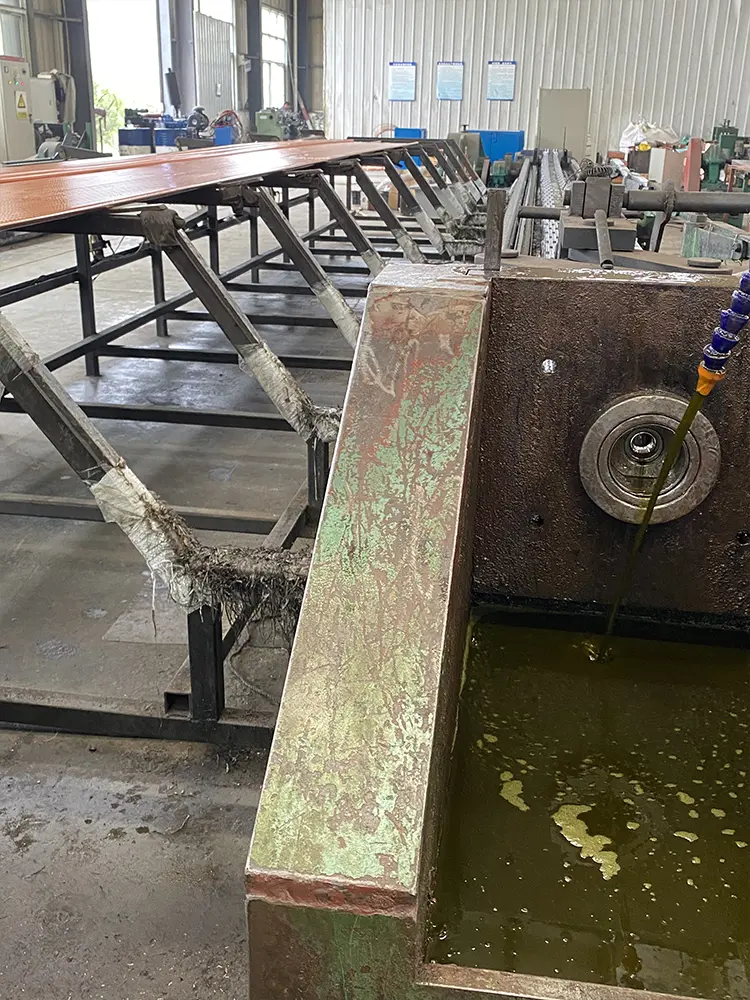
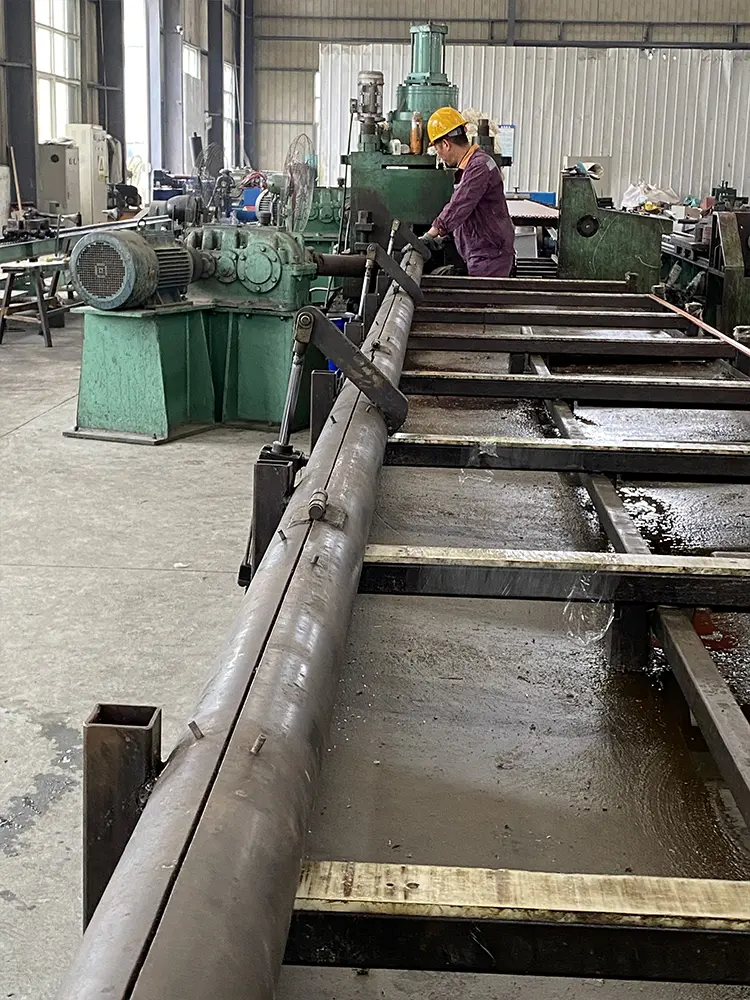
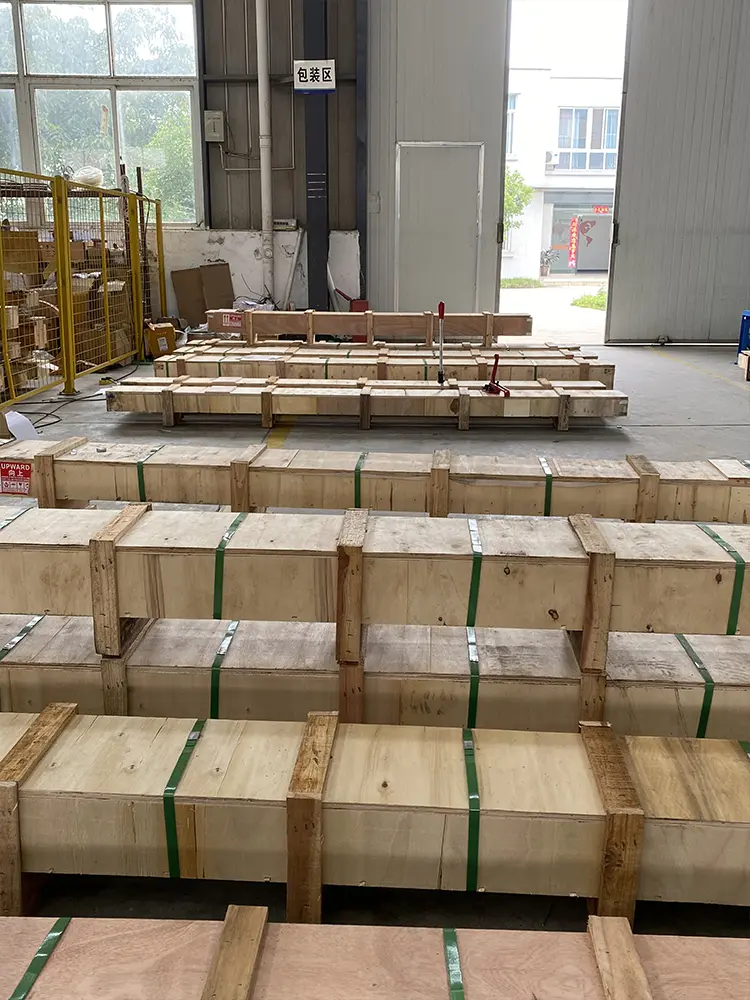
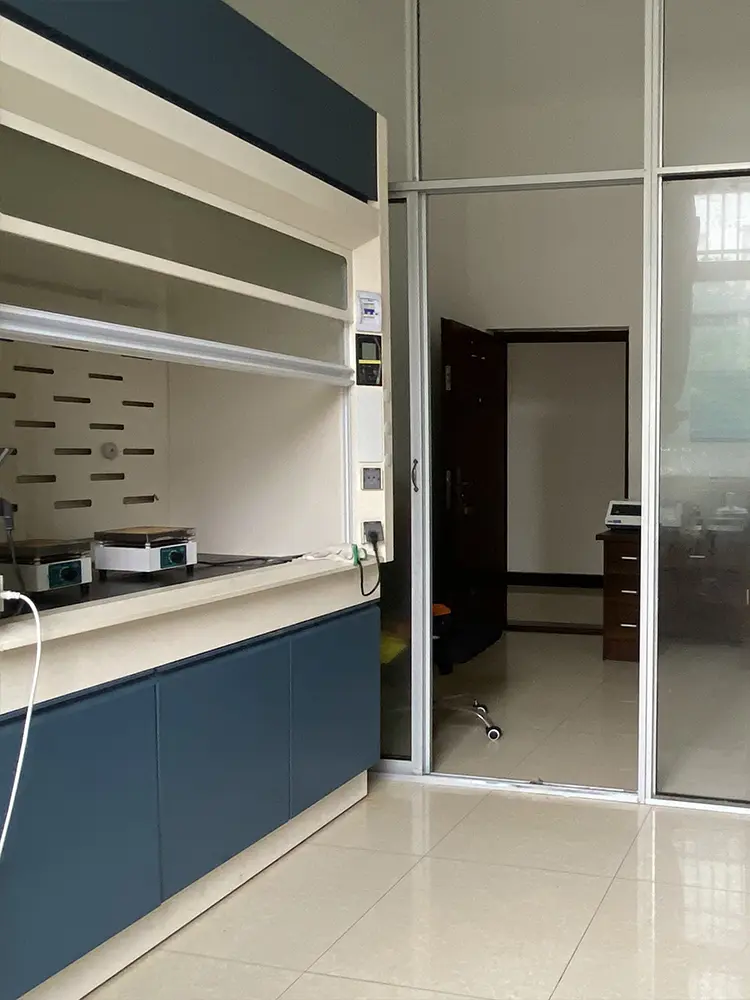
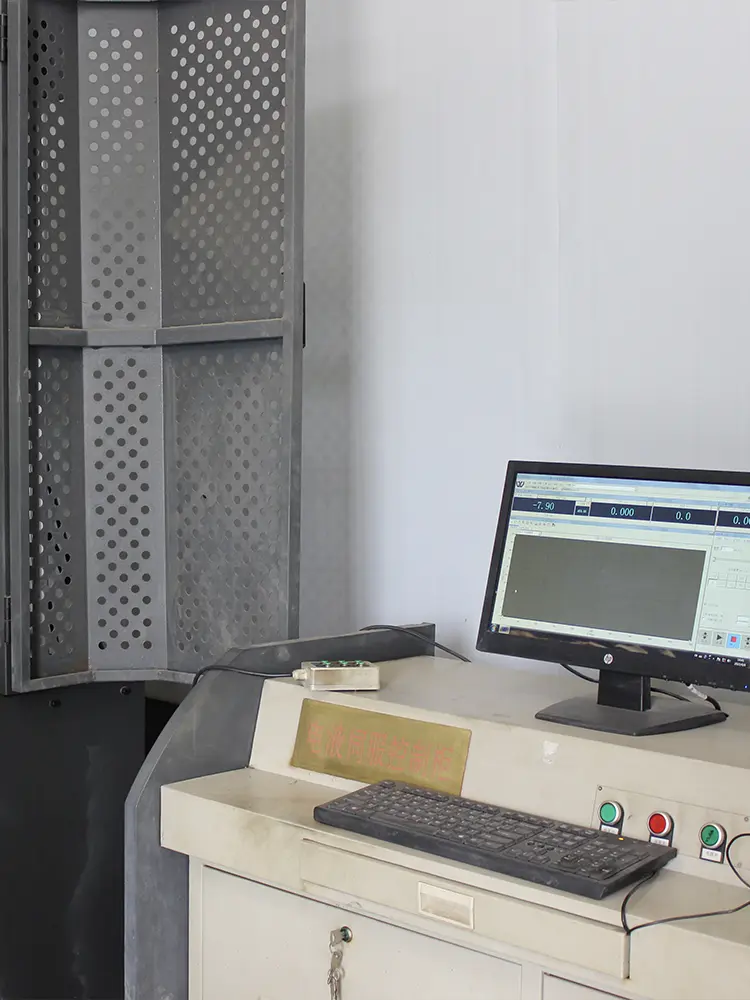
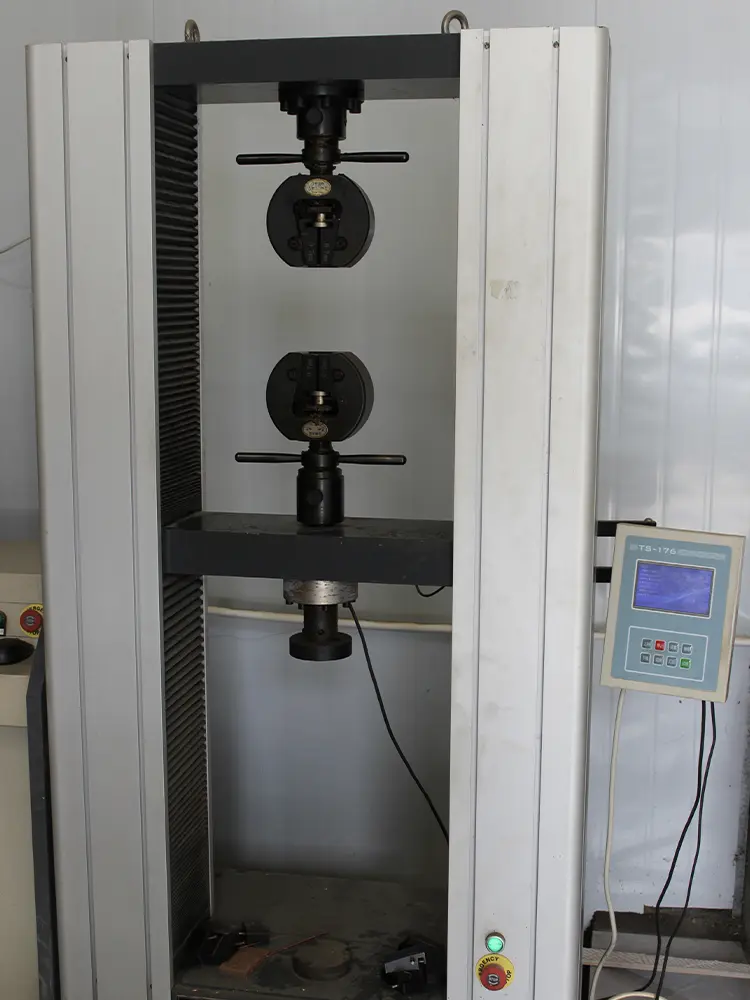
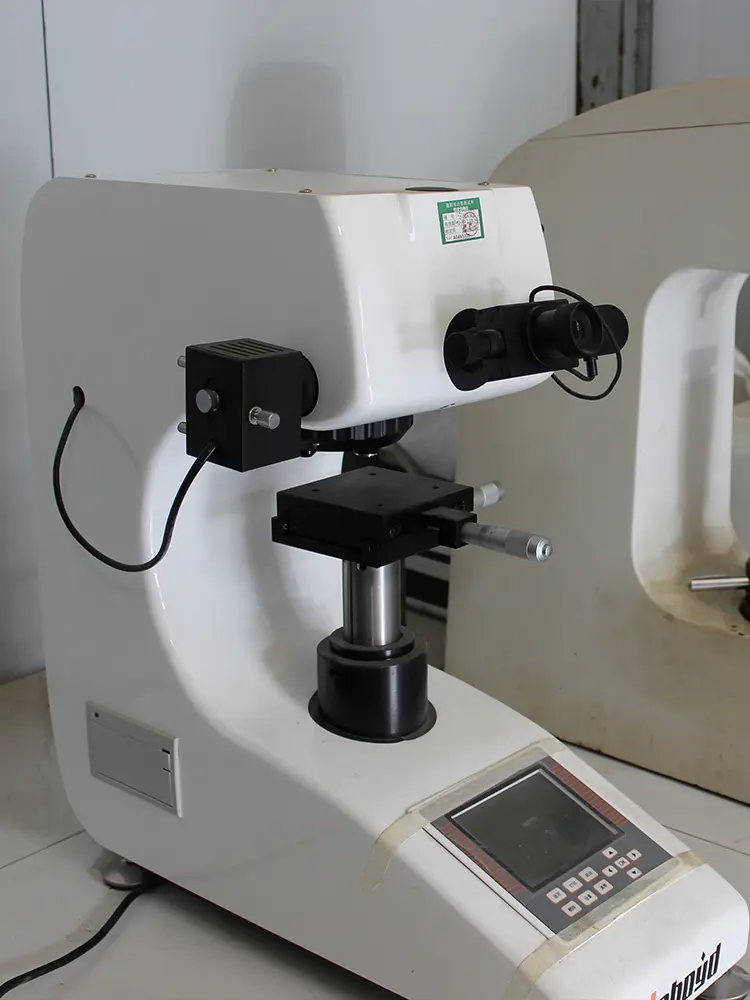
Our facility utilizes integrated production systems to maintain consistent alloy quality. We control the process from initial oxygen-free vacuum melting to final dimensional straightening and packaging, utilizing dedicated testing laboratories.
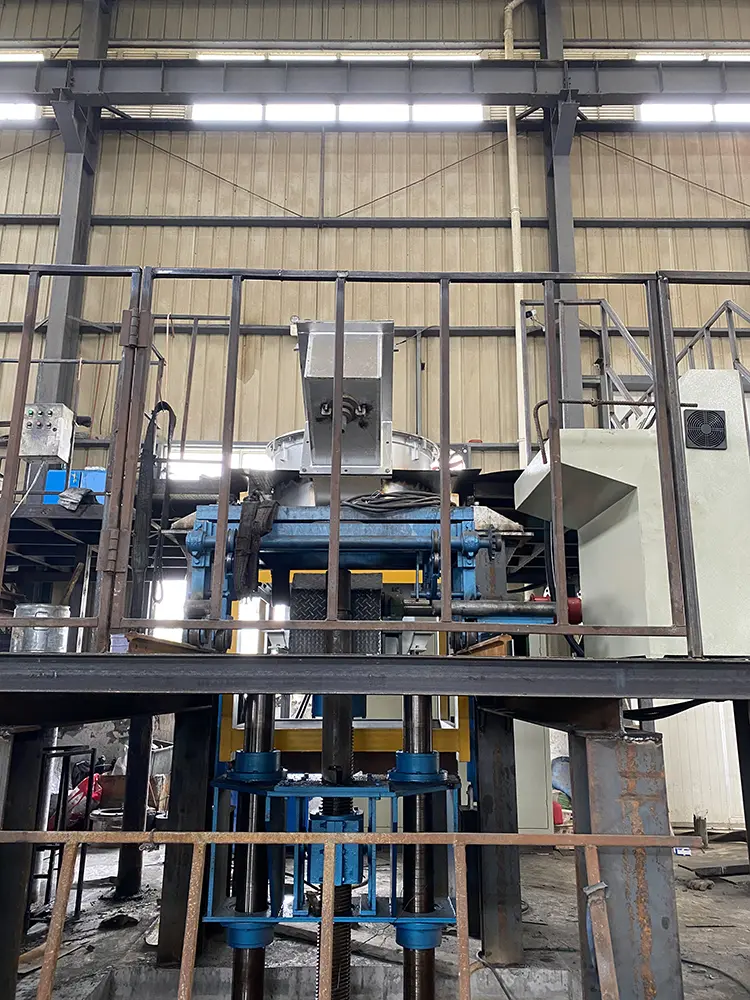
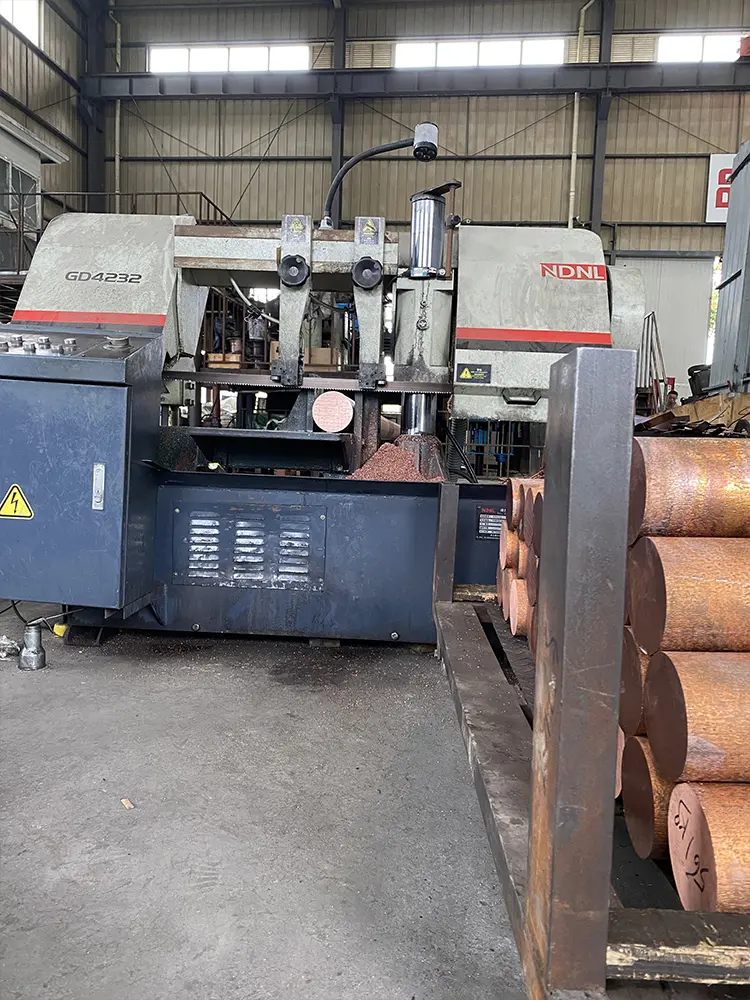
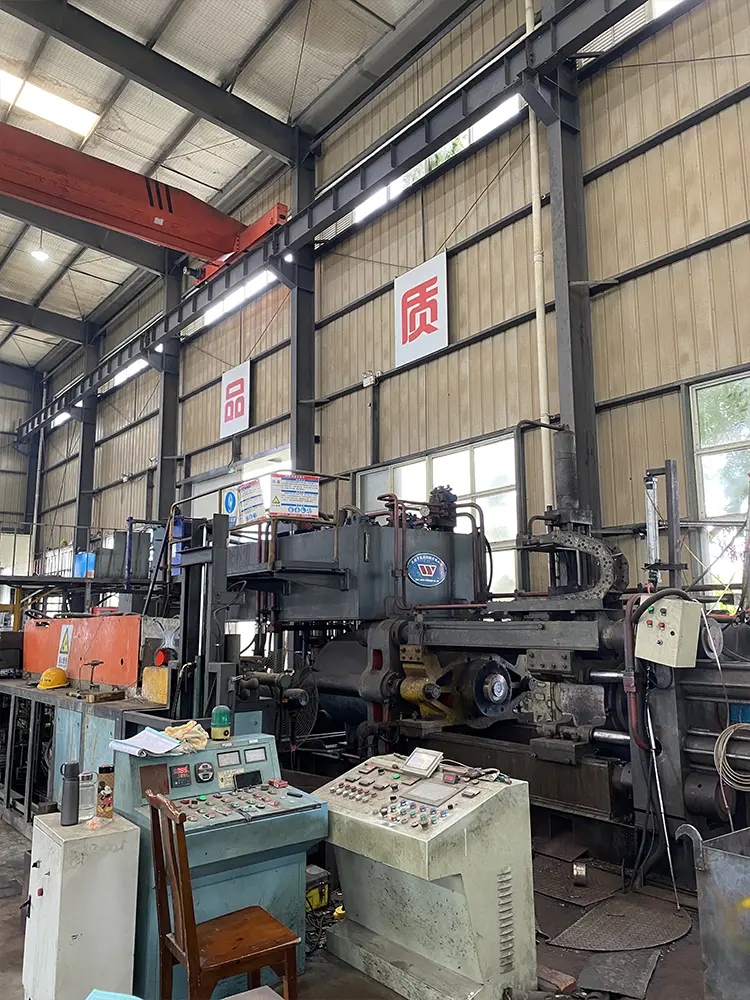

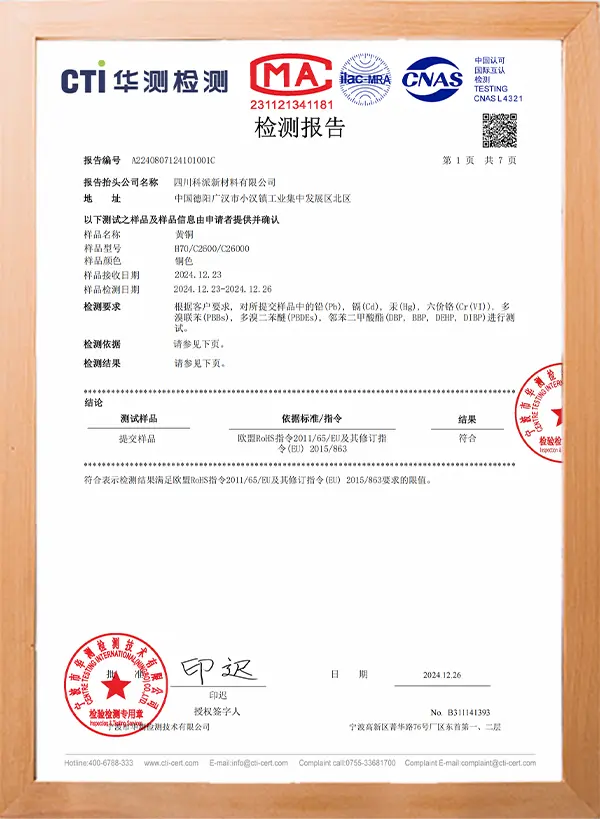
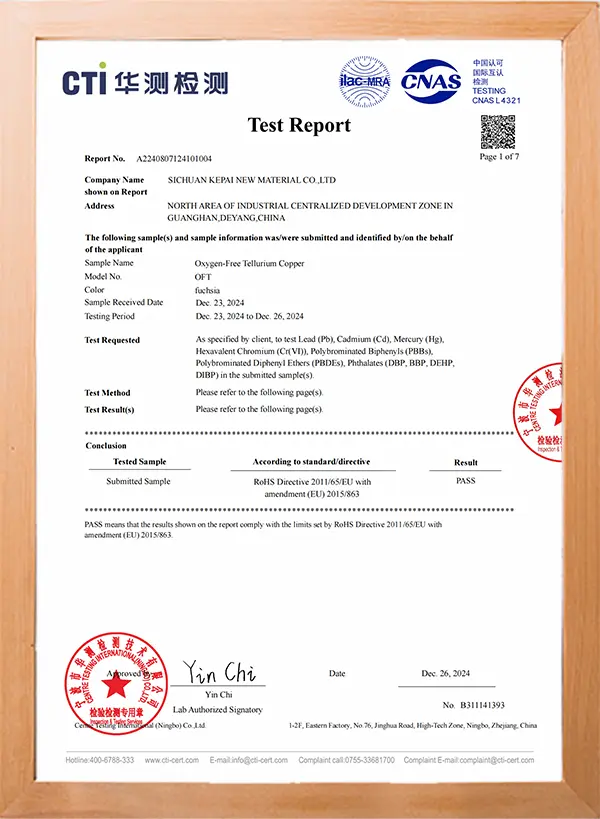
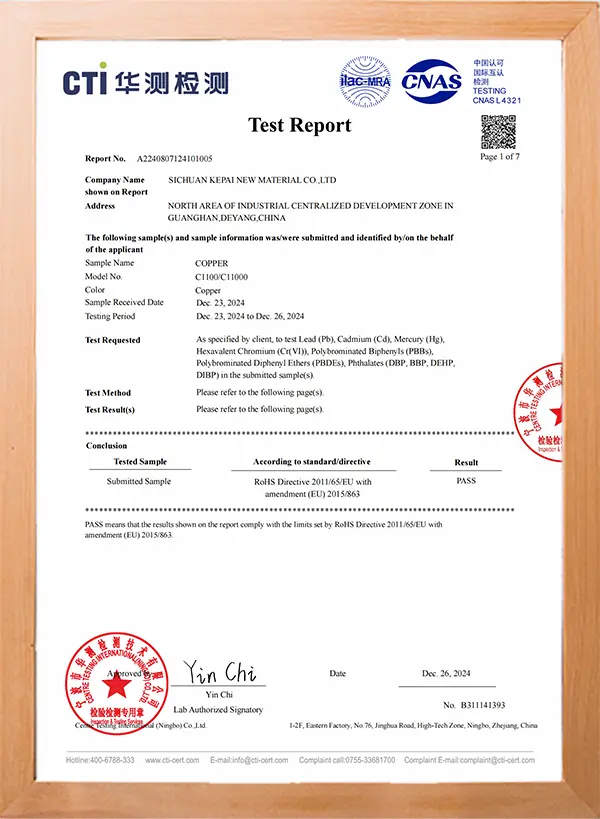
For Danish businesses purchasing materials globally, regulatory compliance is a key risk factor. Under the EU REACH and RoHS regulations, materials with high lead content are subject to strict reporting requirements and phasing-out mandates. Our Sulfur Copper (C14700) alloy is developed to align with these guidelines, replacing leaded brass alloys with a low-impact alternative.
We work with international shipping lines and rail networks to maintain structured logistics routes from Guanghan to Denmark. By utilizing the China-Europe rail network, we can deliver volume orders to Danish hubs such as Aarhus, Odense, and Copenhagen. Material certifications (including EN 10204 3.1 chemical reports, REACH statements, and RoHS compliance documents) accompany all export batches to facilitate customs clearance and verify supply chain tracking.
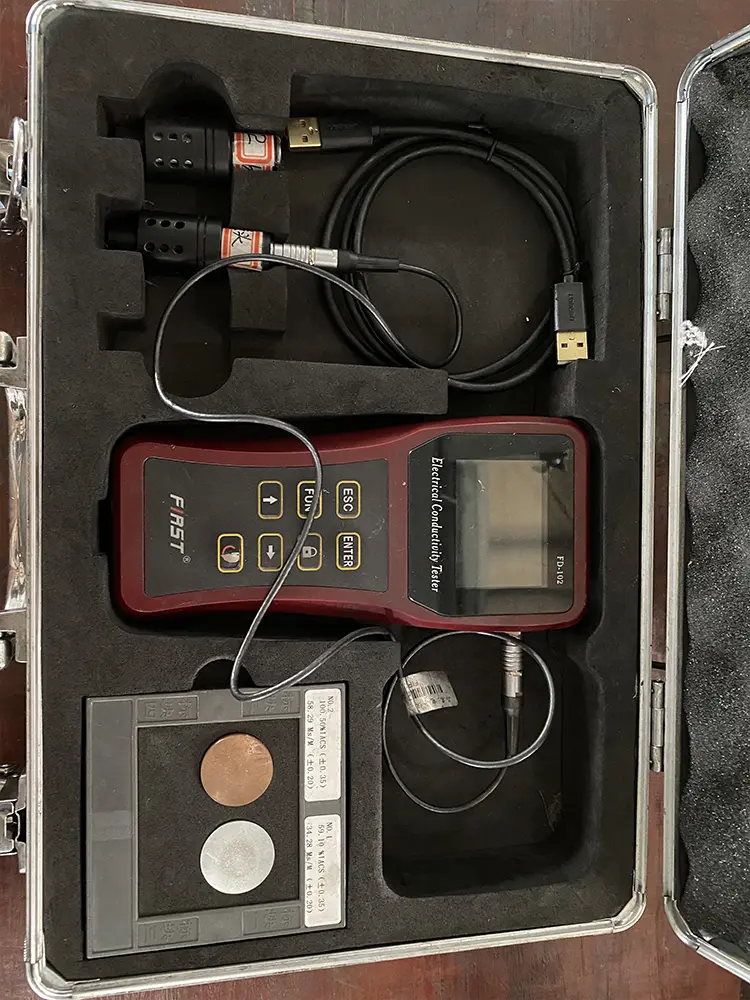
Advanced Production and Testing Systems: Sichuan Kepai maintains standard-compliant test environments. During smelting, we conduct spectral testing to verify the target sulfur dispersion levels (typically 0.2% to 0.7% S). Once drawn, rods and bars undergo non-destructive eddy-current testing to check for internal structural defects. Tension and compression properties are tested on our servo testing machines, confirming that materials meet mechanical specifications for bending, stamping, and cutting before shipment to Danish ports.
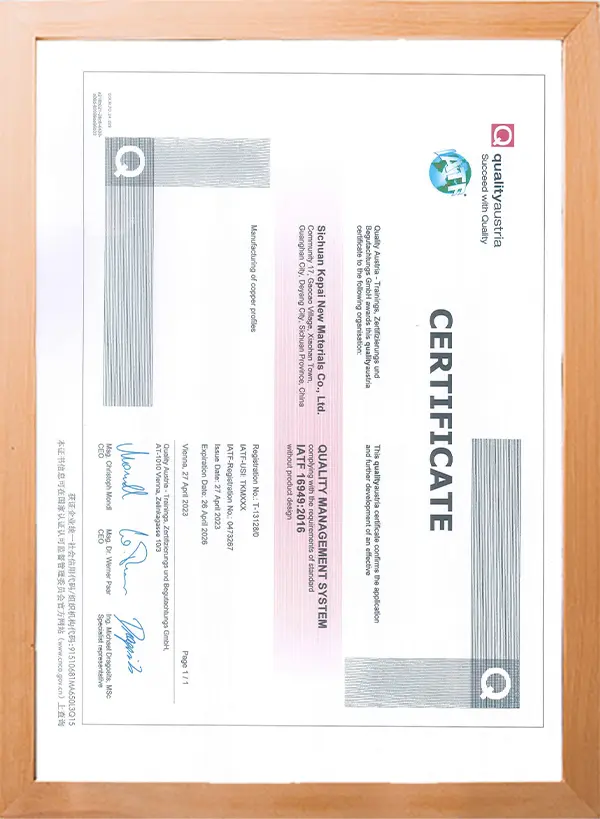
Our factory processes align with ISO 9001 and ISO 14001 standards to maintain consistent metallurgical output and trace raw materials through the manufacturing cycle.
Find technical answers regarding the application, properties, and machining of Sulfur Copper for your specific project requirements.
Review our complete copper alloy catalog. We supply custom materials engineered to meet specific industrial requirements for ductility, electrical performance, and mechanical wear.
 Kepai
Kepai