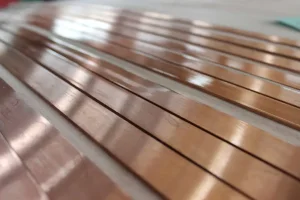
Explore our high-performance industrial alloys engineered to deliver extreme durability, unmatched thermal conductivity, and outstanding electrical parameters.
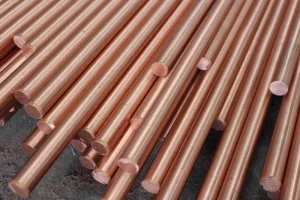
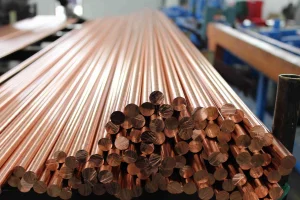
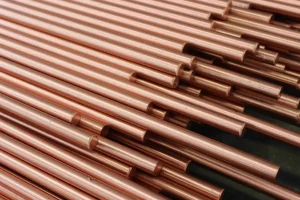
In modern industrial manufacturing, the demand for materials that simultaneously display high electrical/thermal conductivity and high mechanical strength is constantly increasing. Historically, engineers faced a tough tradeoff: pure copper offers excellent conductivity but lacks strength, while traditional steels or bronzes offer high strength but poor electrical properties. Enter the C17500 Copper-Nickel-Beryllium Alloy (commonly referred to as Cobalt-free Beryllium Copper or Class 3 Beryllium Copper). It resolves this engineering challenge by bridging the gap between mechanical durability and heat/electrical dissipation.
C17500 is fundamentally a precipitation-hardenable copper-base alloy containing approximately 0.4% to 0.7% Beryllium (Be) and 1.4% to 2.2% Nickel (Ni). By carefully modulating these micro-alloying elements, the material forms secondary phase precipitates (nickel-beryllides, NiBe) inside the face-centered cubic copper matrix upon age hardening. Through heat treatment (solution annealing followed by precipitation aging), these microscopic precipitates act as barrier blocks, pinning dislocation lines and dramatically increasing yield strength, tensile strength, and hardness, while maintaining a substantial portion of copper's natural conductivity.
Unlike high-strength beryllium copper alloys like C17200 (which contains ~2% Be and focuses primarily on ultimate tensile strength), C17500 optimizes for electrical and thermal transmission. C17500 typically achieves 45% to 60% of the International Annealed Copper Standard (IACS) conductivity. This metallurgical composition is ideal for applications where localized heat generation must be suppressed, and structural load must be sustained.
| Property Parameter | C17500 (Nickel-Beryllium Copper) | C17510 (Cobalt-Beryllium Copper) | C17200 (High-Strength Be-Cu) |
|---|---|---|---|
| Beryllium Content (%) | 0.4 - 0.7% | 0.2 - 0.6% | 1.8 - 2.0% |
| Nickel/Cobalt Content (%) | 1.4 - 2.2% Ni | 1.4 - 2.2% Co | 0.2% Co + Ni (Min) |
| Electrical Conductivity (% IACS) | 45 - 60% | 45 - 60% | 15 - 25% |
| Tensile Strength (MPa) | 680 - 960 | 680 - 960 | 1100 - 1300 |
| Thermal Conductivity (W/m·K) | 200 - 240 | 200 - 240 | 105 - 130 |
C17500 is a vital driver across key industrial verticals. The compound demands of energy efficiency, structural integrity, and electronic miniaturization require this Class 3 alloy's specialized traits.
In global automotive assembly lines, C17500 functions as RWMA Class 3 electrodes, shafts, and holders. It withstands massive compression forces and high-amperage welding currents without softening or deforming under sustained operating cycles.
Utilized as mold inserts, core pins, and sprue bushings. C17500's high heat removal rate accelerates the cooling cycle of injection molds, boosting productivity by 20% to 30% while minimizing part warpage and physical shrinkage.
In high-voltage automotive power terminals, heavy switchgear, and fast-charging relay contactors, C17500 prevents thermal runaway under surge currents, securing electrical connections across wide operating temperatures.
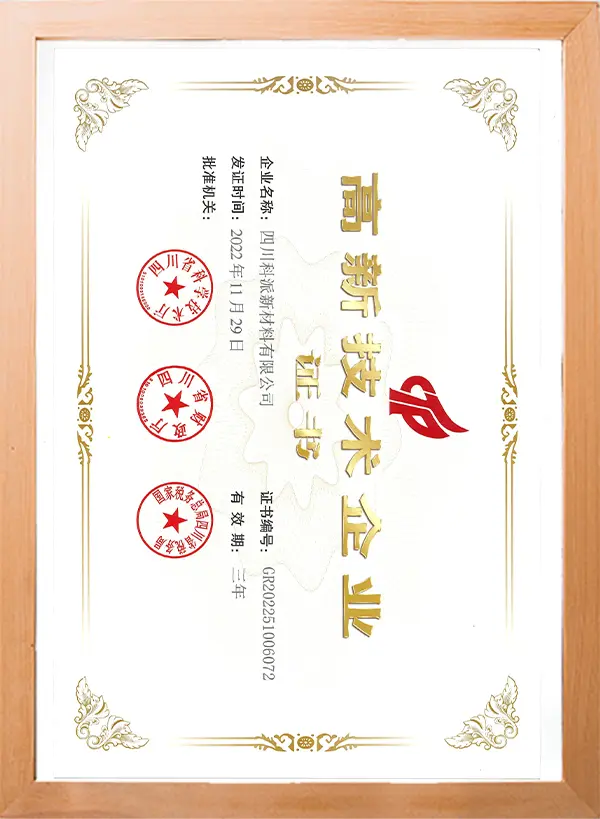
Established in 2017, Sichuan Kepai New Materials Co., Ltd. has established itself as an industry leader in manufacturing high-conductivity, easy-to-machine, high-strength copper alloys. Backed by strategic directives from the national 13th Five-Year Plan for emerging advanced materials, Kepai has built a modern 9,000 square meter factory along with a 1,000 square meter research & development center.
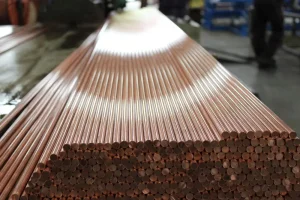
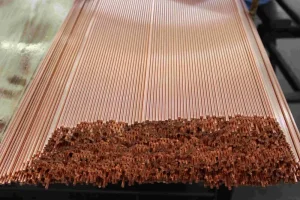
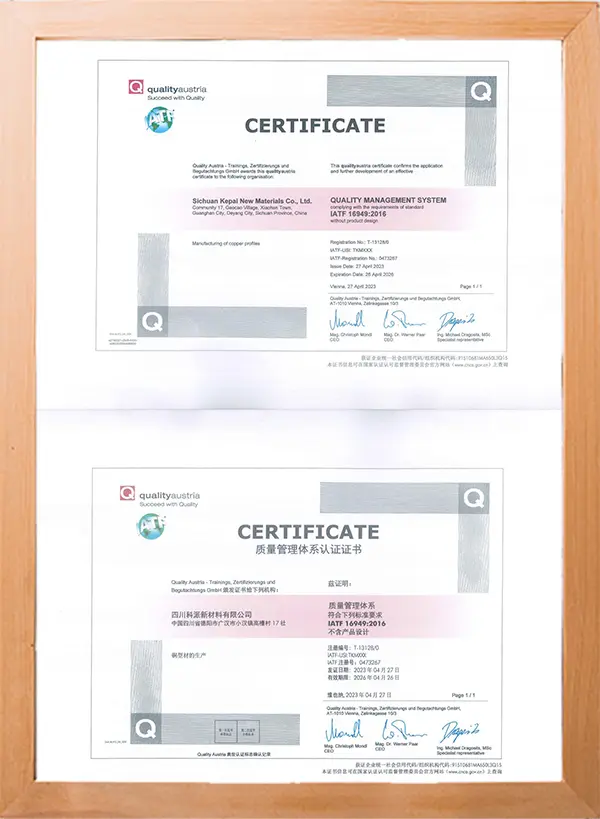
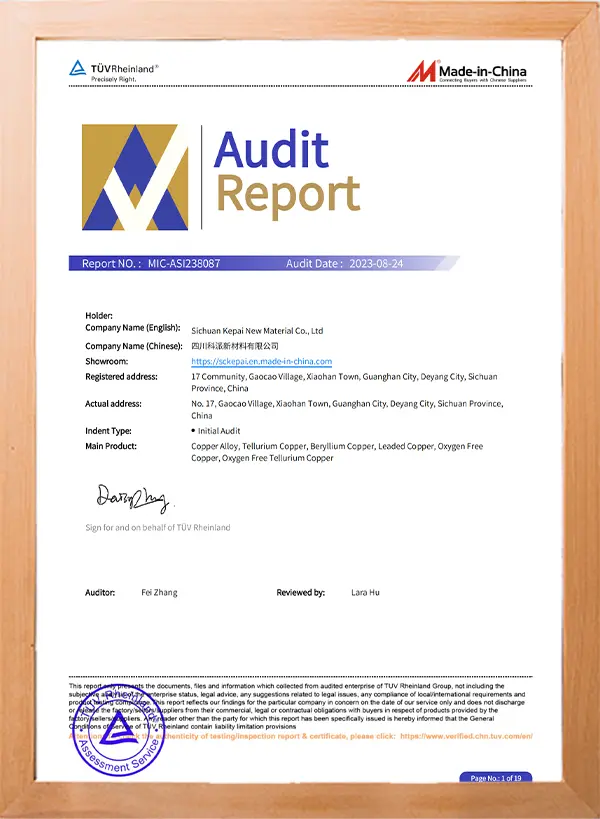
At Sichuan Kepai, product quality is rooted in advanced metallurgy. We implement stringent internal checks, starting with oxygen-free copper casting and progressing to precise extrusion, drawing, and controlled thermo-mechanical aging. Our dedicated metallographic testing labs, eddy-current conductance instruments, and computerized mechanical testing rigs ensure that every shipment conforms to international ASTM B534, RWMA Class 3, and JIS standards.
Sourcing C17500 Copper-Nickel-Beryllium alloy from Chinese factories like Sichuan Kepai offers compelling advantages for global procurement teams:
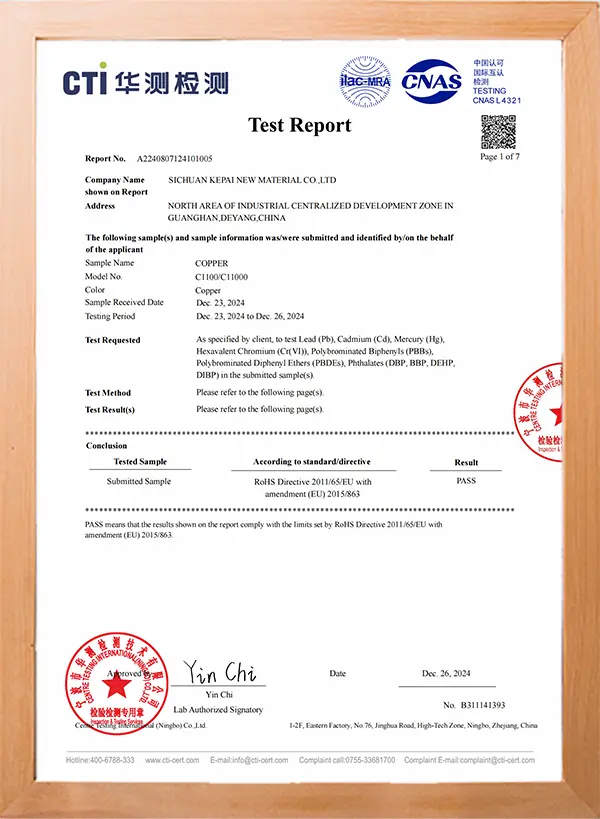
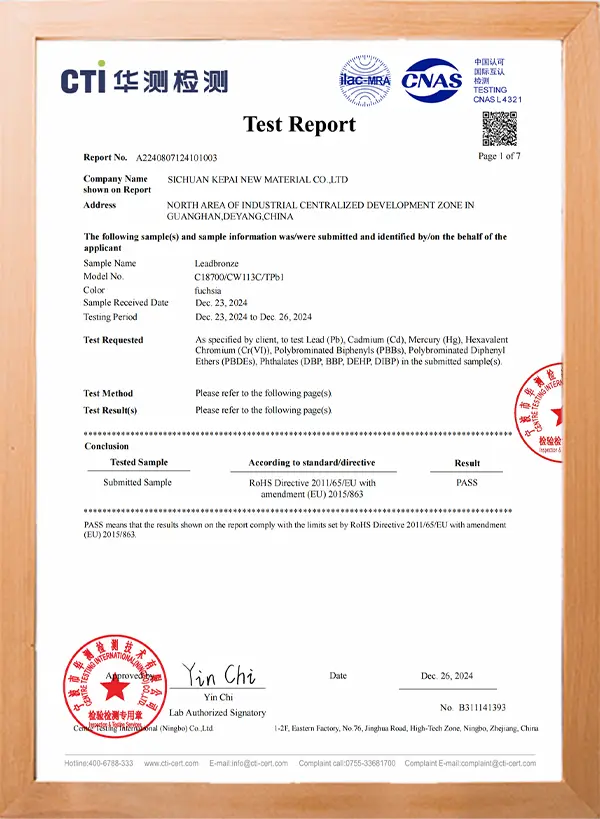
In response to global decarbonization mandates and environmental regulations (such as RoHS and REACH), Sichuan Kepai is committed to sustainable industrial development. Copper recycling systems, eco-friendly particulate filtration, and energy-recovery heat treatment furnaces are integrated directly into our daily plant operations.
Through active expansion into overseas markets, Kepai has established stable customer footprints across North America, Europe, and Southeast Asia. We continuously optimize our product recipes, ensuring our C17500 materials maintain lower trace lead and impurity levels, satisfying high-end compliance audits worldwide.
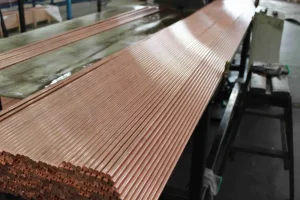
Precision manufacturing requires top-tier equipment. Sichuan Kepai operates a robust line of production and quality-assurance machinery.
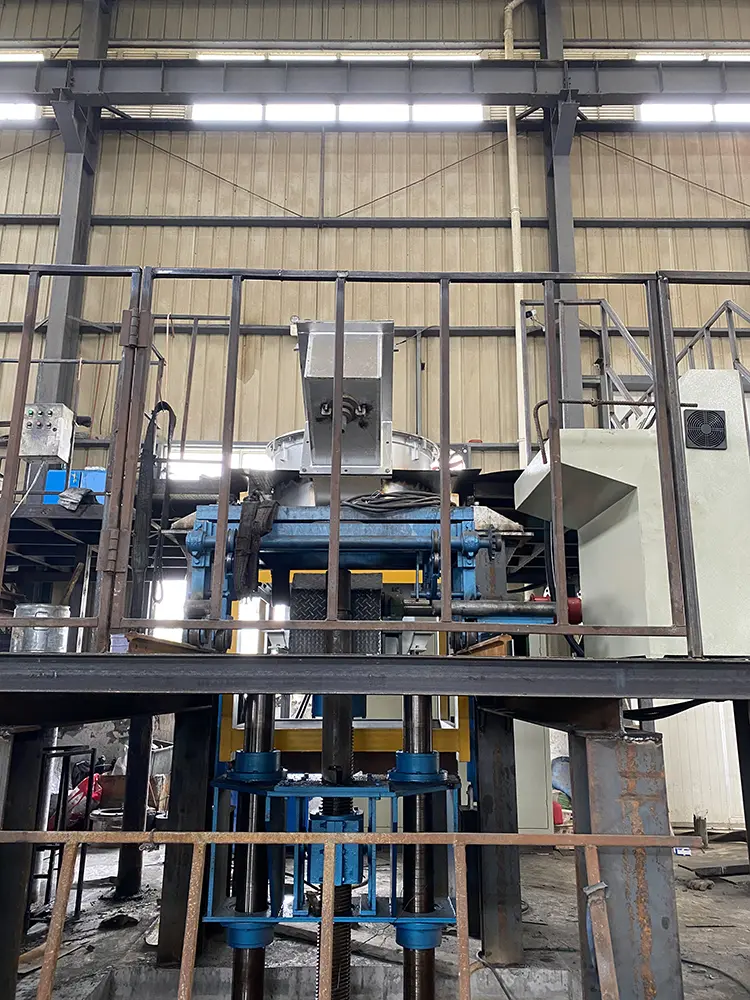
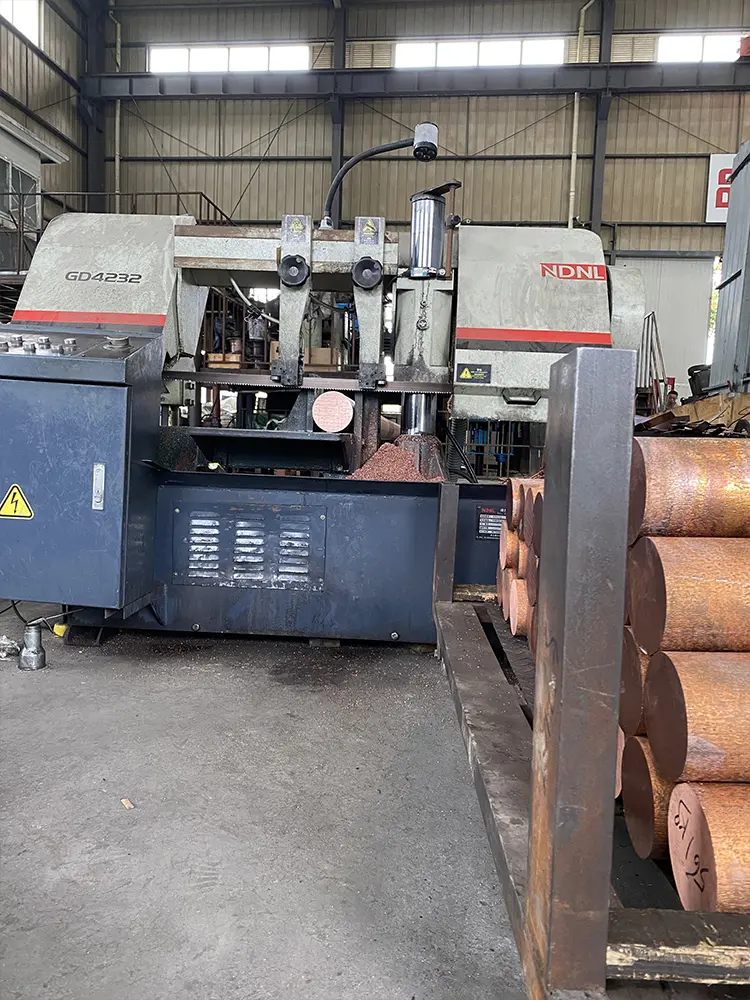
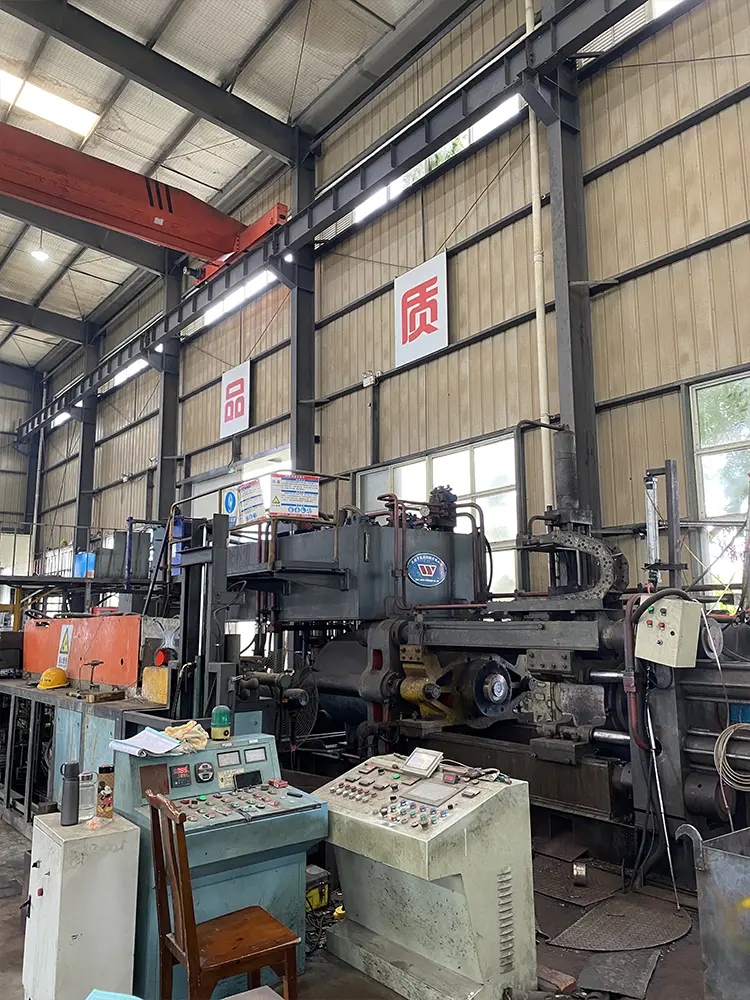
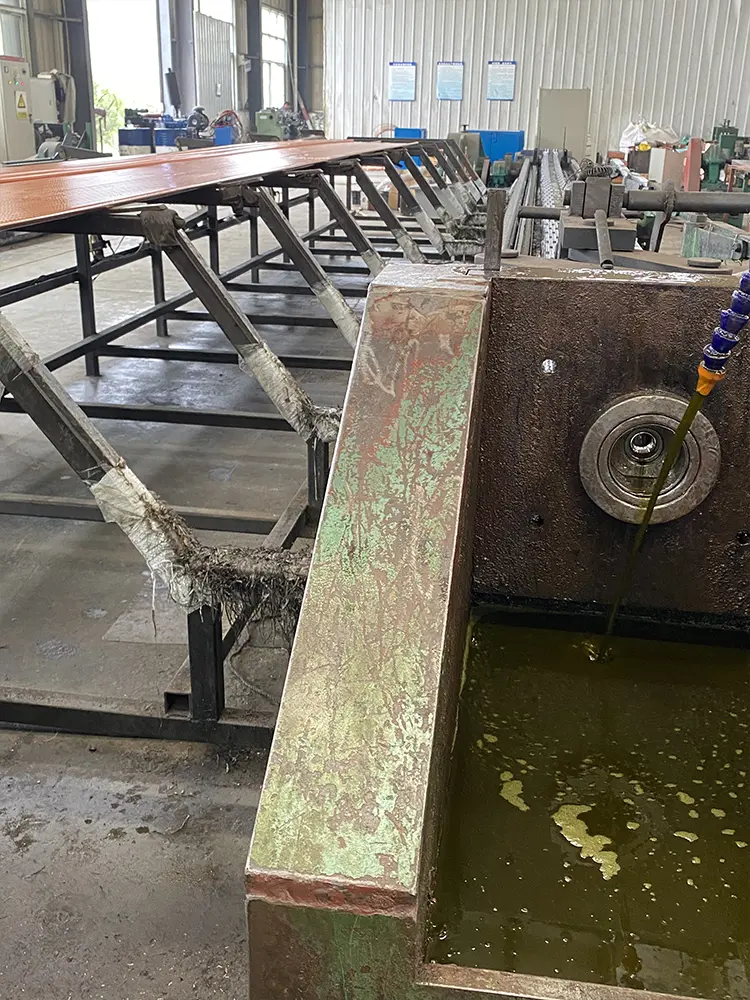
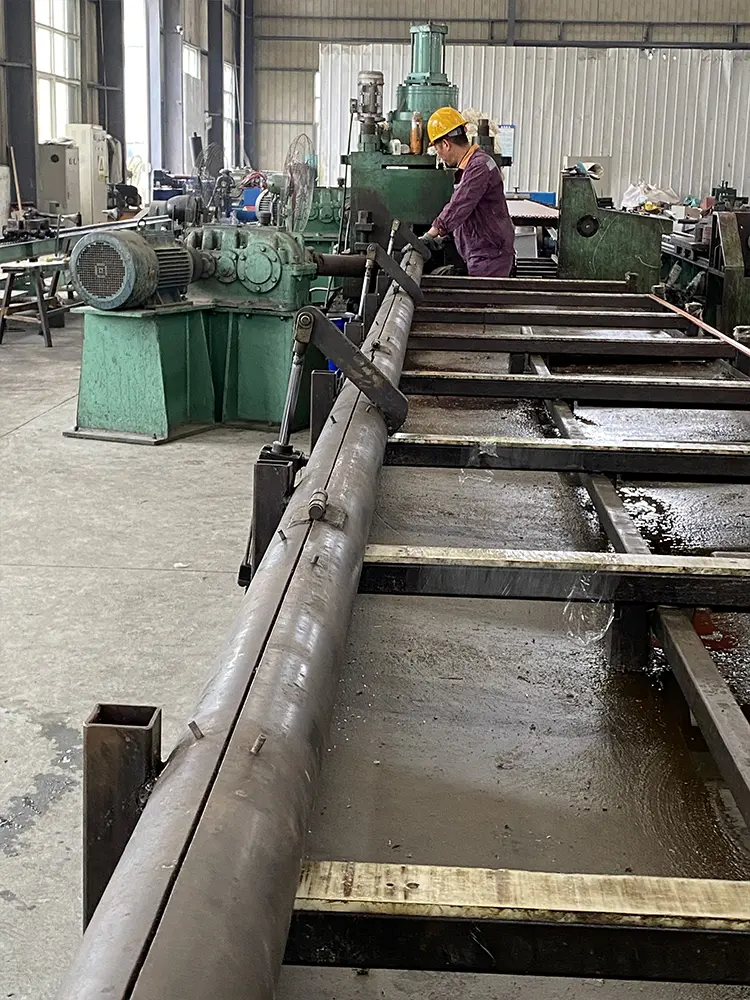
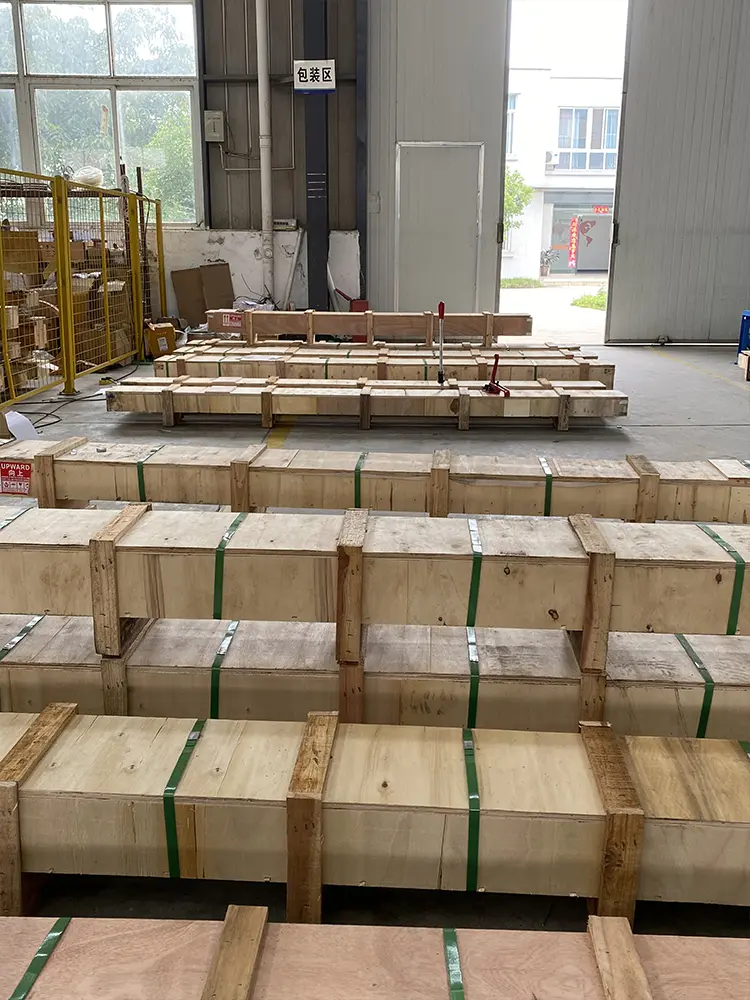
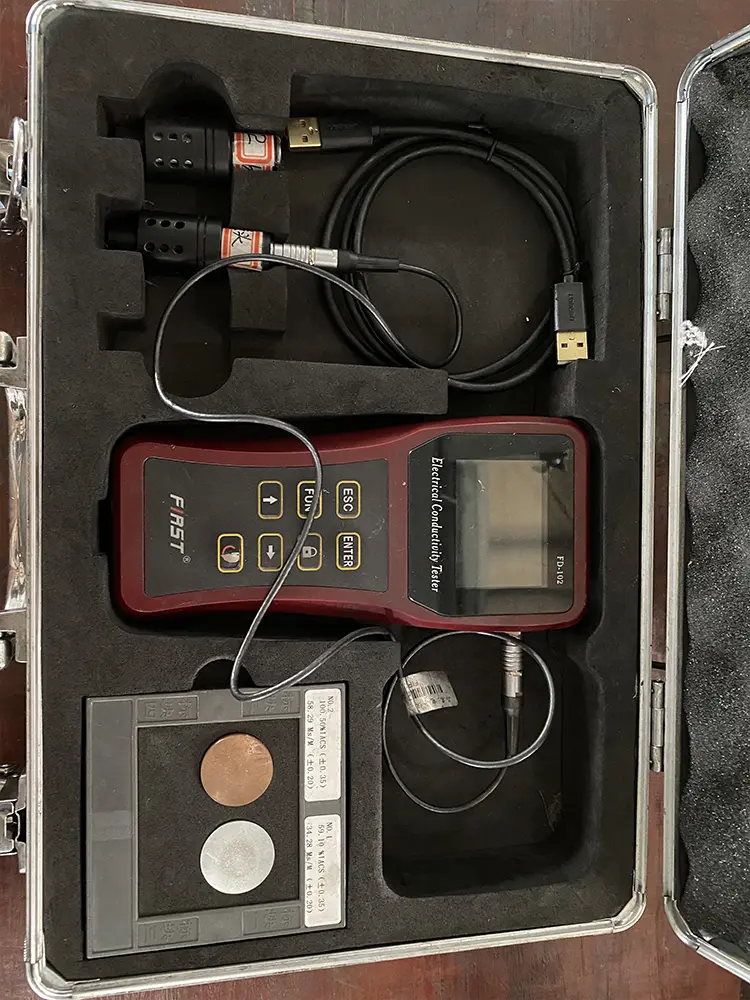
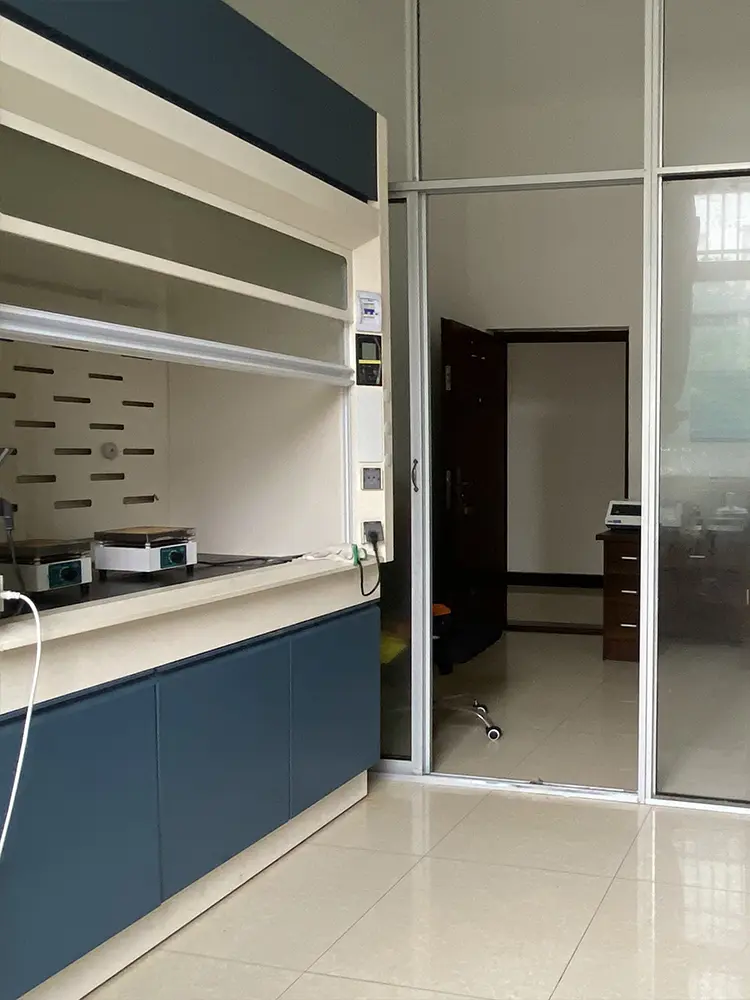

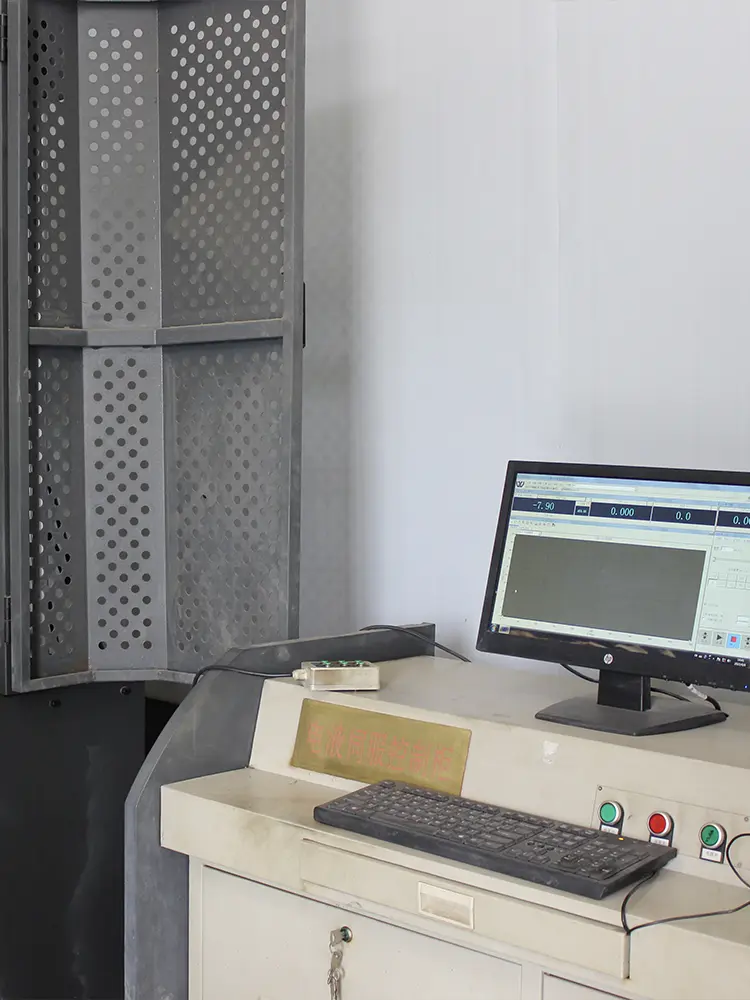
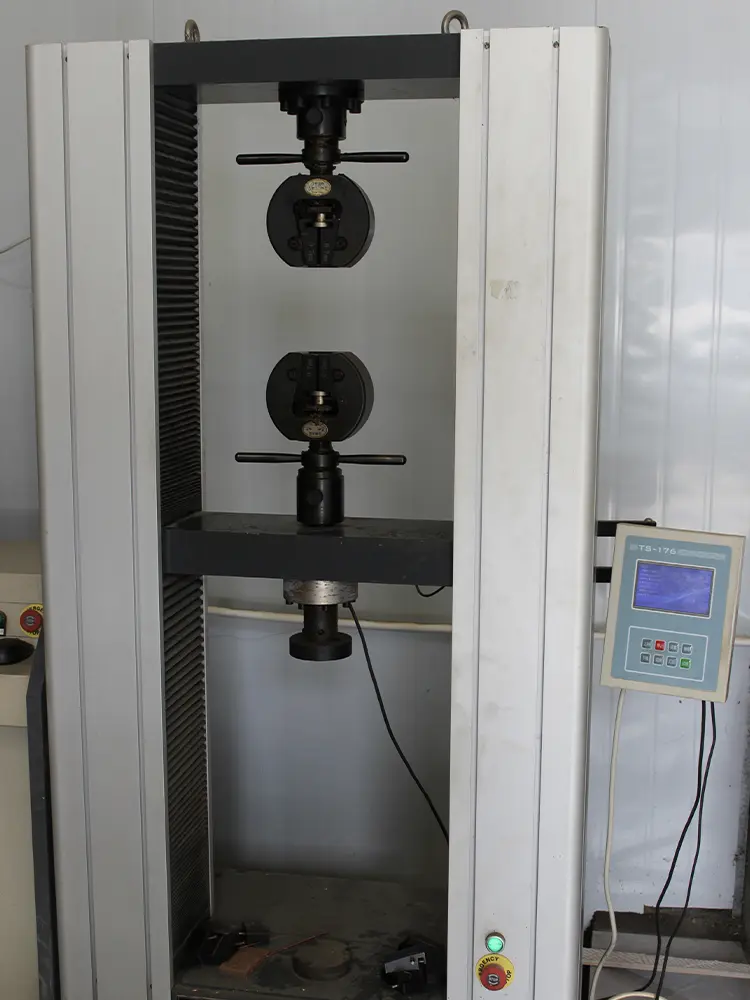
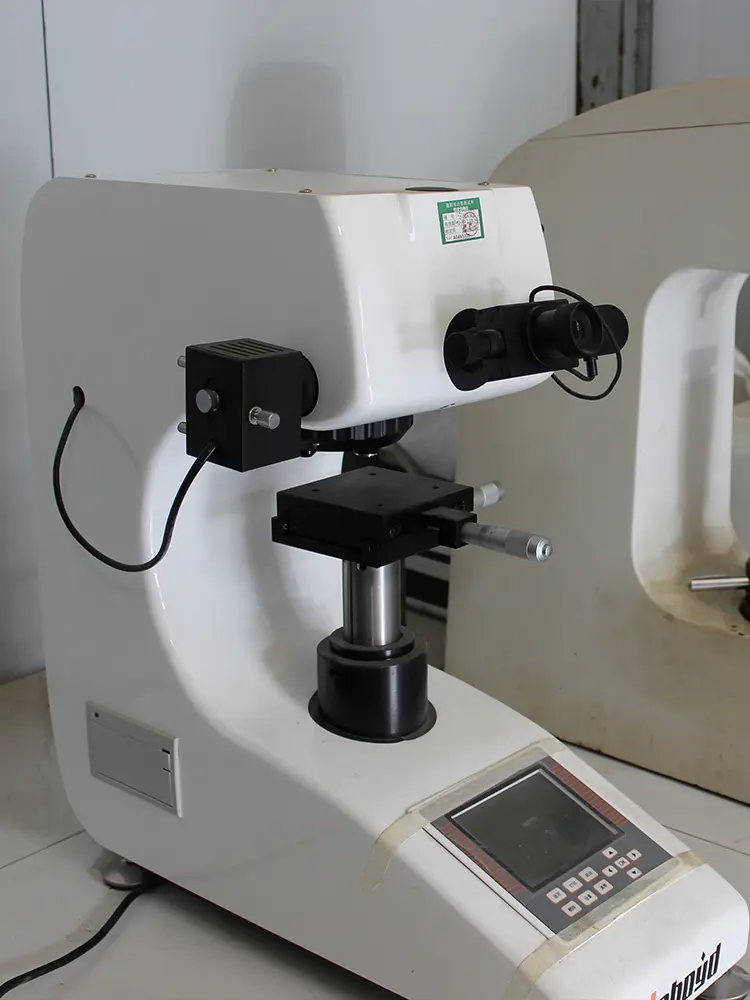
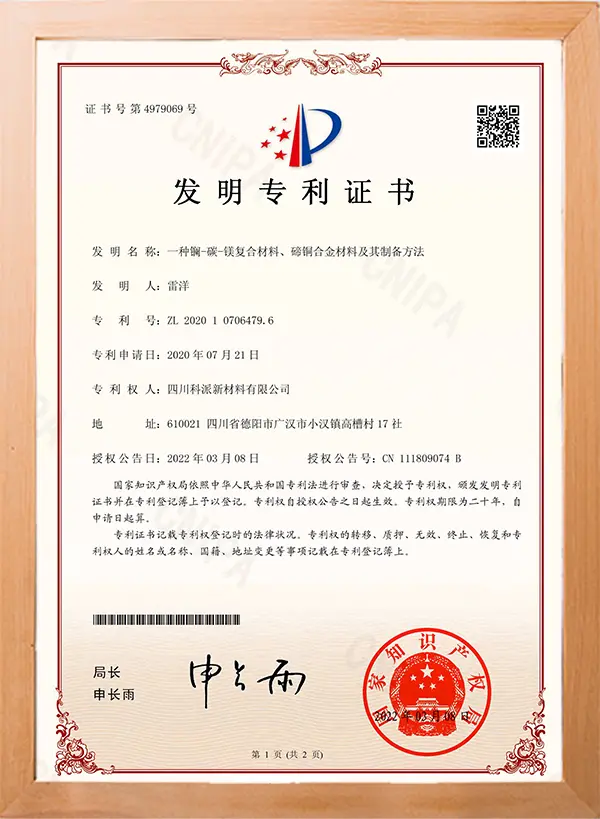
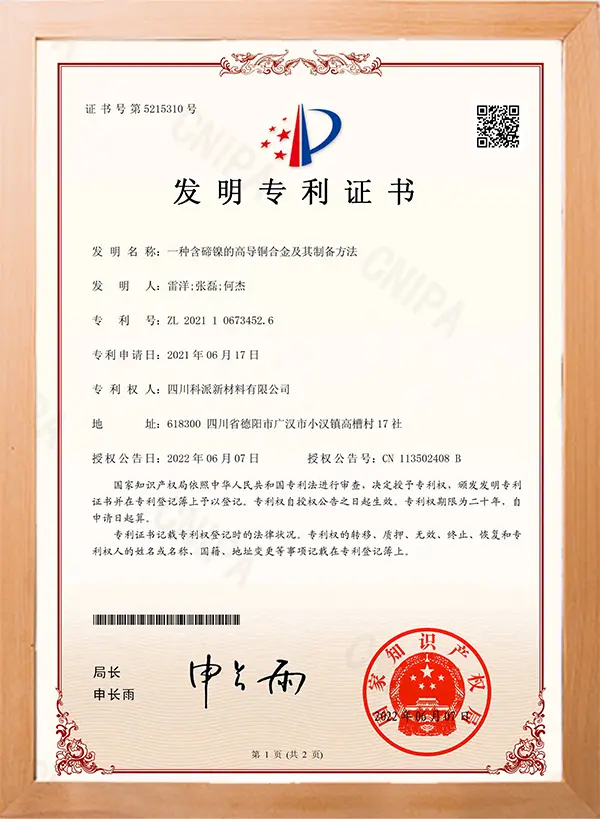
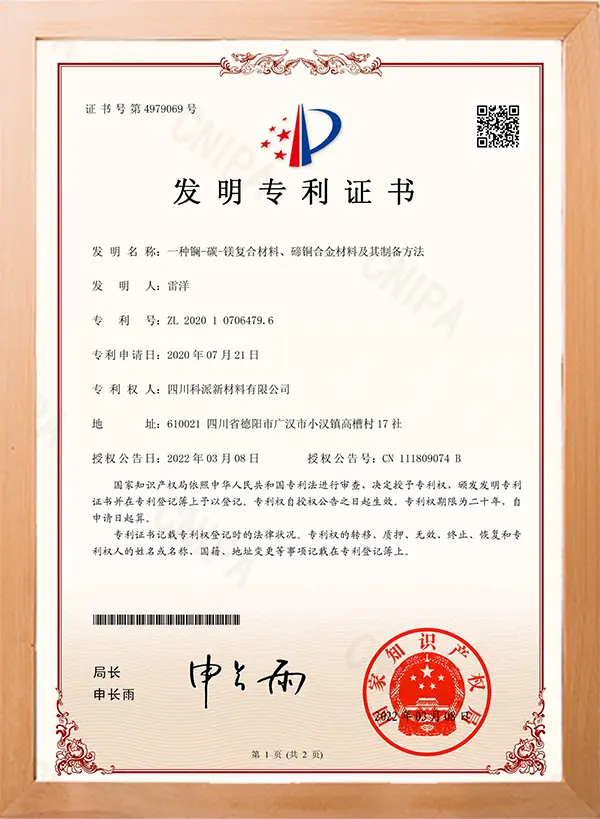
Technological innovation is the core competitiveness of Sichuan Kepai New Materials Co., Ltd. Our technical team is composed of senior metallurgical experts who track global material advancements and optimize the precipitation hardening properties of our alloys.
Through independent research, development, and industry-university collaborations, Kepai has made breakthrough progress across high-performance tellurium copper, lead copper, sulfur copper, and C17500. Our materials deliver stable performance under high temperatures, high currents, and abrasive environments.
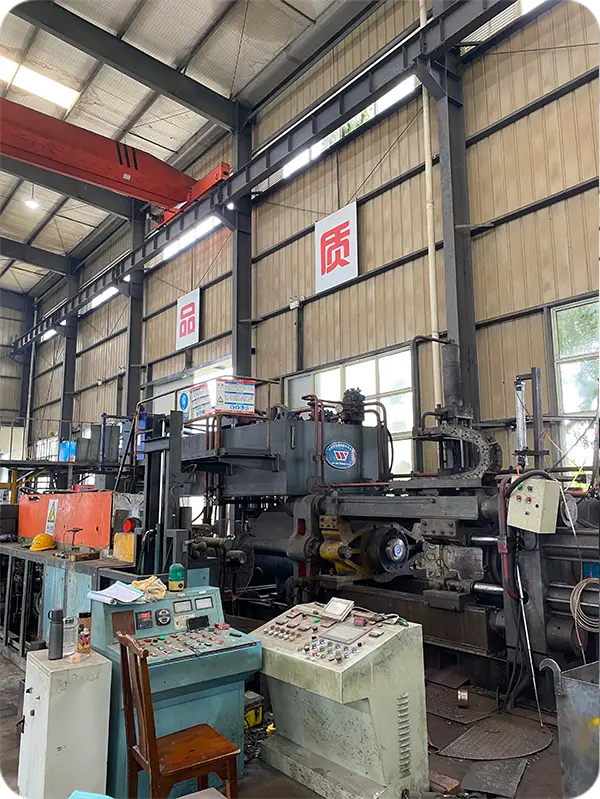
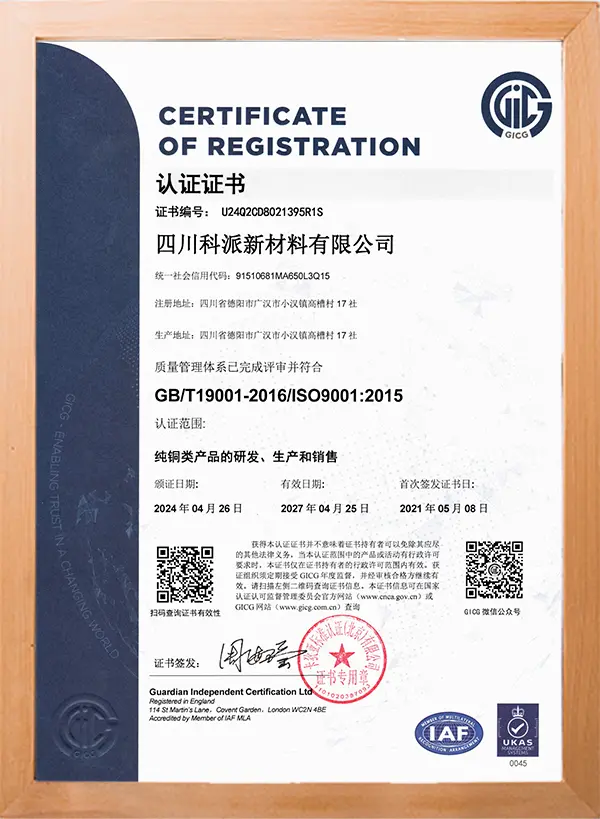
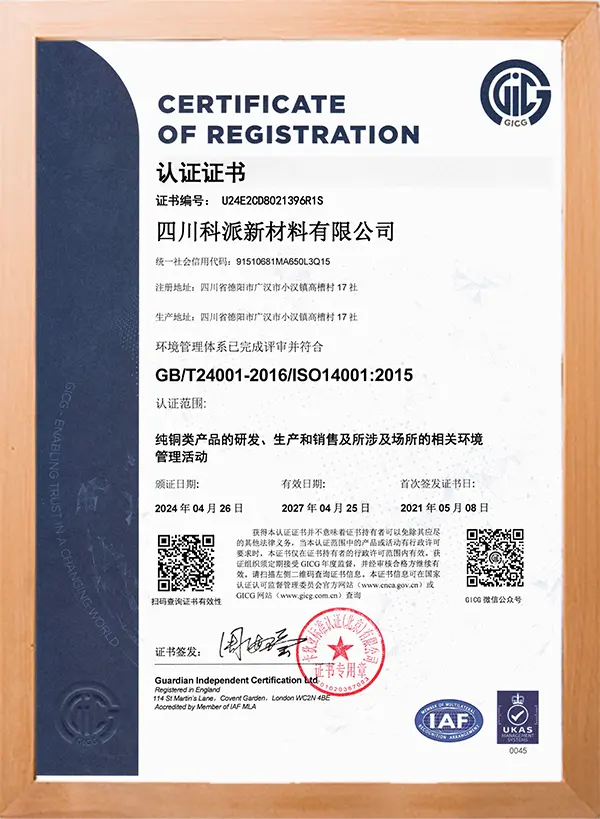
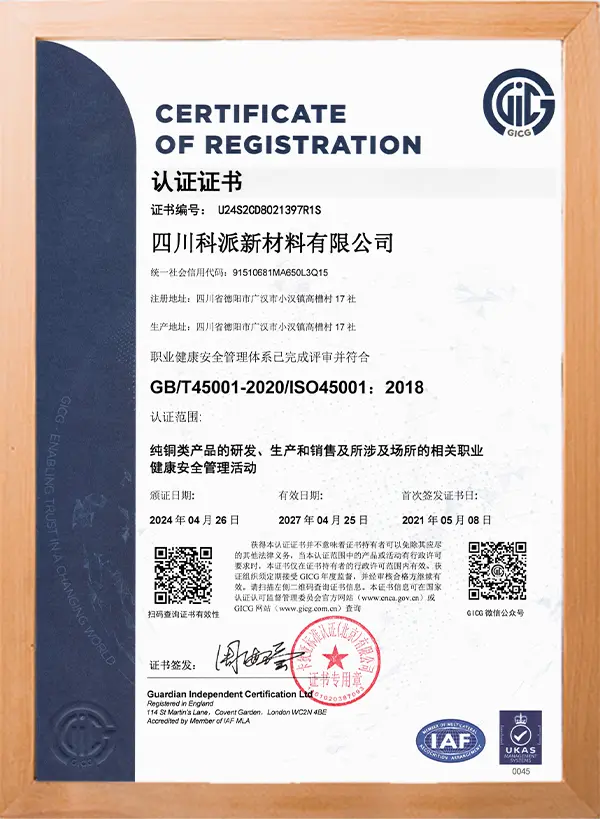
Every batch of material is fully trace-monitored. We maintain ISO9001 and ISO14001 compliance, verifying chemical compositions, tensile limits, and conductivity parameters.
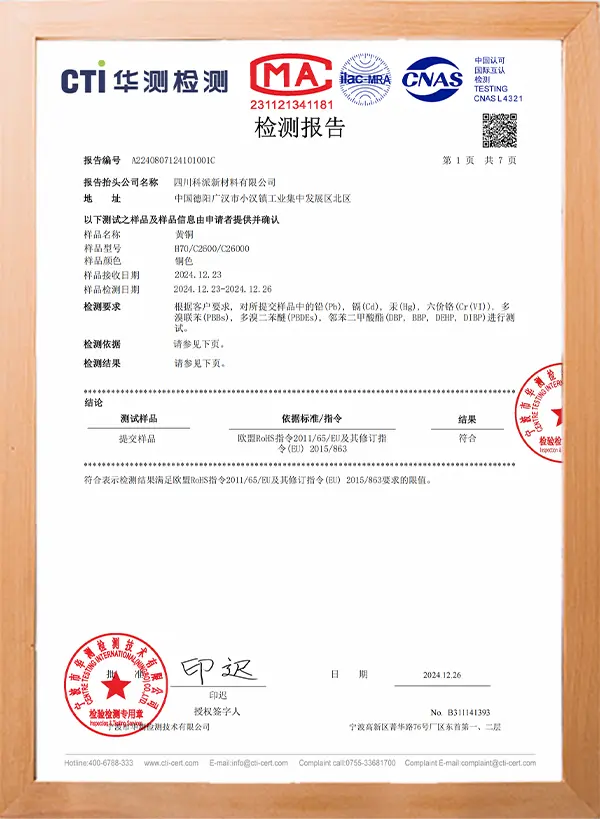
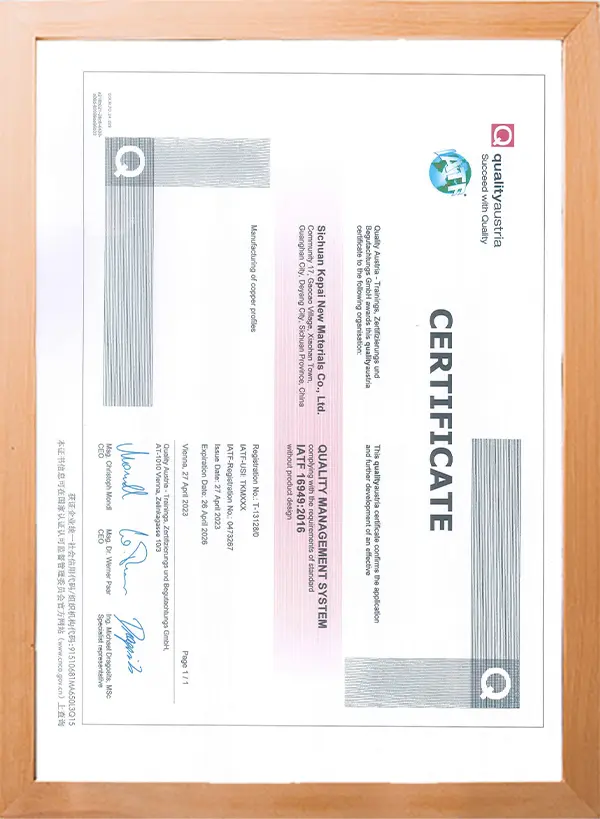
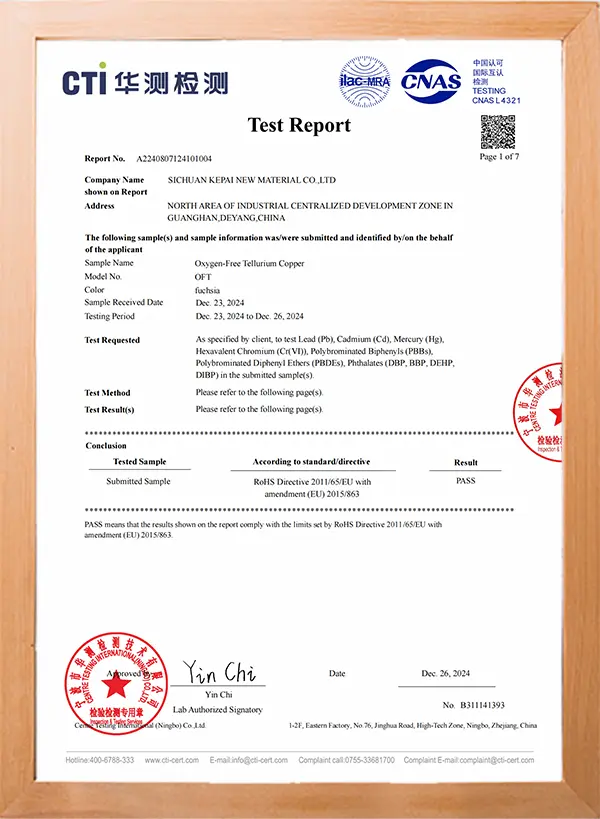
Detailed answers addressing specific mechanical, chemical, and procurement queries raised by engineering professionals.
Review our secondary product selection, encompassing high-purity, custom sulfur, lead, and phosphor-copper alloys tailored for global distributors.
Partner with Sichuan Kepai New Material Co., Ltd. for reliable metallurgical performance, custom heat-treating, and global shipping. Contact our engineers today for a technical assessment and a quick quote.
 Kepai
Kepai