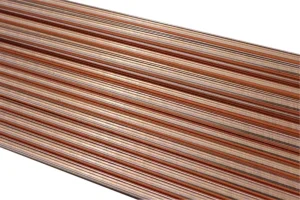
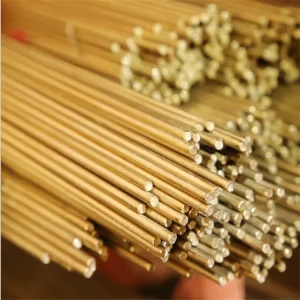
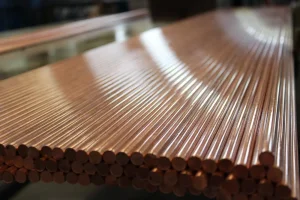
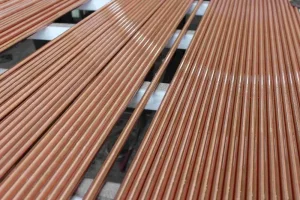
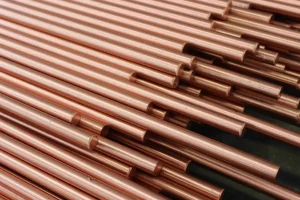
Engineered for high mechanical loads, ultimate electrical conductivity, and unmatched machining throughput.
Sichuan Kepai New Materials Co., Ltd., established in 2017, operates as a premier national high-tech enterprise. Integrating dedicated scientific research, automated industrial manufacturing, and global sales channels, we supply critical components to international supply chains. Our production facility spans approximately 9,000 square meters, supported by a modern 1,000 square meter technical office and research center.
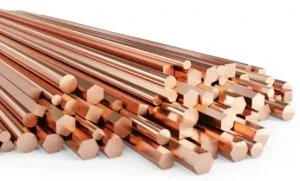
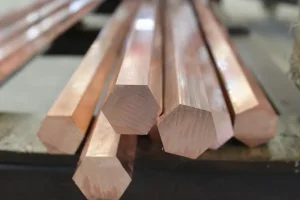
We focus on manufacturing strategic emerging new materials aligned with global industrial standards. Our product catalog features high-demand special copper alloys: tellurium copper, high-conductivity oxygen-free copper, silver copper, and dispersion-strengthened copper. Sichuan Kepai prioritizes research and development in high-conductivity, easy-to-machine, and high-strength copper alloy systems. These specialized materials are essential in new energy vehicles (NEVs), 5G networks, precision laser cutting systems, medical electronics, and aerospace relays.
Strategically situated in the western industrial hub of the Sichuan Guanghan Industrial Development Zone, directly adjacent to National Highway 108, our facility ensures rapid domestic transport and direct access to major shipping ports. We operate under the philosophy: "Innovation-driven development, quality wins the market." Our materials support manufacturing processes that require tight dimensional tolerances, high-speed machining, and excellent forming and processing performance.
Understanding the metallurgical properties that control workability, chip formation, and tool life in high-conductivity copper alloys.
Modern electrical, electronic, and industrial manufacturing relies on copper alloys that offer a balance of high electrical conductivity, structural strength, and forming and processing performance. In precision metalworking, the term "processing performance" encompasses a material's behavior during cutting, stamping, extrusion, bending, and deep drawing. Standard pure copper (such as C11000) provides excellent conductivity but poses machining challenges; its high ductility leads to long, continuous ribbon chips that wrap around cutting tools, generating excess heat and accelerating tool wear. Sichuan Kepai addresses this issue by designing alloys with engineered microstructures that facilitate high-speed machining and clean cold forming.
To improve machinability without degrading electrical conductivity, metallurgists introduce alloying elements that form discrete secondary phases in the copper matrix. For example, in C14500 Tellurium Copper, the addition of tellurium produces fine telluride (Cu₂Te) particles. These particles act as microscopic chip breakers, causing the metal to form short, brittle chips during drilling, milling, and turning. This increases the material's machinability rating to 85% (compared to 100% for free-cutting brass C36000 and only 20% for pure copper). Similarly, in sulfur copper alloys, copper sulfide precipitates act as chip breakers, protecting tools and ensuring smooth surface finishes on high-volume production lines.
Incorporation of Cu₂Te and sulfide phases reduces friction at the tool-chip interface. This prevents built-up edge (BUE) formation, lowers operating temperatures, and permits higher cutting speeds.
Grain-size refinement ensures our copper alloys can undergo severe plastic deformation (such as cold heading, thread rolling, and deep drawing) without micro-cracking or orange-peel defects.
Advanced thermal treatment processes stabilize the grain boundaries. This maintains high strength and electrical conductivity after post-machining operations or thermal stress-relieving cycles.
For applications requiring high mechanical strength and hardness—such as heavy-duty relay contacts, resistance welding electrodes, and subsea connectors—beryllium-copper alloys (C17200, C17300, and C17500) provide an optimal solution. Through precipitation hardening (aging), these materials achieve tensile strengths exceeding 1400 MPa, comparable to alloy steels, while maintaining up to 60% IACS conductivity. The presence of beryllium allows these alloys to be formed in an annealed state, then heat-treated to their final high-strength condition, facilitating the production of complex geometric stampings.
Sichuan Kepai's long-term engineering vision for high-performance, eco-friendly copper alloys.
The manufacturing landscape is transitioning toward sustainable, high-efficiency, and lead-free alloy systems. Historically, lead was added to brass and copper alloys to improve machinability. However, modern environmental directives, including RoHS and REACH, restrict lead content in consumer electronics, automotive parts, and drinking water systems. Sichuan Kepai's technical roadmap focuses on developing eco-friendly alternatives that maintain performance without relying on hazardous elements.
Our research and development program focuses on three main strategic areas:
Looking ahead, Sichuan Kepai is investing in digital metallurgical simulation platforms. These tools allow our engineers to predict phase transformations and mechanical behavior during cold forming, helping us customize alloy chemistry to meet specific customer requirements.
How our alloys meet the demands of advanced engineering sectors.
Electric vehicle drivetrains demand high-current charging pins, battery terminals, and power distribution blocks. Our high-conductivity tellurium copper and oxygen-free copper enable high power transmission with minimal resistance, reducing heat generation during rapid charging cycles.
High-frequency RF coaxial connectors, coaxial switches, and base-station filter components require precise dimensional tolerances. Our alloys permit clean, burr-free micro-machining of thin-walled parts, ensuring signal integrity and minimal insertion loss.
Nozzles and contact tips used in laser and plasma cutting operate in high-temperature, high-wear environments. Our chromium-zirconium-copper and tellurium-copper materials offer the thermal conductivity and arc erosion resistance needed to maintain tool geometry and extend service life.
Heavy-duty power relays, circuit breakers, and grid switchgear require contact materials that resist sticking and electrical pitting. Our beryllium copper and dispersion copper alloys offer the mechanical spring properties and electrical performance needed for high-cycle switching applications.
MRI components, surgical instruments, and medical sensor contacts require high conductivity and biocompatibility. Our premium lead-free alloys meet strict chemical purity standards while providing the machinability needed for complex medical devices.
Injection molding cores and cavities require high-strength copper alloys with high thermal conductivity to reduce cycle times. Our heat-treated beryllium copper blocks can be machined into complex cavities and hold sharp edges under high clamping pressures.
Navigating global regulatory compliance and material specifications.
Operating in a global supply chain requires strict adherence to international standards and regulatory frameworks. Sichuan Kepai guarantees that all alloy batches meet global quality, safety, and environmental standards. We maintain complete material traceability from raw cathode selection to final packaging, supporting our customers' quality management systems.
Our compliance framework includes:
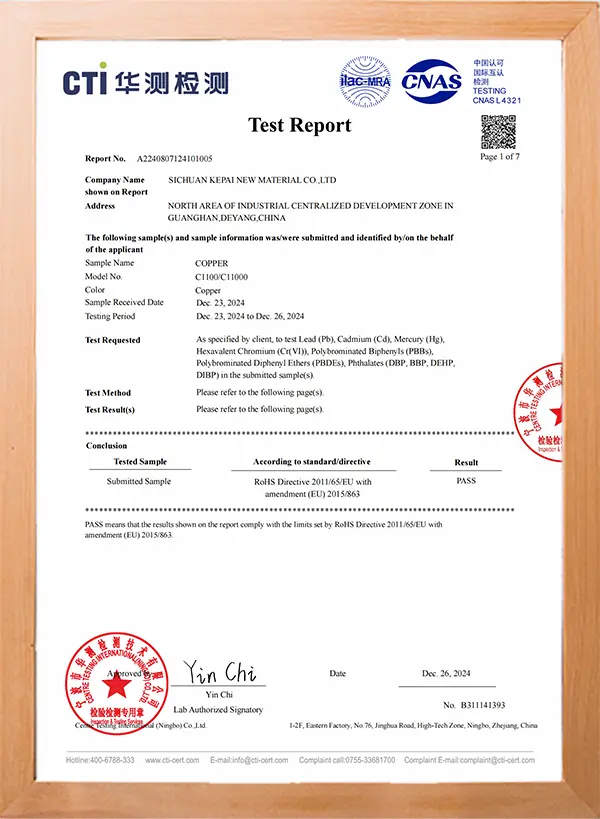
Our lead-free and low-lead copper variants comply with RoHS Directive 2011/65/EU and REACH (EC No 1907/2006). We provide standard SGS test certificates with every batch to verify chemical compliance for electronics, automotive, and consumer goods markets.
We manufacture alloys in accordance with international specification systems, including ASTM (USA), DIN (Germany), JIS (Japan), and GB (China). Customers can specify chemistry tolerances, grain size ranges, and temper designations (e.g., H04, OS025, TB00) to match their tooling requirements.
To support overseas partners, Sichuan Kepai offers comprehensive localization services, including translation of technical data sheets, direct technical consultation with metallurgists, and customs clearance support. We establish distribution channels and local warehousing partners in major manufacturing regions to reduce lead times and buffer global supply chains against shipping disruptions.
Advanced production technology and quality control at our Sichuan facility.
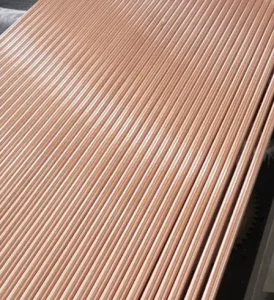
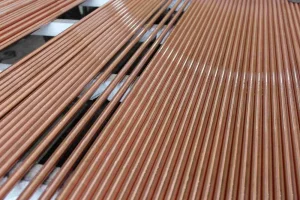
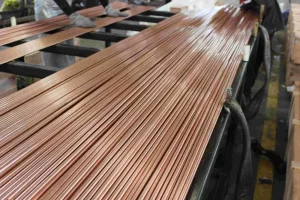
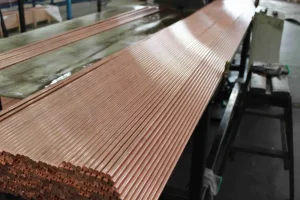
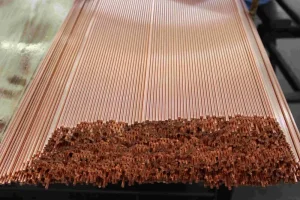
Our factory in Sichuan Guanghan operates with modern production equipment and process control systems. By combining continuous casting, automated hot extrusion, precision drawing, and inline non-destructive testing, we produce copper alloys that meet tight dimensional and mechanical tolerances.
Supply Chain Integration: Sichuan Kepai maintains long-term contracts with premium cathode copper suppliers, ensuring access to high-purity raw materials. Our location in western China provides access to cost-effective power, skilled labor, and industrial infrastructure, allowing us to maintain competitive pricing for global markets.
Microstructure and Temper Consistency: Every batch of copper alloy undergoes testing to verify mechanical properties, including tensile strength, elongation, and Rockwell hardness, as well as electrical properties via eddy current conductivity testing. This strict quality control ensures that our materials behave consistently during high-speed machining and automatic forming operations.
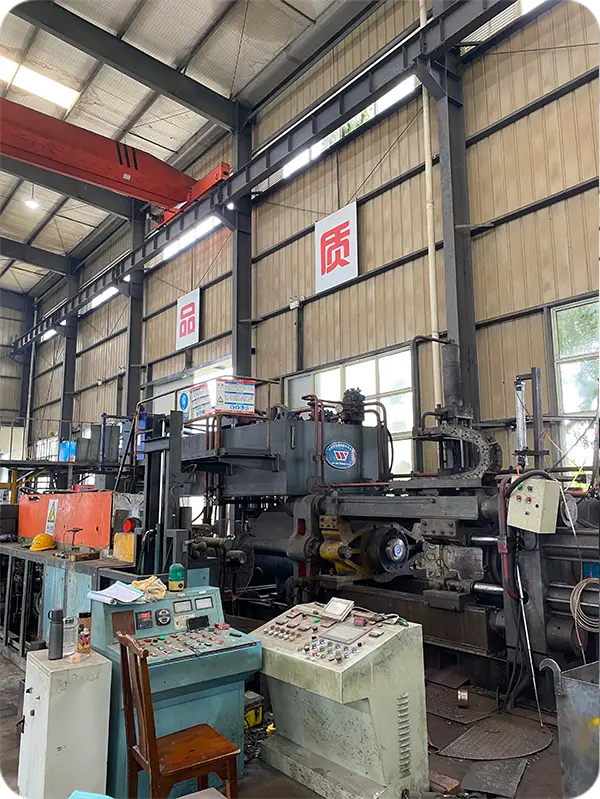
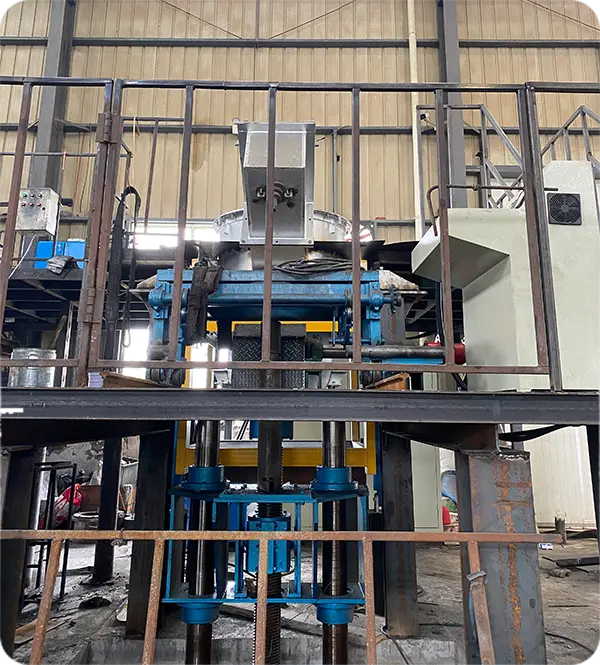
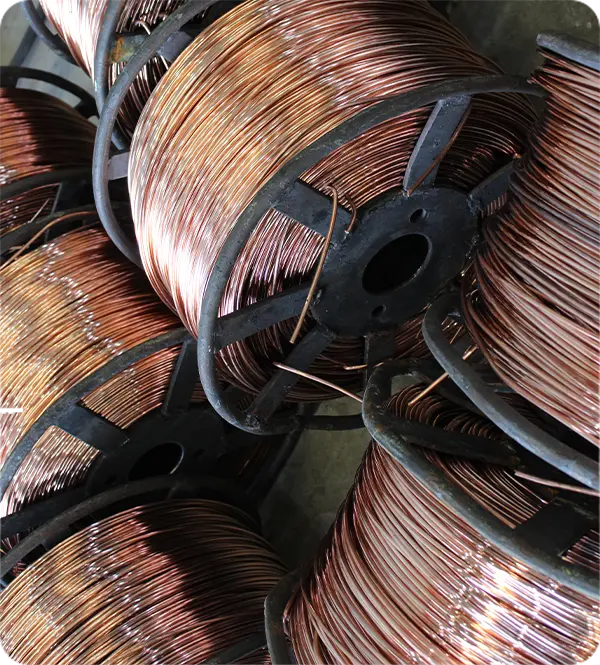

A comprehensive overview of our production capabilities and testing laboratory.
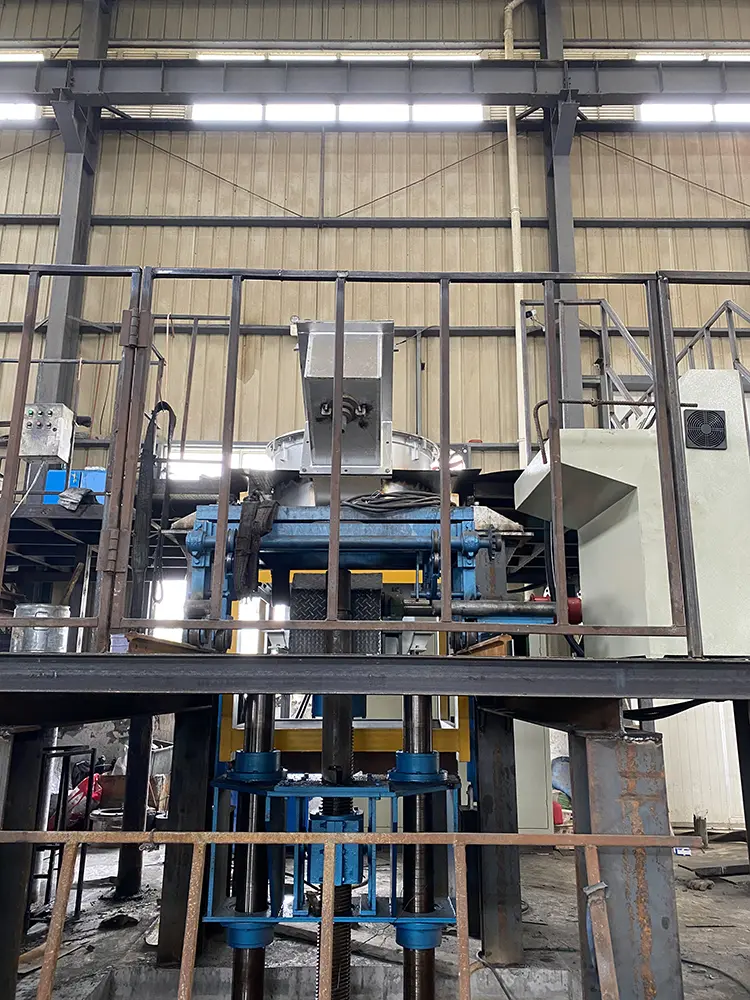
Smelting
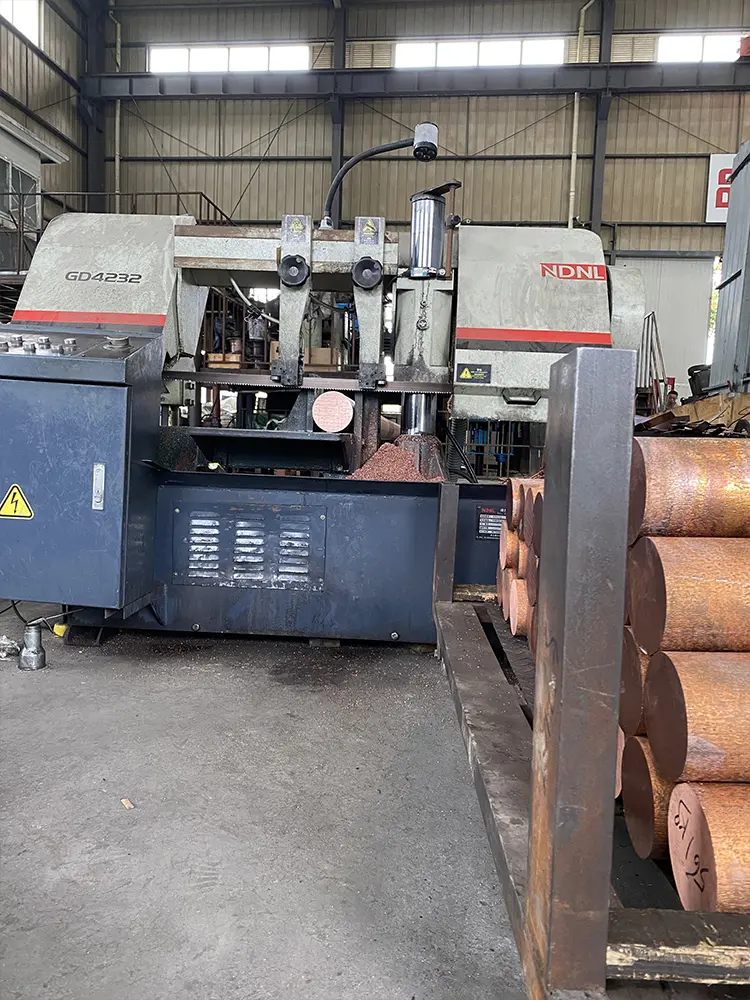
laying-off
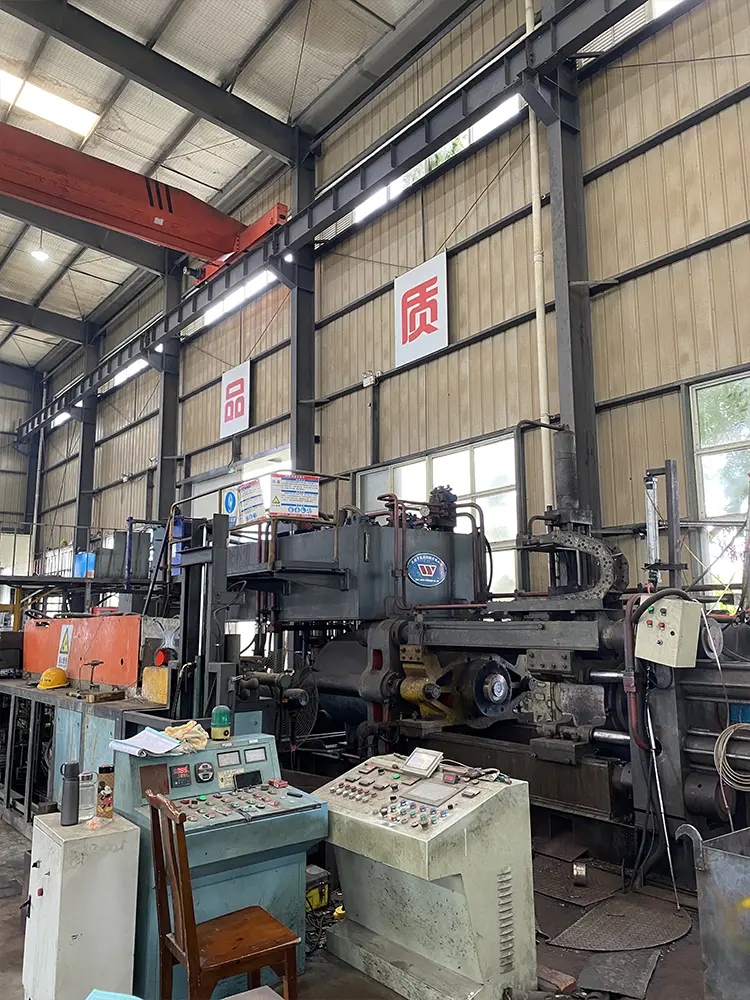
extrusion
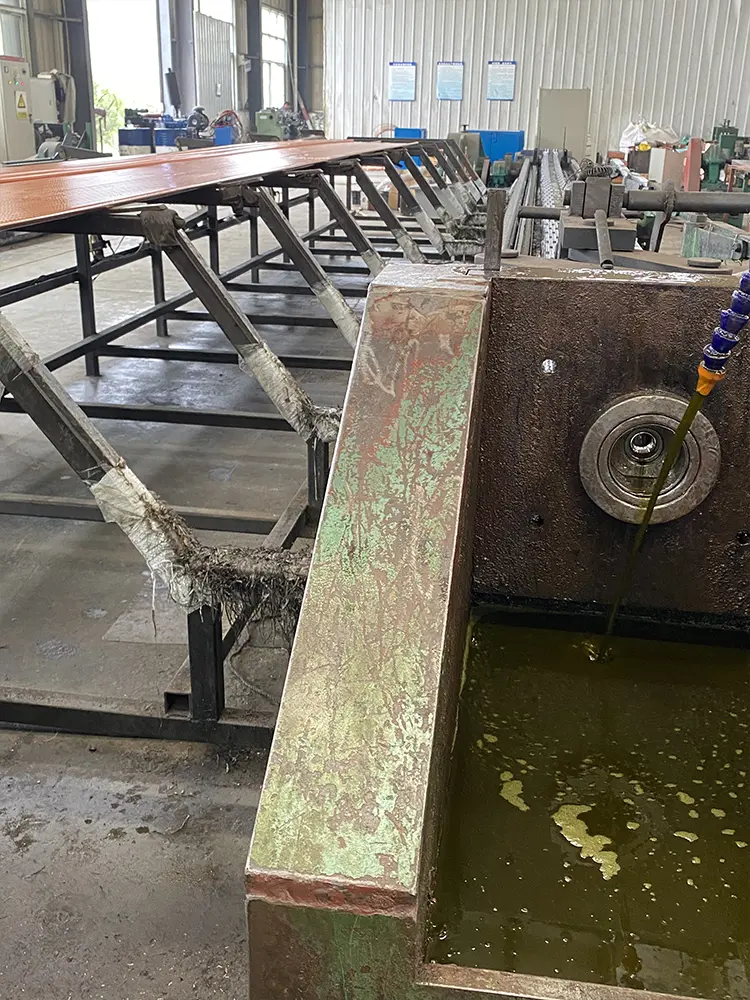
drawing
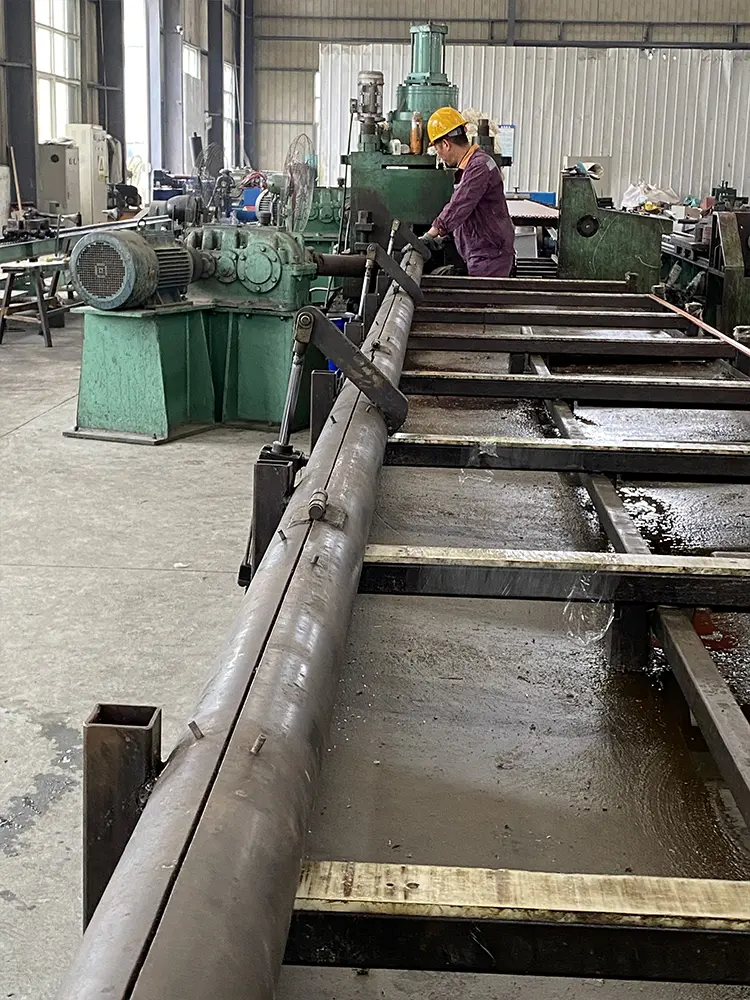
straightening
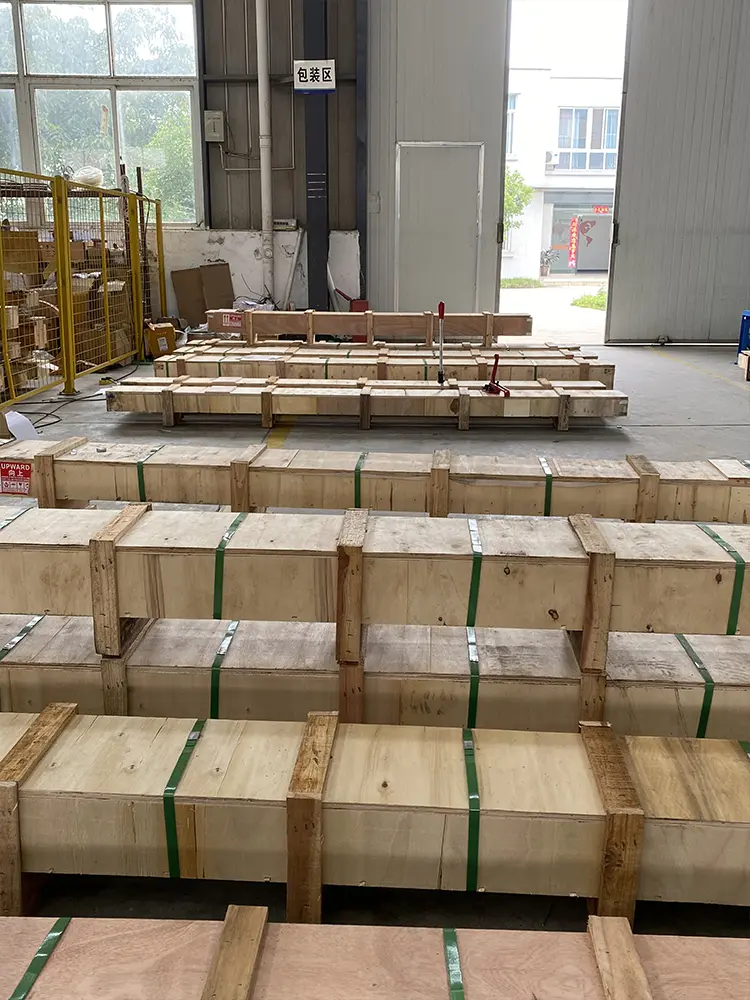
package
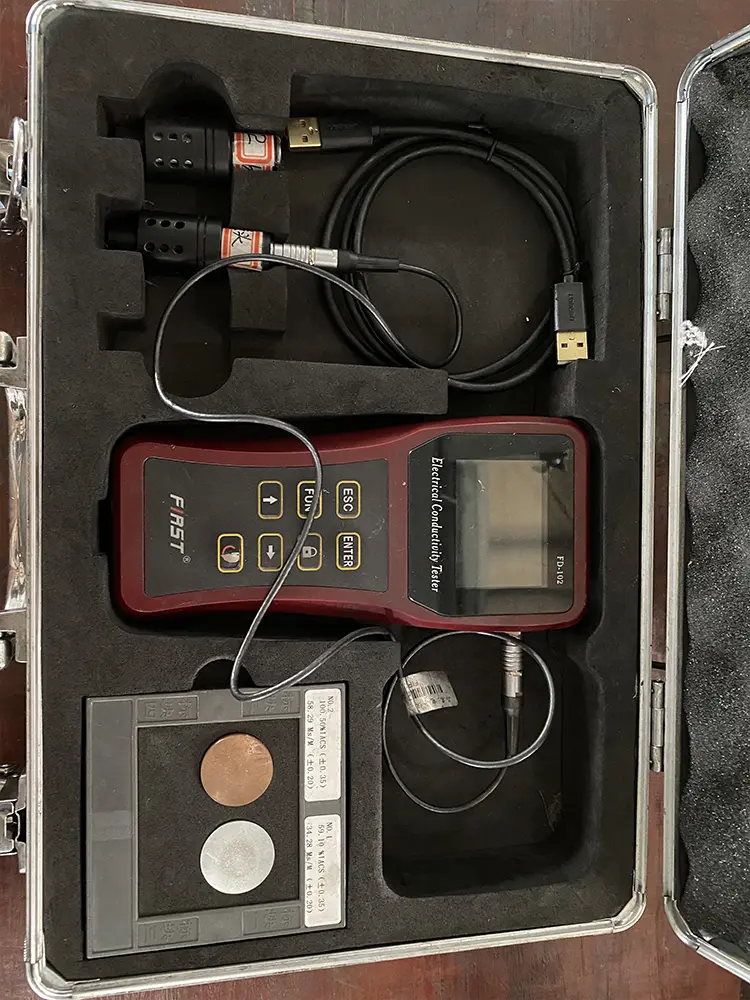
Conductance Testing
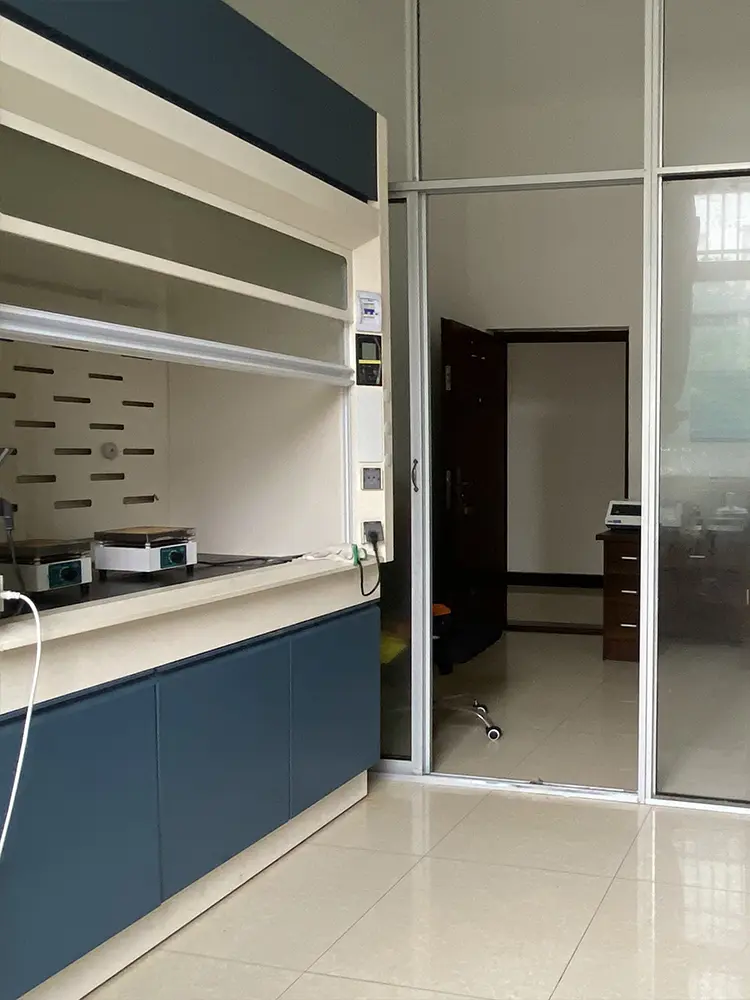
Chemical Analysis Lab

Metallographic Prep
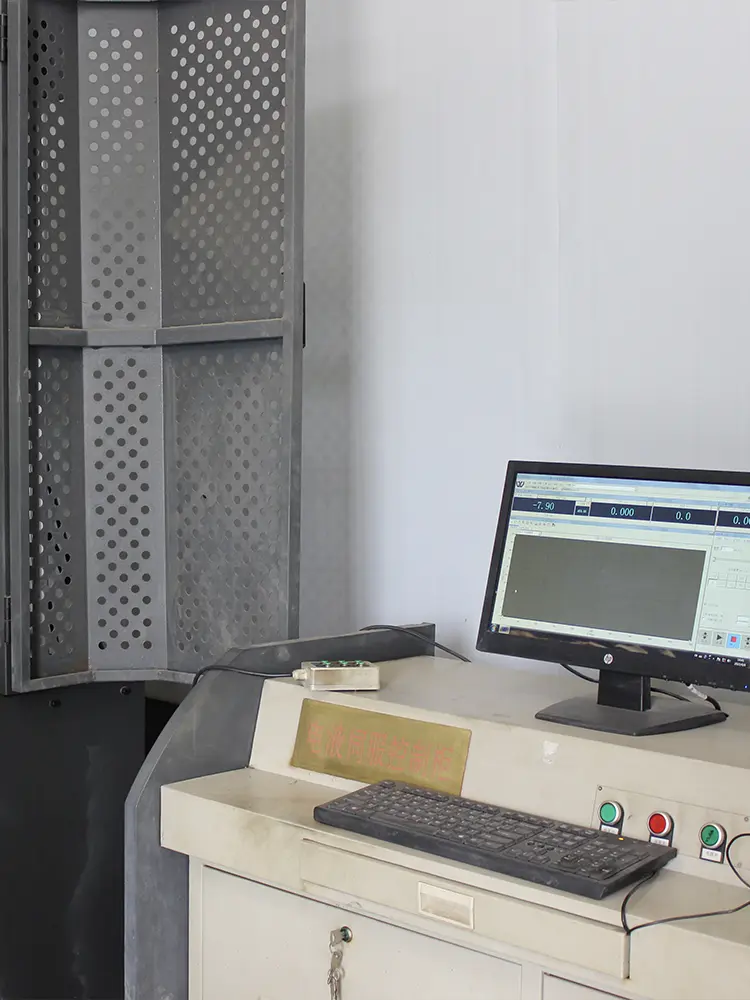
Servo Universal Tester
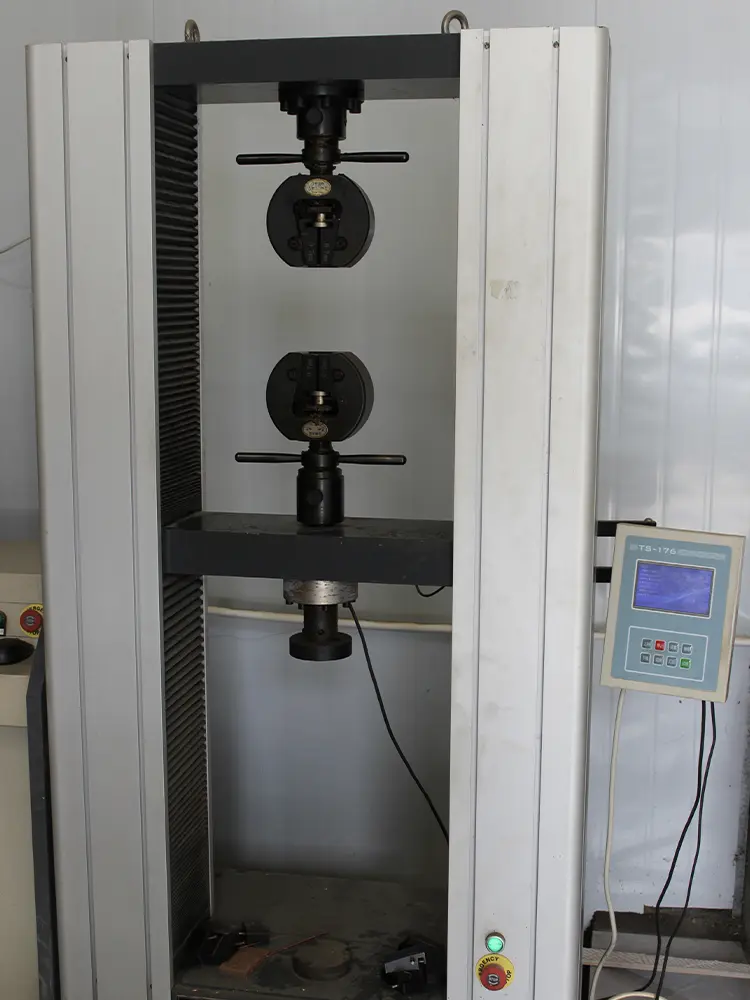
Electronic Universal Tester
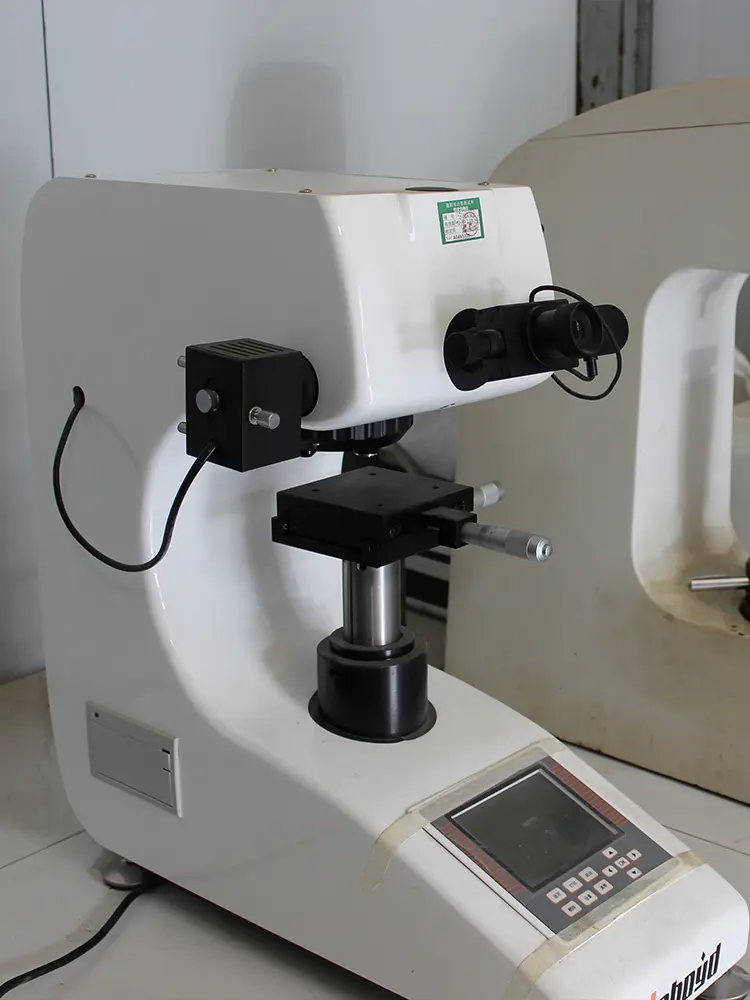
Hardness Testing
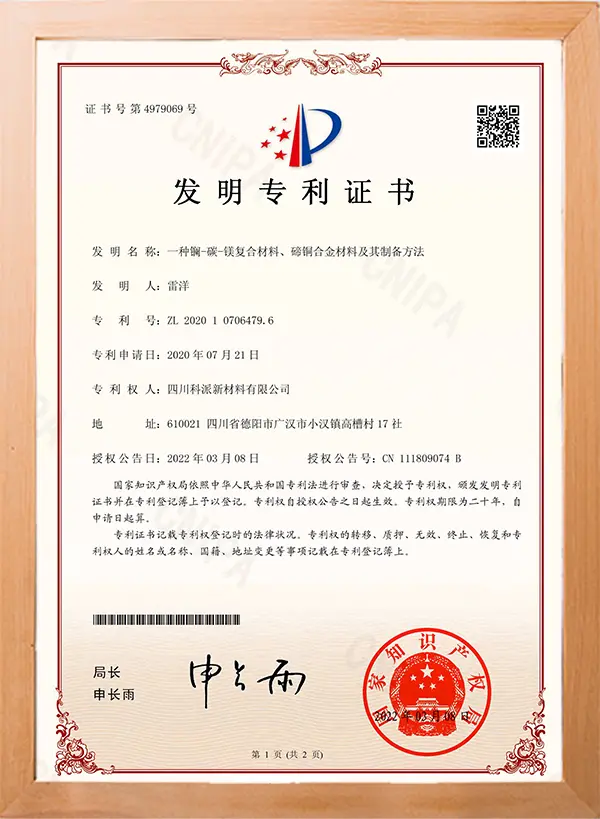
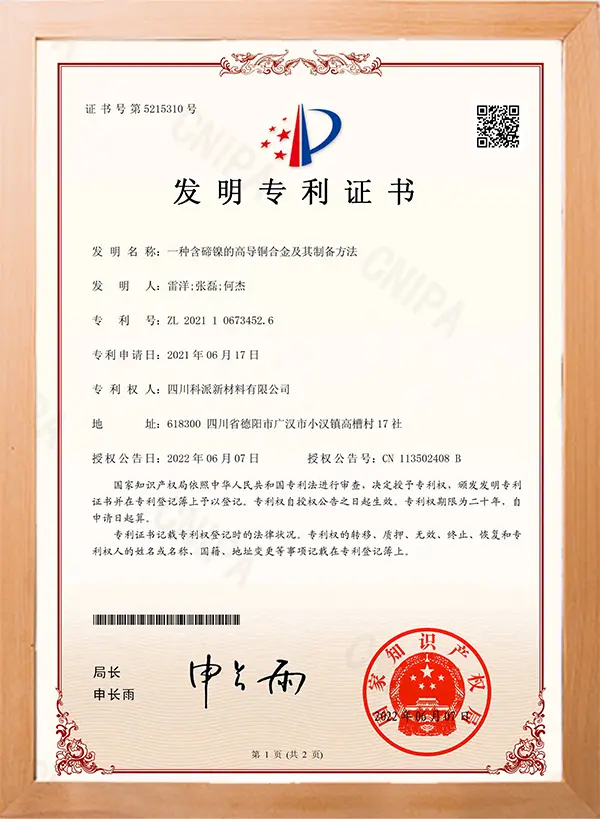
Third-party verified compliance, meeting ISO9001 and environmental regulations.
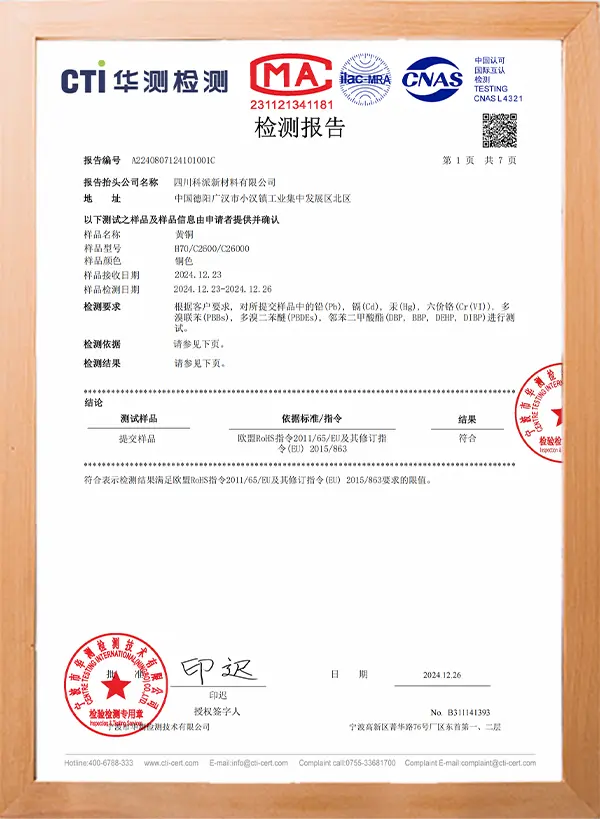
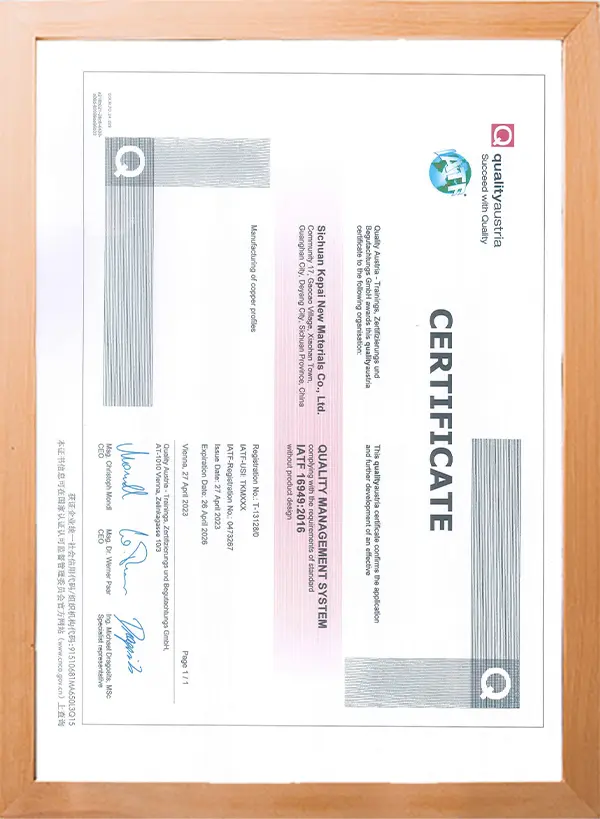
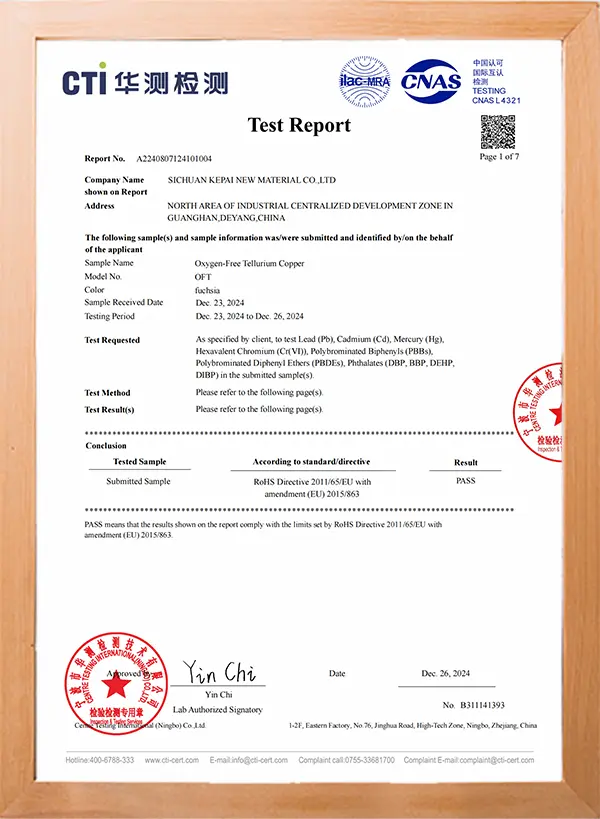
Supporting corporate procurement, logistics, and material engineering teams.
Industrial procurement teams require materials that satisfy mechanical specifications while meeting commercial targets for pricing, supply chain security, and processing efficiency. High-performance copper alloys represent a significant cost component; therefore, selecting materials with optimal machinability can improve overall manufacturing economics by reducing machining cycle times, tooling wear, and scrap rates.
Sichuan Kepai supports global procurement departments through several service programs:
Our sales and logistics teams support overseas shipping documentation, including certificates of origin, SGS chemical analysis, and customs forms, ensuring smooth transit through international ports.
Technical answers to common metallurgical and machining questions.
Processing performance depends on the alloy's microstructure, chemical composition, and cold-work temper. Elements like tellurium or sulfur form secondary phases that act as chip breakers during machining. Temper designations (e.g., annealed vs. hard-drawn) determine the balance between ductility (for cold forming) and yield strength (to resist deformation under service loads).
Pure copper is soft and highly ductile, producing long, continuous stringy chips that can wrap around tooling and scratch the workpiece surface. C14500 Tellurium Copper features microscopic telluride inclusions that act as chip breakers, allowing the material to form short, brittle chips. This improves machinability to 85% of standard free-cutting brass, while preserving over 93% IACS electrical conductivity.
Beryllium copper alloys (such as C17200) contain between 0.4% and 2.0% beryllium. When subjected to solution heat treatment and subsequent aging (precipitation hardening), sub-microscopic beryllium-rich phases precipitate within the copper matrix. These precipitates restrict dislocation movement, increasing the alloy's yield and tensile strength while maintaining moderate electrical conductivity.
Yes. All our copper alloys are manufactured to meet international environmental regulations. We offer lead-free and low-lead copper alternatives (like tellurium copper C14500 and sulfur copper) that comply with RoHS and REACH limits. We provide SGS compliance certificates with every shipment.
For standard dimensions and tempers kept in stock, we ship within 7 to 10 working days. For custom alloys with specific chemical configurations, custom heat treatments, or non-standard profiles, typical production lead times range from 20 to 35 days, depending on manufacturing queue and order volume.
Yes, we offer sample rods and bars for customer machining trials and qualification testing. Please contact our sales department with your required alloy grade, temper, and dimensions to arrange a shipment.
Highly refined compositions offering resistance to thermal softening and electrical arc wear.
Get in touch with our metallurgical engineers to discuss your alloy specifications, machinability requirements, and custom temper needs.
 Kepai
Kepai