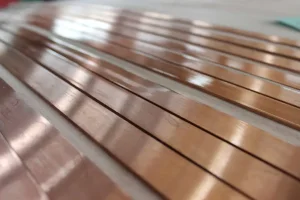
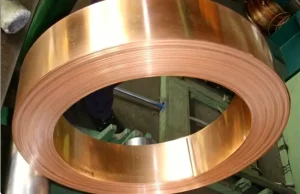
Engineered for electrical conductivity, mechanical toughness, and superior wear resistance across high-tech industries.
Understanding the microstructural physics and mechanical deviations in critical engineering specifications.
In the landscape of modern electro-mechanical engineering, choosing between pure copper and its complex alloys (bronzes) represents a critical design decision. Pure copper, classified under standard designations like C11000 or oxygen-free C10200, exhibits an outstanding electrical conductivity of up to 101% IACS (International Annealed Copper Standard). Its atomic configuration—a Face-Centered Cubic (FCC) lattice structure—enables high free-electron mobility, resulting in excellent electrical and thermal transfer capabilities.
However, pure copper is inherently soft, possessing a yield strength typically between 50 and 100 MPa in its annealed state. When engineering designs require components to withstand high mechanical stresses, friction, or extreme temperatures, unalloyed copper is susceptible to deformation and structural failure. This is where engineered alloys, such as Beryllium Copper (C17200, C17300), Tellurium Copper (C14500), and Phosphor Bronze, become essential.
By carefully introducing alloying elements—such as beryllium, tin, zirconium, chromium, or tellurium—metallurgists alter the host copper lattice. This process initiates strengthening mechanisms such as solid-solution hardening and precipitation hardening, which significantly enhance tensile strength (exceeding 1400 MPa in heat-treated beryllium copper) while maintaining targeted levels of conductivity.
When evaluating bronze versus copper for industrial procurement, several core parameters must be analyzed:
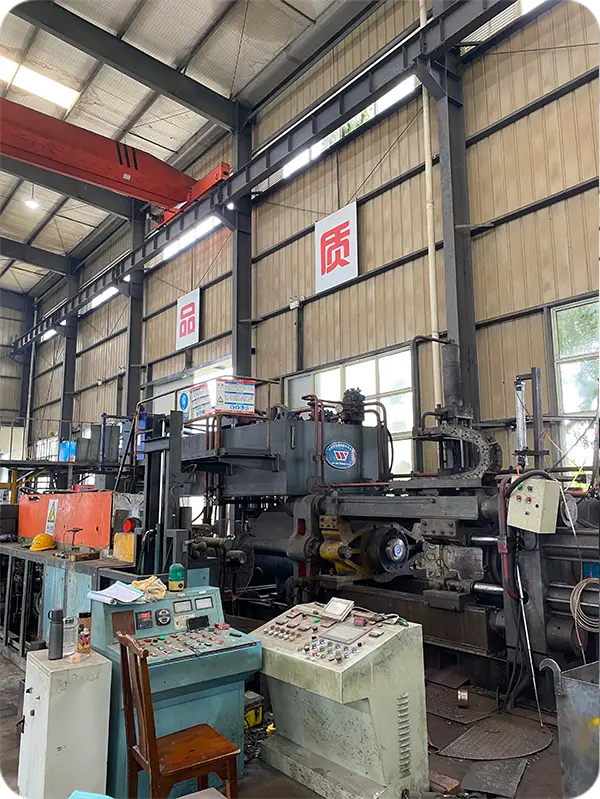
Established in 2017, Sichuan Kepai New Material Co., Ltd. is a high-tech enterprise dedicated to the research, development, production, and distribution of high-performance strategic copper alloys. Headquartered in the western area of the Sichuan Guanghan Industrial Development Zone, adjacent to National Highway 108, our state-of-the-art facility spans over 9,000 square meters of production space alongside a 1,000 square meter administrative and advanced R&D center.
Kepai specializes in the synthesis of new materials aligned with strategic industrial growth initiatives. Our portfolio focuses on high-conductivity oxygen-free copper, tellurium copper, silver copper, and alumina dispersion-strengthened copper. These materials are engineered to support demanding applications in new energy vehicles (NEVs), 5G telecommunications, precision laser cutting, lithium-ion battery relays, and high-voltage electrical distribution systems.
By combining advanced manufacturing techniques with rigorous testing standards, we deliver customized, reliable non-ferrous alloy solutions to global markets, supporting industrial progress and supply chain efficiency.
Custom non-ferrous alloy systems addressing complex operating challenges across major global industries.
Modern electric vehicles demand high-voltage power distribution networks. Our high-purity Tellurium Copper (C14500) and Chromium Zirconium Copper (C18150) are widely specified for EV charging pins, battery connectors, and high-frequency relays, providing reliable thermal dissipation and low contact resistance.
5G antenna infrastructure and coaxial RF connectors require micro-machined parts that resist deformation and maintain signal integrity. Beryllium Copper (C17300) delivers the elasticity, fatigue strength, and corrosion resistance required for high-frequency signal transmission.
Industrial machinery components, such as plasma cutting torches, welding machines, and heavy steel fabrication tools, run under continuous thermal stress. Our chromium zirconium and wear-resistant lead bronzes help prolong component lifespans, reduce downtime, and lower maintenance costs.
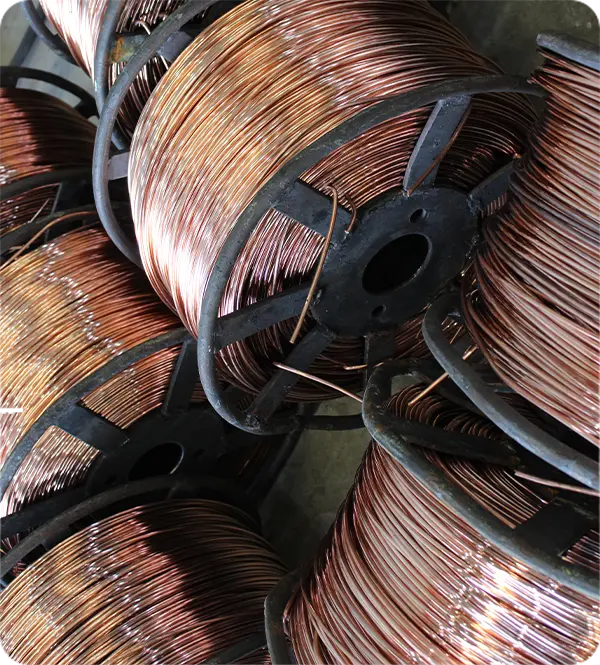
Our commitment to R&D guides our long-term product and process development. The next generation of copper alloys must meet increasingly stringent requirements for high strength, high conductivity, and environmental compliance. Our technology roadmap focuses on three primary objectives:
Developing bismuth- and silicon-modified copper alloys to replace leaded formulations, meeting RoHS and REACH compliance standards for plumbing and electronic hardware.
Refining the synthesis of alumina-dispersion-strengthened copper (ODS) to maintain mechanical strength and conductivity at temperatures approaching 800°C.
Enhancing vacuum induction melting protocols to achieve extremely low oxygen levels (< 2 ppm) in raw copper, critical for semiconductor packaging and high-vacuum applications.
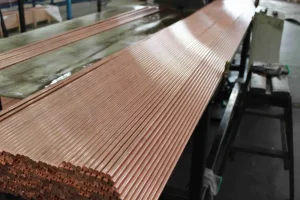
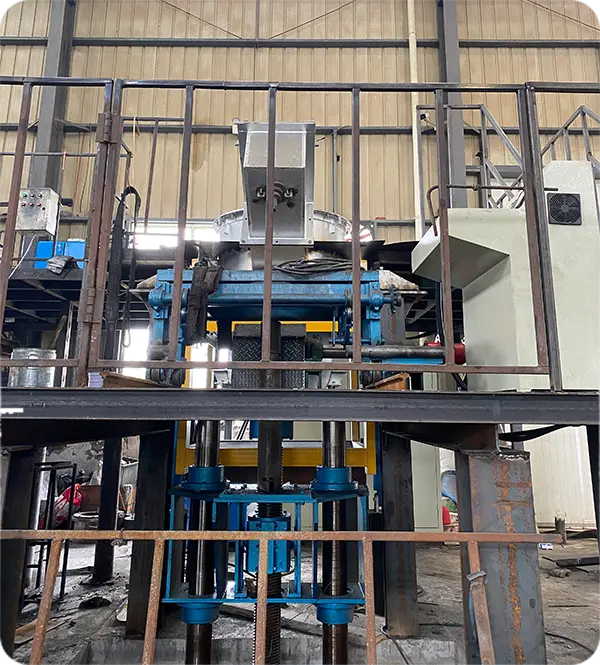
Our integrated production lines and advanced testing facilities ensure high consistency and precision for every batch of copper alloys.
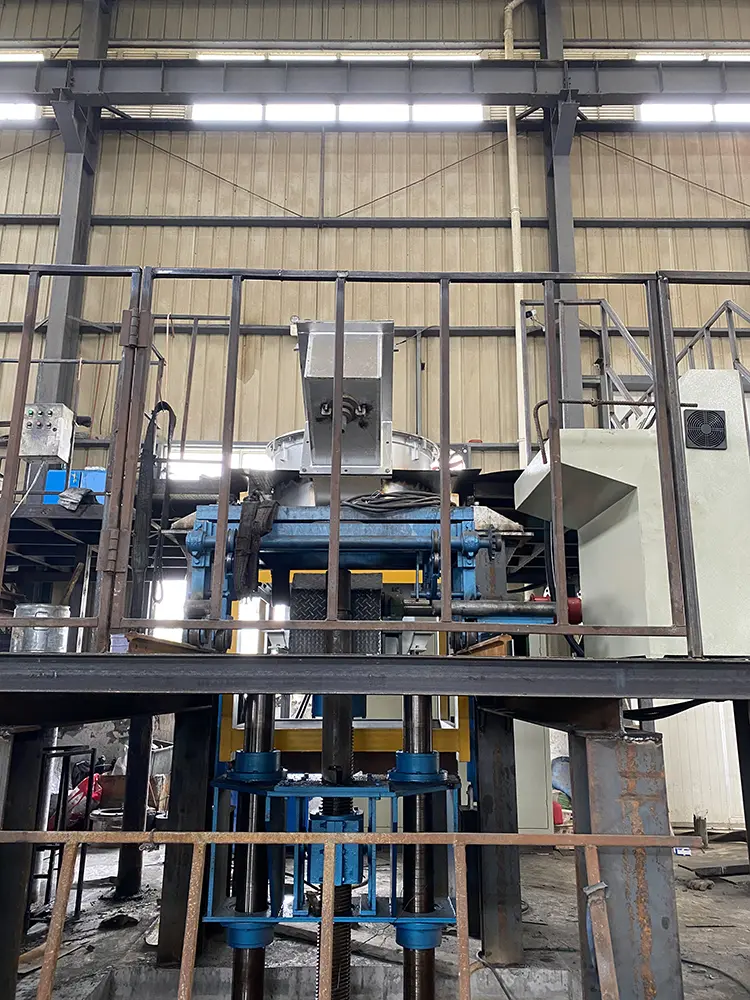
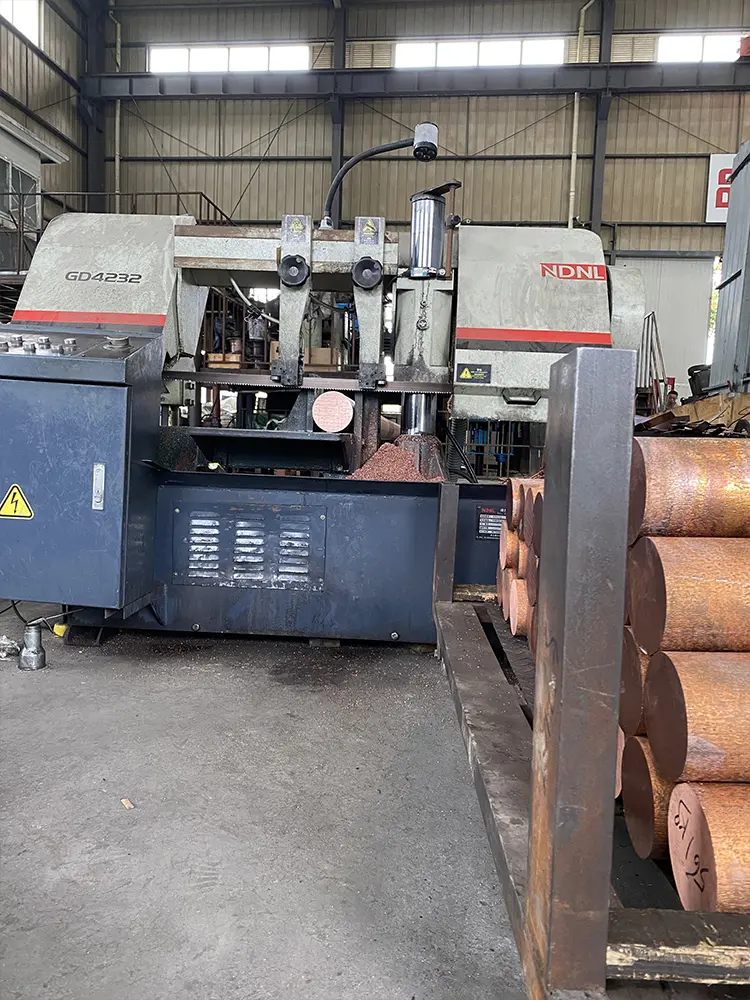
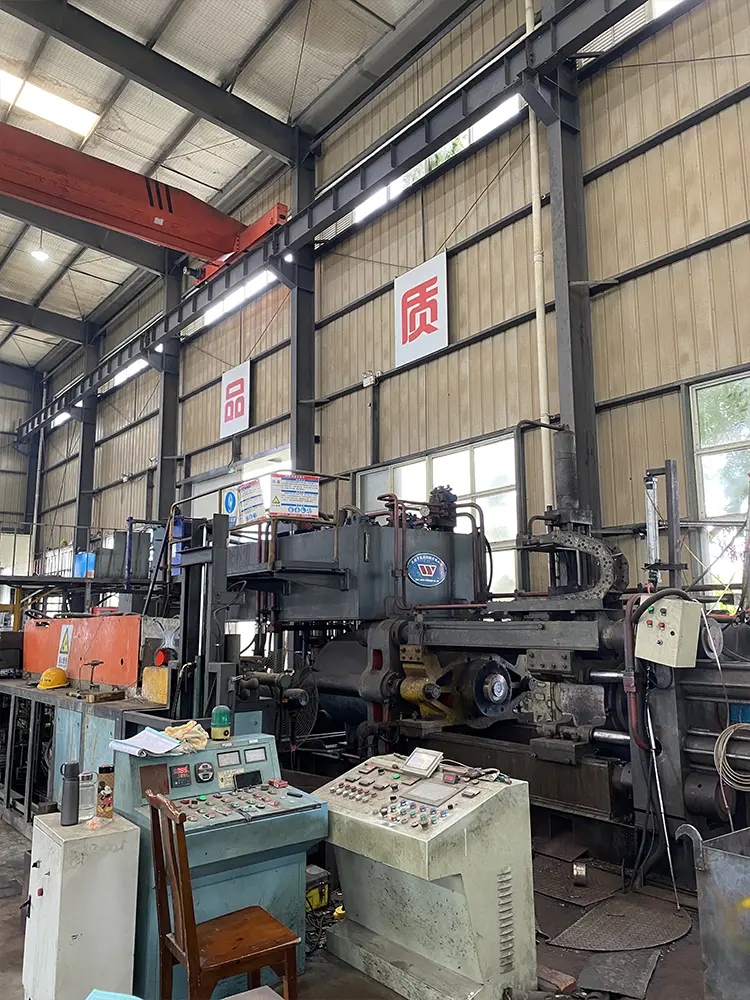
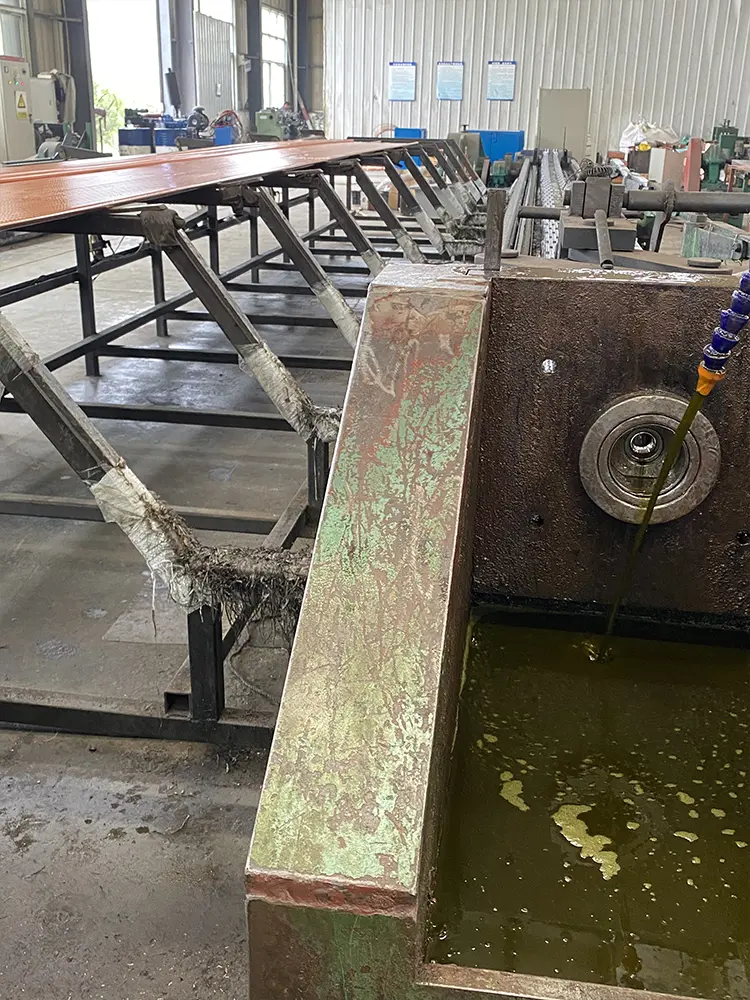
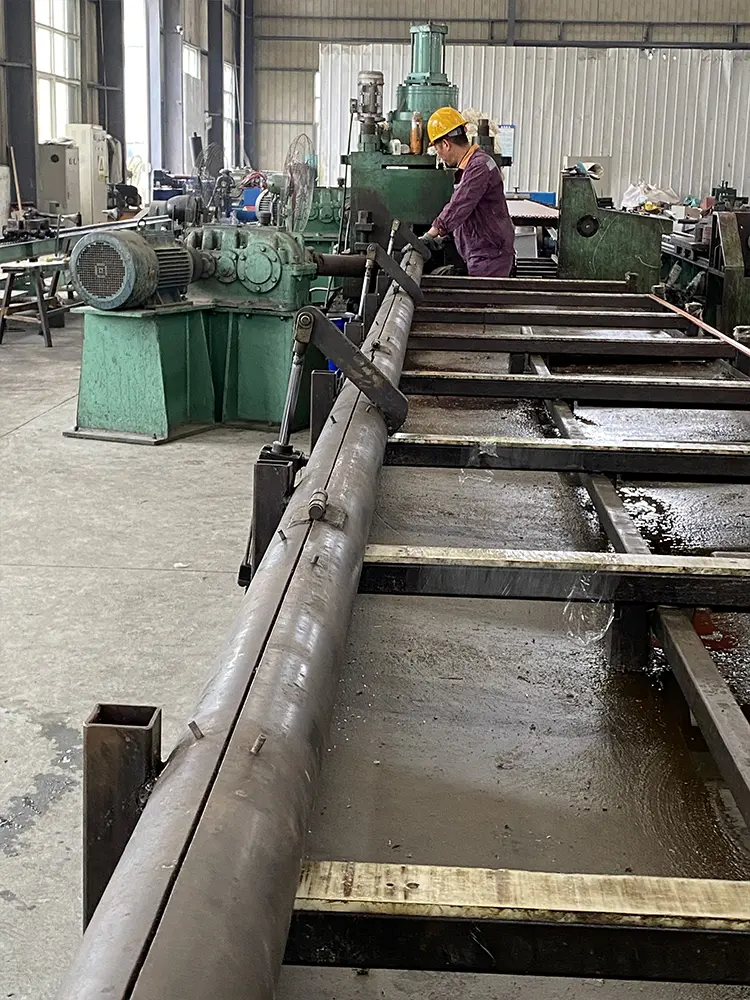
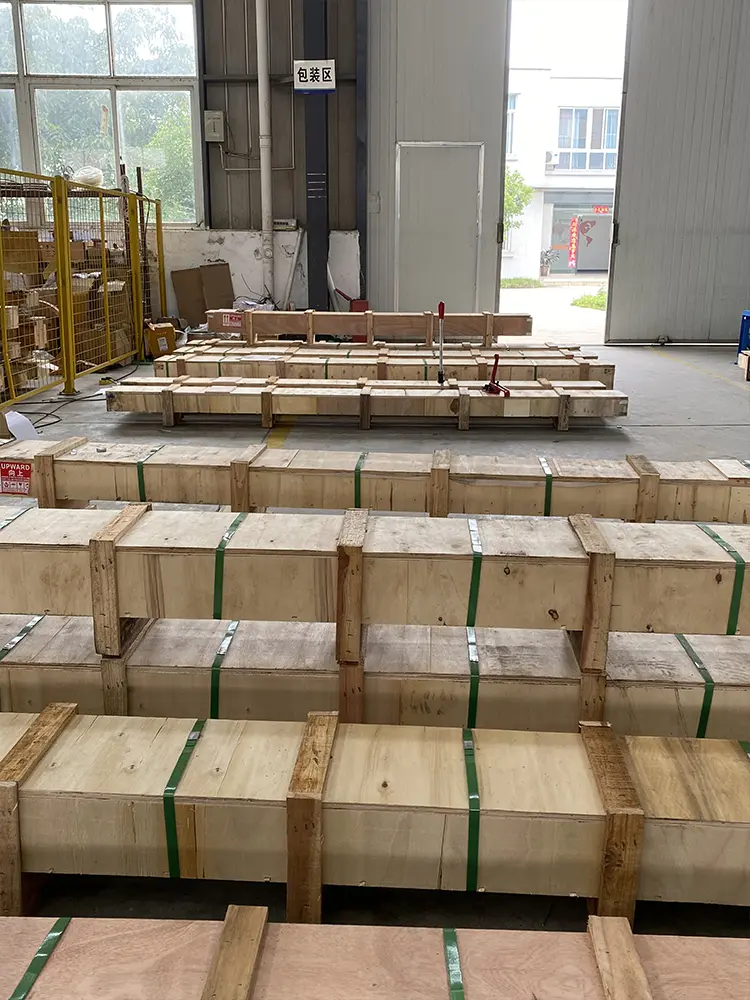
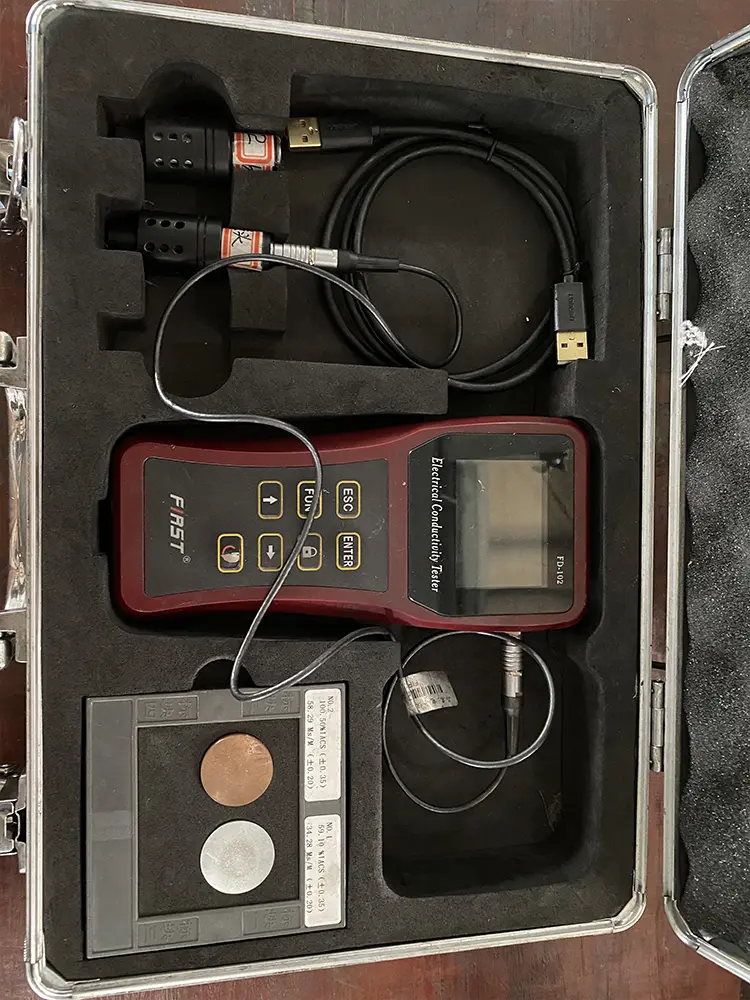
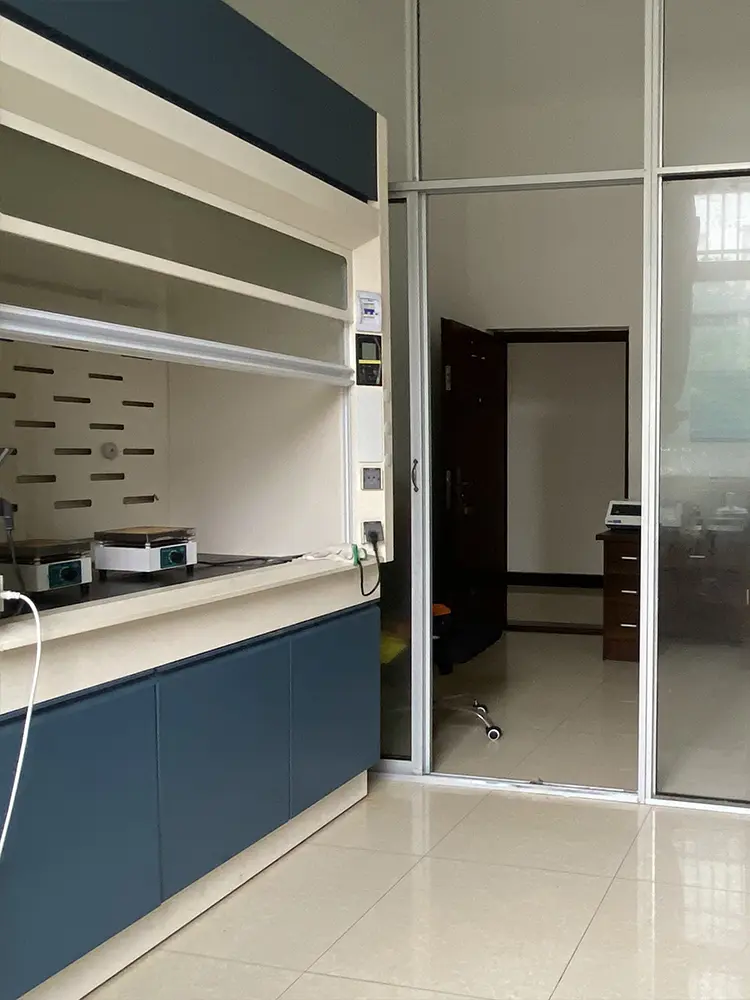

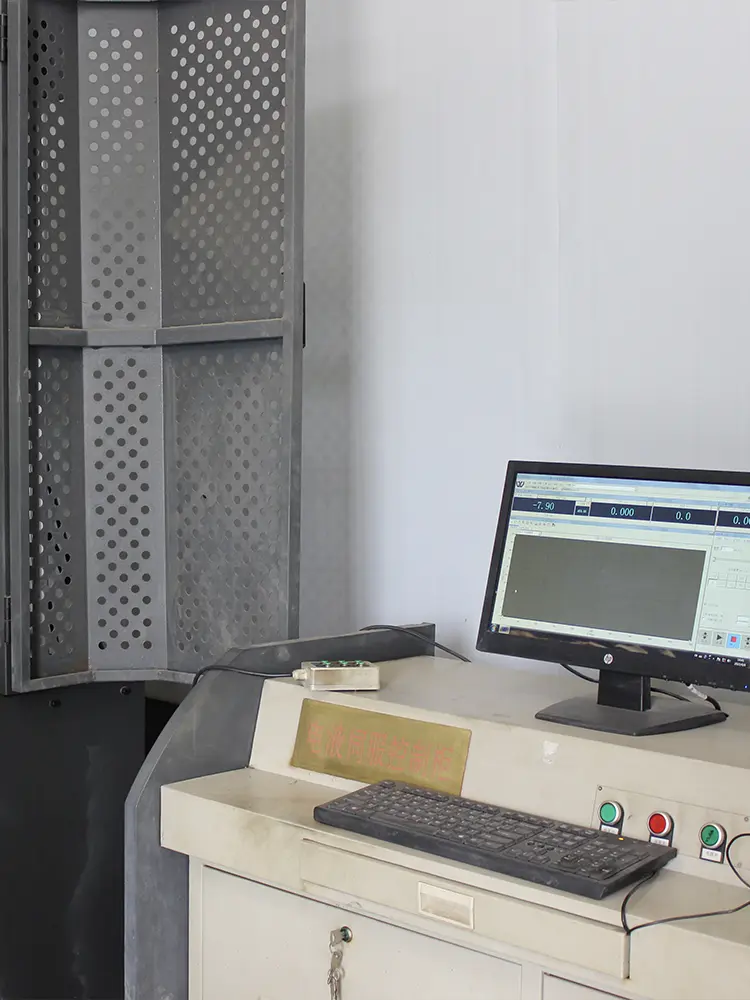
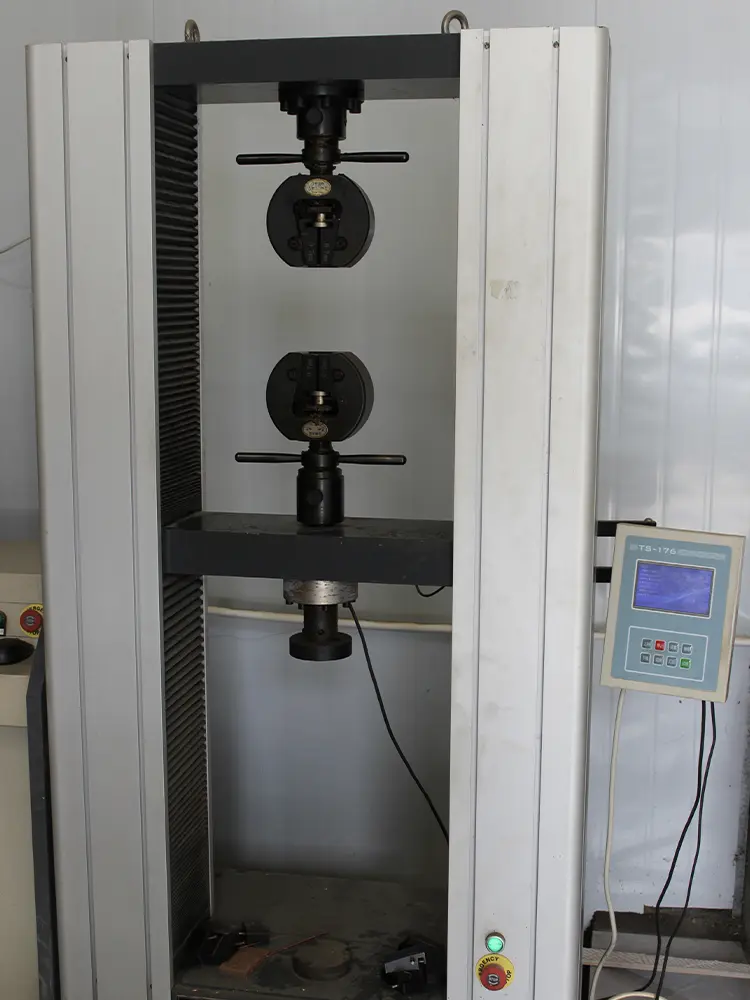
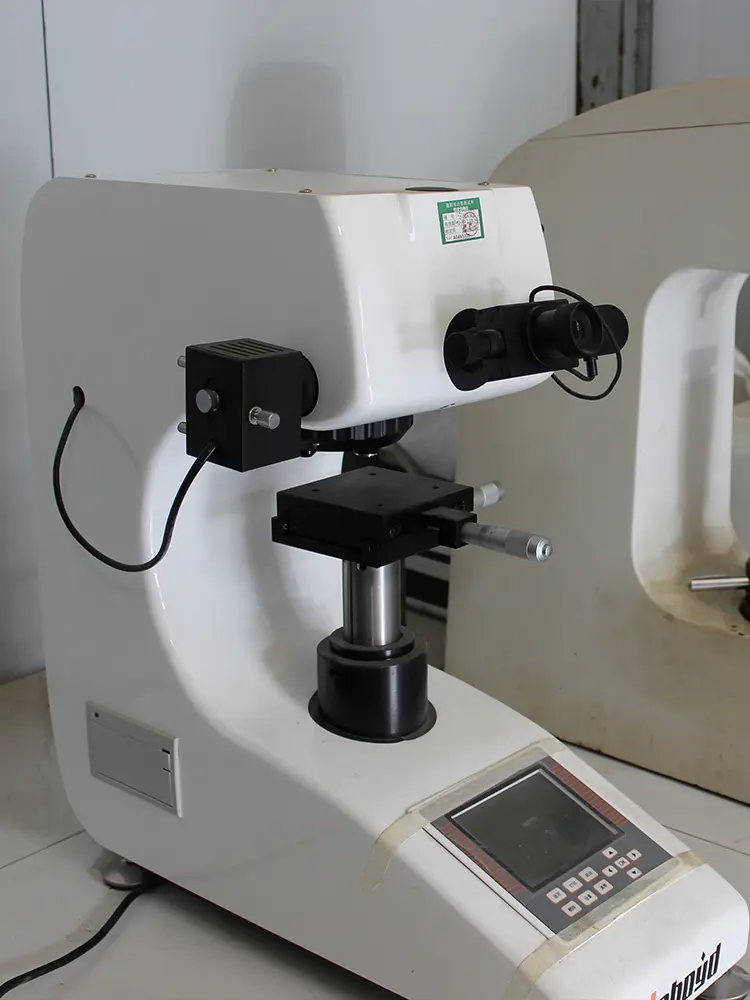
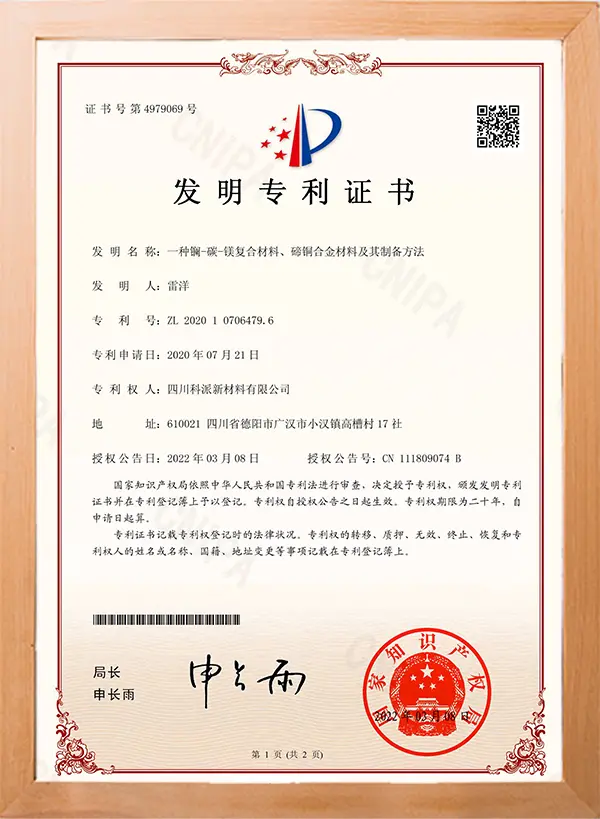
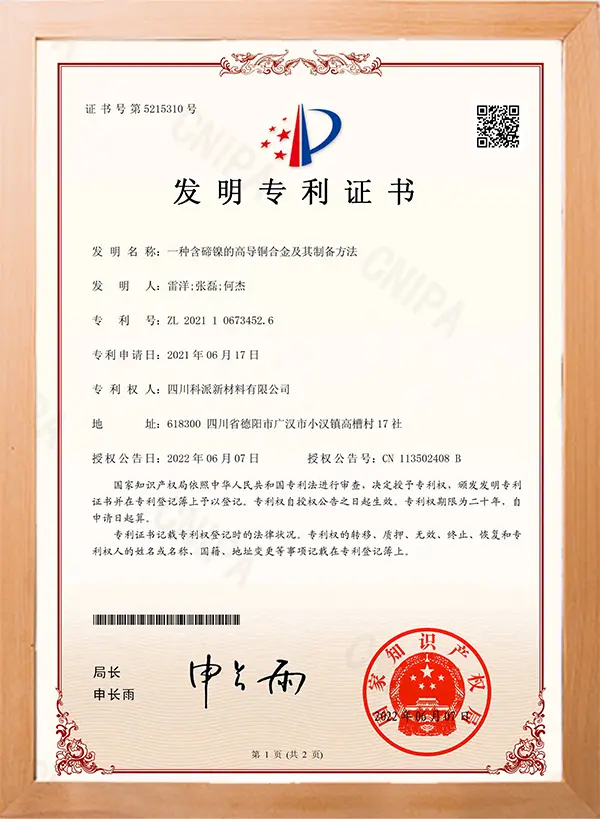
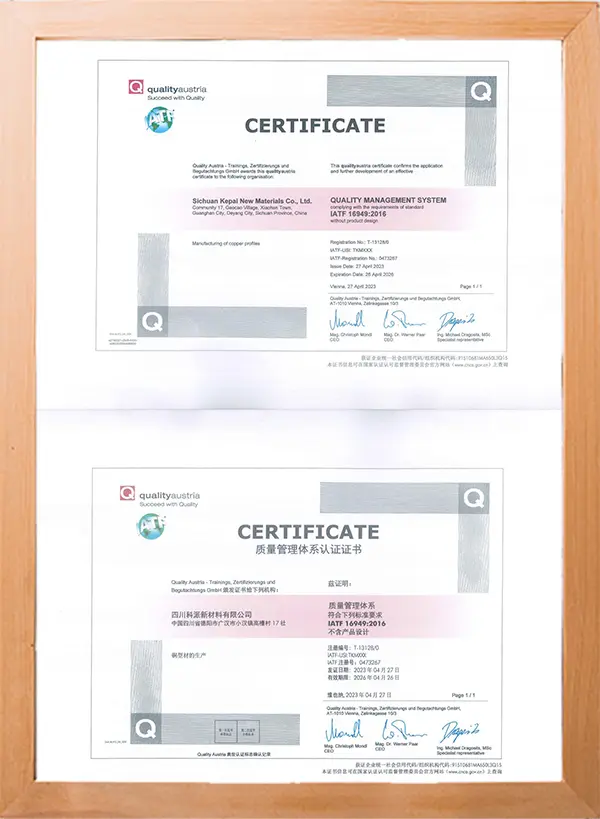
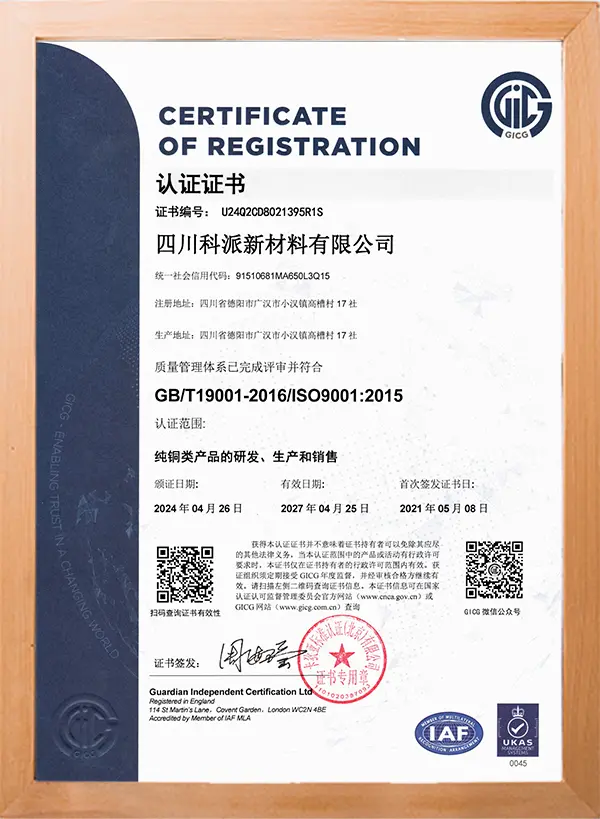
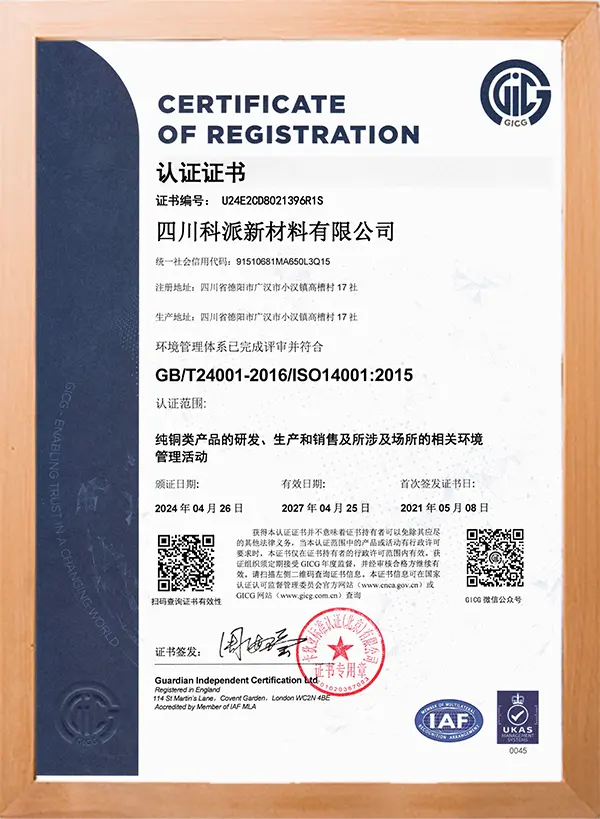
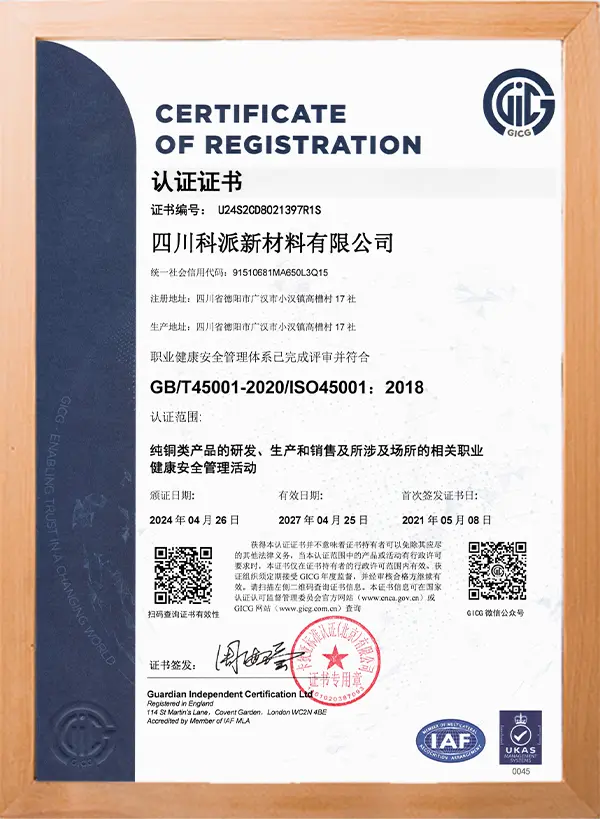
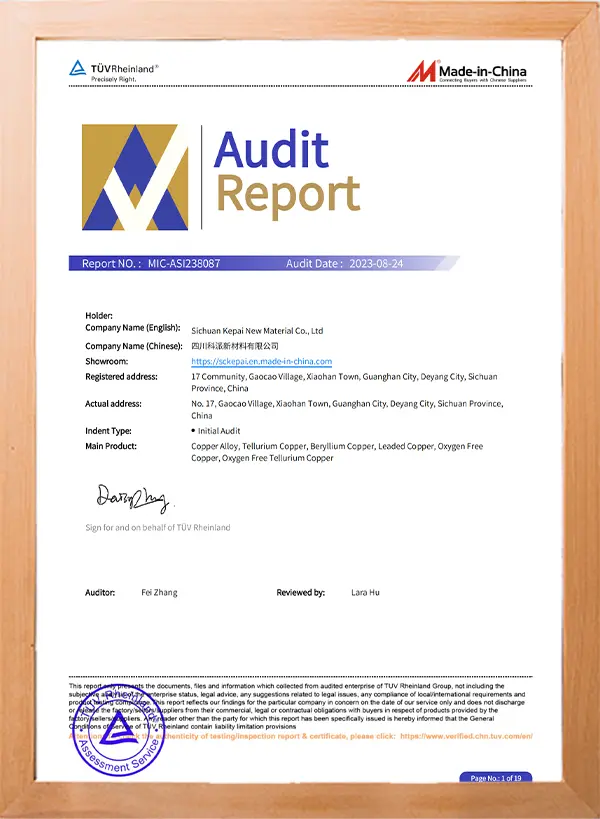
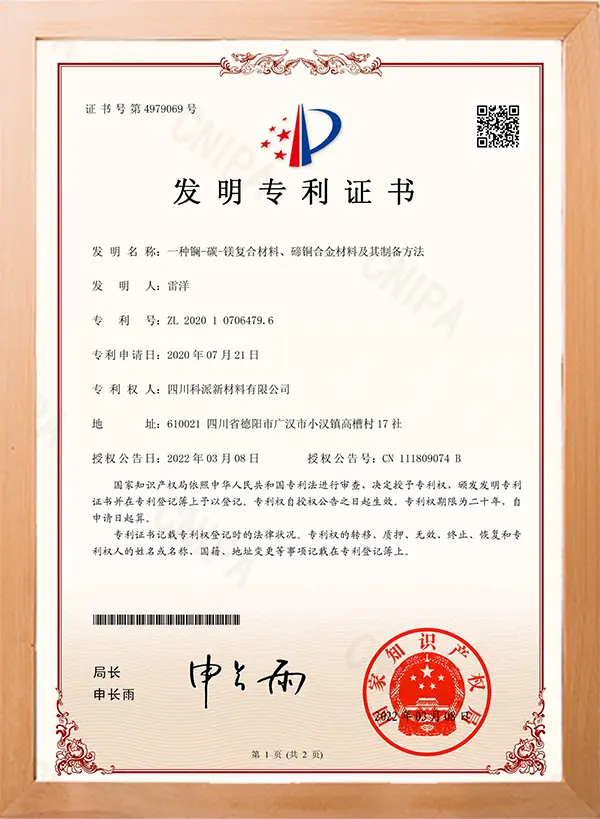
Our manufacturing protocols are audited to meet international standards for quality, safety, and operational reliability.
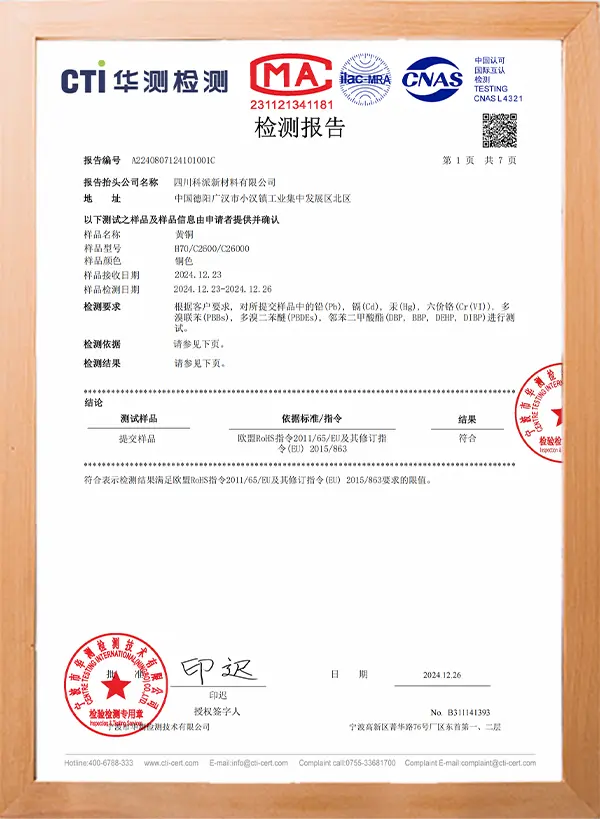
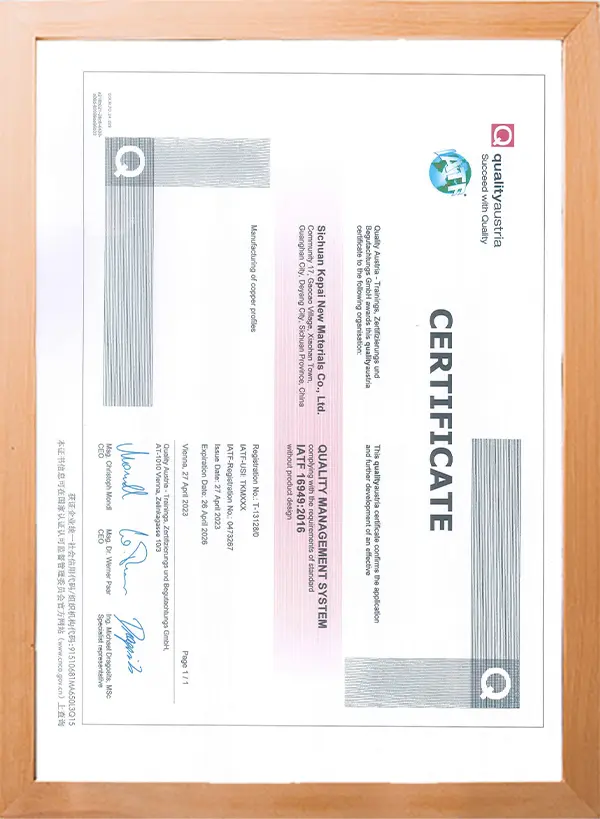
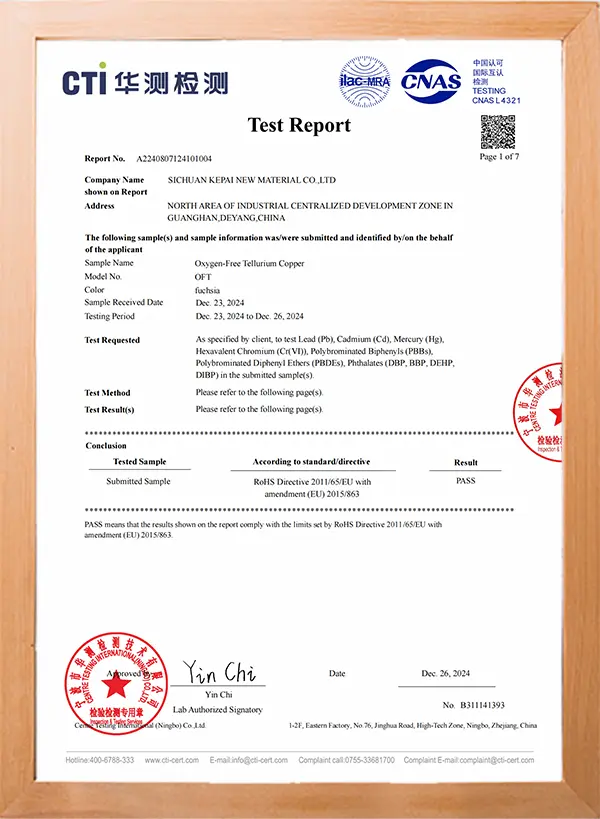
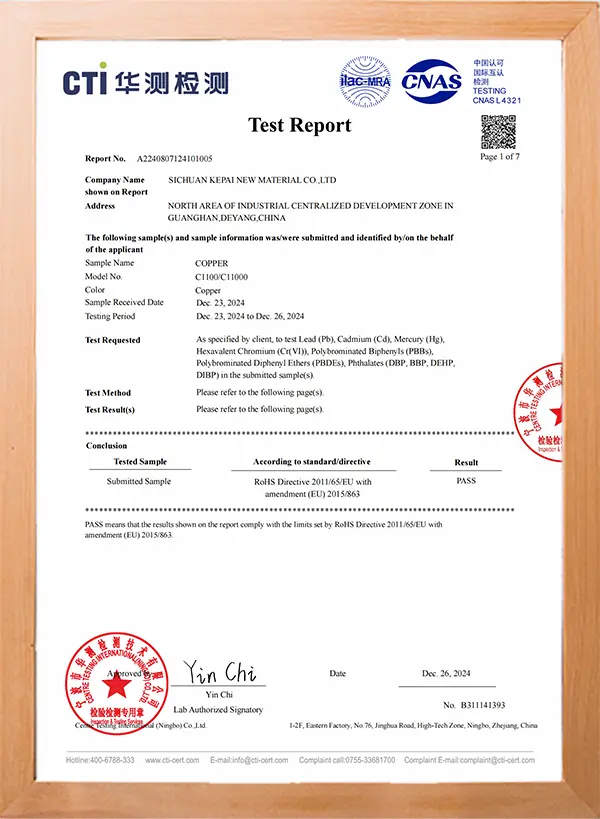
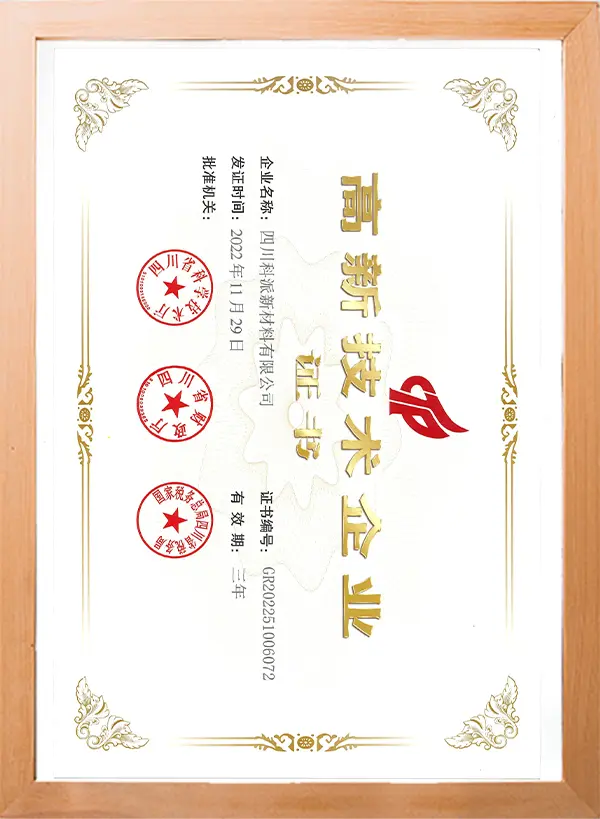
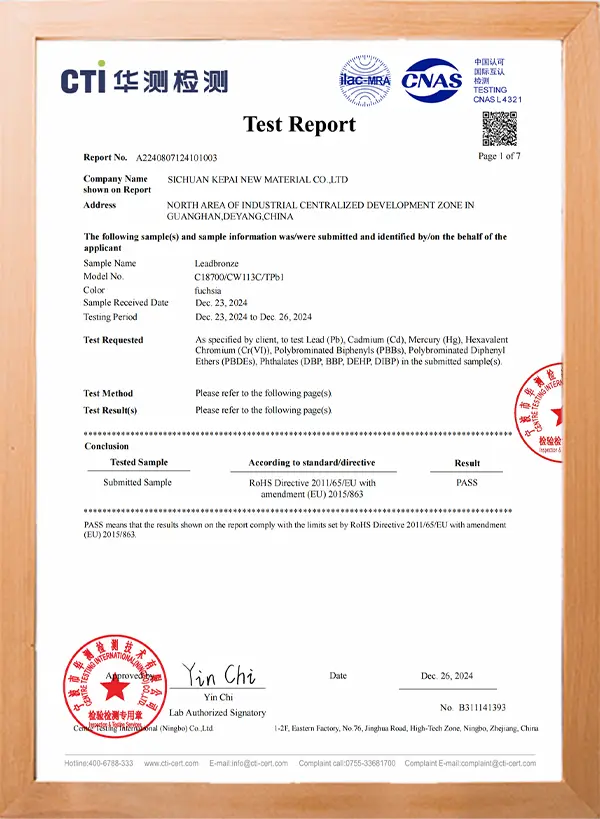
Expert insights on metallurgy, machinability, and custom engineering challenges for copper alloys.
Looking ahead, Sichuan Kepai New Materials Co., Ltd. will continue to focus on research and application development in the field of new materials, contributing to the growth of the high-conductivity copper alloy industry in China and globally. We look forward to working with partners from all sectors to create a sustainable, high-efficiency future.
Explore our full range of chromium-zirconium, tellurium, and beryllium-hardened materials for demanding industrial applications.
 Kepai
Kepai