Explore our premium grade materials engineered specifically for industries requiring exceptional thermal performance, structural integrity, and robust resistance to corrosion.
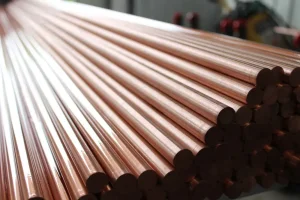
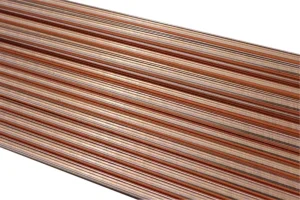
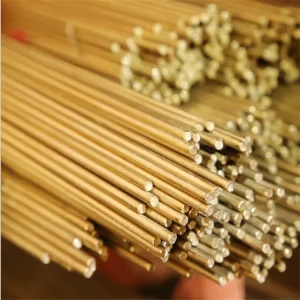
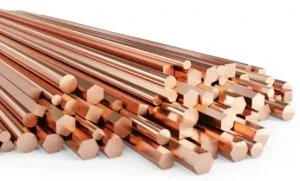
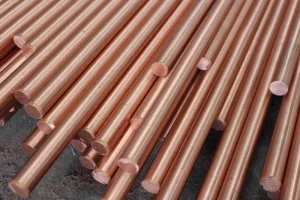
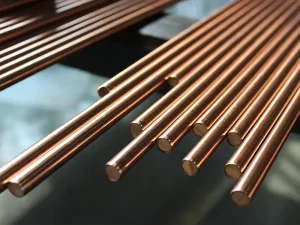
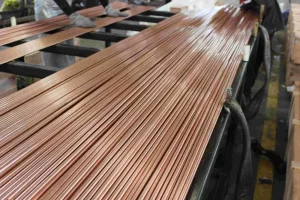
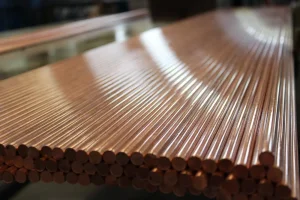
Established in 2017, Sichuan Kepai New Material Co., Ltd. has developed into a premier, high-tech enterprise focusing on pioneering metallurgical R&D, advanced processing, and global distribution of specialized high-performance copper alloys. Operating from a modern industrial zone, our infrastructure is engineered to satisfy the demands of strategic emerging fields including clean energy vehicles, high-frequency aerospace telecom, plasma systems, and advanced power distribution networks.
"We align our research with the strategic requirements of global hardware manufacturers, delivering high-conductivity, easy-to-machine, and high-strength alloy compositions that outperform standard grades under extreme conditions."
Understanding how micro-alloying and grain structure engineering produce long-term stability and wear-resistance in harsh industrial and marine environments.
In structural and electrical engineering, copper and its alloys are prized for their high electrical and thermal conductivity. However, exposing pure copper to marine atmospheres, industrial effluents, and high-temperature environments accelerates oxidation and localized corrosion. Achieving "good corrosion resistance" is not merely about shielding the metal; it requires precise control of the chemical composition, grain boundaries, and phase distribution of the alloys. At Sichuan Kepai New Materials, we specialize in micro-alloying processes that form a stable, adherent oxide passivation layer on the alloy's surface, preventing further oxygen diffusion while keeping the electrical performance index exceptionally high.
Alloying elements such as Chromium (Cr), Zirconium (Zr), Nickel (Ni), and Beryllium (Be) significantly alter the oxidation kinetics of copper. For instance, in our C18150 Chromium-Zirconium Copper, the introduction of chromium induces the formation of a dense, sub-microscopic chromium oxide (Cr2O3) layer when exposed to heat. This layer blocks oxygen ions from reaching the substrate, drastically reducing high-temperature oxidation rates. This properties combination is essential for high-heat environments like plasma cutting and spot welding.
In environments rich in ammonia, moisture, or saline, brasses and bronzes with high zinc content are susceptible to dezincification (a type of dealloying where zinc dissolves, leaving behind a porous, structurally weak copper skeleton). Similarly, stress corrosion cracking (SCC) occurs when susceptible alloys are subjected to simultaneous tensile stress and chemical corrosion. By utilizing high-purity oxygen-free copper bases and precipitation-hardened systems (like Beryllium Cobalt Copper C17500 and Beryllium Copper C17200), Kepai reduces the presence of vulnerable phases, making our components structurally sound in deep-sea, oil-drilling, and high-stress industrial applications.
| Alloy Grade | Electrical Conductivity (% IACS) | Corrosion Resistance Level | Primary Mitigation Target | Optimal Applications |
|---|---|---|---|---|
| High Purity Oxygen-Free Copper | ≥ 101% | Excellent (Atmospheric) | Hydrogen Embrittlement, Surface Oxidation | Vacuum Electronics, High-Energy Physics |
| C14500 Tellurium Copper | ≥ 93% | Good (Moisture, Air, Oils) | Machining Friction Heat, Galvanic Corrosion | Laser Cutting Nozzles, Smart Meter Relays |
| C17200 / C17500 Beryllium Copper | 45% - 60% | Superior (Marine & Saline) | Stress Corrosion Cracking, Seawater Pitting | Subsea Connectors, Oilfield Drilling Tools |
| C18150 Chromium Zirconium | ≥ 80% | High (High-Temp Oxidation) | Thermal Softening, Electrode Erosion | Resistance Welding, Plasma Electrodes |
Why procurement professionals and design engineers choose Sichuan Kepai as their strategic custom copper partner.
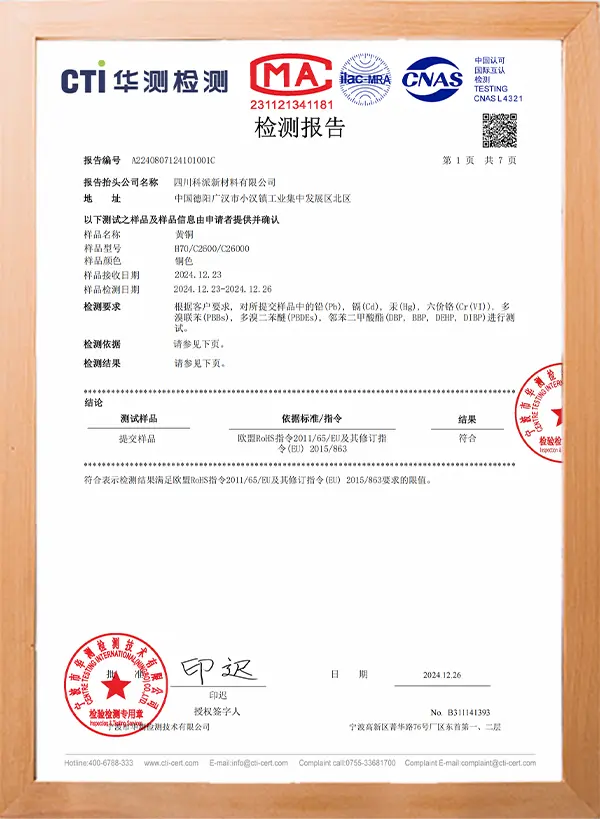
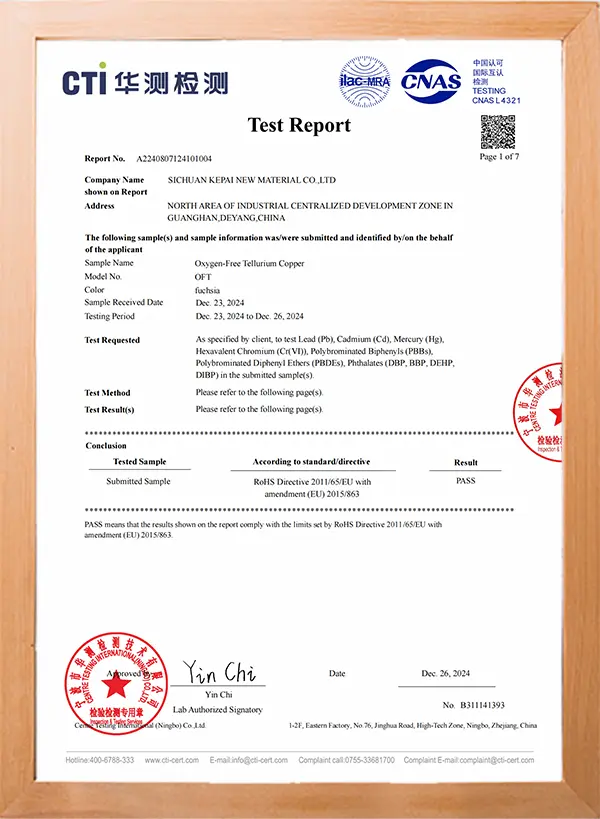
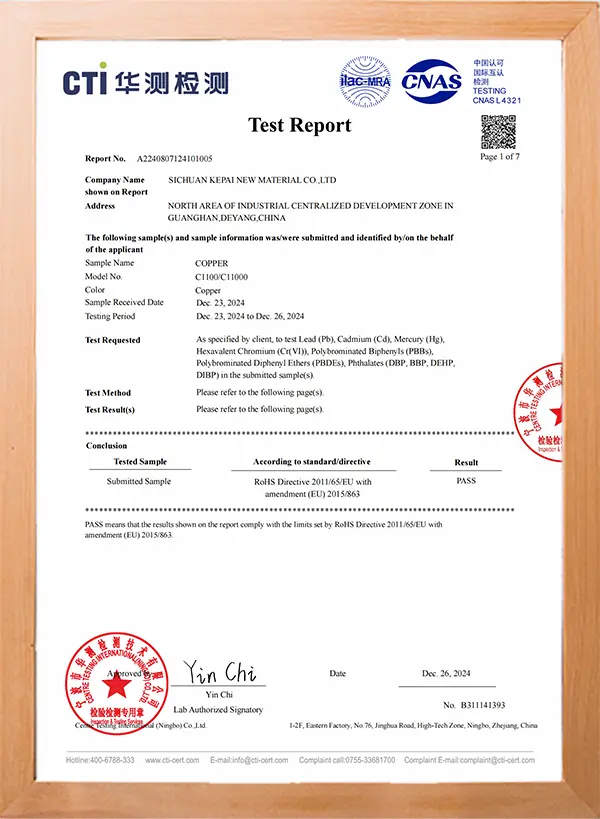
With RoHS, REACH, and local environmental standards tightening globally, modern buyers require 100% batch-to-melt traceability. Kepai ensures all alloys are certified free-machining without hazardous lead spikes, reducing downstream liability.
Opting for raw material with custom dimensions reduces waste chips, improves machine tool lifespan, and shortens manufacturing cycle times. Our free-machining tellurium and sulfur copper compositions optimize output yields.
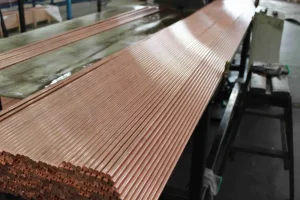
Covering 9,000 square meters of specialized smelting, extrusion, and drawing production, our factory handles large-volume industrial demands without compromising metallurgical stability across production runs.
Our specialized alloys deliver performance at the critical intersections of energy transition, ultra-fast telecom, and precision hardware.
Electrical contacts in EV charging stations and battery disconnect units experience continuous high currents and micro-arcing. Our high-conductivity oxygen-free copper and Tellurium copper ensure low resistance and resist contact welding and oxidation over thousands of cycles.
Outdoor telecommunication masts demand components that withstand humidity and industrial pollutants. By combining C17500 beryllium copper with precise manufacturing, we supply pins and connectors that resist galvanic oxidation and signal attenuation.
Plasma cutting gas nozzles face thermal stress and hot oxygen degradation. Kepai's tellurium copper (C14500) and chromium-zirconium copper (C18150) offer the thermal conductivity and oxidation resistance needed to maintain orifice shape and extend consumable life.
Renewable energy storage systems require high-current switches and copper busbars that operate without excessive heat generation. Our oxygen-free and dispersion-strengthened coppers prevent localized overheating and resist environmental oxidation.
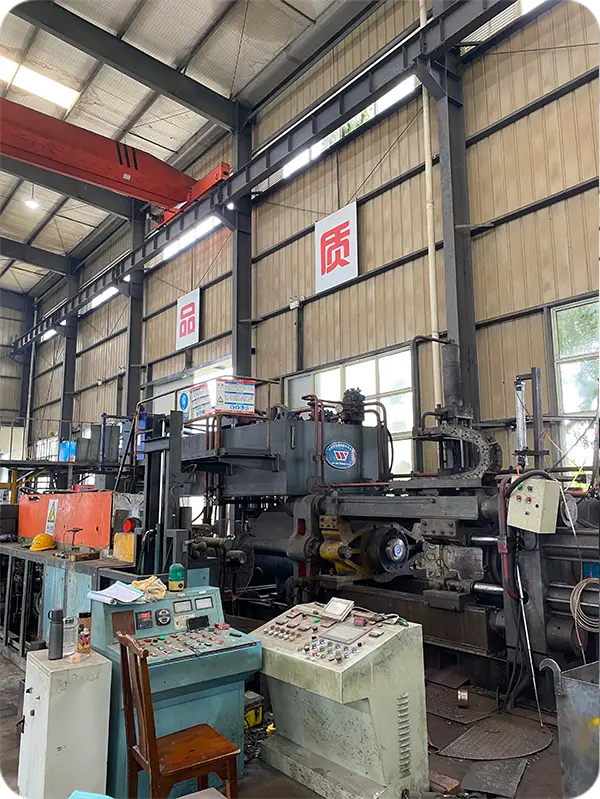
Our facility houses high-precision machinery and testing instruments, supporting consistent mechanical and electrical performance across production runs.
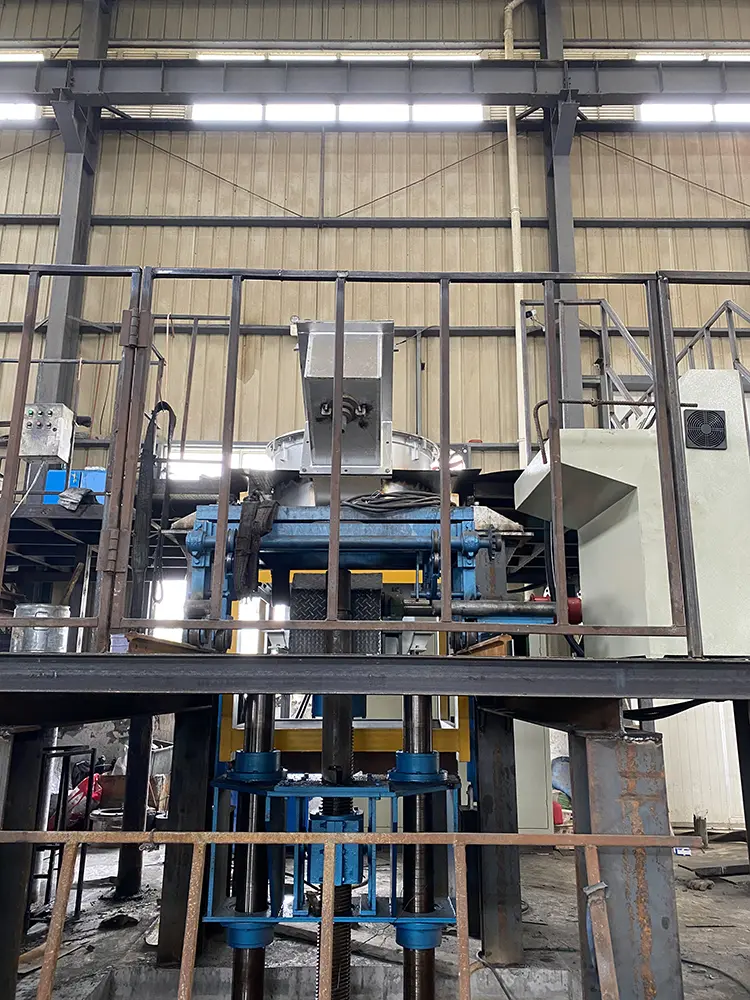
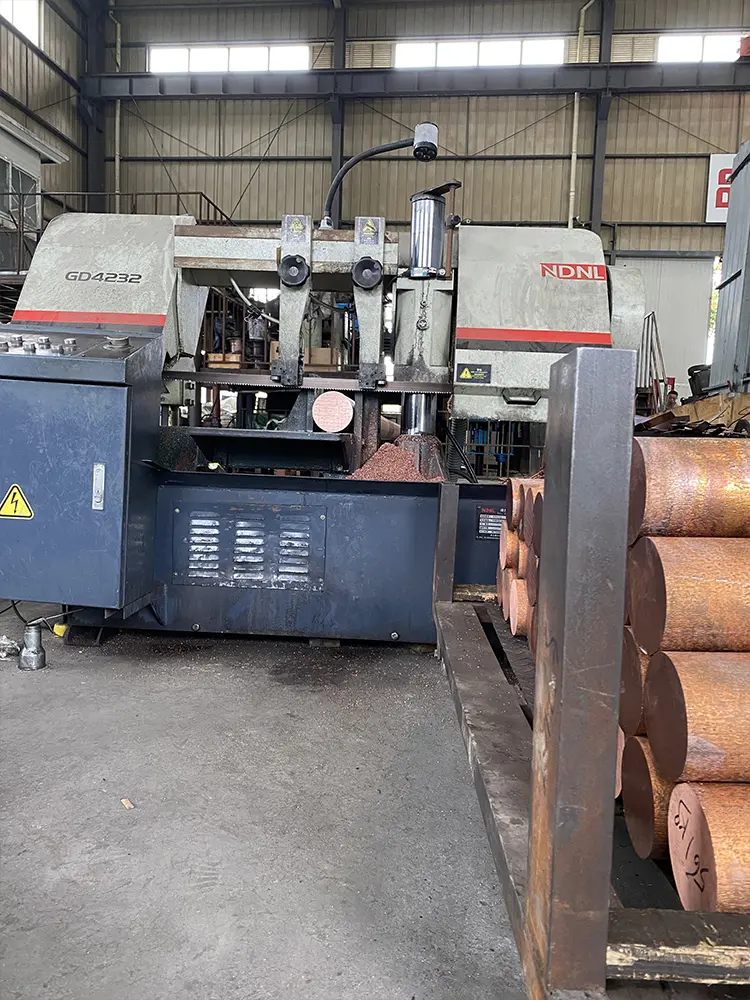
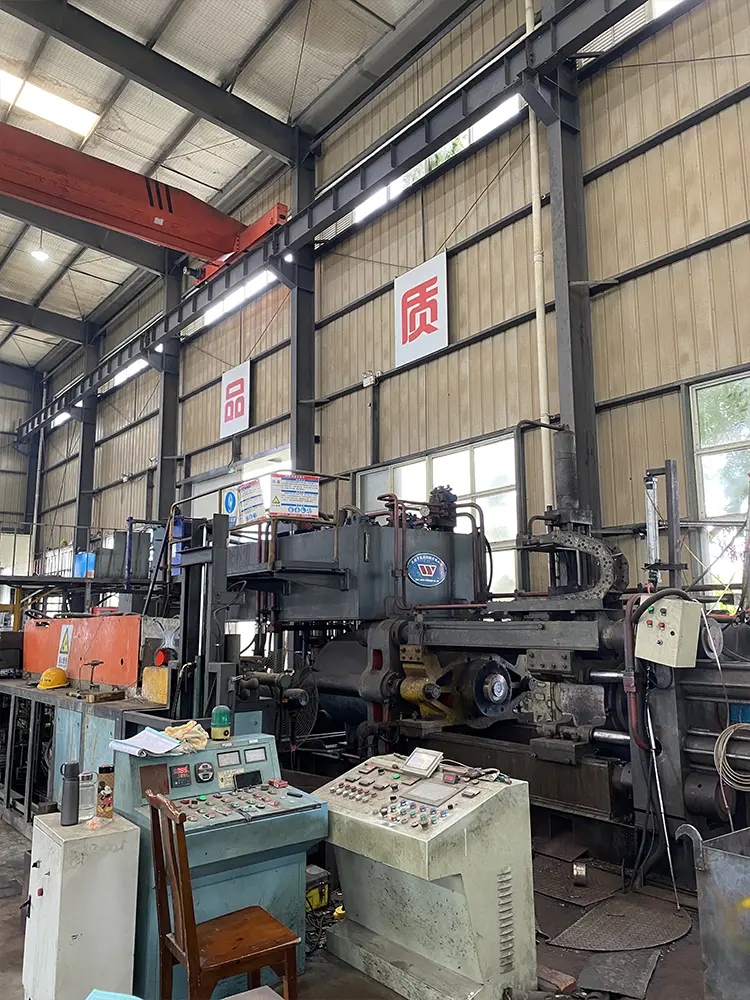
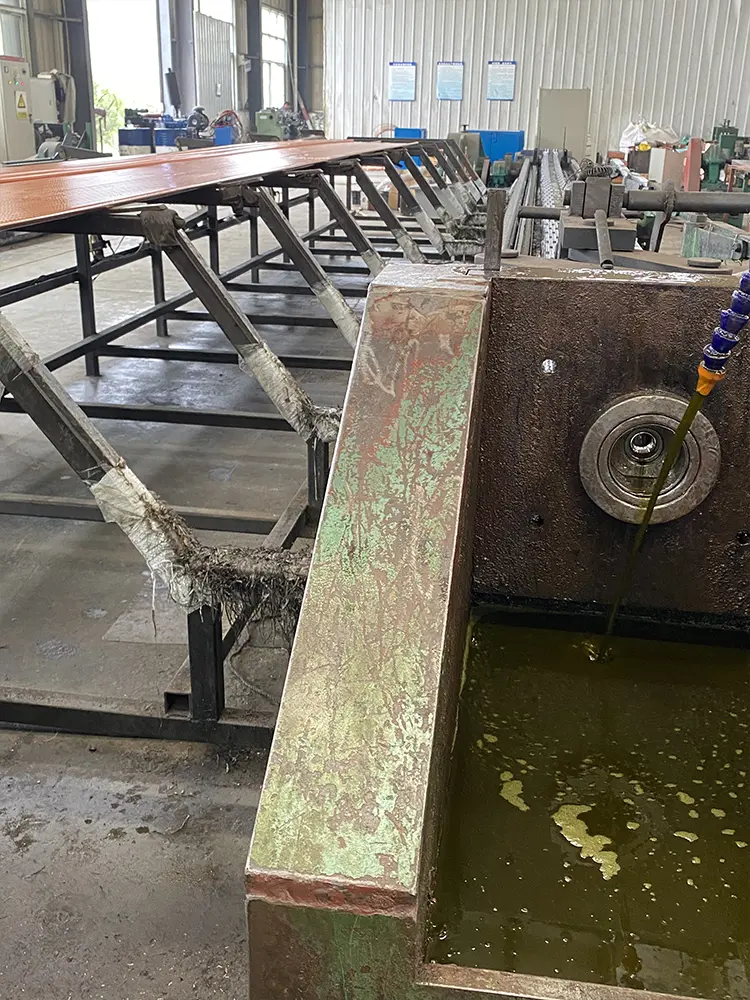
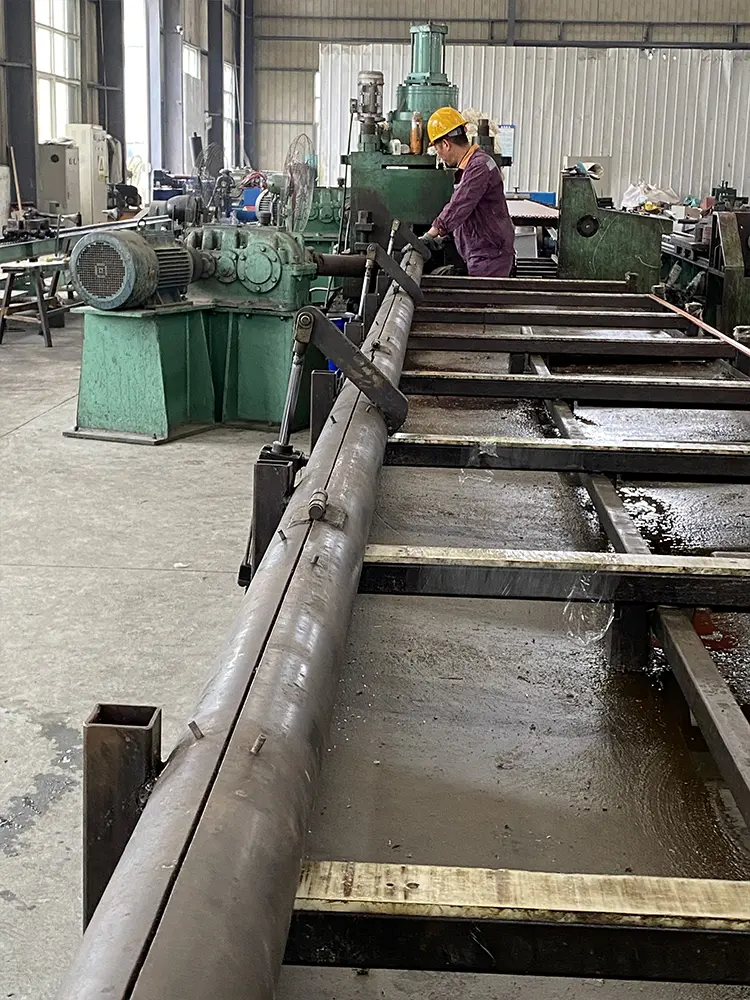
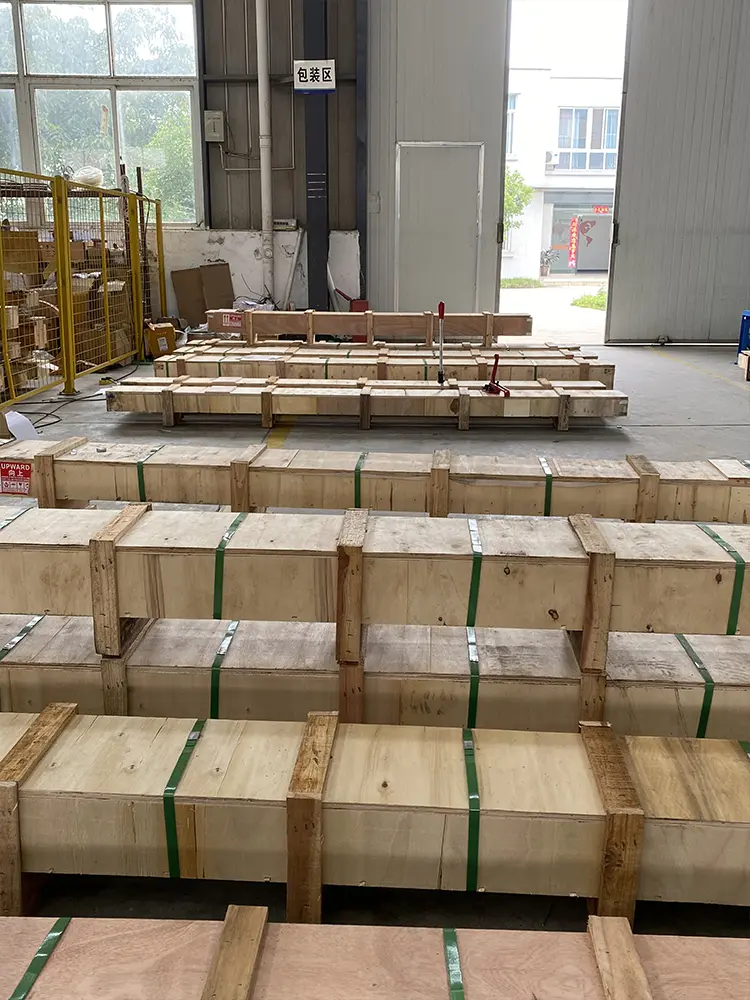
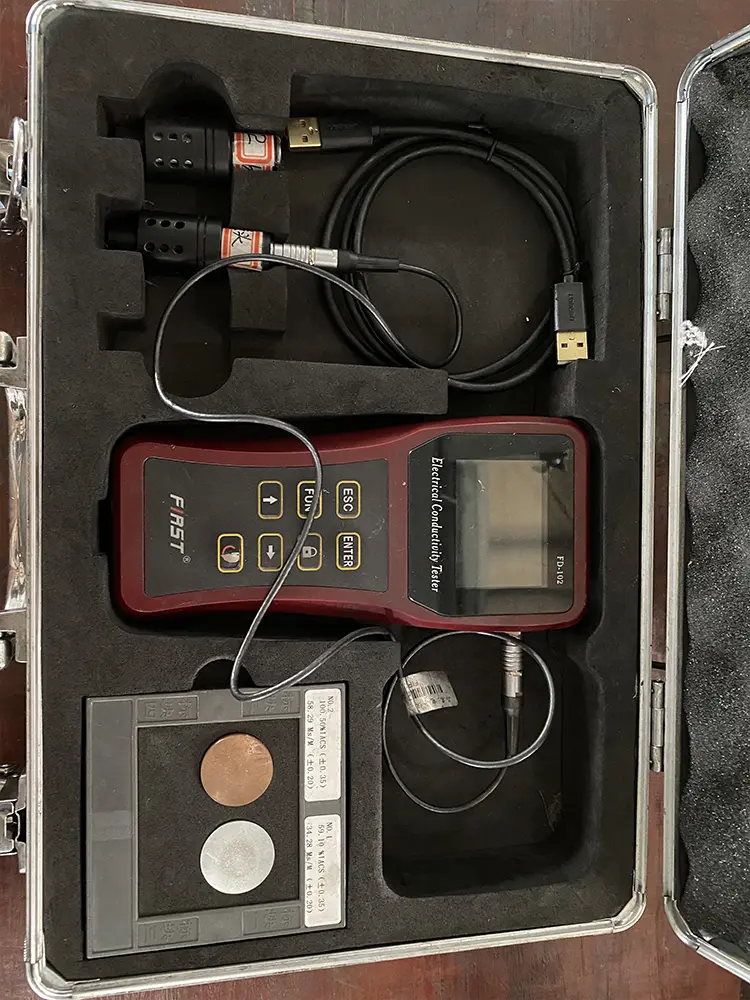
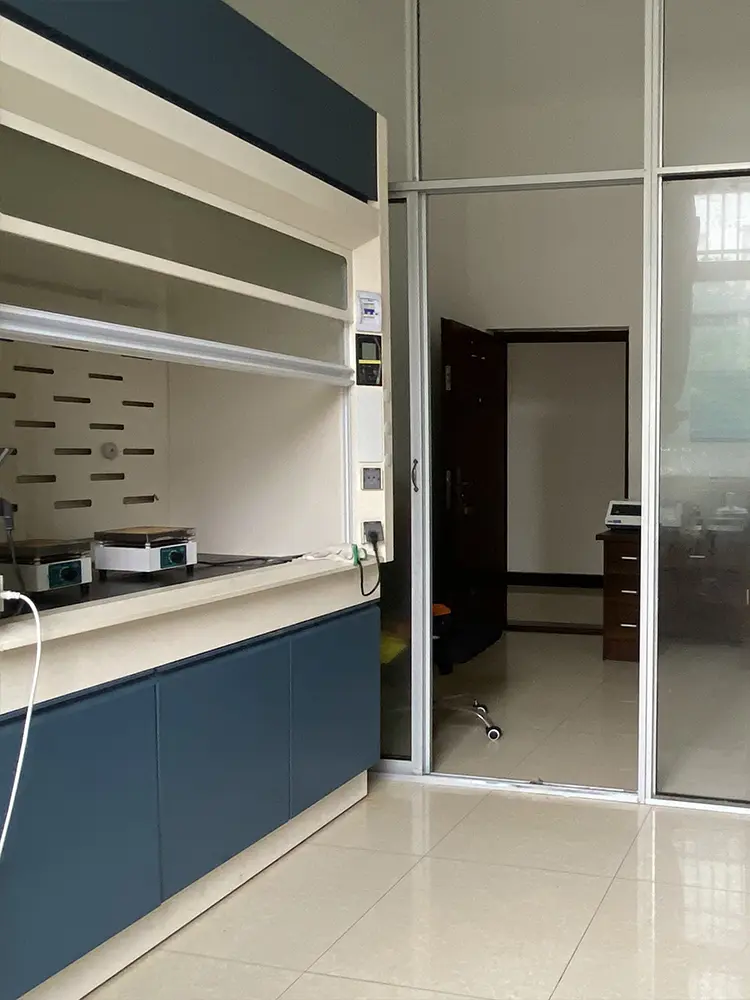

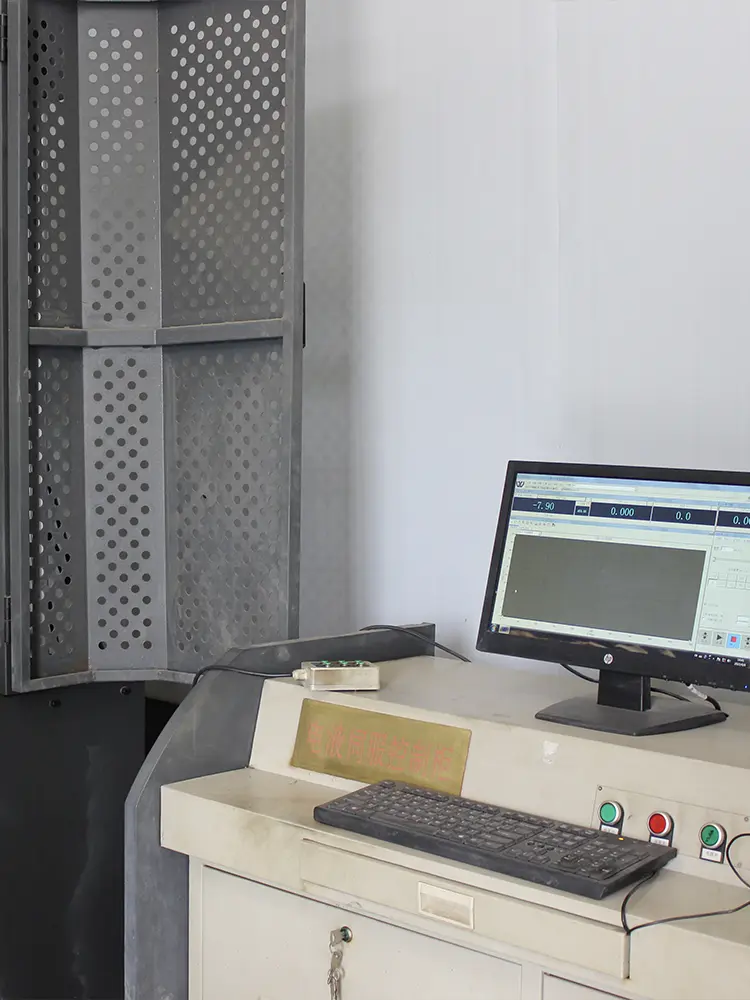
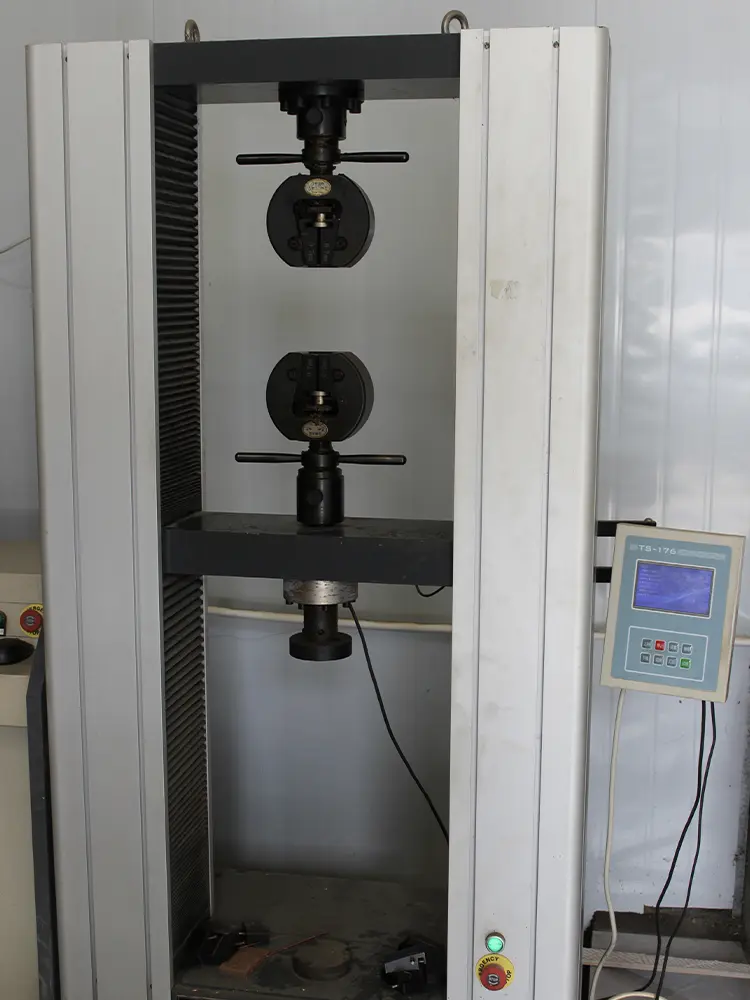
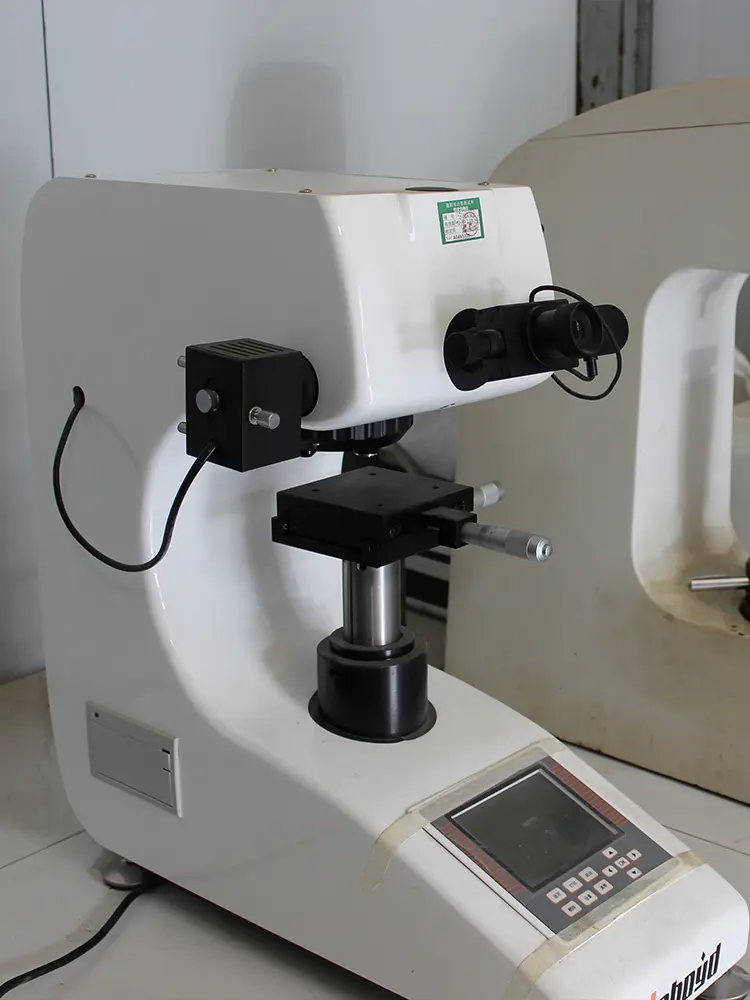
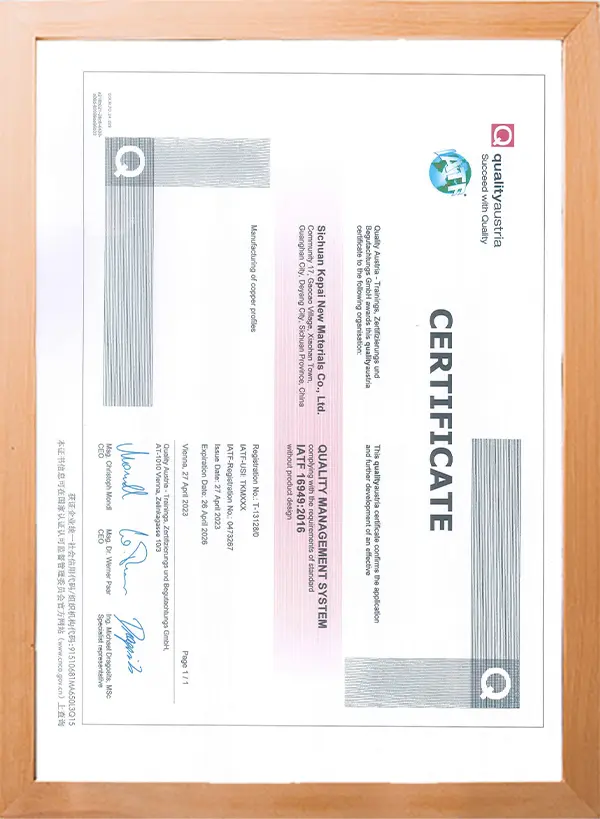
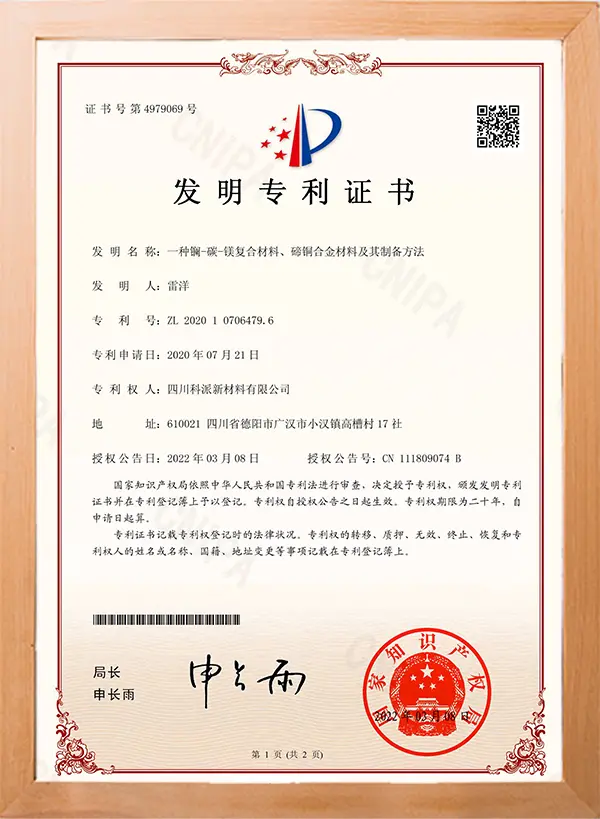
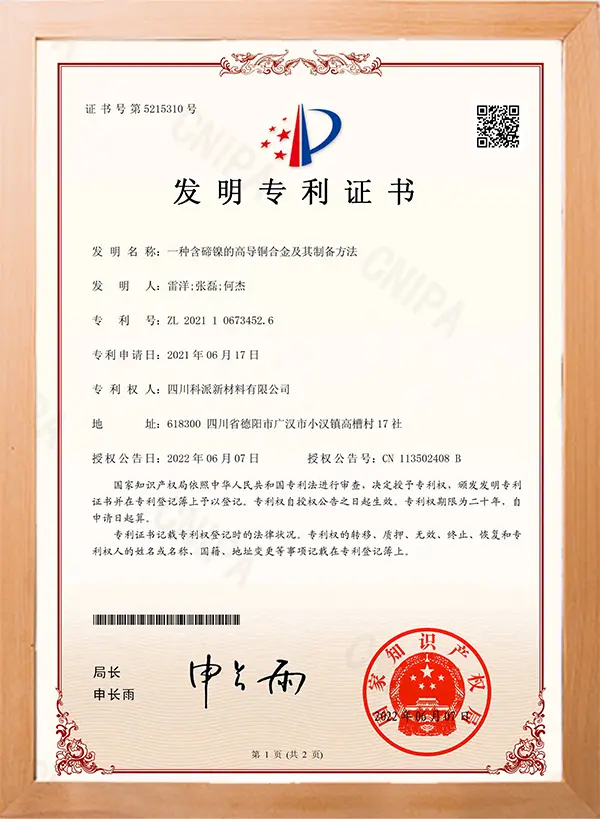
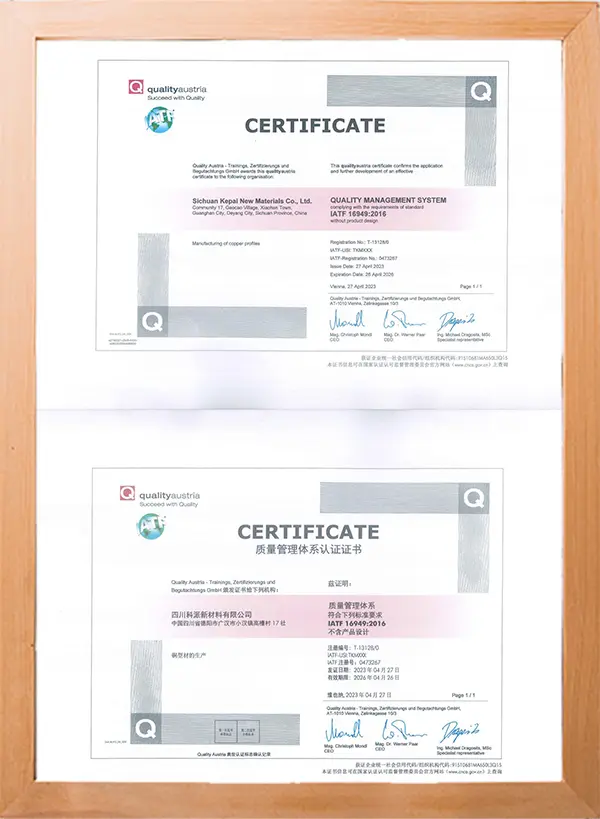
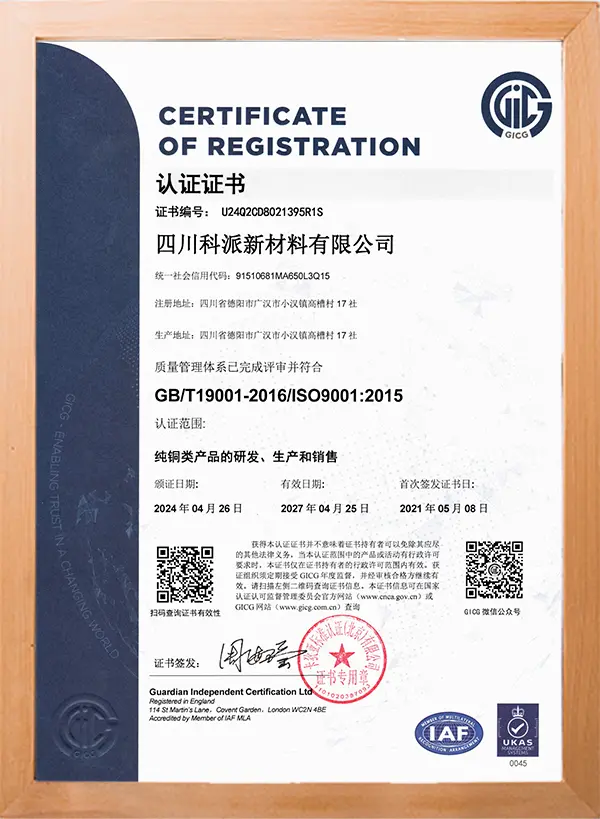
Our manufacturing workflow follows rigorous quality management guidelines. Explore our certified compliance portfolio.
Exploring macro-industry transitions and the ongoing evolution of green, high-strength, and low-loss metallurgy.
Traditional free-machining copper alloys rely on small additions of lead to lubricate cutting paths and segment chips. However, global directives are phasing out lead due to environmental hazards. The copper industry's focus is on lead-free alternatives like Tellurium Copper (C14500) and Sulfur Copper, which provide excellent machinability without violating environmental regulations. Sichuan Kepai remains at the forefront of this shift, continuously refining the purity and extrusion dynamics of these eco-friendly, highly conductive options.
Through active partnerships with national research institutions, Kepai explores micro-alloying and precipitation-hardening variations to create alloys that resist high-temperature deformation while retaining high electrical conductivity. Our research indicates that adding trace dispersion elements like Zirconium combined with rapid quenching techniques yields stable grain bounds. This reduces the risk of dislocation slips under cyclic electrical loads, making the alloy highly suitable for high-energy laser electrodes and welding tips.
Varying levels of Tellurium, Beryllium, and Zirconium are configured based on target mechanical and conductive specifications.
Precise thermal processing distributes alloying phases evenly across the copper lattice, reducing localized structural stress.
Controlled processing deforms grains into uniform fibers, increasing overall yield strength and corrosion resistance.
Heat treatment releases sub-microscopic phases that block grain slips, securing the material's mechanical properties.
Find technical insights about our corrosion-resistant alloys, processing capabilities, and customization options.
Whether you require standard stock alloys or customized compositions engineered for specific corrosion challenges, our metallurgical team is ready to assist.
Explore our high-machinability, high-wear resistant copper and bronze materials, developed to perform consistently under cyclic loading and chemical exposure.

 Kepai
Kepai