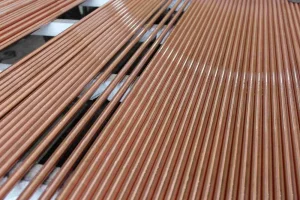
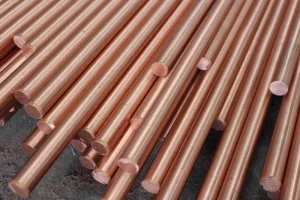
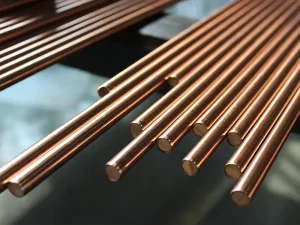
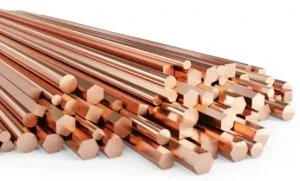
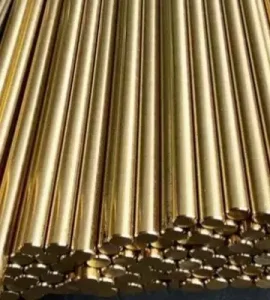
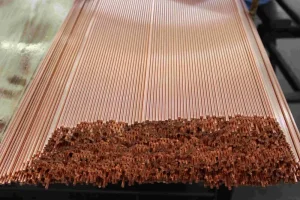
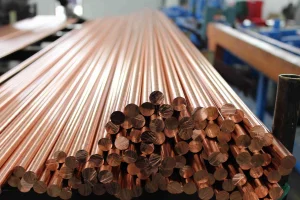
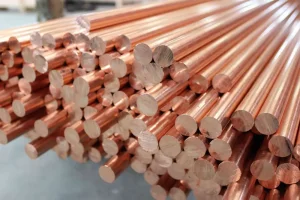
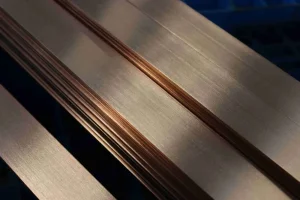
Explore our foundational range of customized high-performance copper products, designed for precision engineering applications from resistance welding to aerospace electrical components.
C18150 Chromium Zirconium Copper (CuCrZr) represents a pinnacle of precipitation-hardened metallurgy. By combining copper with optimal proportions of chromium (typically 0.5% to 1.2%) and zirconium (typically 0.03% to 0.3%), this alloy successfully bridges the historical trade-off between structural hardness and electrical/thermal conductivity. In high-temperature and high-stress environments, standard electrolytic copper experiences dislocation motions that lead to softening and failure. C18150 resolves this through dispersion-strengthening kinetics.
During the thermal aging process, chromium and zirconium elements form coherent precipitates within the copper matrix. These microscale precipitates act as anchors that block grain-boundary sliding and dislocation climbs, ensuring the alloy retains its yield strength at temperatures up to 500°C. For industrial engineers, this translates to longer tool life, consistent electrical transmission, and superior resistance to mechanical deformation under continuous load cycles.
Precipitation hardening (also known as age hardening) of CuCrZr relies on heating the alloy to a solid solution temperature, quenching to form a supersaturated solid solution, and then aging at moderate temperatures (usually 450°C to 500°C) to precipitate fine particles of chromium and intermetallic compounds like Cu5Zr.
Selecting the correct copper alloy is vital for operational safety and equipment efficiency. Below is an engineering comparison of C18150 against common industrial copper alloys:
| Alloy Grade | Nominal Composition | Electrical Conductivity (% IACS) | Thermal Conductivity (W/m·K) | Tensile Strength (MPa) | Hardness (HRB / HV) | Softening Temp (°C) |
|---|---|---|---|---|---|---|
| C18150 (CuCrZr) | Cu-Bal, Cr:0.5-1.2, Zr:0.03-0.3 | 80 - 85 | 320 - 350 | ≥ 480 | 75 - 85 HRB | 500 |
| C11000 (Pure ETP) | Cu: 99.90 min | 100 - 101 | 388 - 391 | 220 - 300 | 35 - 50 HRB | 200 |
| C17200 (Be-Cu) | Cu-Bal, Be:1.8-2.0, Co+Ni:0.2 min | 22 - 28 | 105 - 130 | 1100 - 1300 | 36 - 42 HRC | 350 |
| C14500 (Te-Cu) | Cu-Bal, Te:0.4-0.7, P:0.008 | 90 - 93 | 350 - 355 | 250 - 320 | 40 - 65 HRB | 350 |
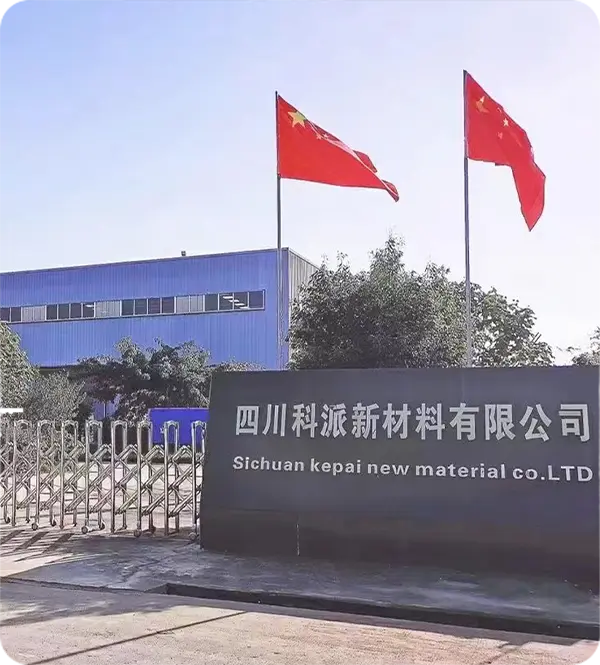
Established in 2017, Sichuan Kepai New Materials Co., Ltd. is a modern, high-tech enterprise integrating advanced metallurgical research and development, smart manufacturing, and global sales channels. Our primary facilities cover an area of approximately 9,000 square meters, complemented by a 1,000-square-meter administrative and technological design headquarters. Centered around the strategic guidelines of high-end raw material self-reliance, we produce high-conductivity oxygen-free copper, tellurium copper, silver copper, dispersion copper, and chromium zirconium copper alloys.
Located in the western area of the Sichuan Guanghan Industrial Development Zone, adjacent to National Highway 108, our logistics networks link directly to international ports, supporting smooth export channels. Driven by our core philosophy—"innovation-driven development, quality wins the market"—we contribute high-end raw materials to sectors such as new energy vehicles (NEVs), 5G telecommunication arrays, industrial plasma cutting, aerospace structures, and power grid automation.
Technological innovation is the core competitiveness of Sichuan Kepai New Materials Co., Ltd. Our R&D and production team is composed of senior metallurgical experts, material scientists, and process engineers who monitor global trends in metal physics. Through independent research and development alongside industrial-academic partnerships, we have made breakthrough progress in developing high-performance tellurium copper, lead copper, and sulfur copper alloys. Many of our technological achievements have reached international standards and are applied in high-frequency electrical relays, laser machining, and automotive energy systems.
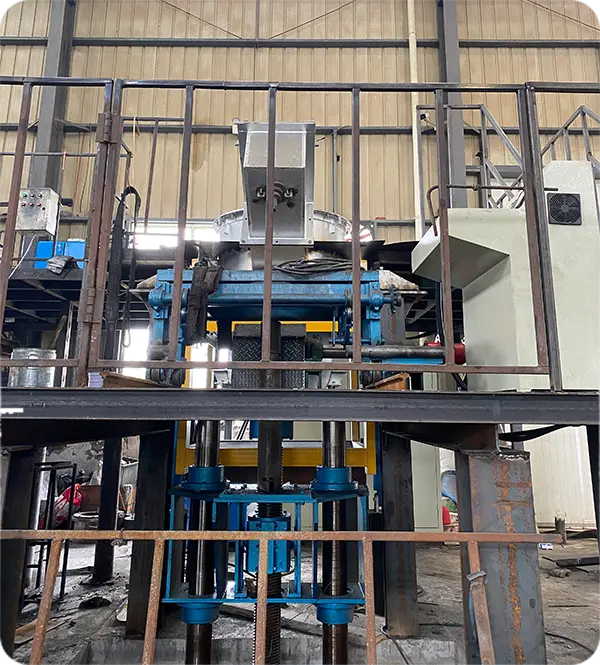
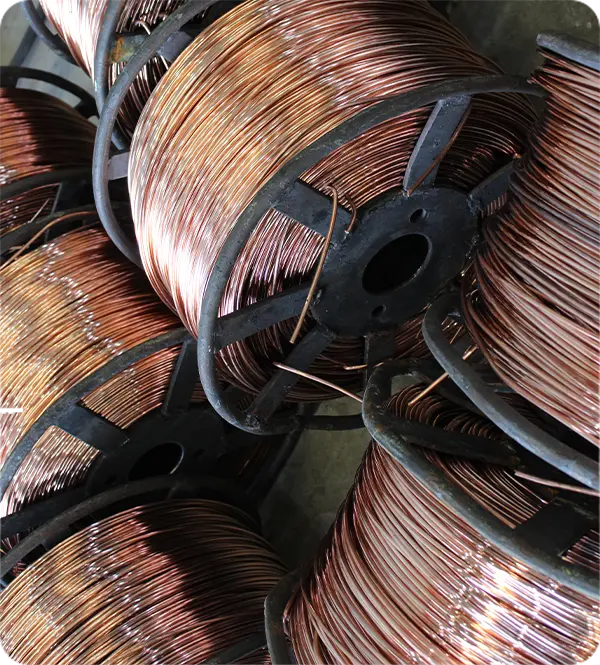
Kepai’s product range covers diverse requirements from raw material casting to custom finished profiles. We focus on providing high-performance copper alloy solutions, including pure copper, oxygen-free copper, oxygen-free high-conductivity tellurium copper, nickel-tellurium copper, tin bronze, beryllium copper, lead bronze, sulfur copper, and chromium zirconium copper (C18150). These alloys reduce processing costs and improve heat resistance, helping customers optimize their manufacturing processes.

Sichuan Kepai New Materials implements a development strategy: "rooted in Sichuan, radiating nationwide, and moving towards the world." We maintain supply contracts with domestic electronic component manufacturers and export our materials to industrial centers in North America, Europe, East Asia, and Southeast Asia. Through regional distributors and direct global logistics partnerships, we ensure that specialized copper alloys are delivered on time, meeting international project schedules.

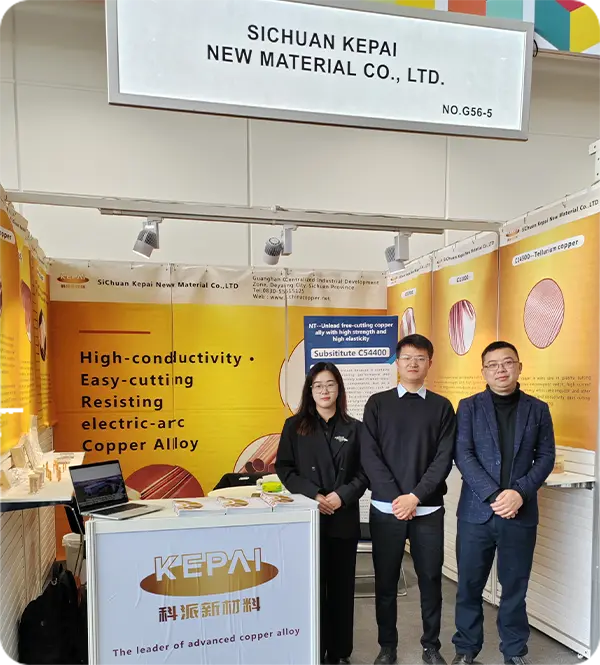
We believe that the long-term success of our company relies on structural integrity and collaborative value creation. Kepai advocates the corporate spirit of "integrity, innovation, collaboration, and win-win." We invest in continuing education for our technicians and encourage our engineering teams to develop sustainable manufacturing technologies. By minimizing waste and improving recycling loops, we aim to deliver value for our customers, employees, and community partners.

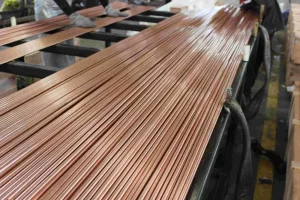
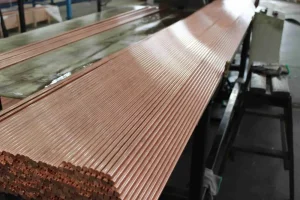
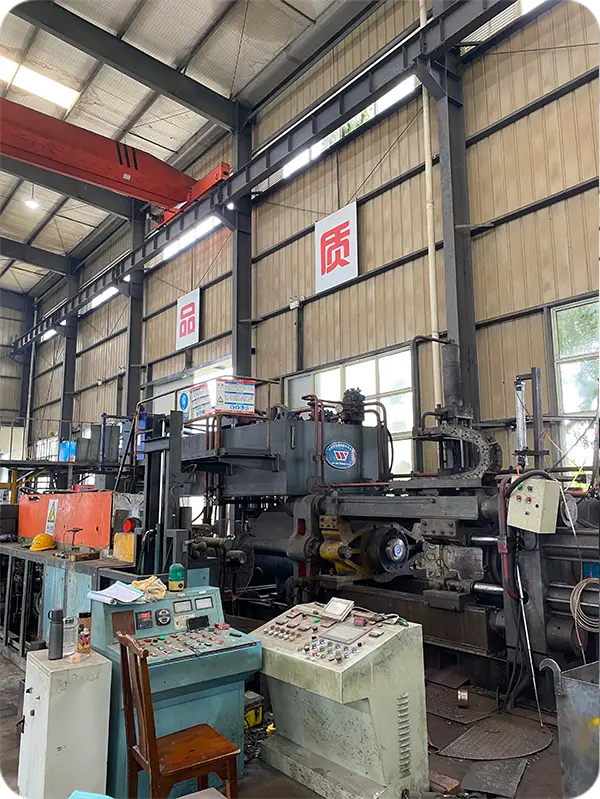
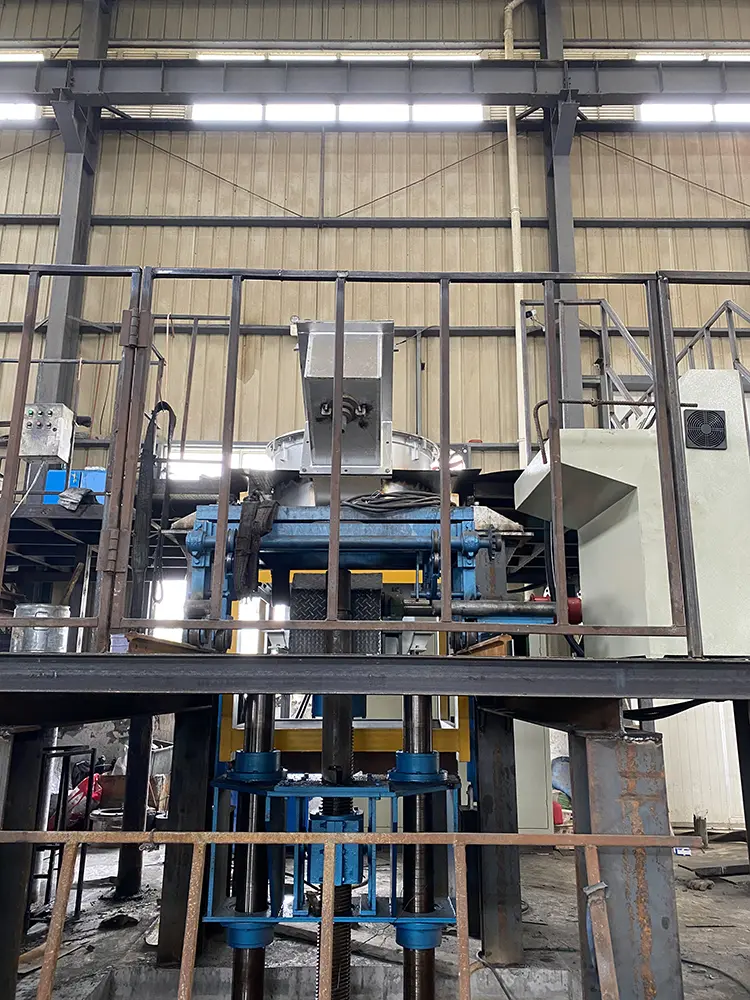
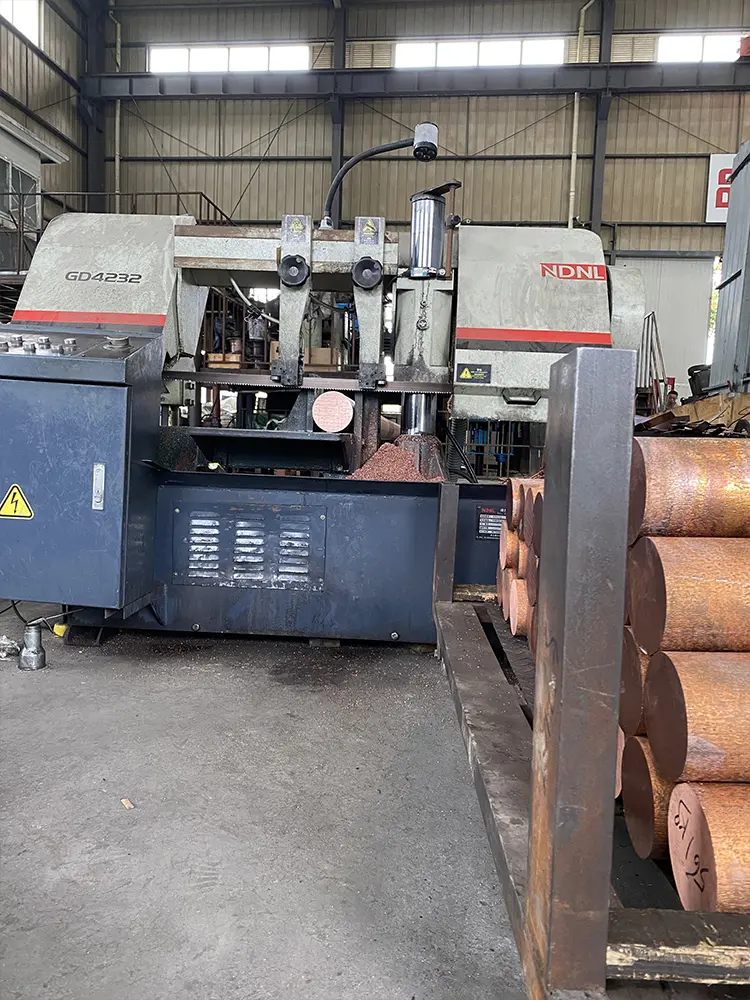
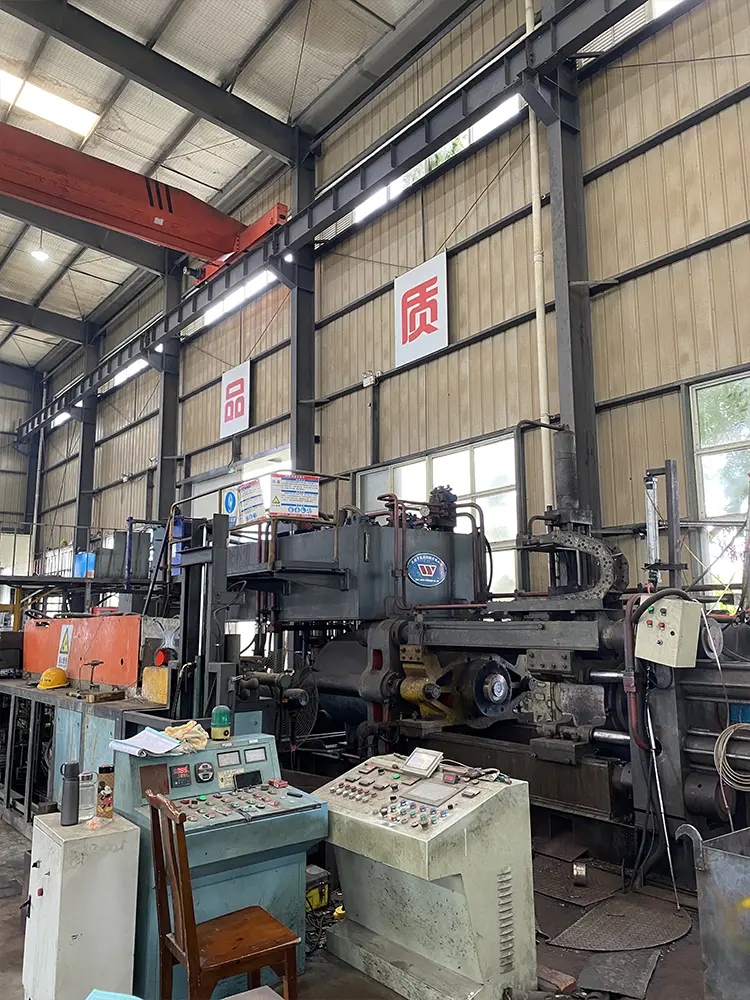
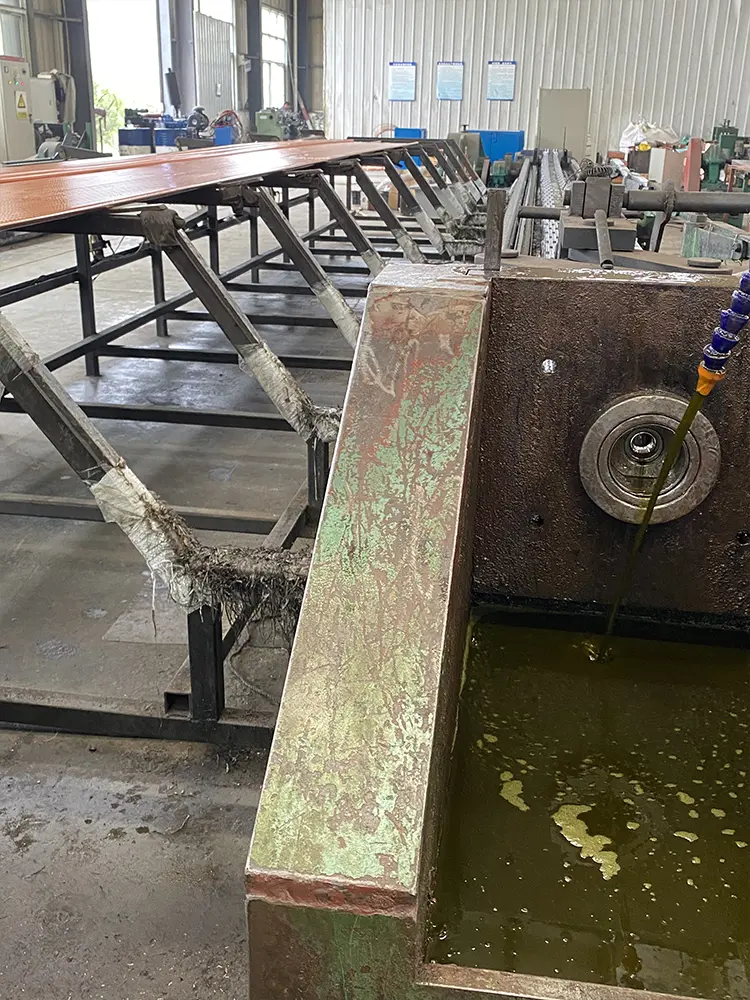
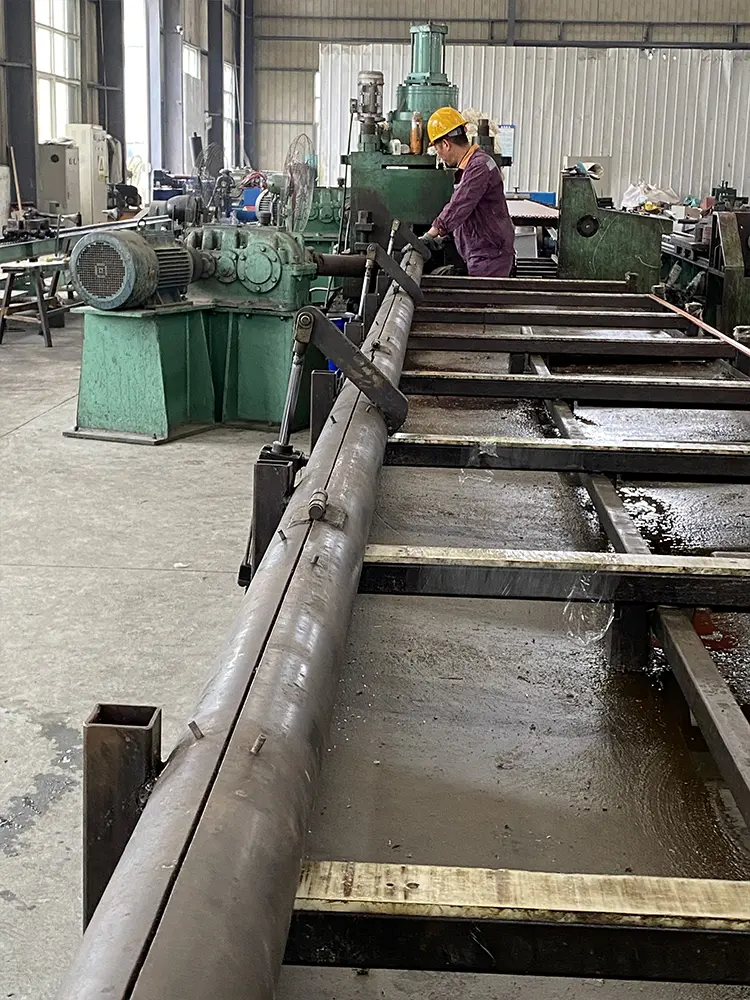
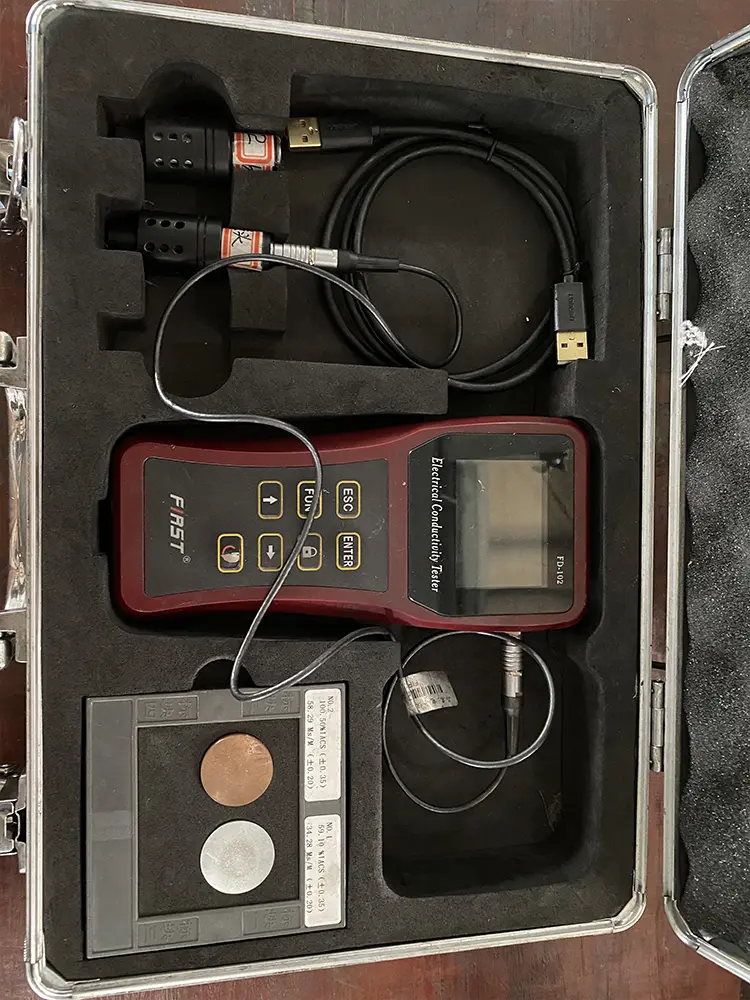
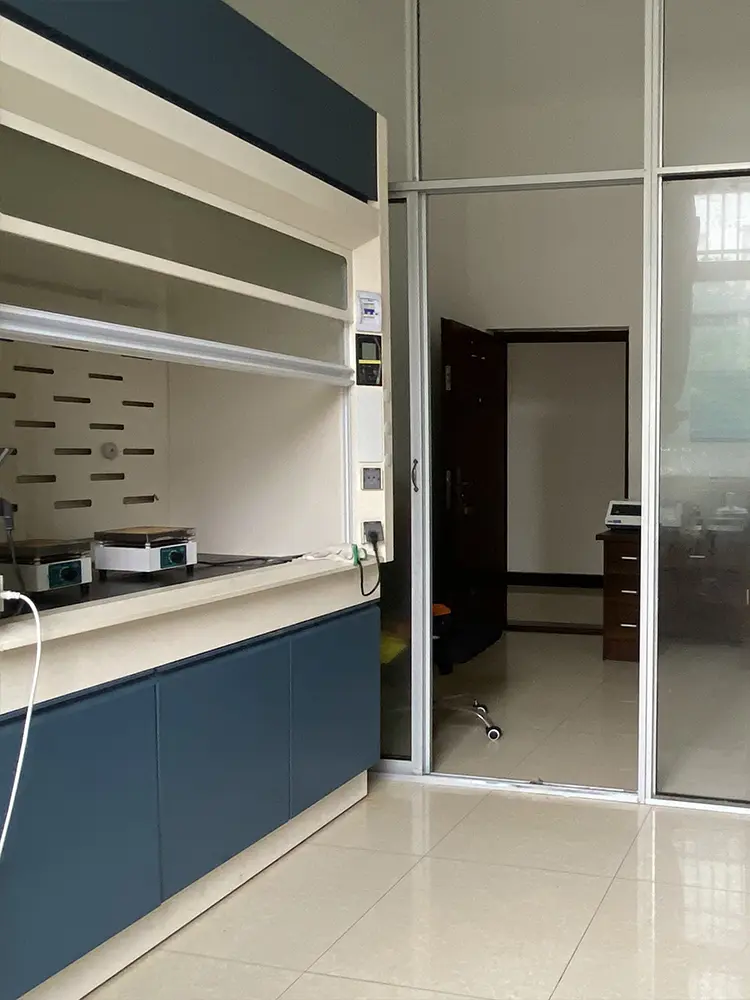
Sichuan Kepai has built an integrated production system, spanning atmospheric induction melting, hot extrusion, cold drawing, straightening, and testing. Every step is monitored using testing devices to ensure metallurgical consistency.

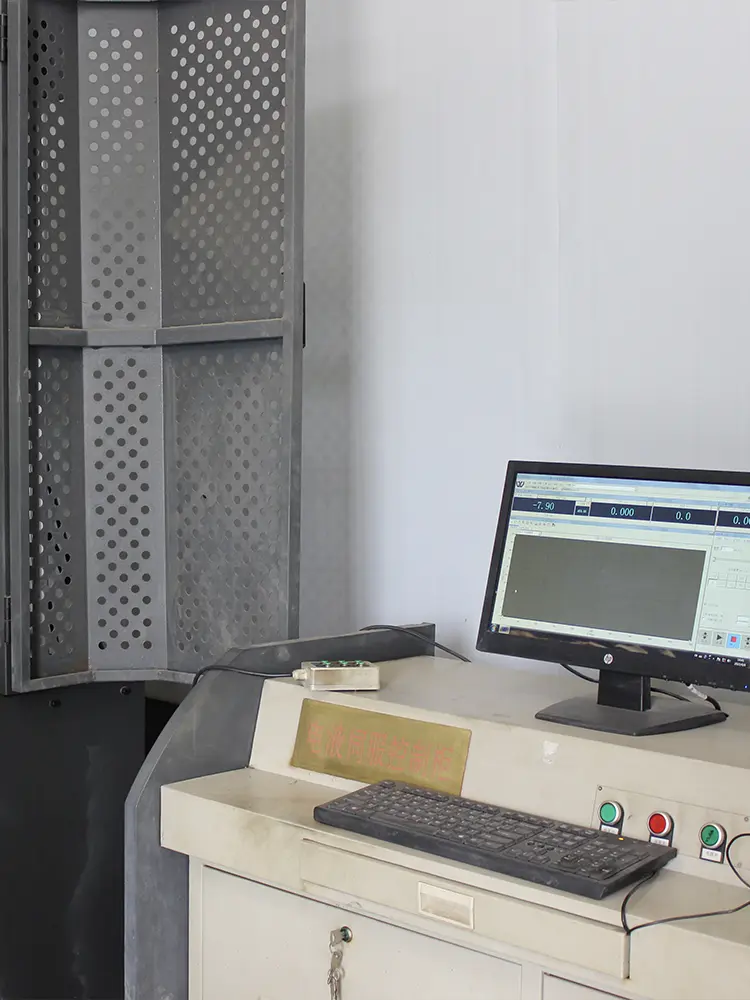
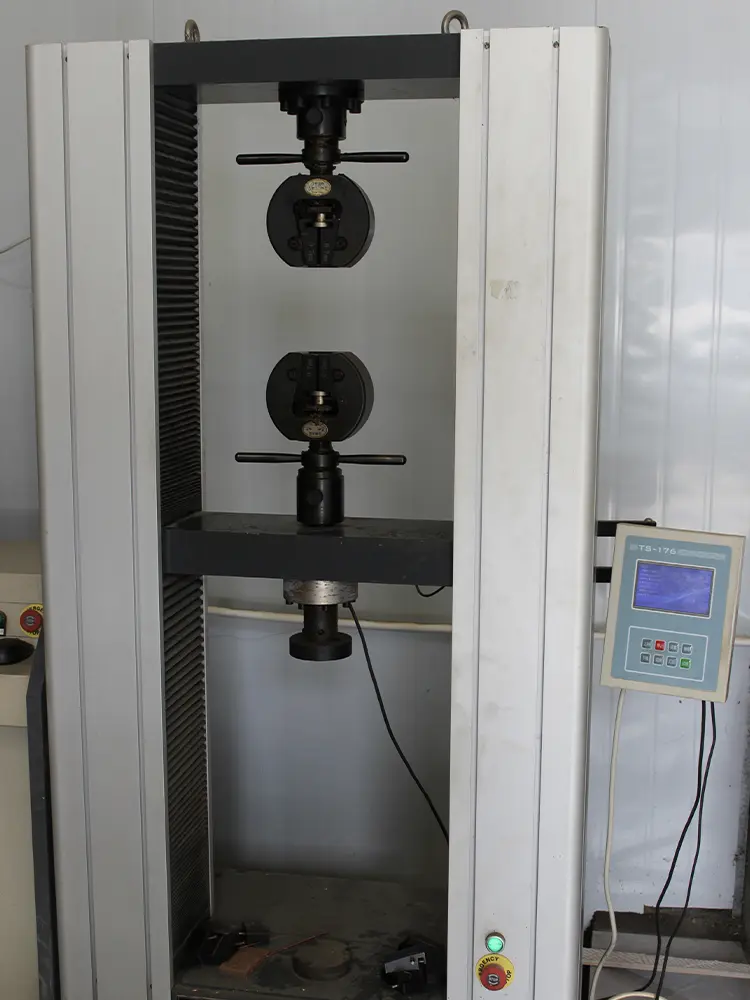
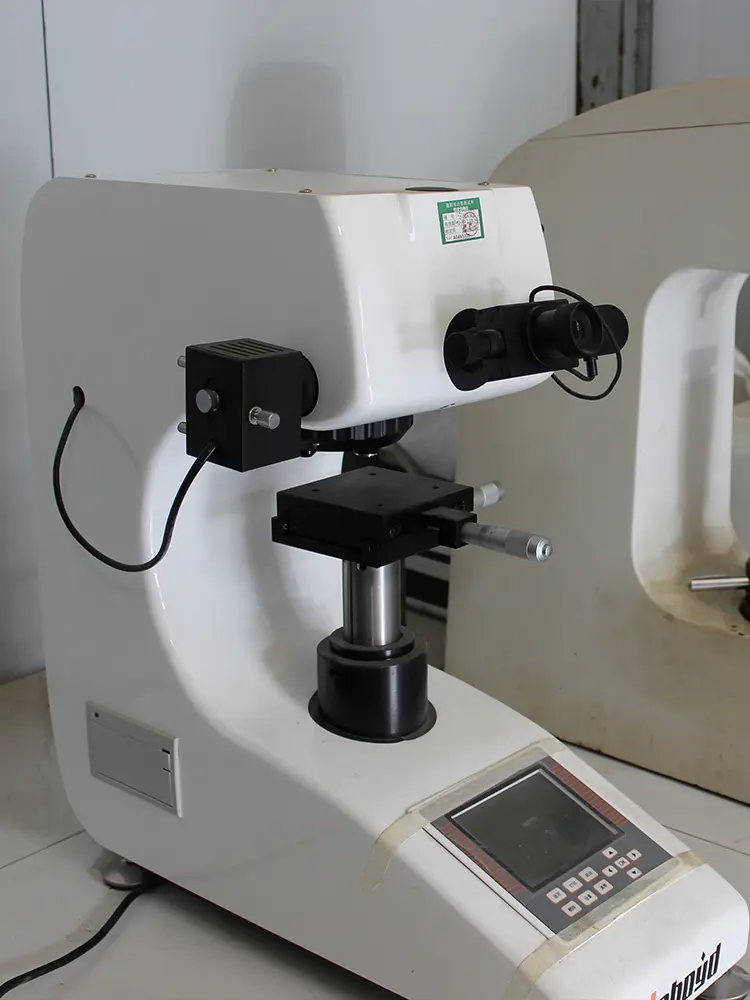
Our manufacturing processes are certified under international quality management frameworks. We maintain compliance with standards such as SGS, RoHS, REACH, and ISO 9001 to ensure that our materials satisfy the requirements of high-regulated industries.
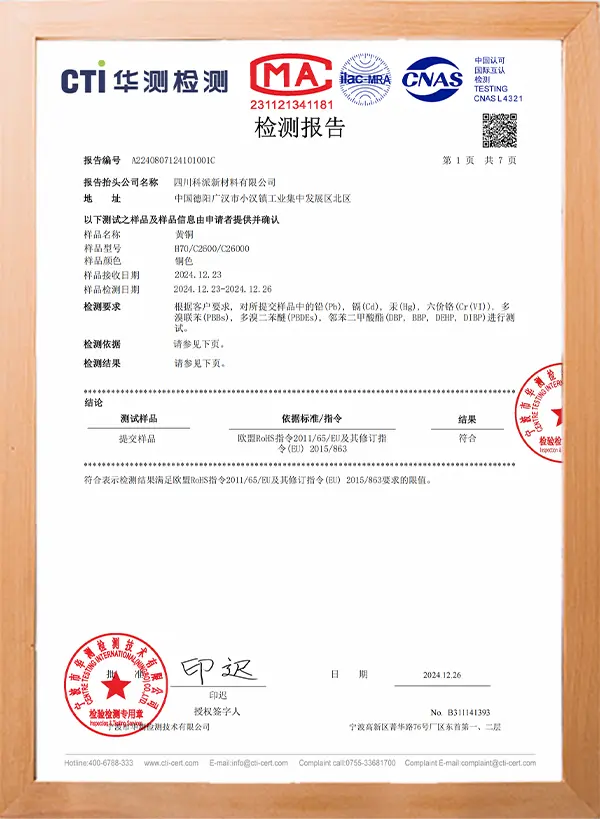
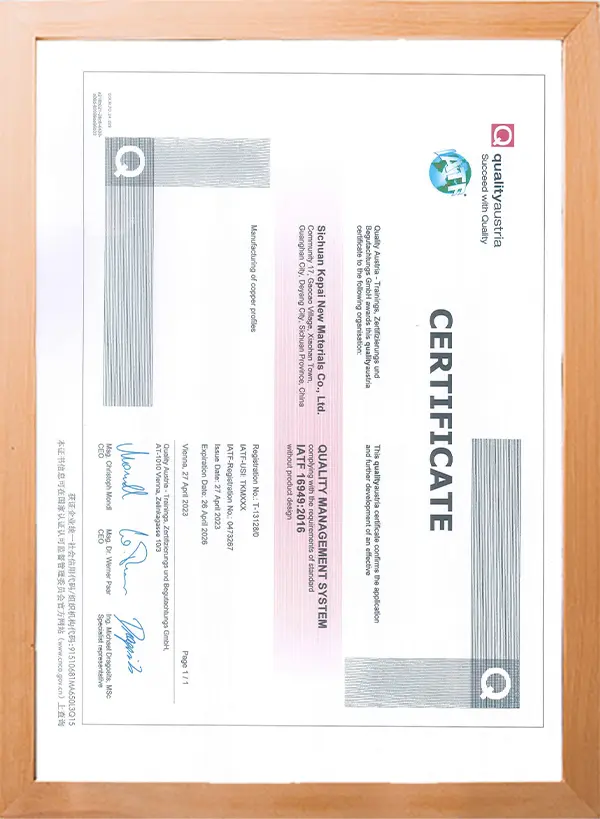
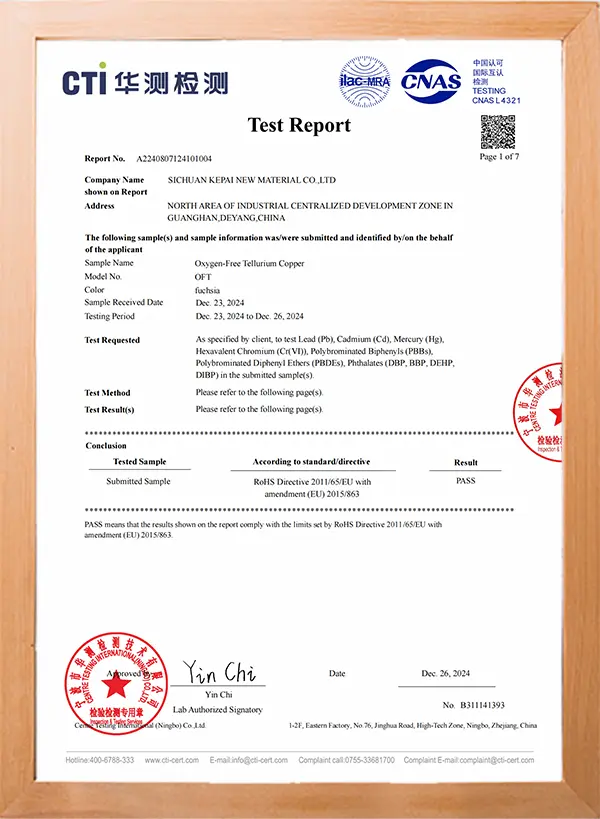
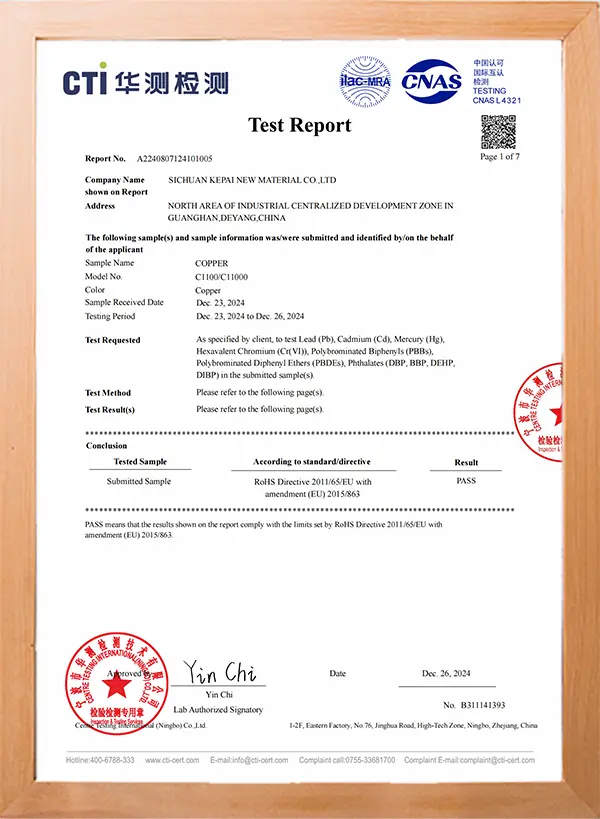
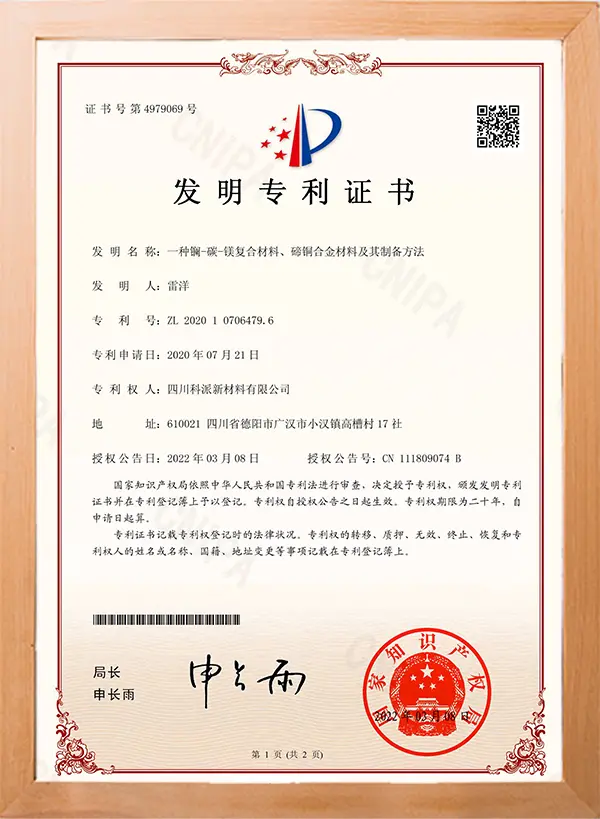
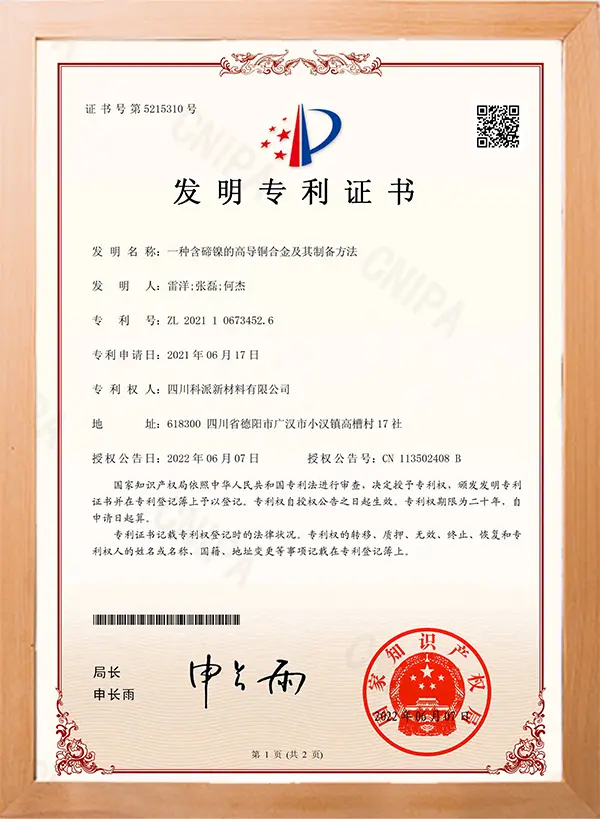
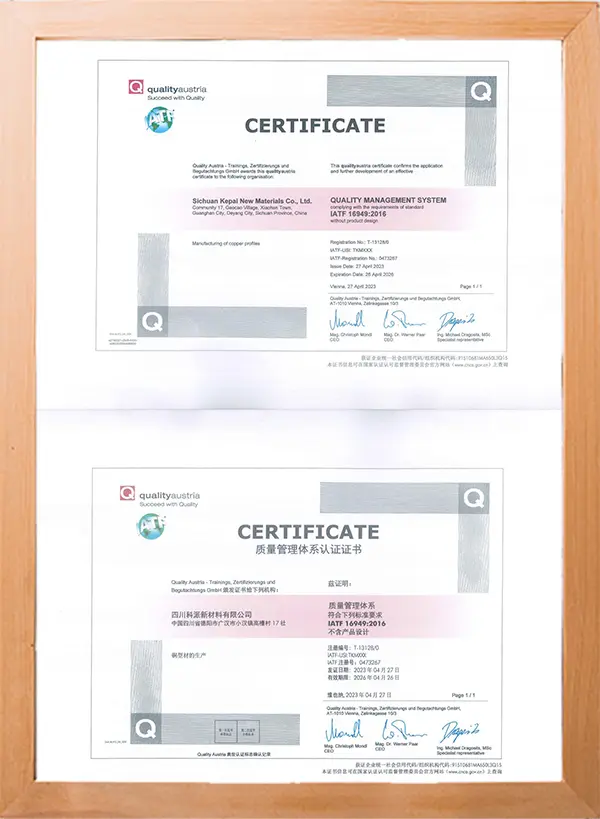
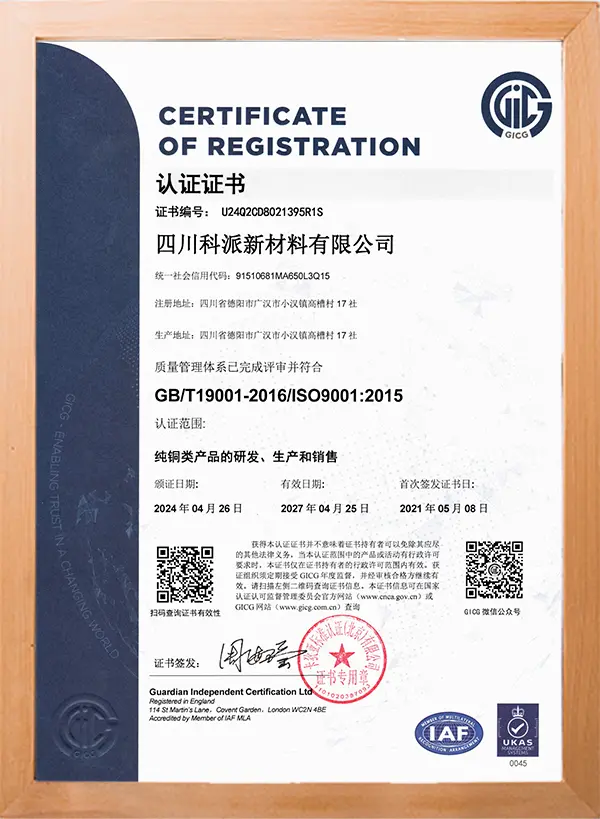
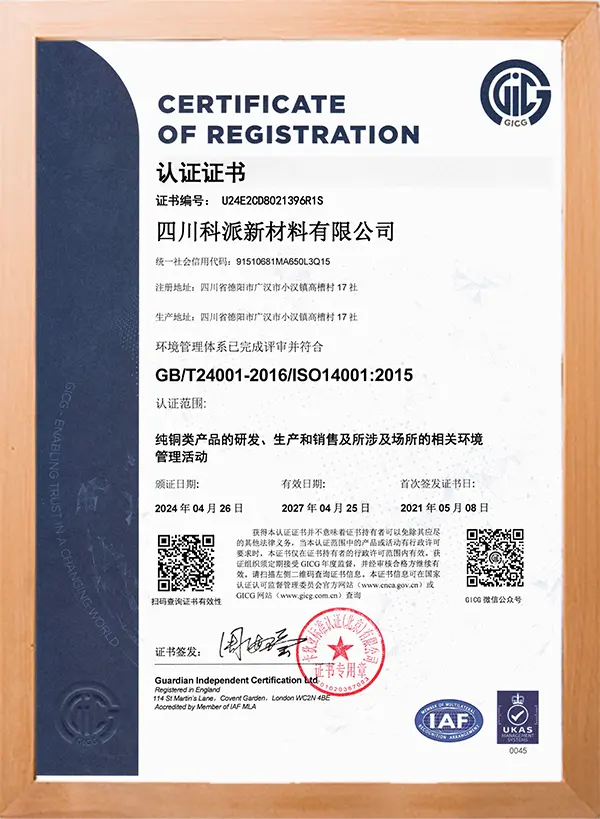
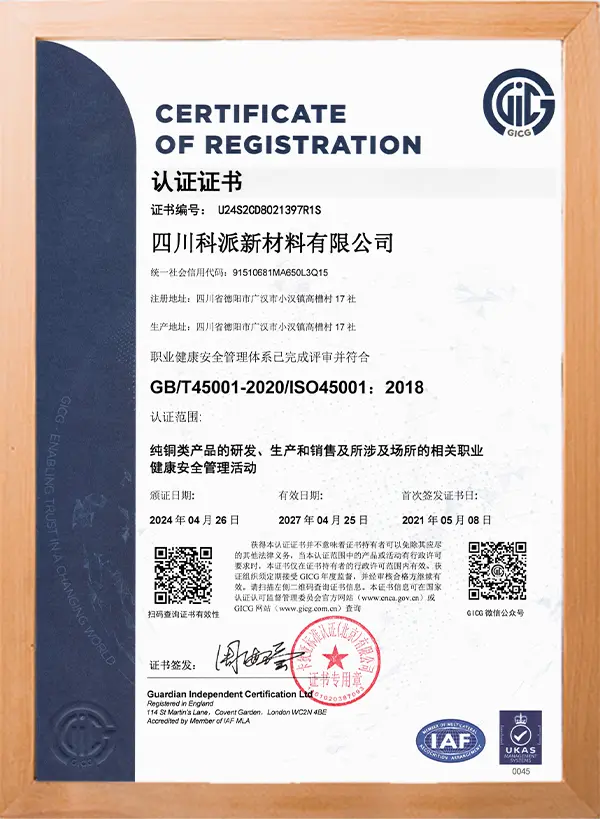
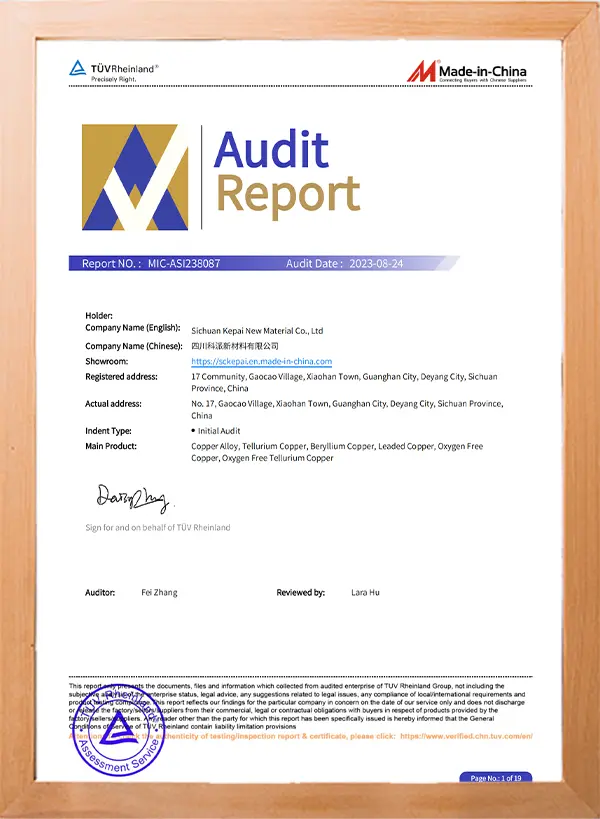
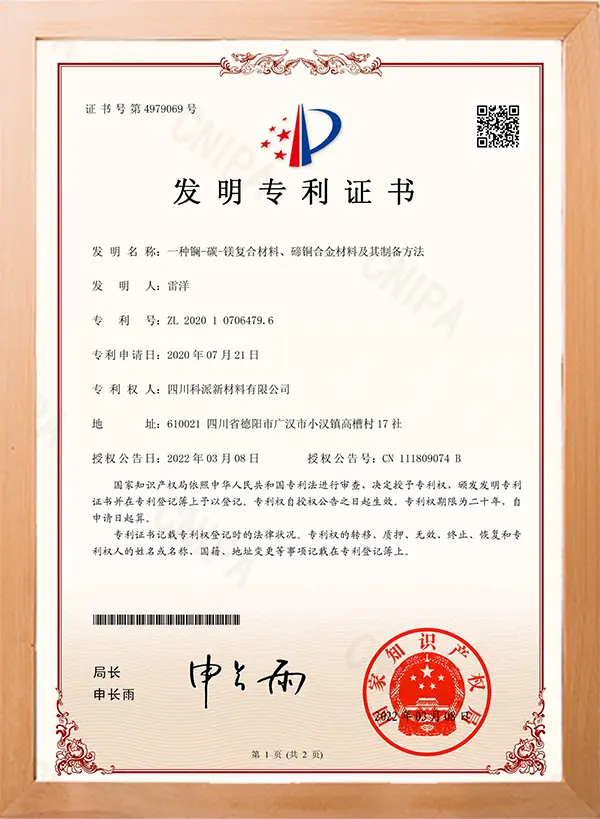
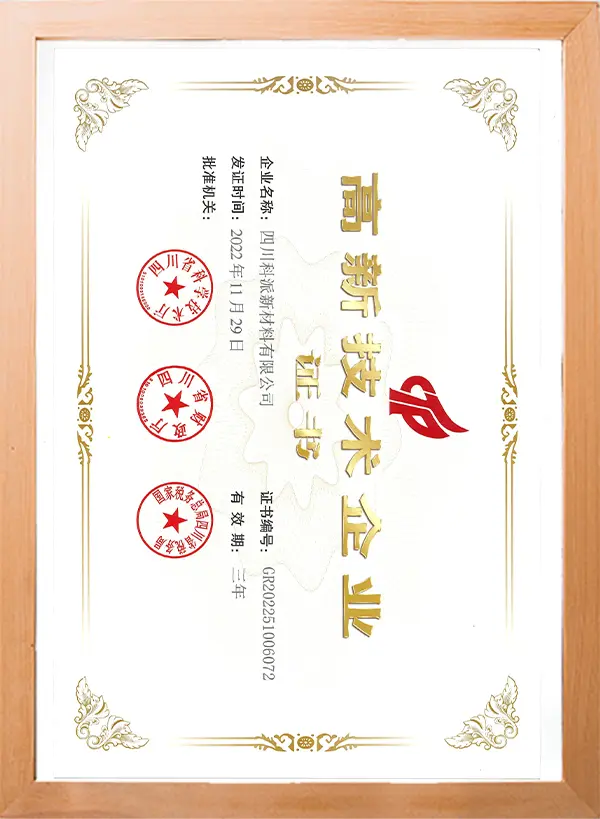
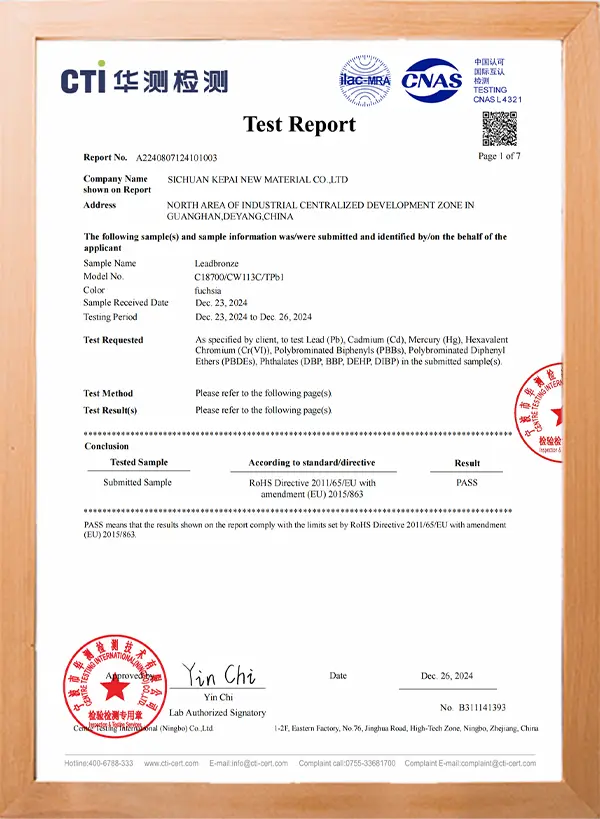
For international supply chain managers, importing engineered materials requires compliance with strict technical and environmental frameworks. Procuring specialized C18150 copper alloys involves verifying specific material certifications and mechanical properties:
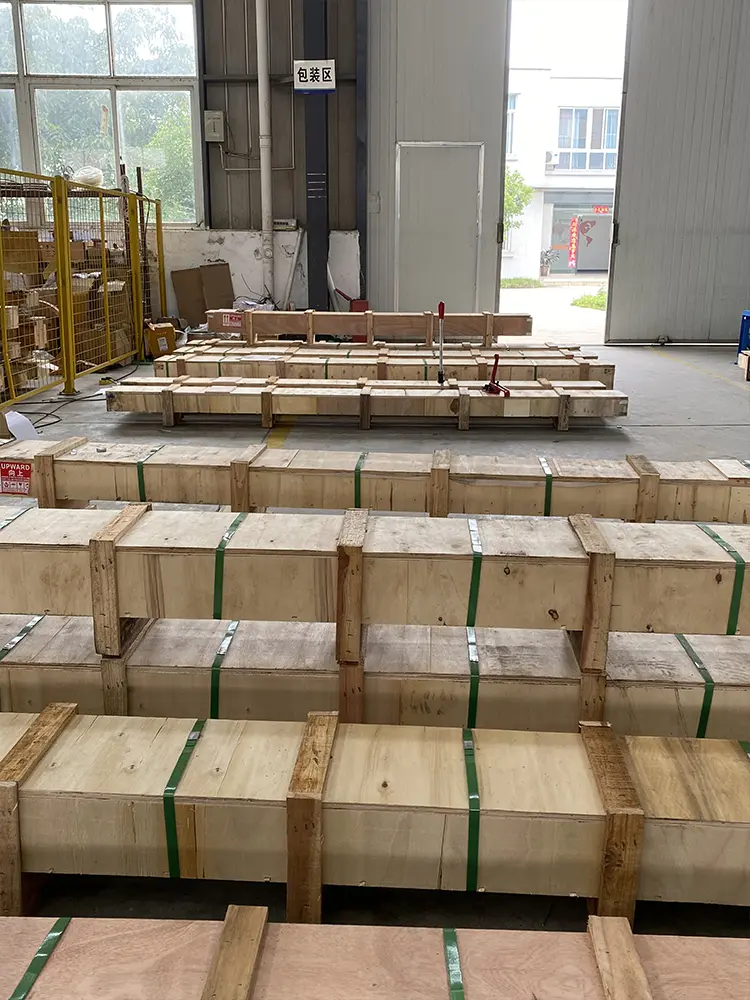
Sichuan Kepai provides global procurement teams with comprehensive documentation. We assist clients through custom shipping packaging, anti-oxidation treatments (using VCI anti-tarnish films), and export documentation to minimize risk at international entry points.
Sichuan Kepai leverages Southwest China's mineral reserves and industrial networks to optimize production. This regional integration provides advantages for international clients:
This localized manufacturing base, combined with our logistics connections, allows Sichuan Kepai to provide reliable lead times for both standard sizes and custom profiles.
High-conductivity, high-strength C18150 alloys are critical in demanding modern industrial environments:
The manufacturing of EV battery packs requires joining thin copper and aluminum foils using ultrasonic or resistance spot welding. Standard copper welding tips tend to stick to the workpieces or wear out quickly under high thermal loads. C18150 electrodes offer high conductivity and resistance to thermal softening, ensuring consistent weld quality and minimizing downtime on automated assembly lines.
In the automotive sector, automated spot welding robots operate under continuous pressure. Electrodes must withstand high mechanical forces and temperatures without mushrooming or losing shape. C18150 (RWMA Class 2) maintains its structural integrity and electrical conductivity under these harsh conditions, extending the operational life of welding tips.
Continuous casting molds require high heat transfer rates to solidify molten steel quickly and evenly. C18150 is widely used in mold plates because it provides high thermal conductivity along with resistance to thermal fatigue and wear from sliding solidifying steel.
High-power RF connectors, coaxial switches, and grid switchgear require materials that combine electrical conductivity with spring retention forces. C18150 meets these needs, offering long-term reliability in outdoor infrastructure and industrial environments.
Future Outlook: As sectors like EV charging, aerospace, and high-frequency power electronics continue to evolve, the demand for chromium-zirconium copper alloys is projected to grow. Sichuan Kepai is actively researching ultra-fine grain refinement techniques and eco-friendly manufacturing processes to support the next generation of industrial applications.
Find answers to common technical and metallurgical questions regarding C18150 chromium-zirconium copper alloy performance, processing, and application.
Browse our selection of specialized alloys, including tellurium copper, beryllium copper, and high-strength brasses, formulated for challenging industrial environments.
Partner with Sichuan Kepai New Materials to support your projects with advanced copper alloys. Whether you need standard bar stock or custom components, our technical team is here to assist.
 Kepai
Kepai