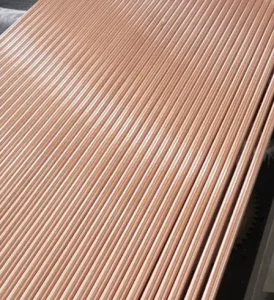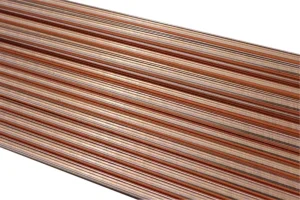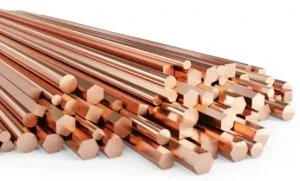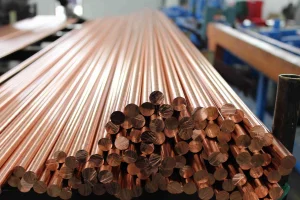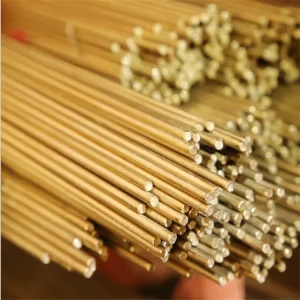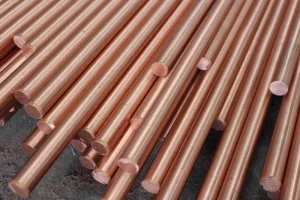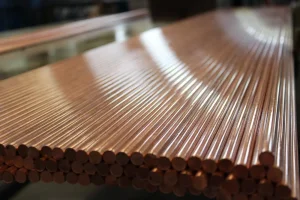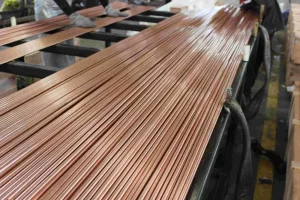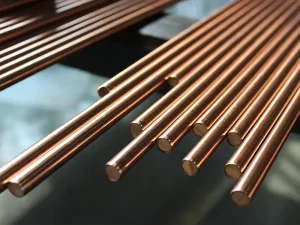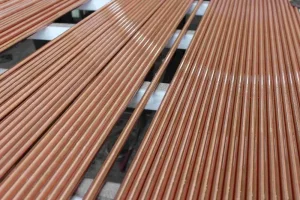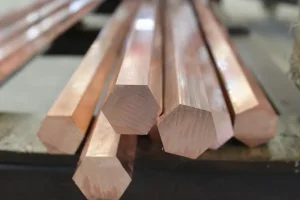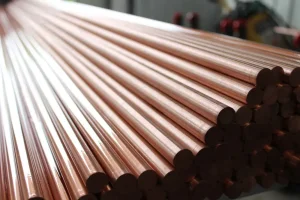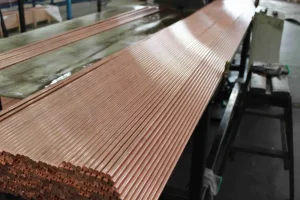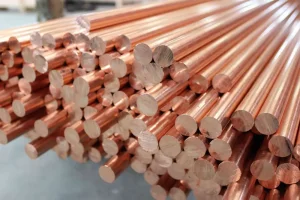
UNS C18700, commercially classified as leaded copper, represents a metallurgical breakthrough designed to bridge the historical gap between electrical efficiency and CNC manufacturing throughput. Standard pure copper (such as C11000 or C10200) offers unparalleled electrical conductivity, but its gummy, high-ductility nature presents significant challenges in automated machining, leading to excessive tool wear, long stringy chips, and poor surface finishes. By strategically introducing lead (Pb) into the copper matrix, material engineers successfully achieved a machinability rating of 85% relative to free-cutting brass (C36000), while preserving a minimum electrical conductivity of 96% IACS (International Annealed Copper Standard).
The chemical framework of ASTM B301 C18700 leaded copper consists of approximately 98.0% to 99.2% Copper (Cu), 0.8% to 1.5% Lead (Pb), and minor trace additions of Phosphorus (P) ranging from 0.003% to 0.012% to act as a deoxidizer and grain refiner. Because lead is virtually insoluble in solid copper, it does not dissolve into the copper grains. Instead, it aggregates into microscopic, finely dispersed elemental globules along grain boundaries. When subjected to turning, drilling, or thread-cutting, these lead globules act as built-in localized lubricants and stress concentrators, encouraging clean chip fragmentation and lowering cutting zone temperatures. This unique microstructural morphology ensures minimum tool friction, extending CNC machine tool life and optimizing manufacturing cycle times.
Density: 8.94 g/cm³ at 20°C. Melting point: 1075°C (1967°F). Modulus of elasticity: 117 GPa. Coefficient of Thermal Expansion: 17.6 x10⁻⁶/K.
Electrical conductivity stays at 96% IACS minimum in H04 (hard) temper. Thermal conductivity remains outstanding at 376 W/m·K.
Achieves 85% machinability rating. Enables high-speed automated lathe feeds without structural cracking or work hardening.
Across the international industrial landscape, procurement behaviors are shifting toward raw materials that reduce total operational cost of ownership while supporting high reliability. This trend is prominent in high-frequency telecommunications (5G/6G infrastructures), high-speed electric vehicle charging networks, and aerospace interconnect systems. These sectors utilize millions of pin contacts, RF connectors, coaxial plugs, and sensor parts weekly. Standard copper alloys cannot meet the strict roundness tolerances, sharp thread crests, and scale of production required without causing high machine downtime for tool maintenance. C18700 leaded copper provides a solution, enabling manufacturing operations to run consistently at higher speeds.
The growing global market for electrical vehicles (EV) and battery energy storage systems (BESS) has driven demand for copper parts that can manage high current loads with minimal heat generation. C18700 is widely chosen by design engineers for these components because its high thermal conductivity (376 W/m·K) dissipates thermal buildup from localized high-resistance joints, protecting adjacent plastic casings. Concurrently, international procurement offices are standardizing ASTM B301 C18700 for electrical test probes, industrial relays, gas welding torch tips, and heavy-duty switchgear components due to its balance of mechanical durability, conductivity, and workability.
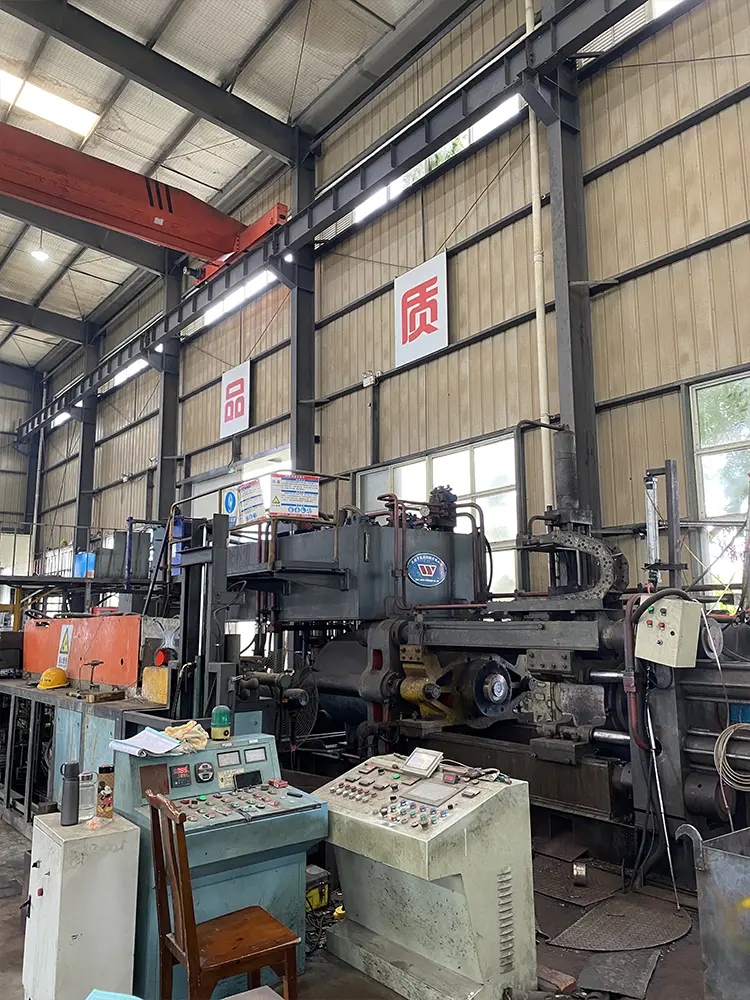
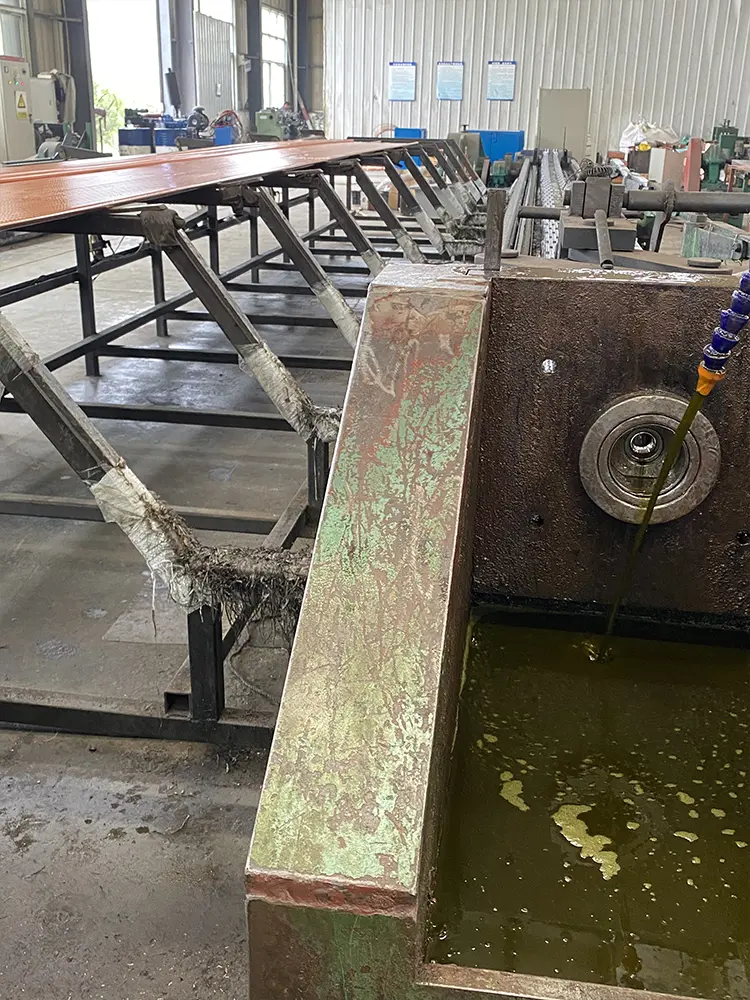
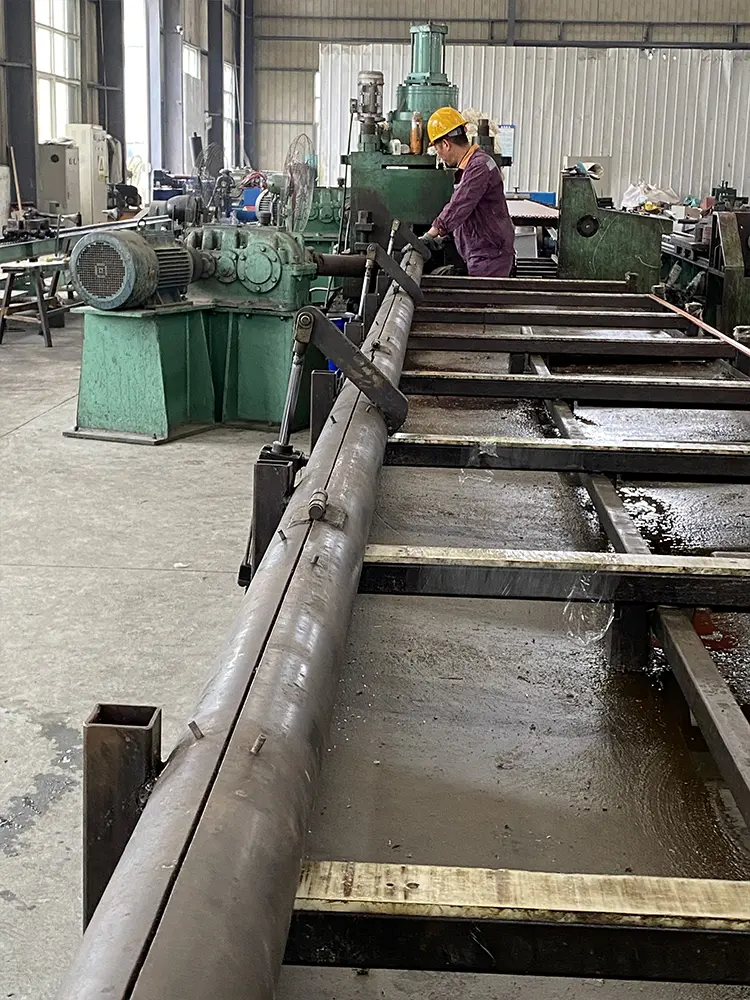
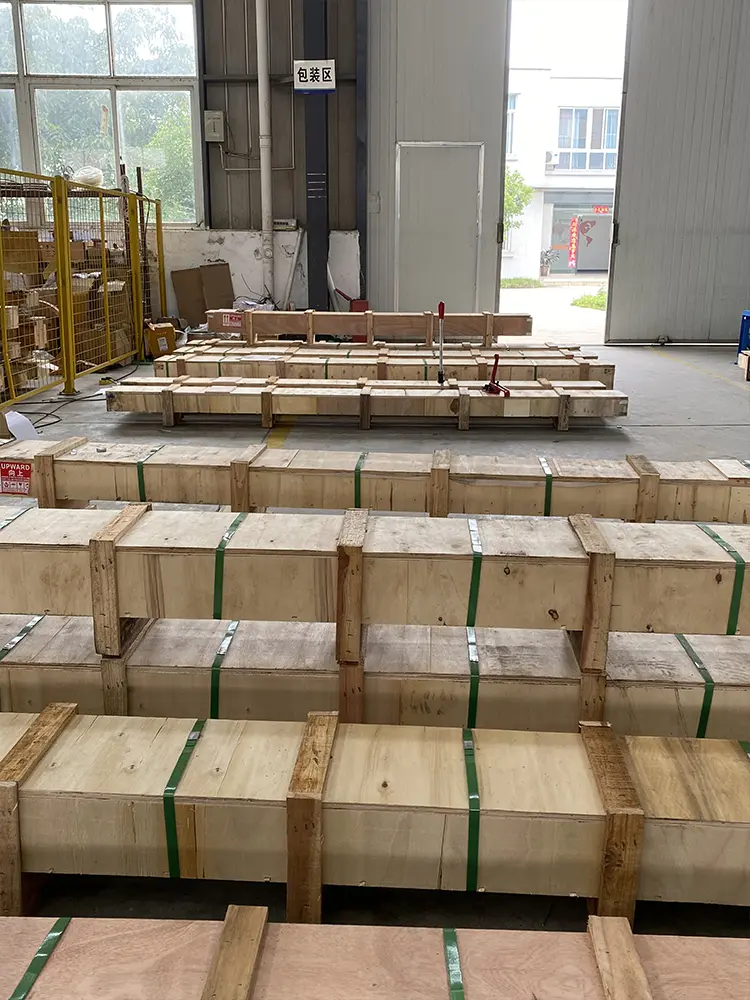
The modern industrial raw material market demands high supply chain reliability. Shortages, rising logistics costs, and inconsistent raw materials can impact high-volume assembly lines. Sichuan Kepai New Material Co., Ltd. addresses these challenges by integrating advanced manufacturing technologies (Industry 4.0) with localized supply networks. Established in 2017 in the Guanghan Industrial Development Zone, Sichuan, our 9,000 square meter facility provides a fully integrated production line—from raw material melting and casting to drawing, straightening, testing, and packaging. This internal control minimizes third-party dependencies and helps ensure consistent quality and delivery times for our global partners.
Our manufacturing processes leverage automated induction furnaces and continuous casting machines to ensure uniform alloy elements and minimize lead segregation. The extrusion and cold drawing phases use real-time sensors to track dimensional tolerances, helping prevent structural defects in the final C18700 bars and wire reels. We also employ in-line eddy current testing to scan the full length of the rods, identifying micro-fissures or voids before packaging. This quality control loop aligns with E-E-A-T principles, providing dependable material documentation and supporting high performance in demanding applications.
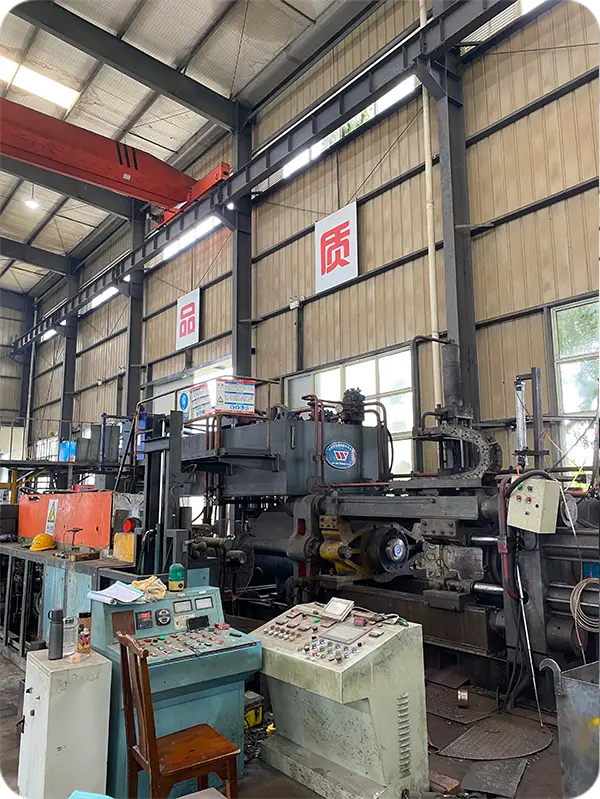
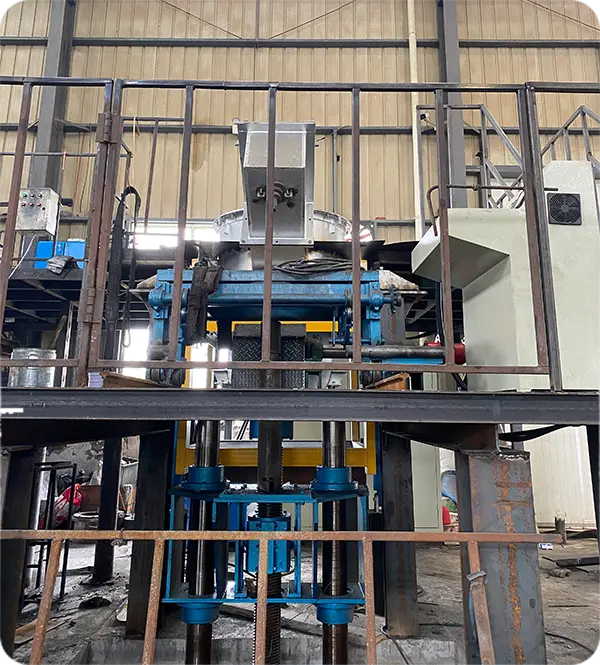
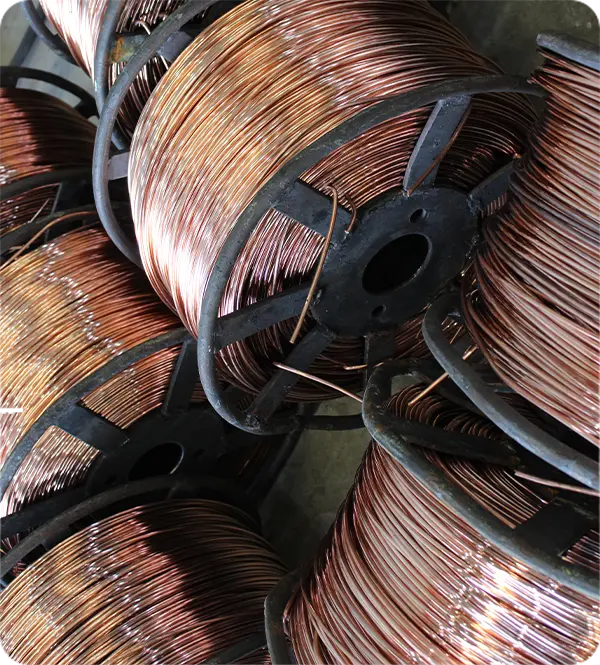
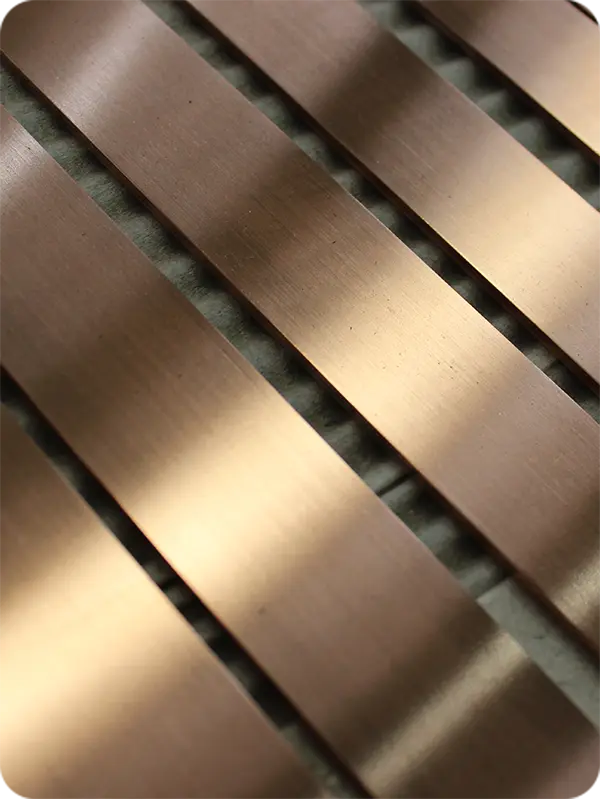
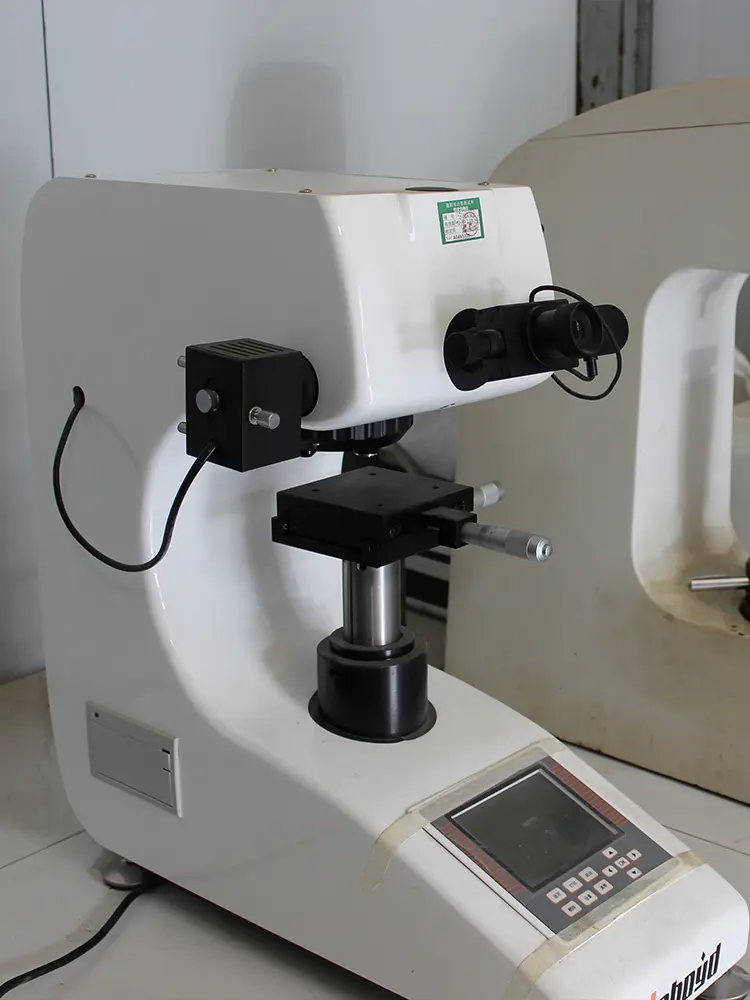
To ensure every batch of C18700 Leaded Copper and related alloys complies with ASTM, DIN, and EN standards, we maintain a comprehensive, integrated production environment backed by a physical and chemical testing laboratory.
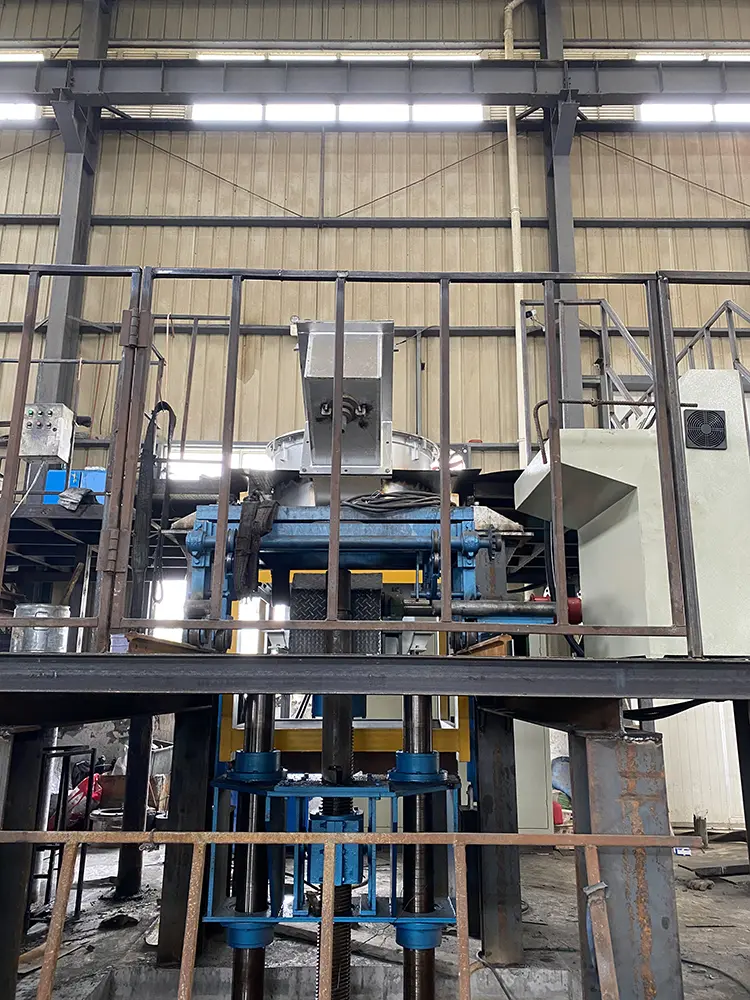
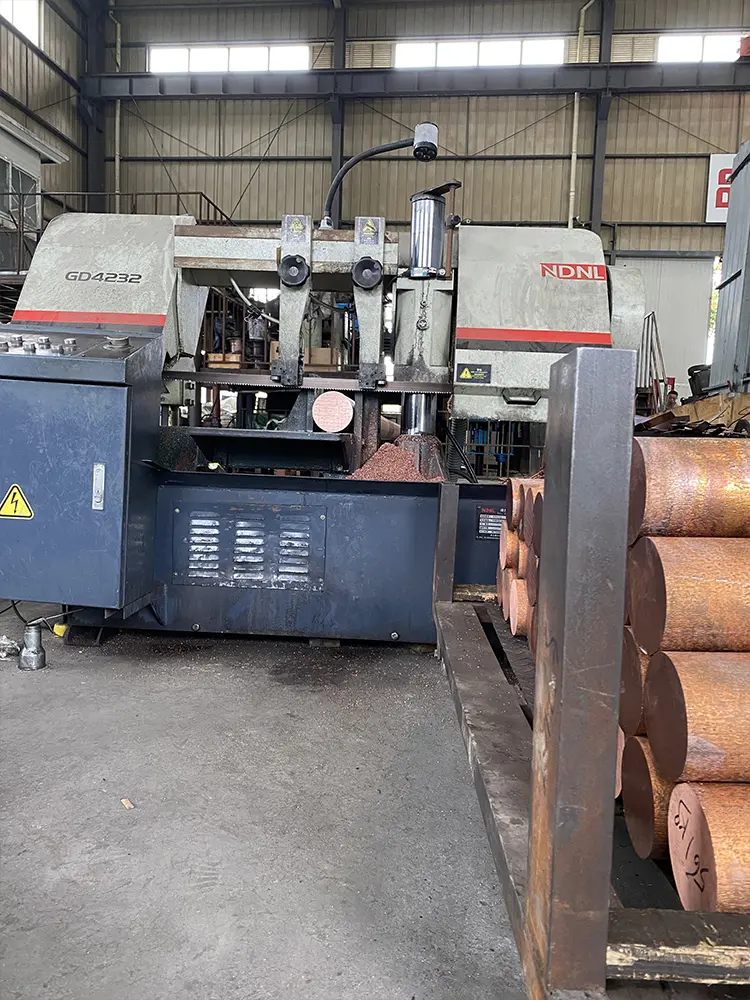
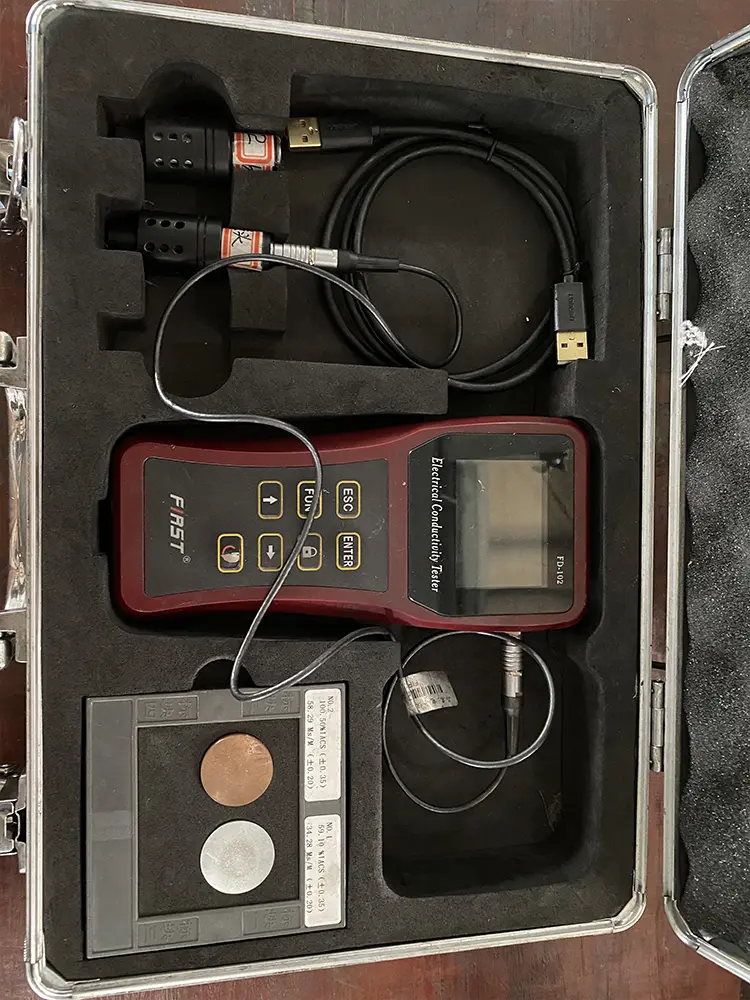
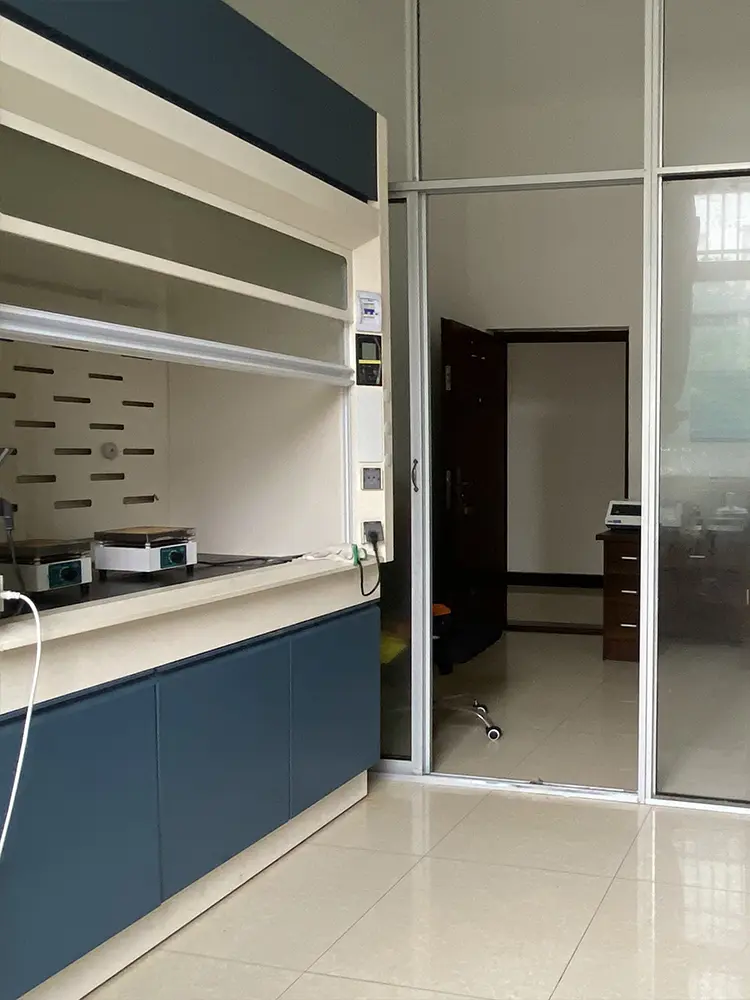

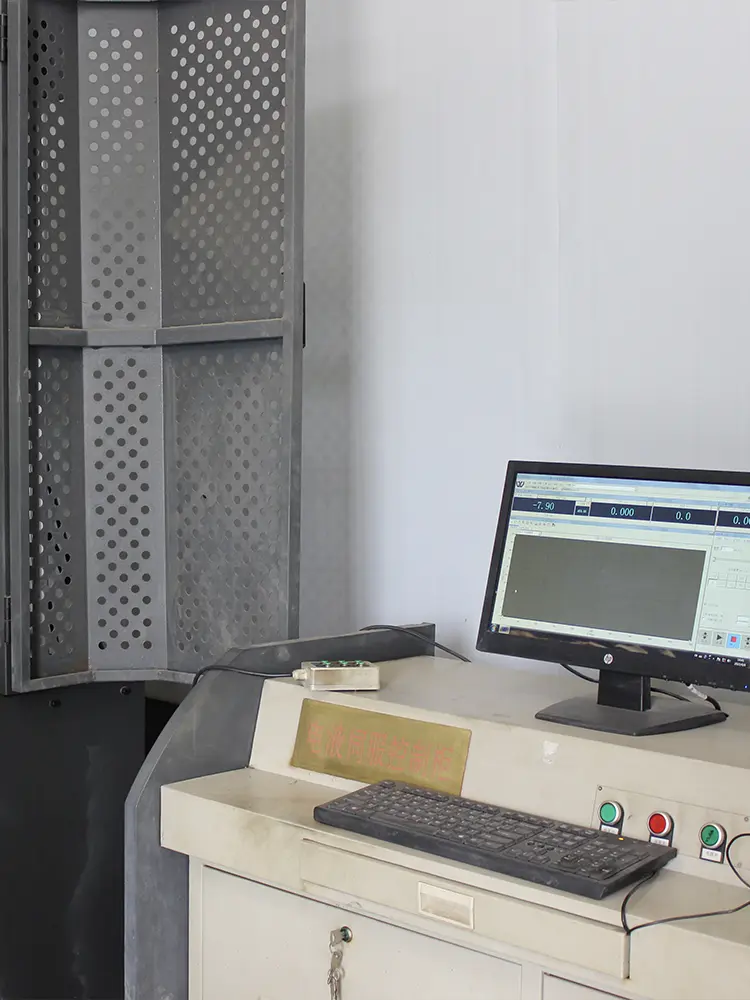
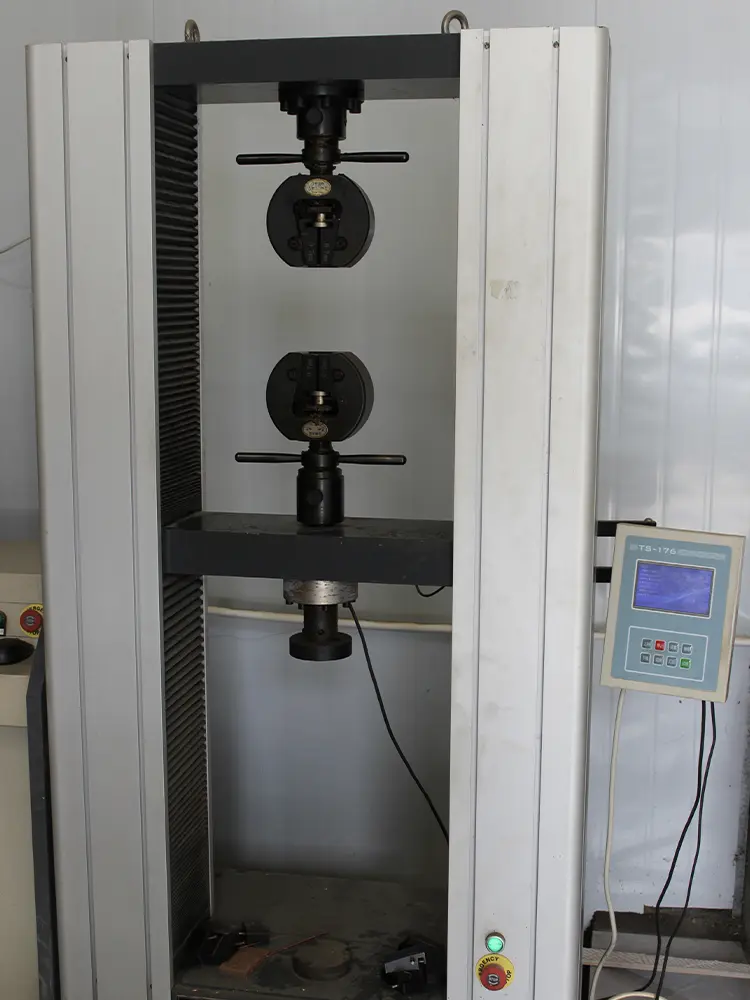
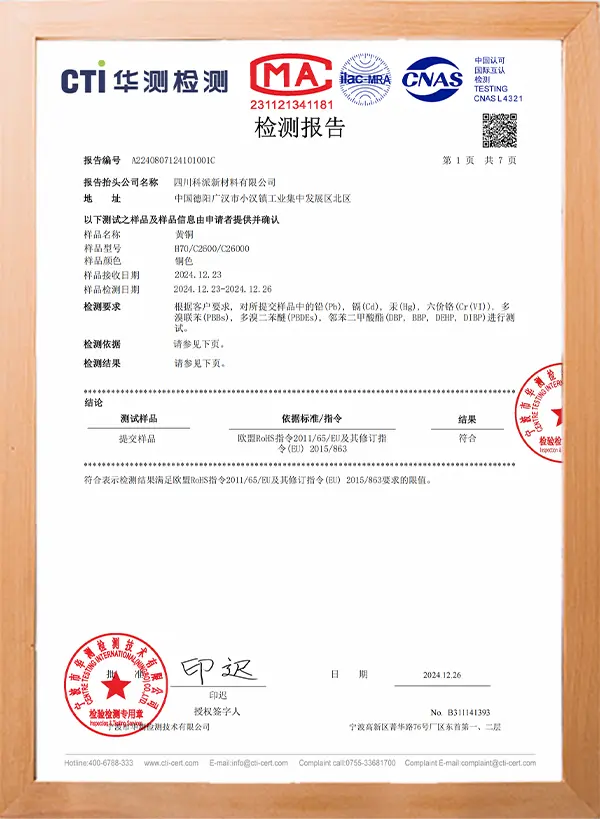
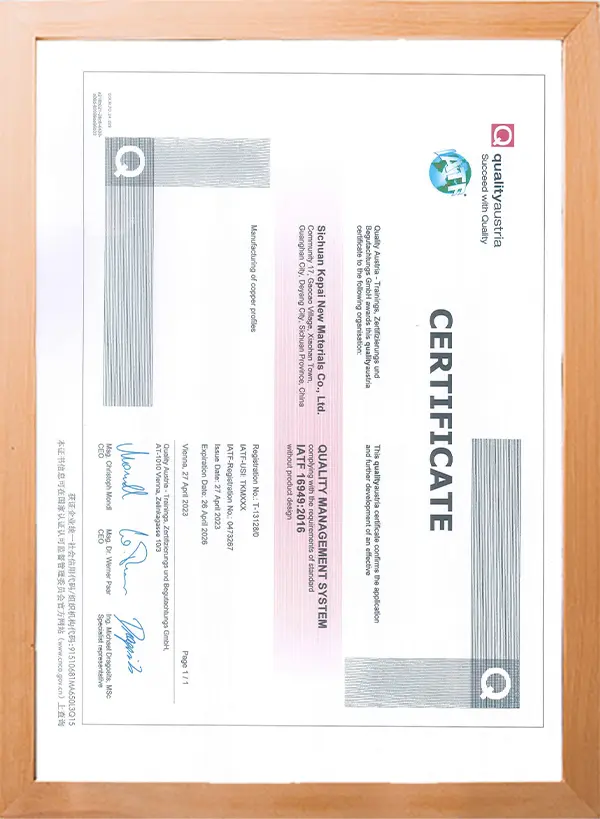
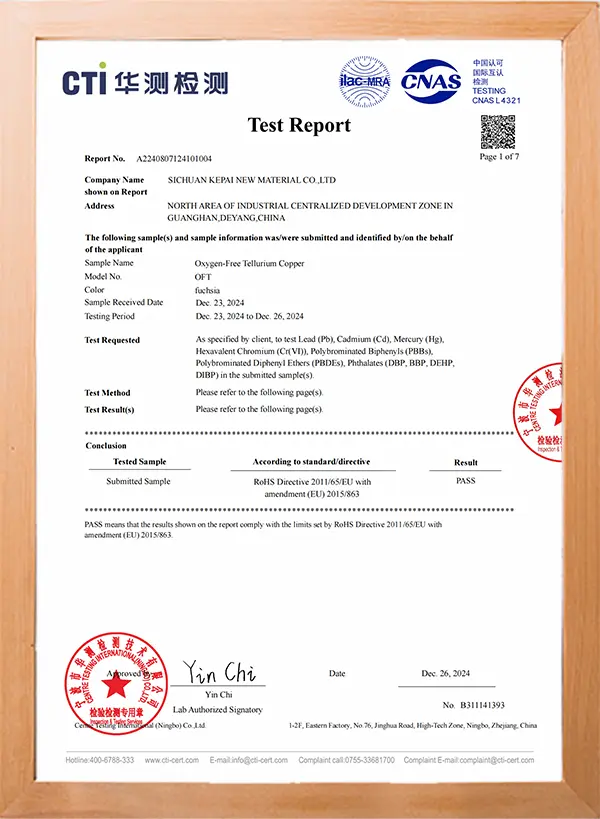
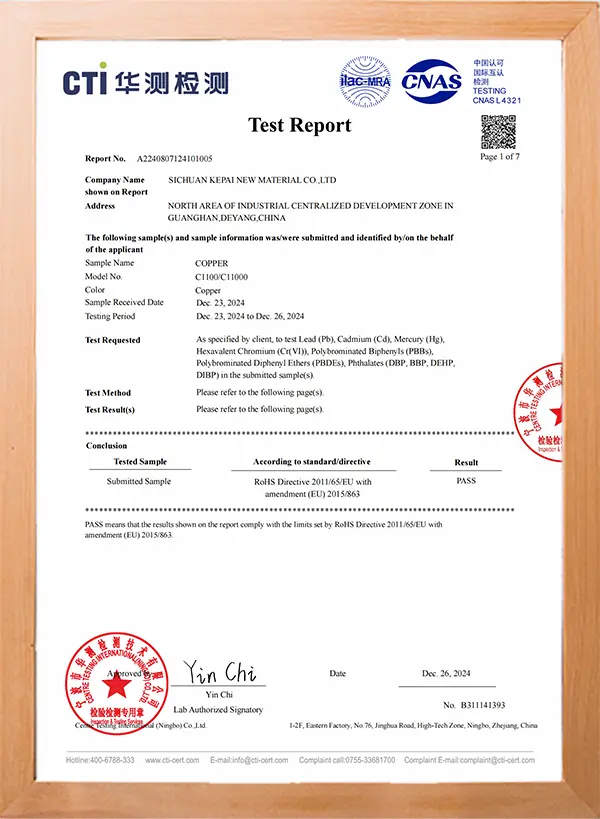
Sichuan Kepai operates in accordance with standard international manufacturing processes. Our facilities maintain ISO 9001:2015 (Quality Management System) and ISO 14001:2015 (Environmental Management System) certifications. This certification framework supports consistent process management for our copper alloys, including tellurium copper, oxygen-free copper, silver copper, dispersion copper, and C18700 leaded copper. We also provide full compliance support for REACH and RoHS directives (including exemption 6c for copper alloys containing up to 4% lead by weight).
Every shipment includes comprehensive Mill Test Certificates (MTC) outlining the chemical analysis and physical testing results, including tensile strength, elongation, electrical conductivity, and hardness. This documentation provides traceability for demanding sectors like automotive, telecommunications, and defense electronics.
C18700 contains lead (Pb), which does not form solid solutions in copper and remains distributed as distinct particles. This configuration provides a high machinability rating of 85%, making it suitable for high-speed machining on Swiss lathes. C14500 utilizes tellurium (Te) to form copper telluride (Cu2Te) inclusions. While C14500 offers similar machinability (85%) and electrical conductivity (93-98% IACS), it is often selected for components that require hot workability or high resistance to hydrogen embrittlement. Both materials help reduce tool wear and maintain high electrical conductivity compared to pure copper.
The presence of lead in C18700 affects its thermal joining characteristics. It is well-suited for soft soldering and brazing. However, oxyacetylene welding, gas shielded arc welding, and coated metal arc welding are not recommended because the lead content can cause hot shortness and micro-cracking in the weld joint. For applications requiring extensive welding, low-lead or lead-free alternative copper alloys should be considered.
Yes, C18700 complies with these standards under specific regulatory exemptions. Under the European RoHS Directive, Annex III exemption 6(c) permits lead content up to 4% by weight in copper alloys. Because C18700's lead content is typically between 0.8% and 1.5%, it falls within this exemption. In applications where lead is restricted by design or local regulations, we also manufacture alternative high-machinability, lead-free alloys.
C18700 leaded copper is commonly supplied in OS050 (annealed), H02 (half-hard), and H04 (hard) tempers. The choice of temper affects the balance of tensile strength and ductility. For example, the H04 temper increases tensile strength to approximately 280-350 MPa and improves yield strength, making it suitable for components subject to mechanical stress. The OS050 temper is used when components require subsequent cold forming or bending operations.
Because lead has low solubility in copper, it can settle during solidification. To prevent this, we control cooling rates using automated continuous casting equipment. Continuous electromagnetic stirring helps maintain an even distribution of lead particles throughout the molten copper. We verify this uniformity across each production batch using spark emission spectrometers and metallographic analysis in our laboratory.
Sichuan Kepai New Materials Co., Ltd. supplies C18700 Leaded Copper and related specialized copper alloys to global manufacturing partners. Contact us to discuss chemical specifications, mechanical properties, and lead time requirements.
 Kepai
Kepai