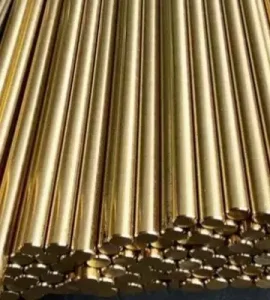
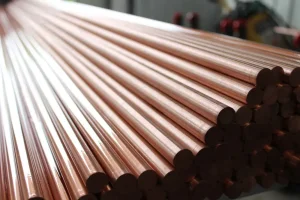
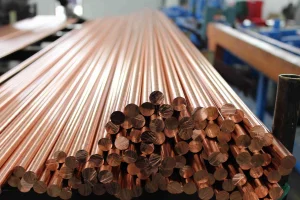
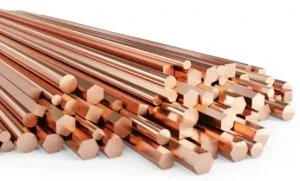
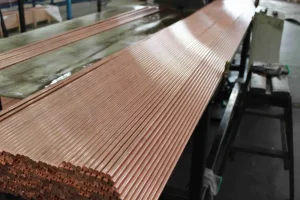
Explore our elite series of strategically formulated copper and brass solutions developed for high-end industrial, electrical, and aerospace applications.
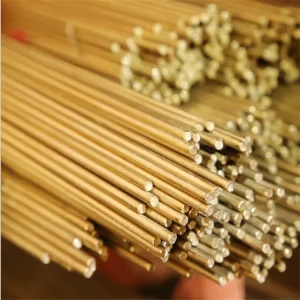
Leaded copper and free-machining copper alloys stand as foundational materials in modern precision engineering. By adding micro-controlled volumes of lead (Pb) into the copper matrix, metallurgists achieve unparalleled machinability. Lead acts as an internal lubricant and chip breaker, mitigating friction at the cutting tool interface, which prevents tool wear and drastically reduces production cycles during high-speed CNC turning and milling operations.
In global industrial commerce, alloys like C36000 Free-Cutting Brass, C19160, C17300, and leaded bronzes remain vital for structural connectors, fluid-power valves, industrial plumbing, and automotive electronics. The demands for higher throughput in precision machinery shops require materials that can maintain structural integrity while withstanding heavy friction, high thermal conductivity, and corrosive environments.
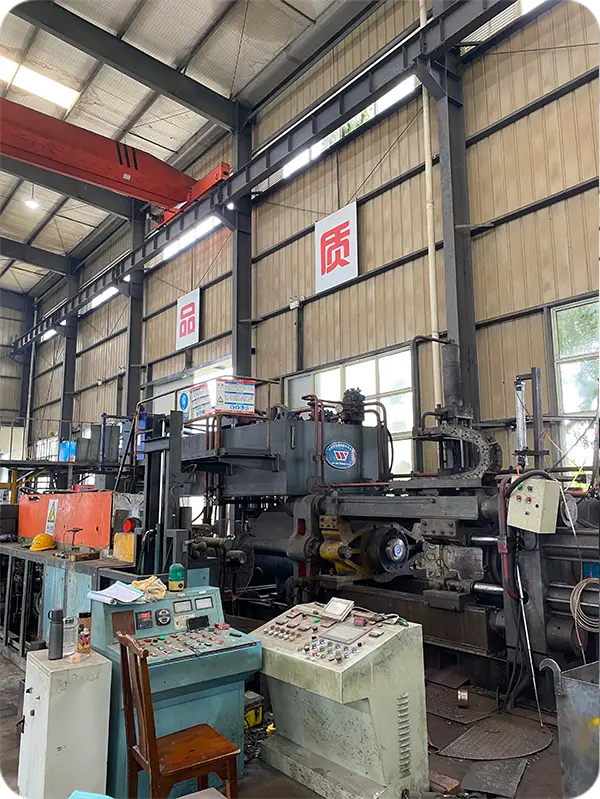
Established in 2017, Sichuan Kepai New Materials Co., Ltd. is a high-tech manufacturing enterprise dedicated to the research, development, production, and global export of strategic copper alloys. Nestled in the western area of the Sichuan Guanghan Industrial Development Zone, adjacent to National Highway 108, our facility enjoys optimal logistical positioning that guarantees seamless material supply lines and efficient shipping pipelines globally.
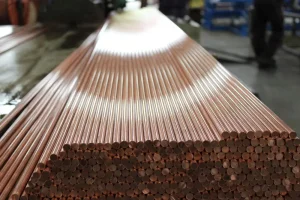
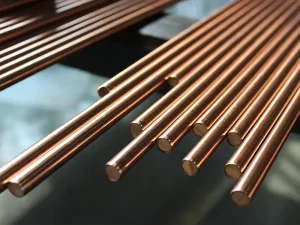
Spanning an expansive 9,000 square meters of high-capacity production space and a dedicated 1,000-square-meter corporate R&D and office wing, Kepai produces high-conductivity oxygen-free copper, tellurium copper, silver copper, dispersion strengthened copper, leaded copper, and customized high-strength copper alloys. Our products are actively utilized in national strategic emerging industries including new energy vehicles (NEVs), 5G telecommunication infrastructure, industrial laser cutting nozzles, lithium battery relays, and high-frequency power components.
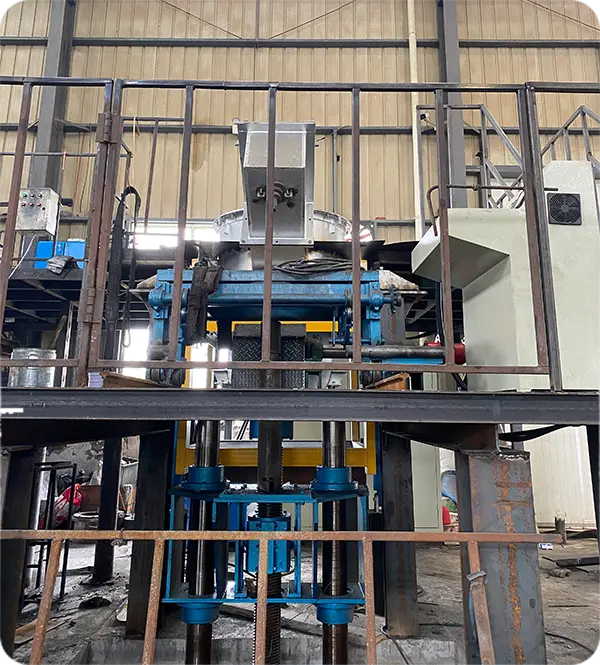
We control every phase of manufacturing, from specialized vacuum induction melting to precision cold drawing, ensuring optimal grain structure and micro-constituent distribution.
Our metallurgy begins with oxygen-free copper cathodes, melted under protective atmospheres. Lead, tellurium, or sulfur is introduced with tight tolerances to prevent elemental segregation.
Billets are hot-extruded under intense pressure. This recrystallizes the metal, eliminating casting defects and aligning the microstructure for high mechanical strength.
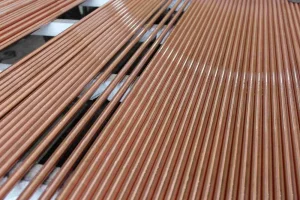
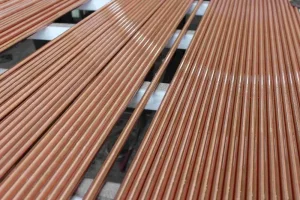
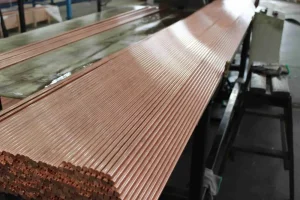
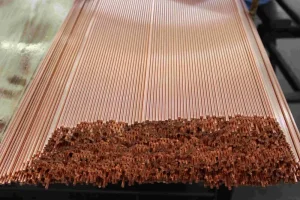
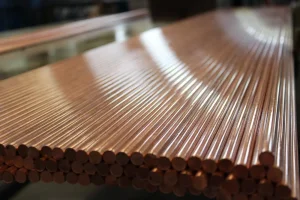
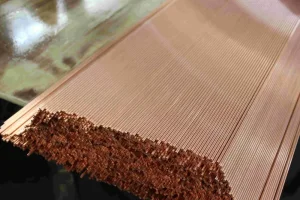
Cold working achieves exact dimensional tolerances. The copper profiles are straightened to ensure straightness levels of <0.5mm/m, critical for high-speed automatic Swiss lathes.
Eddy current testing inspects each bar or wire for internal cracks or voids. Chemical compositions are verified via optical emission spectrometers to guarantee material compliance.
A look into our production facilities and testing laboratories where raw metallurgical physics meets engineering excellence.
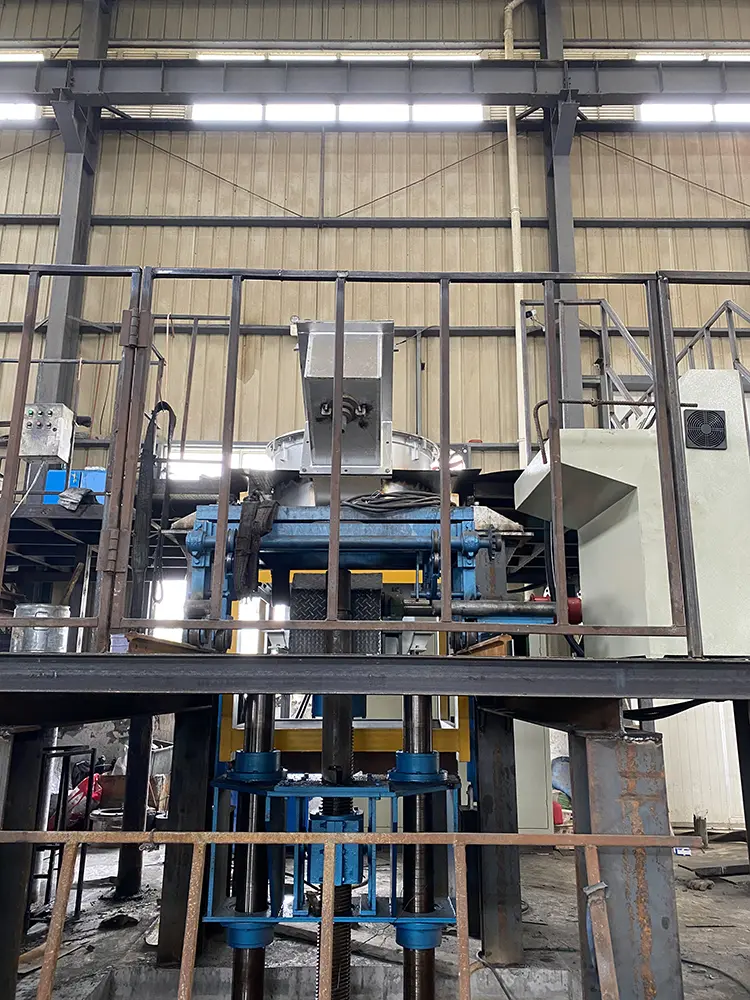
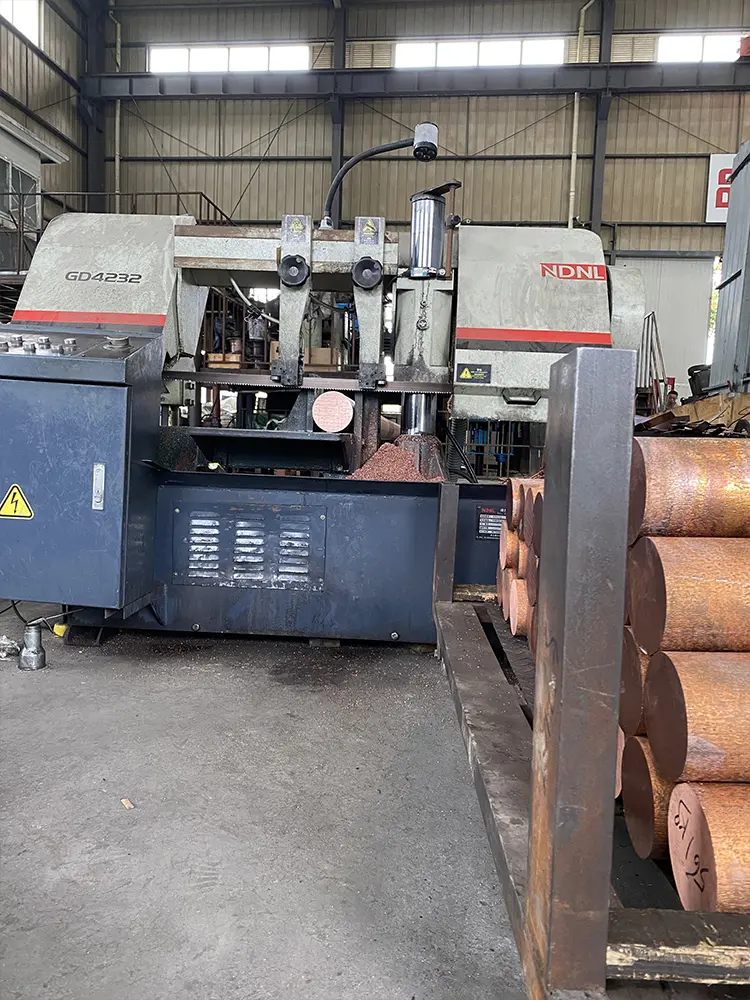
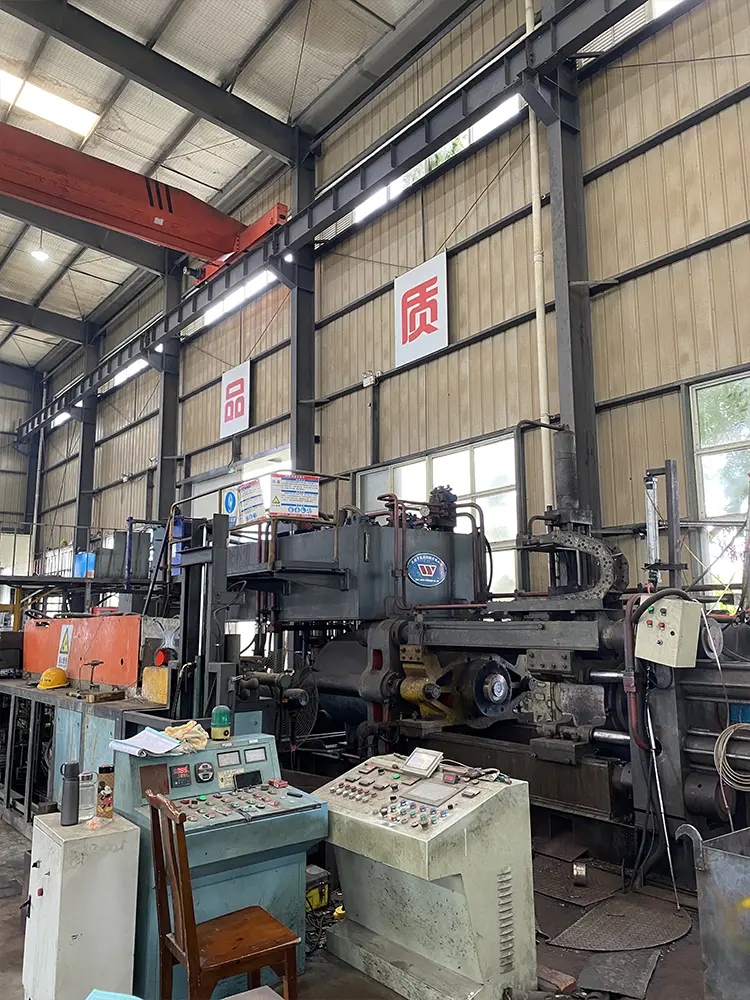
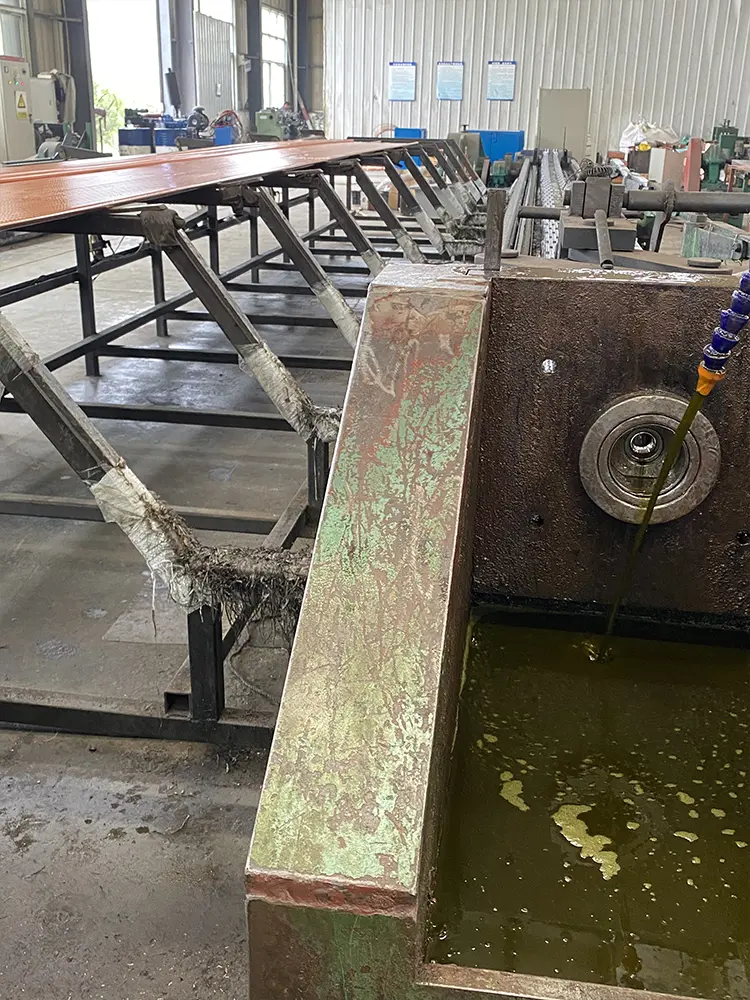
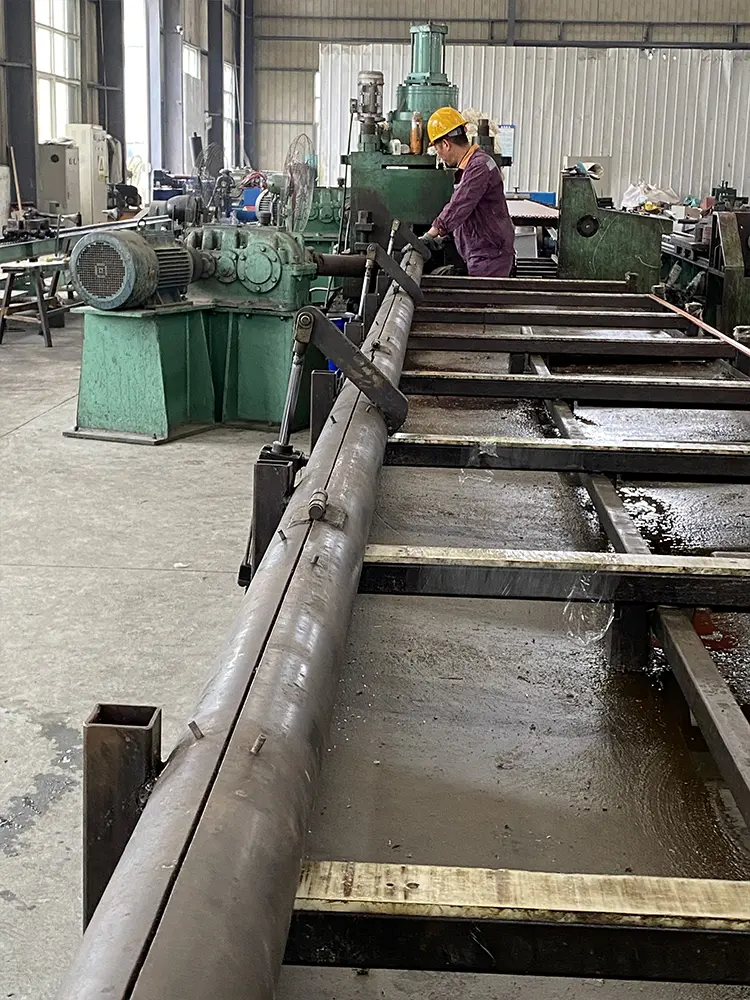
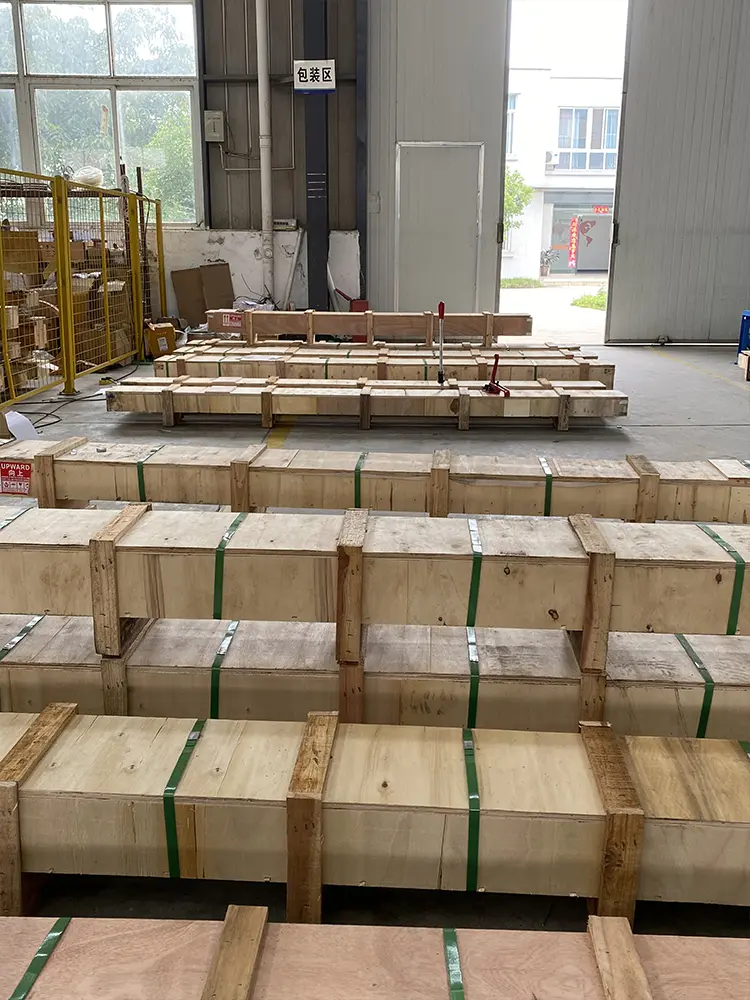
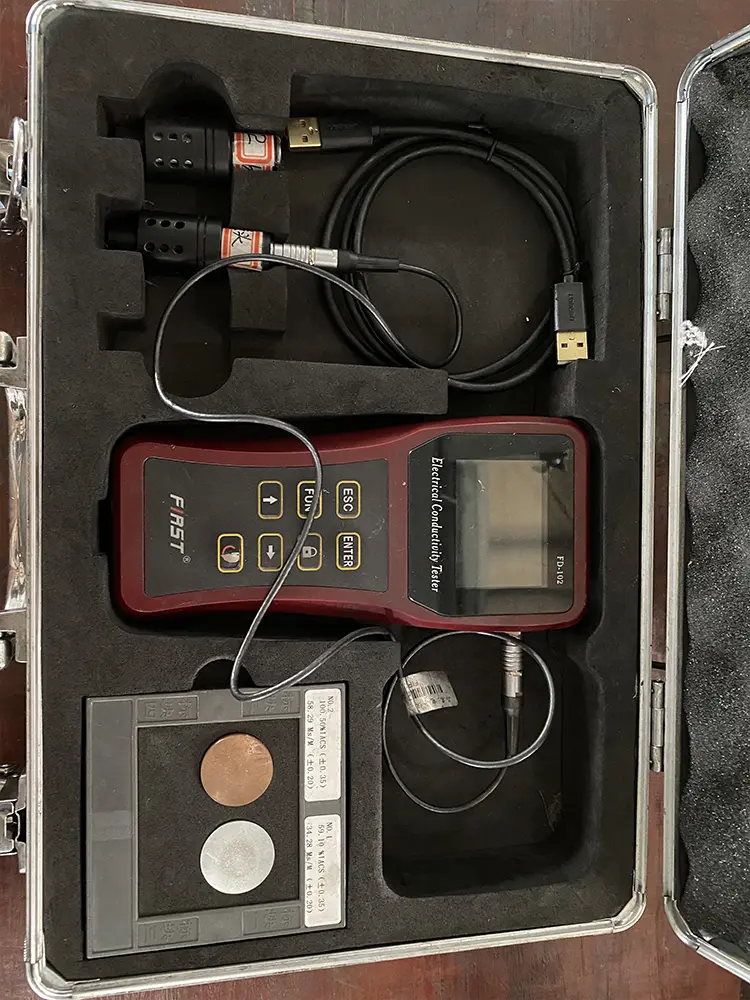
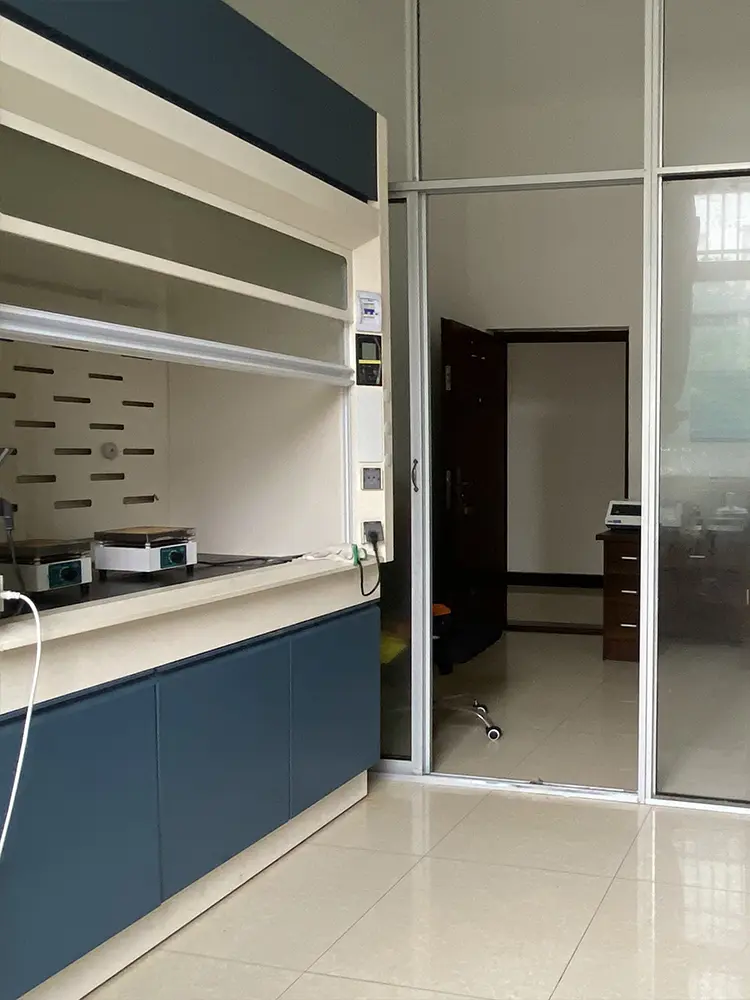

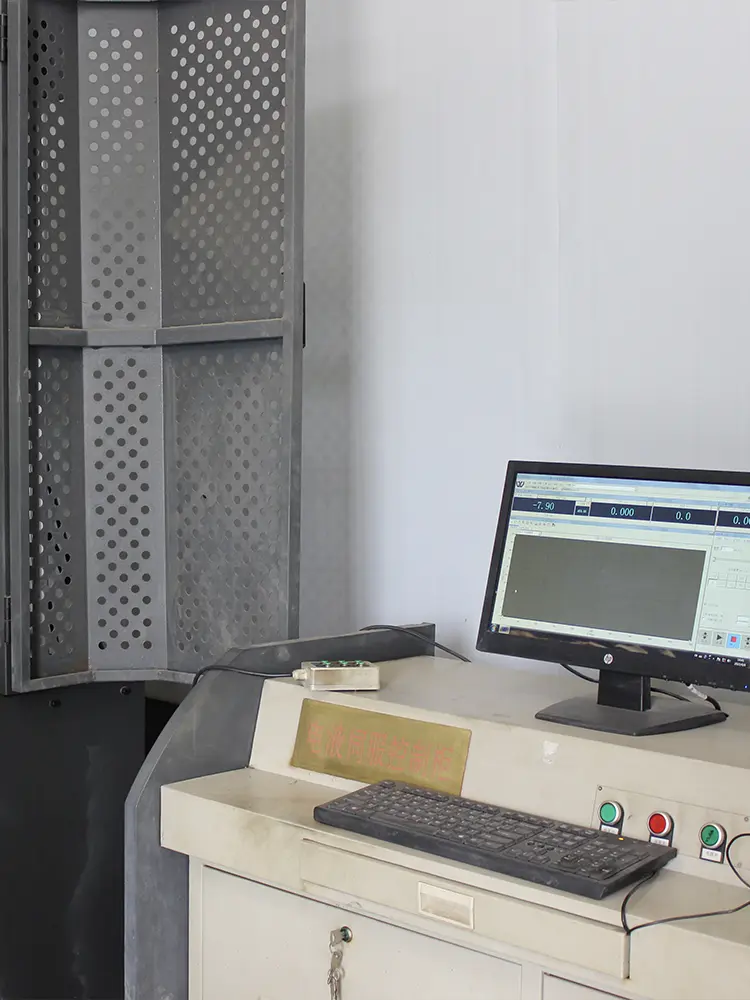
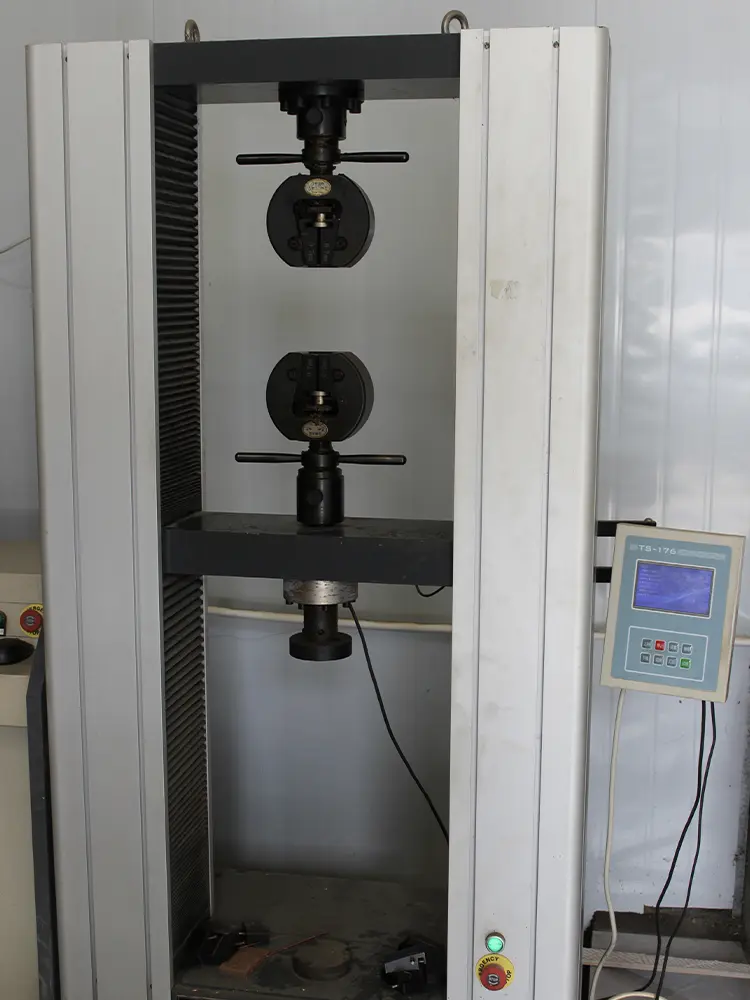
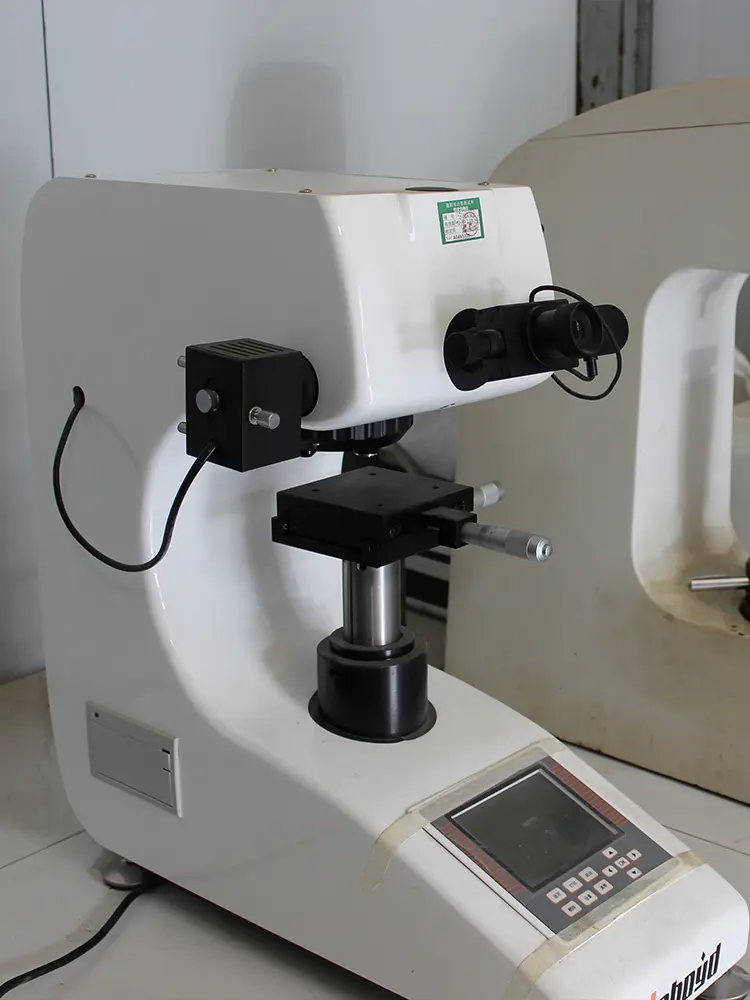
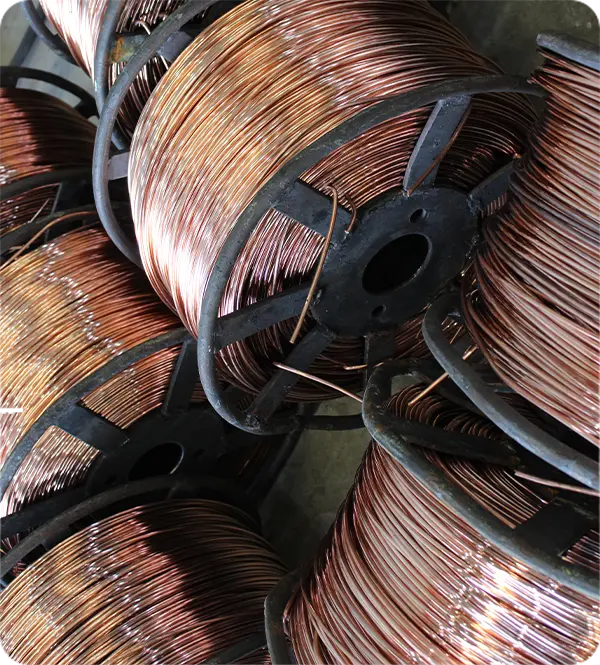
China is globally recognized as a leading force in copper refining and alloy processing. By leveraging advanced production equipment and regional raw-material clusters, Sichuan Kepai optimizes costs and shortens lead times. Our supply chain is vertically integrated, meaning we control melting, extrusion, and drawing under one roof. This minimizes external dependencies, allowing us to manage scheduling and quality to precise standards.
Our location in Sichuan, supported by comprehensive national highway networks and proximity to rail links, enables rapid delivery of export shipments to coastal shipping hubs like Shanghai and Shenzhen. This logistics network keeps overseas shipments on track, helping global distributors and OEMs bypass bottlenecks during supply-chain disruptions.
Additionally, the integration of smart manufacturing, real-time temperature tracking during hot extrusion, and digital quality monitoring ensures that our alloys remain competitively priced without sacrificing high metallurgical purity or dimensional accuracy.
Across different target markets and continents, our copper alloys are tailored to resolve local regulatory and high-tech application challenges.
For US and Canadian precision machine shops using automatic multi-spindle screw machines, our C36000 leaded brass maintains a high machinability rating. It provides clean chip fracturing, preventing line jams during continuous, high-volume part production.
The European Union's transition to electric mobility relies on durable charging contacts. High-conductivity oxygen-free copper and Tellurium Copper (C14500) serve as reliable components in fast-charging stations, minimizing voltage drop and heat buildup.
For global telecom manufacturers, our sulfur and tellurium-copper alloys are used in high-frequency RF connectors and smart antenna pins. They deliver the high electrical conductivity (>85% IACS) and precision tolerances needed for clear high-speed signals.
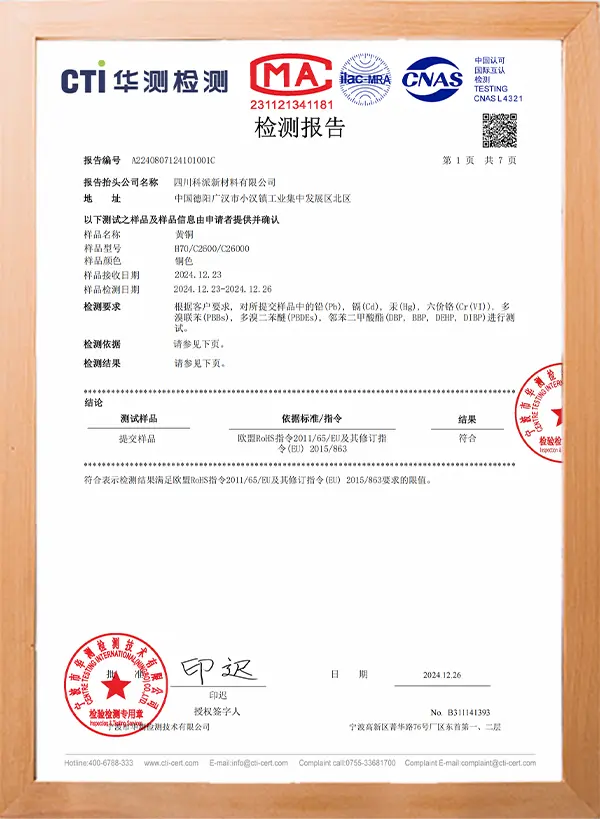
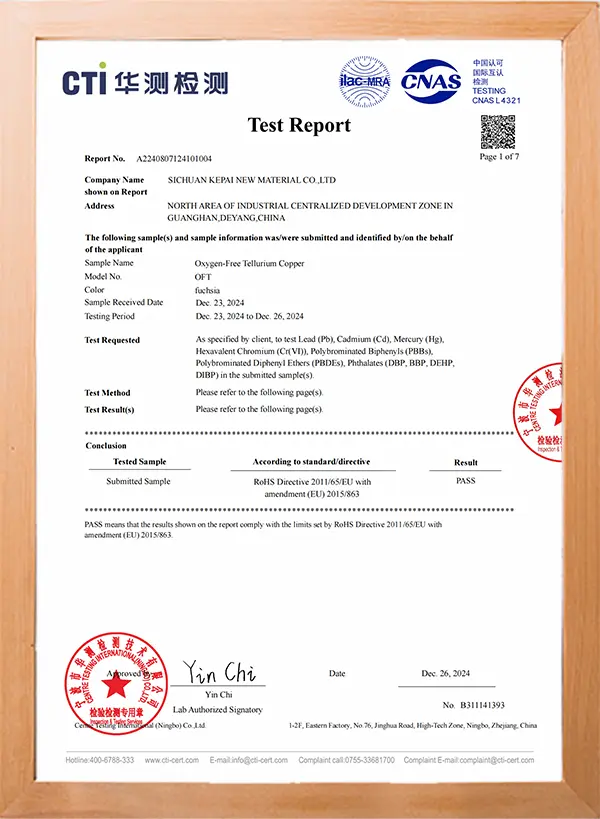
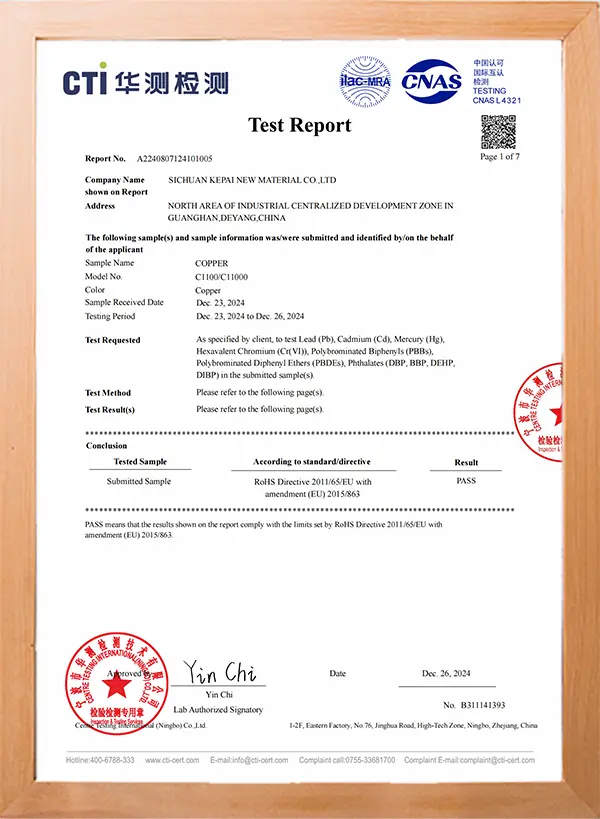
Global regulatory bodies continue to update limits on heavy metal content under RoHS (Restriction of Hazardous Substances) and REACH directives, creating challenges for companies that rely on traditional leaded alloys. At Sichuan Kepai, we assist our clients in navigating this transition by providing both standard, highly consistent leaded alloys and compliant eco-friendly alternatives.
We have invested in developing tellurium copper (C14500) and sulfur copper alloys. These serve as drop-in alternatives, offering similar machinability to leaded copper, preserving tool life, and maintaining conductivity over 90% IACS while remaining compliant with upcoming EU RoHS exemptions.
Our technical team provides localized documentation support, certification pathways, and metallurgical analysis to help engineering teams validate alternative materials during product redesigns.
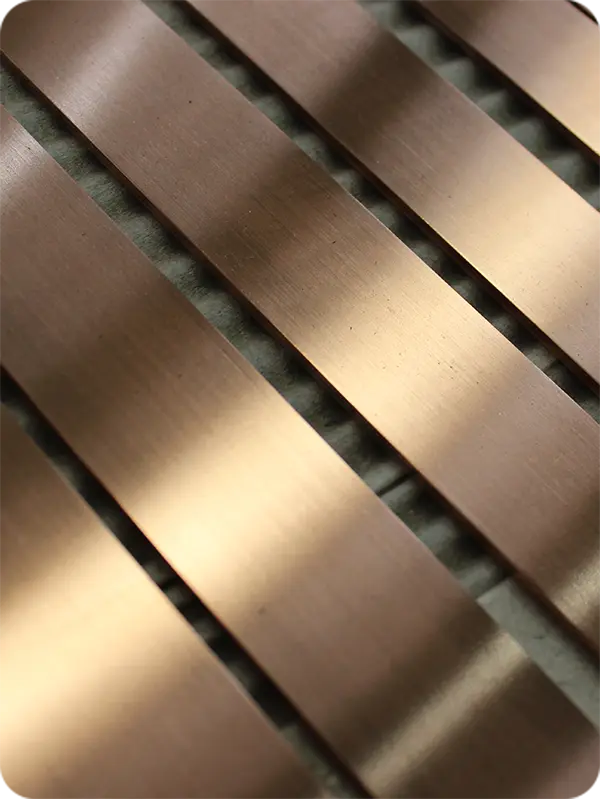
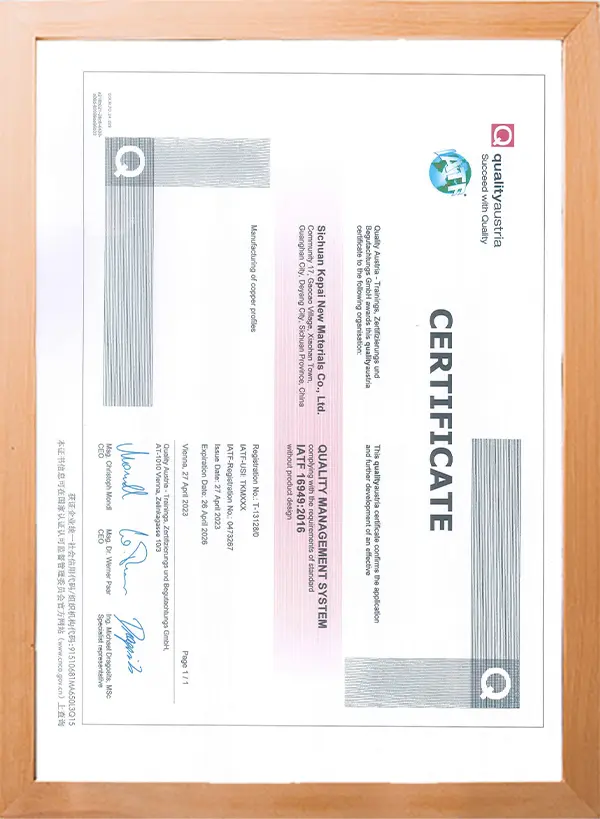
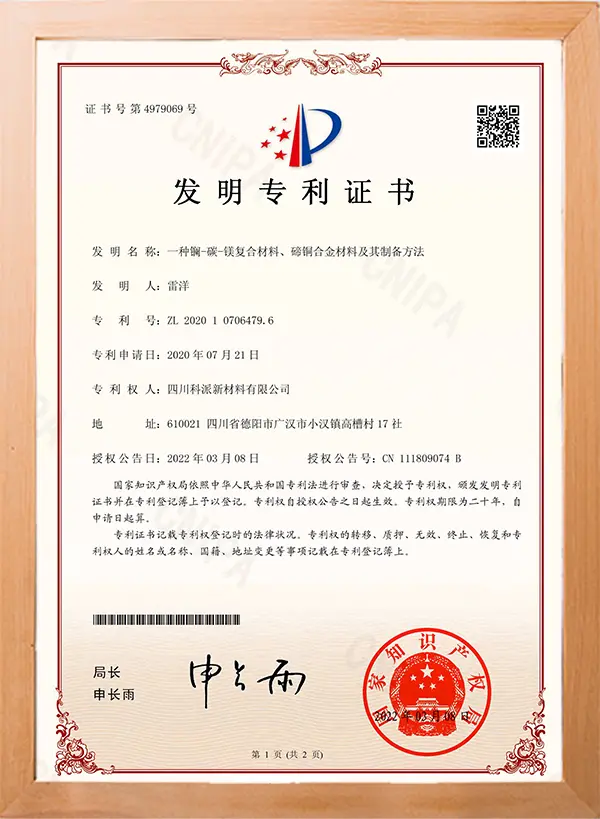
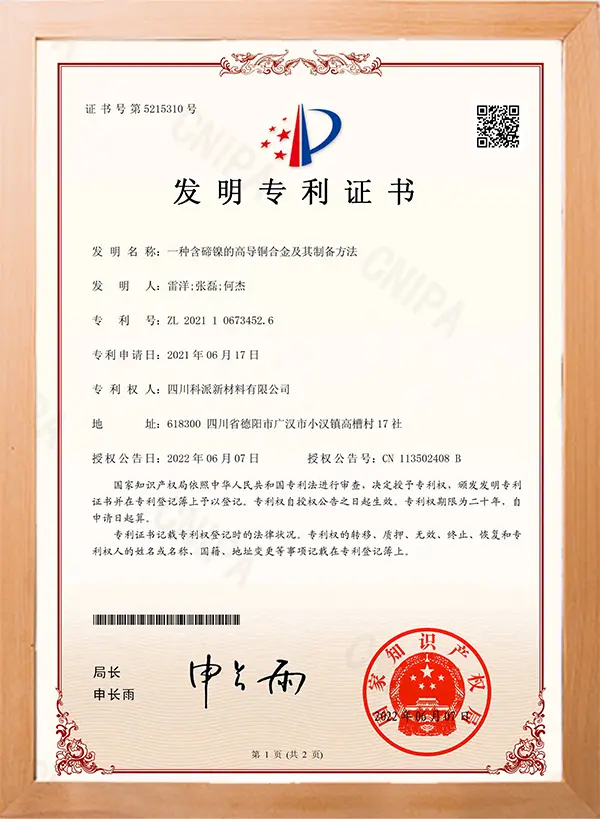
Our manufacturing system is certified to rigorous international safety, quality, and environmental protocols.
Get authoritative metallurgical answers regarding high-performance copper alloys, machining optimizations, and material behaviors.
Choose from our full range of certified high-conductivity copper and specialty alloy solutions, engineered for demanding industrial applications.
Partner with Sichuan Kepai New Material Co., Ltd. for optimized production timelines, consistent chemical profiles, and stable global supply chains. Get in touch with our metallurgical engineers to discuss your project requirements.
 Kepai
Kepai