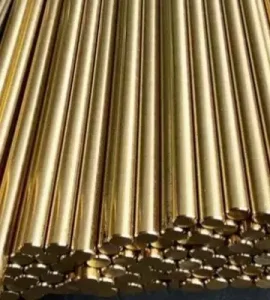
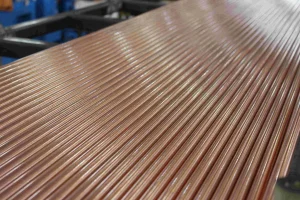
Explore our elite portfolio of high-conductivity, wear-resistant, and free-cutting copper-based materials engineered for demanding industrial operations.
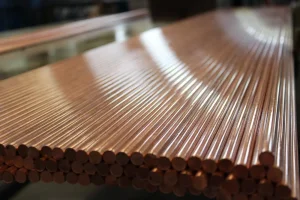
A deep metallurgical analysis of machinability, structural integrity, and alloy selection for global high-speed CNC manufacturing.
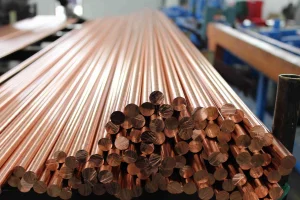
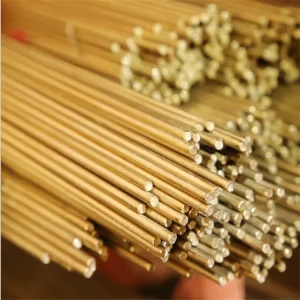
Free-cutting brass, primarily defined by alloys such as UNS C36000, C38500, and specialized lead-free variants, represents the pinnacle of high-efficiency machining metals. The incorporation of minute, highly dispersed lead particles (or alternative eco-friendly chip-breakers like bismuth and silicon) within the copper-zinc matrix acts as an internal lubricant and chip breaker during high-speed turning, milling, and drilling operations.
By minimizing tool friction and facilitating the formation of tightly curled, easily disposable chips, free-cutting brass dramatically lowers machining temperature, reduces tool wear, and yields exceptionally smooth surface finishes. This specific combination of features makes free-cutting brass the industry standard against which the machinability of all other metals is measured (100% Machinability Index).
Beyond machining efficiency, modern applications require strict control over phase structures. Dual-phase (α+β) brasses balance the ductility of the alpha phase with the hot-working ease and mechanical strength of the beta phase, offering reliable mechanical properties under severe operating conditions.
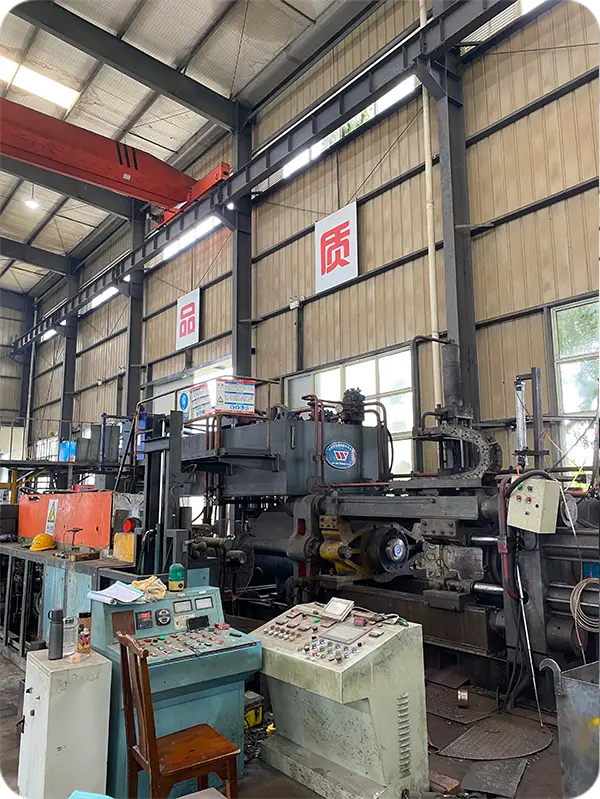
How our localized ecosystem, technological vertical integration, and infrastructure translate to structural advantages for international buyers.
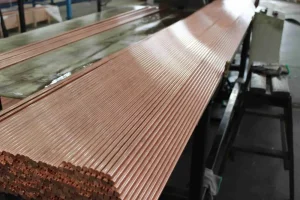
Sichuan Kepai New Material Co., Ltd. operates a highly integrated 9,000-square-meter facility. From raw material sorting and eco-controlled smelting to extrusion, drawing, and precision straightening, we control every single process parameter in-house.
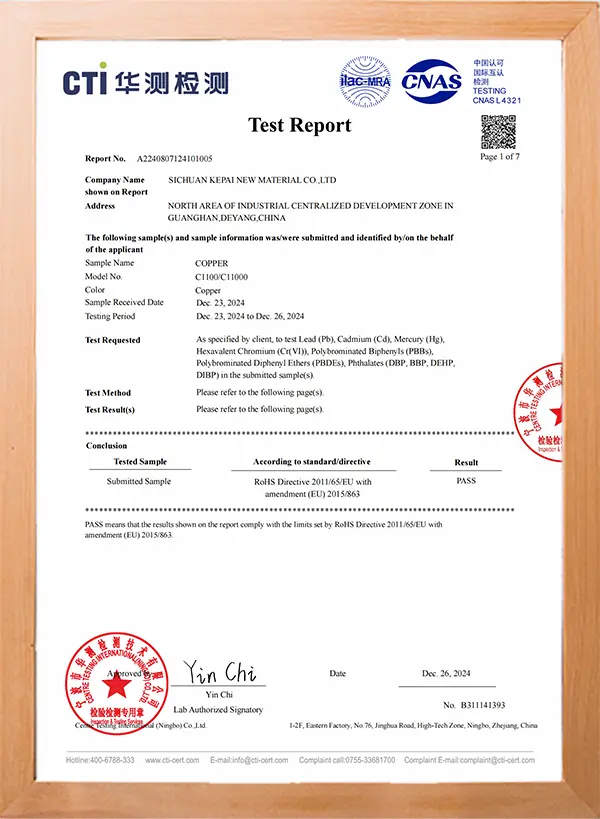
Operating in Western China's strategic industrial development zone near National Highway 108 allows us to balance lower operating overheads with top-tier environmental certifications, meeting REACH, RoHS, and strict global trace element limits.
Our proximity to rail lines connected to European freight networks and rapid domestic logistics links to deep-sea ports ensures reliable delivery schedules and flexible cargo options for global engineering manufacturers.
At Sichuan Kepai New Material Co., Ltd., technical innovation is our core competitive asset. Discover how our research-driven methodology yields superior alloys.
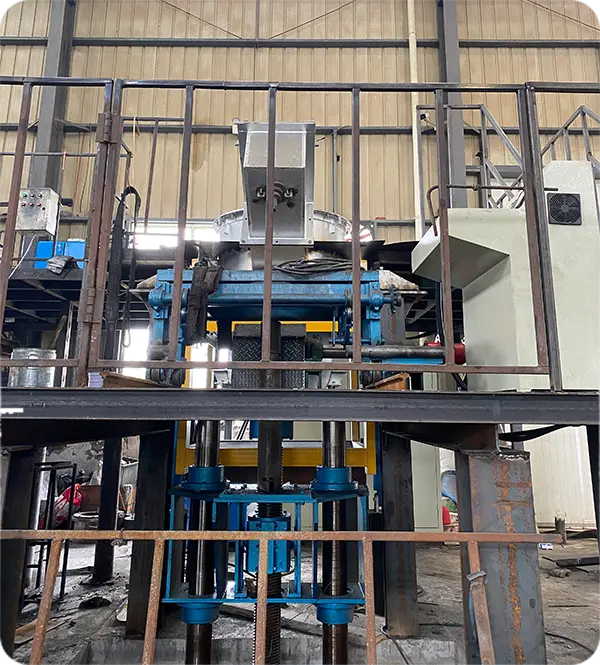
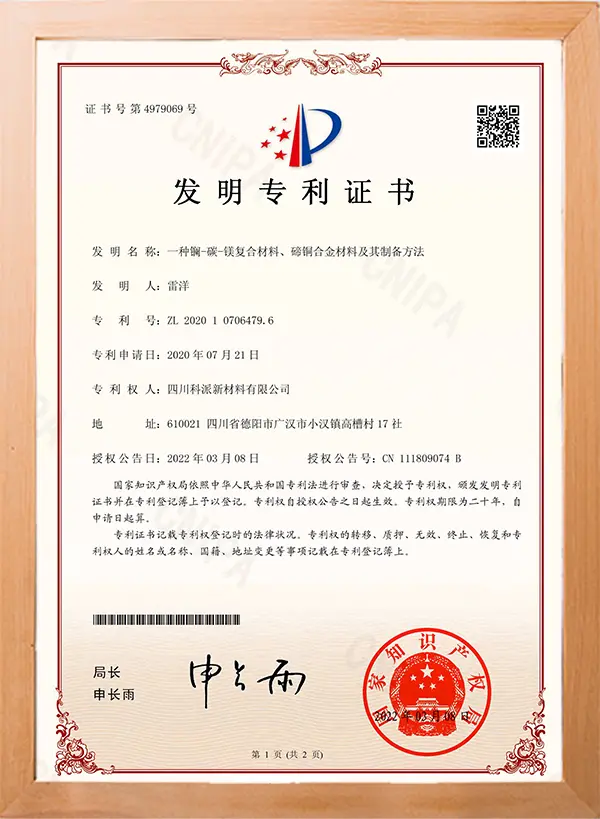
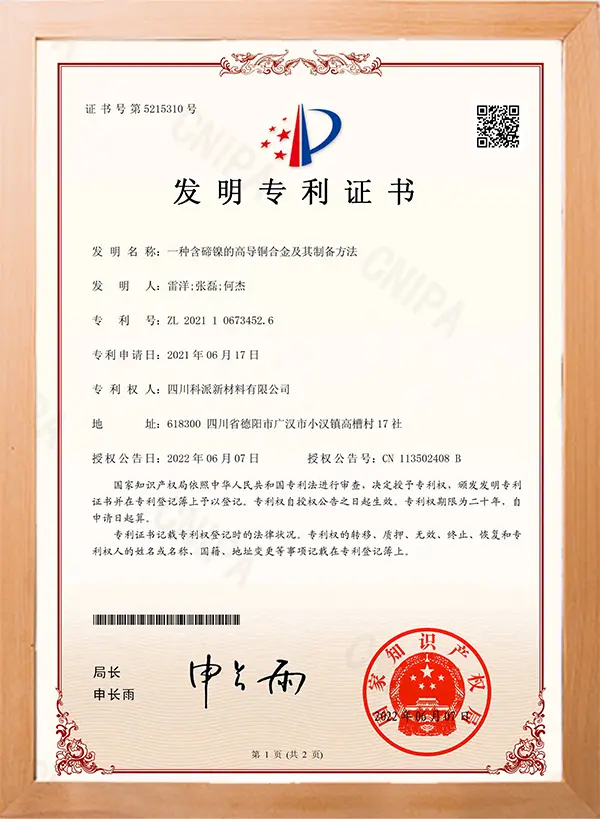
Our dedicated R&D department features a team of senior industry experts, metallurgists, and production engineers who stay ahead of international material science breakthroughs. Through persistent research and close partnerships with top domestic material universities, Kepai has made significant advancements in high-conductivity tellurium copper, lead-free sulfur copper, and high-strength beryllium copper alloys.
Many of our self-developed materials are widely used in advanced fields including high-voltage electric vehicle connections, precision automated electronics, medical components, and laser/plasma nozzles. This technical expertise allows us to provide customized OEM alloy profiles, customized bar dimensions, and tight geometrical tolerances designed for automatic screw machines.
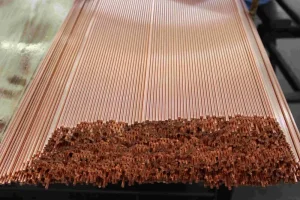
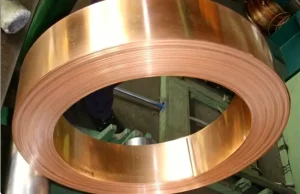
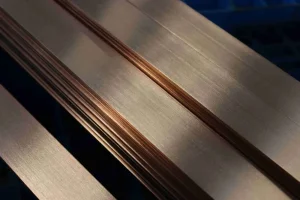
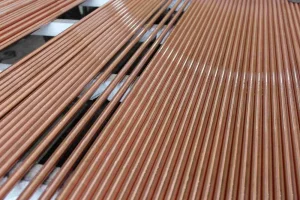
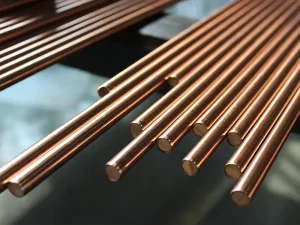
We supply a diverse array of copper-based materials to simplify and consolidate our customers' procurement pipelines. In addition to high-machinability free-cutting brass, we supply oxygen-free copper with exceptional conductivity, nickel tellurium copper, lead bronze, and specialized copper-nickel-beryllium alloys.
Our production focuses on reducing our environmental footprint while maintaining structural consistency. By leveraging clean induction melting and advanced computerized sizing equipment, we guarantee batch-to-batch consistency in chemical composition, grain structure, and mechanical properties.
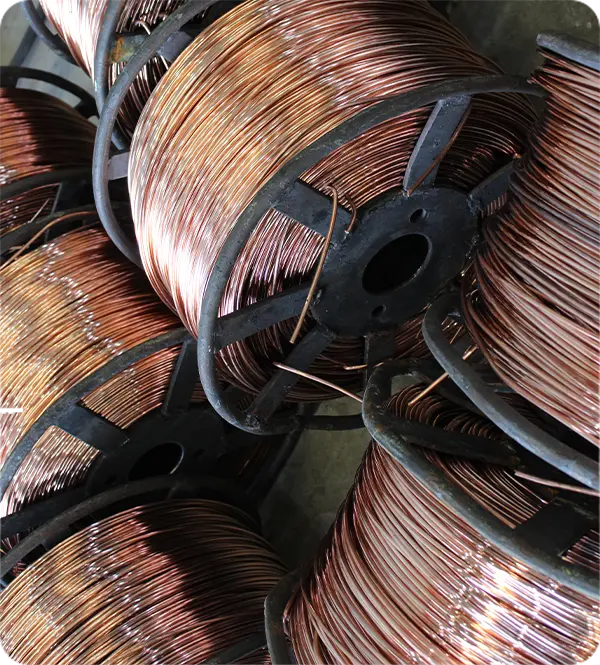
Explore the high-precision processing machinery and comprehensive testing instrumentation that define the Kepai quality standard.
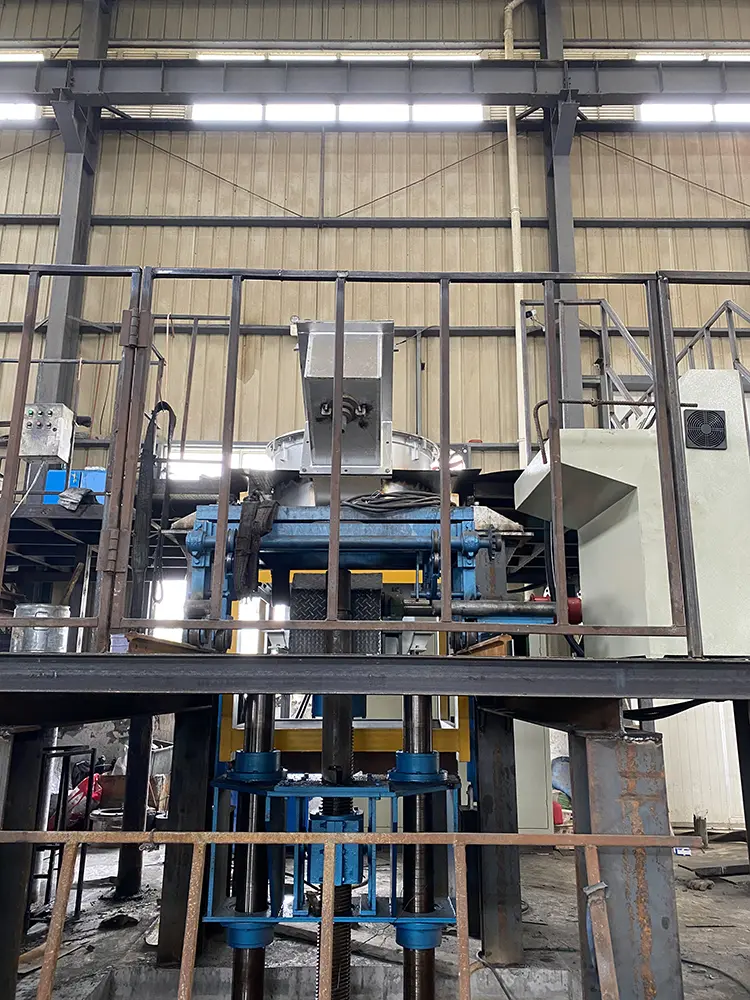
Smelting
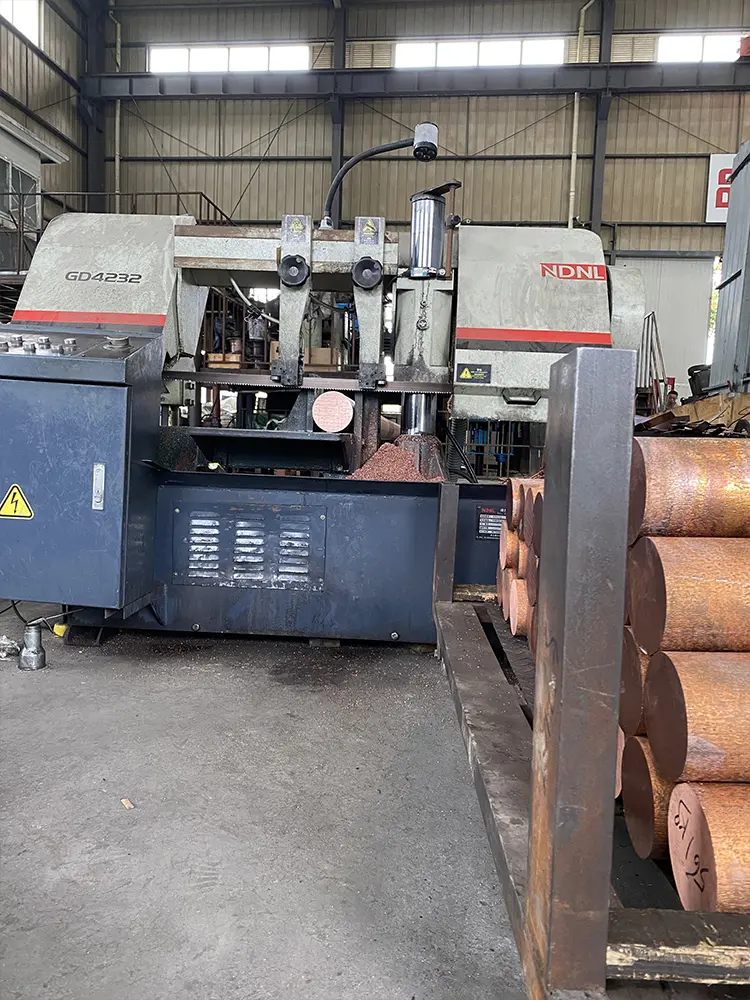
Laying-off
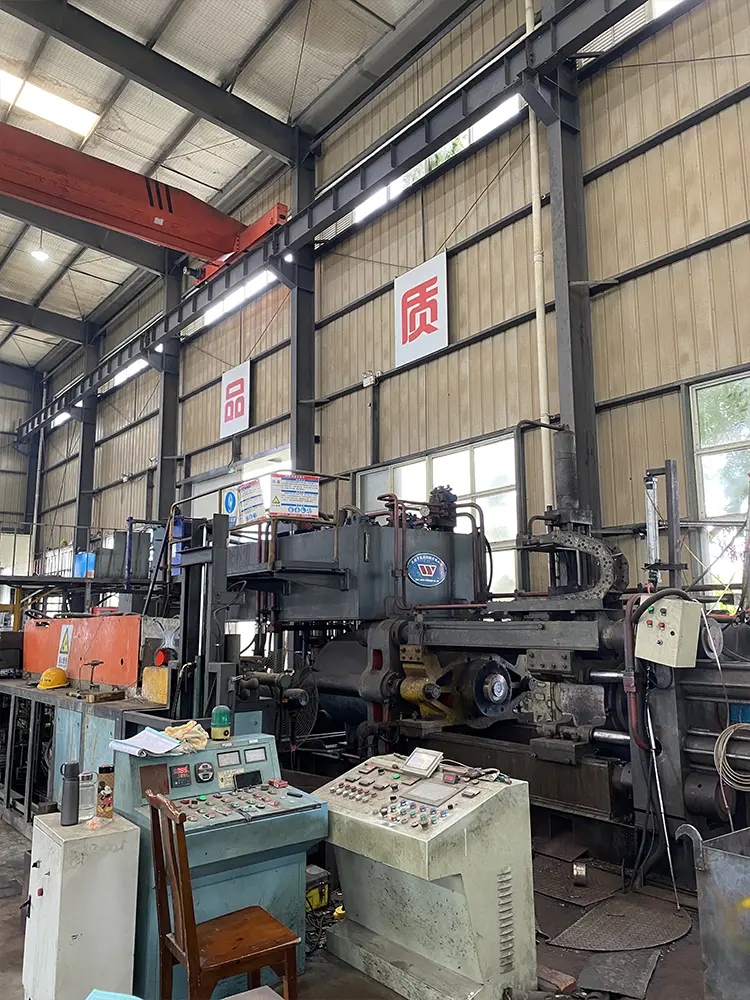
Extrusion
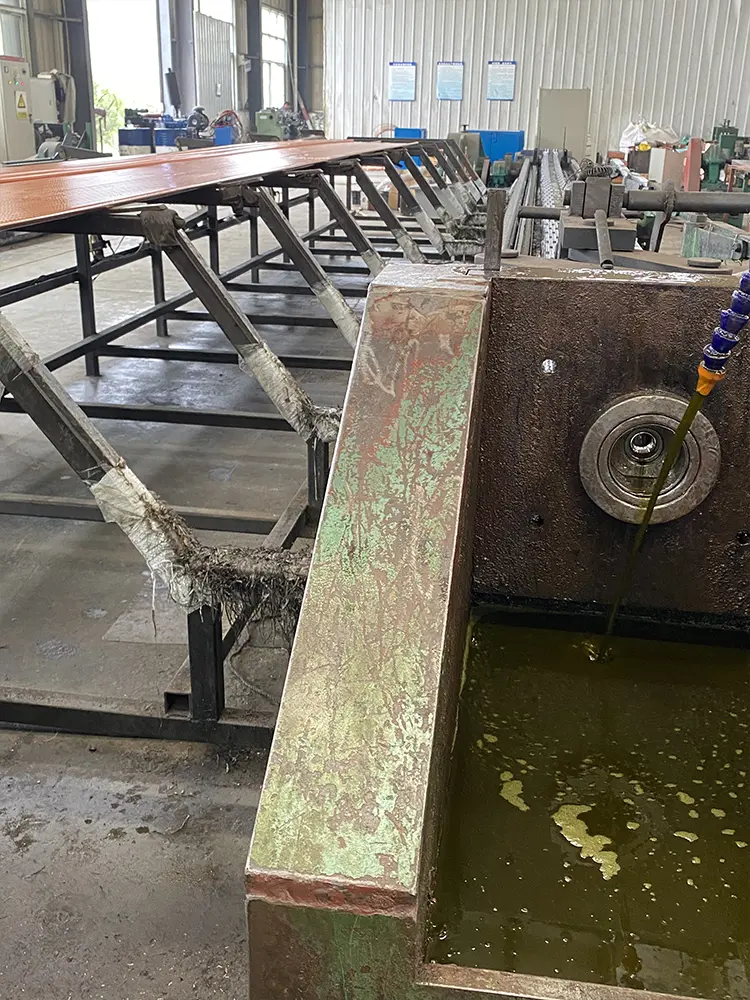
Drawing
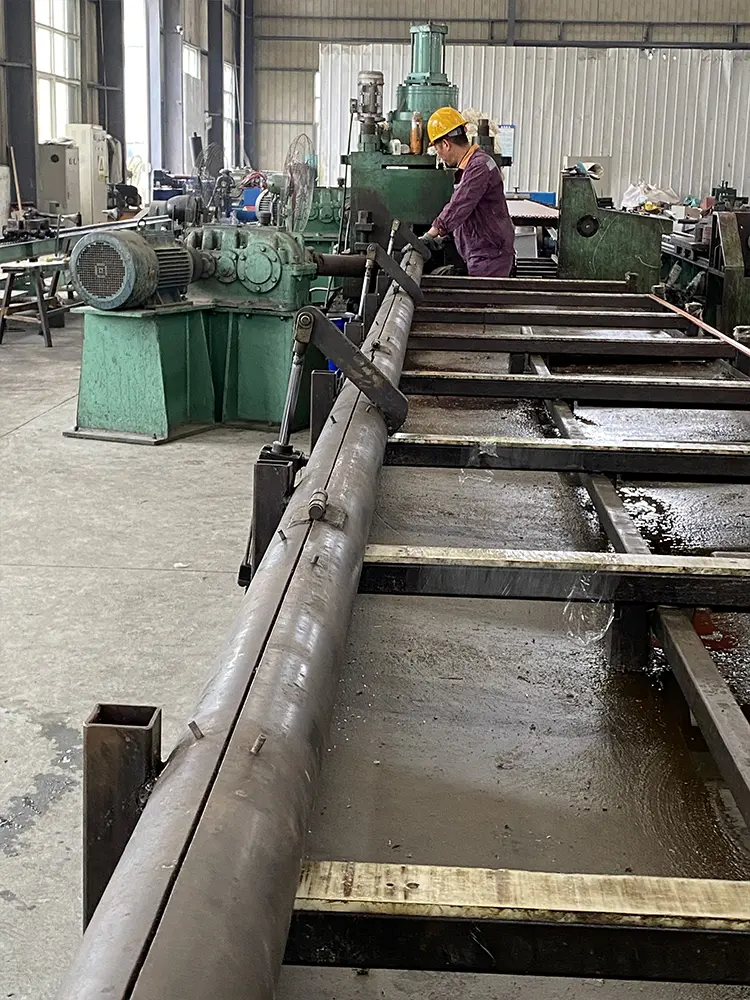
Straightening
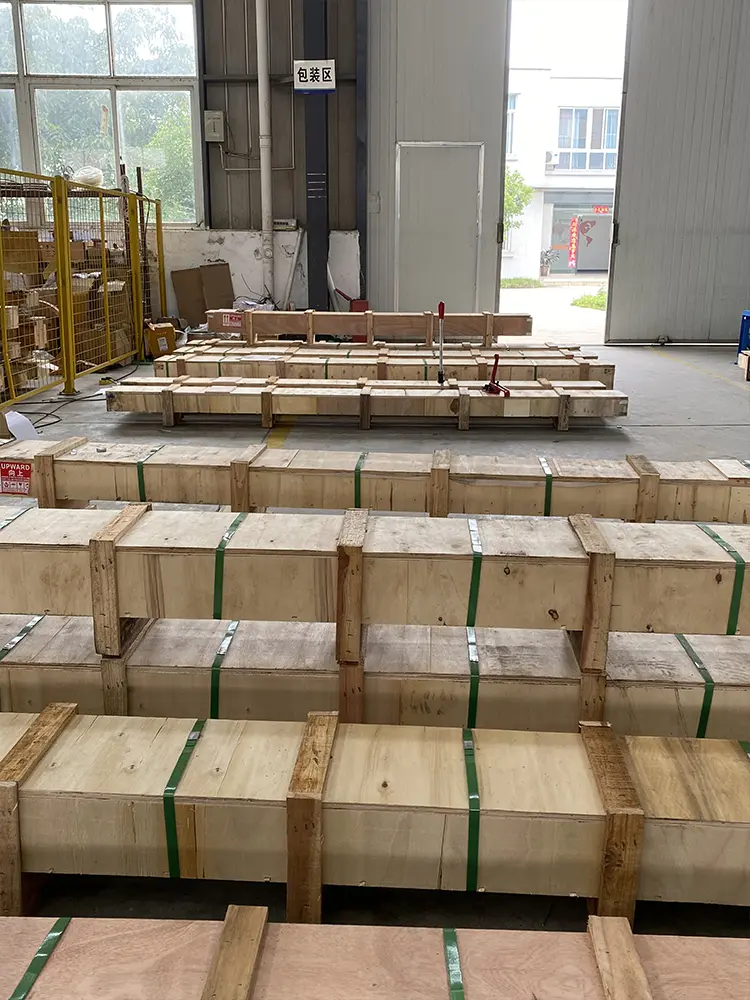
Packaging
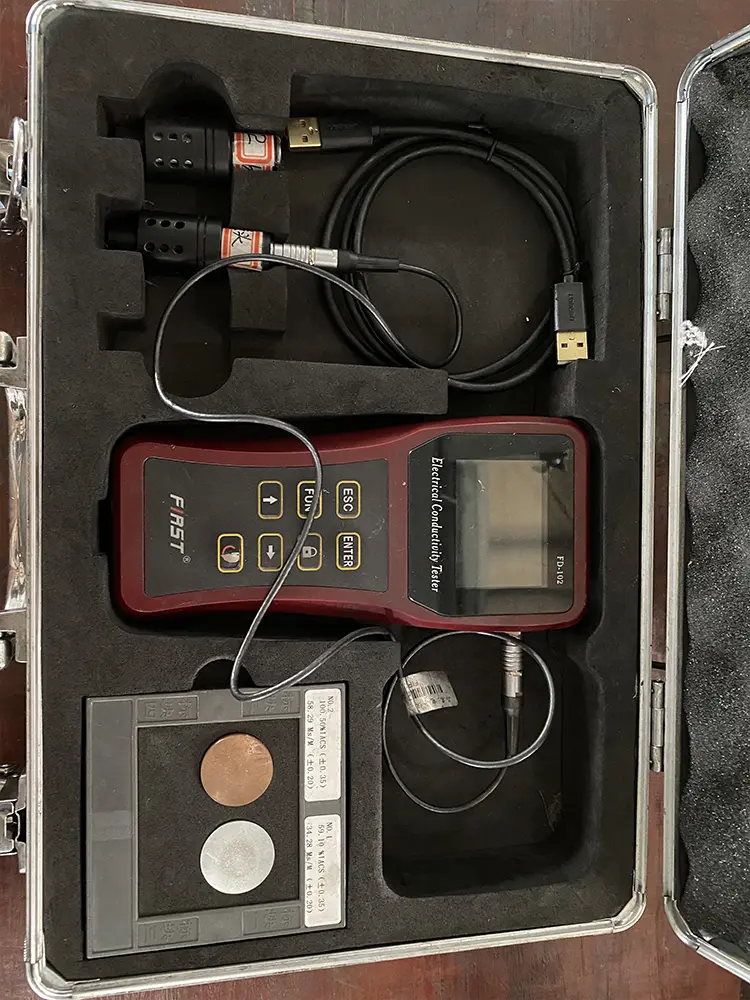
Eddy Current Conductance
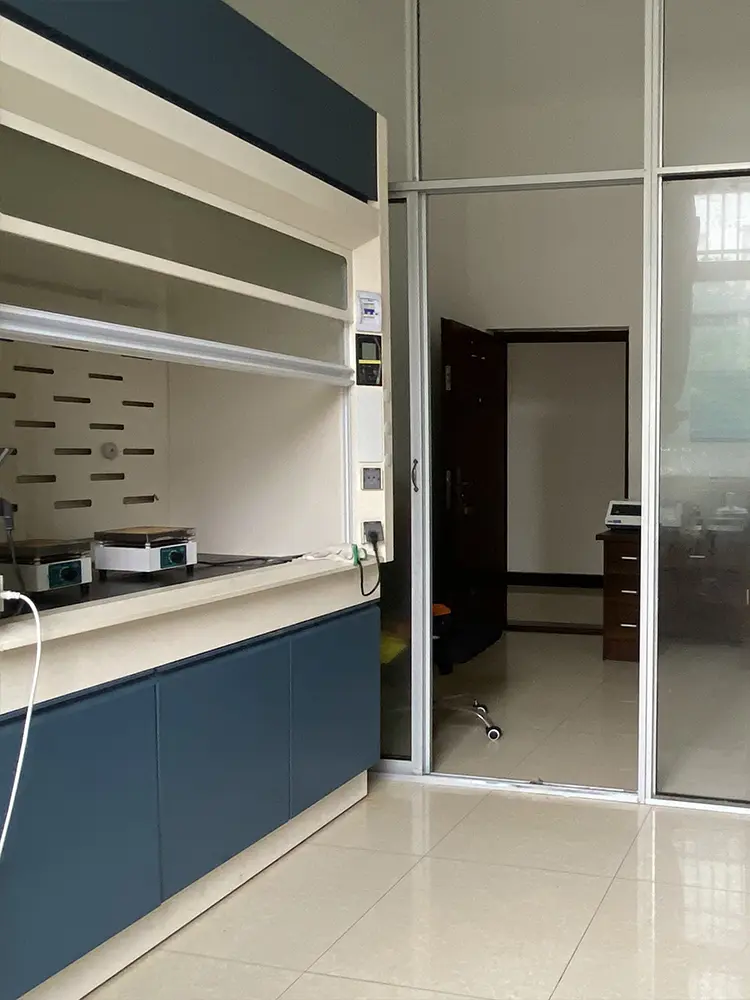
Chemical Composition Lab

Metallographic Polisher
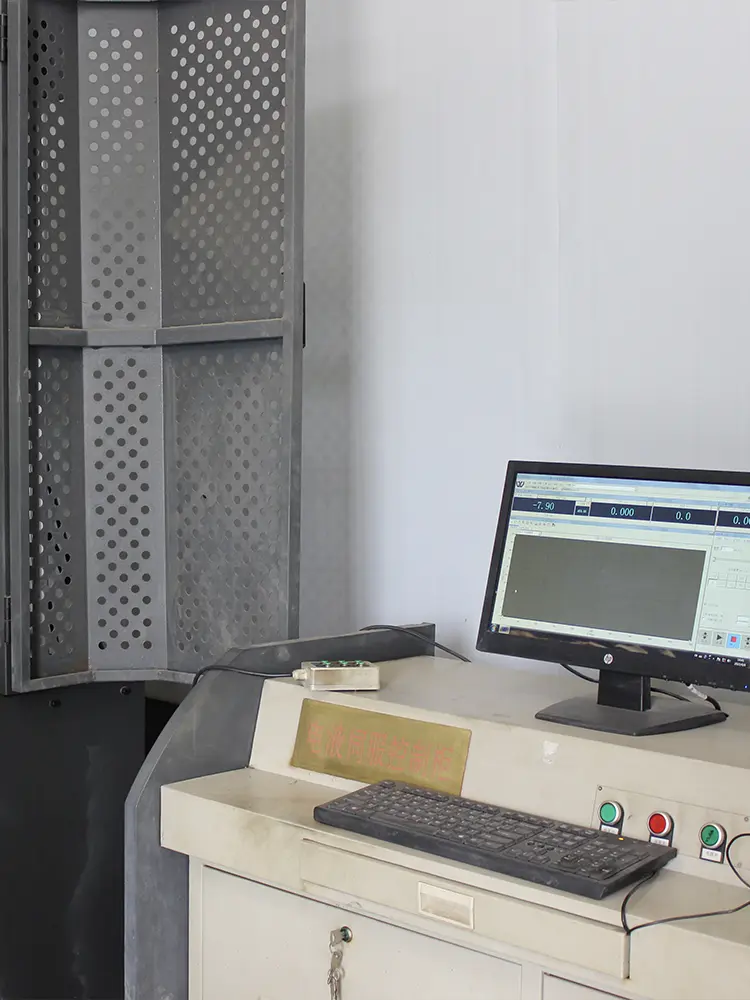
Electro-Hydraulic Servo Tester
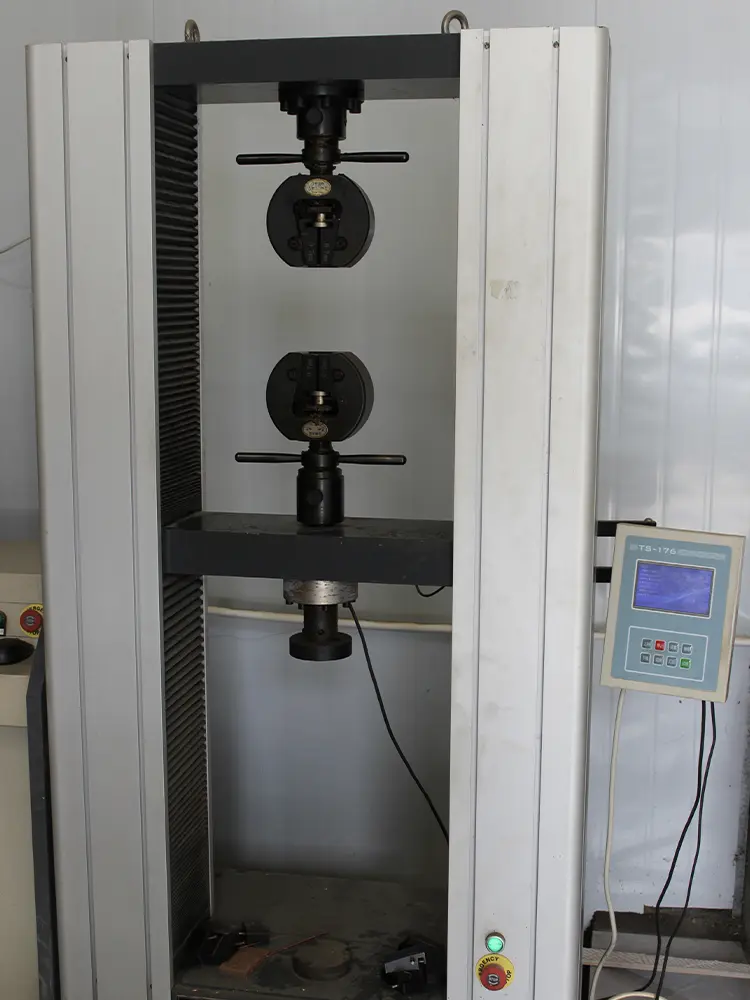
LCD Electronic Tester
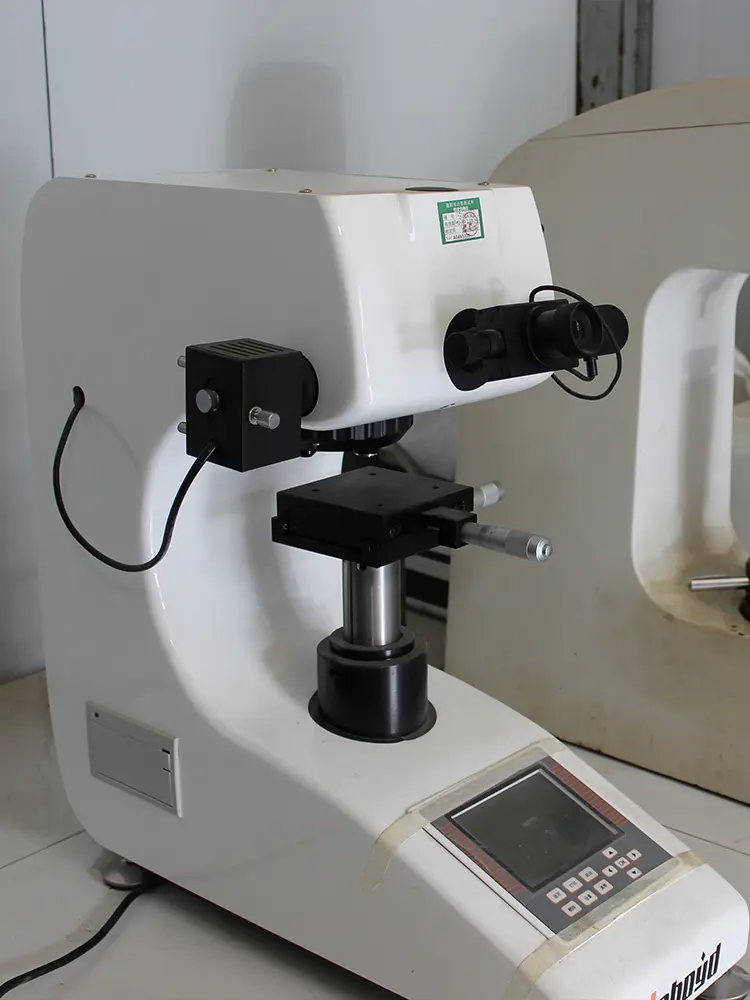
Hardness Tester
Providing industrial buyers with technical documentation, traceability, and environmental assurance.
Modern procurement groups must balance raw-material costs with strict compliance regimes. Regulations such as the EU RoHS Directive, REACH regulations, and US Safe Drinking Water Act (including California Proposition 65) impose strict limits on lead content in components. Kepai supports these mandates by manufacturing compliant low-lead and lead-free brass alloys.
Our chemical composition laboratories verify compliance for each manufactured batch. Each shipment is dispatched with detailed Material Test Reports (MTRs) and Mill Test Certificates, showing the exact percentage of copper, zinc, lead, and other trace elements. This ensures complete transparency, allowing you to trace components from the raw ingot to the final machined product.
Operating a global procurement model requires more than just high-quality materials; it requires reliable localized technical support and flexible supply options. Kepai coordinates closely with regional warehousing systems and shipping partners to offer Just-In-Time (JIT) delivery, reducing inventory holding costs for our customers.
Our engineering support team offers pre-sales consultation to assist with material selection, recommending the ideal temper, dimensions, and alloys for your specific machining parameters. By resolving potential machining challenges during the design phase, we help our clients minimize scrap rates and optimize their overall manufacturing efficiency.
From aerospace components to modern electric vehicles, see how Kepai's copper alloys perform across critical high-tech fields.
High-conductivity, easy-to-machine tellurium copper and oxygen-free copper are ideal for EV battery charging connectors, high-voltage terminals, and onboard busbars.
Beryllium copper and custom sulfur copper provide the elasticity, conductivity, and signal transmission reliability needed for RF coaxial connectors, micro-switches, and network base stations.
Superior thermal conductivity and machining accuracy make our oxygen-free copper and tellurium copper alloys the material of choice for high-durability plasma nozzles and laser welding tips.
Excellent contact resistance and cycle lifetimes are achieved using Kepai's dispersion-strengthened and high-purity copper alloys in high-frequency, heavy-load industrial switchgears.
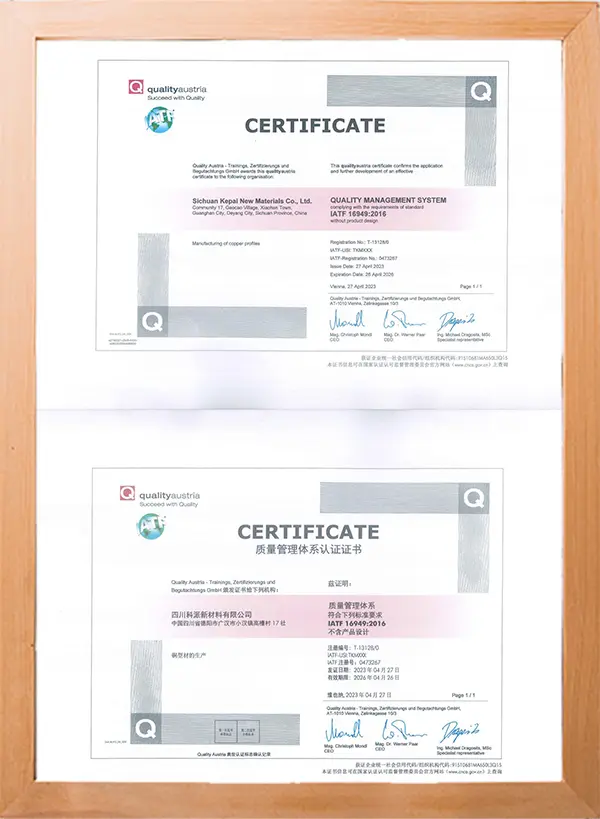
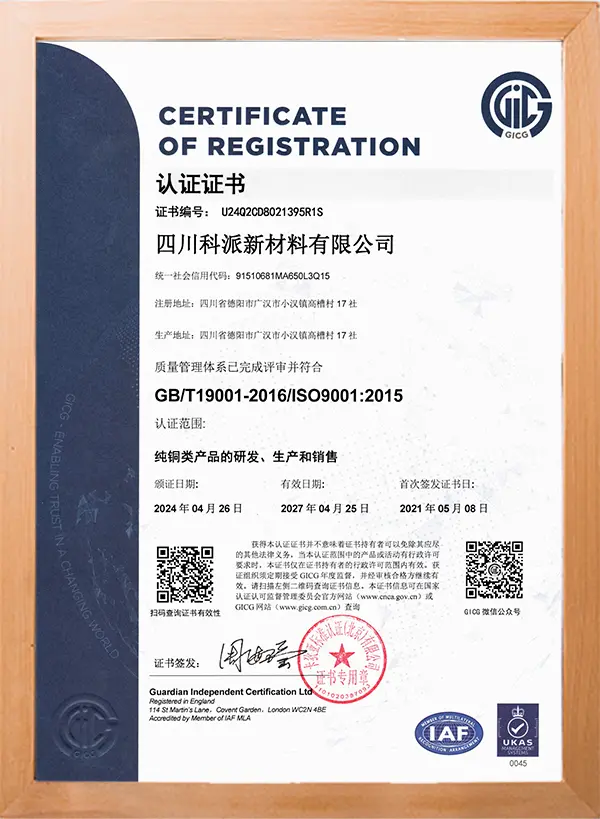
Our commitment to manufacturing consistency, customer satisfaction, and international standards is validated by regular third-party audits.
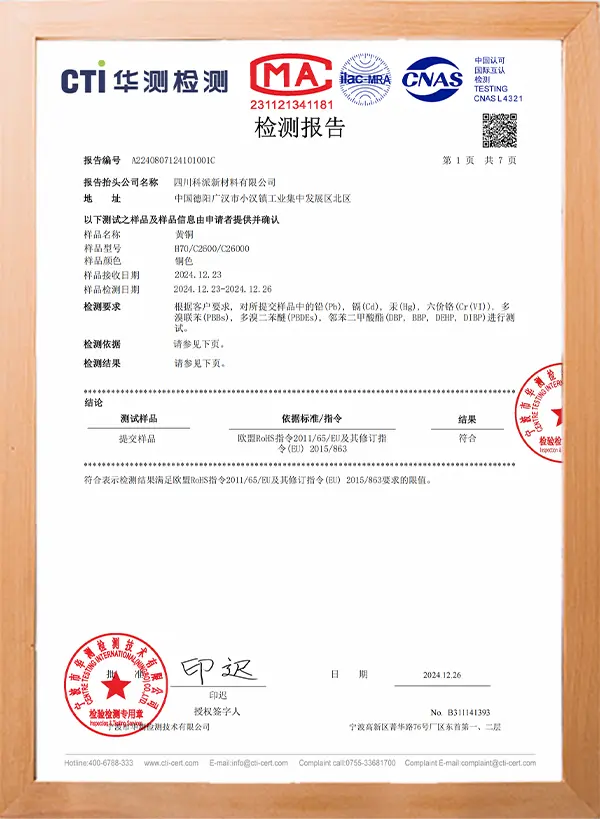
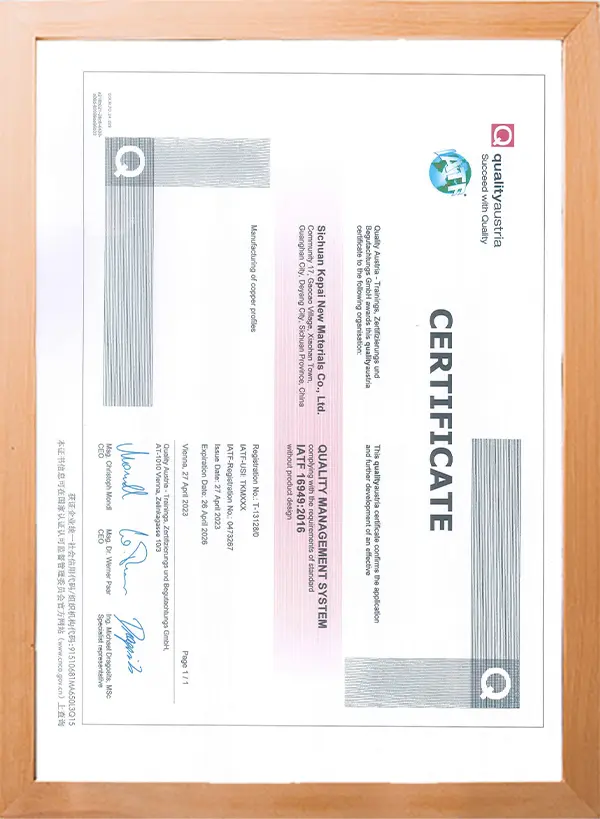
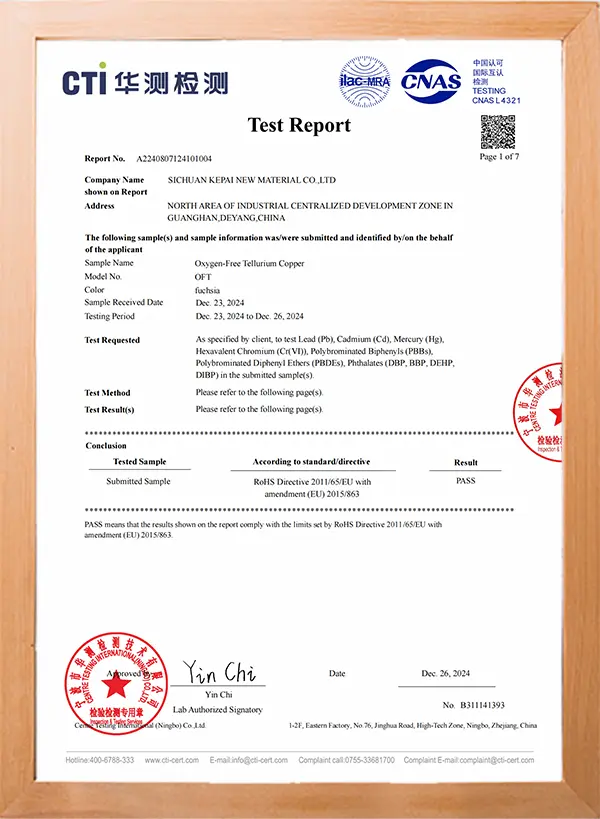
How regulatory landscapes, automation, and industrial technology are shaping the next generation of copper alloys.
Global environmental mandates continue to drive the development of lead-free brass formulations. In plumbing applications and drinkware manufacturing, standard leaded alloys like C36000 are increasingly replaced by bismuth-modified, sulfur-modified, or silicon-modified options. Bismuth forms small globules similar to lead, offering a comparable lubricating effect without the toxicity risk.
At Kepai, we continue to research alternative chip-breakers that optimize machining performance without compromising electrical or thermal conductivity. This ensures our clients are well-positioned to meet future updates to international environmental legislation.
As industrial automation systems and power transmission grids scale up, they require connectors that can handle higher currents and switching speeds without overheating. These applications demand specialized alloys that combine high yield strength, fatigue resistance, and electrical conductivity, such as chromium-zirconium copper and beryllium copper.
We work to optimize continuous casting processes, grain size refinement, and precise heat-treatment cycles. This attention to detail allows us to support developers working on next-generation energy storage platforms and high-speed aerospace connectors.
Common questions from procurement engineers and manufacturing managers regarding alloy properties, custom runs, and shipping.
High-durability and custom formulations designed for electrical, marine, and electronic systems.
Partner with Sichuan Kepai New Materials Co., Ltd. for reliable, high-performance copper and brass alloy supplies. Let's work together to drive industrial innovation.
 Kepai
Kepai