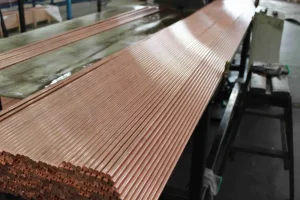
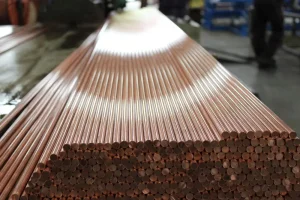
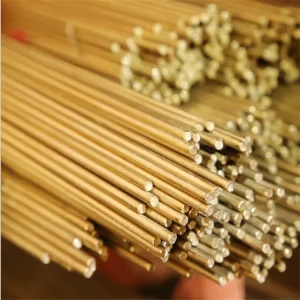
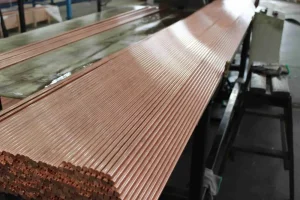
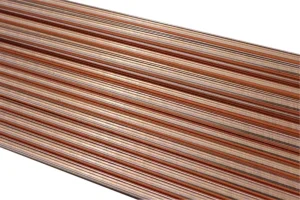
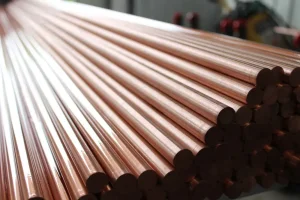
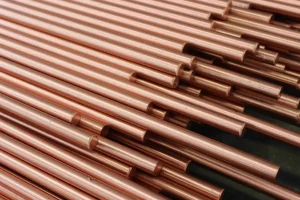
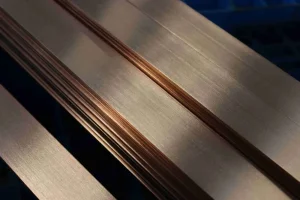
Premium raw materials engineered for electrical conductivity, mechanical reliability, and structural excellence.
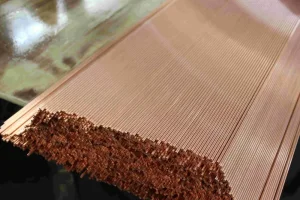
A trusted global manufacturer specializing in strategic high-conductivity and high-strength copper alloys.
C18150 (Chromium Zirconium Copper / CuCr1Zr) represents the pinnacle of precipitation-hardened copper-based metallurgy. Designed to bridge the historical gap between electrical conductivity and structural strength, this ternary alloy utilizes precise additions of chromium (Cr) and zirconium (Zr) to optimize its crystal lattice.
When sourced from a professional wholesale C18150 manufacturer, the alloy undergoes an intense thermal treatment process. This involves solution annealing at temperatures exceeding 900°C followed by a rapid water quench. This rapid cooling locks the alloying elements into a supersaturated solid solution. The subsequent aging process (typically between 450°C and 500°C) initiates the controlled precipitation of coherent Cr and Cu-Zr phase nanoparticles throughout the copper matrix. This precipitation hardening mechanism restricts dislocation movements, drastically elevating the alloy's mechanical threshold without significantly impeding the free movement of conduction electrons.
Information Gain Indicator: Unlike standard binary copper-chromium alloys (C18200), the addition of Zirconium in C18150 inhibits recrystallization grain growth at elevated operating temperatures. This creates a superior resistance to softening, making it the preferred choice for heavy-duty resistance welding electrodes and high-stress industrial applications.
For engineering teams designing high-reliability systems, understanding the precise parameters of C18150 is critical. The physical and mechanical properties vary depending on the tempering process (typically H04 hard or fully aged). The table below outlines the core parameters required for stress analysis and design compliance:
| Mechanical/Physical Property | Metric Value | Imperial Value |
|---|---|---|
| Ultimate Tensile Strength (Typical) | 450 - 540 MPa | 65 - 78 ksi |
| Yield Strength (0.2% Offset) | 380 - 470 MPa | 55 - 68 ksi |
| Elongation at Break (in 50mm) | 15% - 25% | 15% - 25% |
| Hardness (Rockwell B) | 75 - 83 HRB | 75 - 83 HRB |
| Electrical Conductivity (Aged) | ≥ 46.4 MS/m | ≥ 80% IACS |
| Thermal Conductivity (20°C) | 320 - 350 W/m·K | 185 - 202 Btu/ft²/ft/hr/°F |
| Softening Temperature | 525°C | 977°F |
| Elastic Modulus (Tension) | 117 GPa | 17,000 ksi |
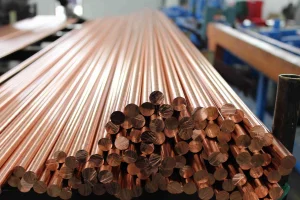
Across Europe, North America, and East Asia, procurement patterns for C18150 have shifted dramatically. The rise of Electric Vehicles (EVs) has created an unprecedented demand for robust resistance welding consumables. Automakers require C18150 cap electrodes that can withstand thousands of high-pressure spot welds on steel sheets without deformation (known as "mushrooming"). Wholesale buyers prioritize suppliers that can guarantee consistent material density, zero internal porosity, and uniform hardness profiles across continuous extruded rods.
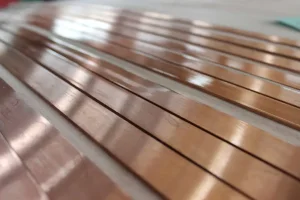
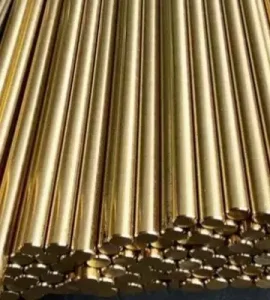
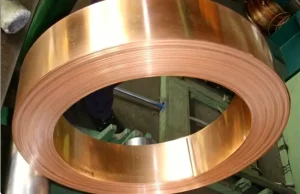
Additionally, global industrial operations require compliant raw materials. With tightening environmental policies regarding heavy metals, C18150 serves as a high-performance, beryllium-free alternative. Procurement directors look for manufacturers capable of supplying custom shapes—such as rectangular bars, hexagonal rods, seamless tubes, and plates—reducing local machining labor costs and minimizing scrap generation.
Sichuan Kepai New Material Co., Ltd. implements an integrated vertical production pipeline that addresses macro-level industrial challenges:
As technology advances, the boundaries of C18150 continue to expand. The metallurgical roadmap focuses on three main developments:
1. Micro-alloying Refinement: Developing ultra-pure smelting techniques that minimize trace oxygen and sulfur content. Keeping impurities under 100ppm increases conductivity towards 85% IACS while maintaining peak tensile values.
2. Additive Manufacturing (AM) Integration: Adapting C18150 for 3D printing applications. Laser powder bed fusion (LPBF) using spherical C18150 powder enables complex cooling channel architectures in rocket engines and injection molds that were previously impossible to machine.
3. Advanced Mechanical Testing: Integrating continuous ultrasonic and eddy current testing to guarantee internal structural integrity for critical aerospace and defense systems.
Sichuan Kepai New Materials Co., Ltd. integrates research, development, production, and sales. Located in the Guanghan Industrial Development Zone, we focus on providing high-performance, easy-to-machine, and eco-friendly copper alloys.
Our strategic layout targets high-tech fields like new energy vehicles, 5G technology, plasma/laser cutting, and lithium battery relays.
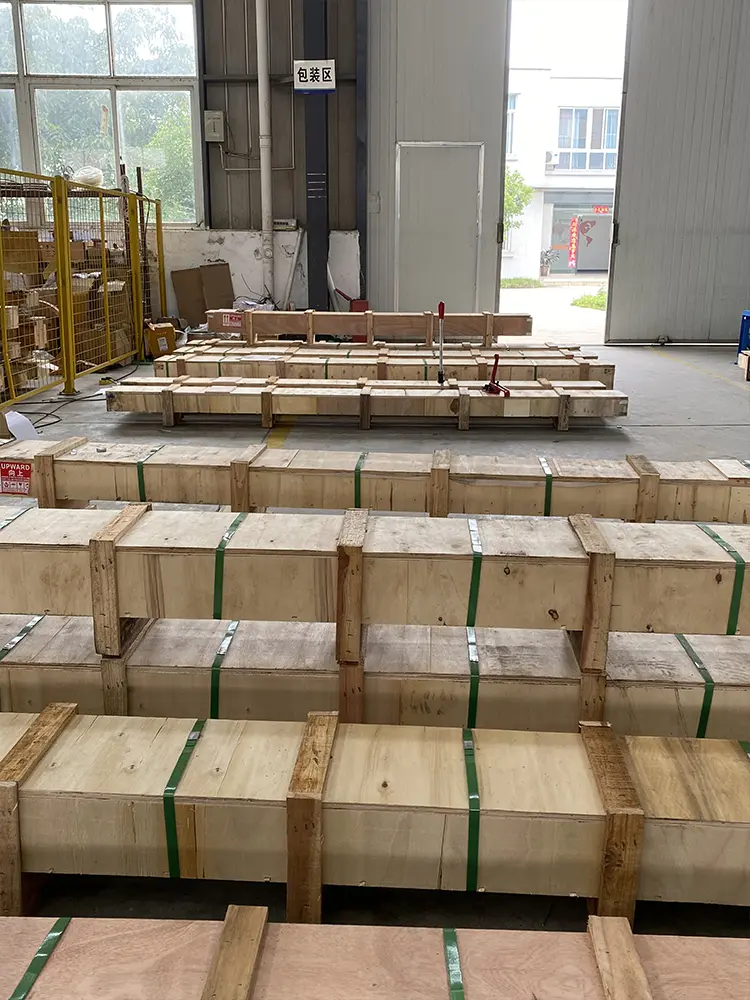
With custom packaging, anti-corrosion barrier wraps, and international shipping protocols, we ensure our copper alloys arrive at your facility oxidation-free and ready for production.
Our C18150 is fully compliant with RoHS and REACH regulations. We provide certified mill test reports detailing exact chemical composition percentages and physical performance parameters with every shipment.
A look at our specialized manufacturing processes, corporate culture, and technical capabilities.
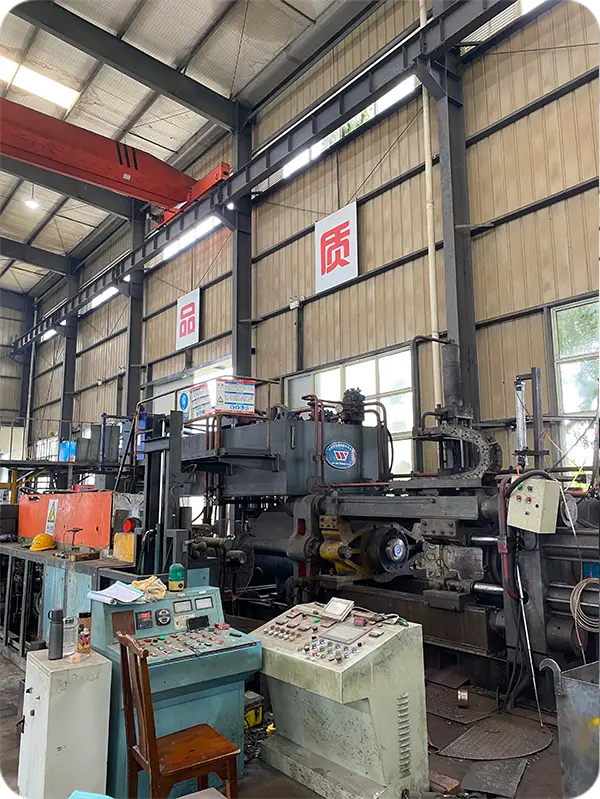
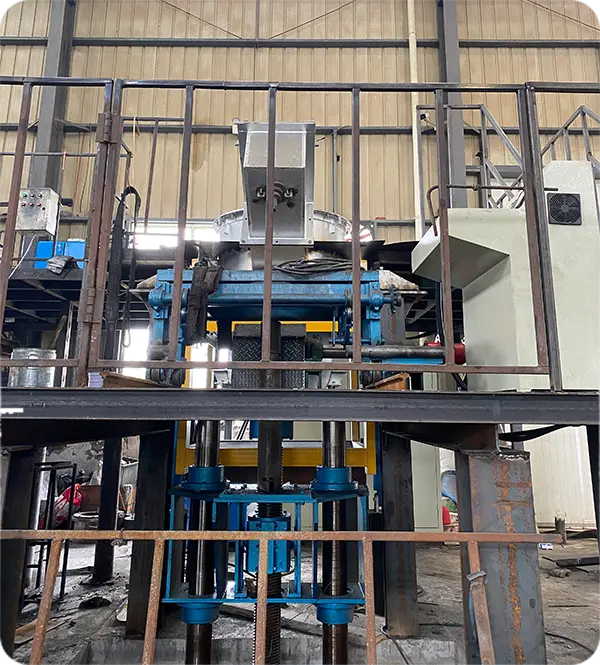
Technological innovation is our core competitiveness. Our research and development team includes senior industry experts who keep pace with international cutting-edge technology trends, continuously exploring the limits of copper alloy metallurgy.
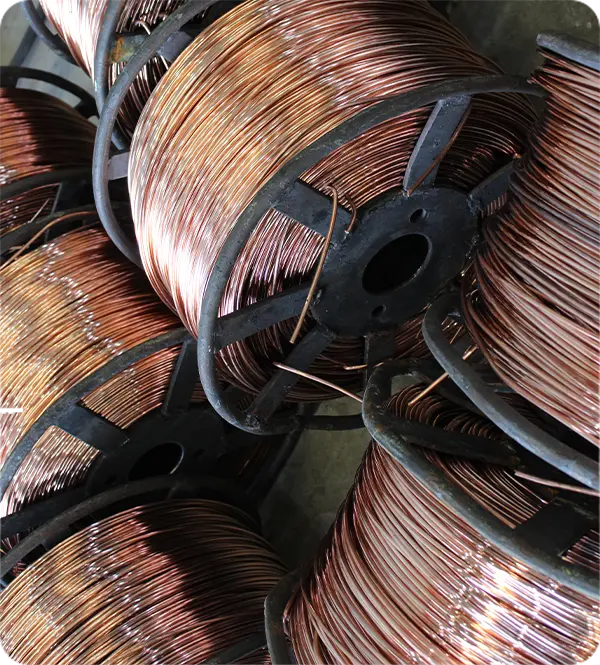
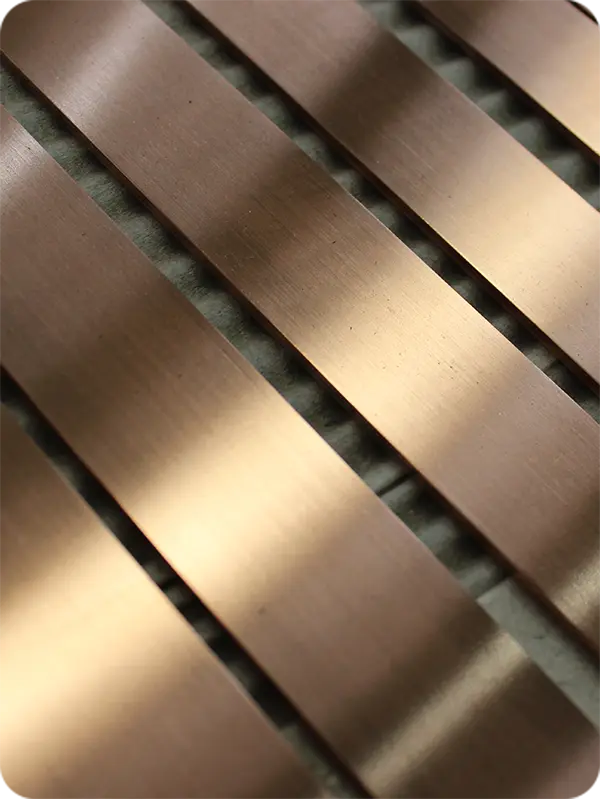
Our product line is rich and diverse, covering a comprehensive range of solutions. We focus on providing high-performance, high-quality copper alloy products, including pure copper, oxygen-free copper, oxygen-free tellurium copper, and chromium zirconium copper.

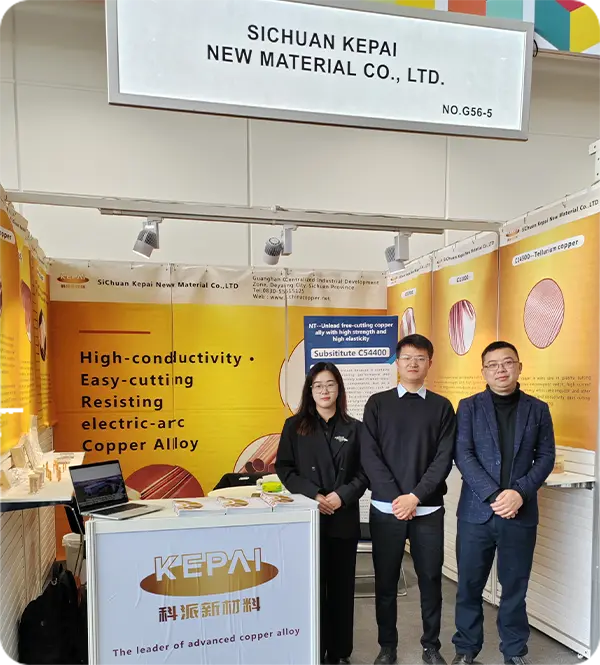
Adhering to the strategy of "rooted in Sichuan, radiating nationwide, and moving towards the world," we have established a stable customer base across multiple provinces and formed long-term partnerships with several internationally renowned enterprises.
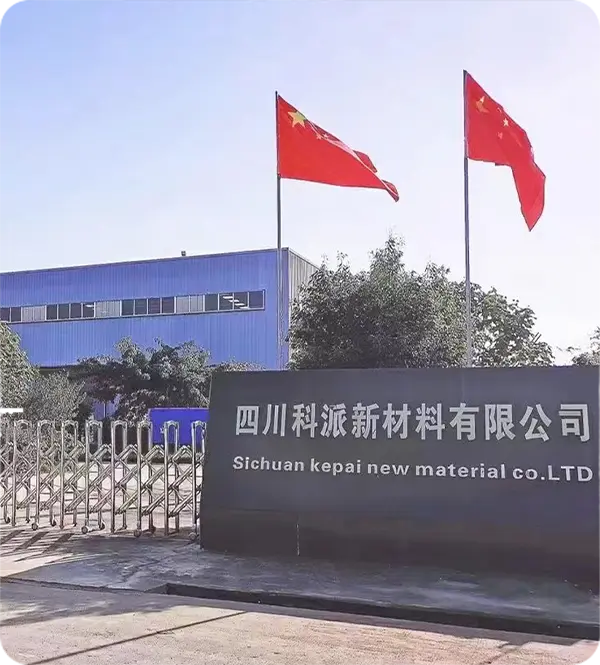
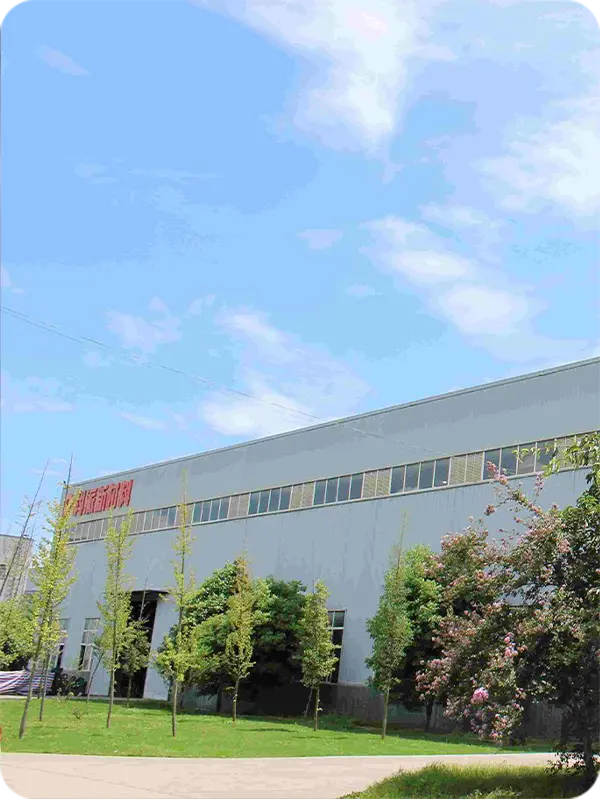
We advocate the corporate spirit of "integrity, innovation, collaboration, and win-win." We emphasize teamwork and talent cultivation, striving to create a harmonious and inclusive work atmosphere to build long-term value for our clients.
Our commitment to rigorous international standards is backed by formal, verifiable credentials.
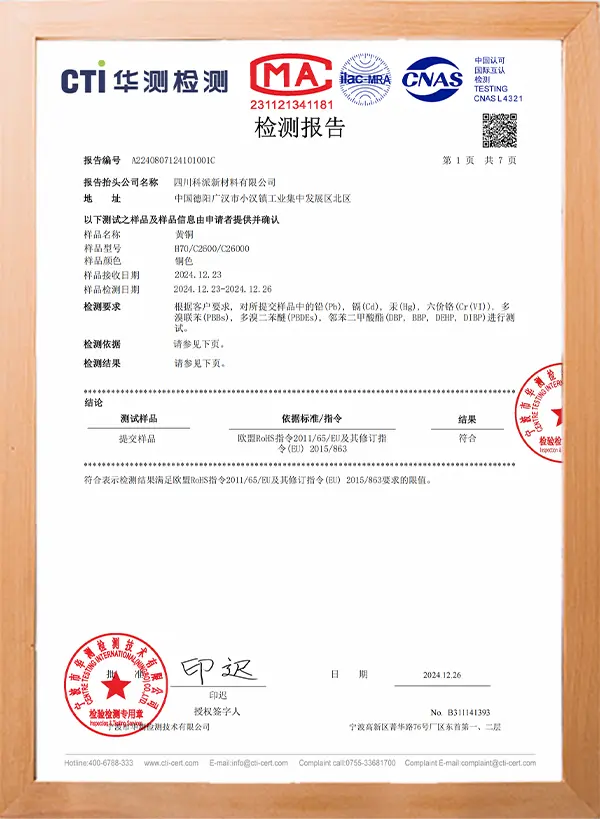
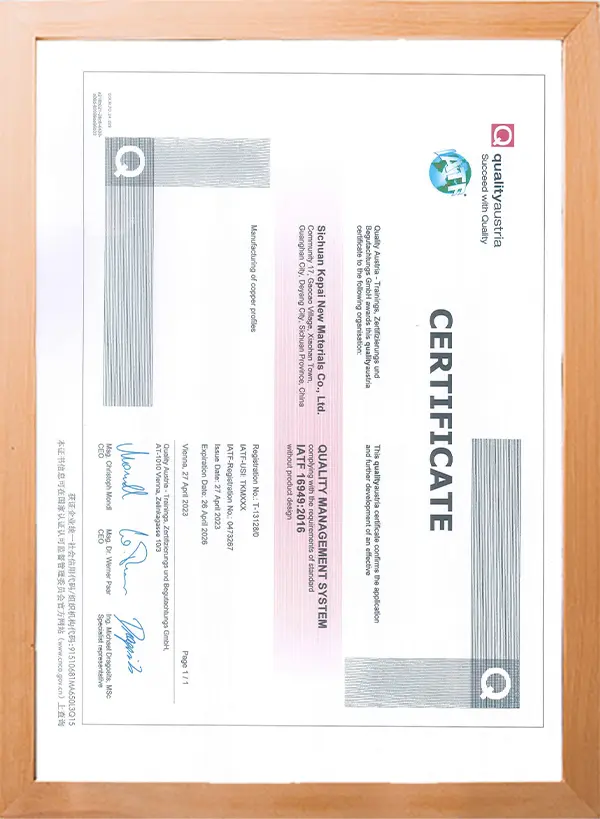
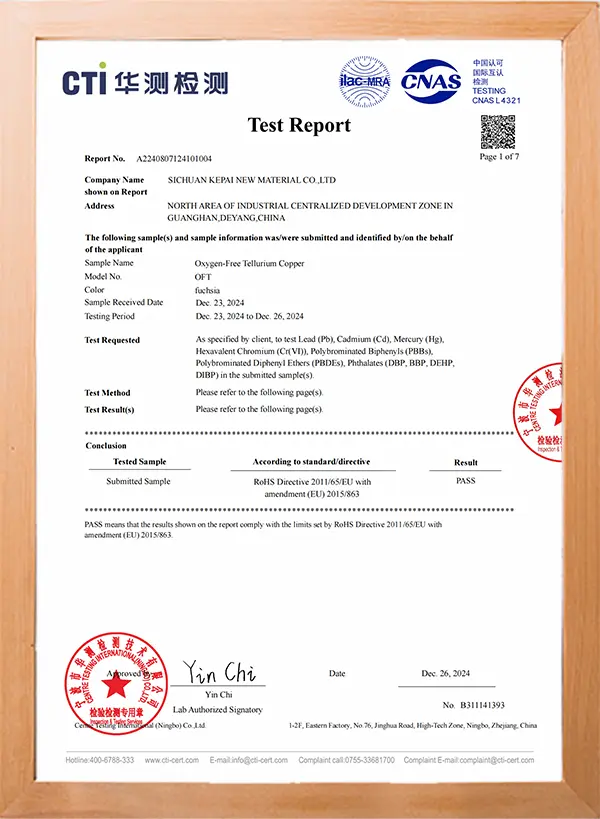
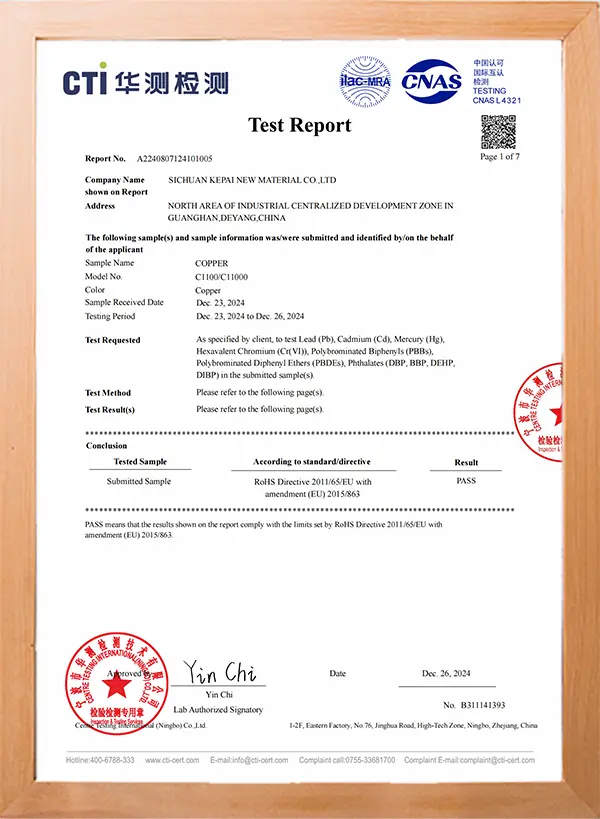
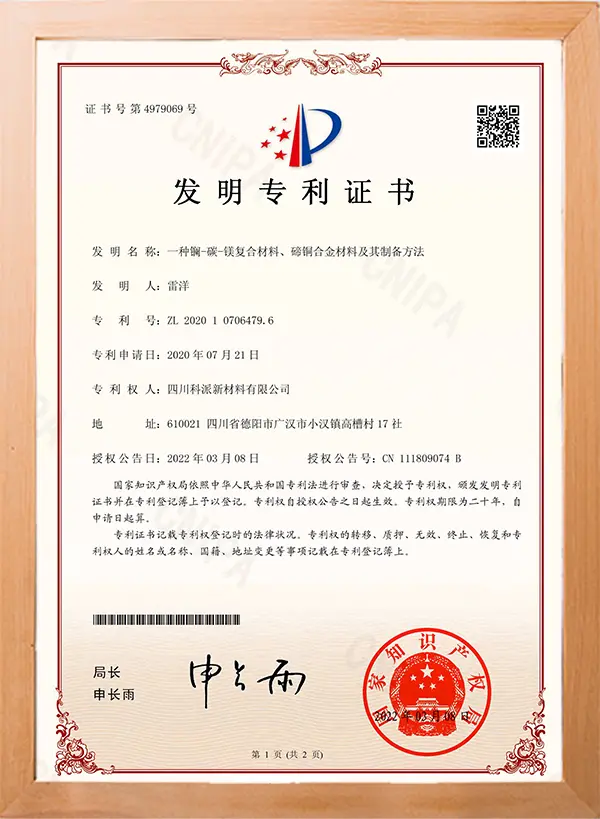
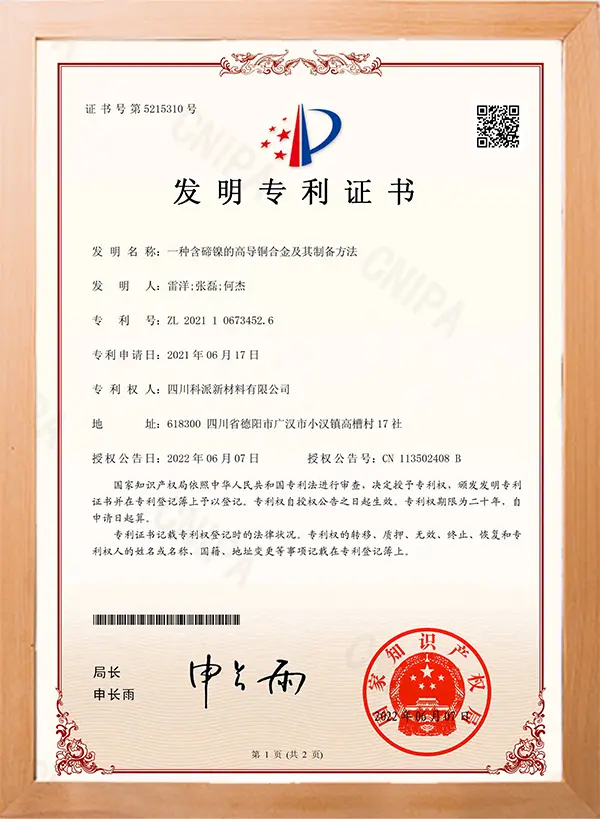
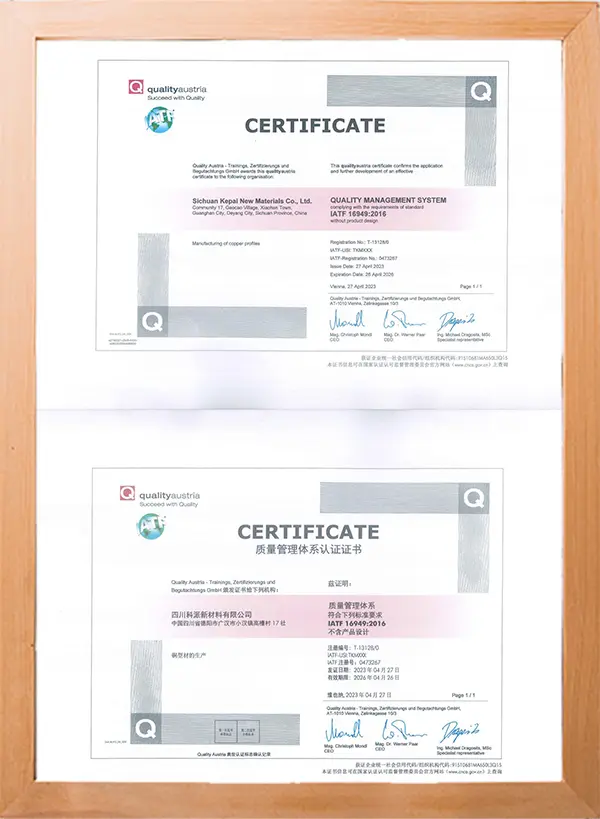
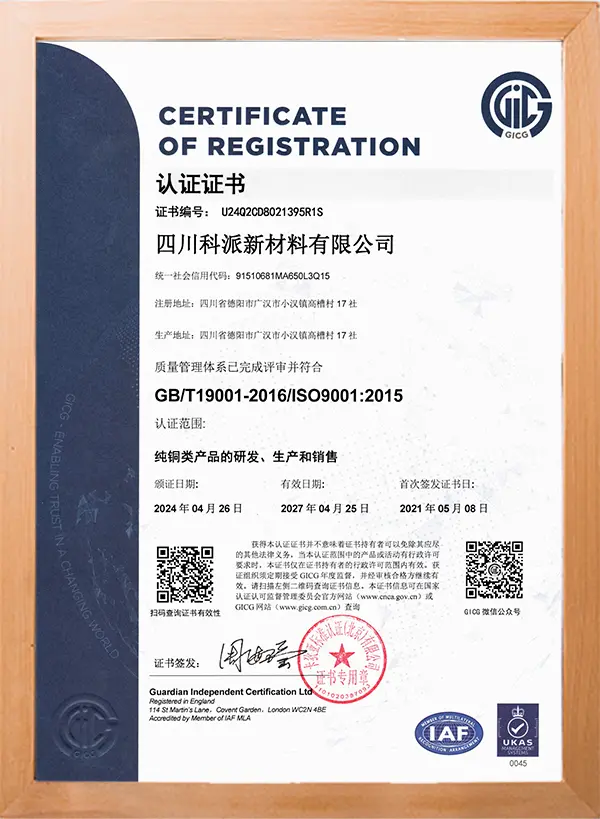
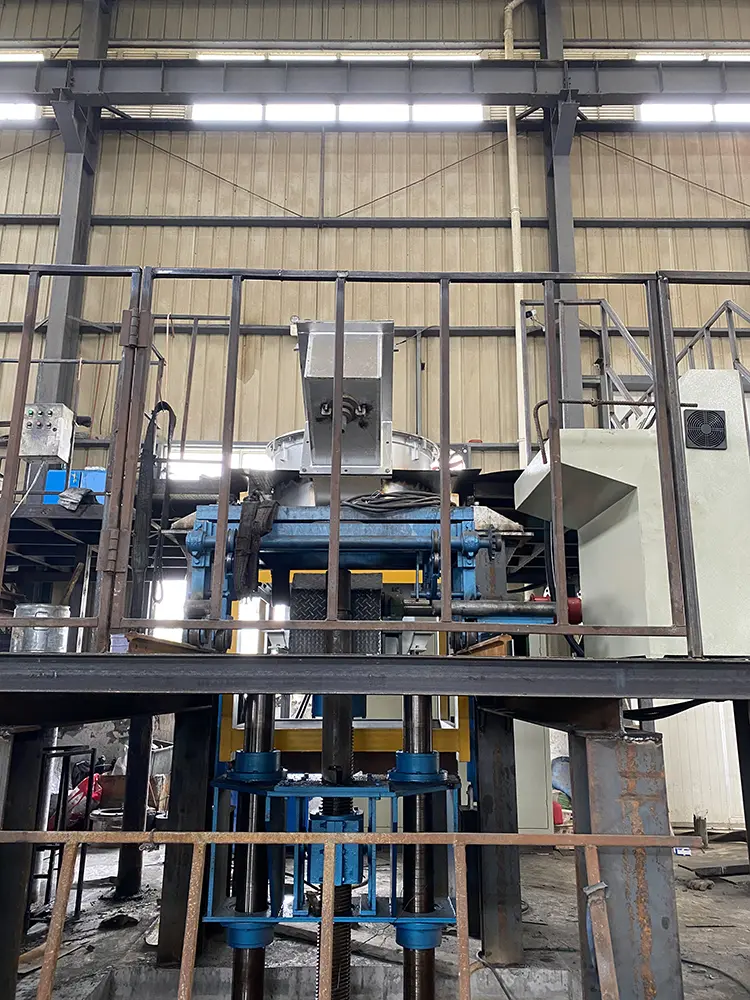
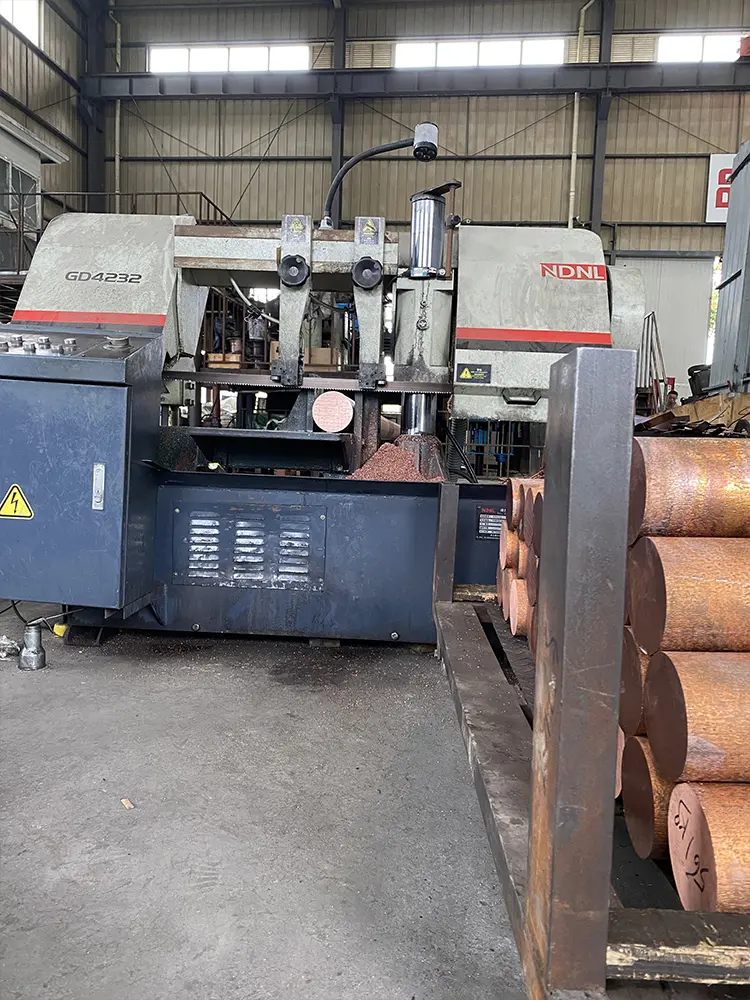
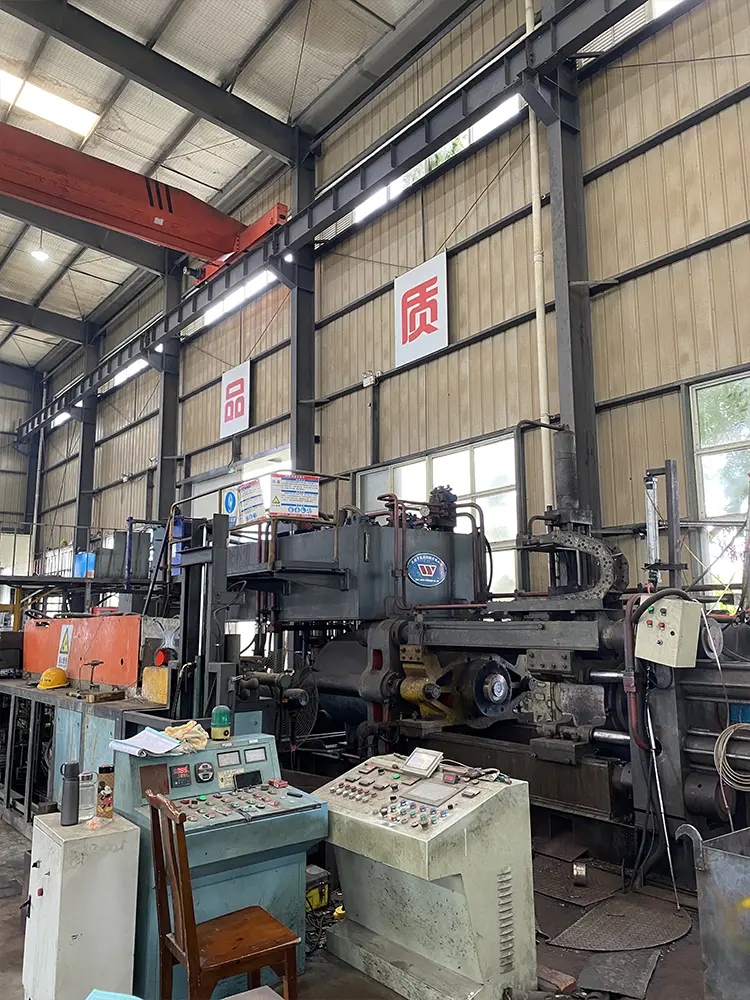
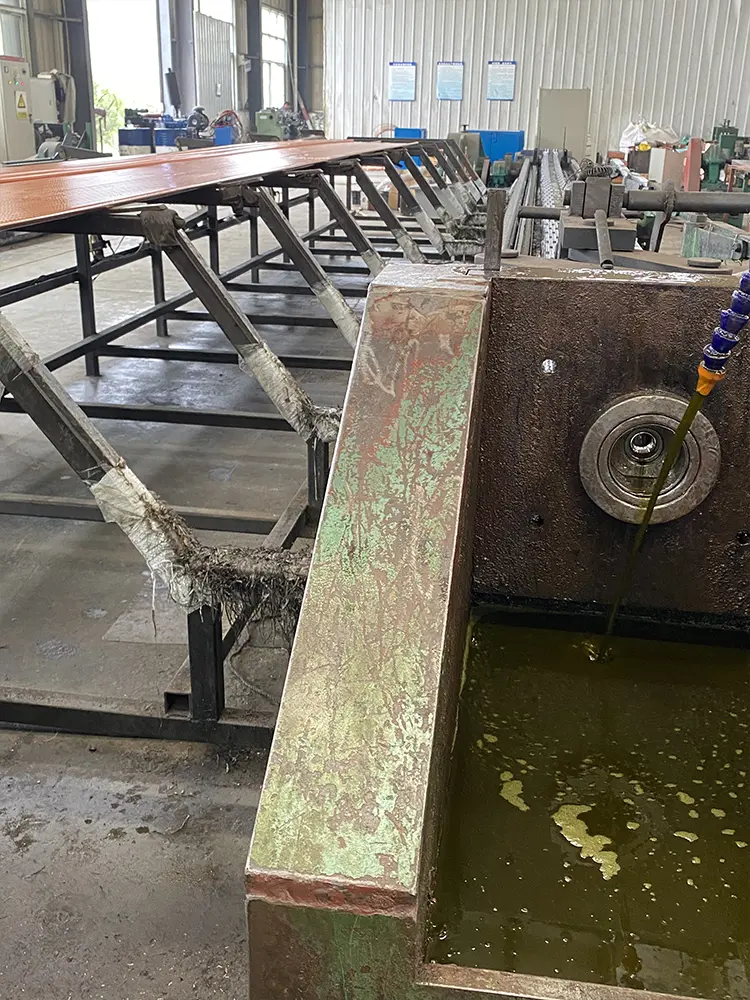
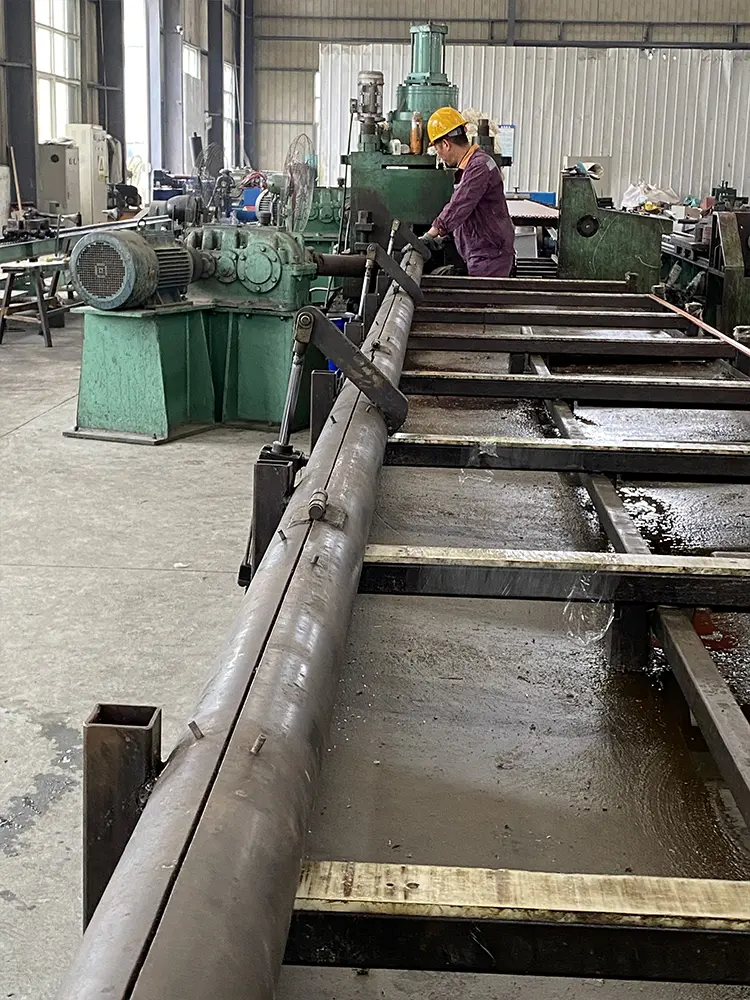
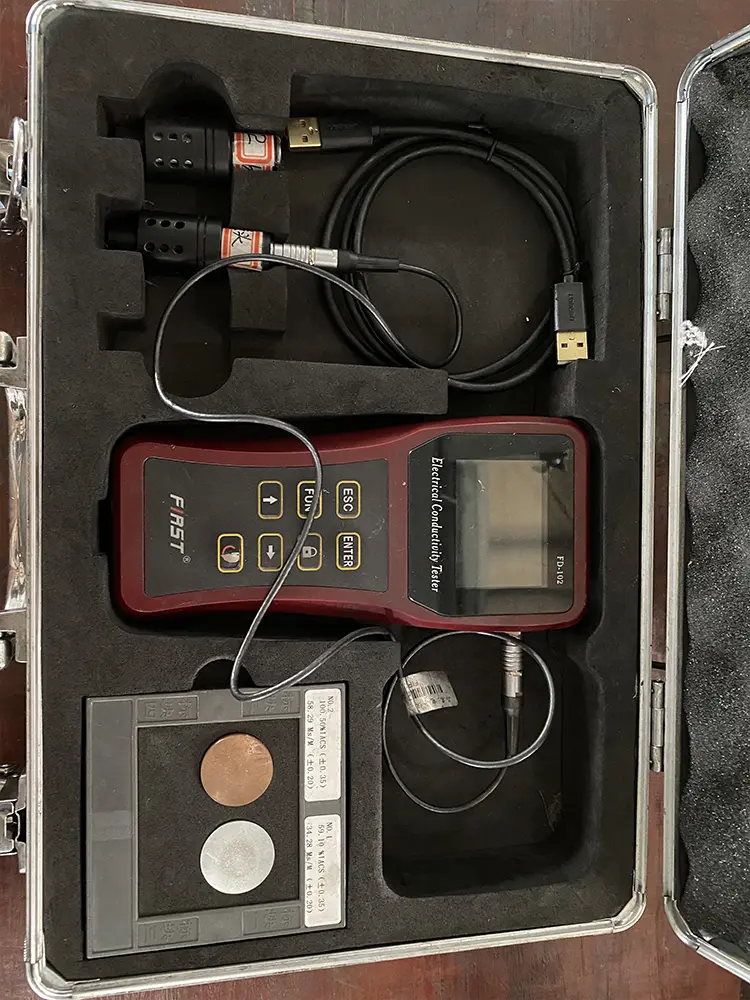
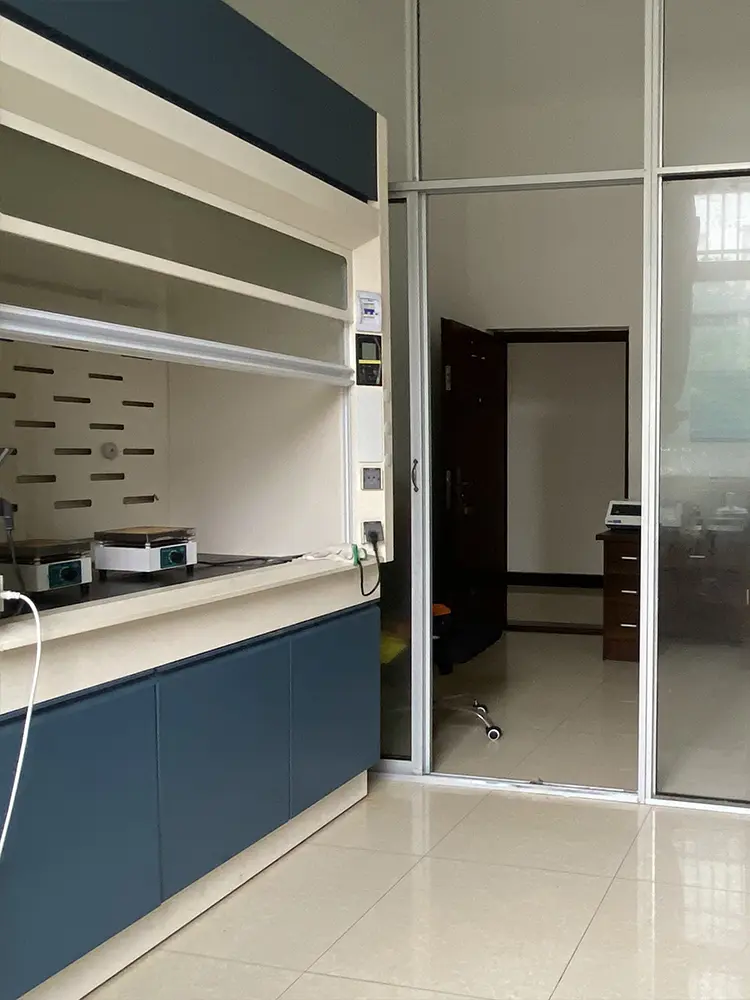
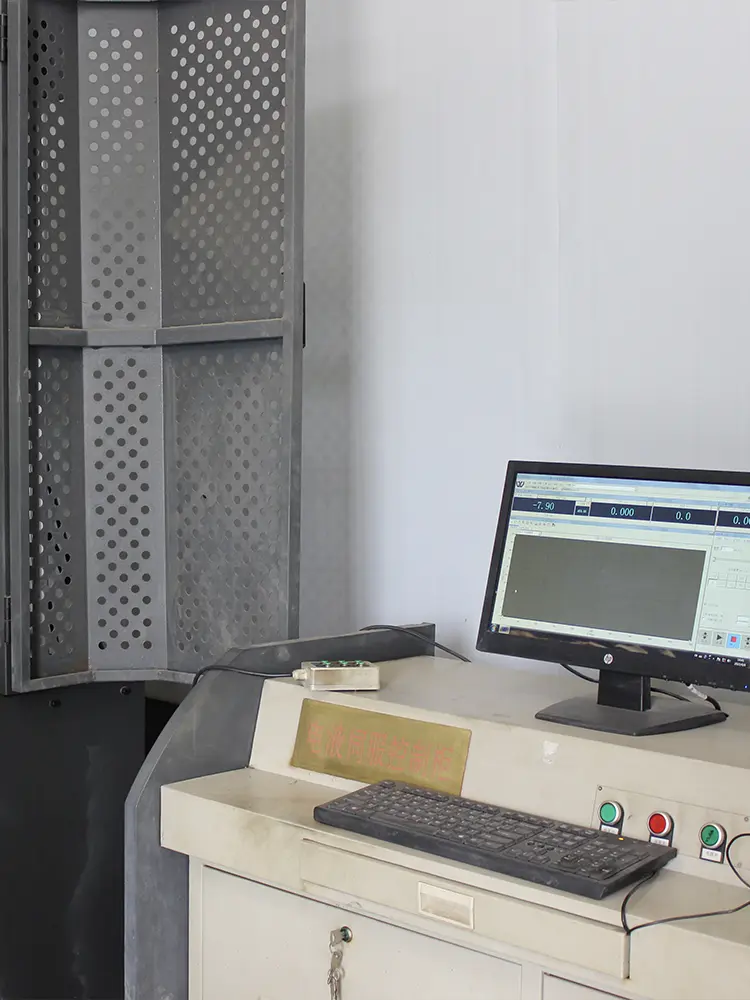
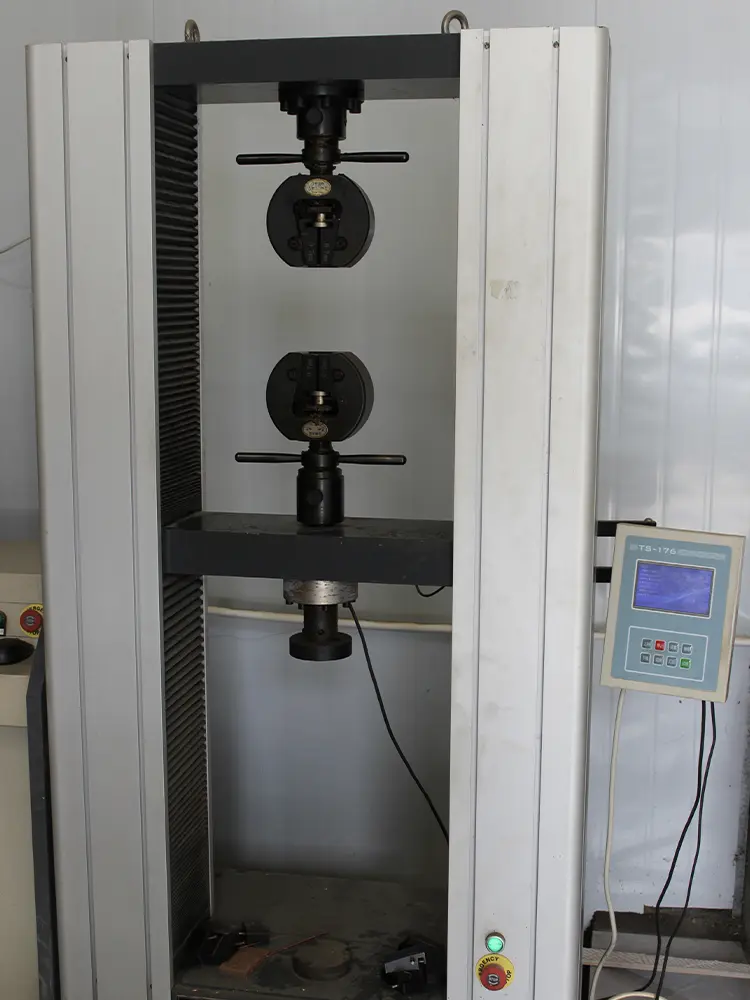
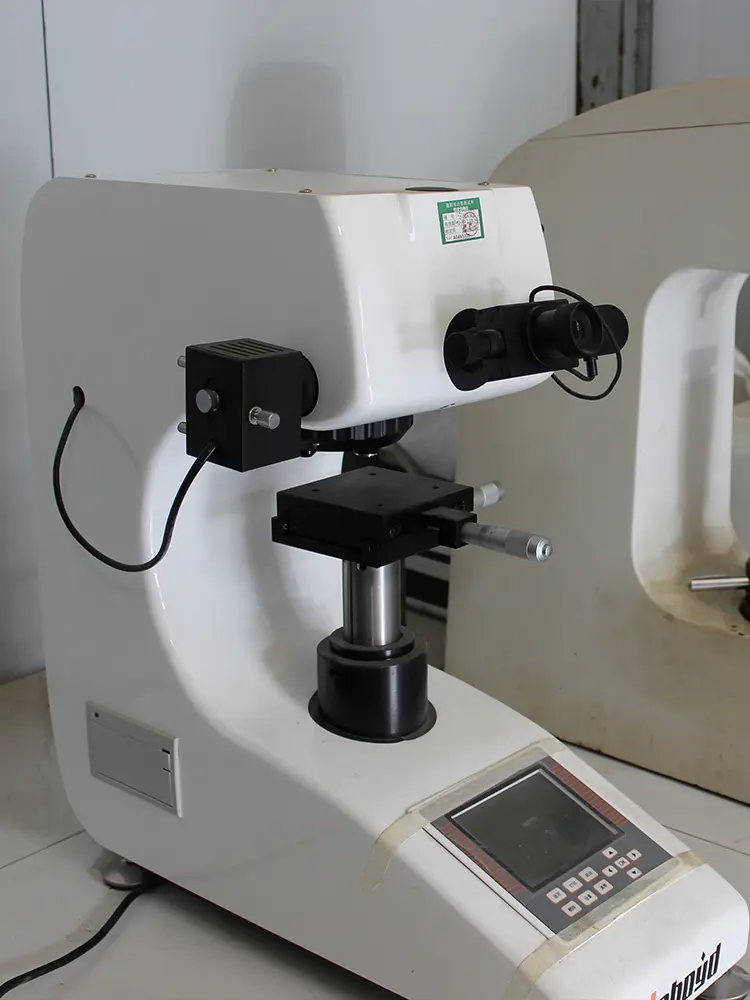
From melting and extrusion to physical and chemical testing, our facilities maintain strict quality control at every stage.

In-depth responses to key engineering and procurement queries regarding C18150 alloys.
Premium solutions designed for demanding industrial operations worldwide.
Looking ahead, Sichuan Kepai New Materials Co., Ltd. continues to focus on research and application in the field of new copper alloys. We look forward to working together with global partners to create high-conductivity, high-strength industrial solutions.
 Kepai
Kepai