 Kepai
Kepai
Specialized Copper-Zinc (Brass) & High-Performance Alloys in Modern Engineering
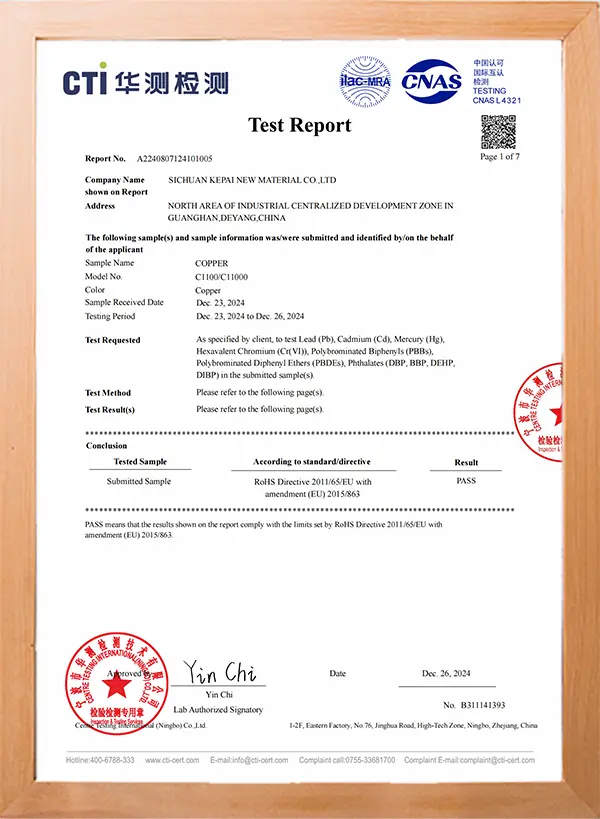
In the matrix of modern metallurgy, Copper-Zinc (brass) alloys serve as a cornerstone of structural reliability and conductivity. Yet, the demands of the 21st century extend far beyond standard commercial grade formulations. Today's high-tech sectors demand customized compositions of copper combined with zinc, tellurium, beryllium, sulfur, and lead to optimize machining capabilities, electric conductivity, and corrosion resistance.
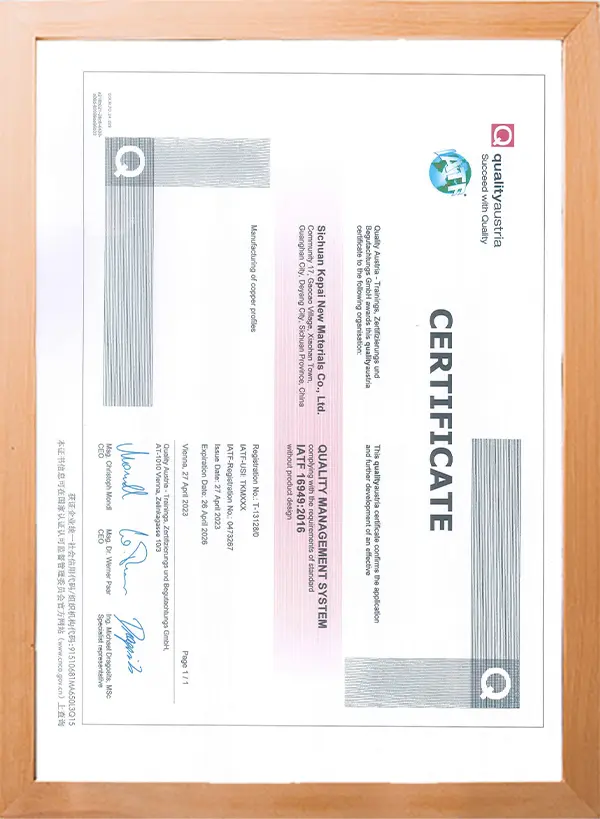
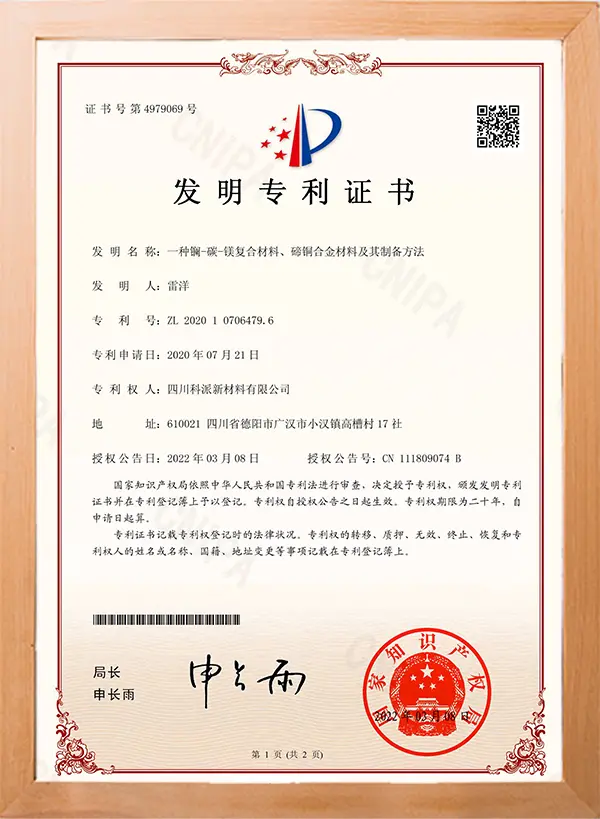
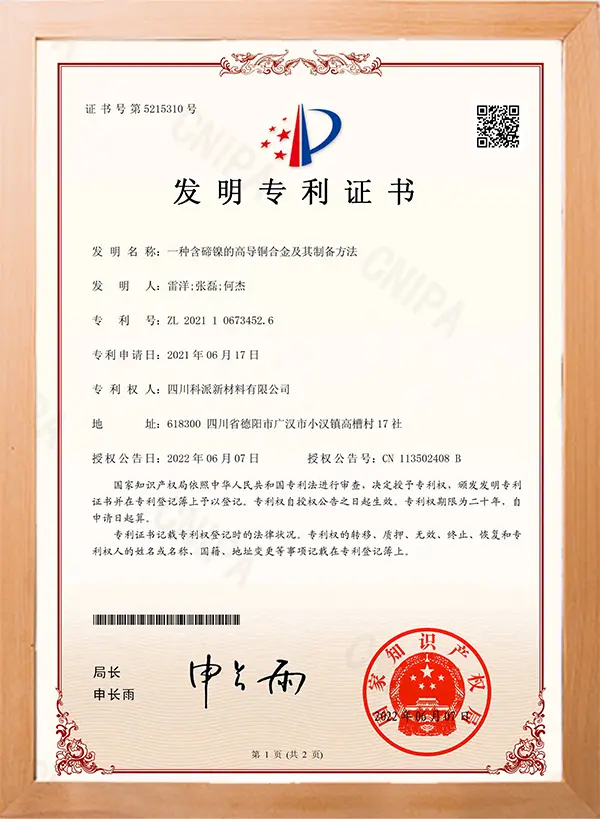
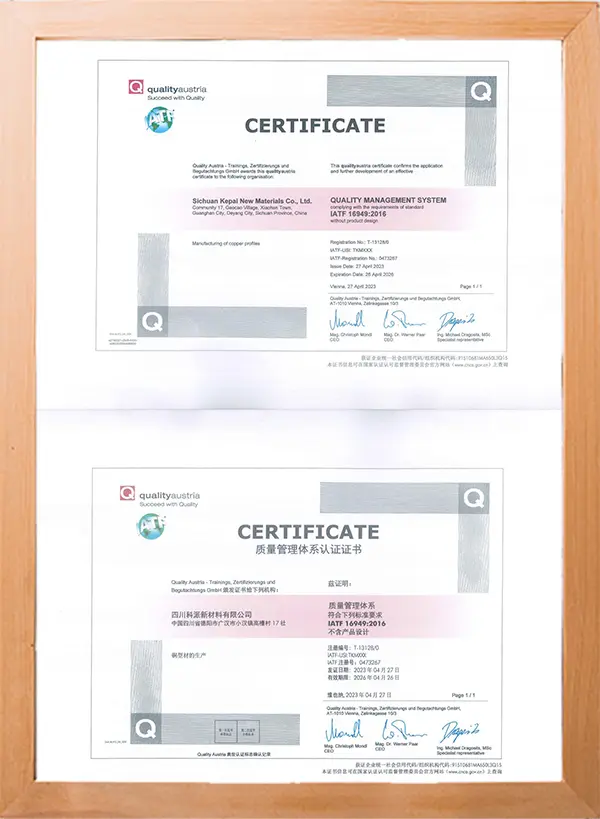
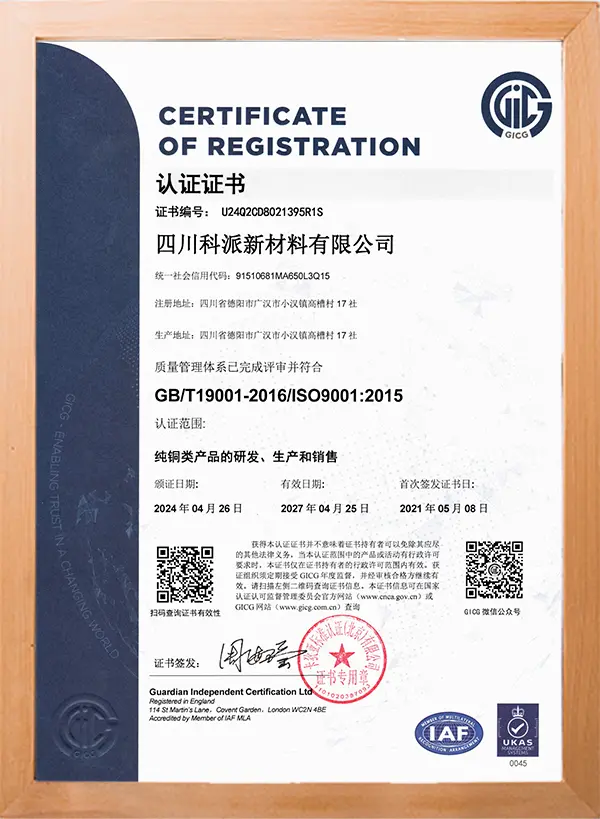
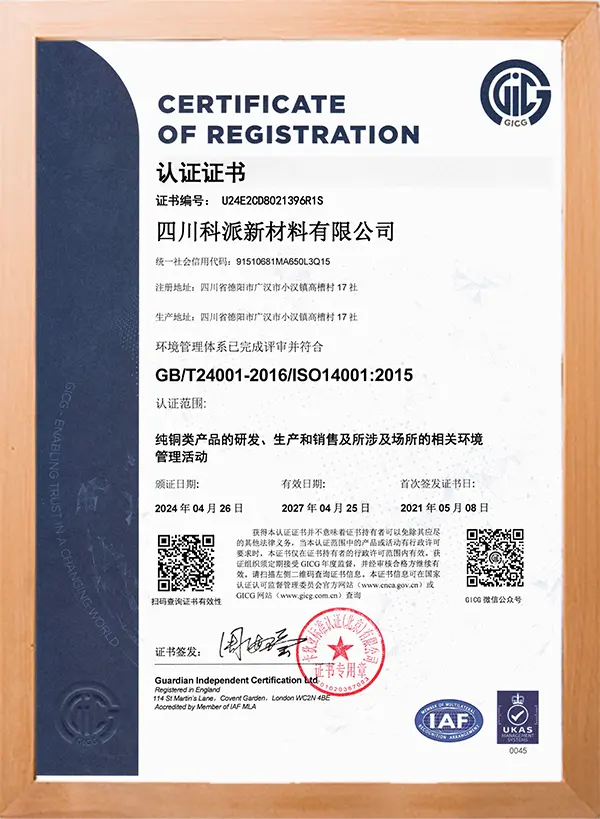
As leading global exporters, companies must bridge the gap between simple materials sourcing and advanced engineering consulting.四川科派新材料股份有限公司 (Sichuan Kepai New Materials Co., Ltd.) has positioned itself at this nexus, manufacturing strategic emerging materials that support critical global industries—from electric vehicle charging infrastructure to the hyper-precise demands of aerospace signal transmission.
Global Industrial Trends: The Push for Next-Gen Alloys
The transition toward green electrification is the single largest driver of special copper and copper-zinc alloy demand globally. Standard brasses, while affordable and simple to process, often suffer from lower electrical conductivity. High-conductivity options like oxygen-free tellurium copper, dispersion-strengthened copper, and high-purity brasses are replacing standard components in:
- New Energy Vehicles (NEVs): High-voltage connector pins, power relays, and busbars require materials that can handle extreme current densities without thermal breakdown.
- 5G & Telecommunications: Coaxial connectors and RF pins need high conductivity and perfect mechanical stability under continuous stress.
- Laser and Plasma Cutting: Contact tips require thermal conductivity levels that prolong the consumable life in heavy industrial cutting scenarios.
China Factory 4.0: Supply Chain Resilience & Cost Optimization
In an era defined by global logistical uncertainties, procurement teams prioritize manufacturing facilities that exhibit deep supply chain integration. The implementation of Factory 4.0 protocols at Sichuan Kepai's facilities translates directly into customer value:
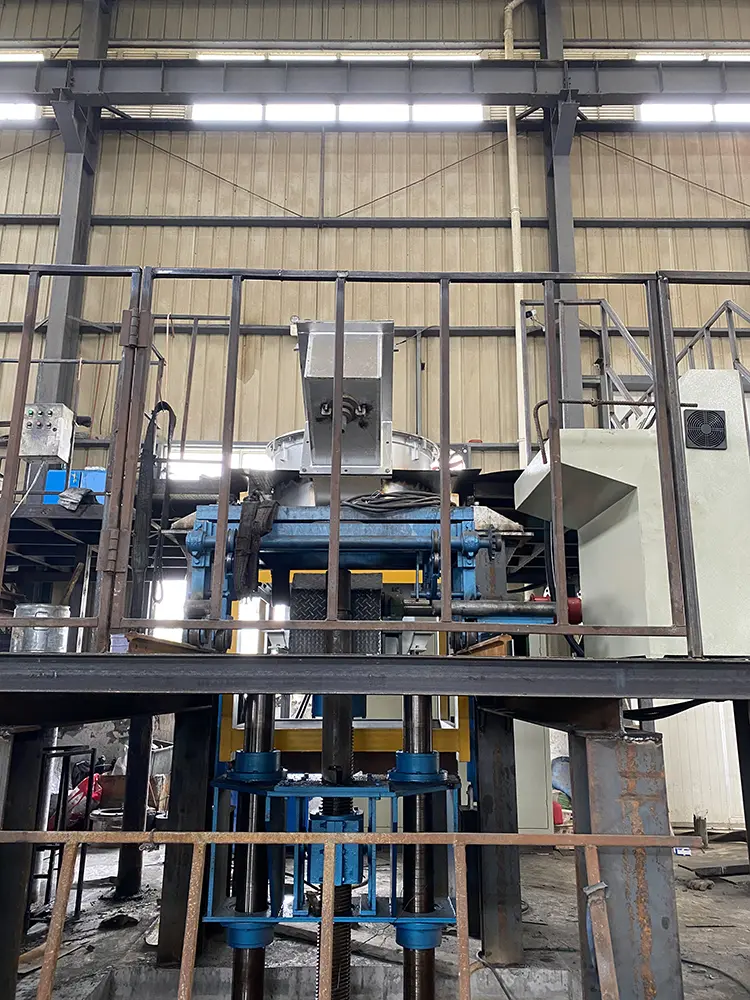
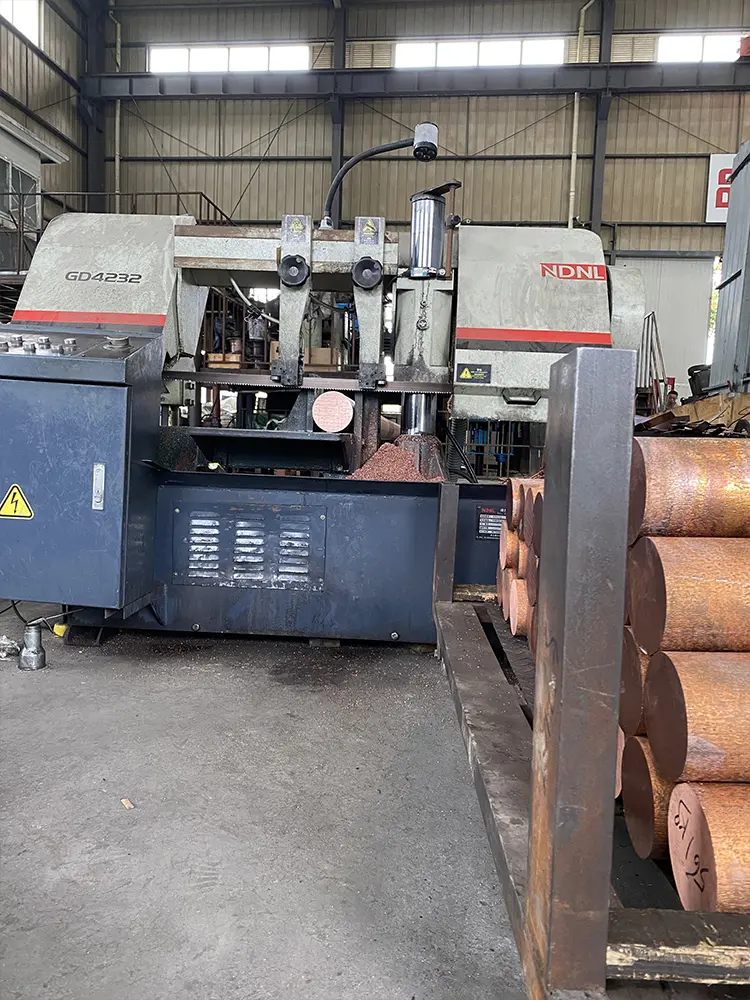
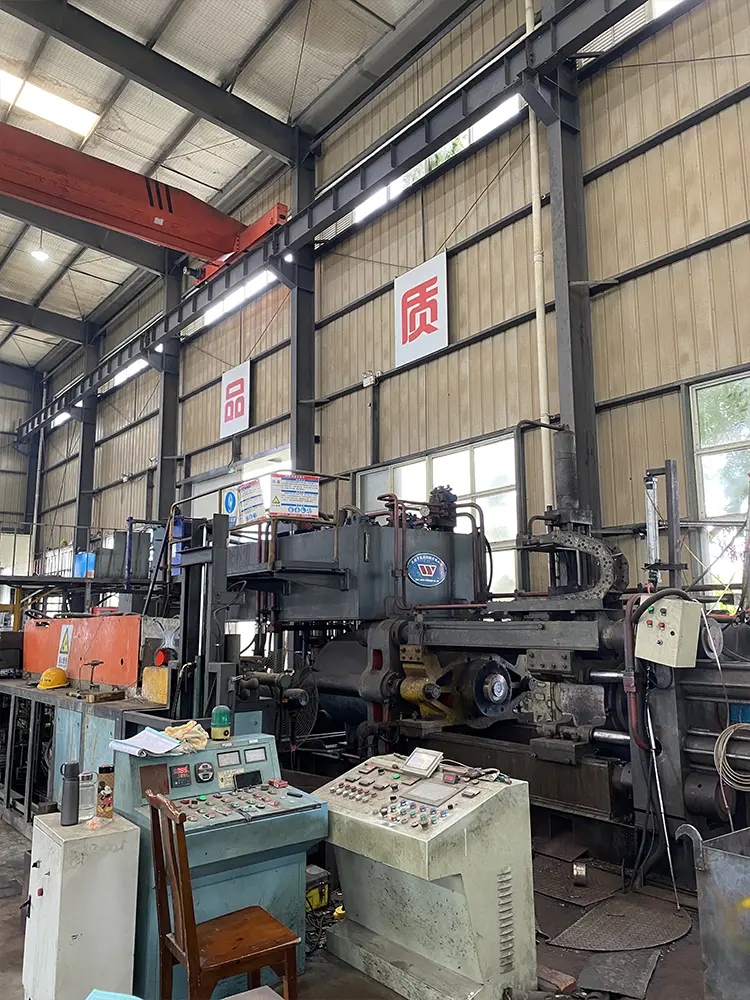
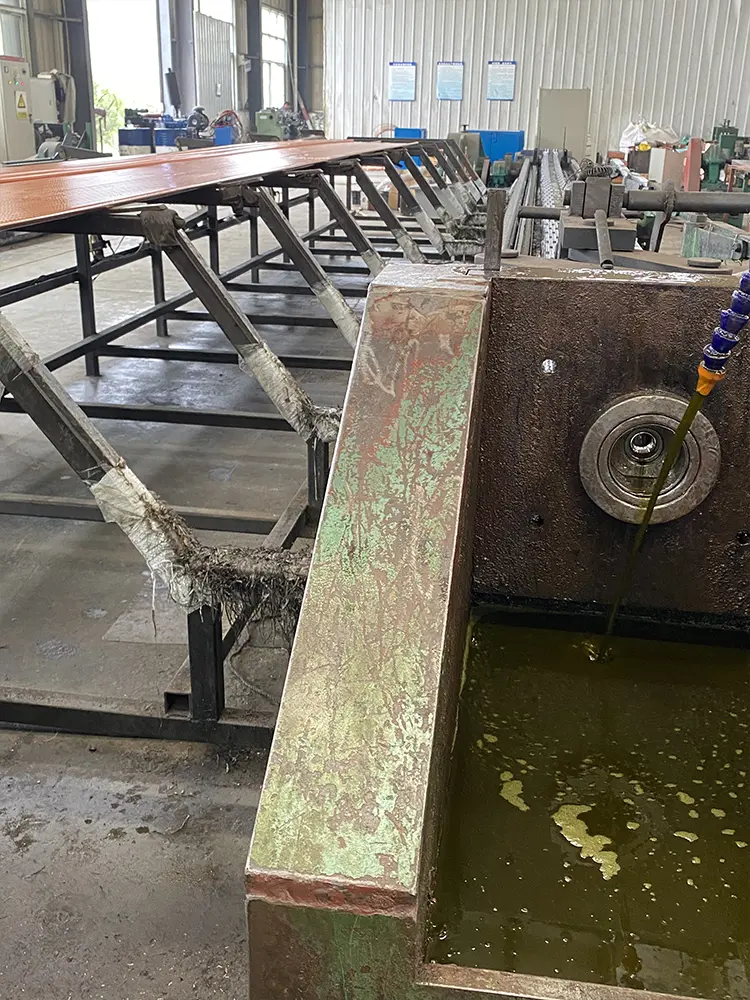
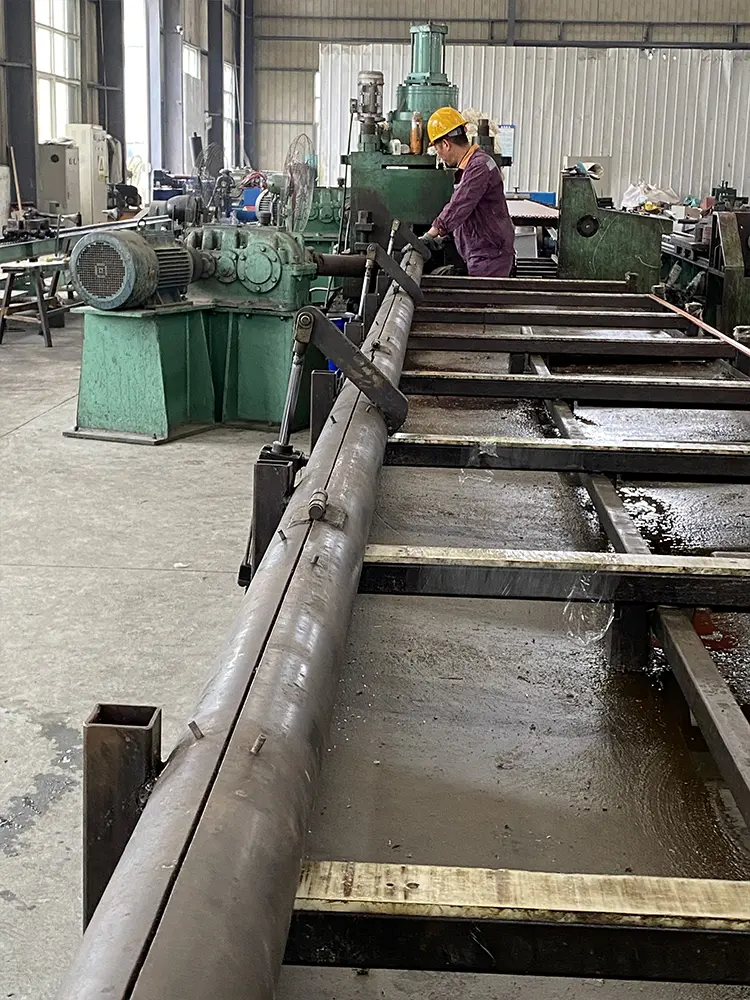
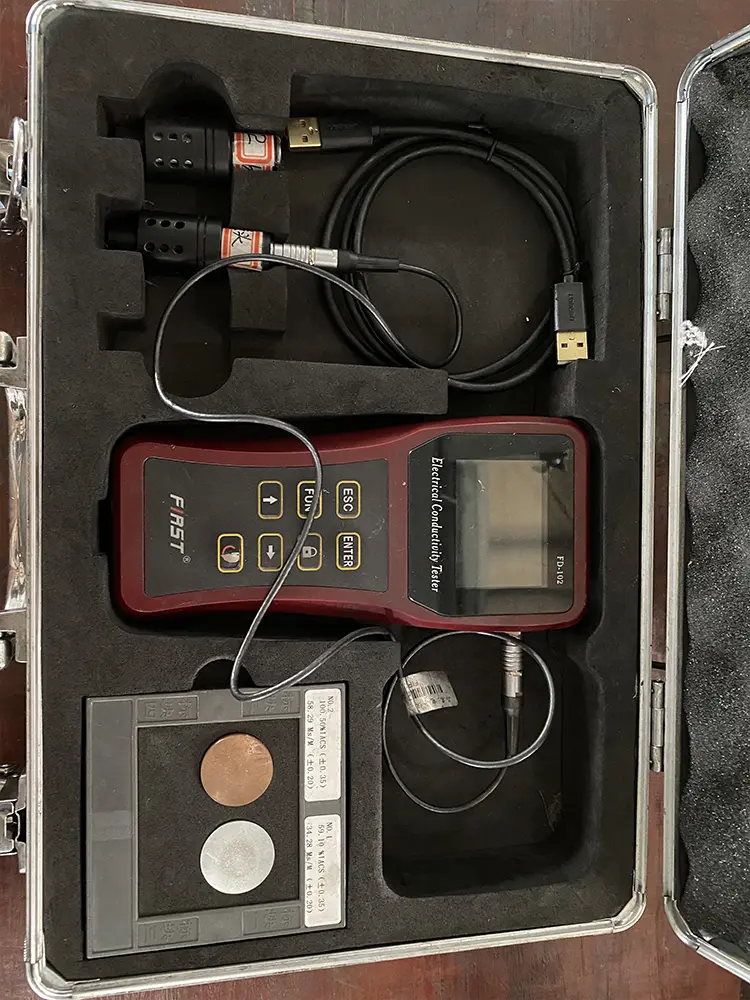
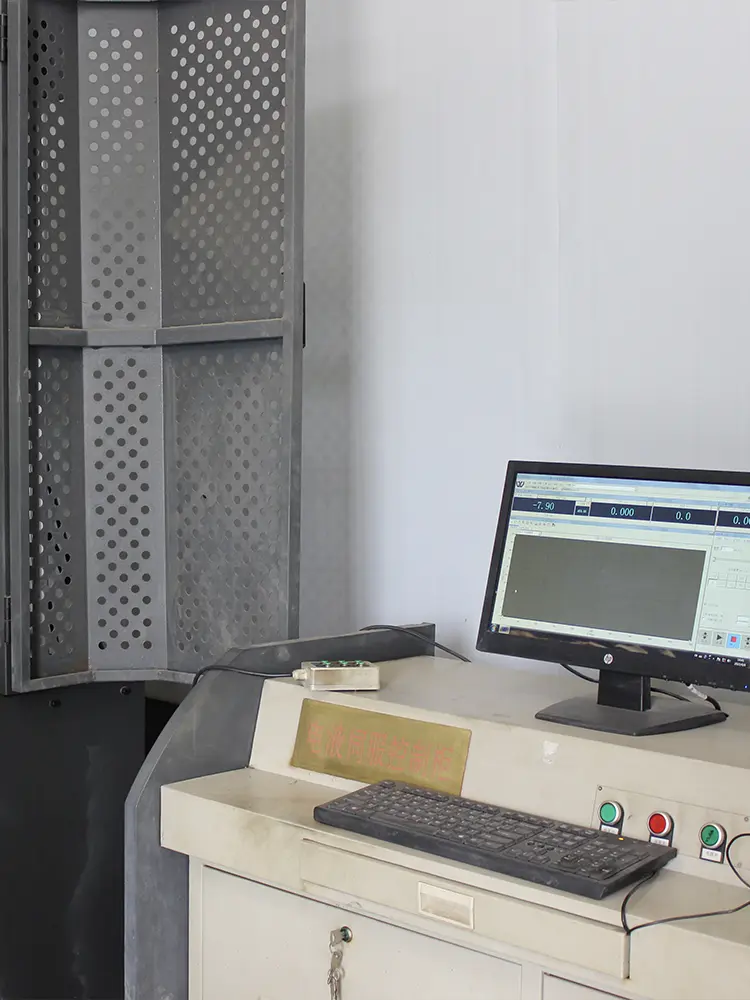
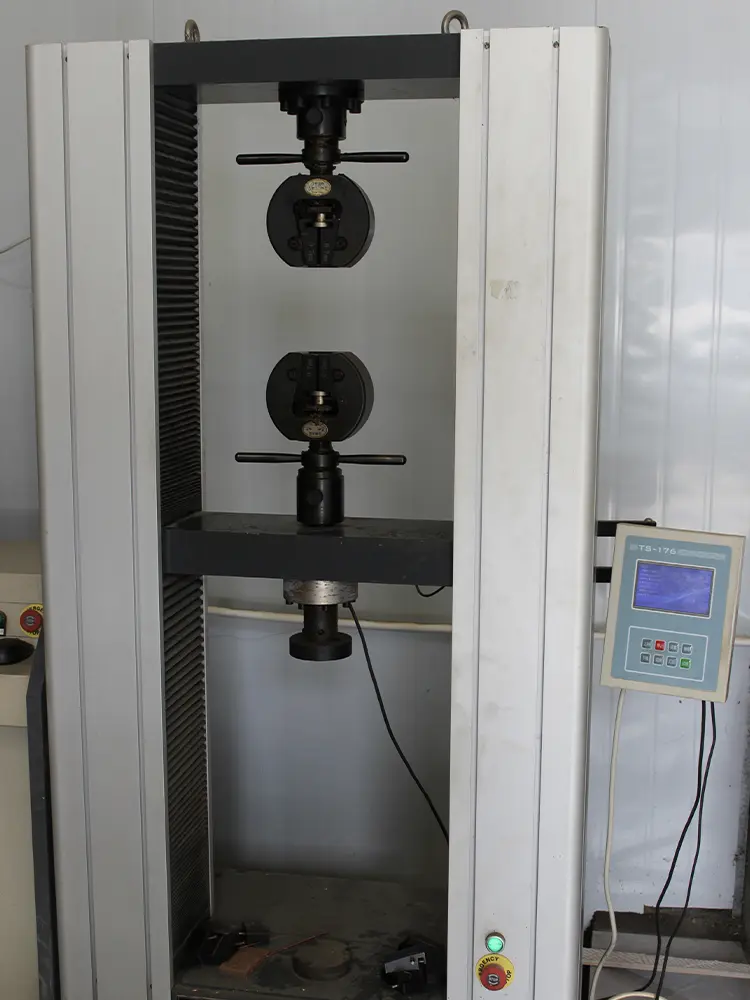
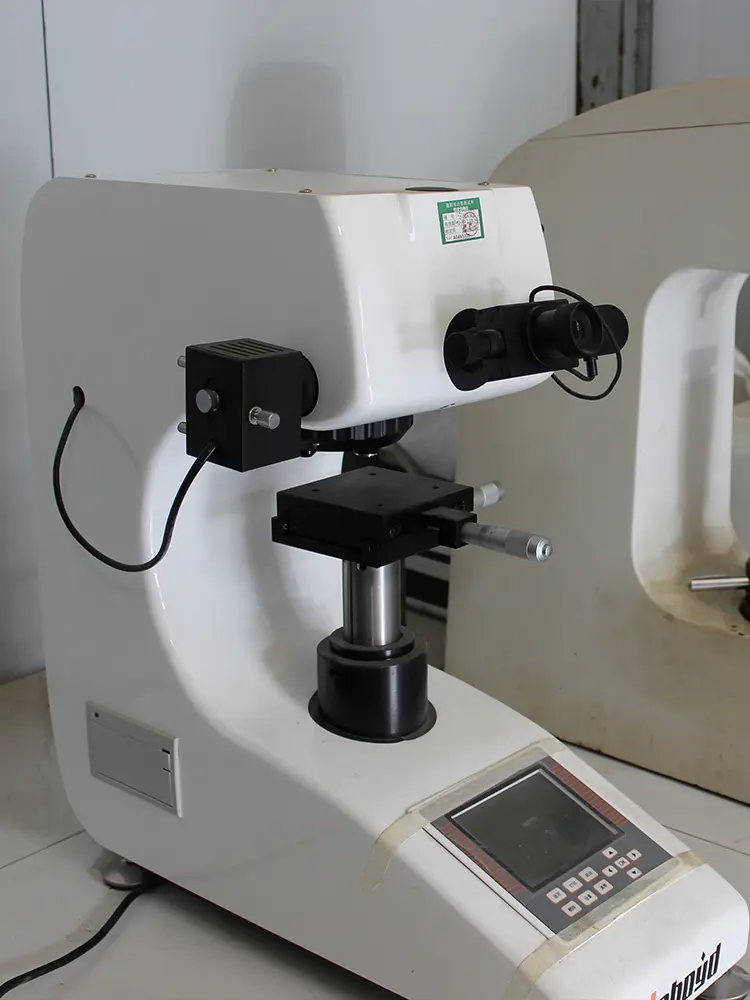
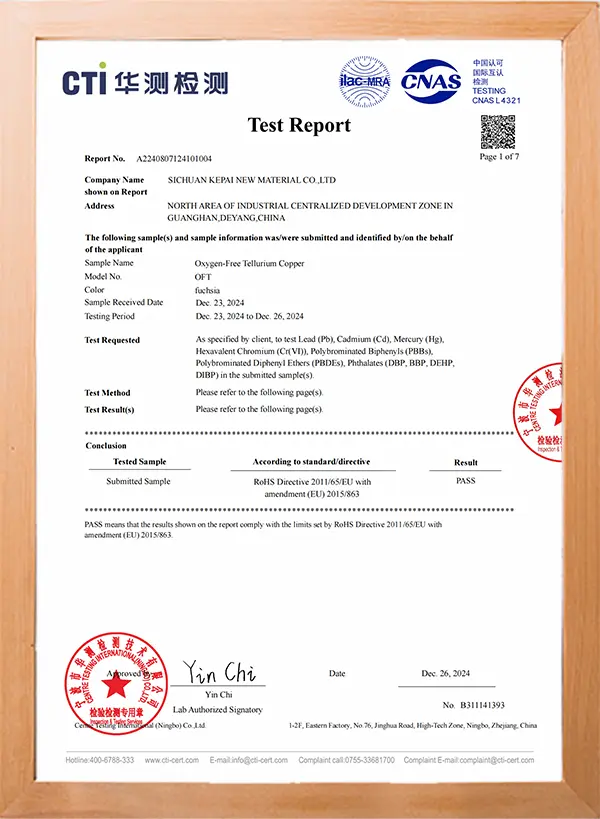
By integrating automated smelting, continuous extrusion, and high-precision online eddy-current testing, we ensure that every batch of tellurium copper (C14500) or high-strength beryllium copper (C17200) maintains an unyielding standard of performance. Furthermore, our strategic location in Sichuan, near robust shipping lanes and national transport hubs, reduces logistical drag and guarantees prompt port-side delivery.
Technical Deep-Dive: Material Characteristics & Machinability
For engineering teams, selecting the ideal material requires a careful balance between electrical conductivity (measured in % IACS) and machinability. For example, C14500 Tellurium Copper provides an exceptional 85% to 95% IACS conductivity while offering a machinability rating of 85% relative to free-cutting brass (C36000). This enables high-speed automated lathe processing while conserving electrical efficiency—a critical factor for automotive relay production.