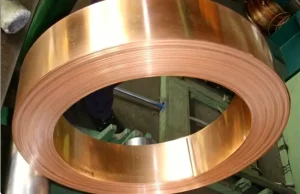
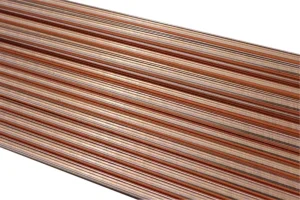
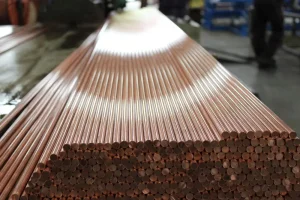
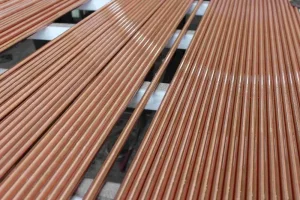
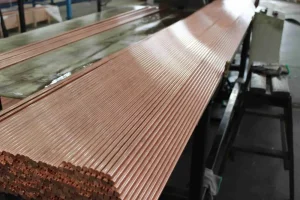
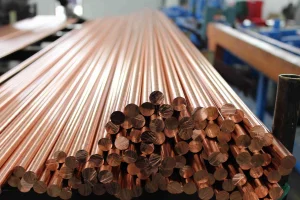
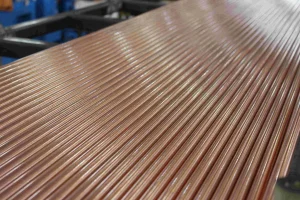
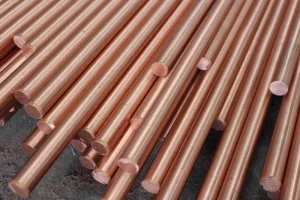
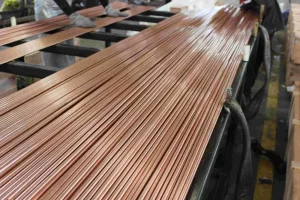
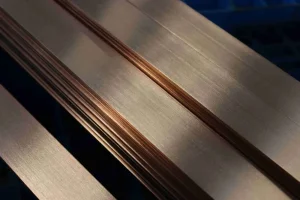
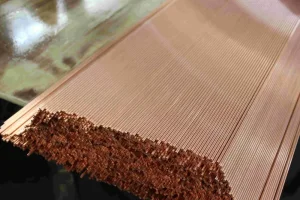
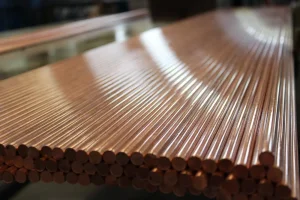
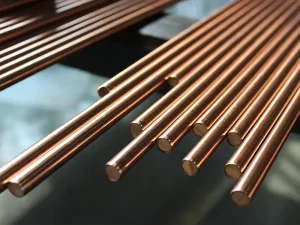
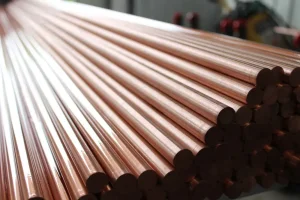
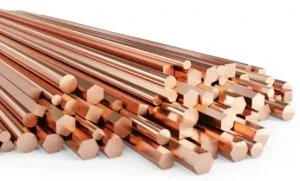
Explore our specialized copper alloys meticulously designed for premium electrical, thermal, and mechanical efficiency.
Underpinning the next technological leap: An analysis of advanced metallurgy, electrical conductivity optimization, and mechanical design limitations.
In high-precision manufacturing, the term "High Yield Rate" carries a dual significance. First, it refers to the material's physical resistance to plastic deformation under mechanical stresses—specifically, the yield strength metrics that dictate how thin or complex a structural part can be formed without sustaining mechanical failure. Second, from a macro-manufacturing and supply-chain perspective, "High Yield Rate" represents the operational efficacy of the metallurgical process. A high process yield rate directly reduces defective output, controls scrap management overheads, and assures consistent batch-to-batch physical parameters.
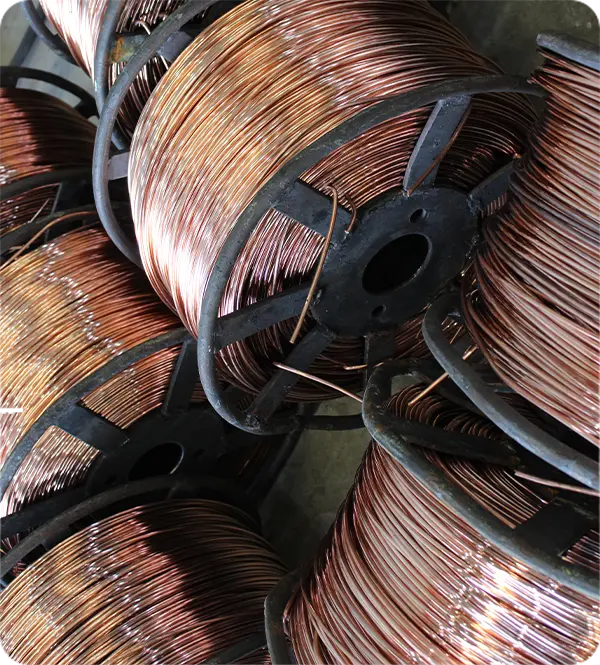
For materials like tellurium copper (C14500), beryllium copper, and chromium zirconium copper (C18150), attaining high yield rates requires strict regulation of heat treatment, hot extrusion, cold drawing, and straightening procedures. The microscopic grains within the copper matrix must be uniformly distributed. Inhomogeneous grain structures can cause micro-cracking and localized failures during high-speed CNC turning, stamping, or electrical discharge machining (EDM).
As global electronics components downscale, thermal loads increase. Industrial systems now demand copper alloys that combine high electrical conductivity (≥85% IACS) with robust yield strength. Traditionally, increasing the mechanical yield strength of copper required alloying with elements that disrupted its crystalline lattice, lowering its electrical conductivity. Modern metallurgical technology resolves this conflict through controlled precipitation hardening and dispersion strengthening, keeping conductivity high while improving yield rates during forming and service lifetimes.
International sourcing for premium industrial materials is undergoing a structural transition. Industrial procurement teams are moving away from transactional purchasing in favor of strategic partnerships with integrated manufacturers. Geopolitical shifts, environmental mandates (such as RoHS and REACH), and logistical issues require stable procurement pathways.
High-yield copper alloys are key materials in several advanced industries. Without reliable supply lines, production of electric vehicles, high-frequency telecommunications hardware, and automated manufacturing components can face severe disruption. Companies target suppliers that offer:
Sichuan Kepai New Material Co., Ltd. by the numbers, showcasing our structural capacity and precision infrastructure.
Physical and chemical comparison of premium copper alloys for high-yield manufacturing.
| Alloy Grade | UNS Number | Electrical Conductivity (% IACS) | Thermal Conductivity (W/m·K) | Machinability Rating | Primary Technical Advantage |
|---|---|---|---|---|---|
| Tellurium Copper | C14500 | ≥93% | 355 | 85% (Free-cutting) | Exceptional chip control, electrical efficiency, and arc resistance. |
| Beryllium Cobalt Copper | C17500 | ≥45 - 60% | 200 - 240 | 20% | High yield strength combined with high thermal/electrical properties. |
| Chromium Zirconium Copper | C18150 | ≥80% | 320 | 30% | High softening temperature, ideal for resistance welding electrodes. |
| Oxygen-Free Copper | C10100 / C10200 | ≥101% | 390 | 20% | Ultra-high vacuum compatibility and low hydrogen embrittlement. |
| Phosphor Copper | C51100 / C51900 | ≥15 - 20% | 70 - 90 | 20% | Excellent spring characteristics and high wear resistance. |
Modern industrial systems demand materials that perform consistently under high mechanical and electrical loads. Sichuan Kepai New Material Co., Ltd. provides copper alloy formulations tailored to the engineering challenges of several critical industries.
In electric drivetrains, high-voltage battery connection systems, relays, and charging connectors run at continuous currents of hundreds of amperes. C14500 Tellurium Copper provides the high conductivity (≥93% IACS) and structural integrity needed to limit thermal dissipation, protecting safety-critical automotive components.
5G base stations require highly miniaturized connectors capable of processing high-frequency signals with minimal insertion loss. High-purity copper and oxygen-free alloys prevent signal distortion and thermal buildup, maintaining stable performance in dense urban communication grids.
Plasma cutting nozzles and laser cutting optics components are subjected to intense, localized heat. The high thermal transfer properties of Tellurium and Chromium-Zirconium copper alloys protect these consumable parts from premature erosion, extending the operating lifespan of the cutting tips.

Utility-scale energy storage systems (BESS) and lithium-ion battery packs rely on quick-response contactors. Beryllium copper and high-strength dispersion copper alloys provide the yield strength and fatigue resistance needed for millions of trouble-free switching cycles under heavy electrical load.
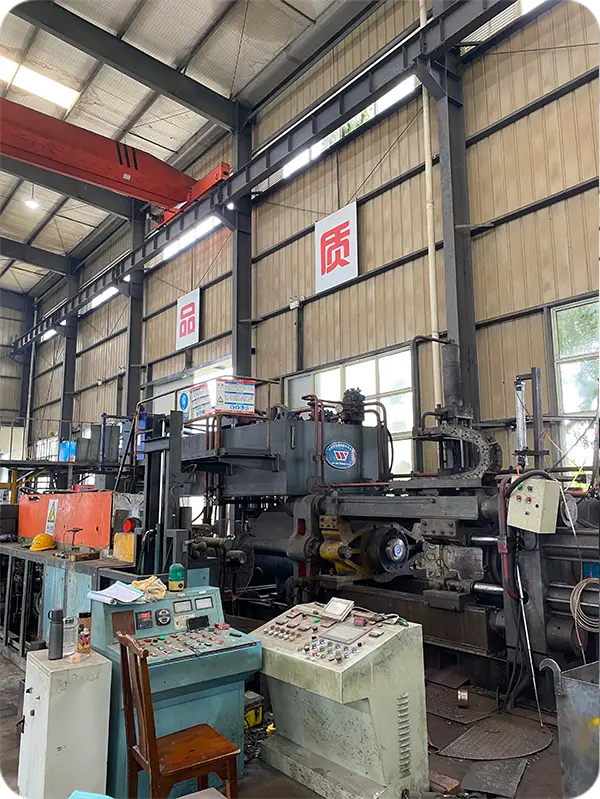
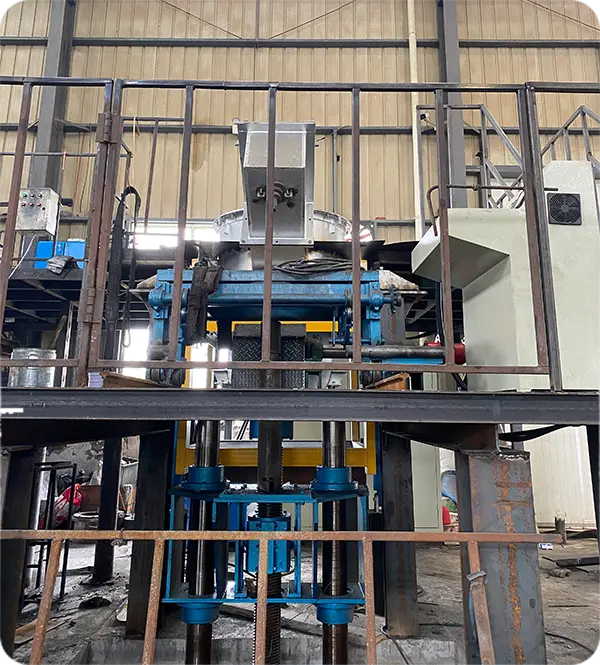
Every stage of production—from smelting to final micro-hardness testing—is managed on-site to ensure high process yield rates.
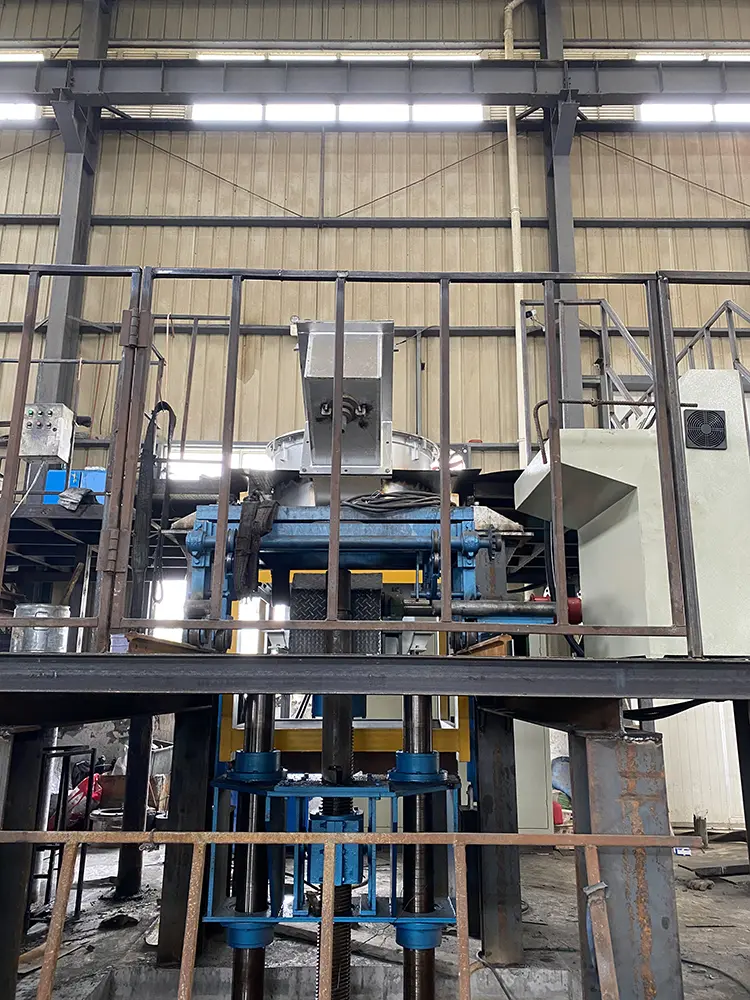
Smelting Furnace
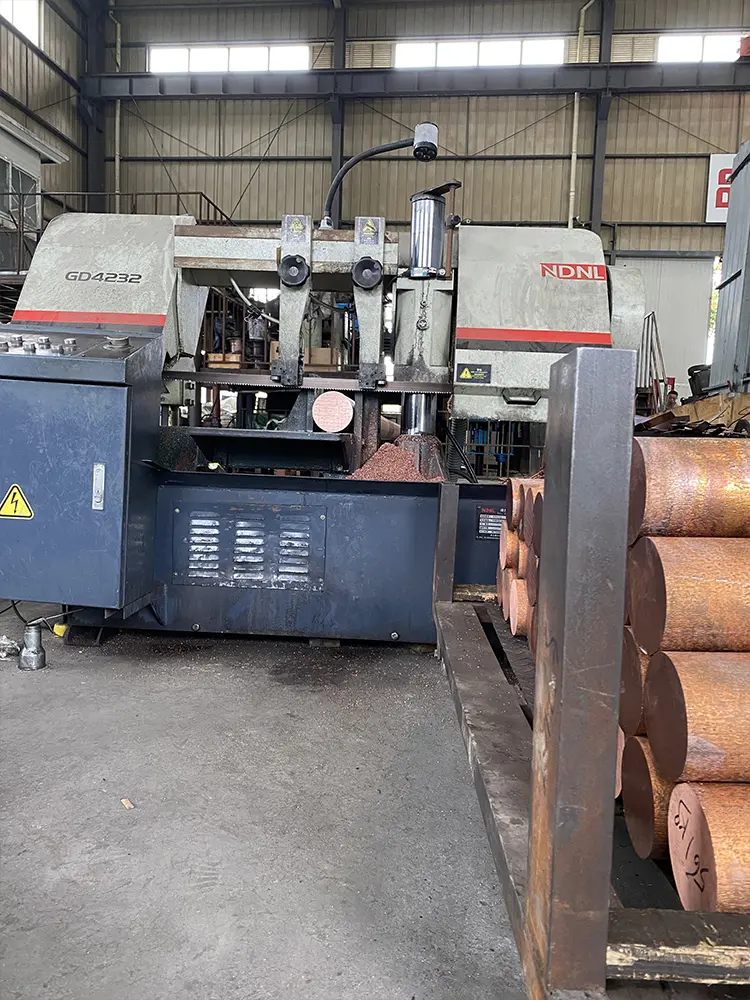
Laying-off / Cutting
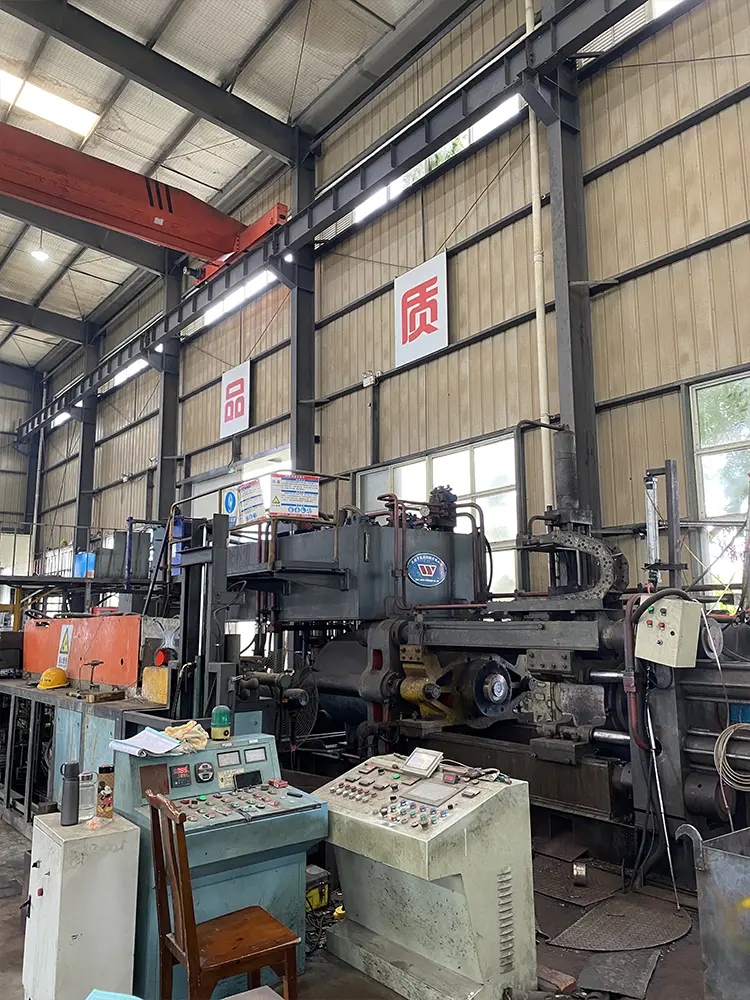
Hot Extrusion Press
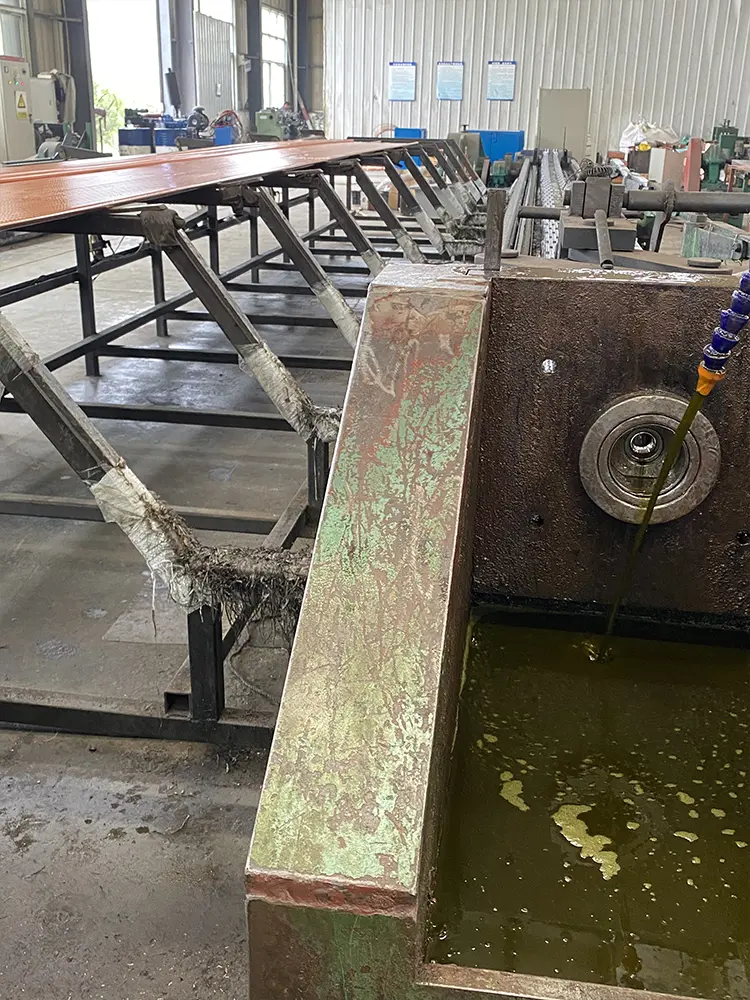
Precision Drawing
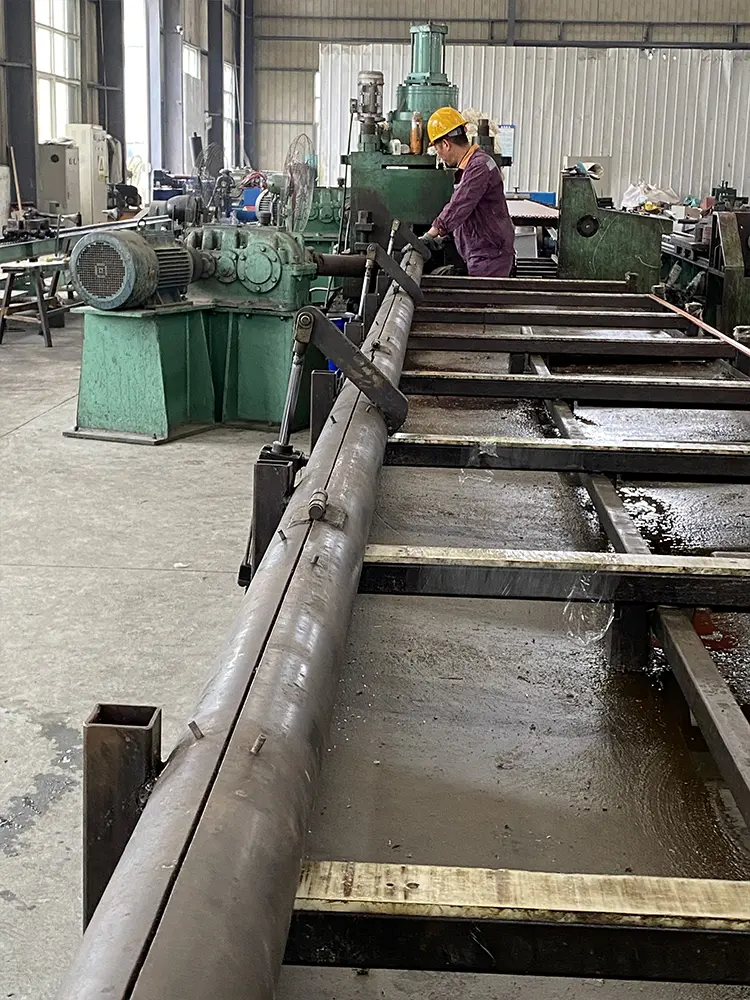
Multi-Roll Straightening
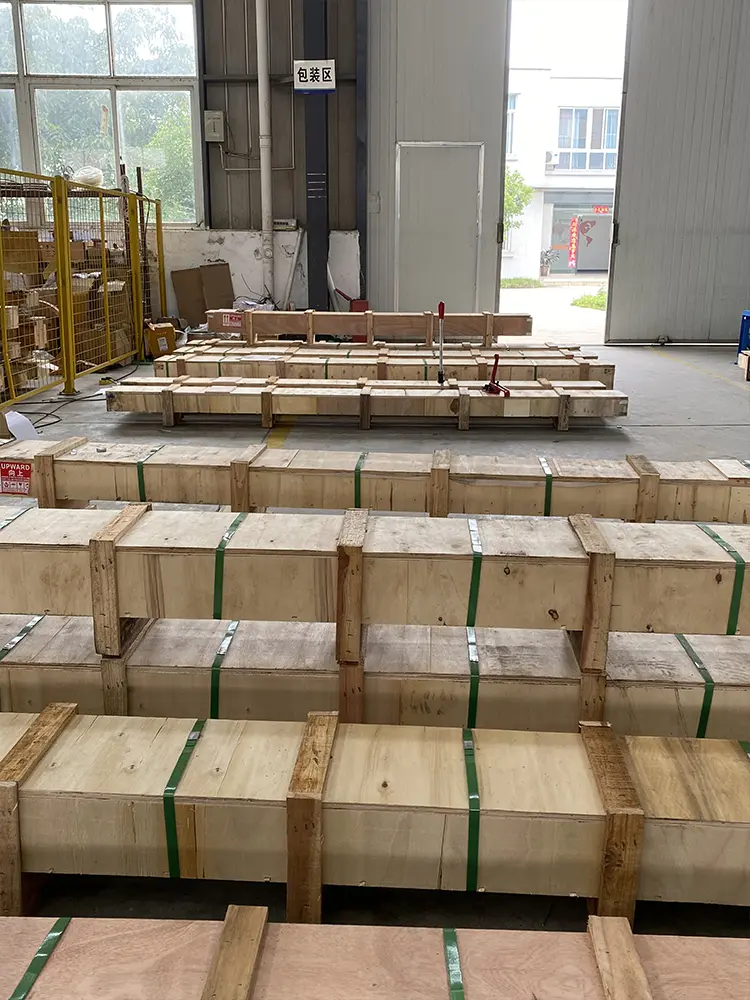
Anti-Oxidation Packaging

Eddy Current Conductometer
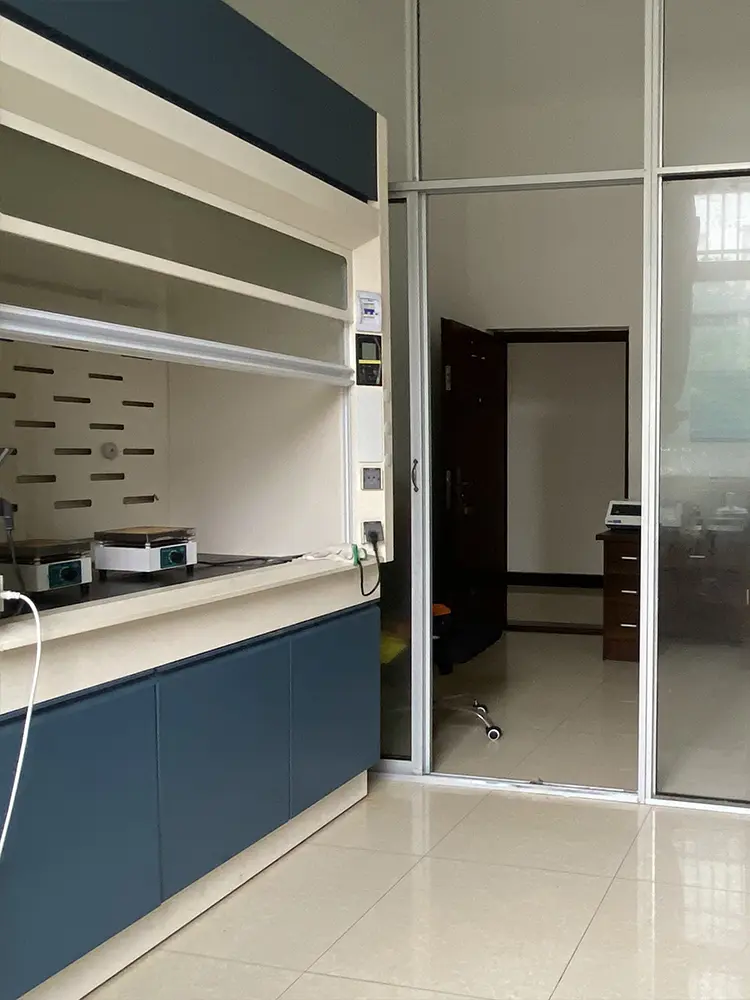
Spectroscopic Test Lab

Metallographic Polisher
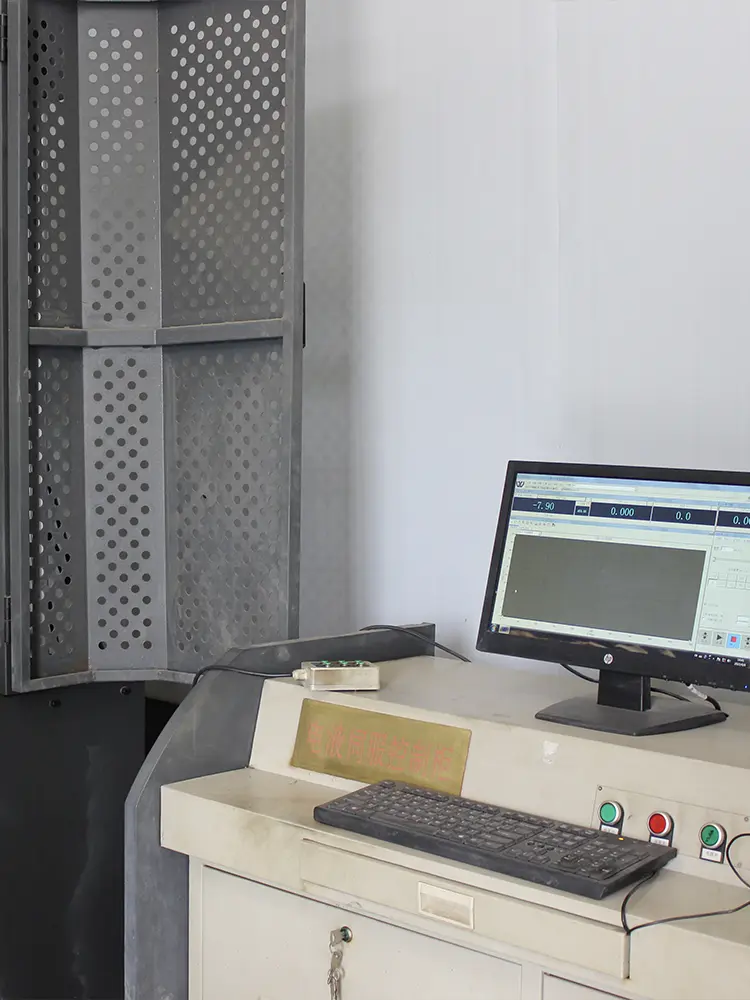
Servo Universal Tester
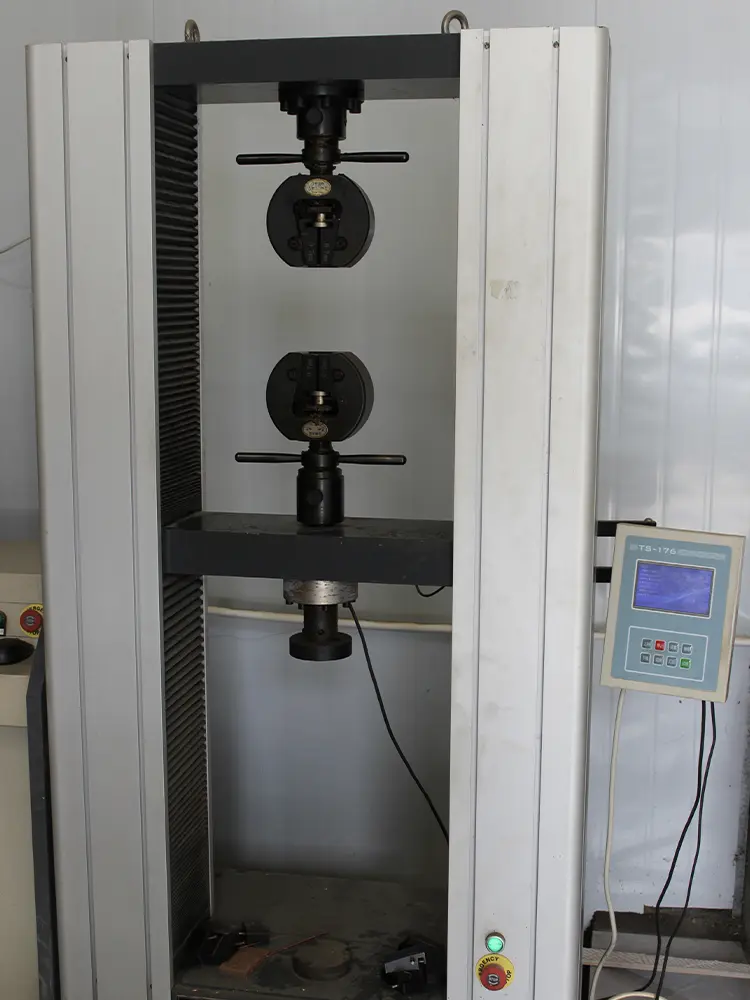
Electronic Tensile Tester
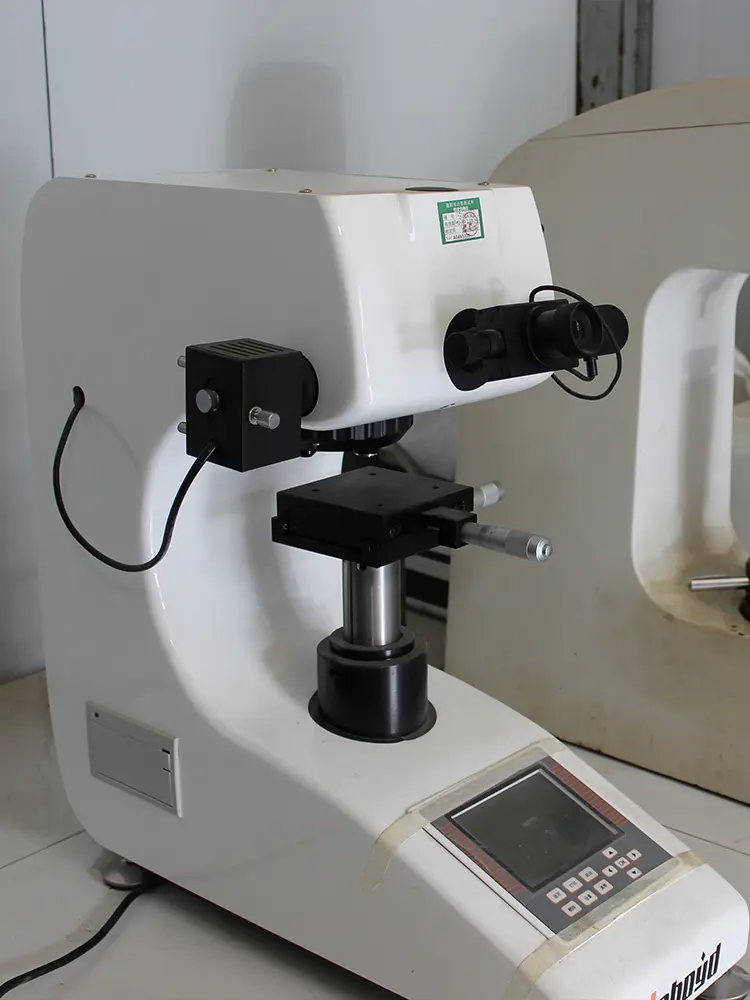
Vickers Hardness Tester
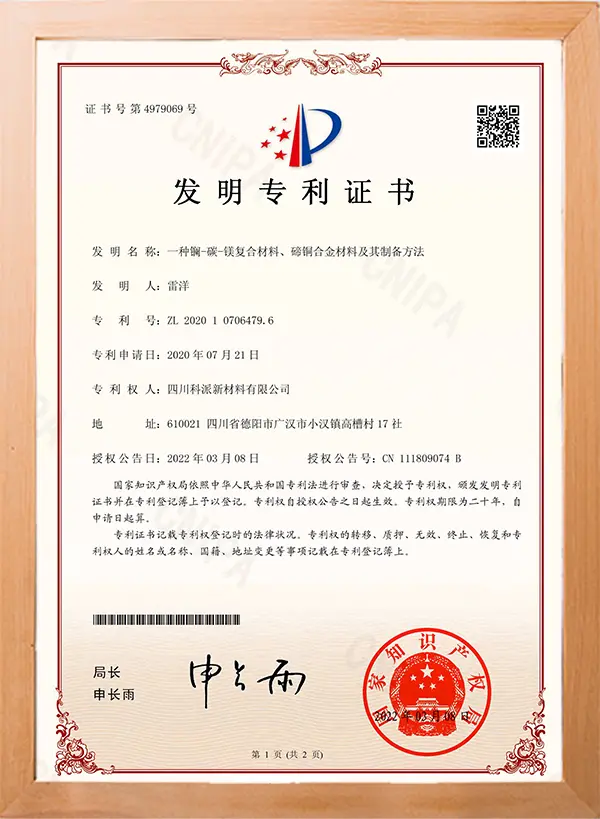
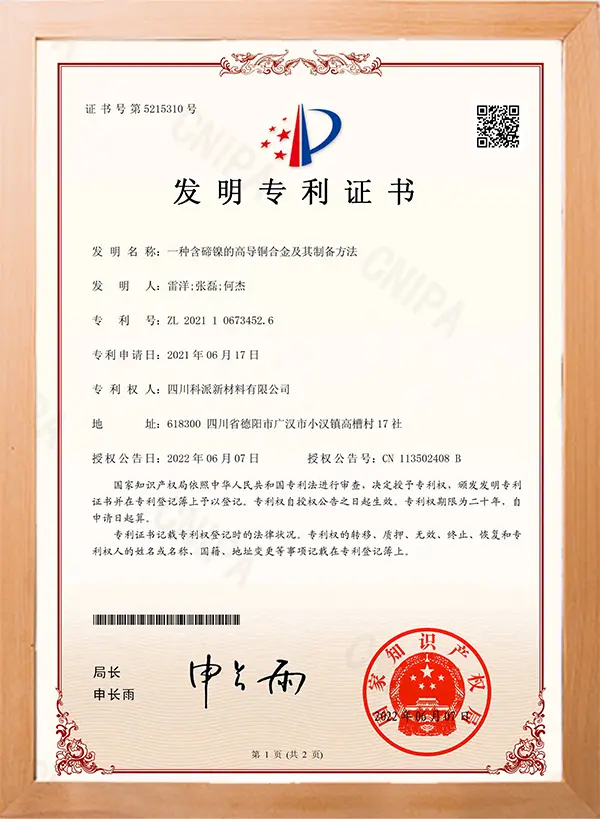
The development of copper-based structural materials focuses on pushing physical limits to accommodate higher operating temperatures, extreme electrical stresses, and automated high-speed machining. Sichuan Kepai New Material Co., Ltd. focuses its research on several key developmental paths:
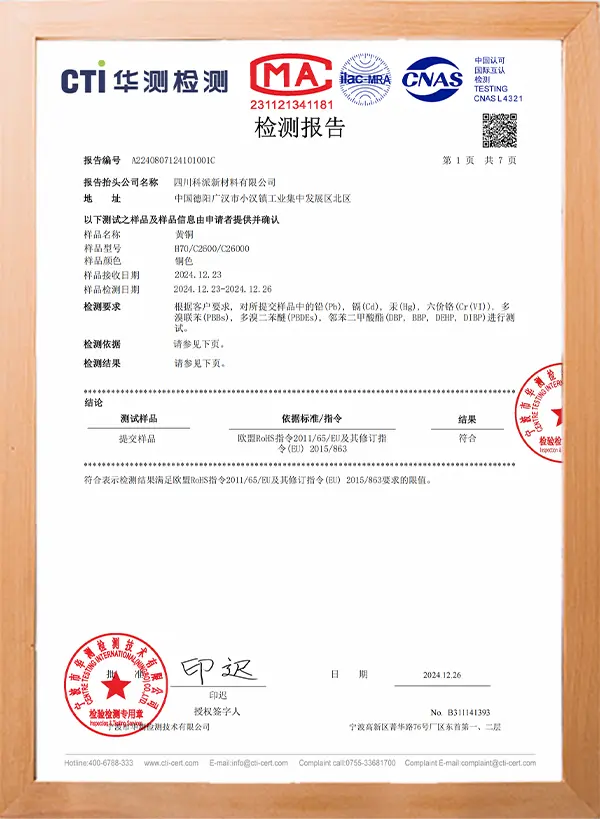
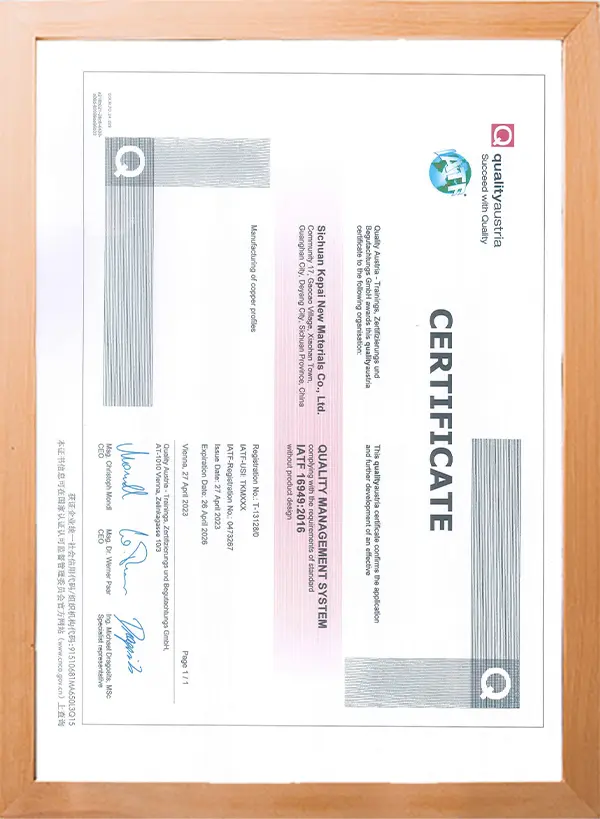
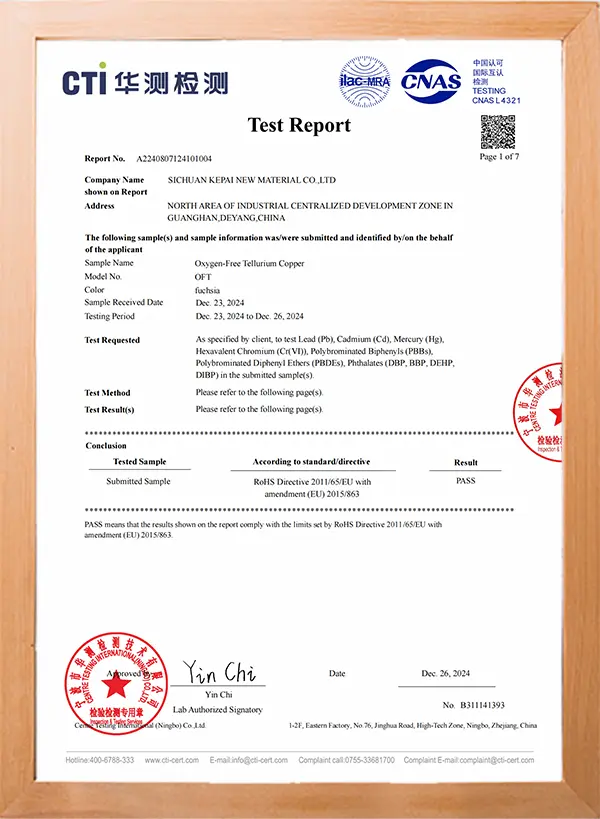
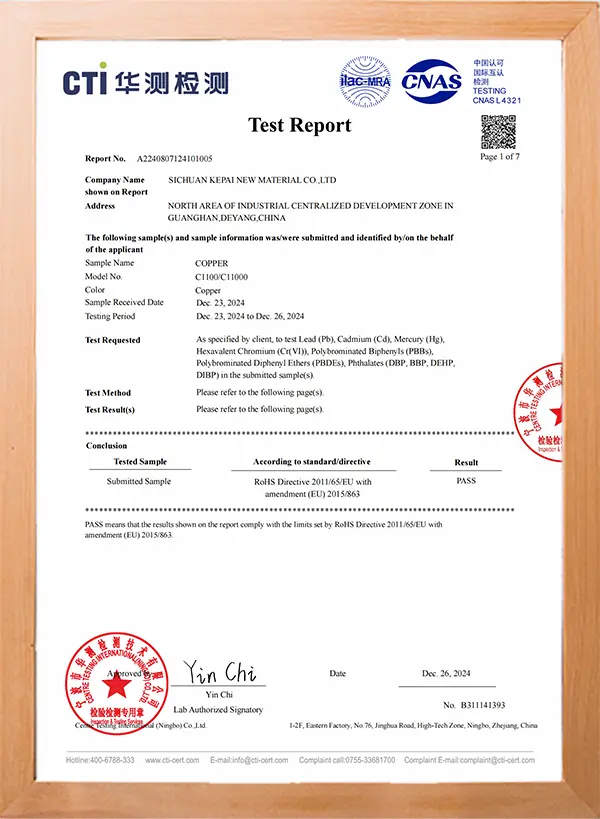
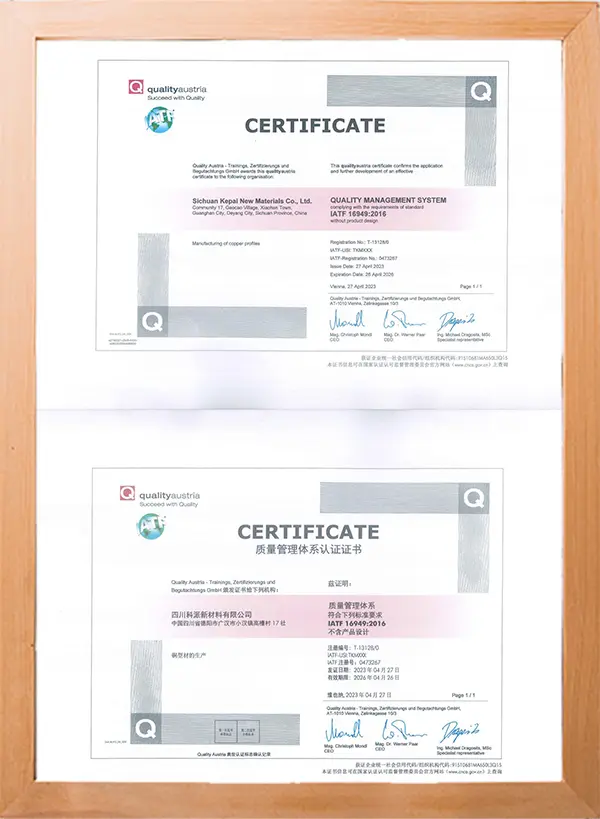
Sichuan Kepai New Material Co., Ltd. maintains a quality management system verified by third-party testing institutions. Our compliance certifications cover ISO 9001 quality management standards and ISO 14001 environmental protocols, ensuring consistent performance, manufacturing compliance, and clean production methods.
Frequently asked questions regarding alloy selection, mechanical tolerances, and logistics operations.
Contact our engineering support team to discuss custom alloy specifications, secure competitive pricing, and arrange material testing samples.
Explore our specialized copper alloys designed for demanding electrical, thermal, and mechanical applications.
 Kepai
Kepai