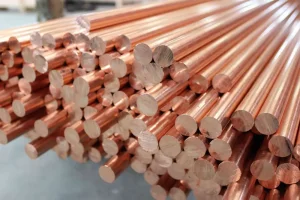
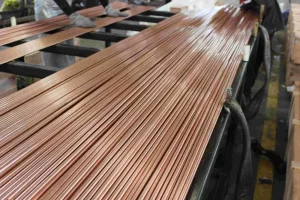
"As Morocco transitions into a premiere regional automotive and aerospace hub, the demand for precision engineering materials that balance extreme electrical conductivity and high tensile strength has grown exponentially."
Morocco's industrial strategy, catalyzed by the Tanger Med Port and the Industrial Acceleration Plan, has positioned the country as the gateway to EMEA. Beryllium Cobalt Copper (primarily C17500 and C17510) forms the technological backbone of modern assembly operations. By combining Beryllium (0.4–0.7%) and Cobalt (2.4–2.7%) with high-purity copper, these precipitation-hardenable alloys deliver high electrical conductivity (up to 60% IACS) and tensile strengths exceeding 700 MPa, performing reliably at extreme working temperatures.
For applications where standard copper softens under heat and tooling steels fail due to poor conductivity, Beryllium Cobalt Copper serves as a crucial engineering material. It is utilized in resistance welding electrodes for automotive sheets, tooling inserts for rapid-cycle plastic injection molding, and critical switches in high-voltage grids.
This white paper explores the dynamic industrial landscape of Morocco, demonstrates the supply efficiencies of Chinese manufacturing via Sichuan Kepai New Materials, and details how our advanced metallurgical products align with the technical requirements of Moroccan engineers and global procurement managers.
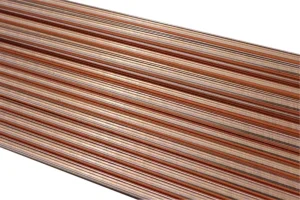
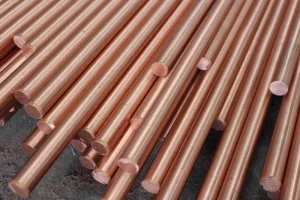
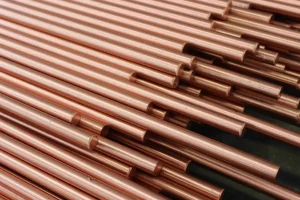
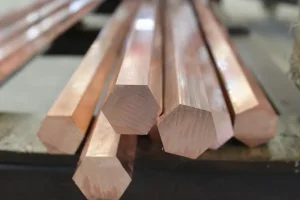
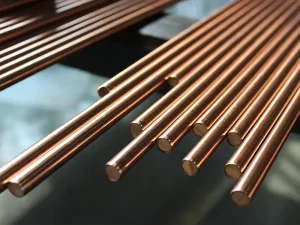
High-conductivity and heavy-wear materials optimized for regional automotive assembly and injection molding tools.
Over the last decade, Morocco has emerged as the leading automotive manufacturer in Africa. Industrial parks such as Kenitra Atlantic Free Zone and Tangier Automotive City (TAC) host Tier-1 global suppliers and OEMs (like Renault Group and Stellantis). These state-of-the-art facilities rely heavily on efficient resistance spot welding technologies, requiring high-stability electrode materials such as C18150 and C17500.
Simultaneously, the Casablanca aerospace cluster (Nouaceur Zone) has attracted over 140 aerospace manufacturers, including Boeing, Safran, and Bombardier. Here, copper alloys are selected for landing gear bushings, electrical contact pins, and wear plates where standard metals run the risk of friction-induced spark generation or premature fatigue failure under heavy loads.
Globally, the transition to green energy, electromobility (EVs), and smart grids has created structural shortages in specialized high-conductivity alloys. Traditional brass is being phased out of high-current power connectors due to its limited electrical throughput. In its place, alloys like C17510 and Tellurium Copper (C14500) are becoming standard for EV charging interface pins and high-voltage automotive relays. Sourcing these alloys directly from large-scale manufacturers like Sichuan Kepai allows companies to secure consistent chemical compositions and maintain competitive pricing.
Did you know? Cobalt and Nickel additions to Beryllium Copper alloys restrict grain growth at elevated temperatures. This allows the alloy to maintain structural stability up to 450°C, a prerequisite for modern automated robotic welding lines.
Providing technical solutions designed to meet the exact parameters of Morocco's high-tech manufacturing corridors.
Used in the robotic spot welding lines at Kénitra and Tangier. C17500 and C18150 alloys provide the thermal conductivity necessary to prevent electrode deformation during fast-cycle welding of galvanized steel sheets.
High-yield strength C17200 Beryllium Copper is selected for landing gear bushings and flight control systems in Nouaceur's aerospace fabrication workshops, providing reliable anti-galling and high wear resistance.
With massive solar (Noor Ouarzazate) and wind power infrastructure across the country, high-current connectors made from Oxygen-Free Tellurium Copper (OFT) are critical for reducing transmission line losses.
Compare chemical and physical specifications to optimize your engineering design decisions.
| Alloy Grade | UNS Number | Key Elements | Electrical Conductivity | Tensile Strength (MPa) | Hardness (HRB/HRC) | Primary Industrial Use |
|---|---|---|---|---|---|---|
| Beryllium Cobalt Copper | C17500 | Be: 0.4-0.7%, Co: 2.4-2.7%, Cu: Bal | 45 - 60% IACS | 680 - 820 MPa | 90 - 98 HRB | Resistance spot welding, thermal mold inserts |
| Copper-Nickel-Beryllium | C17510 | Be: 0.2-0.6%, Ni: 1.4-2.2%, Cu: Bal | 48 - 60% IACS | 650 - 800 MPa | 92 - 100 HRB | Electric vehicle connectors, spring contacts |
| High Strength Beryllium Copper | C17200 | Be: 1.8-2.0%, Co+Ni: >0.2%, Cu: Bal | 15 - 25% IACS | 1100 - 1350 MPa | 36 - 42 HRC | Aerospace bushings, non-sparking oilfield tools |
| Chromium Zirconium Copper | C18150 | Cr: 0.5-1.5%, Zr: 0.05-0.25%, Cu: Bal | 75 - 85% IACS | 480 - 550 MPa | 75 - 82 HRB | Standard spot welding electrodes, backing bars |
*Note: Technical properties represent typical values after optimal heat treatment (Solution Annealed + Precipitation Hardened). Variations may occur based on diameter, thickness, and cold working ratios.
Established in 2017 in the Sichuan Guanghan Industrial Development Zone, Sichuan Kepai New Material Co., Ltd. operates a modern 9,000-square-meter facility with a 1,000-square-meter administrative base. We focus on developing high-performance copper alloys, including tellurium copper, silver copper, dispersion copper, and beryllium copper alloys.
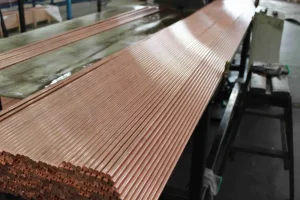
Our competitive advantage lies in integrating smelting, extrusion, cold drawing, and finishing processes within a single facility. This continuous manufacturing cycle minimizes material waste and handling times, allowing us to offer pricing and lead-time advantages to the Moroccan market. Supported by direct access to Sichuan’s transport networks, we export through key coastal channels directly to the Tanger-Med port hub.
We perform systematic metallurgical analysis on every production run. Our chemical composition lab utilizes optical emission spectrometers (OES) to verify beryllium and cobalt ratios. Physical specifications are verified using microcomputer-controlled universal testing machines, hardness testers, and eddy current conductance meters. This testing process ensures that materials shipped to Moroccan industrial clients meet global ASTM, EN, and JIS standards.
Adjacent to National Highway 108, our site operates under strict environmental guidelines. By using energy-efficient induction furnaces and recycling copper scrap internally, we reduce the carbon footprint of our products to align with European and Moroccan supply chain sustainability regulations.
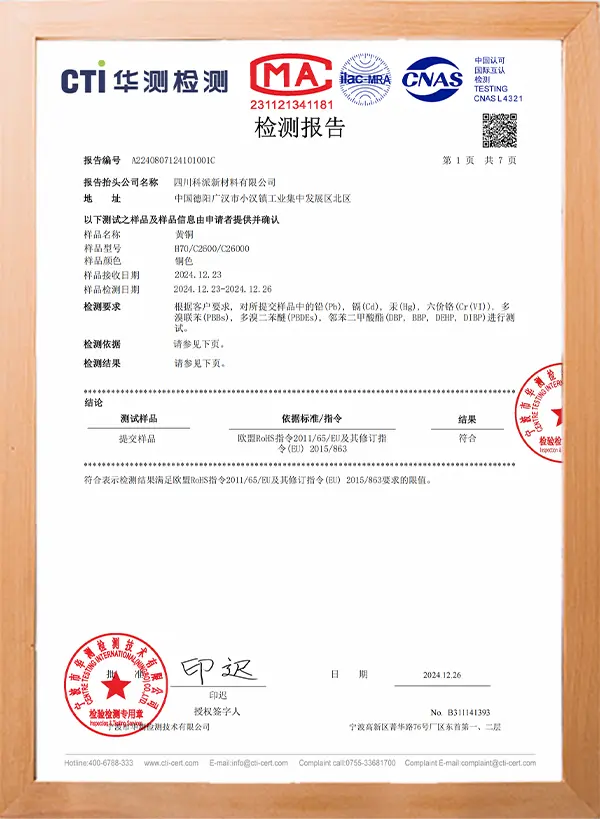
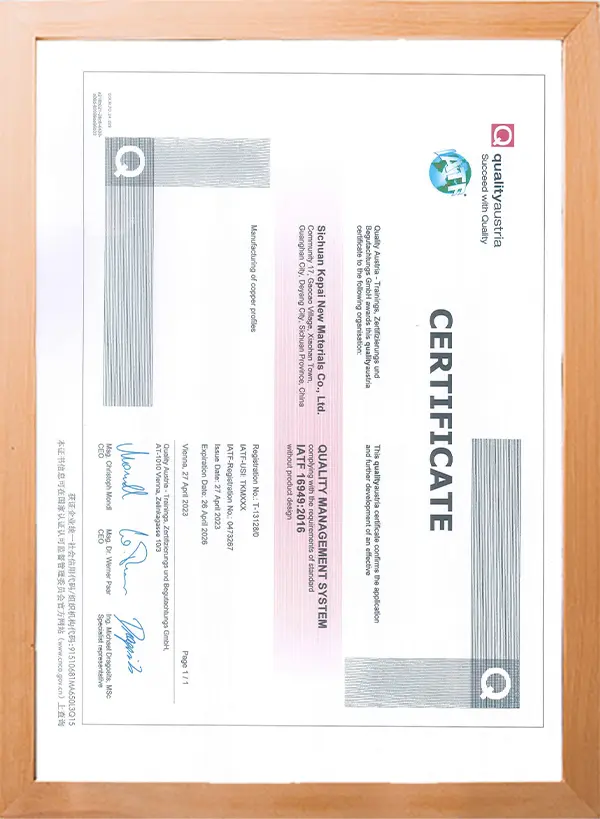
Our quality control processes conform to international industrial regulations, ensuring reliability and compatibility for European and North African projects.
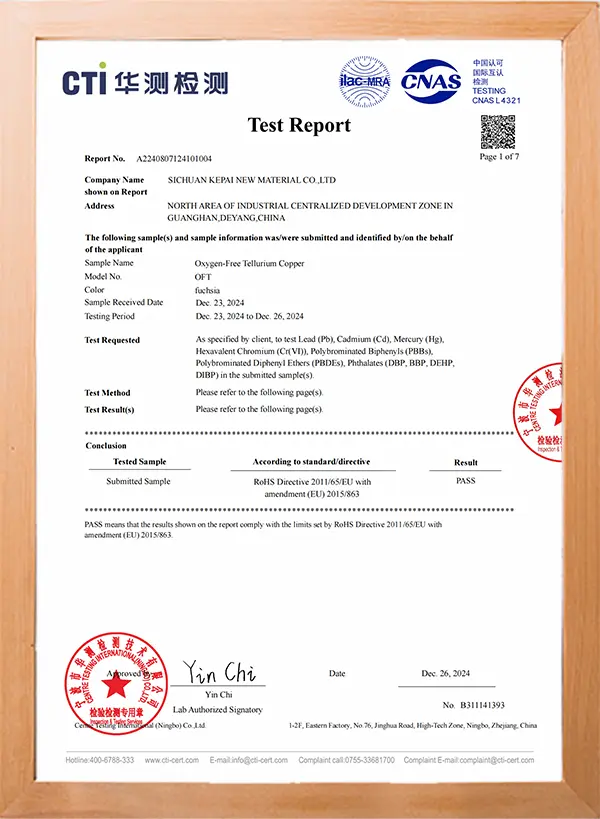
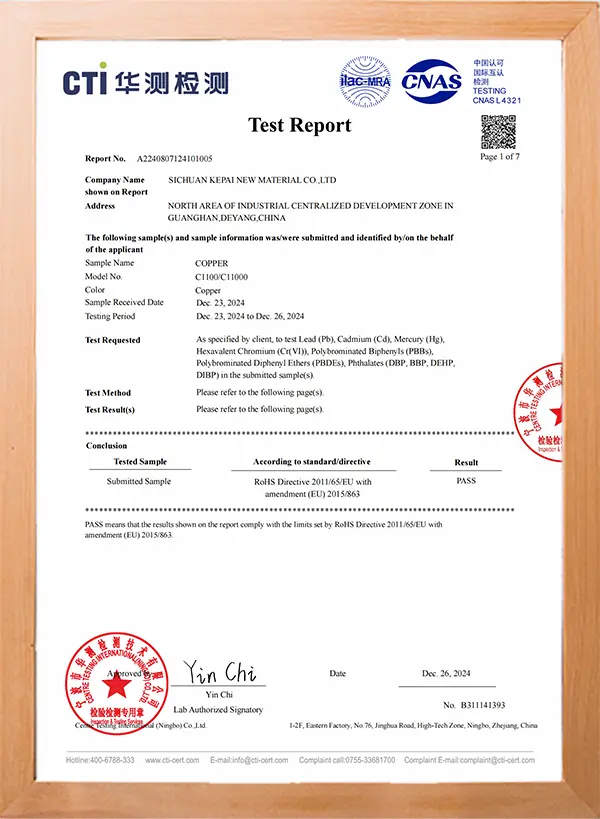
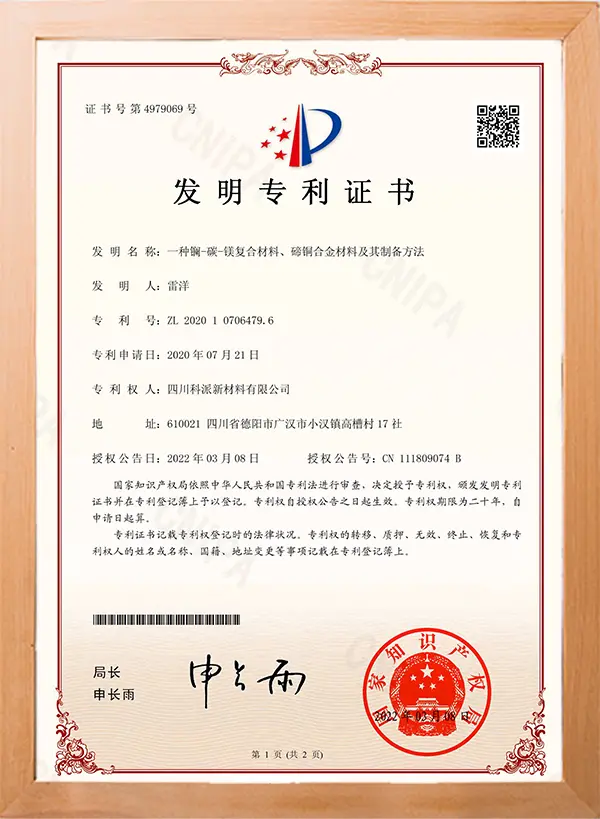
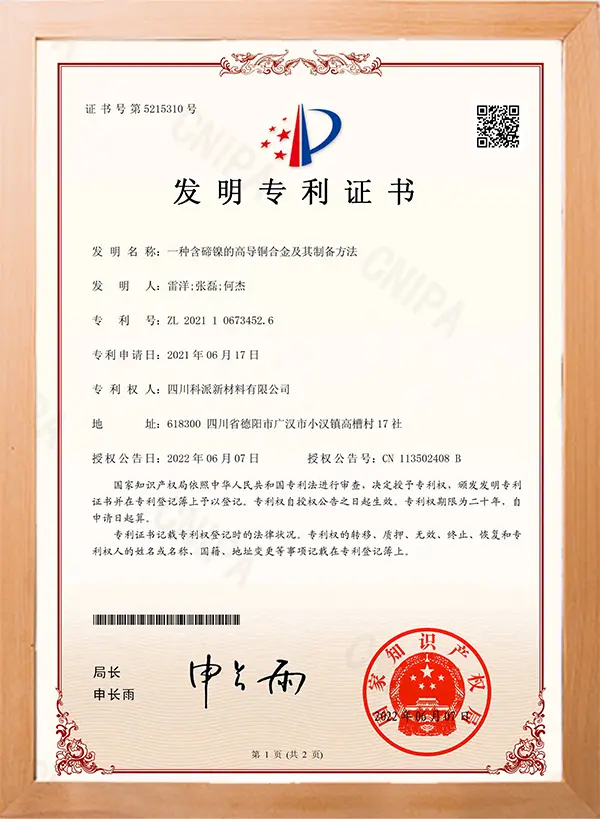
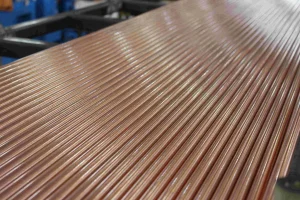
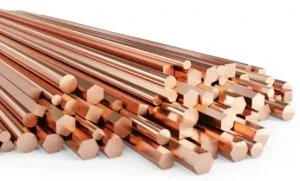
Specialty materials developed to support industrial manufacturing and infrastructure applications.
Our facility uses advanced manufacturing systems to verify alloy consistency, density, and structural integrity.
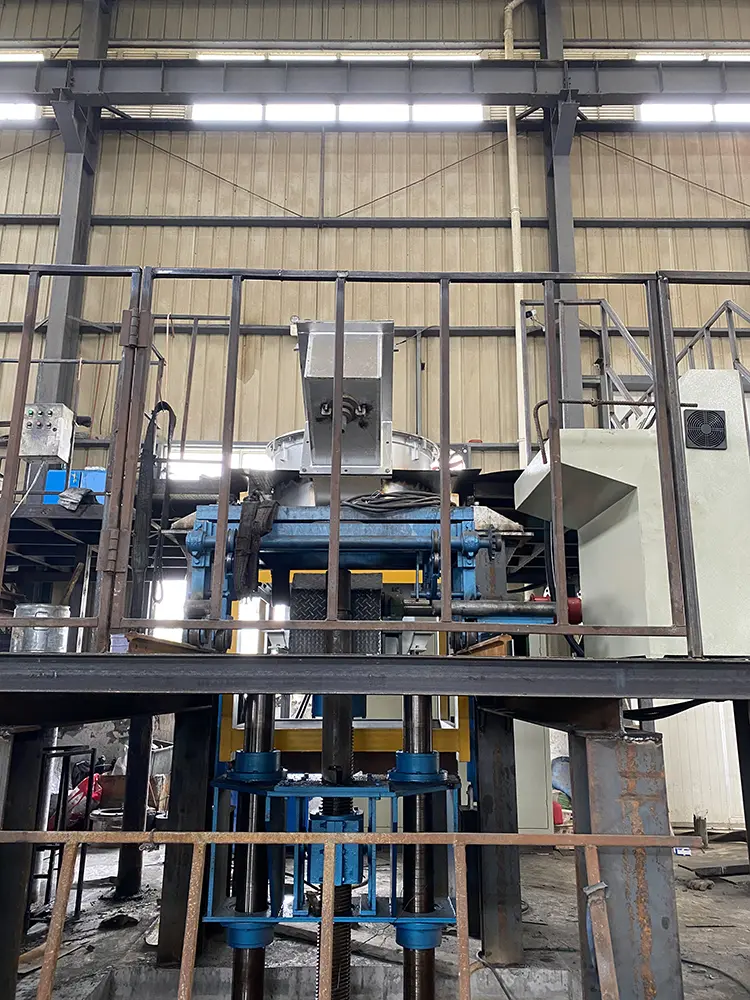
Smelting & Casting
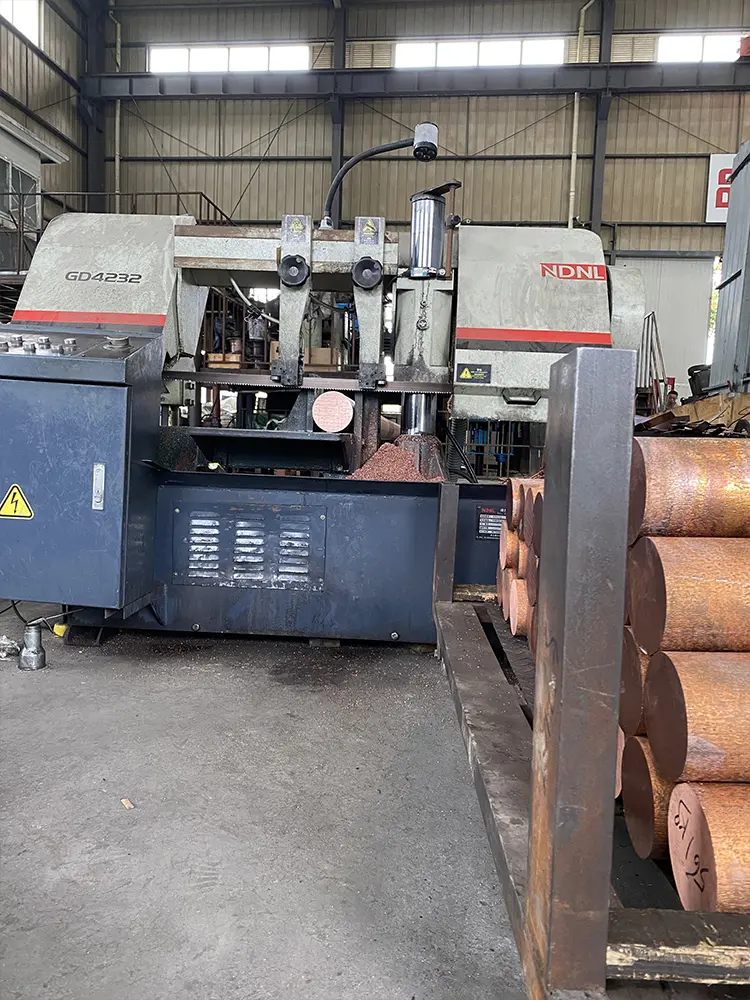
Laying-off / Cutting
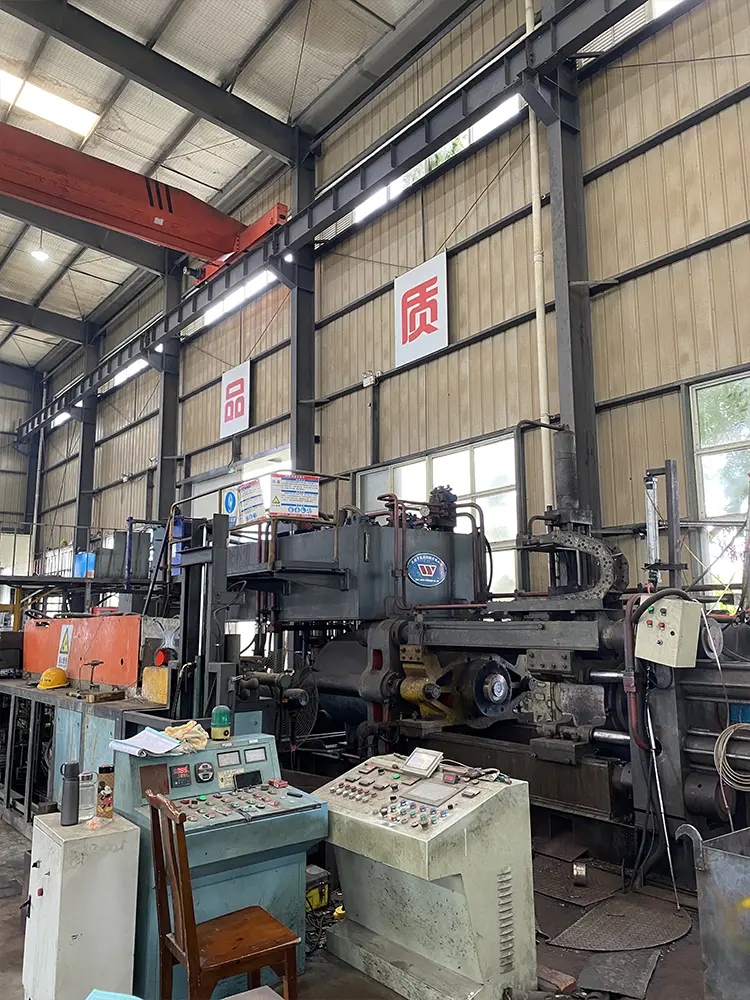
Extrusion Pressing
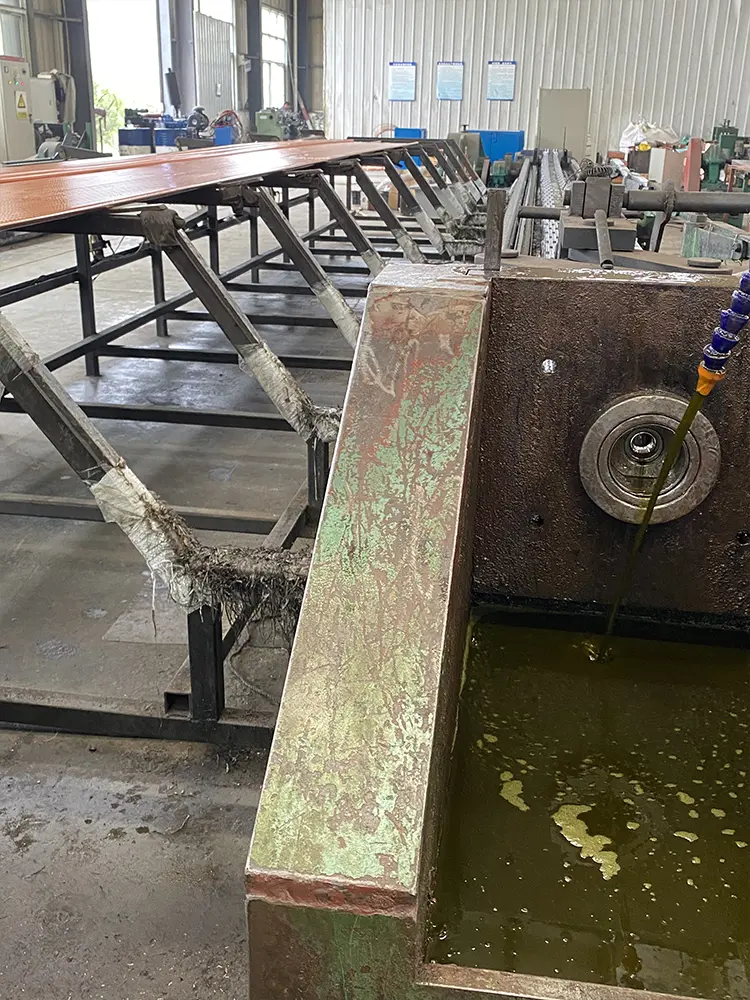
Precision Cold Drawing
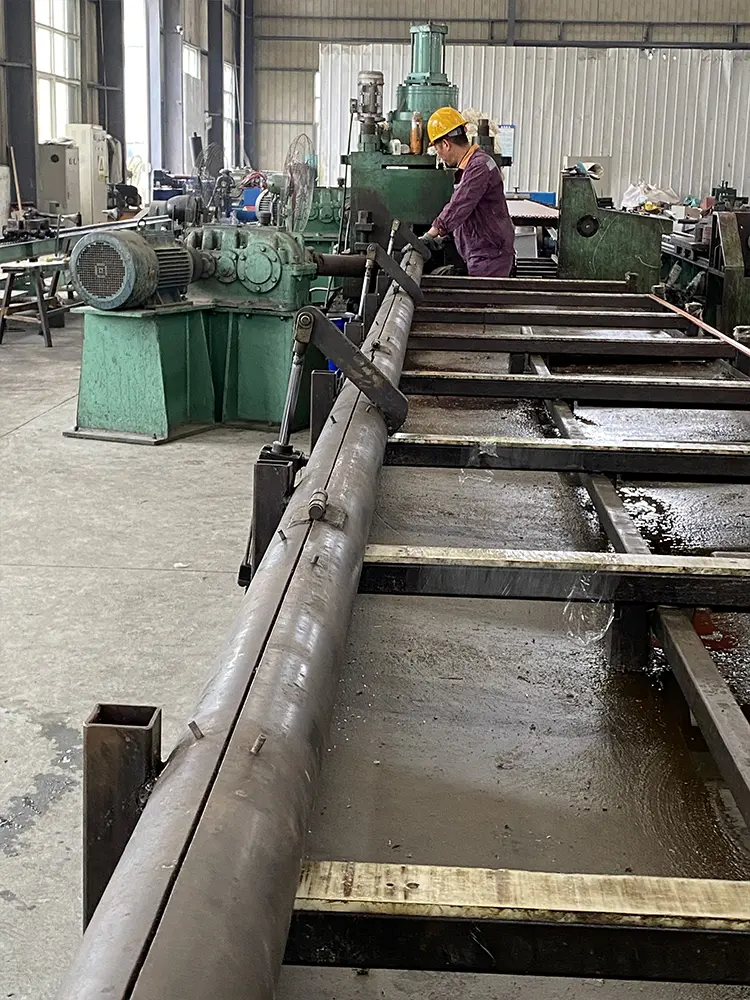
Mechanical Straightening
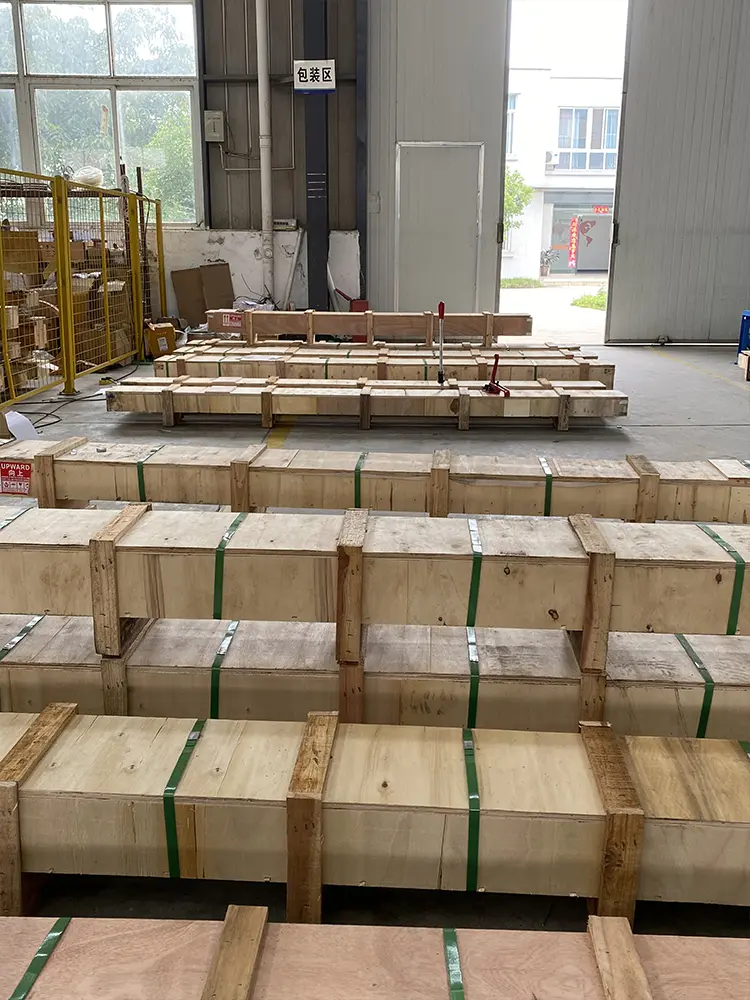
Secure Packaging Area
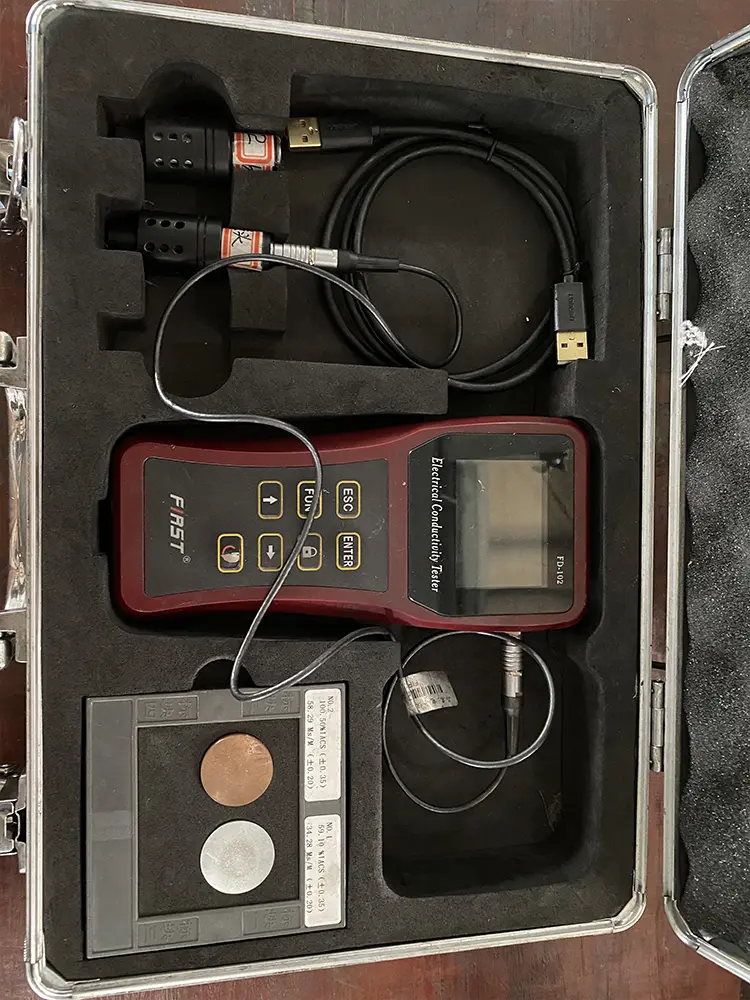
Eddy Current Conductance
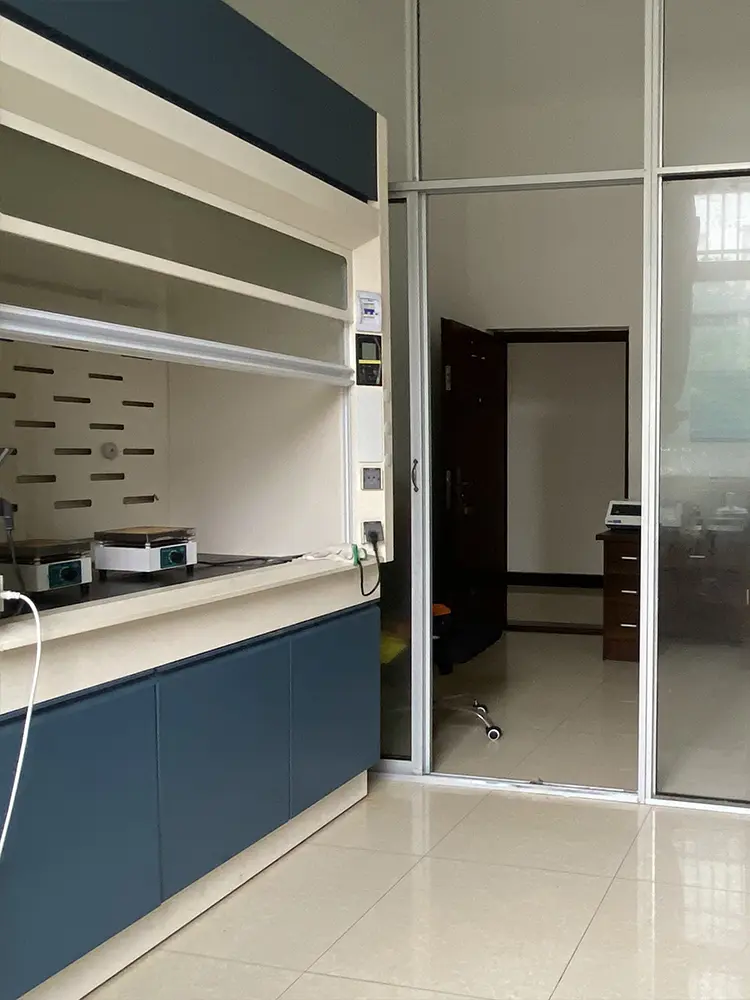
Chemical Composition Lab

Metallographic Polisher
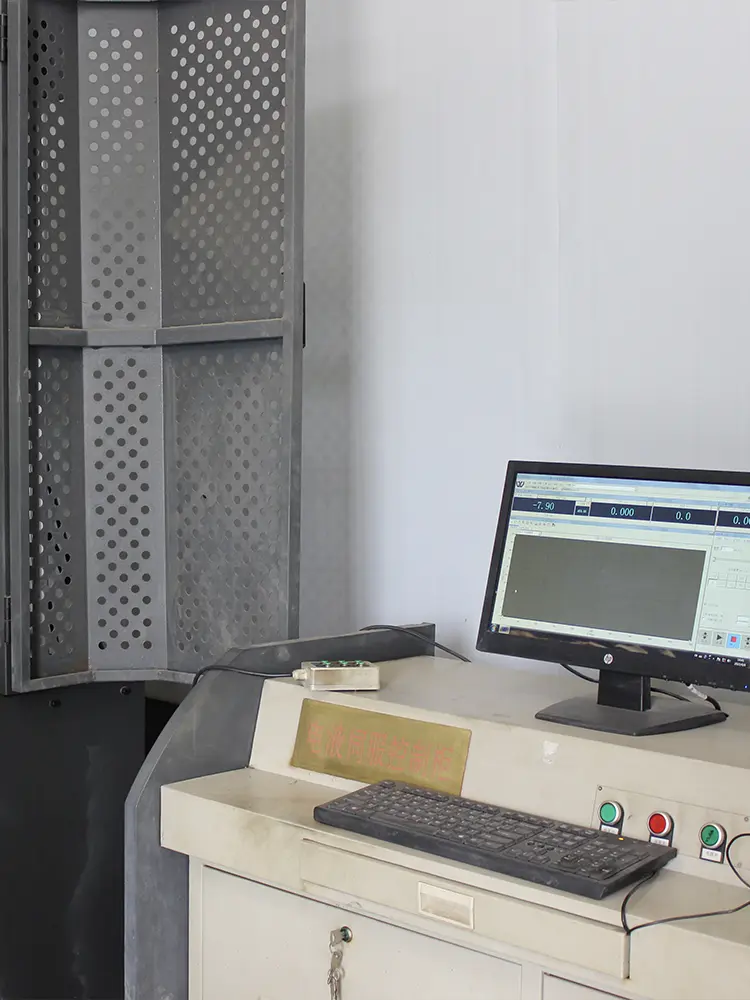
Universal Testing Machine
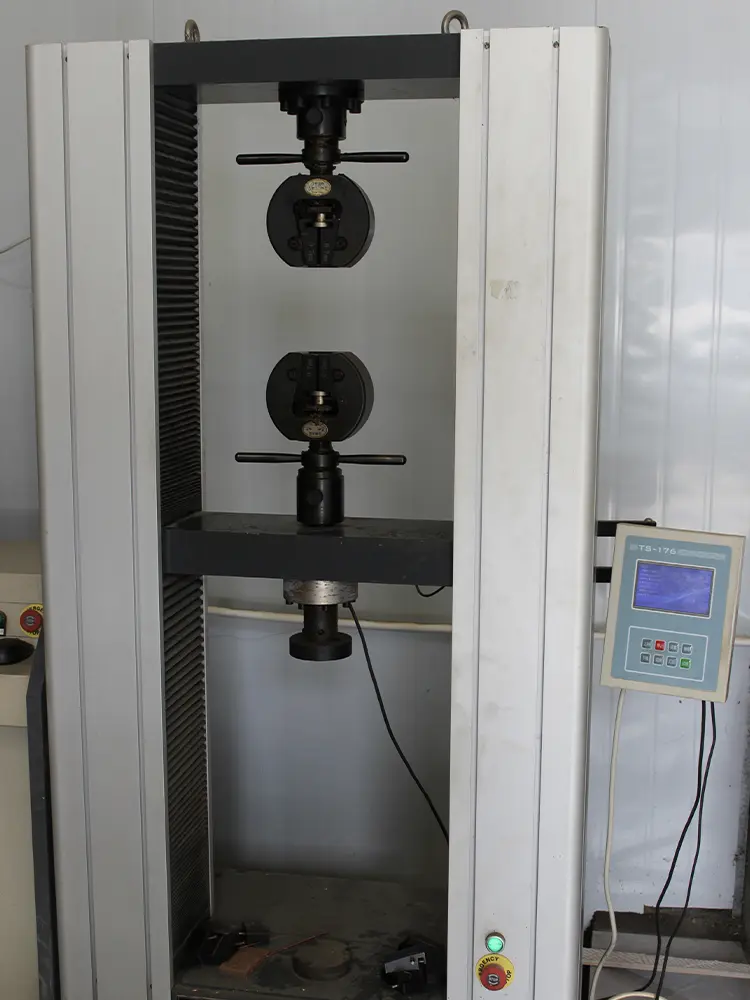
Electronic Universal Test
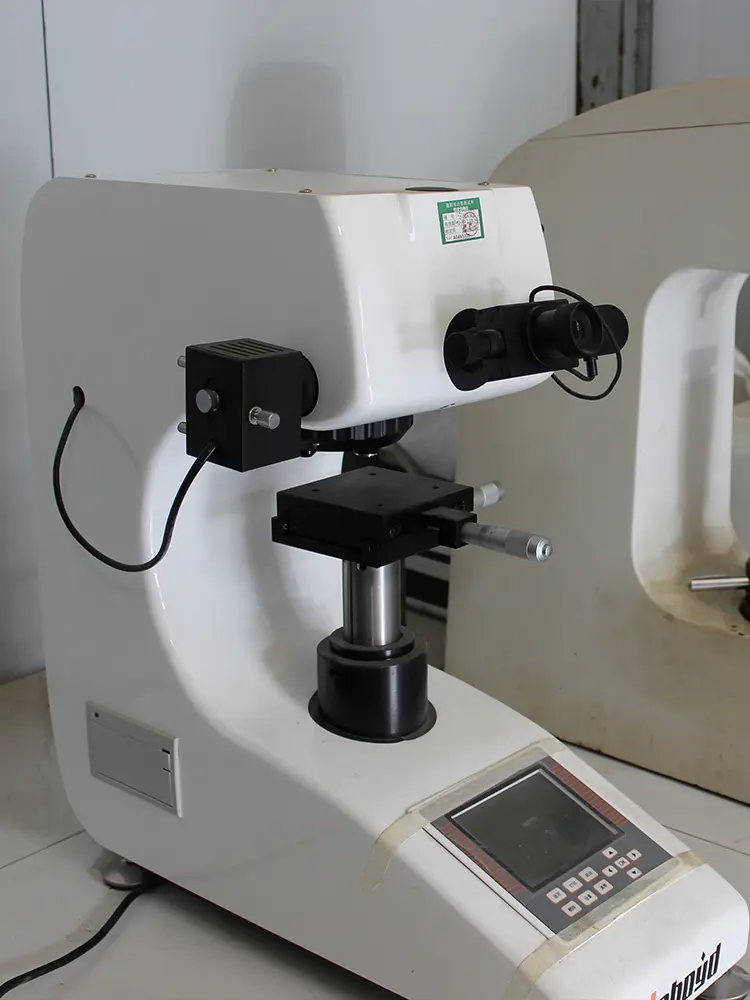
Rockwell Hardness Tester
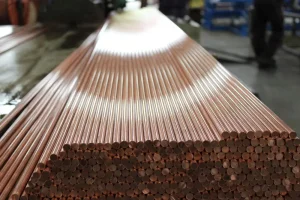
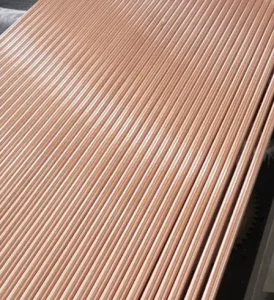
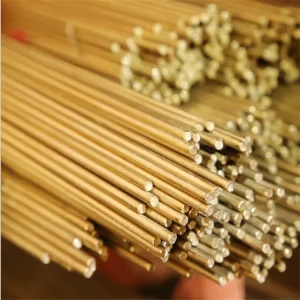
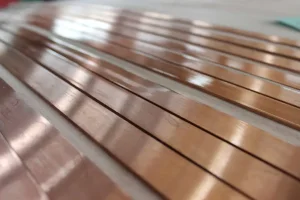
Our comprehensive range of special copper and bronze alloys, with performance characteristics matched to global standards.
For procurement officers in Morocco, purchasing raw alloys from a Chinese factory involves navigating international trade logistics, customs clearance, and lead times. Sichuan Kepai manages the logistics process to ensure efficient delivery through direct coordination with shipping lines.
Our standard export procedures include custom anti-oxidant wrapping, reinforced wooden framing for bars and wire coils, and ocean container optimization. We provide complete trade documentation, including Bills of Lading, Certificates of Origin, Packing Lists, Commercial Invoices, and Mill Test Reports (MTR) verifying chemical composition and physical properties. This documentation supports smooth processing through Moroccan customs authorities at Tanger-Med.
Every shipment is tagged with a heat number linked to our foundry records. This system provides traceability for each step of production, from raw raw material selection to extrusion and heat treatment. This level of verification is designed to meet the quality and process control standards required by global automotive OEMs and aerospace subcontractors.
Frequently asked questions from engineering departments and purchasing divisions in Morocco.
C17500 Beryllium Cobalt Copper incorporates Cobalt (2.4-2.7%) as the primary grain-refining agent, providing high thermal stability and excellent electrical conductivity. C17510 Beryllium Nickel Copper replaces Cobalt with Nickel (1.4-2.2%), which yields slightly higher tensile strength and fatigue limit but marginally lower thermal conductivity in specific ranges. Both alloys meet the RWMA Class 3 specification and are used for heavy-duty electrical contacts and spot-welding electrodes.
Our chemical composition laboratory utilizes optical emission spectrometers (OES) and inductively coupled plasma (ICP) analyzers to verify element concentrations. We verify that the Beryllium concentration is within the specified range (0.4-0.7%) to ensure correct precipitation hardening behavior, preventing issues like micro-cracking or insufficient hardness after heat treatment.
Production cycles for custom-extruded bars or wires typically range from 15 to 25 days depending on dimension specifications. Shipping from Chinese ports to Tanger-Med takes approximately 30 to 35 days. For regular procurement schedules, we offer stocking programs at strategic regional transit warehouses to reduce local lead times.
Yes, all our copper alloys, including Beryllium Cobalt Copper, Tellurium Copper, and Chromium Zirconium Copper, comply with European RoHS and REACH directives. We provide third-party testing reports (such as SGS reports) to verify compliance, supporting imports into EU-focused manufacturing sectors.
While C18150 is suitable for standard mild steel welding due to its high electrical conductivity, C17500 is preferred for welding high-strength steels, stainless steels, and non-ferrous metals. The higher hardness and softening temperature of C17500 help prevent tip mushrooming under high mechanical pressures and continuous operating temperatures.
Partner with Sichuan Kepai New Material for reliable metallurgical consistency, production efficiency, and tailored logistical support for the Moroccan market.
 Kepai
Kepai