 Kepai
Kepai


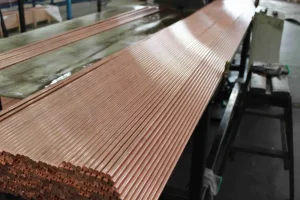
Kyrgyzstan's Evolving Industrial Landscape: Modernizing Infrastructure
Kyrgyzstan has emerged as a vital regional corridor in Central Asia, bridging major economic routes across the Eurasian Economic Union (EAEU) and the Belt and Road Initiative (BRI). The nation is undergoing a major technological transformation, particularly in energy transmission, mining modernization (such as gold extraction projects like Kumtor and gold-copper mines like Jeruy), and localized heavy machinery manufacturing in regions like Chuy, Bishkek, and Osh.
As the government commits to structural grid updates to prevent energy losses in the Central Asian Power System (CAPS), the need for high-performance non-ferrous metals is expanding rapidly. The modernization of hydro-power units and railway electrification (e.g., the China-Kyrgyzstan-Uzbekistan corridor) demands heavy-duty conductors, age-hardenable alloys, and anti-spark, wear-resistant parts that retain high electrical conductivity under high physical loads.
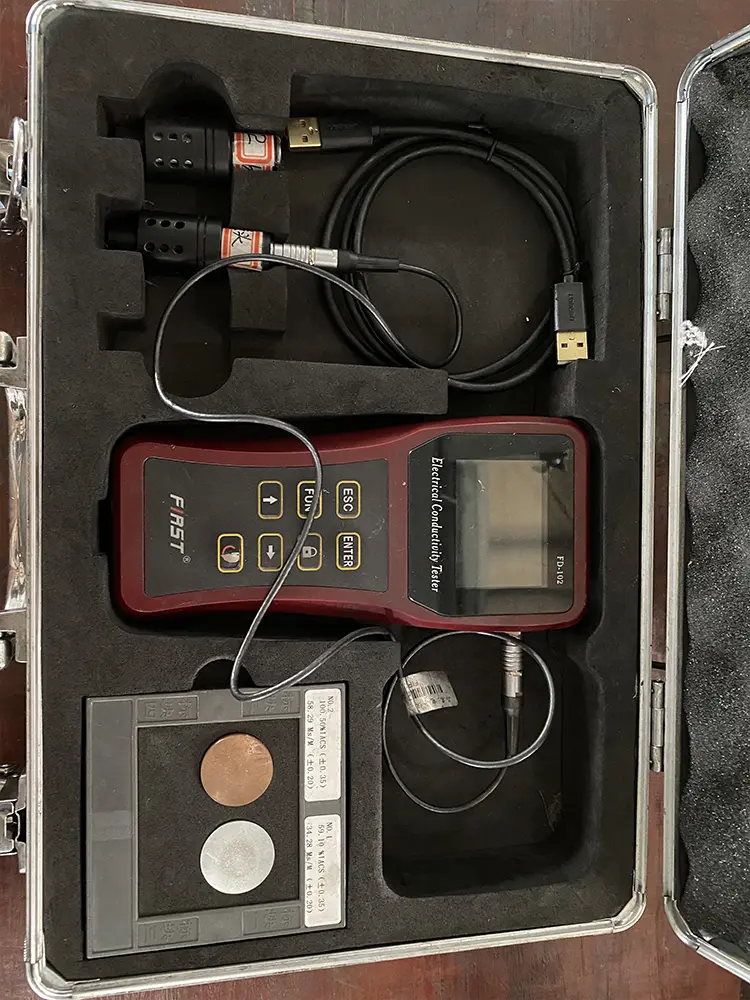
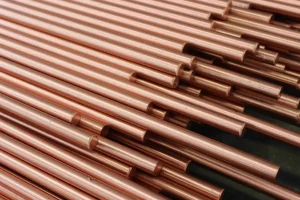
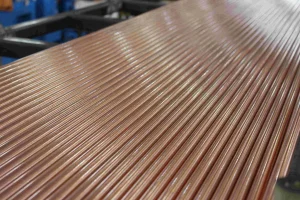
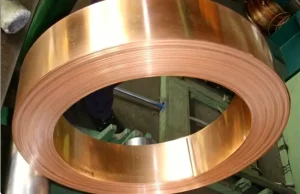
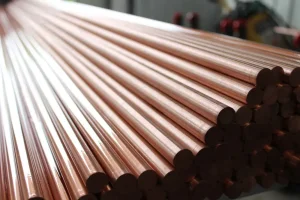
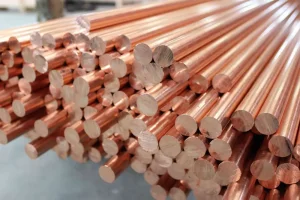
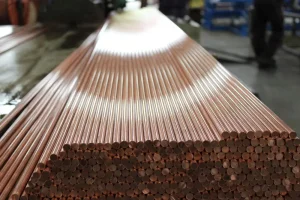
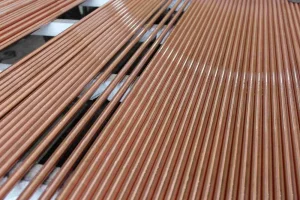
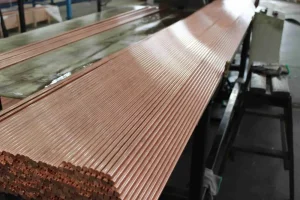
Beryllium Cobalt Copper (C17500 and C17510) bridges this specific industrial need. Possessing a unique blend of electrical conductivity (up to 60% IACS) and extreme tensile strength, it serves as the foundation for durable switchgears, spot-welding equipment, electrical relays, and mining drills operating in Kyrgyzstan's demanding climatic and environmental conditions.
Industrial Scenarios
High-conductivity copper alloys are vital in localized power sub-stations, providing low energy dissipation in Kyrgyzstan's mountainous transmission lines.
Severe Mining Environments
Mining exploration platforms require anti-friction bushing components and spark-resistant copper alloys for safety and continuous deep-ground operations.