Engineered to meet the exact tolerances required by New Zealand's advanced manufacturing sectors. Our high-performance copper-beryllium alloys guarantee exceptional strength combined with elite electrical and thermal conductivity.
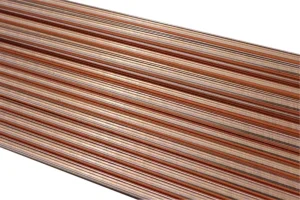
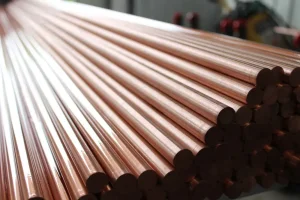
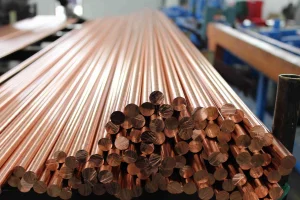
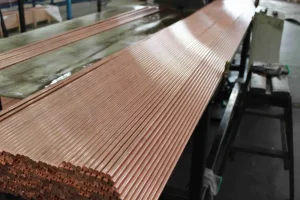
Beryllium Cobalt Copper alloys represent a pinnacle in the engineering of functional non-ferrous metals. Designed primarily to bridge the gap between high mechanical strength and exceptional thermal and electrical conductivity, these materials—predominantly classified under UNS C17500 and C17510—rely on a precise precipitation-hardening mechanism.
During formulation, the matrix is enriched with dilute amounts of Beryllium (typically 0.4–0.7%) alongside Cobalt (1.4–2.2% for C17500) or Nickel (1.4–2.2% for C17510). The metallurgical treatment involves solution annealing at elevated temperatures followed by rapid quenching, leaving the alloy in a supersaturated solid solution. Subsequent thermal aging induces the controlled precipitation of fine, highly dispersed intermetallic phases (such as CoBe or NiBe) within the copper matrix. This structure acts as a barrier to dislocation movements, multiplying the yield strength of pure copper by up to four times, while maintaining an electrical conductivity of 45% to 60% IACS.
| Property | C17500 (Co-Be-Cu) | C17510 (Ni-Be-Cu) |
|---|---|---|
| Tensile Strength | 680 - 960 MPa | 690 - 980 MPa |
| Yield Strength | 550 - 760 MPa | 560 - 780 MPa |
| Electrical Conductivity | 45 - 60% IACS | 48 - 60% IACS |
| Thermal Conductivity | 200 W/m·K | 210 W/m·K |
Although traditionally known for its agricultural base, New Zealand's industrial sectors have undergone a significant transformation. Today, high-precision engineering, high-value manufacturing, niche aerospace, and advanced marine building demand specialized metallurgical solutions.
Marine and Defense Engineering: Auckland’s world-renowned superyacht and commercial boatbuilders require non-magnetic, highly corrosion-resistant materials. C17500 offers the durability needed for critical marine electrical structures, underwater sensor housings, and heavy-duty mechanical assemblies that constantly face salt spray and high physical stress.
Aerospace and Space Tech: The growth of the domestic aerospace cluster in places like Canterbury and Otago (supported by the NZ Space Agency) has created demand for components that can withstand extreme thermal gradients. High-strength copper alloys are critical for thrusters, thermal interfaces, and high-frequency communication connectors.
Geothermal & Sustainable Energy: With New Zealand's significant focus on geothermal energy generation in the Taupō volcanic zone, sub-surface exploration tools face highly corrosive, hot, and high-pressure environments. Beryllium cobalt copper alloys provide the necessary spark-resistant and high-strength attributes required for downhole drill tools and sensor housings.
Automated Agriculture & Food Processing: Modern robotic dairy processing equipment utilizes high-conductivity materials for advanced sensor networks and automated welding assemblies. Our alloys ensure that operations run with minimal downtime and maximum energy efficiency.
As a major supplier to global tech companies and industrial operations, Sichuan Kepai New Material Co., Ltd. addresses high-level manufacturing challenges. We provide custom solutions that keep global supply chains moving.
In automotive manufacturing and automated assembly lines, C17500 and C17510 serve as the default standard for projection welding dies, spot welding electrodes, and electrode holder shafts. Their high softening temperature prevents deformation under continuous heat and mechanical pressure.
For rapid thermal dissipation in complex plastic molding processes, our beryllium copper cores reduce cycle times by up to 30%. This directly boosts productivity for New Zealand manufacturers producing high-volume medical equipment, packaging materials, and consumer plastics.
High-power charging stations and vehicle battery management systems rely on high-conductivity alloys to minimize resistive power losses. As New Zealand updates its EV infrastructure, our custom copper-beryllium terminals offer a reliable, compact solution.
Laser nozzles and plasma electrodes are subjected to intense thermal arcs. By introducing tellurium copper (C14500) and beryllium cobalt copper variants, we provide materials with high resistance to wear and electric-arc erosion, extending consumables' lifespans.
Sichuan Kepai New Material Co., Ltd. is committed to sustainable industrial upgrading. We design low-impact manufacturing techniques and comply with international environmental requirements, ensuring that high-tech industrial growth does not come at the cost of the environment.
Our factory, located in the western area of the Sichuan Guanghan Industrial Development Zone, adjacent to National Highway 108, has a superior geographical position. This allows us to rapidly access major transport networks, minimizing the carbon footprint associated with inland shipping.
Technological innovation is the core competitiveness of Sichuan Kepai New Materials Co., Ltd. The company has a research and development and production team composed of senior industry experts who keep pace with international cutting-edge technology trends and continuously explore the unknown boundaries in the field of new copper alloy materials.
Through a combination of independent research and development and industry-university-research collaboration, Kepai has made breakthrough progress in several areas, including high-performance tellurium copper, lead copper, and sulfur copper. Many of our technological achievements have reached international advanced levels.
Kepai's product line covers a comprehensive range of solutions from basic materials to high-end customization. We focus on providing customers with high-performance, high-quality high-end copper alloy products, including but not limited to pure copper, oxygen-free copper, oxygen-free high-conductivity tellurium copper, nickel tellurium copper, tin bronze, beryllium copper, lead bronze, sulfur copper, and chromium zirconium copper.
In the face of global market competition, Sichuan Kepai New Materials adheres to the development strategy of "rooted in Sichuan, radiating nationwide, and moving towards the world." By continuously optimizing market layout and improving the sales network, we have established a stable customer base globally, expanding actively into New Zealand, Australia, and the broader Oceania region.
We advocate the corporate spirit of "integrity, innovation, collaboration, and win-win," encouraging employees to explore boldly and innovate courageously, while also emphasizing teamwork and talent cultivation. We believe that only by continuously pursuing excellence and creating value can we win the trust of customers and the respect of society.
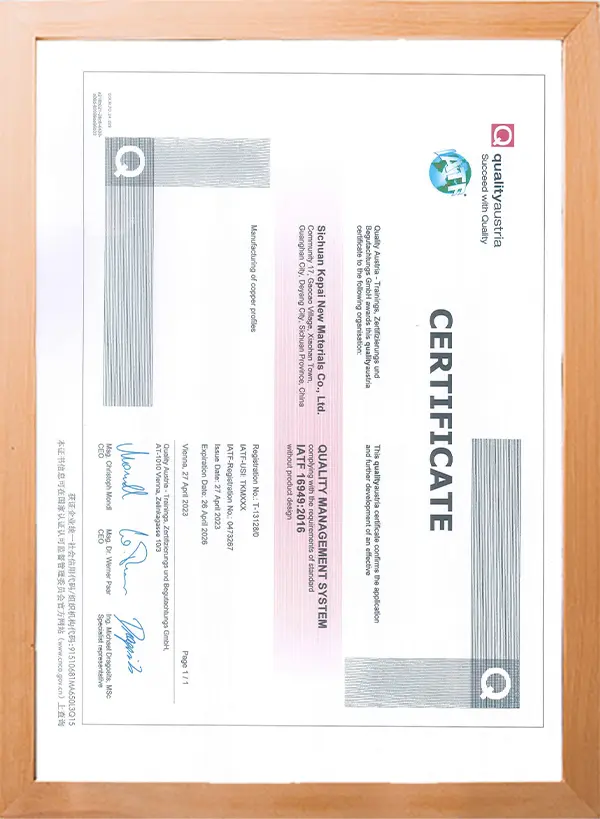
To ensure complete reliability in high-risk industrial environments, all our operations strictly comply with global ISO and SGS standards. Below are the credentials validating our quality systems.
ISO9001 Certificate
SGS Testing Standards
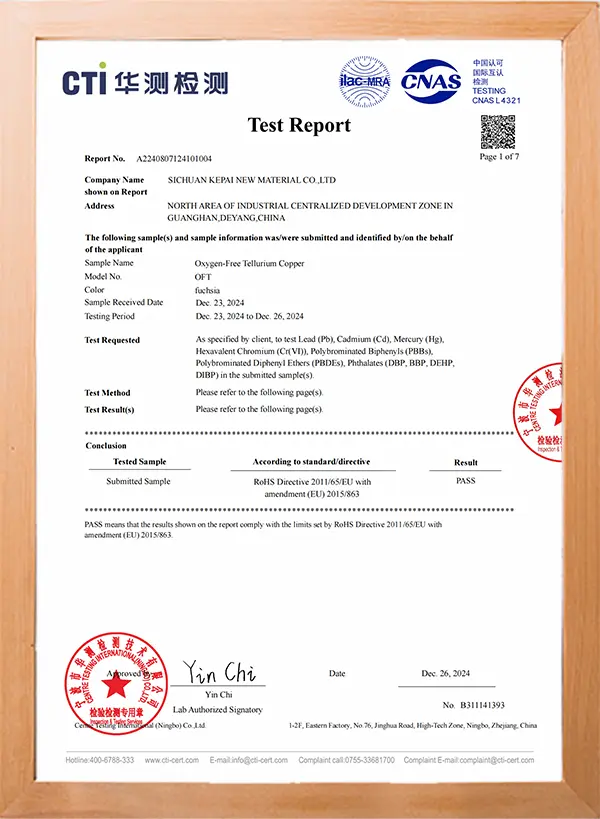
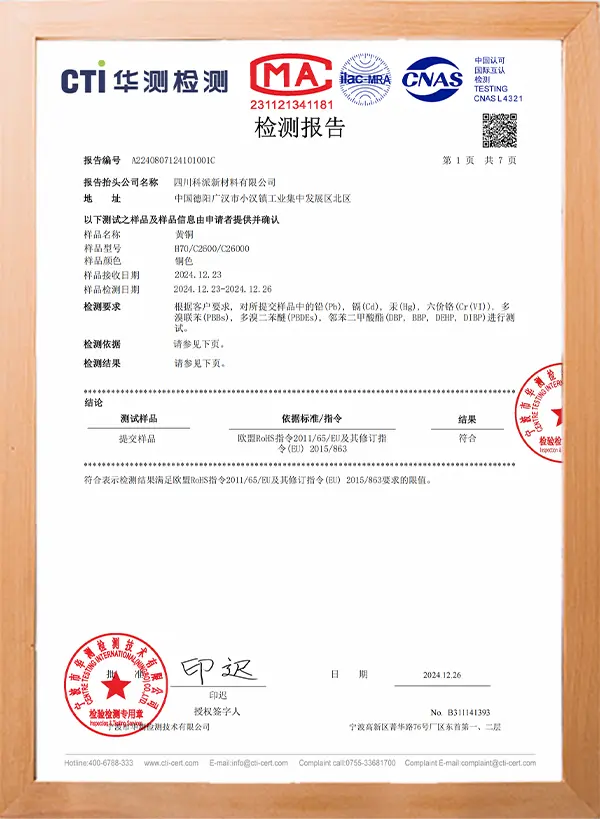
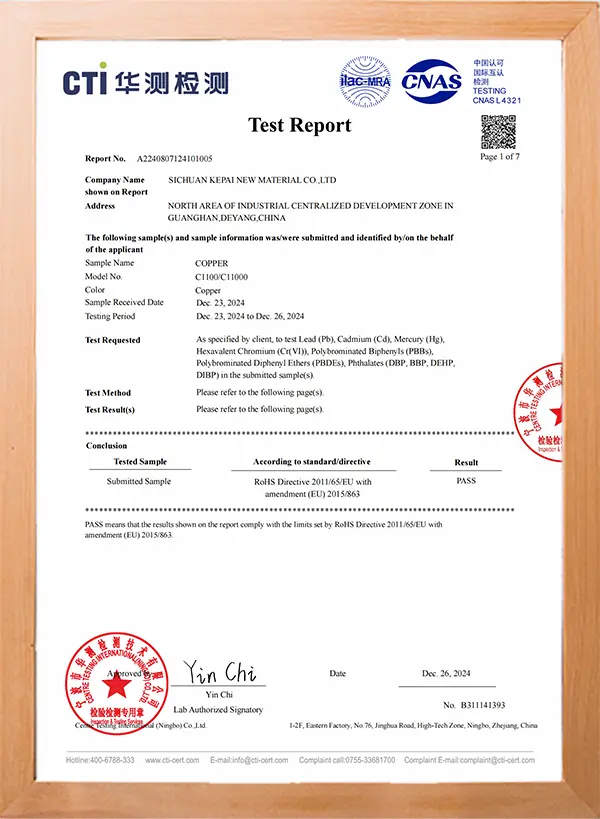
RoHS Environmental Compliance
REACH Global Material Standards
Our factory houses state-of-the-art smelting, extrusion, and drawing machines, backed by a rigorous laboratory testing workflow. This combination guarantees that every batch shipped to Auckland or Christchurch meets exact design requirements.
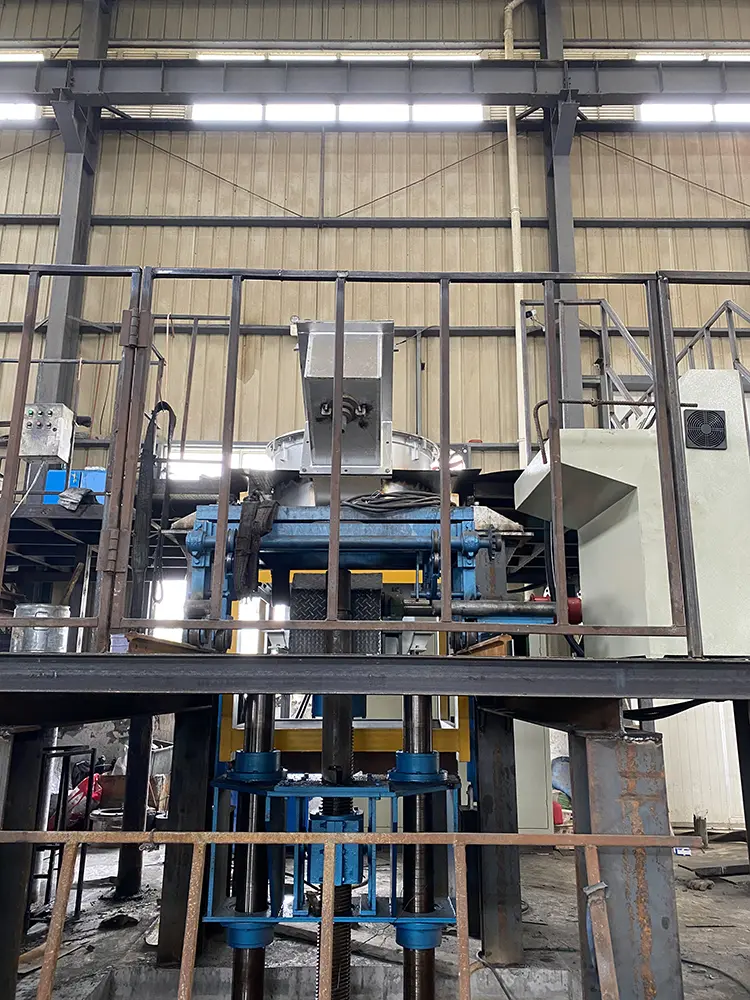
Vacuum Induction Smelting
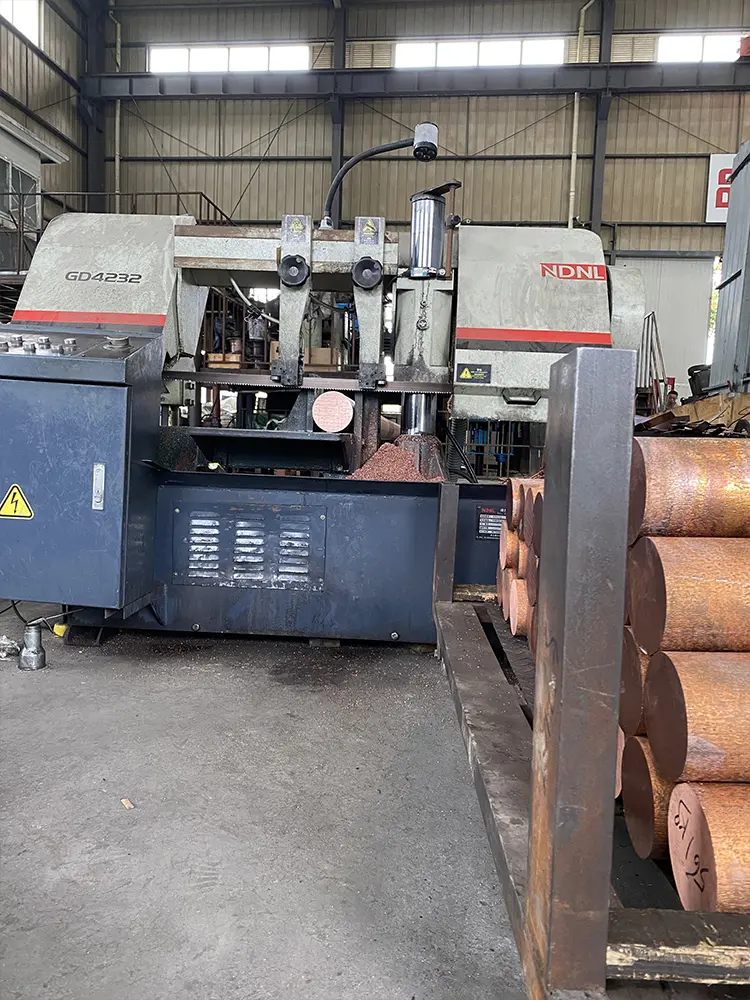
Precision Laying-Off Line
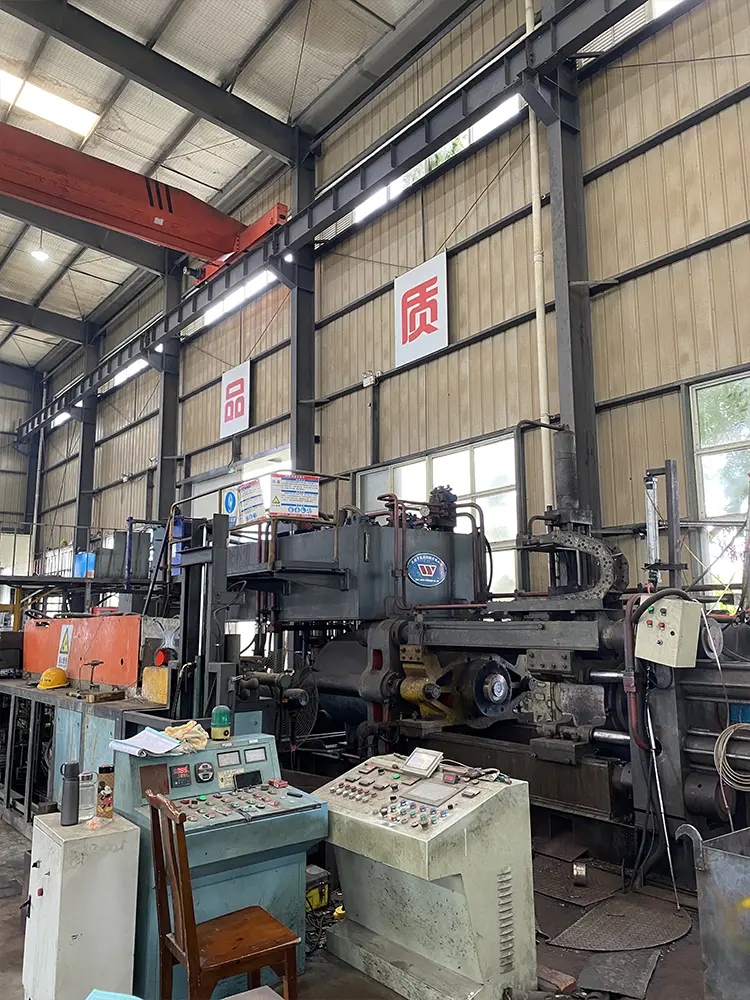
Heavy Extrusion Processing
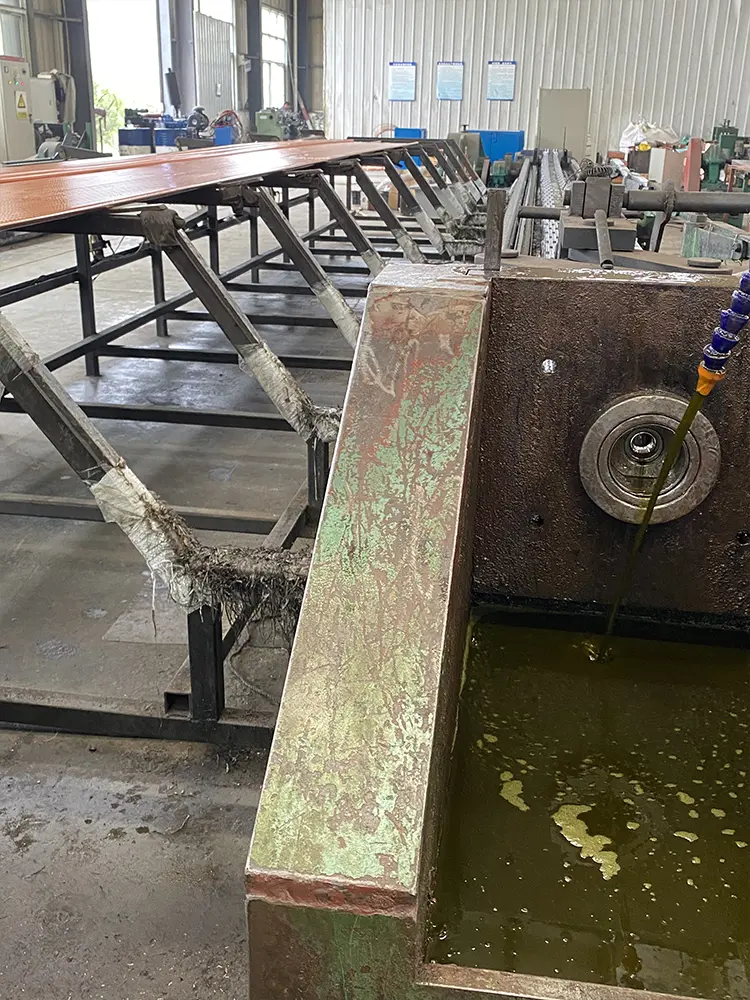
Cold Drawing and Sizing
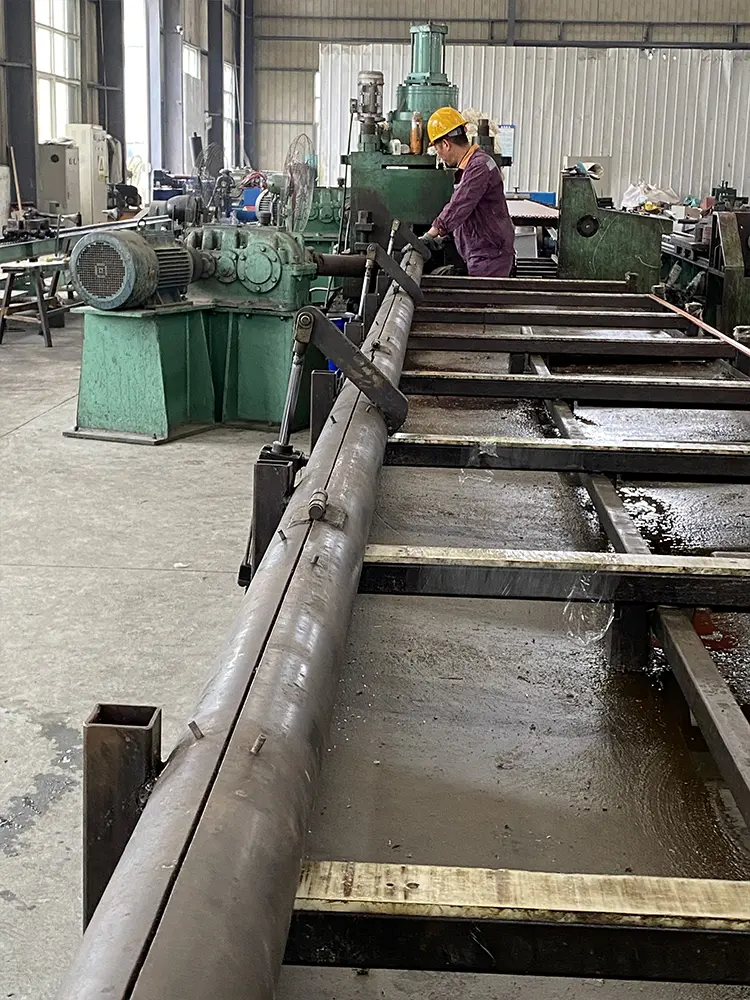
Rotary Straightening
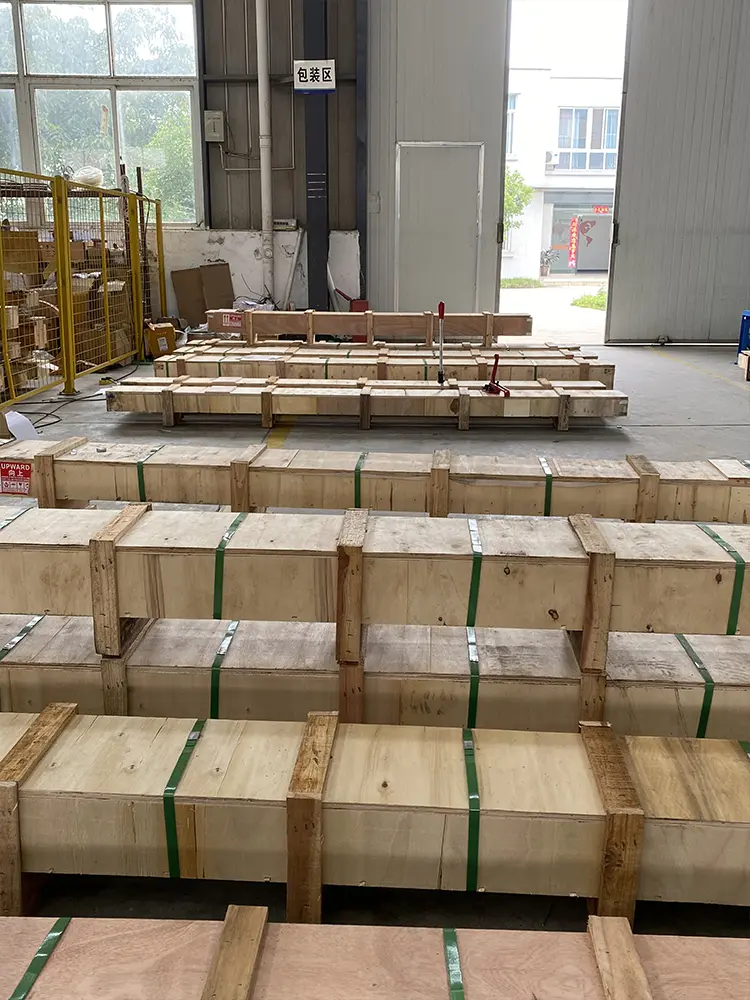
Vacuum Export Packaging
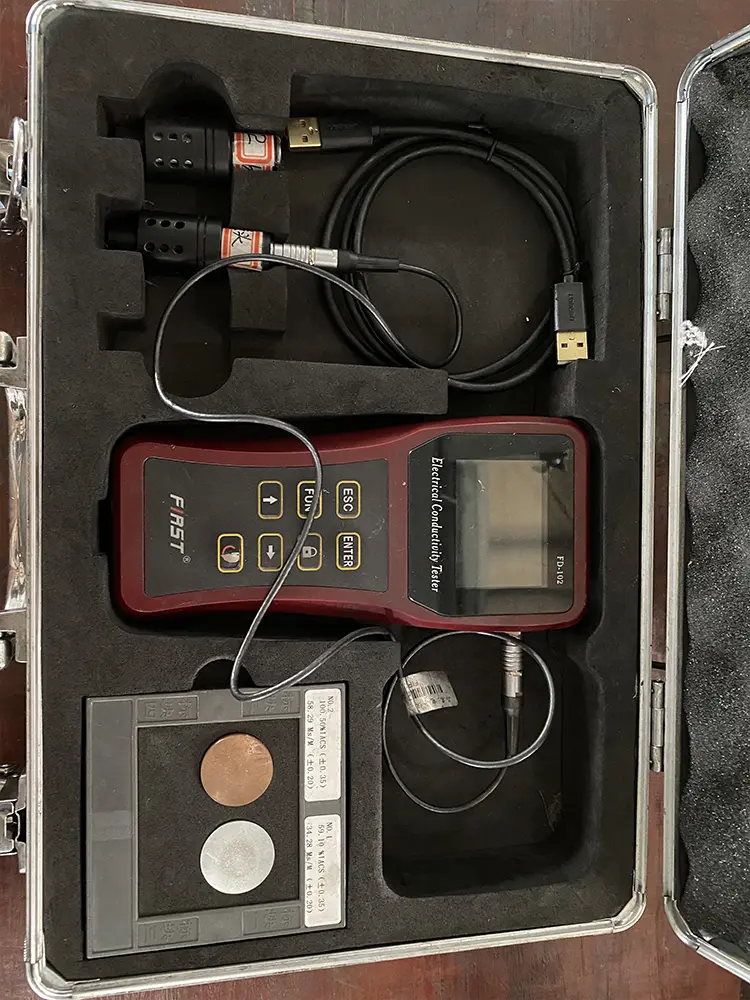
Eddy Current Conductance
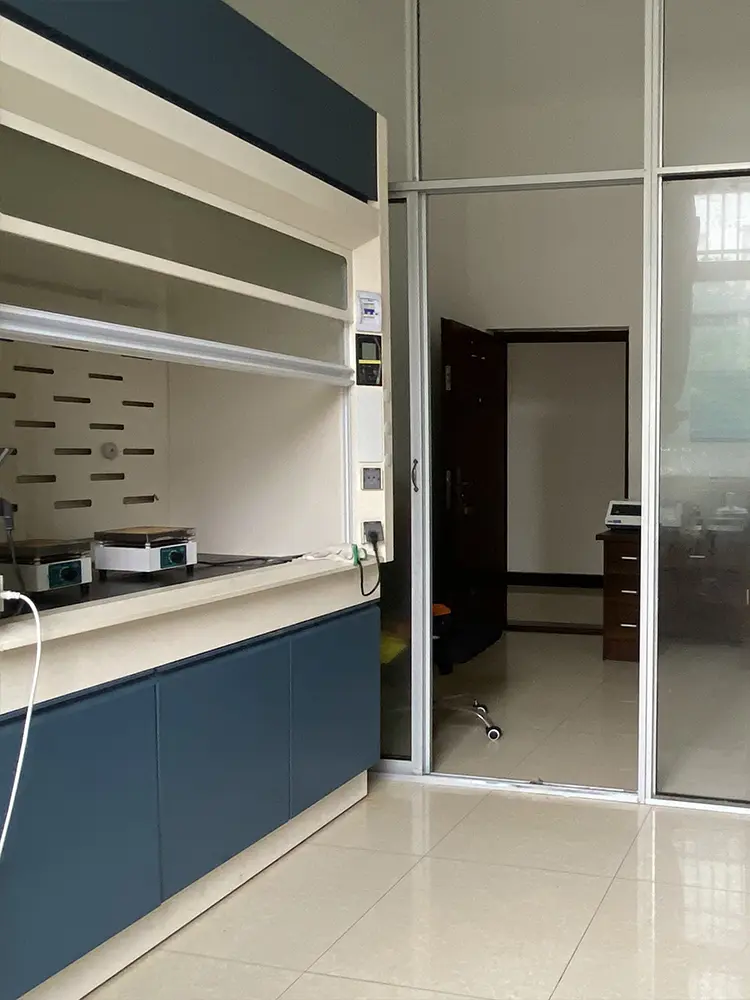
ICP Chemical Composition Lab

Metallographic Sample Polish
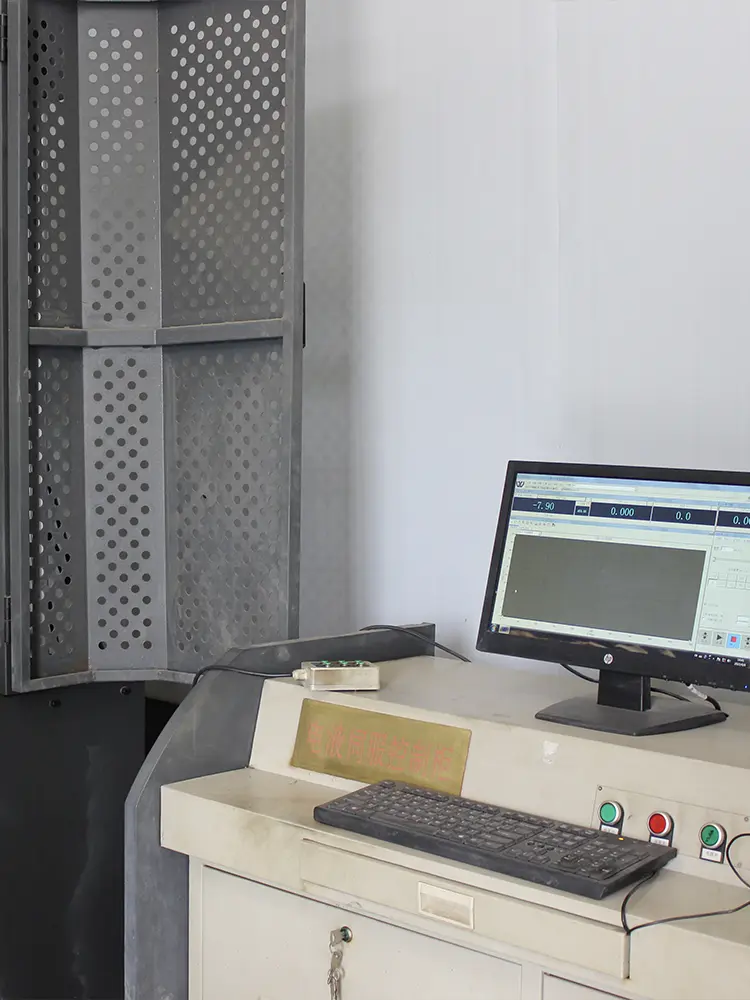
Electro-Hydraulic Universal Tester
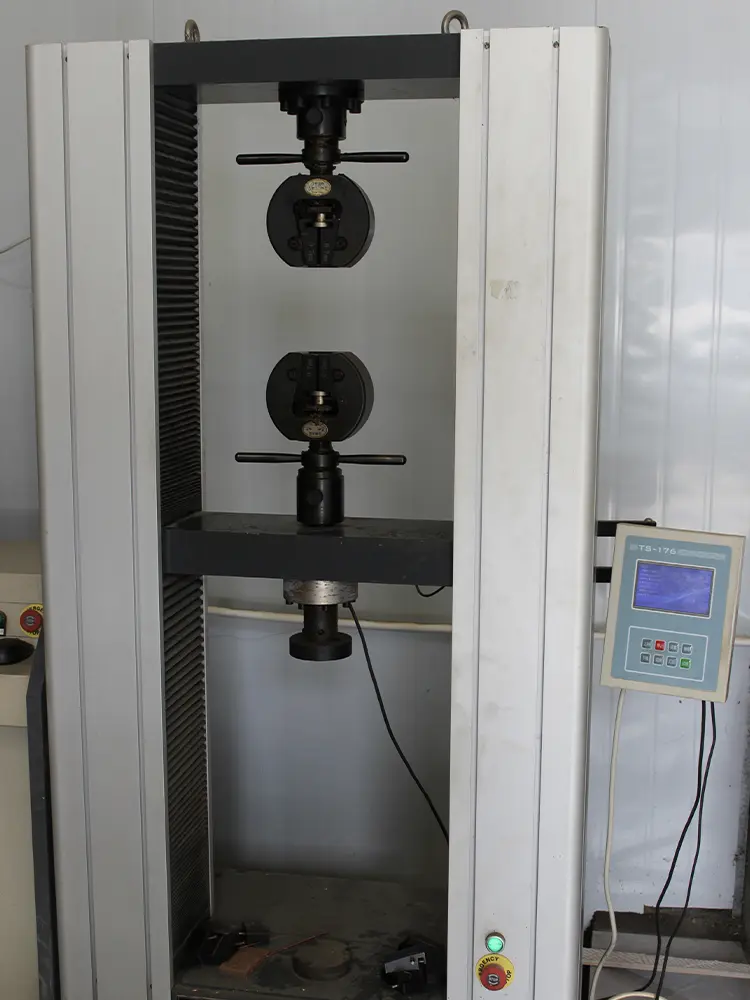
LCD Electronic Tester
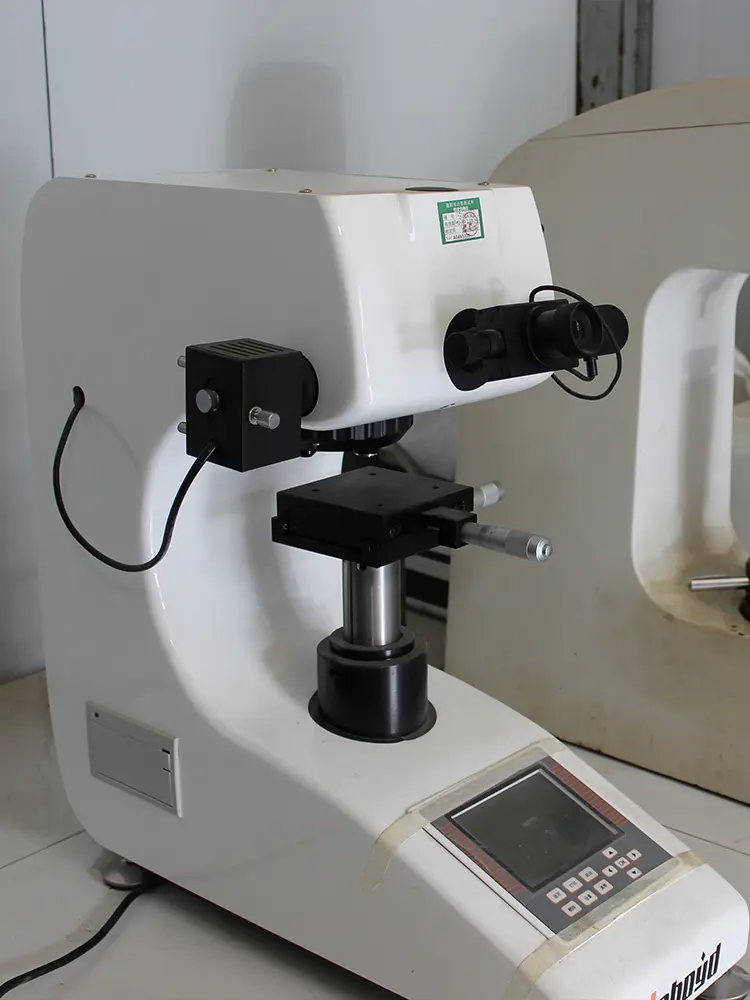
Vickers Hardness Tester
The metallurgical industry is moving toward higher levels of chemical purity and eco-friendly composition controls. As global standards for heavy metal limitations become stricter, Sichuan Kepai is researching and refining next-generation alloys.
Ultra-Low Lead Alternatives: We are actively developing replacements for traditional leaded brass, utilizing sulfur copper (C14700) and tellurium copper (C14500) to meet the strict drinking water and electronic safety directives of New Zealand and the European Union.
Beryllium Safety and Industrial Handling: While beryllium-containing dust presents health hazards during grinding or welding, finished beryllium copper components in solid form are completely safe. We work closely with our partners to provide dust-containment and vacuum filtration advice for facilities that machine our rods and plates.
Ultra-Fine Grain Refining: Our metallurgical team is using continuous extrusion technologies to achieve grain sizes below 10 micrometers. This improves fatigue life and mechanical toughness in high-frequency switches and relays.
Importing specialized metals from overseas requires clear logistical timelines, customs clearances, and verification of quality standards. Sichuan Kepai guarantees a smooth supply chain experience for New Zealand businesses:
Our engineering team can evaluate your custom requirements and provide a feasibility assessment within 24 hours.
Send Your Spec Sheet NowFind answers to technical and logistical questions about sourcing beryllium copper and oxygen-free copper for New Zealand industries.
Both are high-conductivity beryllium copper alloys. The difference lies in the alloying elements: C17500 utilizes Cobalt (1.4–2.2%) as its secondary alloy element, whereas C17510 utilizes Nickel (1.4–2.2%).
Generally, C17510 has slightly higher electrical and thermal conductivity (roughly 3–5% IACS higher) compared to C17500 under similar temper conditions. However, C17500 provides slightly better resistance to thermal softening in high-temperature welding environments. Both alloys are widely used interchangeably depending on regional availability and client specifications.
Yes. Finished beryllium copper in solid form (rods, plates, tubes) does not pose any health hazards. Normal machining operations, such as milling or turning with standard coolants, are safe.
Hazards only arise if dry grinding, dry polishing, or welding operations generate fine dust, particulates, or fumes containing beryllium, which can cause lung damage if inhaled. Always use a wet machining setup with proper local exhaust ventilation to capture fine particles.
The primary reason is thermal conductivity. C17500 thermal conductivity is roughly 3 to 4 times higher than that of standard tool steel (e.g., H13 or P20).
When placed in critical high-heat regions of a mold (such as deep cores or thin ribs), C17500 extracts heat from the plastic molten material much faster, accelerating cooling. This reduces cycle times by 15% to 35%, decreases part warpage, and improves overall dimensional stability.
Standard lead times for manufacturing custom copper shapes range from 15 to 30 days. Sea transit from Chinese ports (such as Shanghai or Shenzhen) to main New Zealand ports (Auckland, Tauranga, or Lyttelton) takes approximately 18 to 25 days.
For urgent research projects or critical parts replacement, we can arrange air freight, reducing transit time to 5–7 days.
Yes, all materials manufactured by Sichuan Kepai New Material Co., Ltd. are fully tested and certified compliant with current EU RoHS directives (Restriction of Hazardous Substances) and REACH regulations (Registration, Evaluation, Authorisation and Restriction of Chemicals).
We provide testing documentation and mill verification files with every shipment to ensure trouble-free customs clearance and industrial audit compliance.
Explore our complete catalog of industrial-grade copper alloys, including free-cutting, high-purity, and high-strength variants for specific engineering requirements.
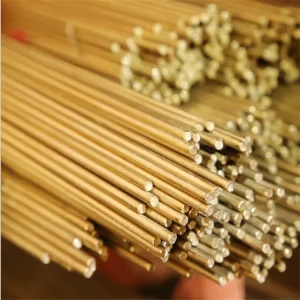

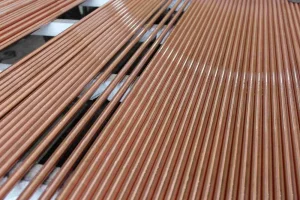
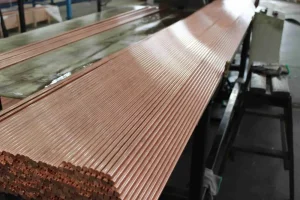
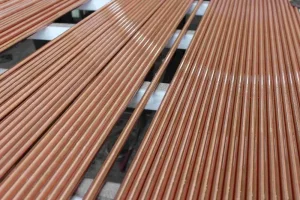
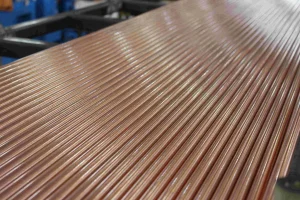
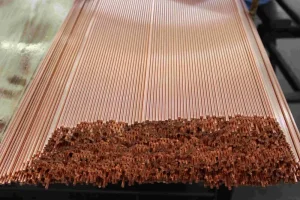
Whether you require precision-cut Beryllium Cobalt Copper bars, high-purity oxygen-free copper plates, or custom sulfur copper extrusions, Sichuan Kepai is ready to fulfill your order. Get in touch with our engineering team for technical advice and pricing.
 Kepai
Kepai