Direct supply of high-performance sliding bearings, alloys, and copper variants optimized for the Port of Hamburg's mechanical needs.
An in-depth metallurgical analysis on the mechanical stress, environmental parameters, and supply dynamics of copper-lead alloys in northern Germany.
Hamburg stands as one of Northern Europe’s primary industrial and logistics centers. With the Port of Hamburg acting as a major global trade hub, maritime engineering, container shipping logistics, and heavy dock crane manufacturing operate continuously. These sectors demand mechanical components that withstand corrosive saltwater environments and extreme mechanical loads.
Additionally, the Hamburg metropolitan region hosts key hubs for aerospace manufacturing (particularly Airbus at Hamburg-Finkenwerder) and emerging wind energy grids. These advanced engineering sectors rely heavily on high-performance lead bronze and customized copper alloys for slide bearings, sleeve bushings, turbine gearboxes, and connector pins. Key alloy variants, including leaded tin bronze (such as CuSn10Pb10 and CuPb15Sn), are engineered to meet these demanding operational environments.
Globally, lead bronze remains essential in mechanical engineering due to its self-lubricating properties, thermal conductivity, and resistance to wear. In these alloys, lead does not dissolve into the copper-tin matrix. Instead, it forms microscopic, isolated globules distributed throughout the metal structure.
Under boundary lubrication conditions, friction generates localized heat, which causes lead particles to smear across the bearing surface. This action forms a temporary lubricating film that prevents seizing and protects critical equipment components. This characteristic is critical for marine diesel engines, steering gears, and turbine assemblies where fluid-film lubrication can occasionally lapse.
| Alloy Designation | Tensile Strength (MPa) | Yield Strength (MPa) | Elongation (%) | Primary Application Field |
|---|---|---|---|---|
| CuSn10Pb10 (Lead Bronze) | ≥ 220 | ≥ 110 | ≥ 8 | High-speed, heavy-load sliding bearings in marine propulsion & pumps. |
| C54400 (Phosphor Bronze) | ≥ 380 | ≥ 240 | ≥ 10 | Precision bushings, wear plates, and automotive engine gear parts. |
| C14500 (Tellurium Copper) | ≥ 250 | ≥ 200 | ≥ 12 | High-conductivity electrical contacts and plasma cutting nozzles. |
| C17200 (Beryllium Copper) | ≥ 1100 | ≥ 900 | ≥ 3 | Aerospace instrumentation, non-sparking safety tools, spring contacts. |
As a specialized manufacturer, Sichuan Kepai New Material Co., Ltd. leverages a complete local supply chain, vertically integrated smelting facilities, and advanced processing technologies to produce high-performance alloys. Operating out of our 9,000-square-meter facility, we maintain precise control over alloy compositions, structure uniformity, and lead dispersion to meet international standards such as DIN, ASTM, and BS.
By routing shipments through the China-Europe Railway Express (Yuxinou/Rongxinou), we deliver materials directly to Hamburg Billwerder terminal in approximately 15 to 18 days. This provides a reliable, fast-turnaround logistical alternative to standard ocean freight from Shanghai, enabling German engineering firms to optimize their inventory levels and reduce lead times.
A look at our production capacity, facility footprint, and ongoing expansion in the specialized copper alloy sector.
We are situated in the western area of the Sichuan Guanghan Industrial Development Zone. Our proximity to key shipping networks enables efficient national and international transport. We are committed to supplying high-grade copper alloys while prioritizing process control, waste reduction, and compliance with EU environmental regulations (such as RoHS and REACH exceptions for critical engineering alloys).
Our quality assurance program is built on systematic processing, specialized equipment, and comprehensive testing protocols.
Our engineering and production teams work directly in copper metallurgy, refining alloy properties for high-performance applications. By using industry-university-research collaborations, Kepai has optimized manufacturing routes for tellurium copper, lead bronze, and sulfur copper to match the requirements of precision German machinery.
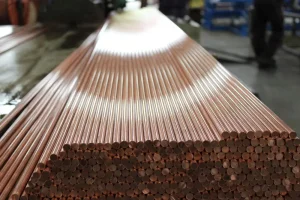
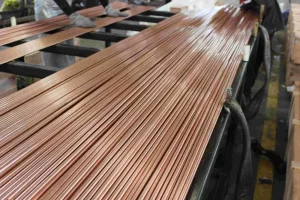
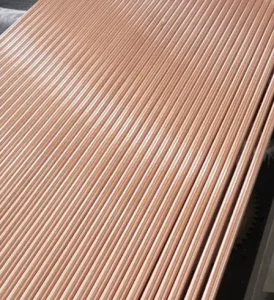
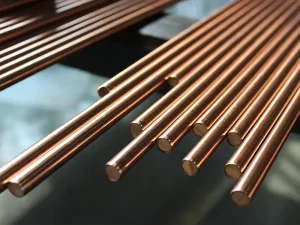
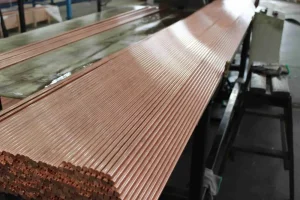
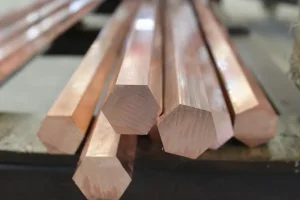
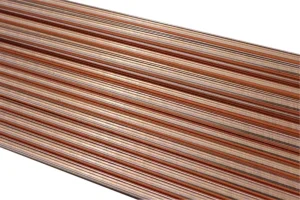
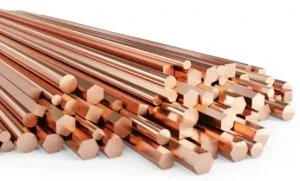
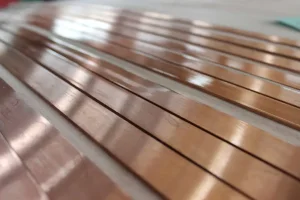
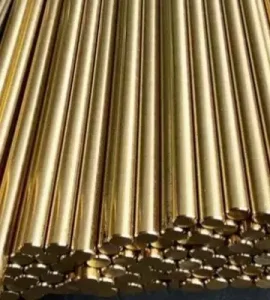
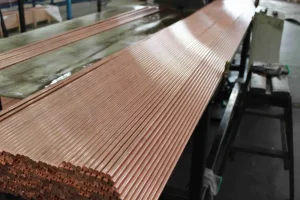
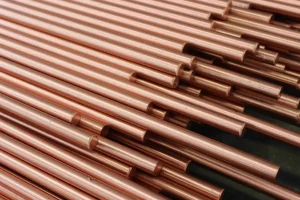
Our product portfolio ranges from standard copper stock to highly customized alloys. We focus on industrial-grade materials including oxygen-free copper, tellurium copper, lead bronze, beryllium copper, and tin-bronze. These materials are engineered to offer high wear resistance, thermal and electrical conductivity, and consistent machinability.
We serve industrial markets across Europe, Asia, and North America. Our distribution channels allow us to supply manufacturers in Hamburg, Bremen, and Kiel, providing consistent material quality and standard documentation to meet local compliance requirements.
We work closely with customers to support material selection, optimization, and post-sales technical evaluation, helping clients refine their engineering processes and improve overall system reliability.
Our manufacturing and quality-control processes are supported by specialized equipment to ensure material consistency and dimensional accuracy.
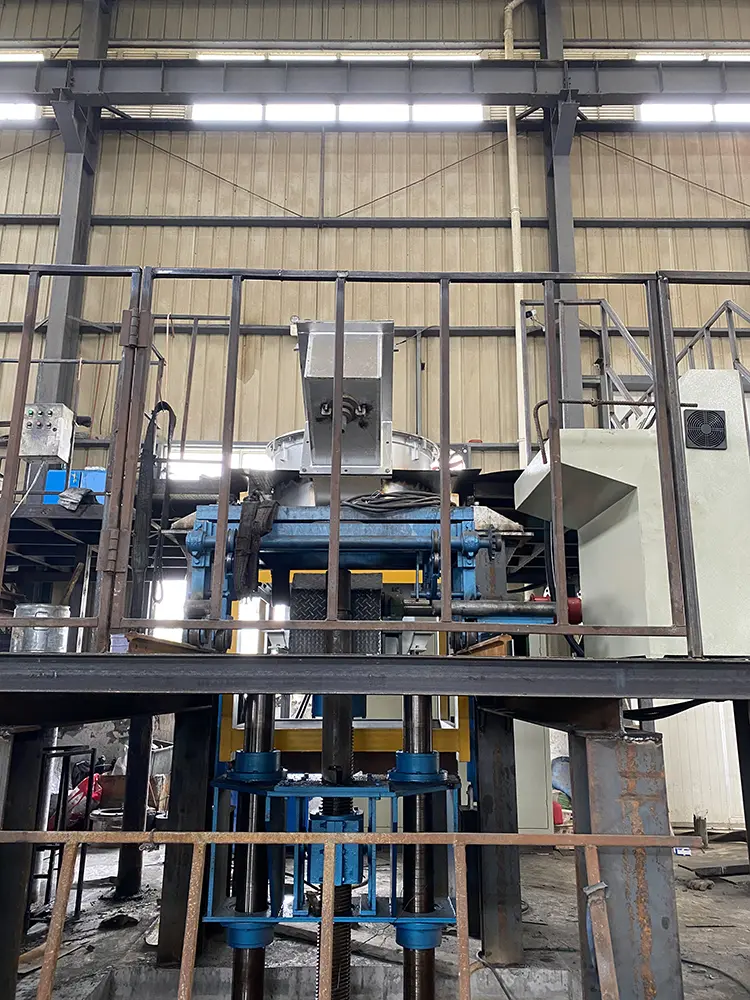
Controlled Smelting
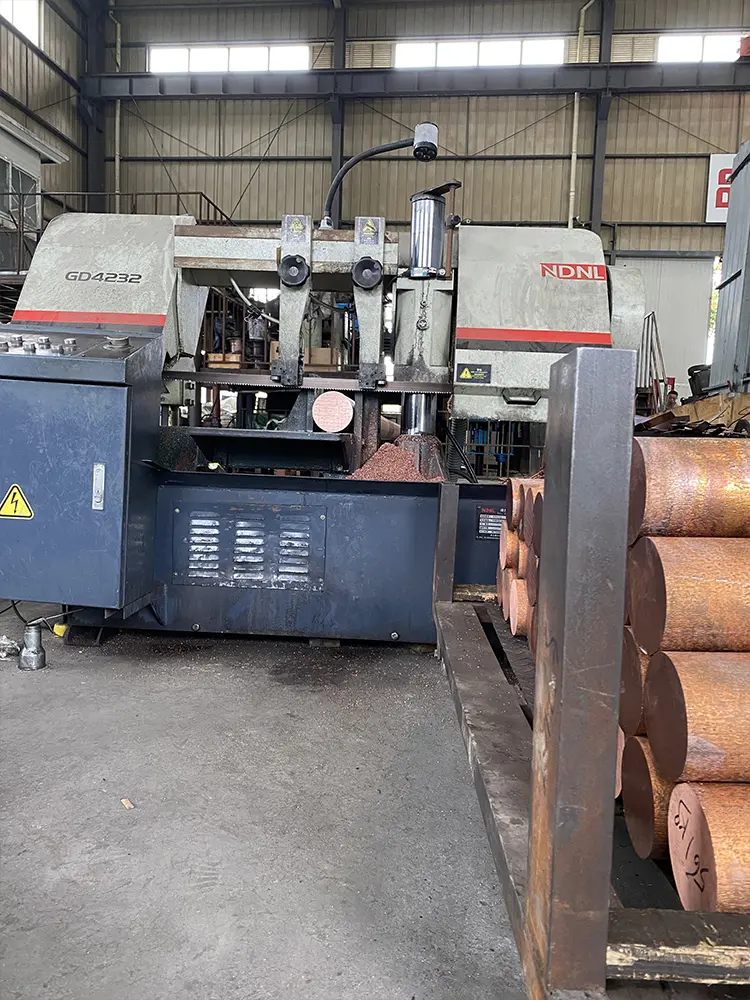
Precision Laying-Off
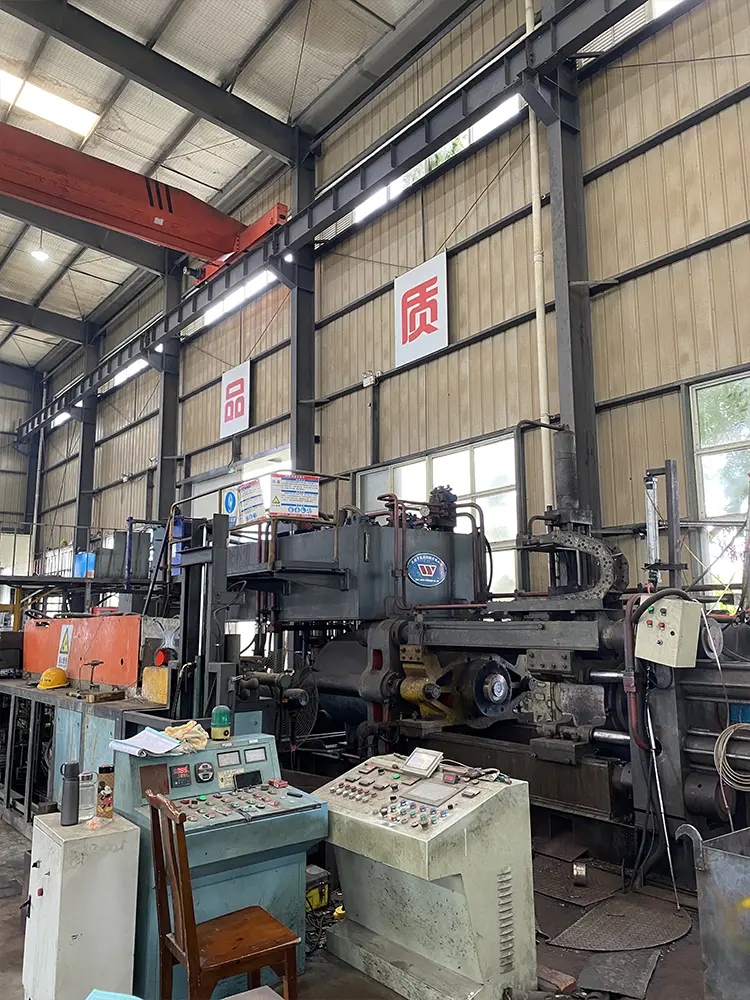
Hot Extrusion Press
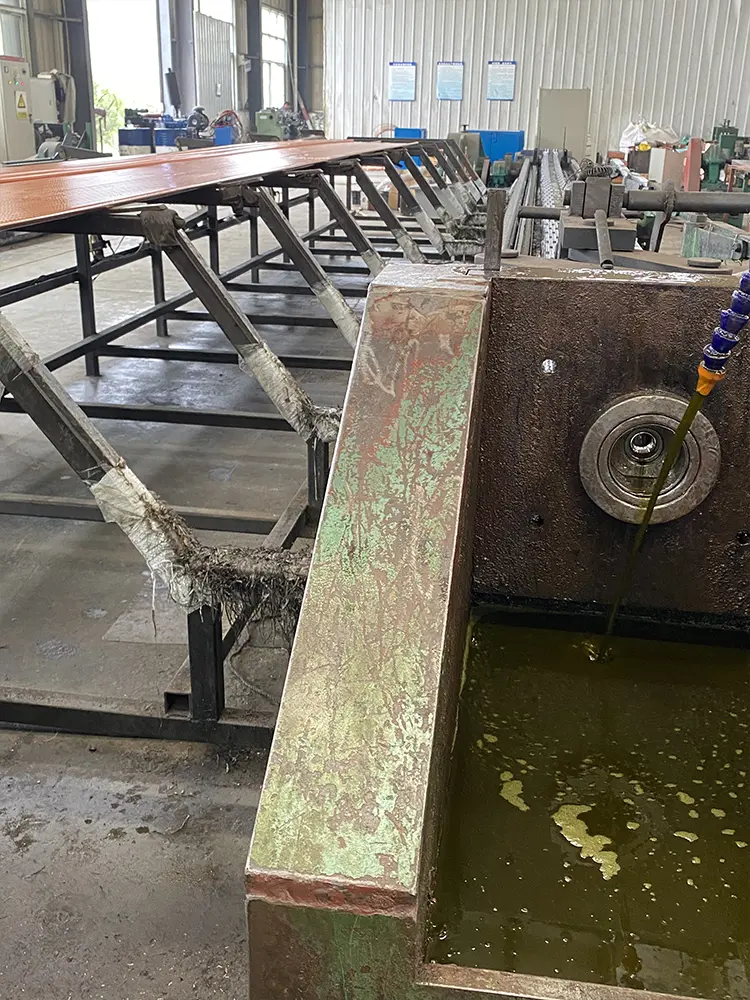
Cold Drawing Line
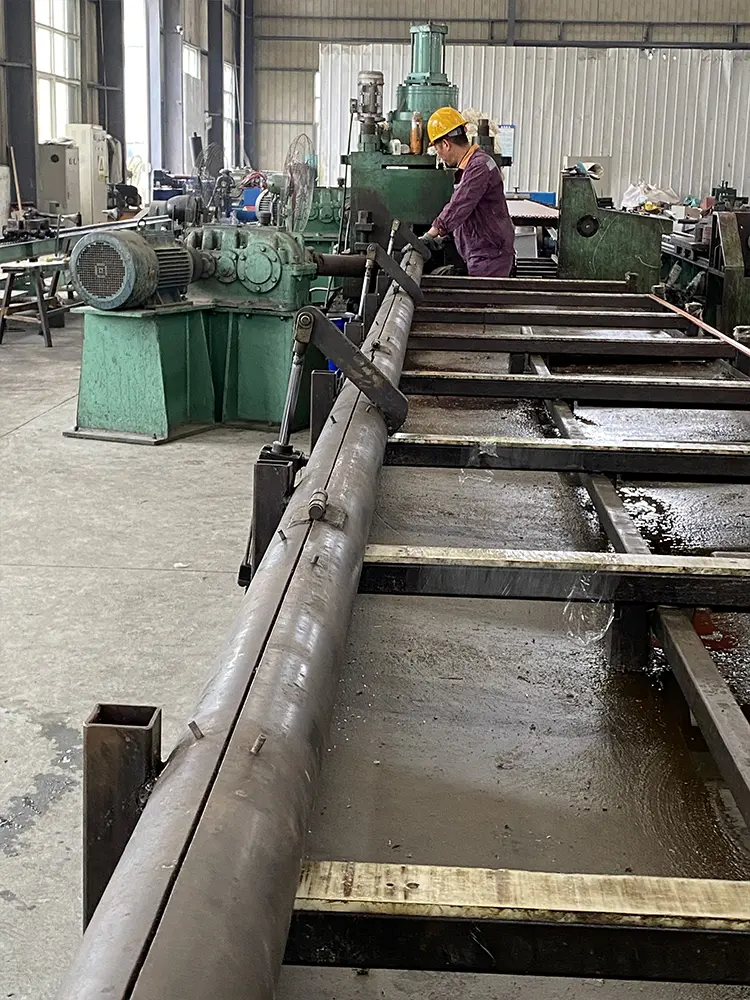
Precision Straightening
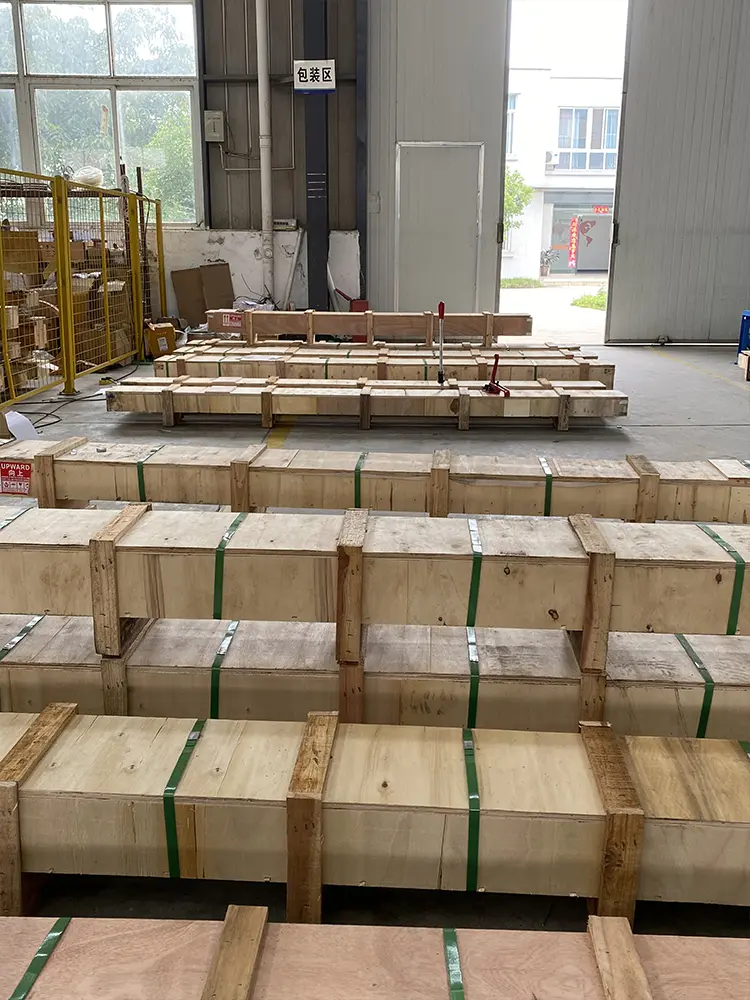
Export Packing & Coating
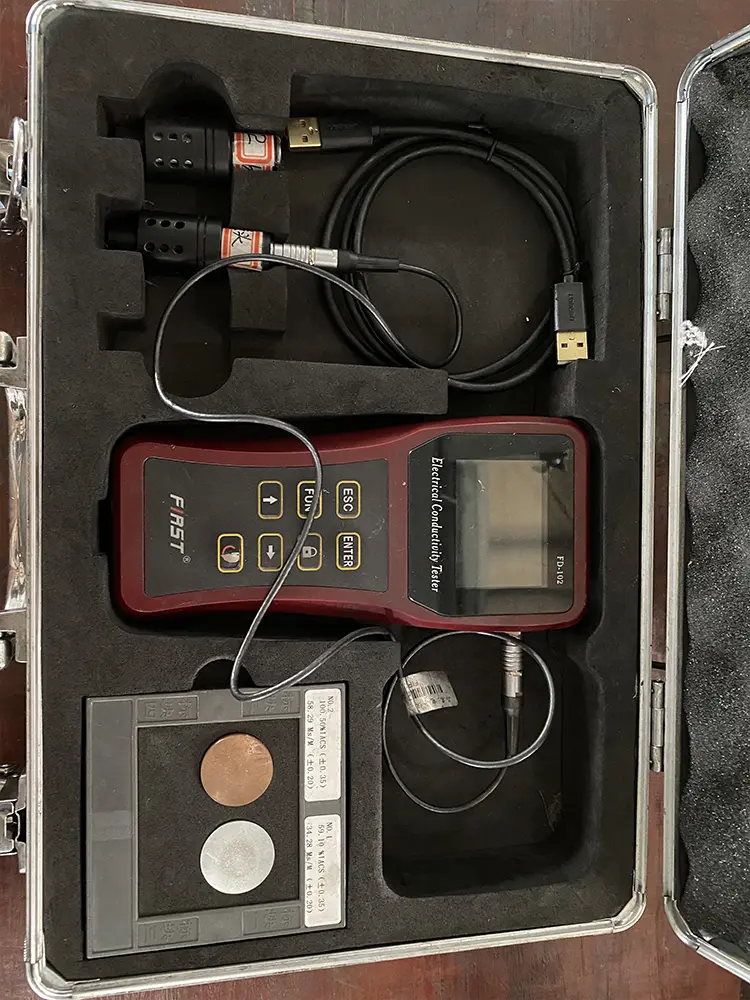
Eddy Current Conductance Meter
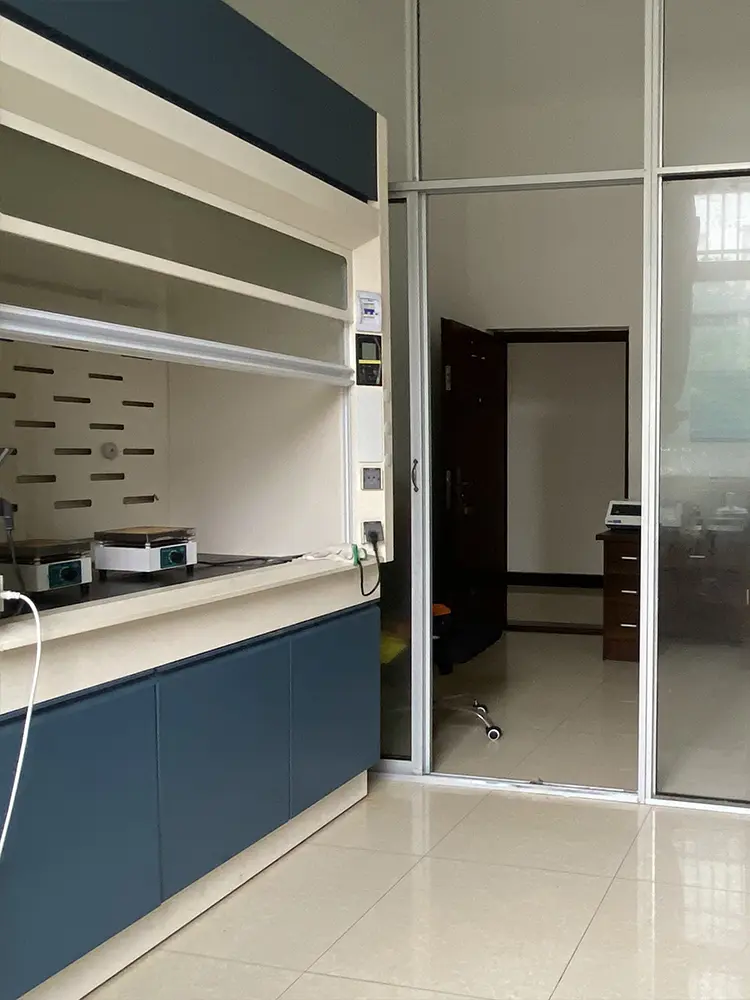
Chemical Composition Lab

Metallographic Polisher
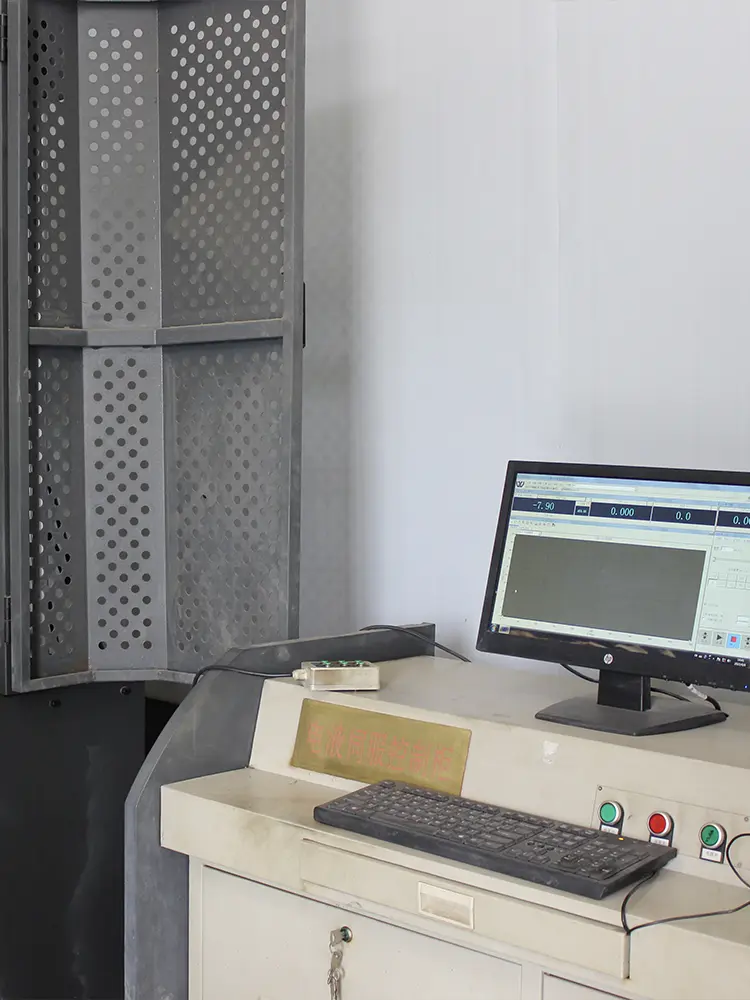
Microcomputer Servo UTM
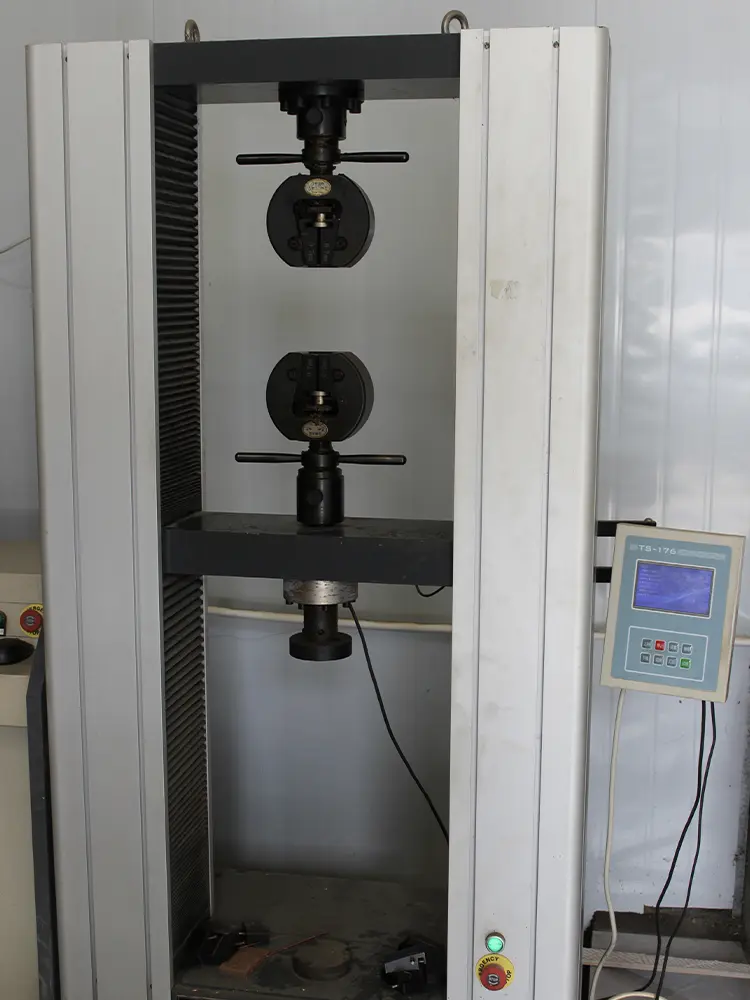
Electronic Tensile Tester
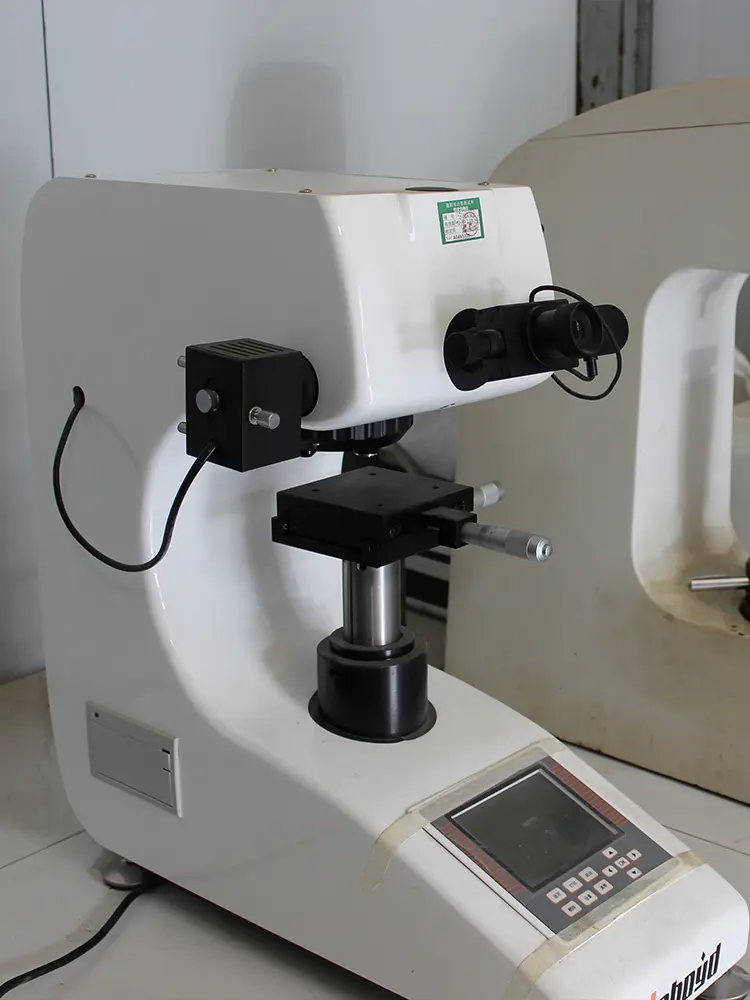
Hardness Tester
We provide direct transport pathways from our processing facility in Sichuan to manufacturing centers across Europe, including regular shipments to Germany.
*Average transit times under standard shipping conditions. Custom clearance processing times may vary.
Common questions regarding alloy properties, specifications, import procedures, and custom production.
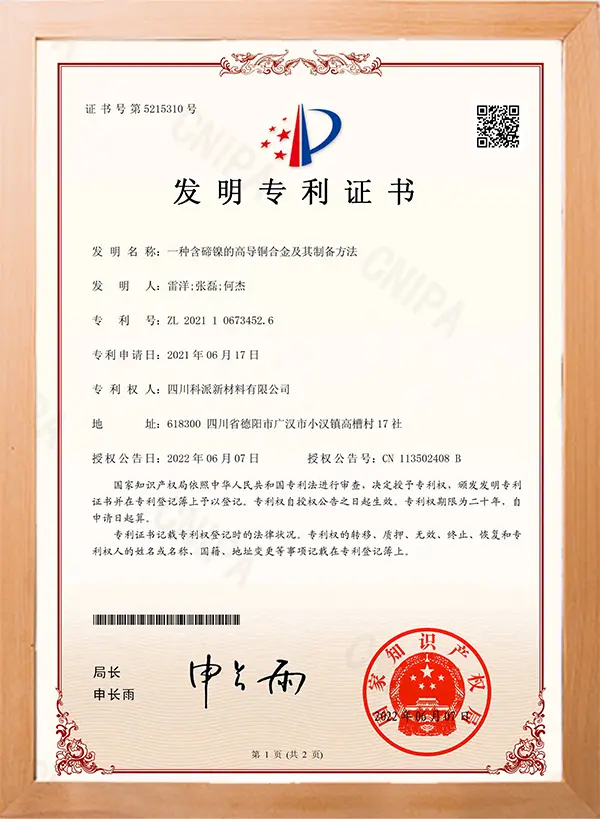
Our quality system is verified through third-party audits and certifications matching standard export requirements.
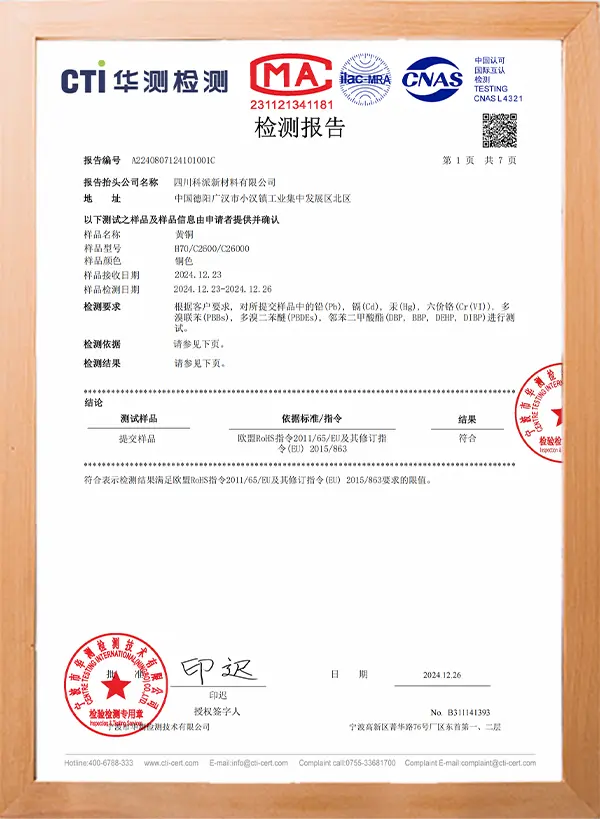
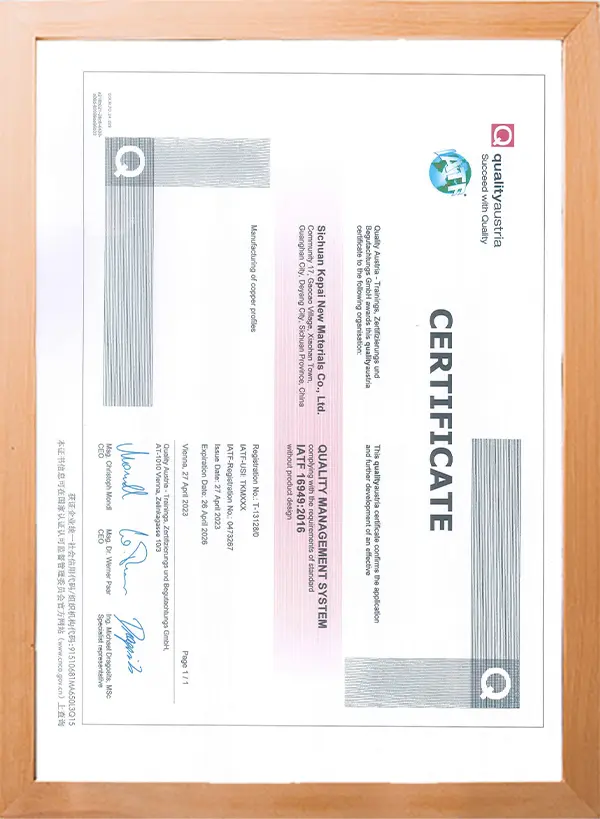
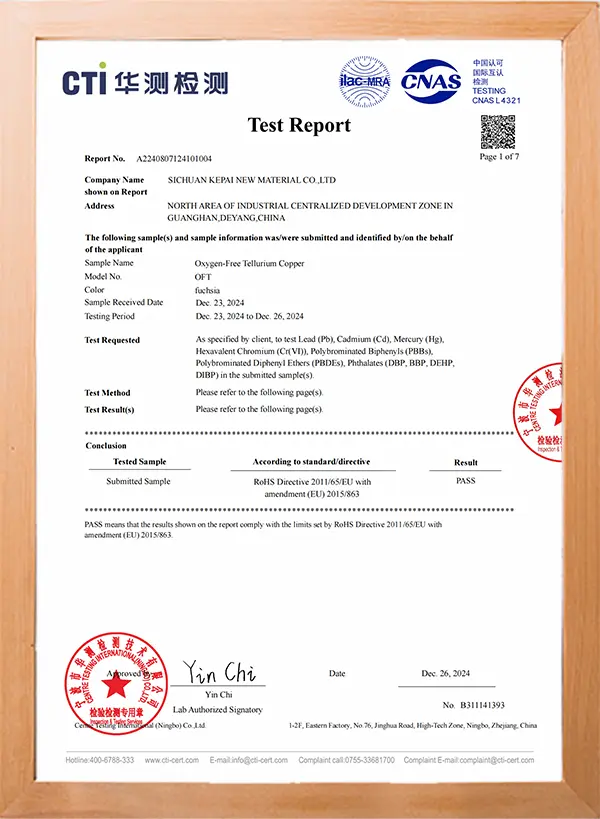
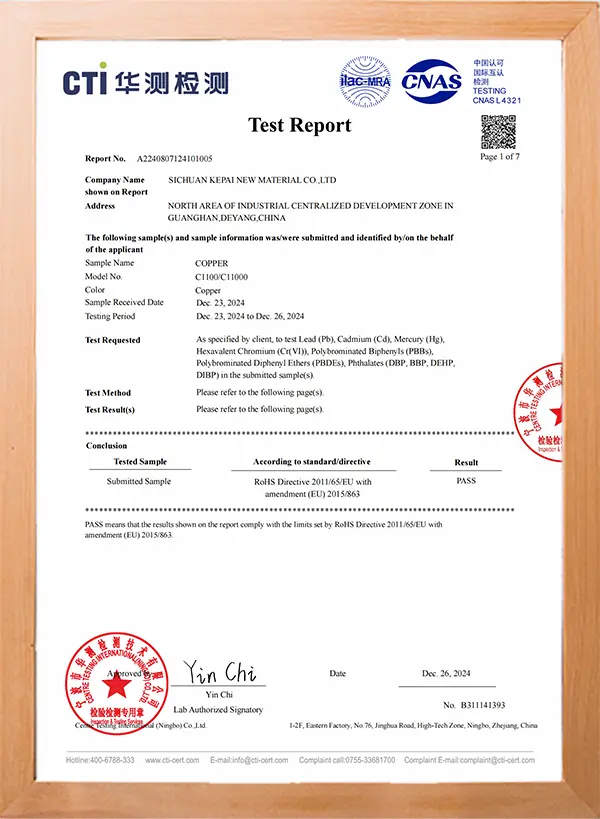
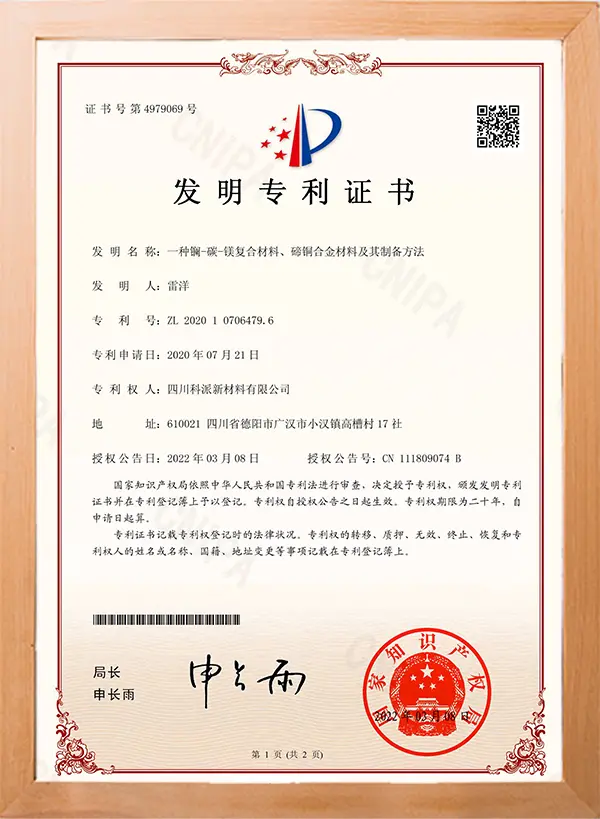
View our selection of specialized alloys, including high-conductivity variants, beryllium copper, and precision brass.
 Kepai
Kepai