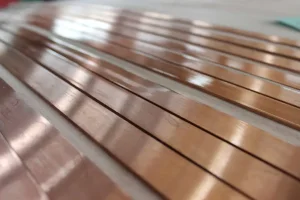
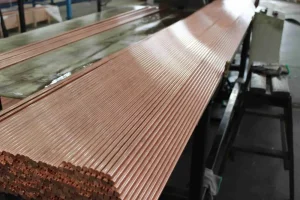
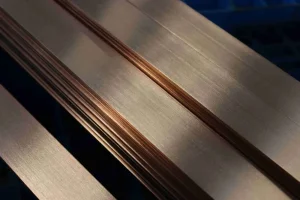
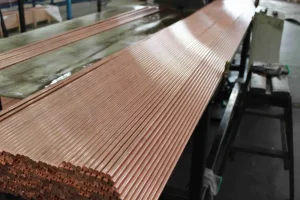
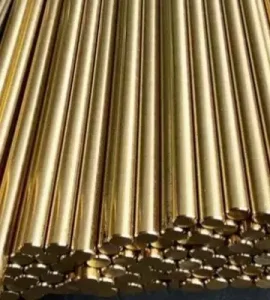
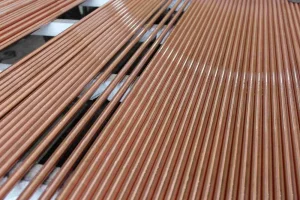
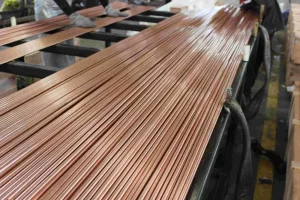
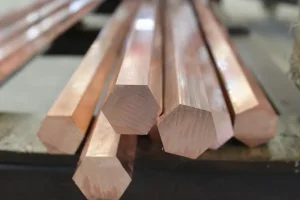
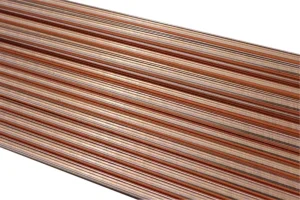
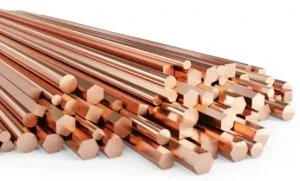
Engineered to meet rigorous tolerances, delivering outstanding conductivity and structural performance.
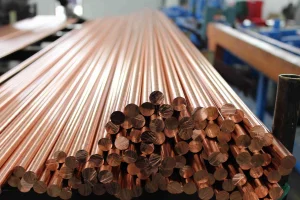
Analyzing physical limits, mechanical optimizations, and metallurgy for high-current and high-frequency environments.
In modern industrial applications, the choice of conductor raw materials determines the efficiency, safety, and durability of high-frequency and high-current electrical infrastructure. The electronic copper strip has transitioned from a fundamental wiring component into a highly complex, engineered metallurgical substrate. The rise of electric vehicle (EV) fast-charging technology, 5G signal transmitters, high-power plasma cutters, and ultra-high-density lithium-ion battery arrays demands unprecedented performance levels from copper-based substrates.
To operate reliably under extreme conditions, today's electronic copper strips must achieve an optimal balance between electrical conductivity, thermal dissipation efficiency, tensile strength, fatigue resistance, and ease of machining. Standard copper foils often fall short in high-stress, elevated-temperature environments. This performance gap is filled by specialized materials, including oxygen-free high-conductivity tellurium copper, beryllium copper alloys, sulfur copper, and dispersion-strengthened copper. These advanced materials prevent thermal runaway, reduce high-frequency skin-effect losses, and withstand deep drawing and automated stamping operations without micro-cracking.
Navigating the next generation of electronic alloy production through advanced grain engineering and green metallurgy.
By implementing real-time grain size tracking and precision cooling cycles, we ensure that the alloy structure achieves optimal uniformity, maximizing fatigue limits in dynamic spring terminals and high-density connectors.
In response to international lead-free regulations, we are actively shifting toward high-conductivity tellurium and sulfur-based copper alloys. These materials maintain excellent chip formation and low tool wear without compromising environmental standards.
Utilizing closed-loop temperature and speed controls during extrusion allows us to manufacture micro-strips with consistent thickness tolerances within ±1 micron, preventing localized resistance spikes.
How our advanced copper alloys solve critical engineering challenges in emerging technologies.
Our custom copper strip materials are designed to address the specific performance demands of complex high-tech systems:
EV batteries require continuous high currents during rapid acceleration and DC fast charging. Our oxygen-free, high-conductivity tellurium-copper and dispersion-strengthened copper products are widely used in busbars, high-voltage battery connection modules, and charging contactors. These materials offer exceptional resistance to electrical arcing and maintain low thermal emissions under heavy loads.
5G base station antenna arrays rely on high-frequency signals and rapid switching speeds. Our beryllium copper (C17200, C17300, and C17500) and nickel-tellurium copper alloys provide the precise spring properties, oxidation resistance, and conductivity required for high-cycle relays, helping to prevent signal damping and insertion loss.
In high-power industrial plasma and laser cutting equipment, nozzles must withstand extreme heat. The exceptional thermal conductivity of tellurium copper ensures fast heat dissipation away from the nozzle opening, significantly extending component lifespan and improving cutting accuracy.
Combining vertically integrated production with advanced quality inspection to ensure stable, reliable global supply chains.
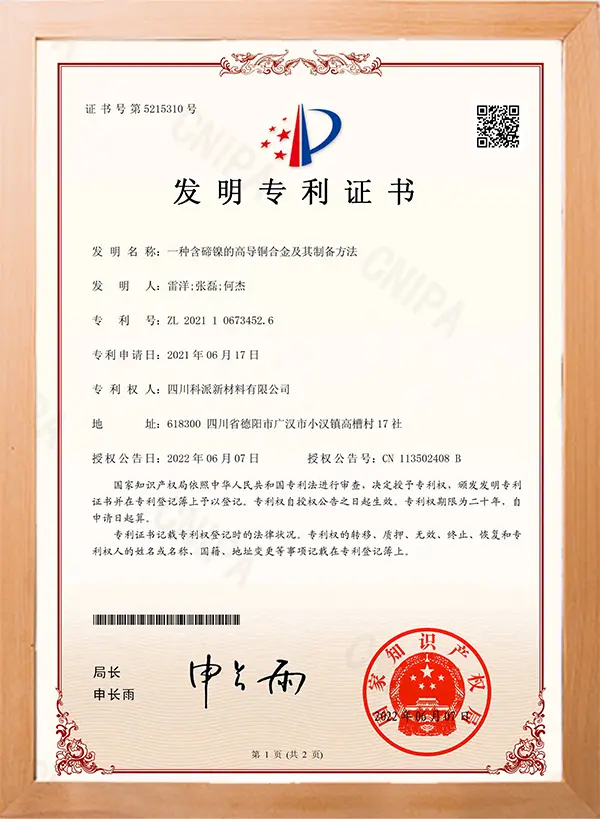
Sichuan Kepai New Materials Co., Ltd. operates a modern 9,000-square-meter facility in the Sichuan Guanghan Industrial Development Zone. Strategically located next to National Highway 108, the plant enjoys excellent transport links, enabling rapid delivery of raw materials and finished products to international shipping hubs. By managing the entire production process in-house—from smelting and extrusion to final testing and packaging—we maintain strict quality control at every stage.
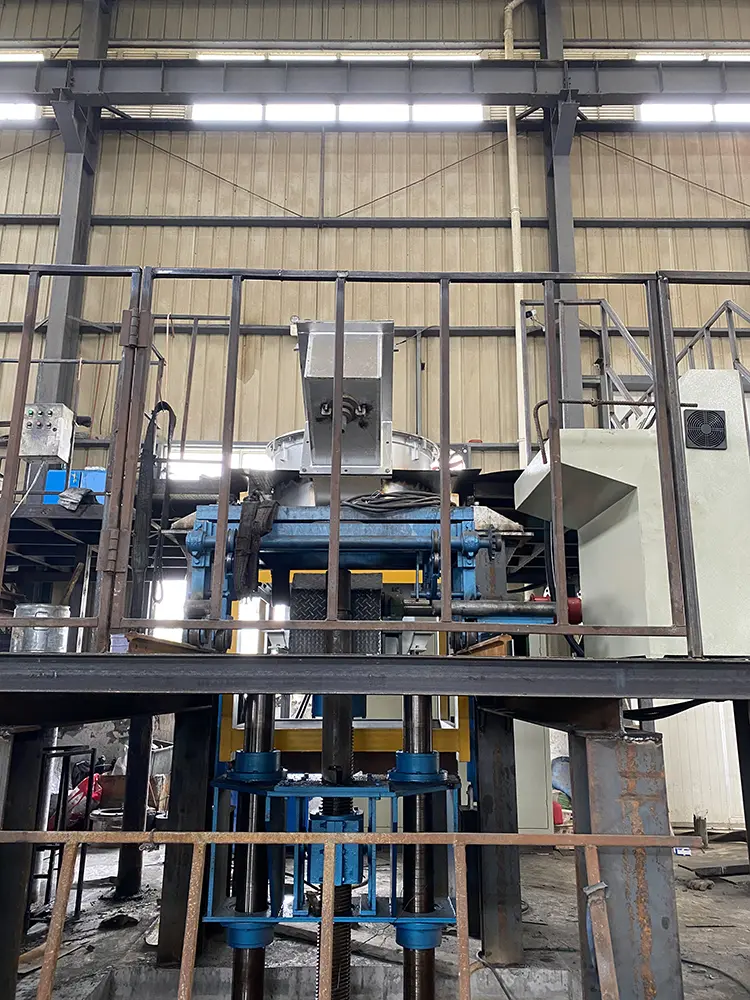
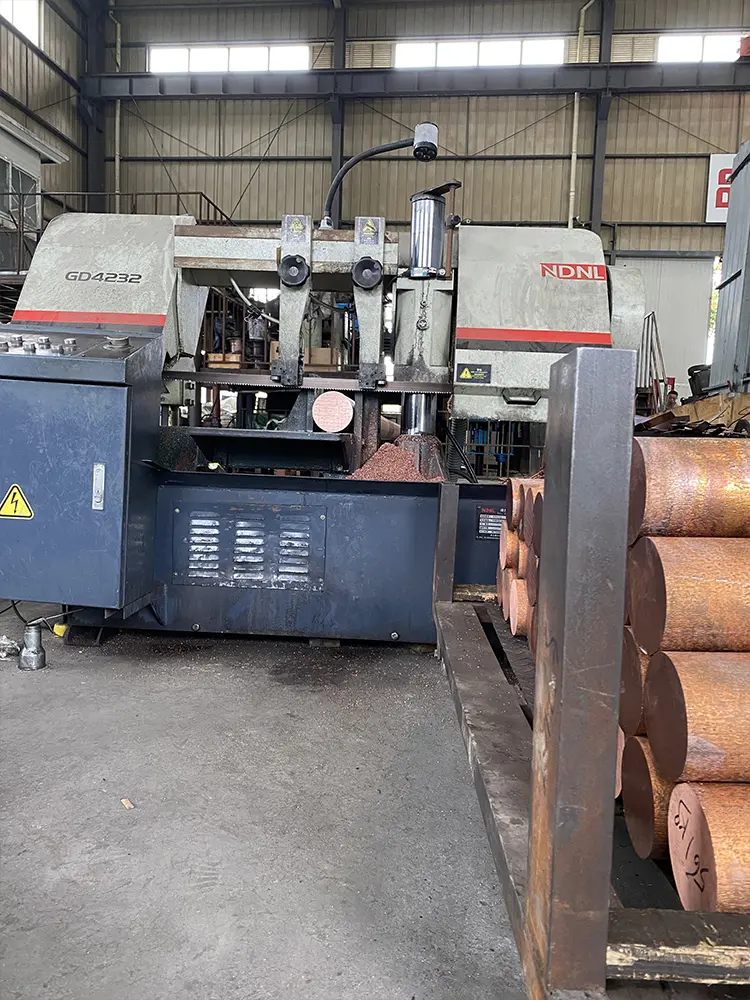
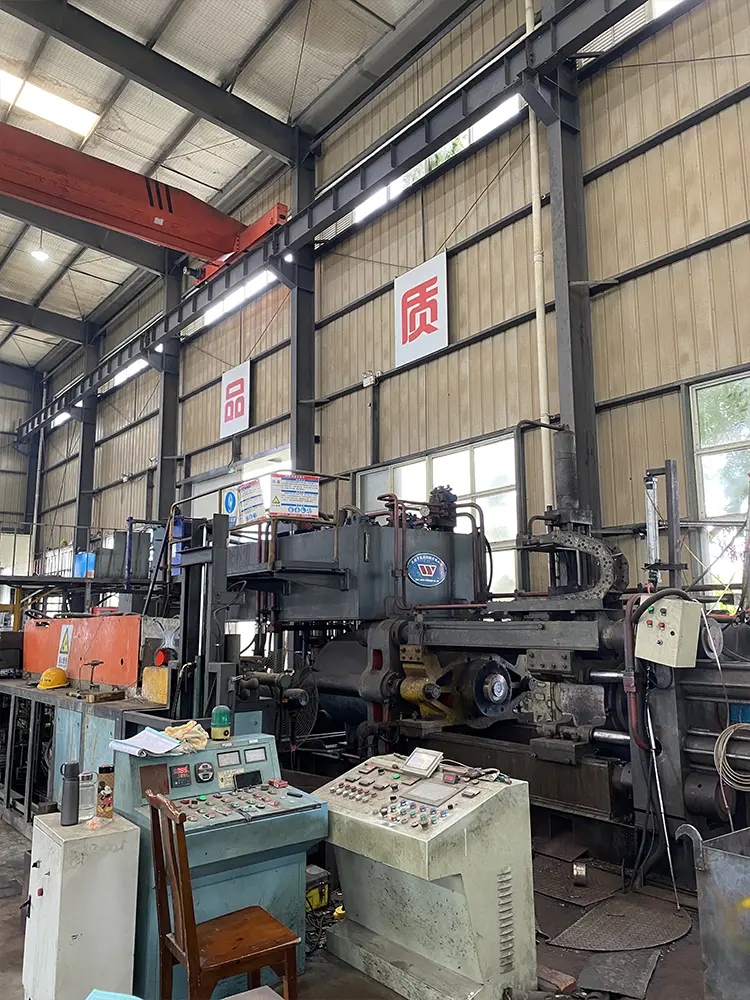
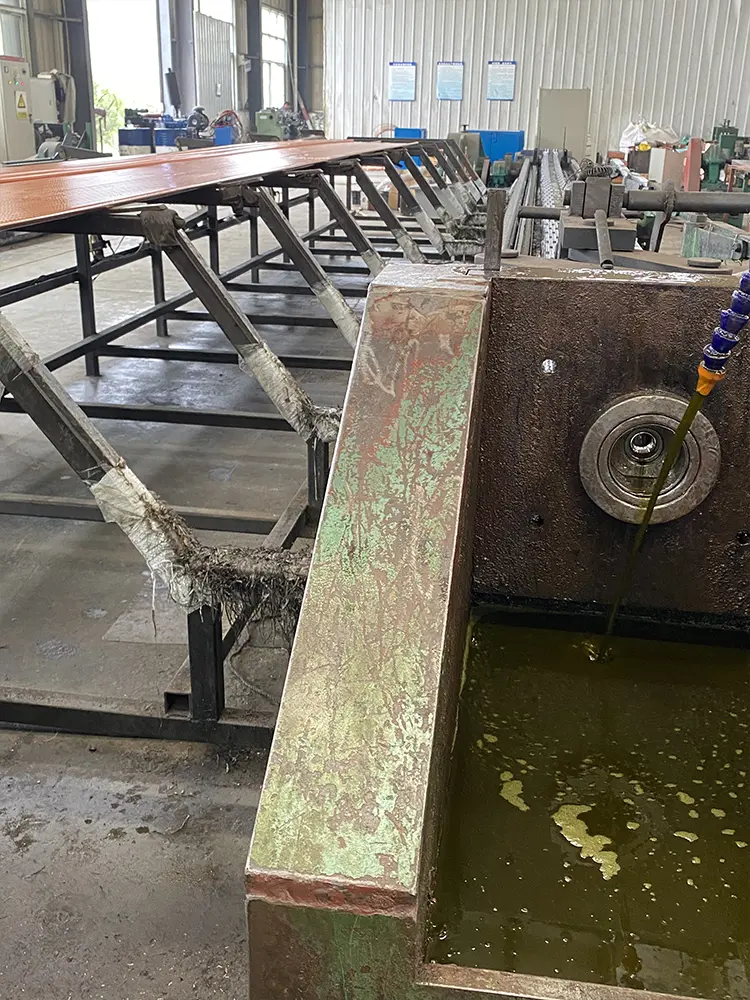
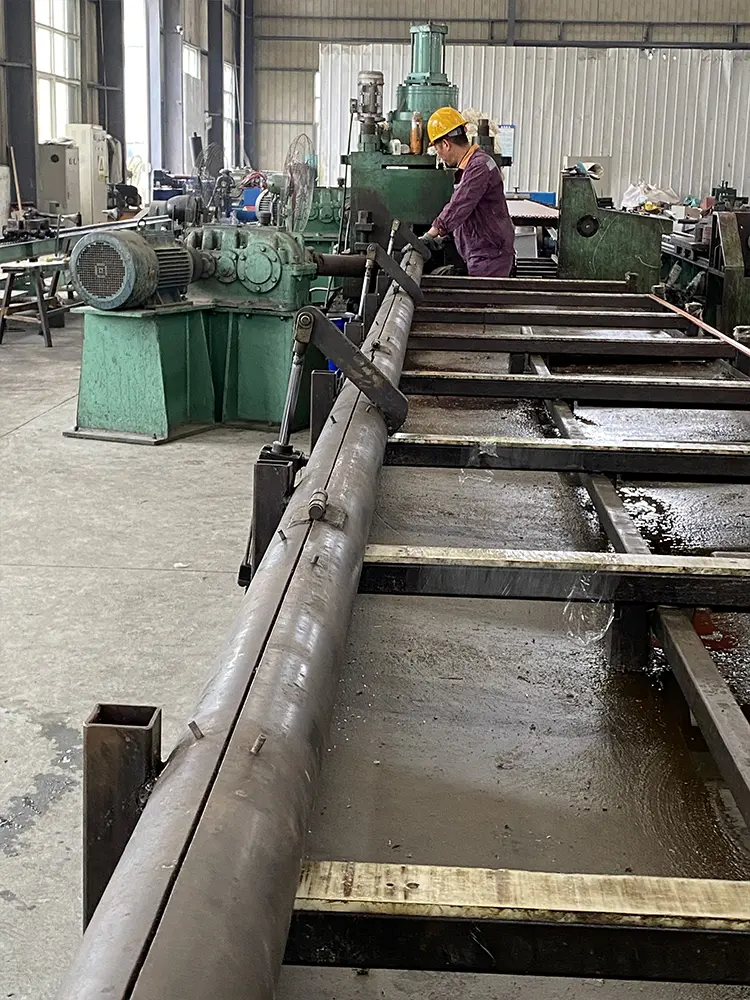
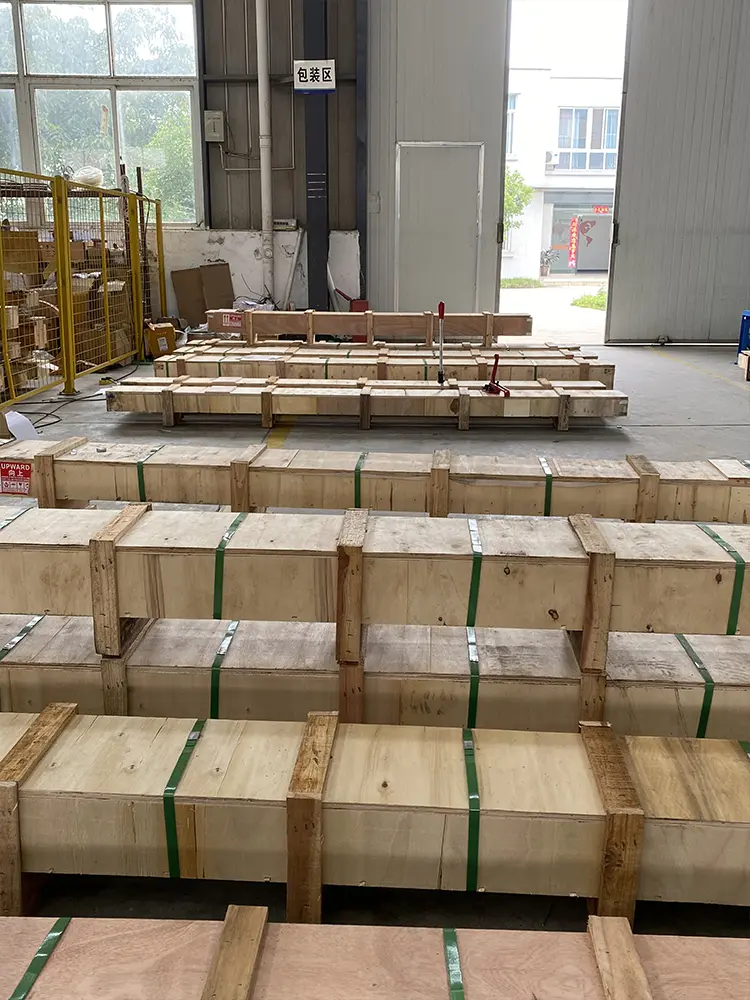
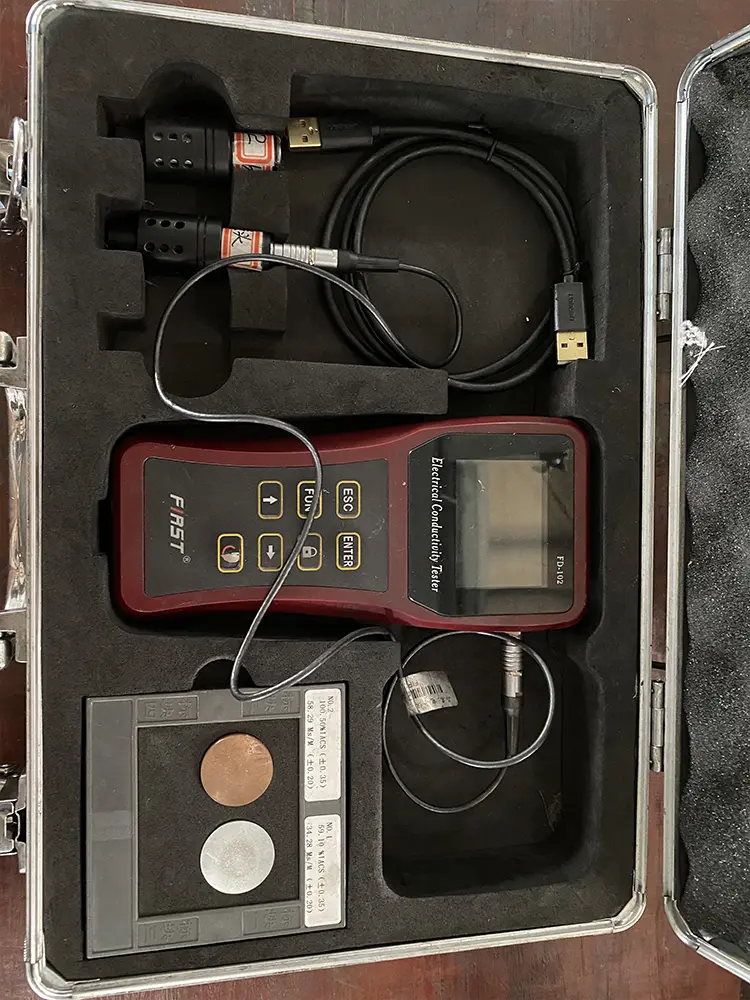
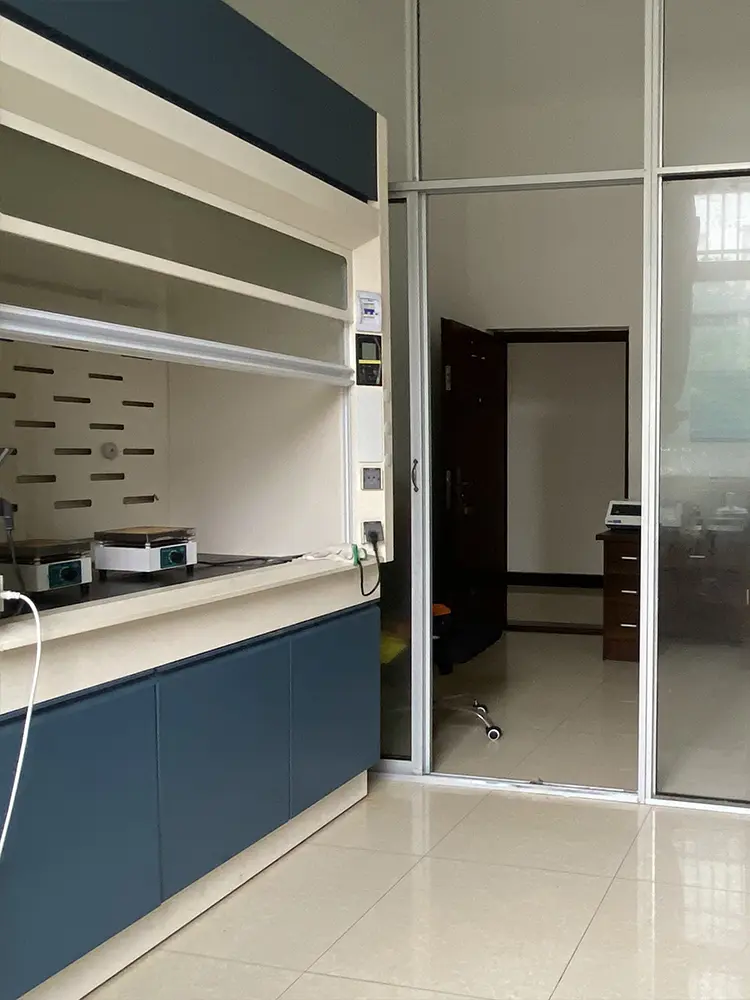

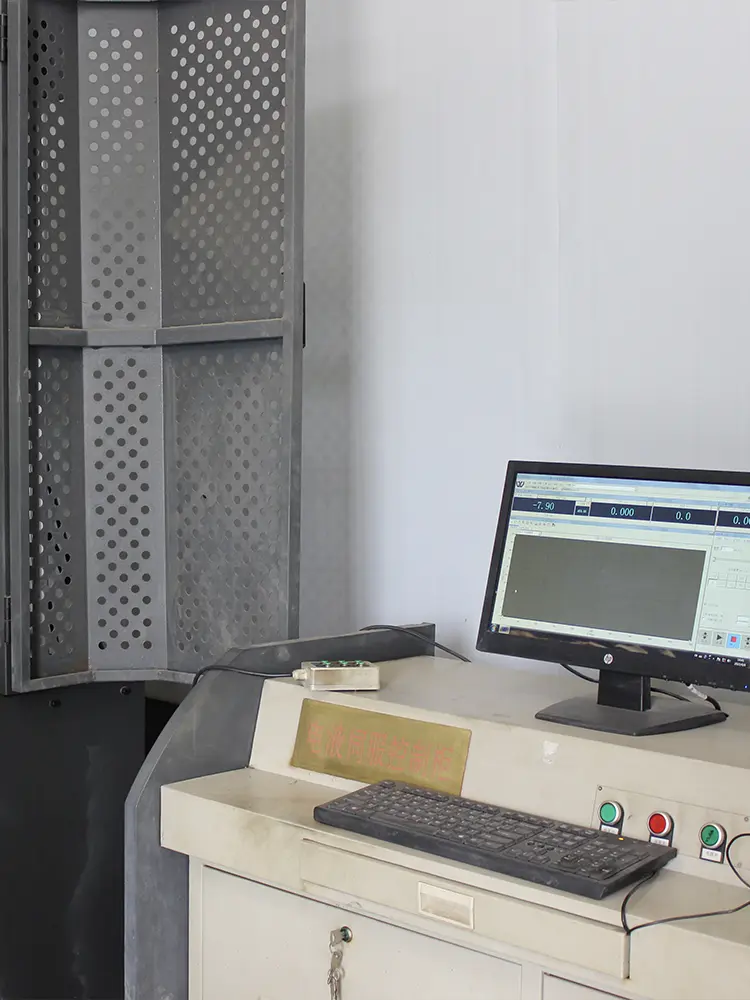
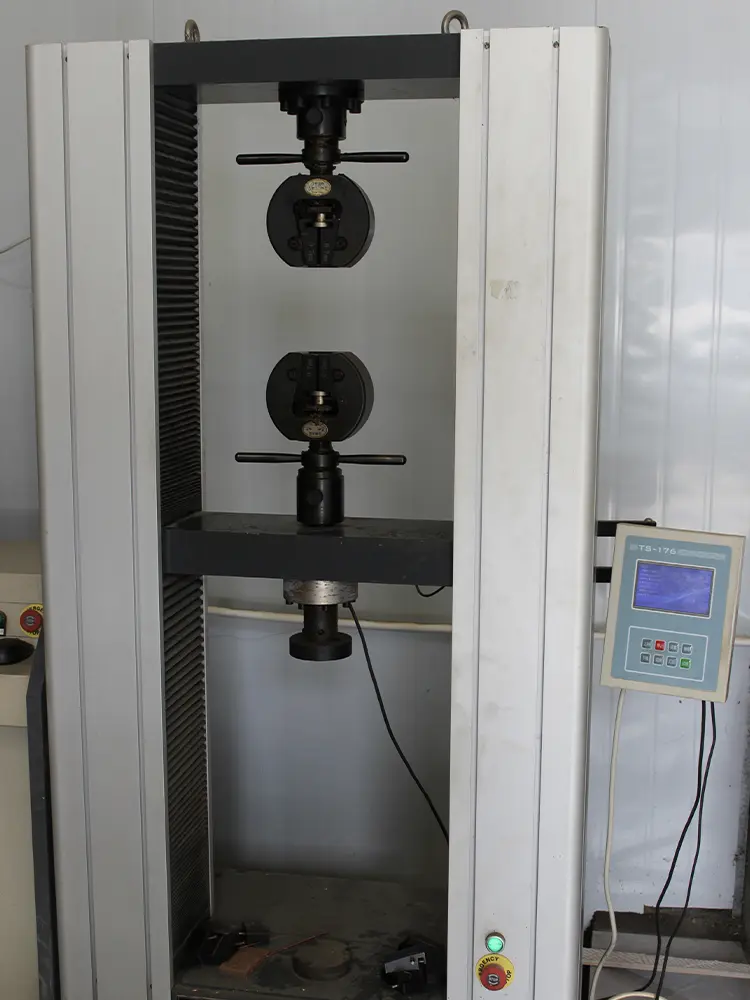
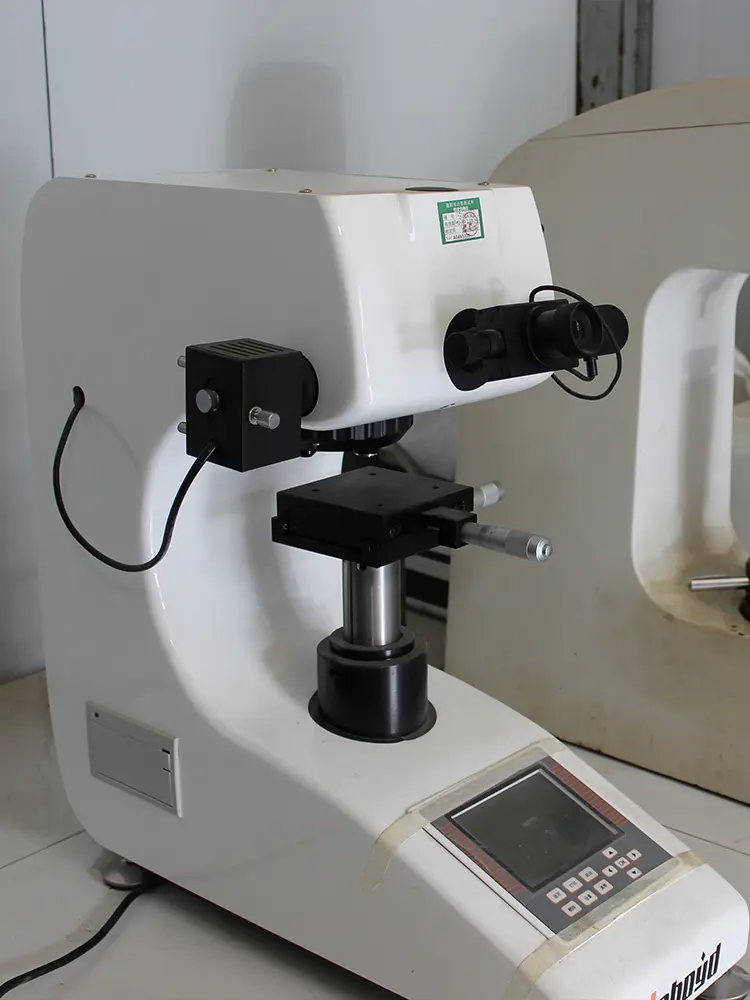
Meeting strict international requirements for quality control, traceability, and environmental responsibility.
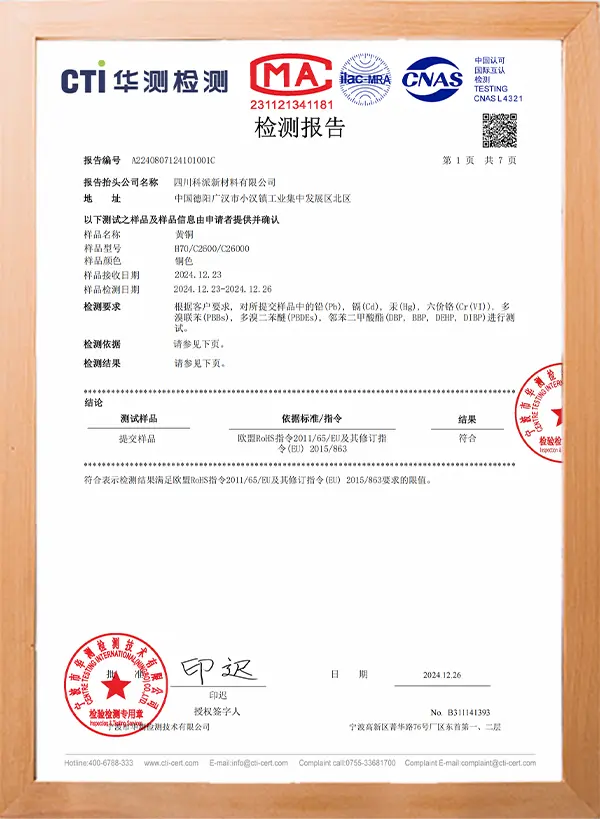
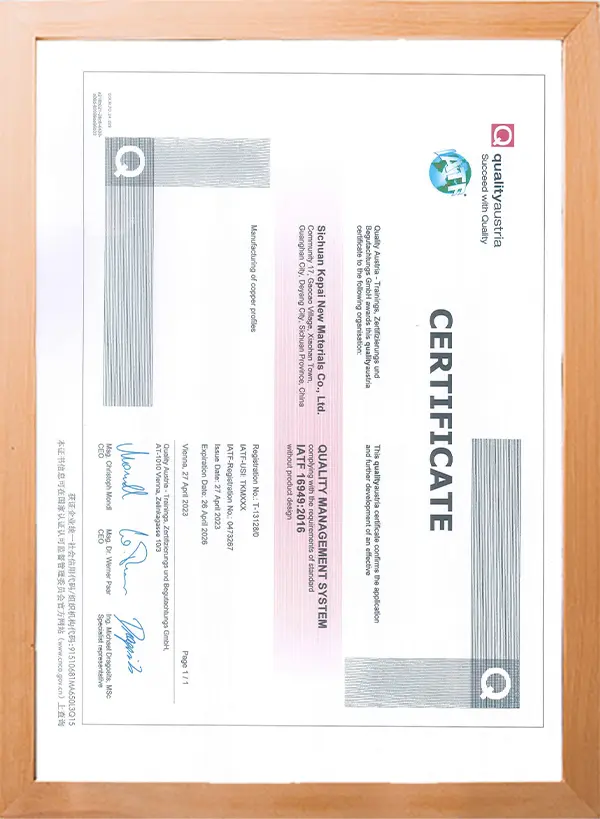
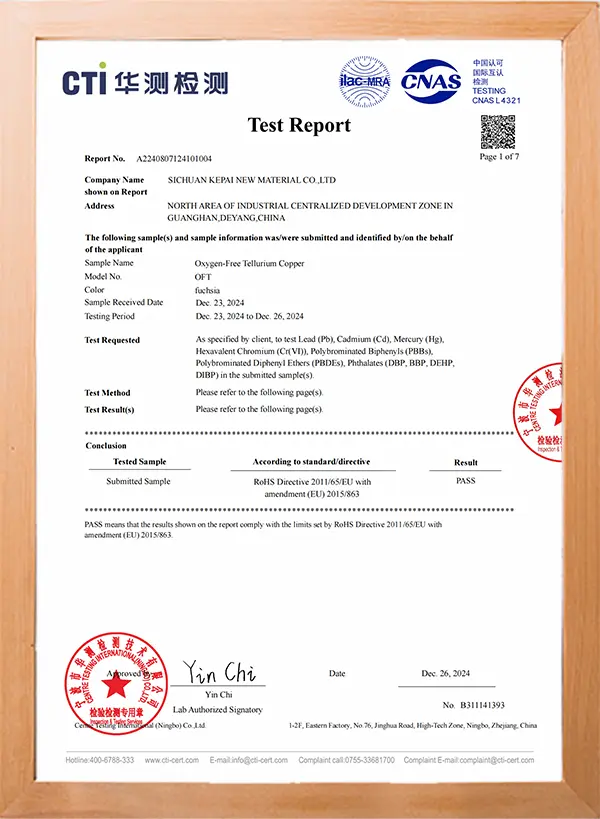
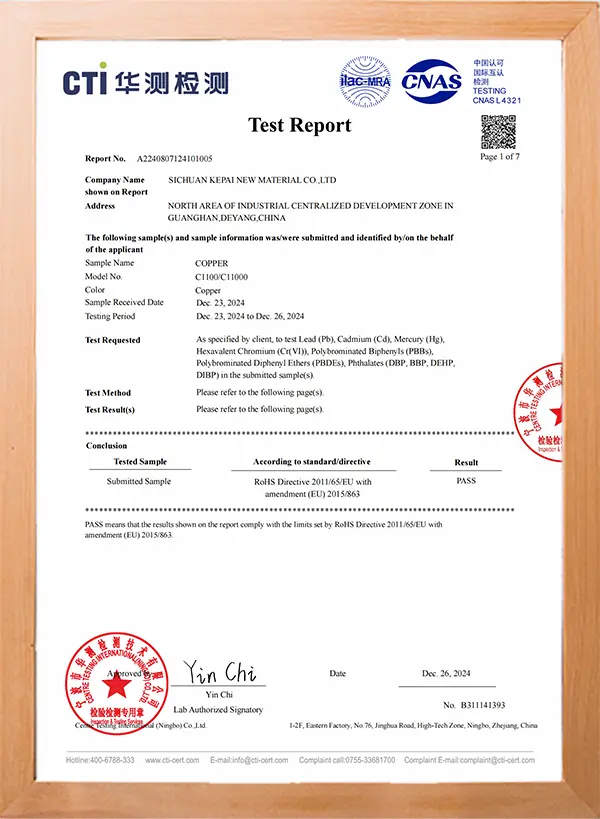
To serve critical industries such as aerospace, defense, and high-end automotive, we align our production lines with key international regulations. Every batch of electronic copper strip is fully traceable, starting from the source electrolytic copper cathode down to the finished coil. We ensure compliance with RoHS (Restriction of Hazardous Substances) and REACH (Registration, Evaluation, Authorization and Restriction of Chemicals), providing documented lab analysis reports for all shipments.
Key procurement metrics, risk mitigation, and commercial variables to consider when choosing a copper strip manufacturer.
Purchasing electronic copper strips requires careful evaluation of technical specifications, logistics, and quality assurance processes. To establish a reliable supply chain, procurement professionals should focus on the following key metrics:
Ensure the manufacturer can supply the exact alloy needed for your application. This includes high-conductivity oxygen-free copper (OFC) for vacuum electronics, tellurium-copper (C14500) for free-cutting components, and beryllium-copper (C17200/C17300) for high-strength elastic springs.
For automated high-speed stamping, strips must maintain consistent thickness and width tolerances. Request statistical process control (SPC) data to verify the manufacturer can meet your dimensional requirements.
Verify that key mechanical metrics, including tensile strength, yield strength, elongation, and hardness (Vickers/Brinell), match your application specifications. This ensures the material will perform reliably during stamping, deep drawing, and bending.
Answers to common questions regarding copper alloys, manufacturing tolerances, and procurement.
Tellurium Copper (C14500) contains approximately 0.4% to 0.7% tellurium, which significantly improves machinability (rating of 85% compared to free-cutting brass) while retaining high electrical (93-98% IACS) and thermal conductivity. This makes it ideal for precision-machined electrical terminals, high-current connectors, and plasma cutting nozzles.
Beryllium copper alloys (such as C17200) can be age-hardened through thermal precipitation treatment. The beryllium particles form a fine precipitate structure within the copper matrix, blocking dislocation movement. This process yields a tensile strength of up to 1400 MPa and excellent spring memory, while maintaining adequate conductivity.
We use high-purity raw materials and run regular testing in our on-site chemical composition test room. We also verify our alloys through independent third-party laboratories (such as SGS). Testing documentation is provided with every shipment to guarantee compliance with international environmental standards.
Lead times depend on the specific alloy composition and dimensional requirements. Standard alloy strips are typically processed and ready for shipment within 15-25 days. Custom formulations or unique dimensions requiring specialized extrusion tooling may take 30-45 days.
Explore our full range of custom-developed metallurgical formulations, designed to meet strict industrial specifications.
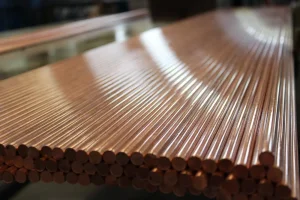
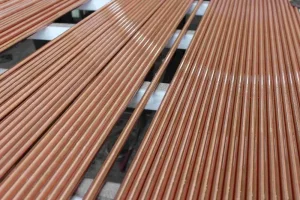
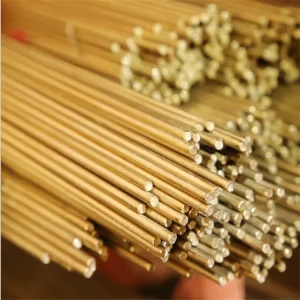
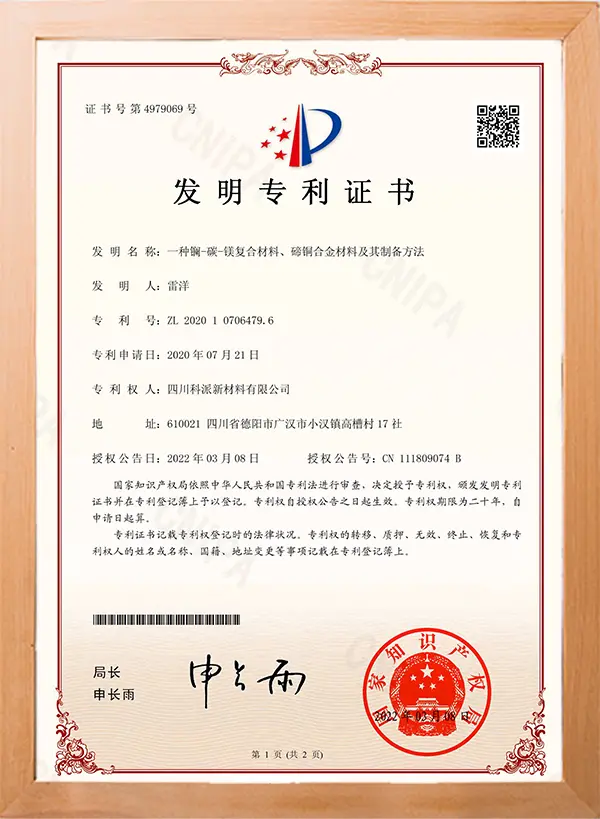
Looking ahead, Sichuan Kepai New Materials Co., Ltd. will continue to focus on research and application development in the field of new materials, contributing to the growth of the high-performance copper alloy industry globally. Contact our engineering team today to request a quote or discuss your custom project specifications.
 Kepai
Kepai