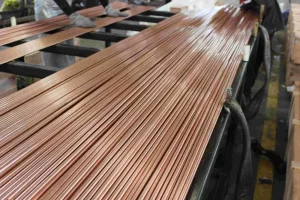
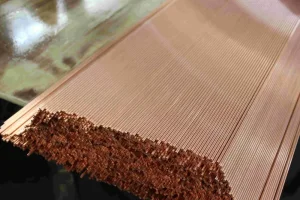
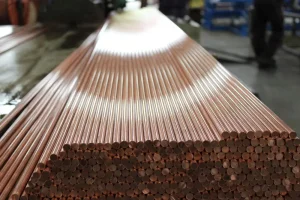
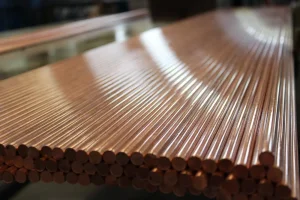
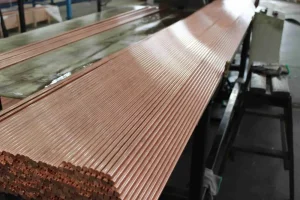
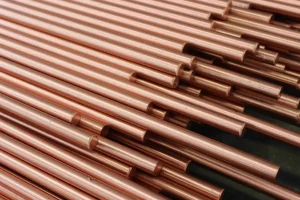
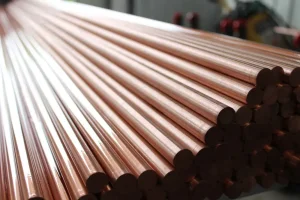
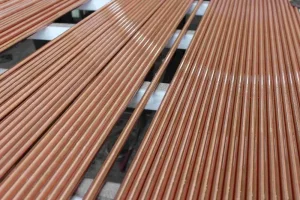
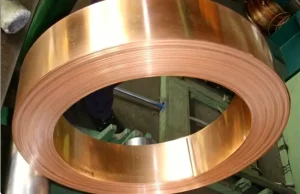
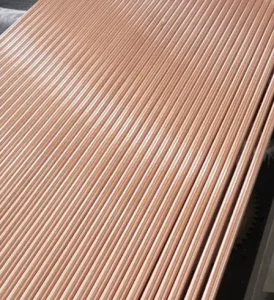
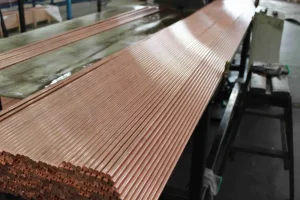
Explore our high-performance copper formulations and strategic specialty alloys engineered for maximum efficiency, conductivity, and durability.
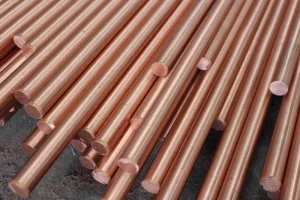
In the modern industrial landscape, high-performance pure copper has transitioned from a fundamental industrial commodity to a critical driver of advanced engineering. The relentless push toward electrification, high-frequency telecommunications, and complex thermal management systems has necessitated pure copper components that exhibit near-perfect electrical and thermal conductivity. For instance, Oxygen-Free High Conductivity (OFHC) copper, such as C10100 and C10200, must maintain a copper purity level exceeding 99.99% with an oxygen content limited to less than 10 ppm (parts per million). Controlling trace elements to this level is a technological imperative, as even minute impurities of phosphorus, arsenic, or iron can cause substantial degradation in electrical conductivity (measured against the International Annealed Copper Standard, or IACS).
Concurrently, the integration of micro-alloying elements has revolutionized standard copper metallurgy. Tellurium copper (C14500) represents a key advancement: by introducing 0.4% to 0.7% tellurium, metallurgical engineers achieve a machinability rating of 85% compared to free-cutting brass, while retaining over 93% of pure copper's electrical conductivity. This micro-alloying dynamic solves a core manufacturing bottleneck, enabling high-speed CNC milling and automatic lathe processing without causing excessive tool wear or compromising electrical efficiency. As global industries move toward high-power density applications, these specialized alloys form the backbone of modern power distribution networks, electric vehicle drivetrains, and laser cutting technology.
Global procurement directors and supply-chain officers at automotive, aerospace, and energy enterprises require materials that meet stringent quality controls. Modern procurement intent extends beyond simple pricing to encompass physical validation, compliance certificates, and metallurgical integrity. Standards such as ASTM B170 (for oxygen-free electrolytic copper shapes), ASTM B301 (for free-machining copper rod and bar), and international equivalents like DIN EN 12164 and JIS H3250 serve as the baseline for global commercial engineering contracts.
When selecting a supplier, enterprise procurement teams prioritize three technical criteria:
China's non-ferrous manufacturing sector has transitioned from manual processing to highly automated Industry 4.0 smart factories. Advanced manufacturers, exemplified by Sichuan Kepai New Material Co., Ltd., have established manufacturing systems that integrate automated smelting, continuous horizontal extrusion, multi-stage cold drawing, and real-time electronic testing. This automated pipeline ensures consistent physical properties across production runs, minimizing the variability that often affects traditional manual casting lines.
In addition to manufacturing precision, regional infrastructure provides significant structural advantages. Sichuan's abundant clean hydroelectric power allows factories to lower the carbon footprint of energy-intensive smelting and extrusion phases. This enables global OEMs to meet their Scope 3 greenhouse gas reduction targets. Furthermore, integration with adjacent national transportation networks ensures that raw materials are efficiently processed and shipped, maintaining supply chain resilience during global market fluctuations.
The global demand for high-performance pure copper is driven by three major industrial transformations:
To demonstrate the performance of these materials under real-world conditions, consider the following localized engineering scenarios:
Scenario A: High-Power EV Charging Terminals (North America)
A public transit electrification project in North America required charging terminals capable of delivering 350 kW continuously. Standard copper alloys suffered from surface oxidation and excessive thermal expansion during fast-charging cycles. Transitioning to custom-engineered Oxygen-Free Tellurium Copper (C14500) stabilized contact resistance and reduced temperatures by 18°C, extending the service life of the charging connectors.
Scenario B: Automated Spot Welding Electrodes for Automotive Production (European Union)
An automotive OEM in Europe required welding electrodes with a high resistance to plastic deformation under mechanical loads at 500°C. Standard copper alloys deformed rapidly, leading to inconsistent weld quality and frequent downtime. Implementing C18150 Chromium-Zirconium Copper electrodes provided the necessary high-temperature hardness and electrical conductivity, reducing dressing intervals and increasing production throughput.
Established in 2017, Sichuan Kepai New Material Co., Ltd. is a high-tech enterprise integrating metallurgical research, precision manufacturing, and global sales. Our facility covers 9,000 square meters of production space alongside 1,000 square meters of engineering and administrative offices.
We specialize in the research, development, and manufacturing of strategic advanced copper alloys, including tellurium copper, high-conductivity oxygen-free copper, silver copper, and dispersion copper. Our research initiatives focus on engineering alloys that deliver high electrical and thermal conductivity, excellent machinability, and superior mechanical strength.
Our materials are utilized in high-technology sectors globally, including electric vehicles, 5G telecommunications, precision laser processing, and lithium battery relays. Situated in the western industrial zone of Guanghan, Sichuan, adjacent to National Highway 108, our facility benefits from excellent logistics networks, enabling efficient distribution to global ports.
Guided by our philosophy of "innovation-driven development, quality wins the market," Kepai is committed to supplying high-performance copper alloys that support industrial upgrading and sustainable development.
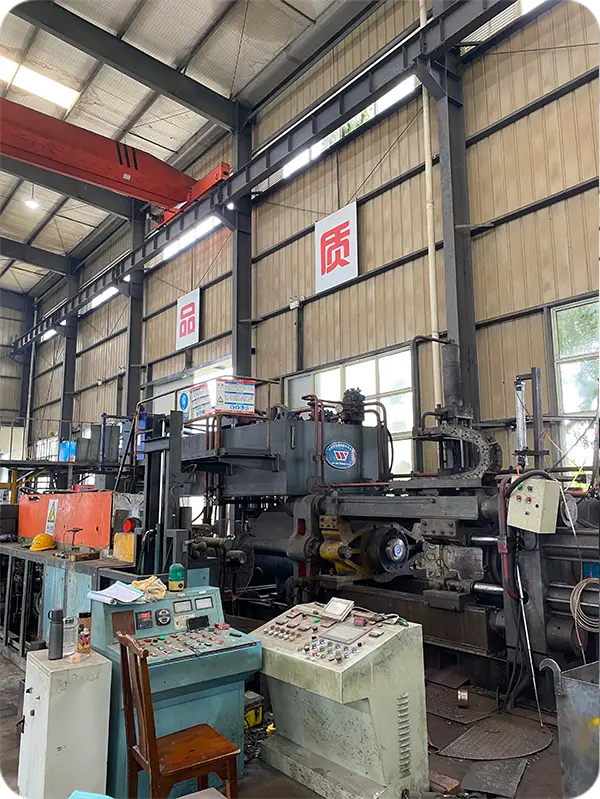
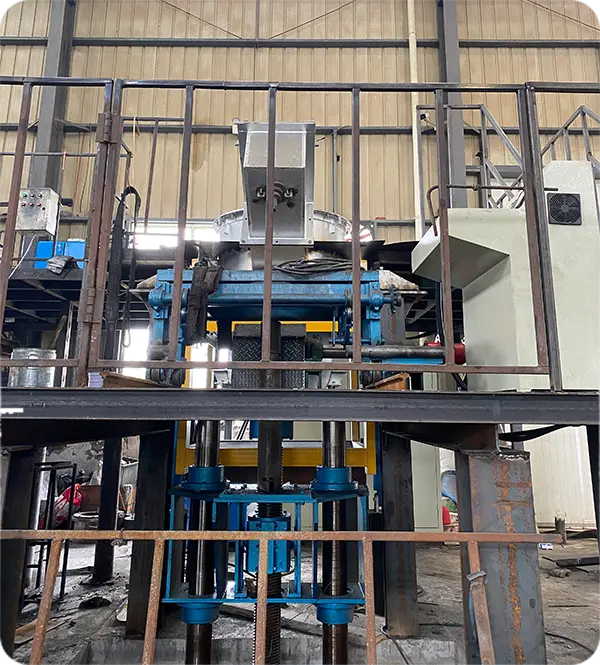
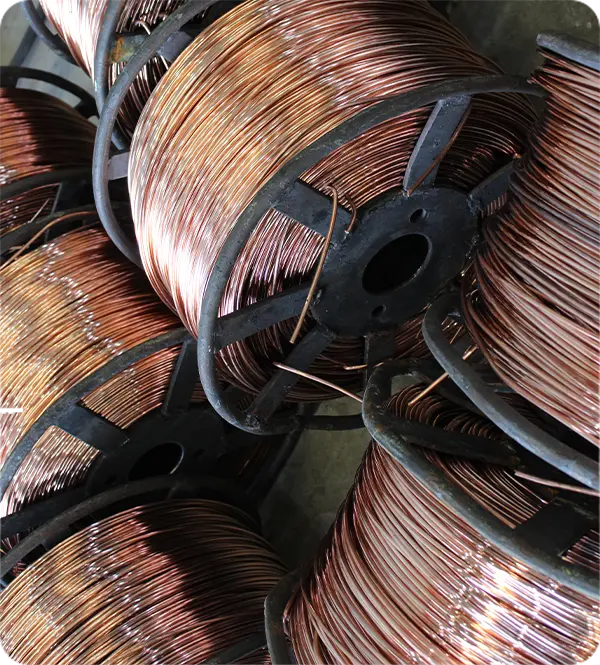

Our engineering team comprises senior metallurgical experts focused on developing advanced copper alloys. Through independent research and academic collaborations, Kepai has developed high-performance tellurium copper, lead copper, and sulfur copper alloys. Our products meet international performance standards and are used in electric vehicles, precision machining, plasma cutting, and energy storage systems.
Our product portfolio includes pure copper, oxygen-free copper, oxygen-free high-conductivity tellurium copper, nickel tellurium copper, tin bronze, beryllium copper, lead bronze, sulfur copper, and chromium zirconium copper. These alloys are engineered to optimize production efficiency and component performance for our customers.

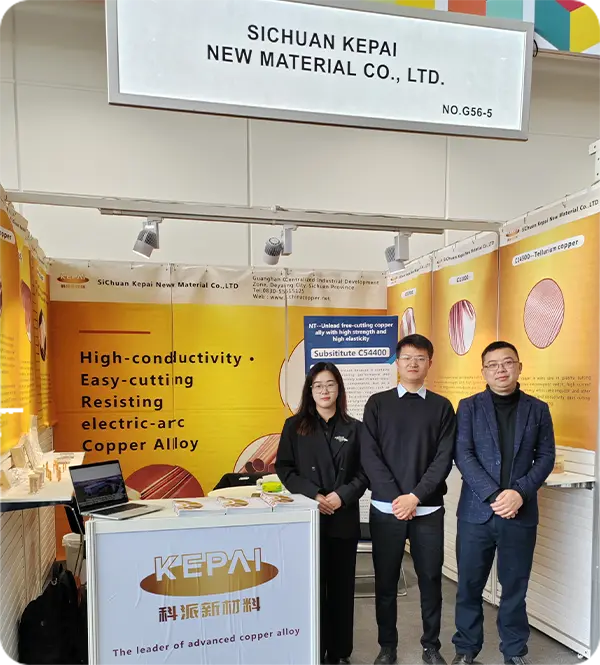
Sichuan Kepai New Materials operates under a growth strategy focused on expanding our domestic presence and developing international partnerships. We supply material to major industrial markets in China and have established long-term cooperation with leading global enterprises. We continue to expand our international sales network to bring Kepai's engineering capabilities to global markets.
Our corporate culture is built on "integrity, innovation, collaboration, and mutual benefit." We encourage our team to pursue continuous improvement, focusing on quality, customer service, and technical support. We aim to build long-term value for our clients and partners through reliable supply and engineering excellence.
Our facility is equipped with specialized testing instruments to verify the chemical composition, physical properties, and electrical conductivity of all materials.
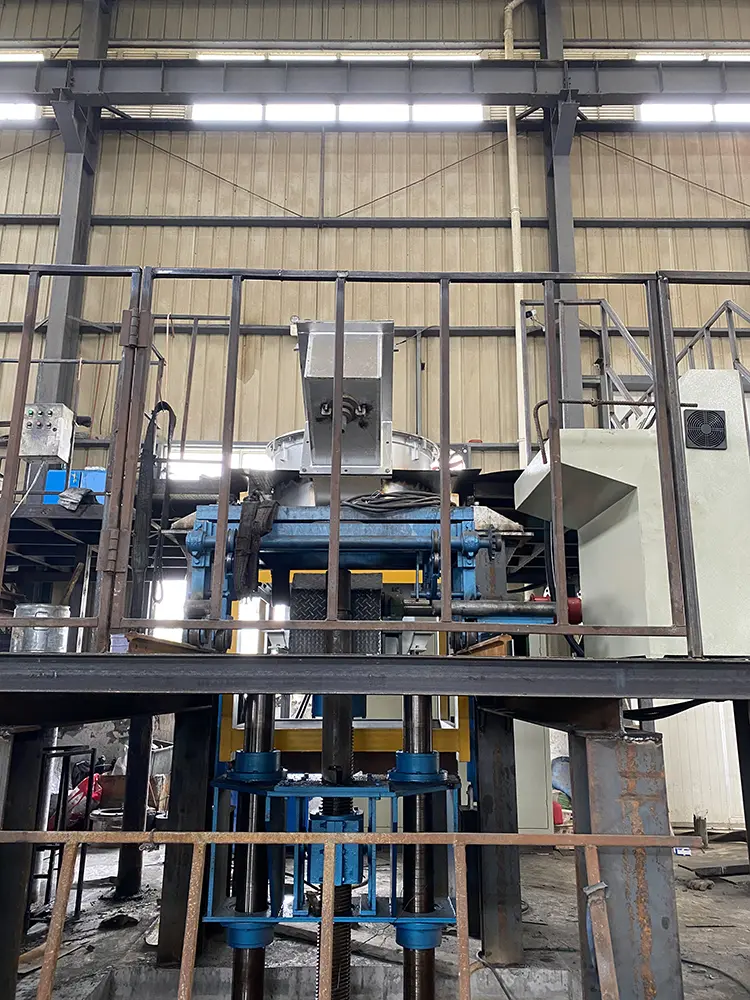
Smelting Furnace
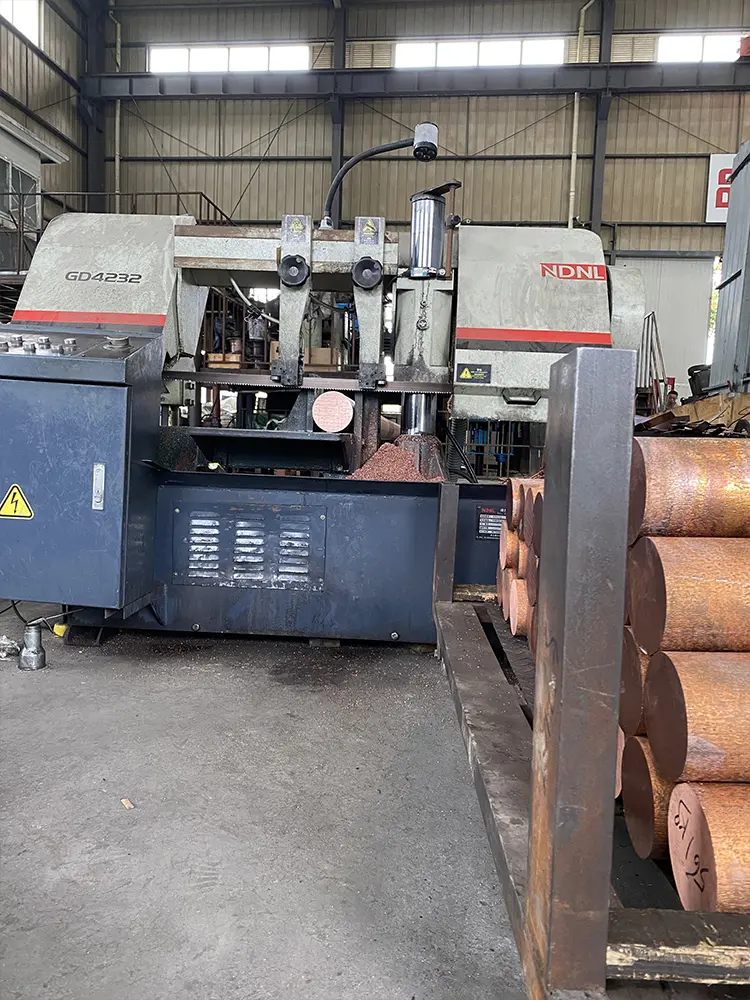
Laying-off Machine
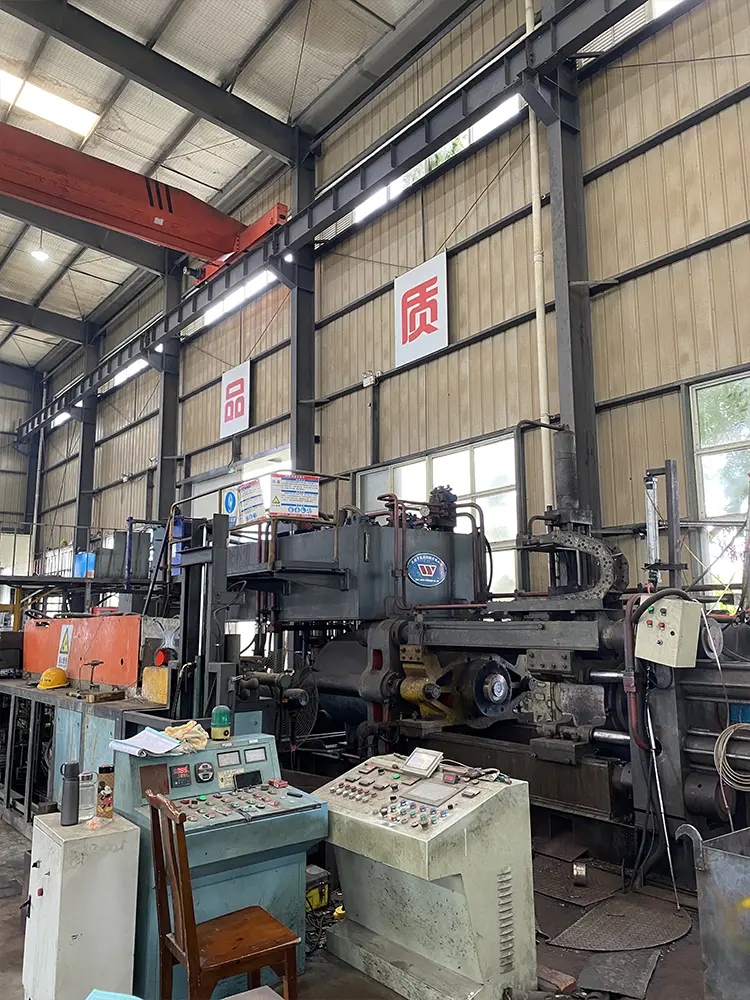
Extrusion Line
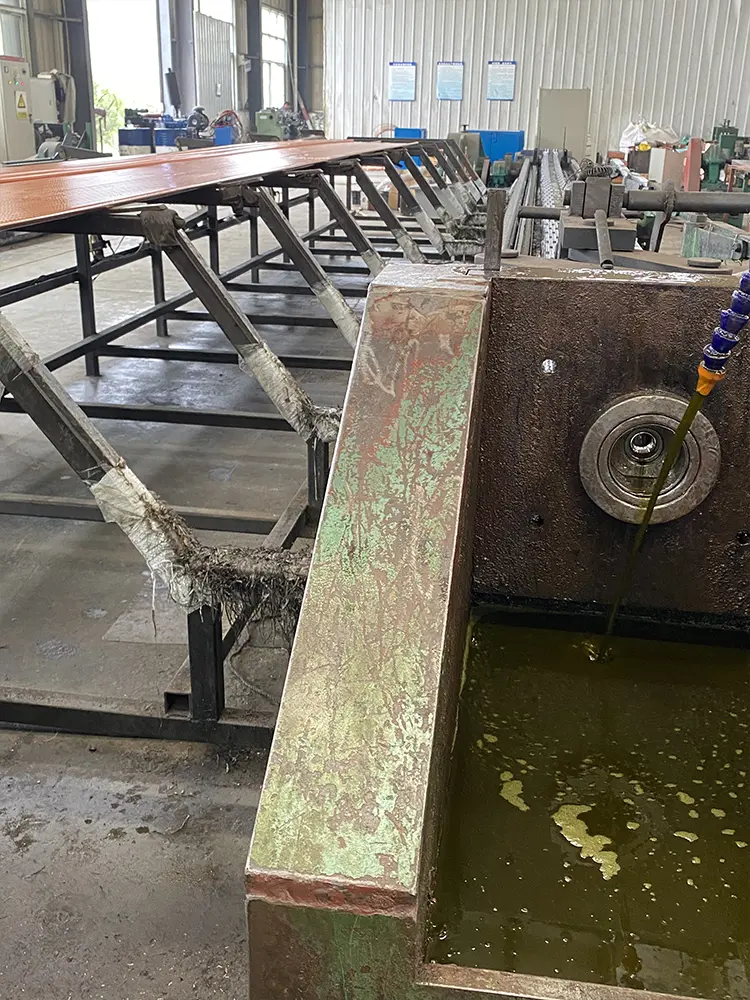
Drawing Equipment
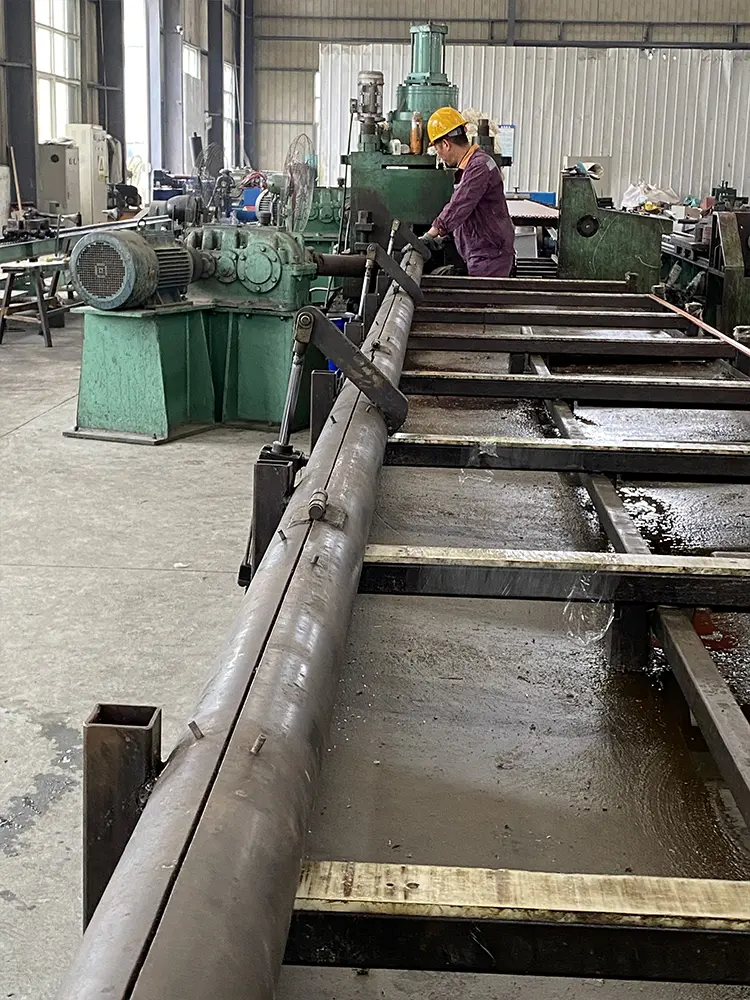
Straightening Machine
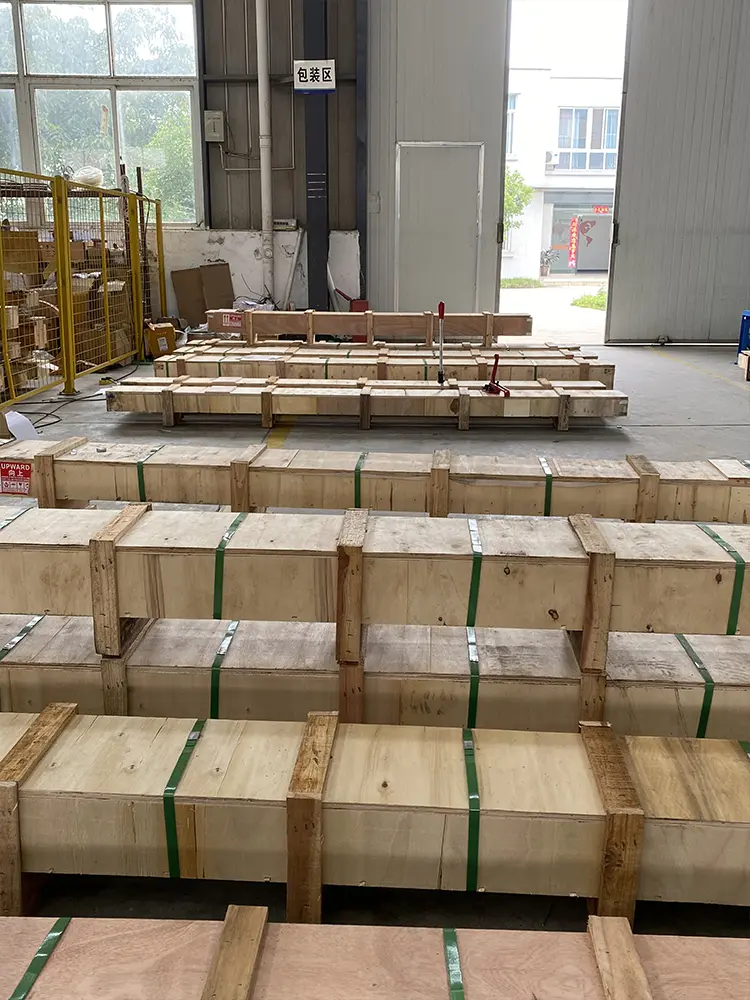
Packaging Operations
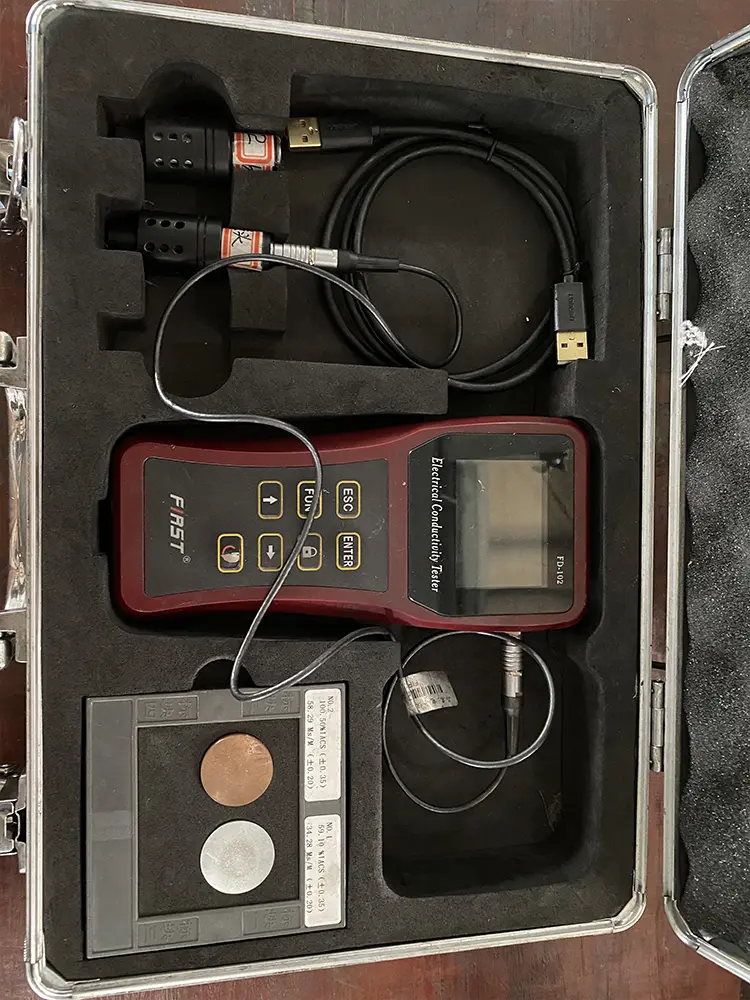
Eddy Current Conductance Instrument
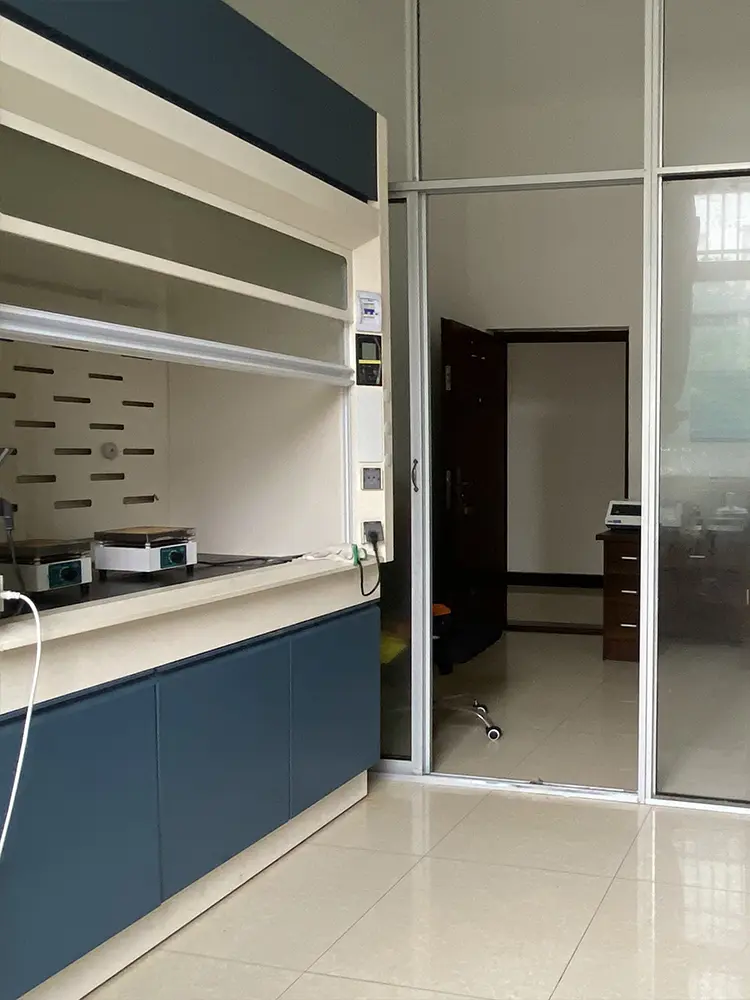
Chemical Composition Test Room

Metallographic Polishing Machine
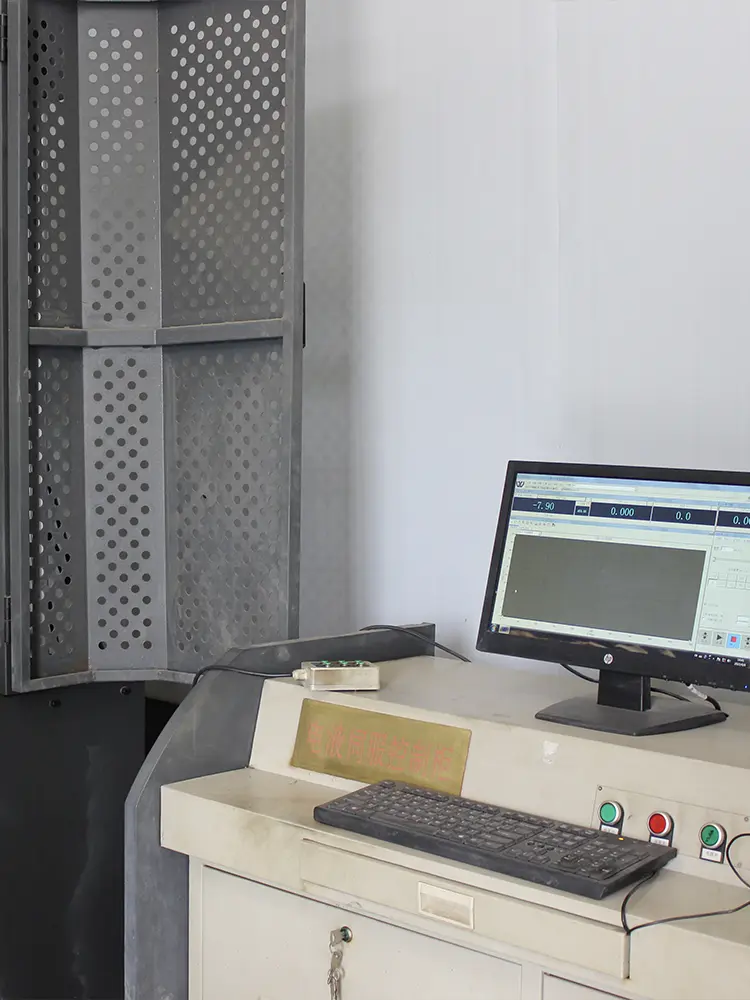
Microcomputer Electro-Hydraulic Testing Machine
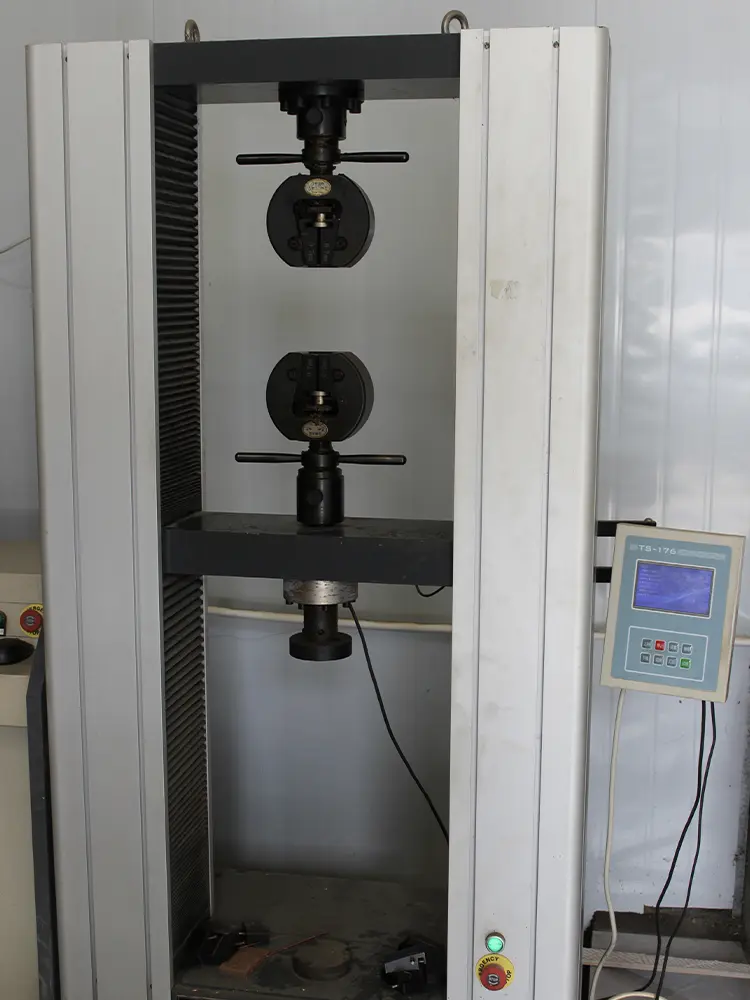
LCD Electronic Universal Testing Machine
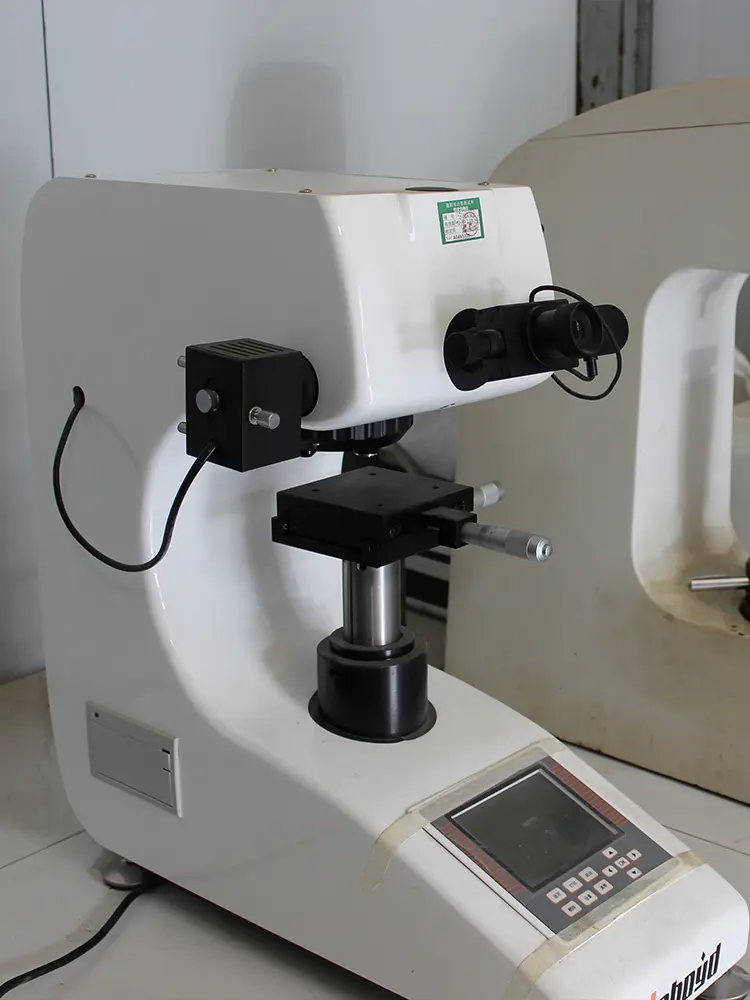
Hardness Tester
Our production processes align with international quality management systems to guarantee material traceability and consistency.
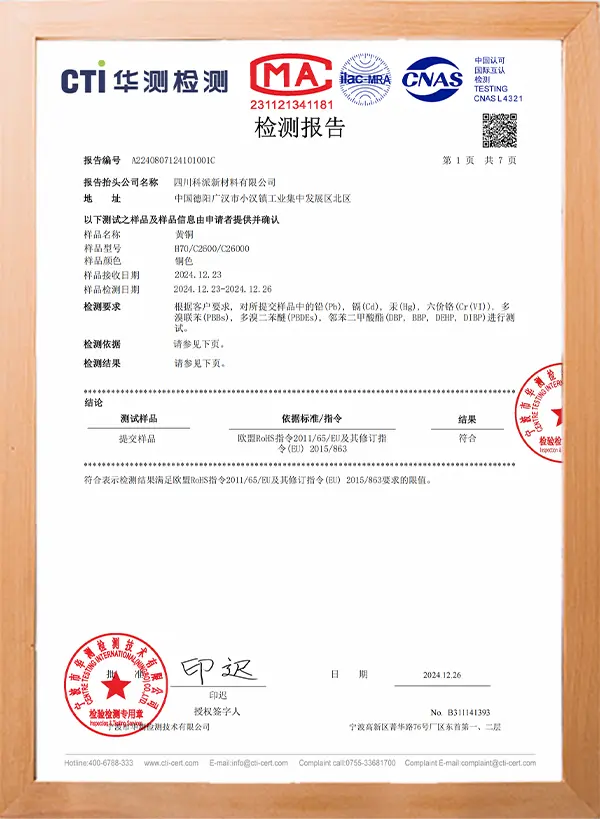
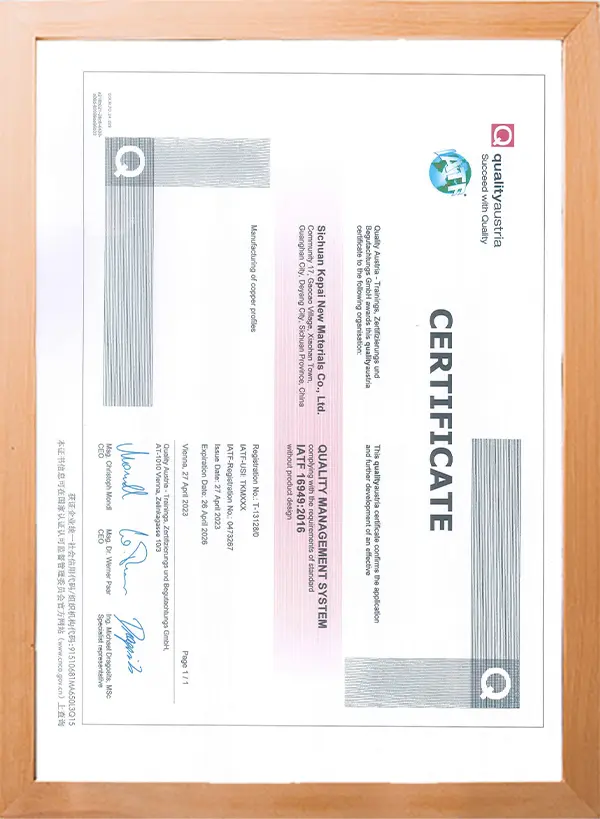
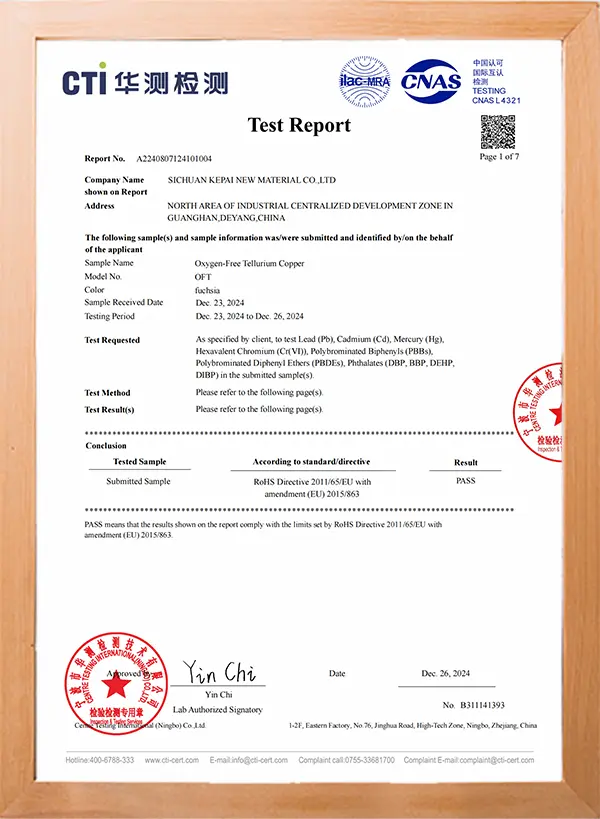
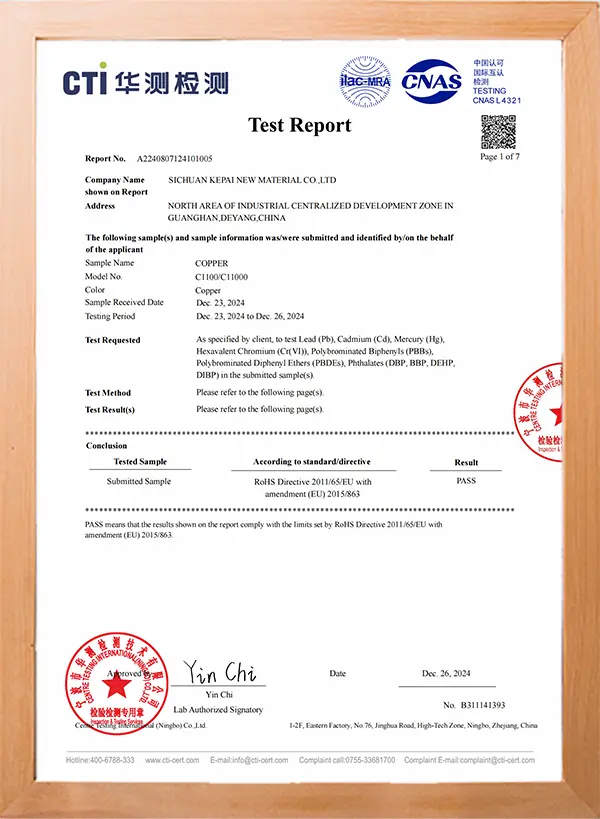
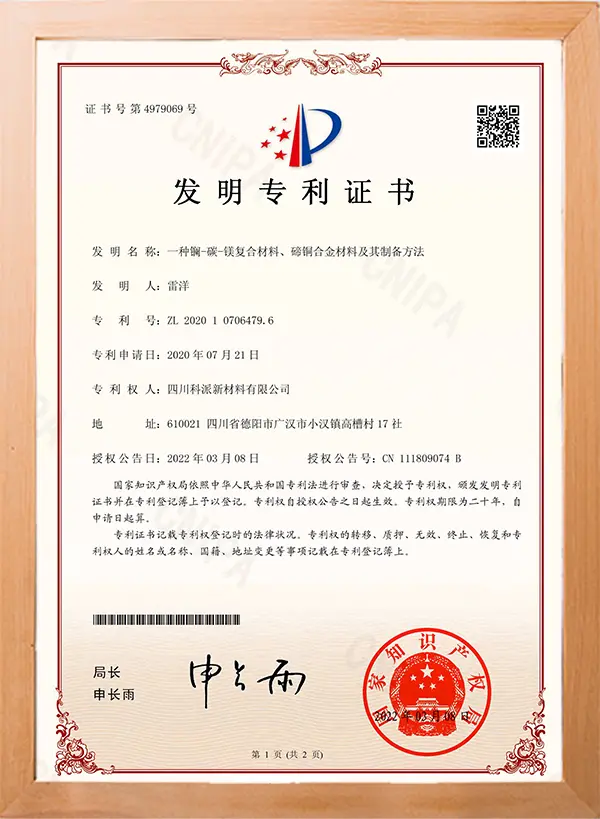
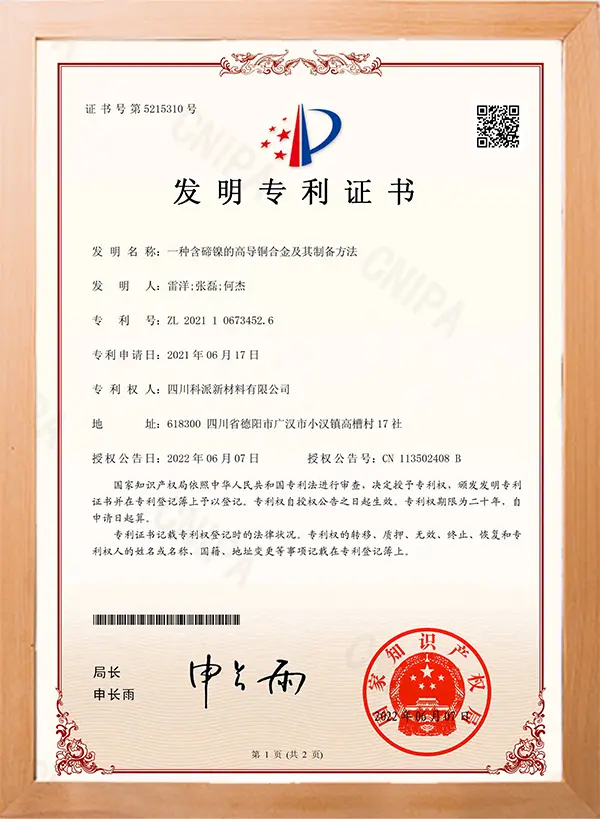
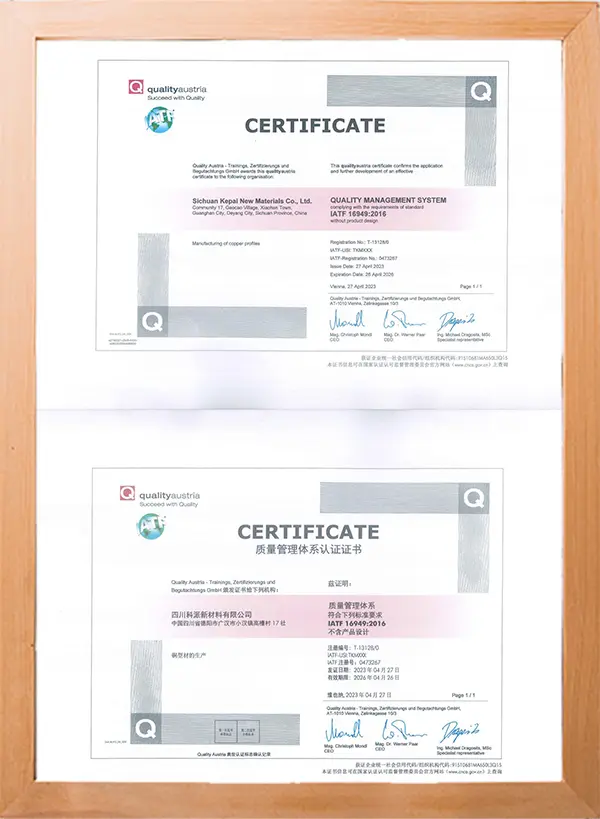
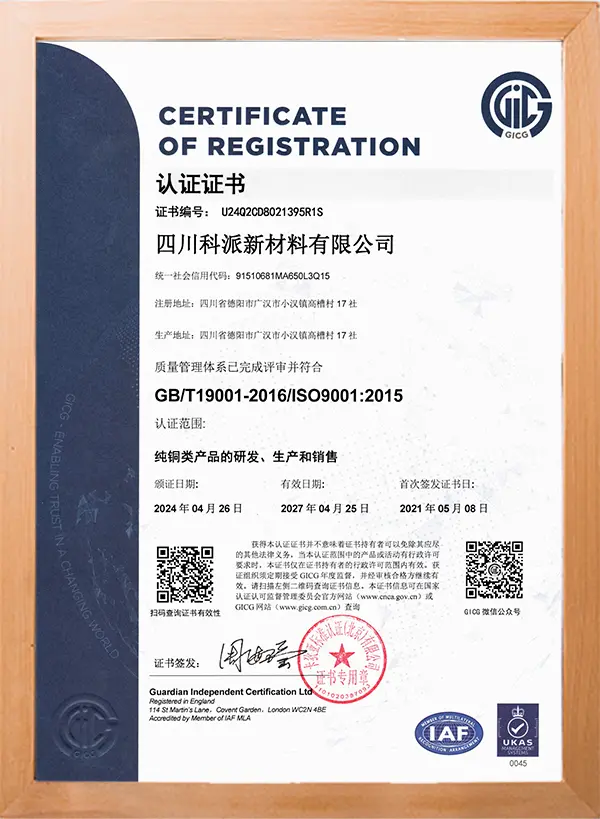
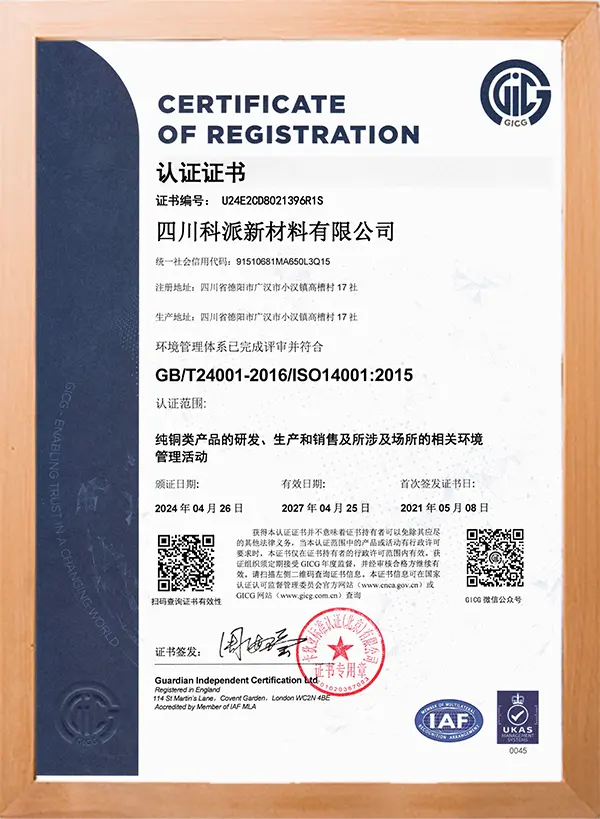
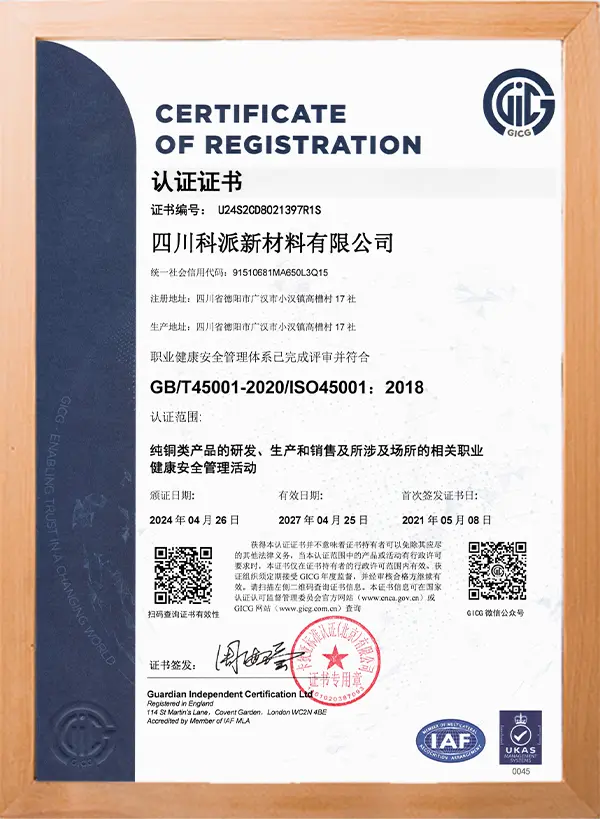
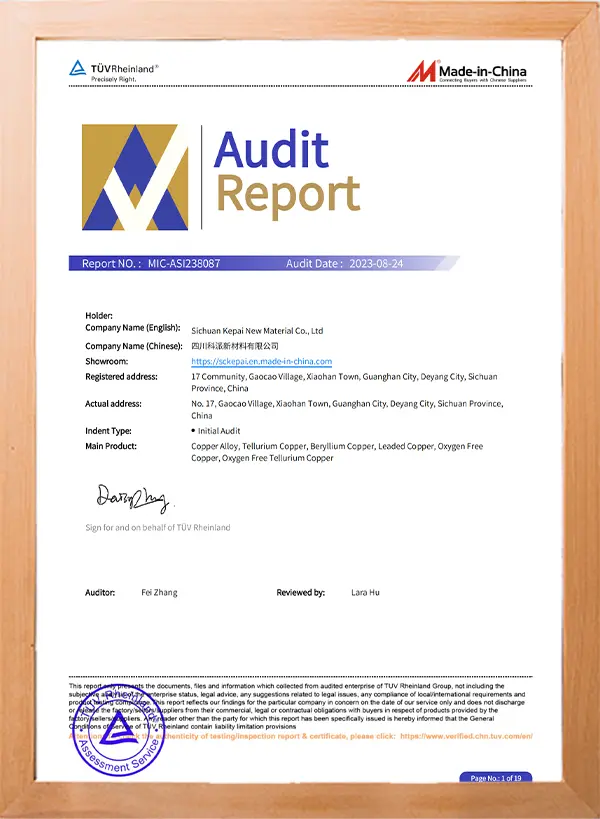
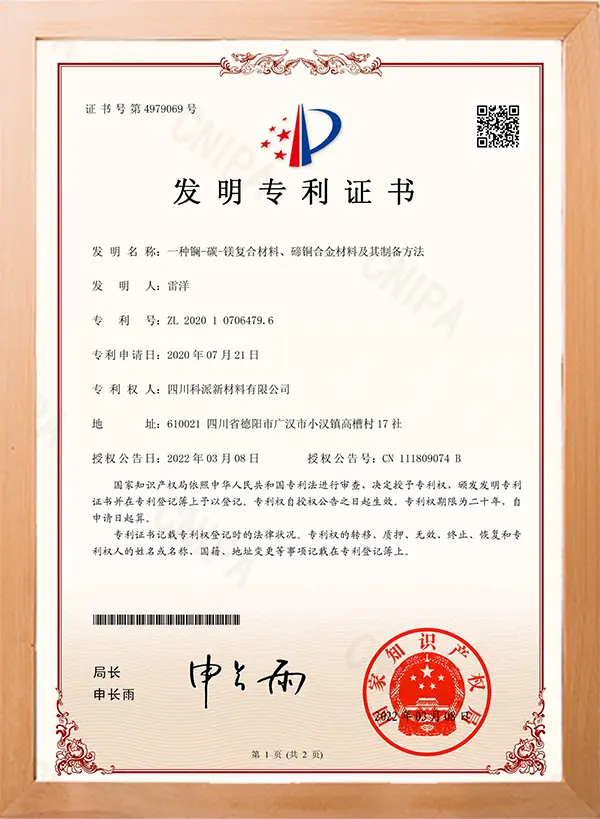
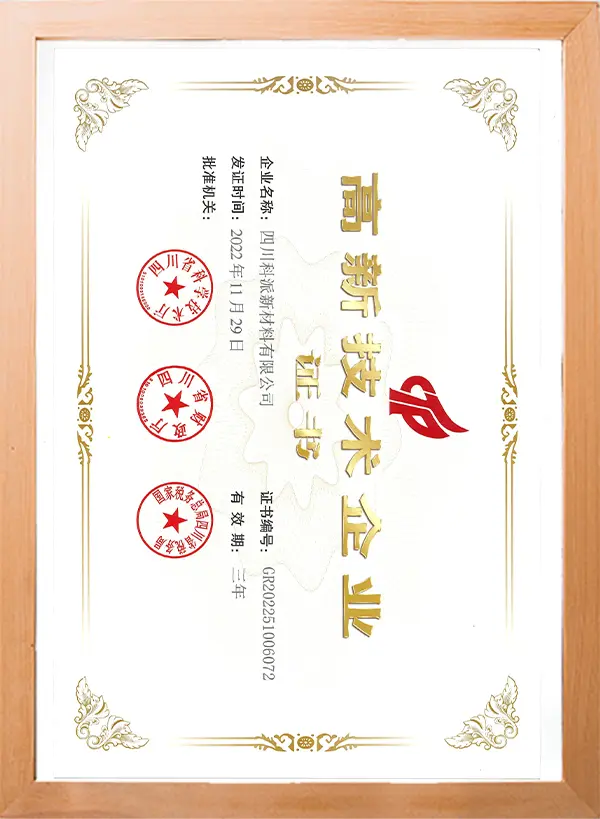
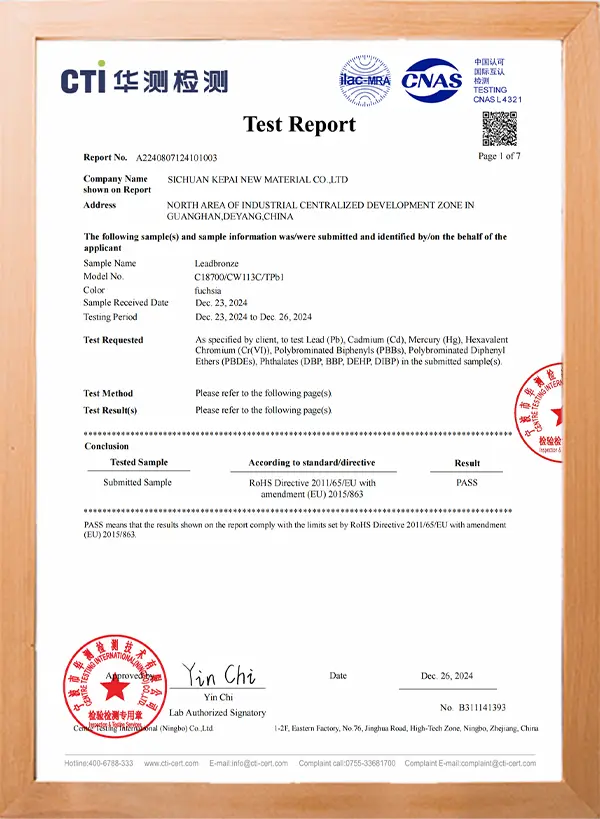
Expert insights addressing key engineering considerations and procurement specifications for advanced copper formulations.
Consult with our engineering team to select the optimal copper alloy for your application. We provide material sourcing, custom manufacturing, and technical support to meet your project specifications.
Browse our specialty brasses, high-strength bronzes, and high-performance copper formulations engineered for industrial reliability.
 Kepai
Kepai