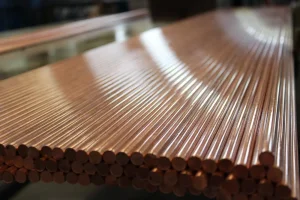
OEM BeCu Beryllium Copper Exporters & Companies

High-Performance Copper Alloys, Precision Manufacturing, and Global Supply Solutions for High-Tech Industries

Executive Technical Whitepaper: The Engineering Fundamentals of Beryllium Copper (BeCu)

The Metallurgy of Ultimate Copper Alloys

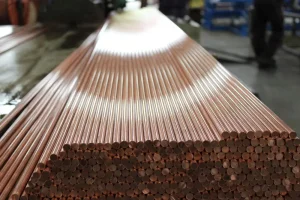
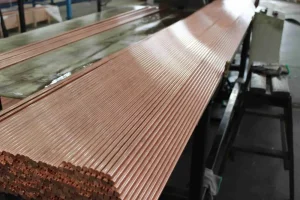
Beryllium Copper (BeCu), widely known as copper beryllium or beryllium bronze, represents the apex of copper-based metallurgical engineering. By combining trace amounts of beryllium (typically 0.4% to 2.0%) with copper, and occasionally adding nickel or cobalt, engineers create a material that achieves the highest strength and hardness of any copper-based alloy.

The secret behind BeCu's exceptional strength lies in its **precipitation hardening** (age-hardening) capability. When subjected to precise heat treatments, beryllium atoms form distinct sub-microscopic precipitate phases within the copper matrix. This structure acts as a major barrier to dislocation movement, driving yield strengths up to 1400 MPa—on par with high-strength alloy steels—while retaining up to 60% IACS electrical conductivity.

High-Conductivity vs. High-Strength Classifications

BeCu is structurally categorized into two primary families based on metallurgical composition and intent:

  • High-Strength Alloys (e.g., C17200 / CuBe2): Contain 1.8% to 2.0% beryllium. These alloys exhibit maximum mechanical properties, extreme wear resistance, and high fatigue limits. They are widely specified for spring contacts, pressure sensors, non-sparking safety tools, and heavy-duty aerospace bushings.
  • High-Conductivity Alloys (e.g., C17500 / C17510): Contain lower beryllium content (0.4% to 0.7%) paired with high cobalt or nickel. These optimize electrical and thermal performance, ideal for high-current relays, welding electrodes, and RF connectors.

Sichuan Kepai New Material Co., Ltd. - Corporate Strength & Sustainable Development

Established in 2017, Sichuan Kepai New Material Co., Ltd. is a high-tech enterprise integrating independent research, development, precision casting, and global distribution of specialized copper alloys. Located strategically in the western area of the Sichuan Guanghan Industrial Development Zone, adjacent to National Highway 108, our facility provides rapid logistics and high-capacity export infrastructure.
2017
Established Year
9,000+ m²
Modern Manufacturing Facility
1,000+ m²
R&D and Administrative Center

Strategic Material R&D

Kepai is a key manufacturer of strategic emerging new materials aligned with global industrial advancement initiatives. Our production focus centers on special high-performance copper alloys, including tellurium copper, high-conductivity oxygen-free copper, silver copper, dispersion copper, and beryllium copper. We consistently invest in developing high-conductivity, easy-to-machine, and high-strength alloys to meet the demands of fast-evolving industrial environments.

Sustainability & Green Initiatives

Our core business philosophy centers on "innovation-driven development, quality wins the market." Operating with strict environmental safeguards, Kepai actively pursues sustainable production workflows. We employ efficient filtration systems, closed-loop water cooling, and alloy scrap recycling programs to minimize carbon footprints while supplying high-purity copper products to dynamic global green markets.
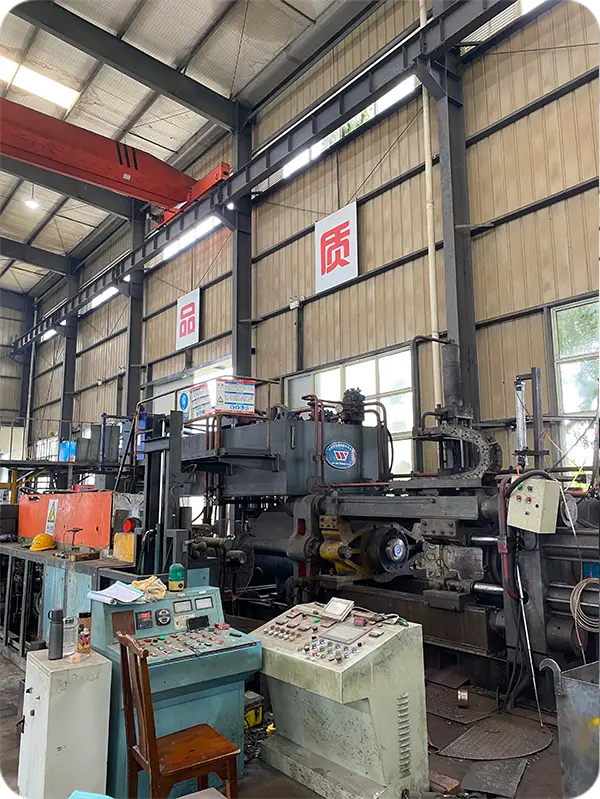
Our Operational Excellence Core

Technical Strength 1

Technical Strength

Technological innovation forms Kepai's core competitive advantage. Our R&D team consists of seasoned metallurgical experts collaborating with top scientific institutions. We continue to achieve breakthroughs in high-performance tellurium, lead, and sulfur copper alloys.
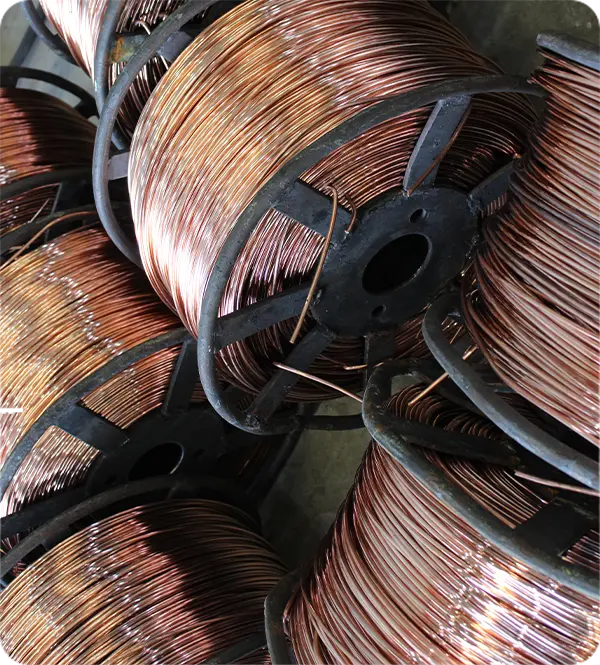
Product System

Product System

Our product lineup spans from raw castings and extrusions to custom finished profiles. We supply oxygen-free tellurium copper, nickel-tellurium copper, tin bronze, beryllium copper, sulfur copper, and chromium zirconium copper tailored to specialized client needs.

Market Layout

Market Layout

Adhering to the strategy of "rooted in Sichuan, radiating nationwide, and moving towards the world," Kepai maintains domestic sales hubs and exports to key markets across North America, Europe, Southeast Asia, and the Middle East.
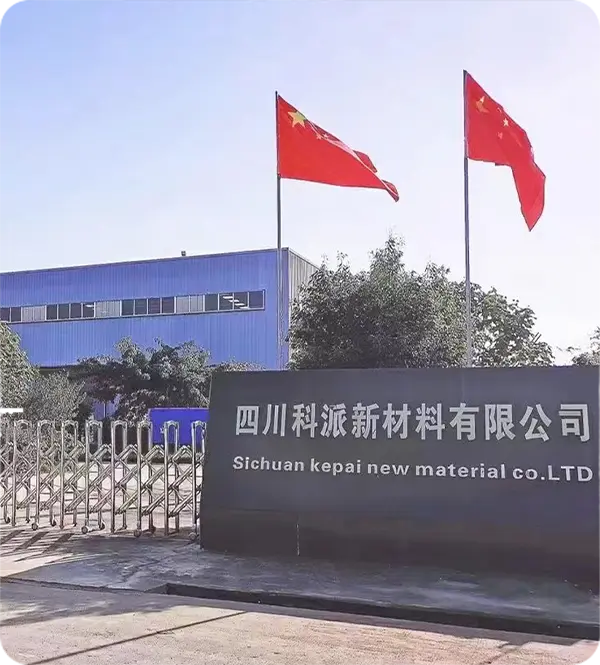
Corporate Culture

Corporate Culture

We advocate "integrity, innovation, collaboration, and win-win" values. By building a talent-driven development path and maintaining strict operational ethics, we deliver reliability and long-term value to our partners worldwide.

Localized Application Scenarios: Beryllium Copper in Global Industries

Thanks to their specialized mechanical and physical properties, our OEM BeCu alloys are deployed in high-performance applications globally:

1. New Energy Vehicles (NEVs) & EV Charging Infrastructures

The expansion of electric vehicles requires high-current power management systems that operate under high temperatures. BeCu C17500 and C17510 alloys are critical for **EV battery relays, terminal connectors, and high-voltage distribution units**. Their resistance to stress relaxation ensures stable contact forces over the vehicle's lifespan, preventing failures caused by vibrations and thermal cycling.

2. 5G Telecommunications & Precision Micro-Electronics

Modern 5G base stations rely on coaxial connectors, RF switches, and high-frequency spring pins. BeCu's high yield strength allows spring contacts to be miniaturized without losing mechanical elasticity. This ensures continuous, low-loss signal transmission under tight spatial configurations.

3. Aerospace Marine Exploration & Heavy Machining

In aerospace and marine exploration, components face marine corrosion, mechanical stress, and low lubrication. High-strength C17200 is used for **landing gear bushings, control linkages, undersea repeater housings, and drilling components**. Its spark-resistant, non-magnetic properties also make it standard for petrochemical safety tools.

4. Advanced Precision Laser & Plasma Cutting

Laser cutting nozzles, plasma electrodes, and electrical discharge machining (EDM) components require materials with high thermal dissipation to maintain dimensional stability. Our oxygen-free tellurium and beryllium copper alloys provide the thermal conductivity needed to extend electrode lifespans and maintain precise cutting paths.

Chinese Factory Supply Chain Resilience & Cost-Efficiency Advantages

In today's complex global trade environment, maintaining a resilient supply chain is critical. Sichuan Kepai leverages strategic domestic manufacturing benefits to deliver reliable sourcing advantages to our global clients:

Vertically Integrated Local Sourcing

We manage our supply chains from raw material processing through casting, extrusion, drawing, and precision testing. This integrated approach reduces transport delays and insulates clients from global raw metal cost fluctuations. By keeping key processing steps in-house, we maintain complete control over purity, grain size, and mechanical tolerances.

Customized OEM Formulations & Rapid Shipments

Our facility supports agile, low-volume custom runs for research labs as well as high-volume continuous output for global manufacturers. We tailor copper compositions to specific parameters (such as tensile strength or conductivity) and offer faster prototype-to-production turnaround times than traditional overseas mills.
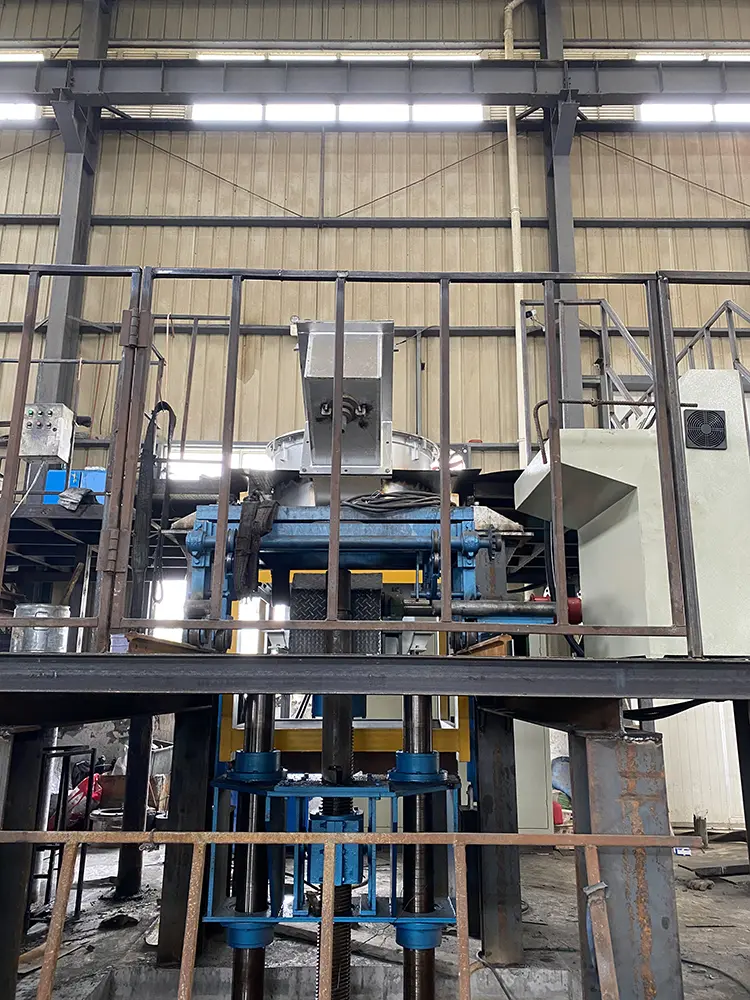
Our Advanced Production & Testing Infrastructure

Maintaining high mechanical standards requires precise control and measurement. Kepai operates a fully equipped production facility alongside an in-house laboratory to verify every heat number.
Smelting

Smelting Furnace

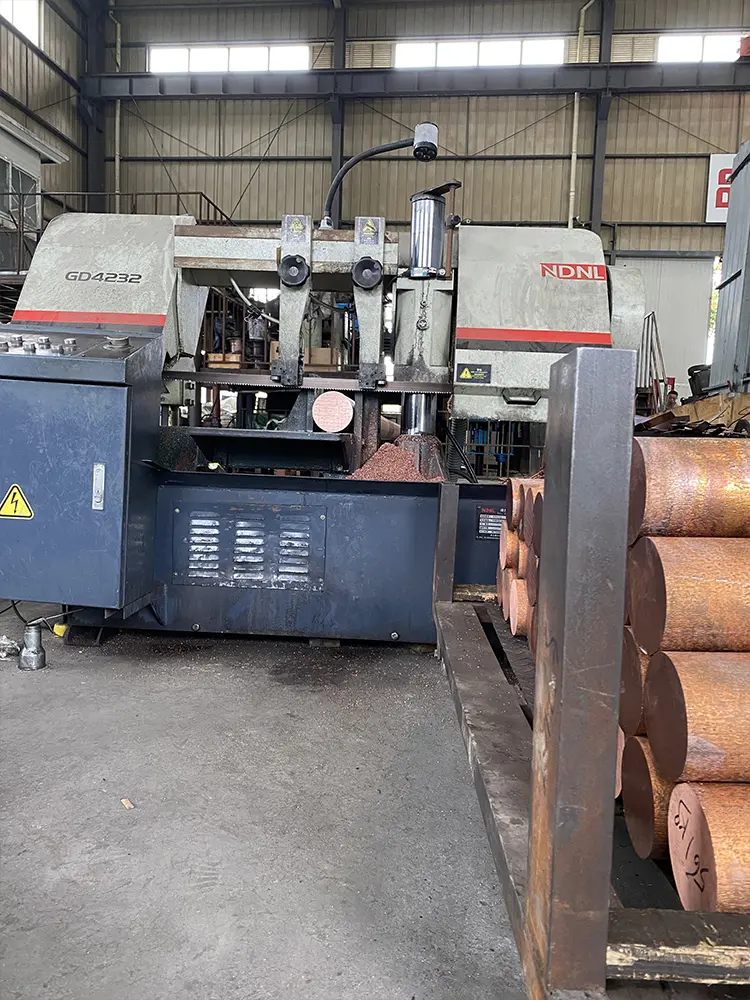
laying-off

Laying-off & Sizing

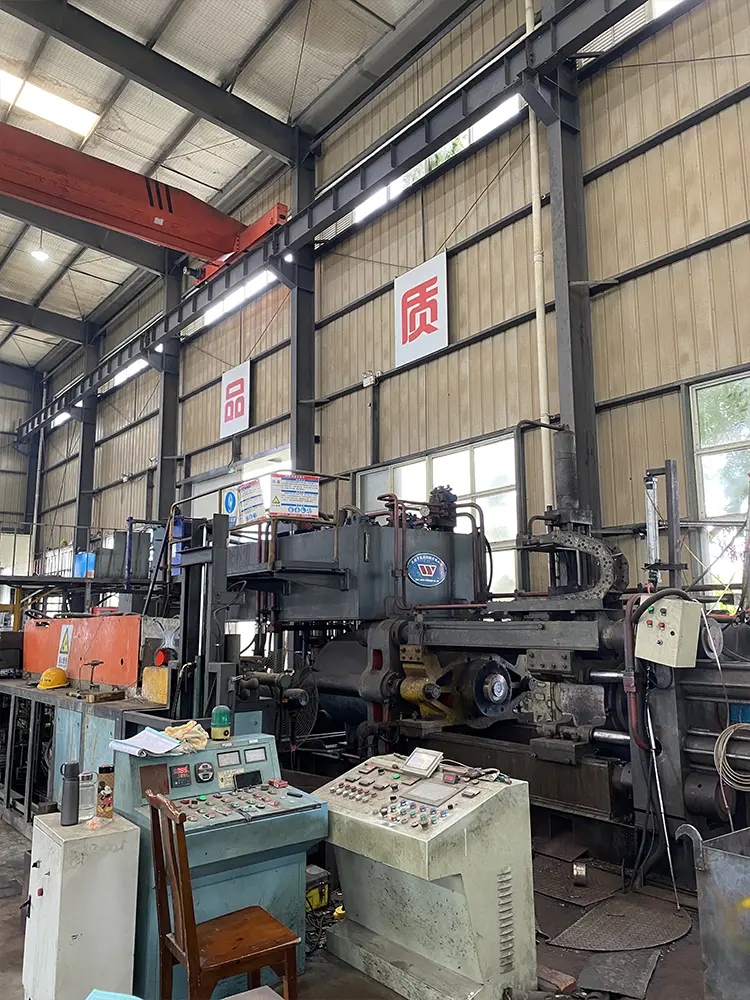
extrusion

Precision Extrusion Press

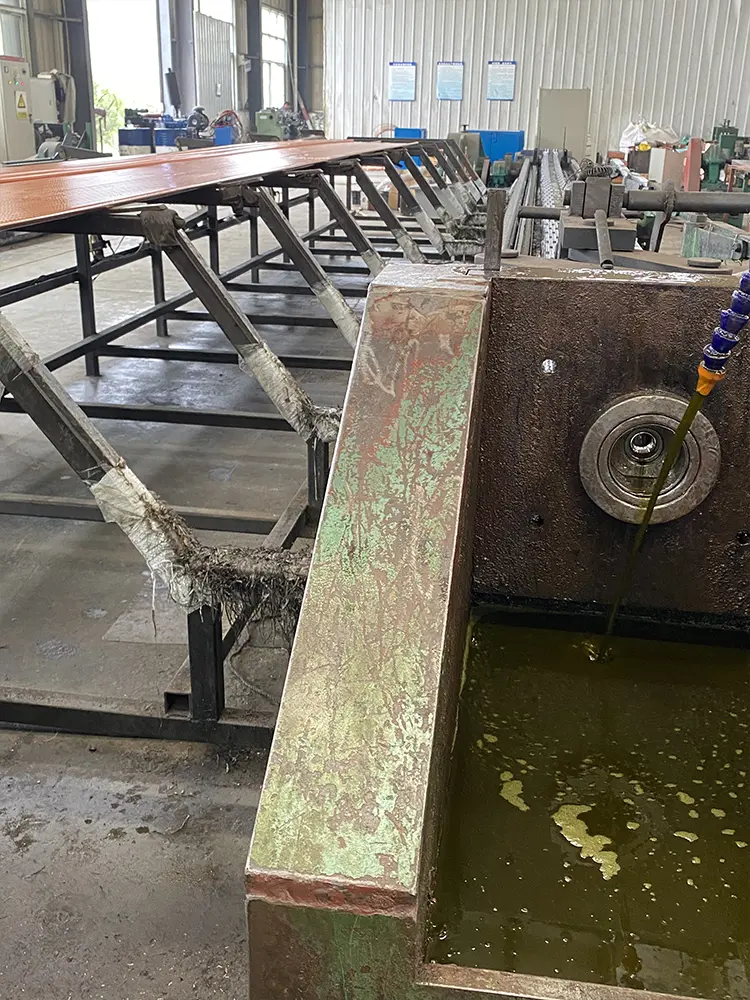
drawing

Cold Drawing Line

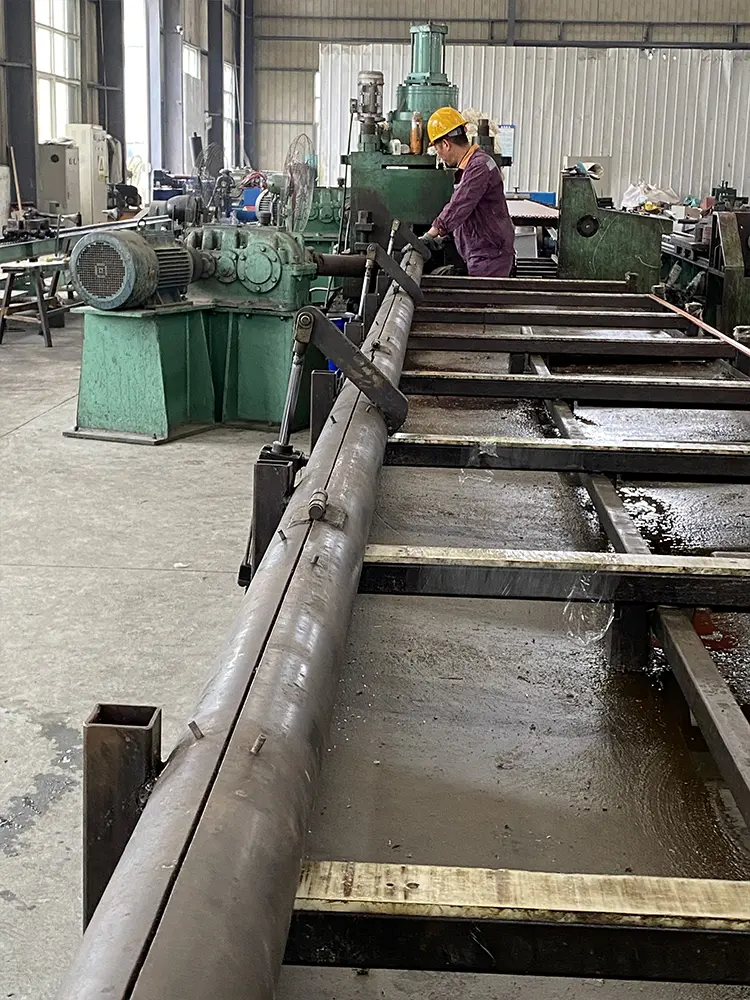
straightening

Multi-Roll Straightener

package

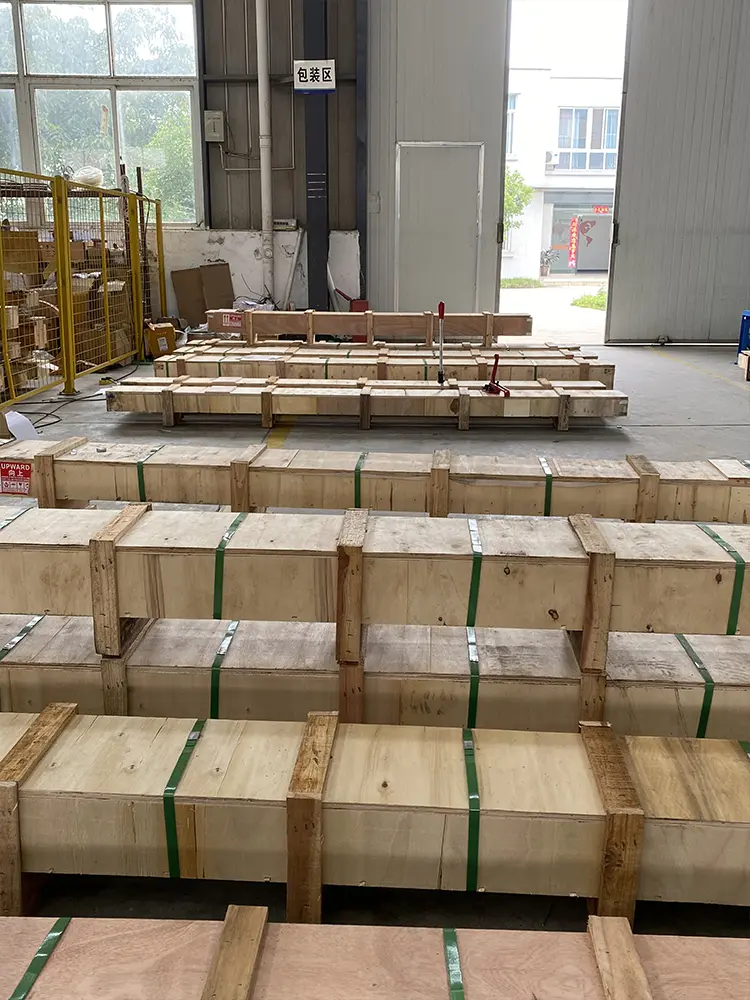
Export Protective Packaging

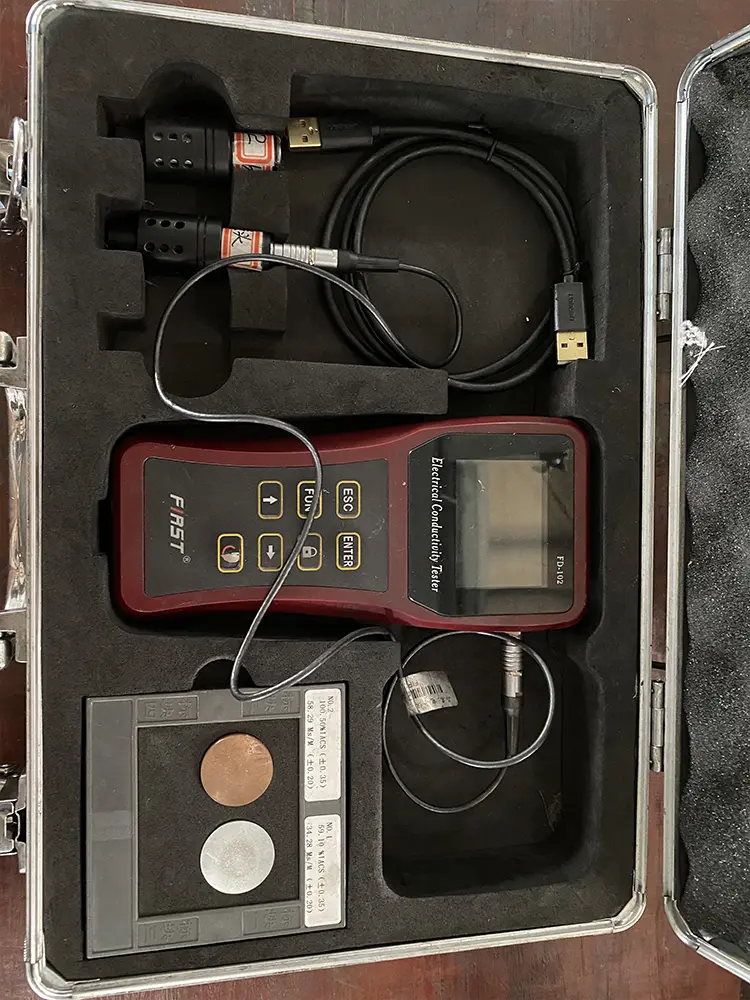
eddy current conductance instrument

Eddy Current Conductometer

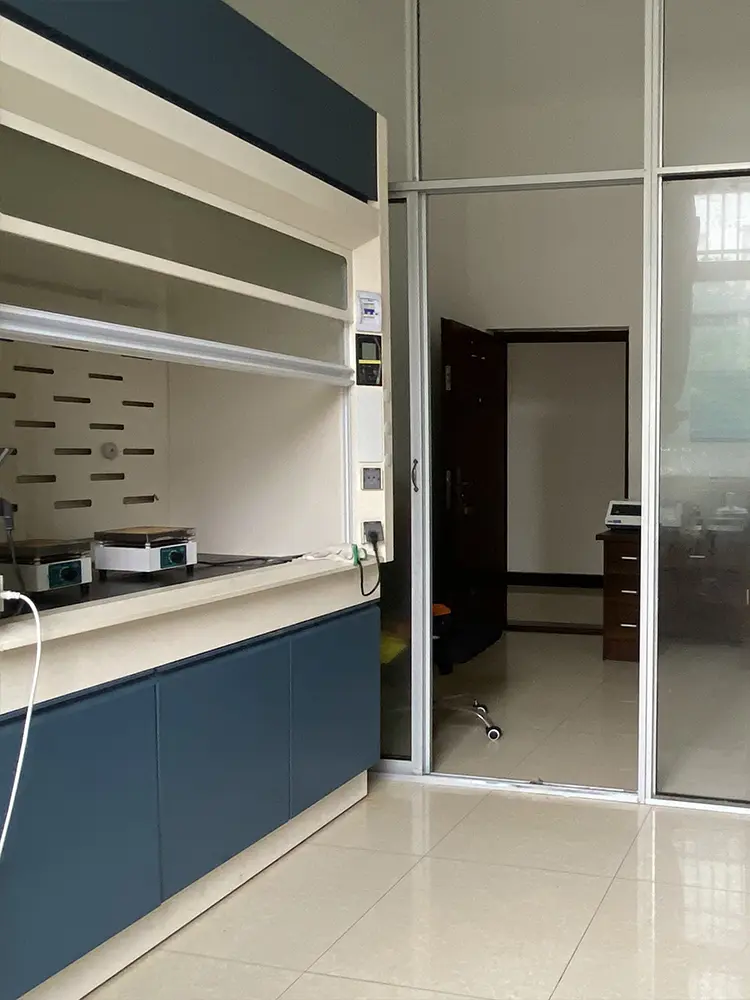
Chemical composition test room

Chemical Composition Lab

Metallographic sample polishing machine

Metallographic Specimen Polisher

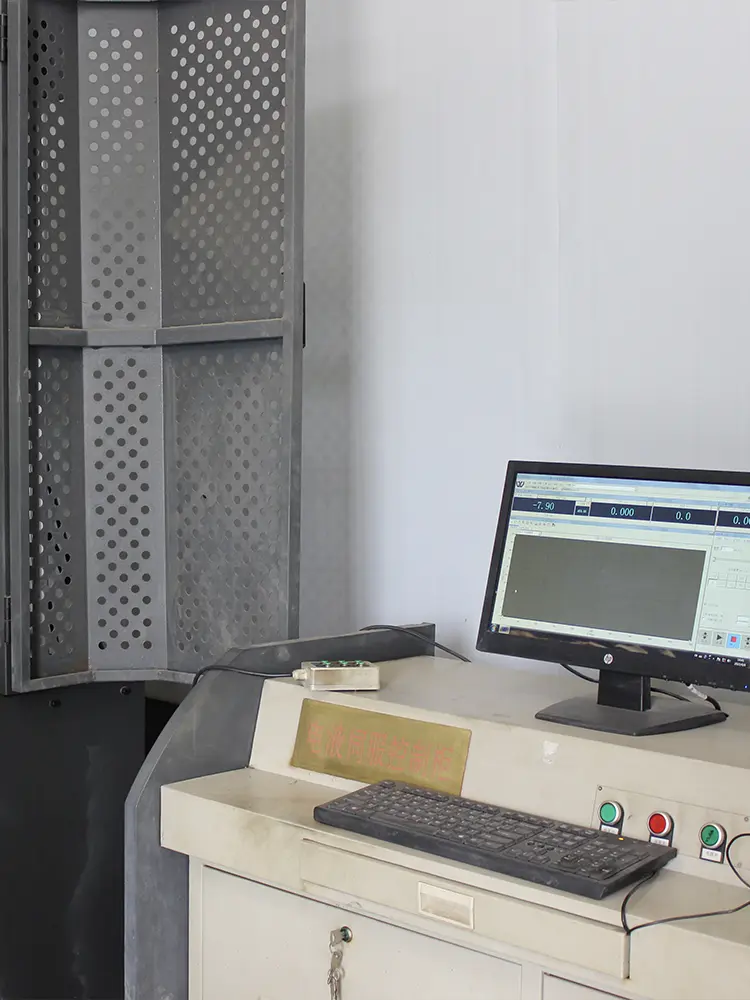
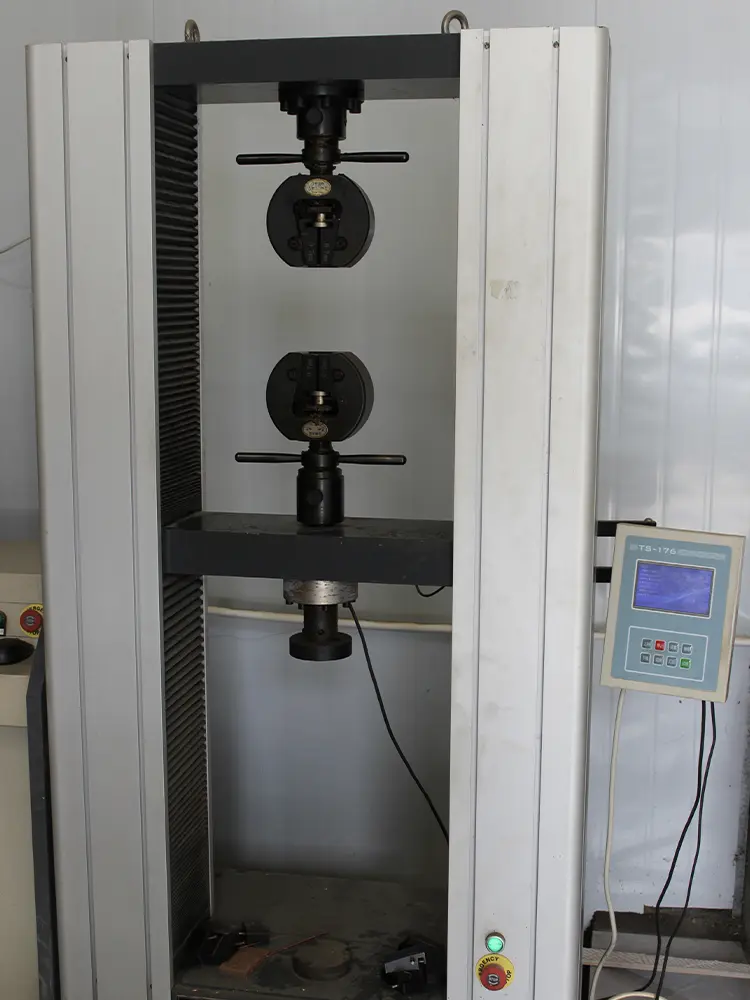
Microcomputer controlled electro-hydraulic servo universal testing machine

Electro-Hydraulic Servo Tester

Liquid crystal display electronic universal testing machine

Digital Tensile Tester

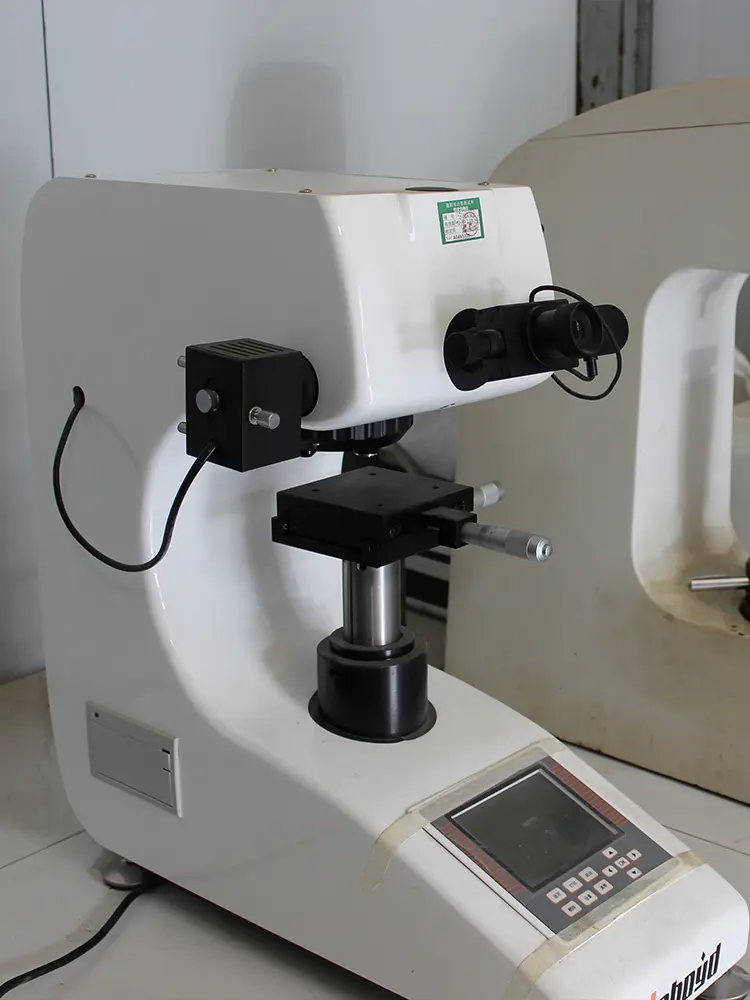
Hardness tester

Hardness Testing System

Technical Roadmap & Future Outlook: The Evolution of Copper Alloys

1. Developing High-Performance Lead-Free & Clean Alloys

Global environmental guidelines continue to push for the reduction of hazardous substances in components. In response, our R&D initiatives focus on refining **low-beryllium, high-conductivity, and lead-free free-cutting copper alloys**. By modifying micro-alloying processes, we maintain strong machinability while complying with global environmental restrictions.

2. Micro-Alloying for Miniaturized Electronic Components

As consumer electronics, wearables, and electric vehicle systems shrink in size, they demand smaller, more reliable connectors. Our technological roadmap includes developing ultra-fine wires and thin-gauge strips with higher yield strength and thermal stability, designed to support high current loads without overheating.
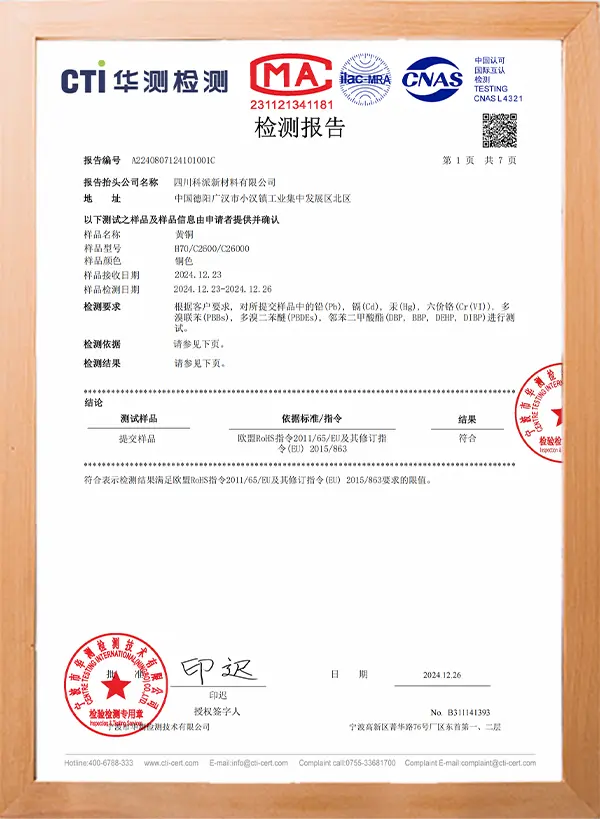
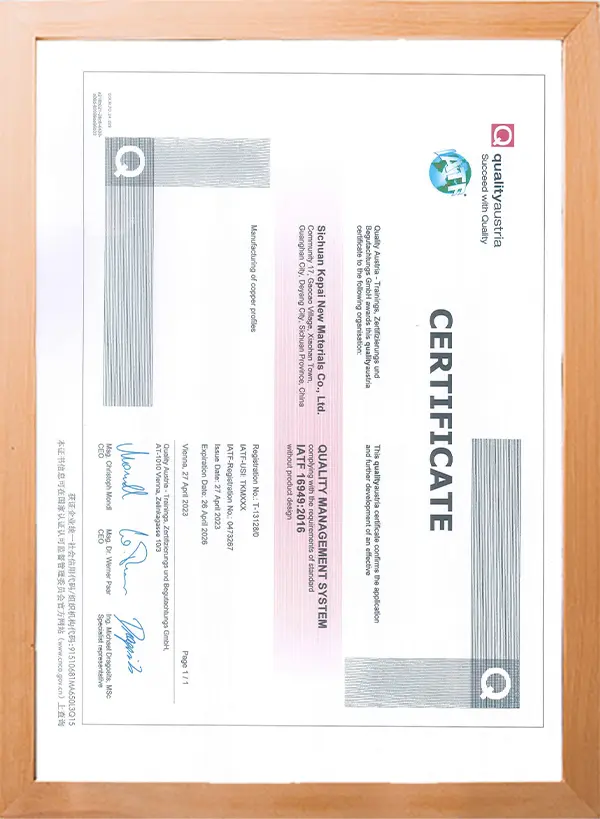
International Standards Compliance & Quality Certificates

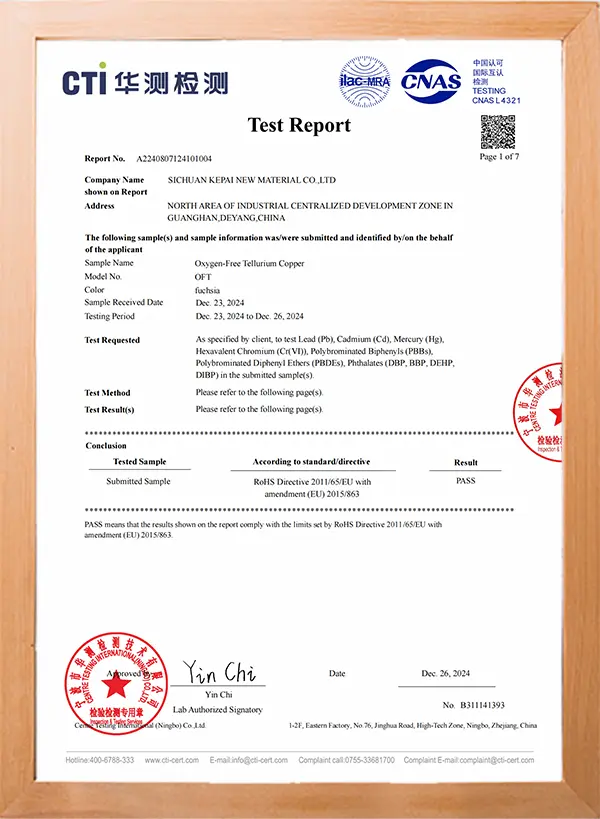
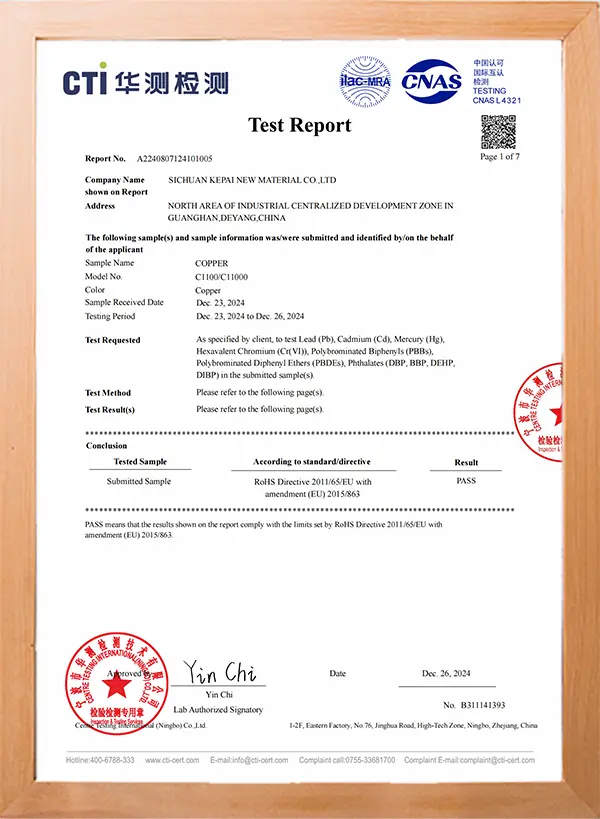
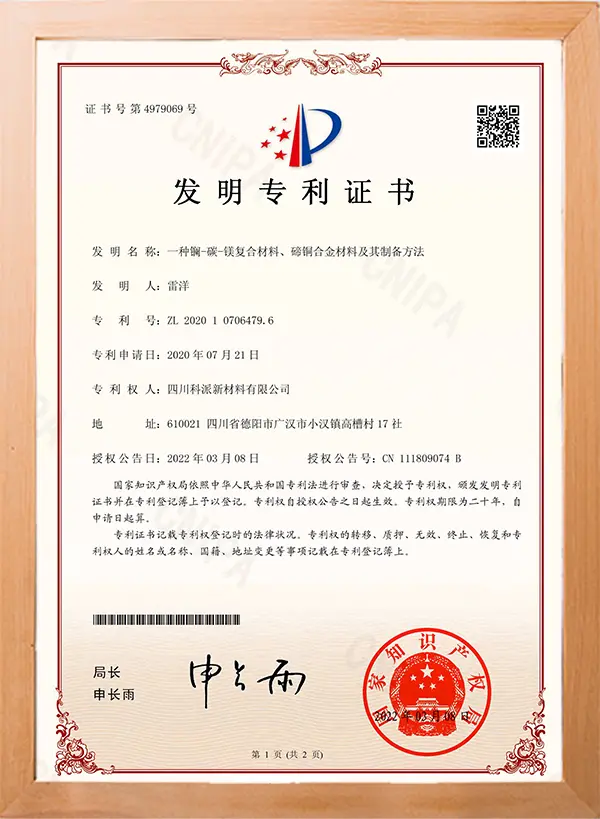
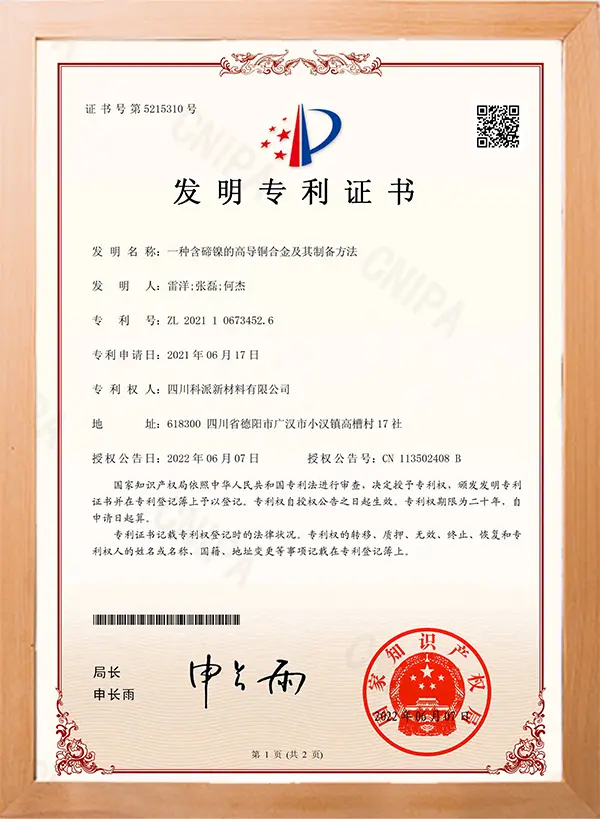
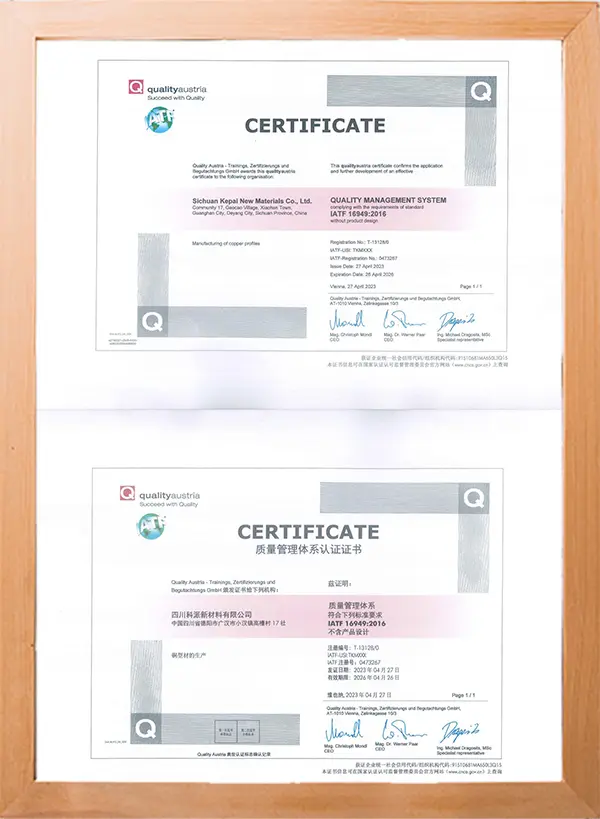
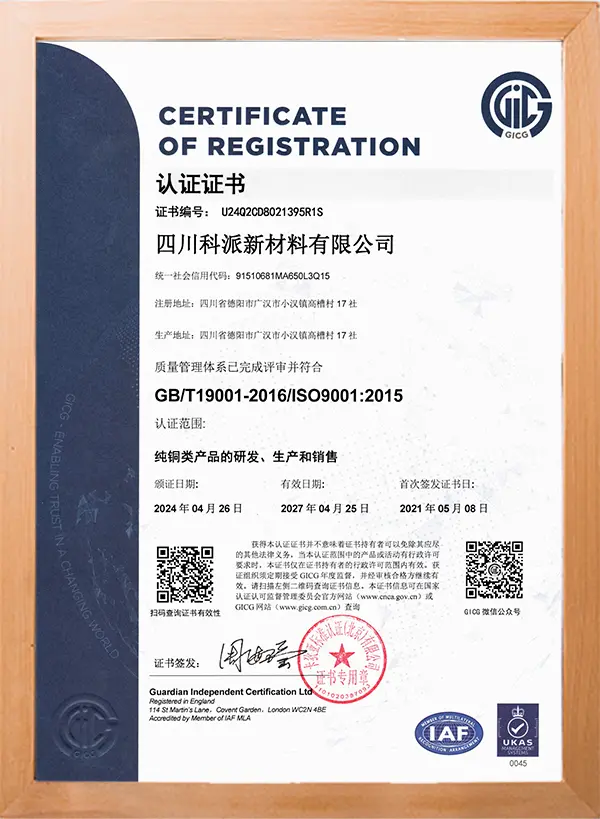
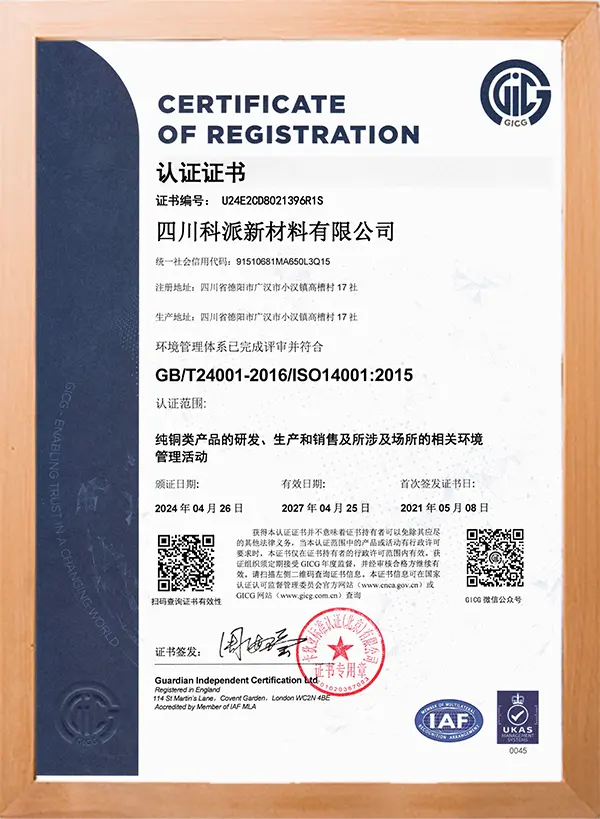
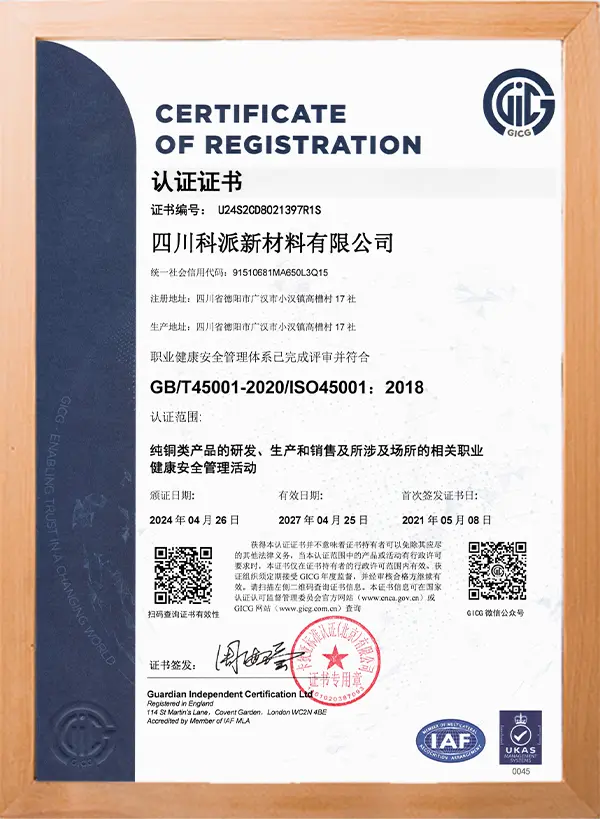
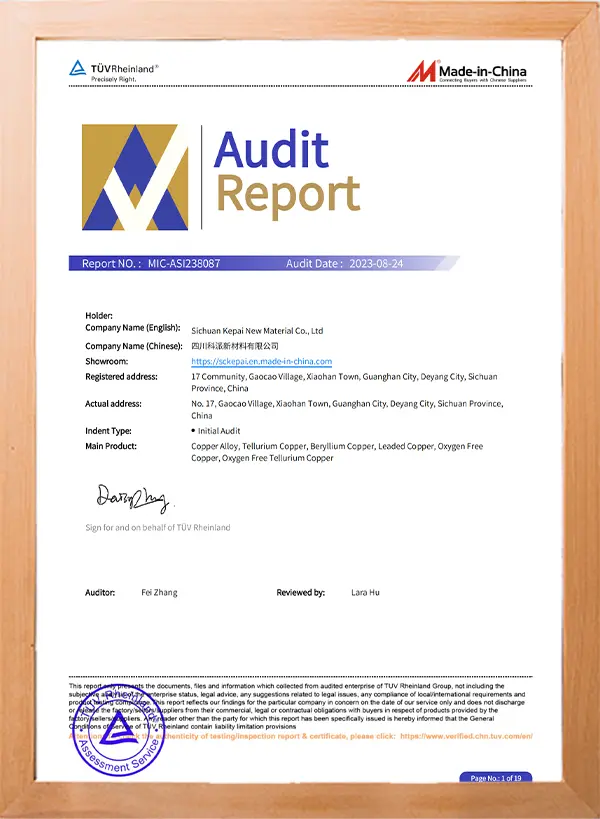
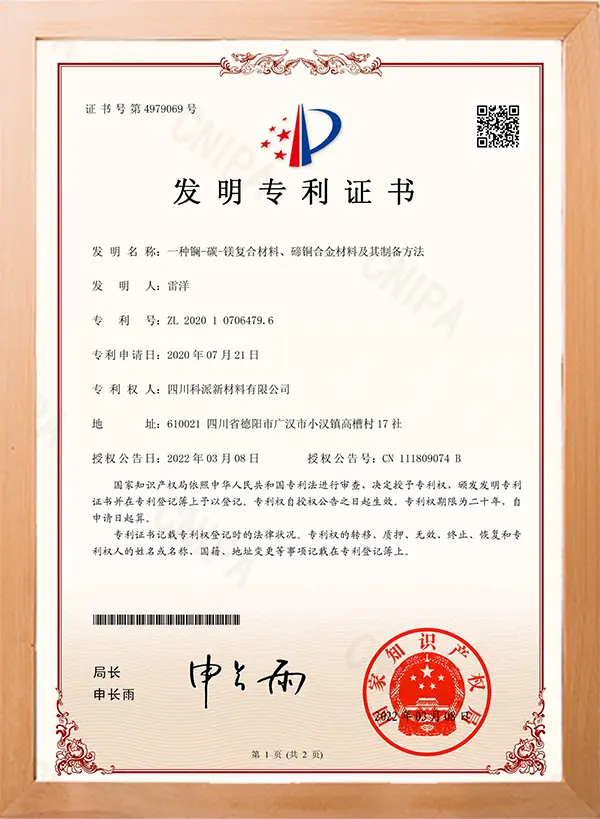
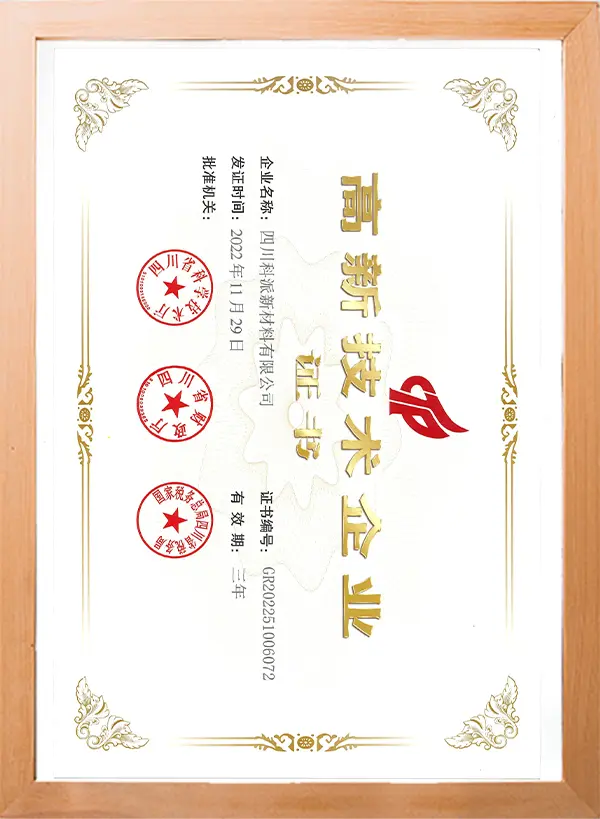
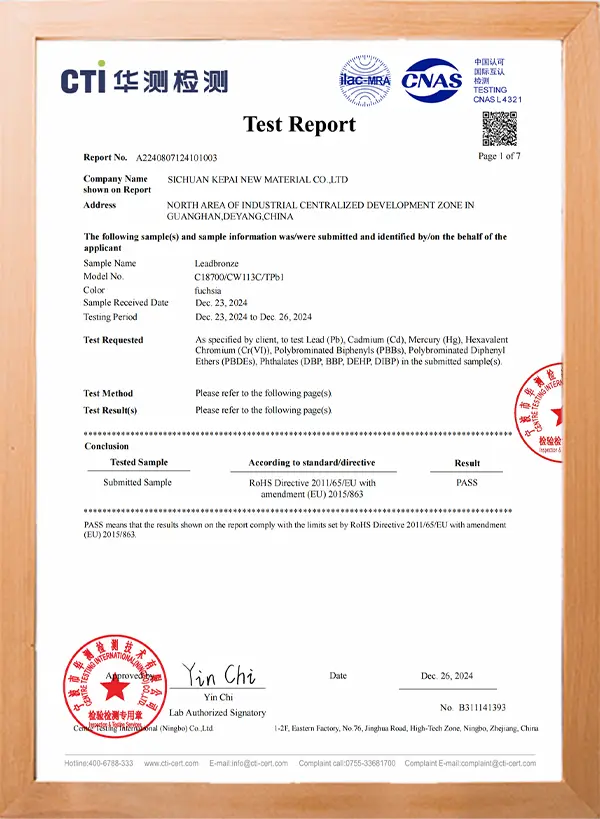
Every batch of copper alloy produced at Sichuan Kepai undergoes testing to comply with international specifications including ASTM, EN, JIS, and DIN. We maintain rigorous documentation, providing material test reports (MTR), RoHS, and REACH verification on demand.
Certificate 1
Certificate 2
Certificate 3
Certificate 4
Certificate 5
Certificate 6
Certificate 7
Certificate 8
Certificate 9
Certificate 10
Certificate 11
Certificate 12
Certificate 13
Certificate 14

Technical FAQ: Expert Metallurgical Q&A for Design Engineers

Q1: How does Beryllium Copper achieve high strength without losing all electrical conductivity?
Beryllium Copper achieves its properties through precipitation (or age) hardening. When quenched from high temperatures and aged at moderate ones, sub-microscopic beryllium-rich particles precipitate out of the solid solution. These particles block dislocations in the copper atomic structure to increase yield strength, while leaving the surrounding copper matrix relatively pure to maintain electrical conductivity (ranging from 20% to 60% IACS, depending on the alloy class).
Q2: What are the main differences between C17200 and C17510 copper alloys?
C17200 contains higher beryllium content (1.8% - 2.0%) and is categorized as a high-strength alloy, offering maximum hardness and wear resistance. C17510 contains lower beryllium (0.2% - 0.6%) along with nickel, prioritizing high electrical and thermal conductivity (up to 60% IACS). C17510 is typically specified for heavy current connectors and welding applications, while C17200 is used for high-deflection spring elements, non-sparking hand tools, and aerospace bushings.
Q3: How does Beryllium Copper handle stress relaxation at high temperatures?
Compared to standard brasses and bronzes, BeCu demonstrates high resistance to stress relaxation at elevated temperatures (typically up to 200°C for C17200, and up to 300°C for C17510). This means that spring contacts and connector terminals maintain their contact force over long durations, preventing electrical contact resistance buildup and intermittent failures in automotive and telecommunication systems.
Q4: Are there safety concerns associated with using or machining Beryllium Copper?
Solid Beryllium Copper alloys present no health hazards during handling, processing, or end-use. However, fine dust, fumes, or mists generated during machining, grinding, or welding can present respiratory risks if inhaled. Standard safety protocols, including wet machining, local exhaust ventilation (LEV), and dust filtration, effectively control these risks.
Q5: Can Kepai supply custom shapes and specialized chemical compositions?
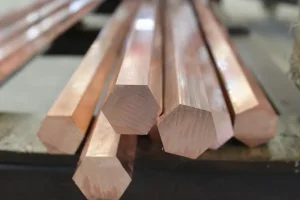
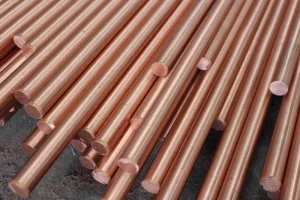
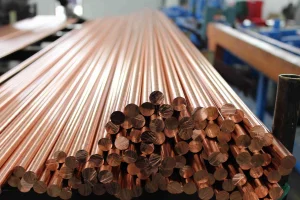
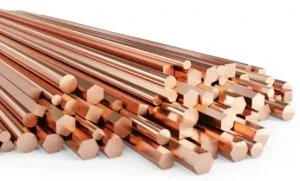
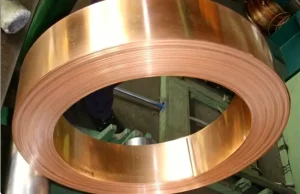
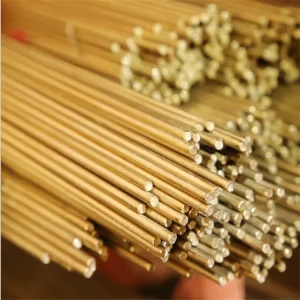
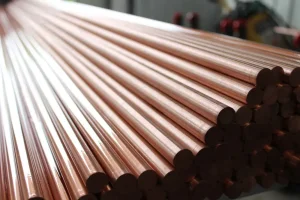
Yes. Our casting facility allows us to adjust the chemical compositions of tellurium copper, oxygen-free copper, and beryllium-copper alloys to meet specific mechanical or conductivity requirements. We can supply materials in various forms, including custom-drawn rods, hexagonal profiles, wire coils, and plates.
Q6: What certifications are provided to guarantee material purity?
Every export shipment includes a Mill Test Certificate (MTC) documenting chemical compositions and mechanical properties (tensile strength, elongation, hardness, and electrical conductivity). We use optical emission spectrometers (OES), eddy current conductivity meters, and physical testing equipment to verify each production lot against international standards.

GET STARTED TODAY

Looking ahead, Sichuan Kepai New Materials Co., Ltd. will continue to focus on research and development in the field of new materials, contributing to the development of the new copper alloy materials industry in China and globally. We look forward to working with partners from all walks of life to build collaborative growth.