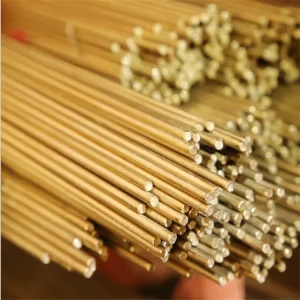
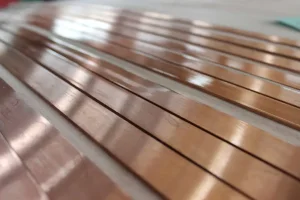
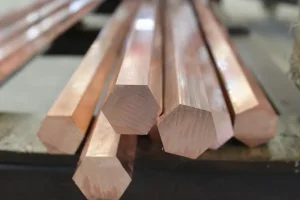
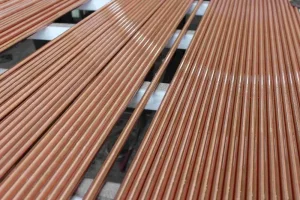
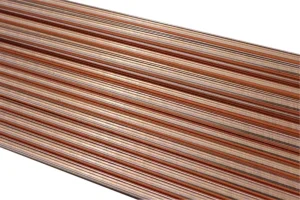
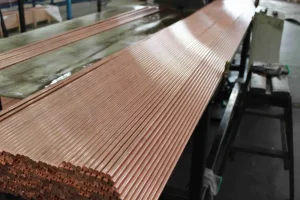
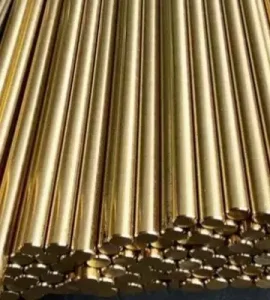
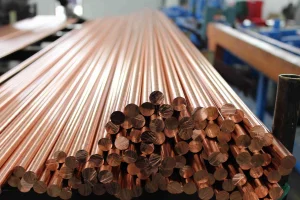
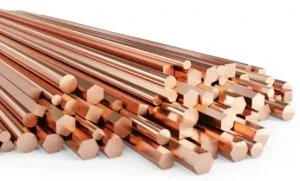
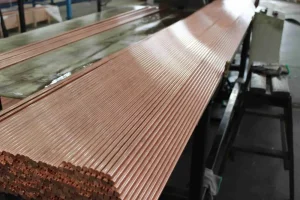
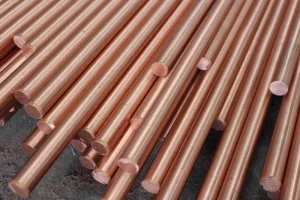
C36000 Free-Cutting Brass, historically referred to as leaded brass, stands as the universal benchmark for machinability (rated at 100%) against which all other metals are assessed. Structurally, it consists of a dual-phase alpha-beta matrix with finely dispersed lead globules strategically situated at the grain boundaries. This microstructural distribution acts as both a microscopic chip-breaker and a dry lubricant, drastically reducing friction, cutting force, and tool wear. For global buyers looking to procure high-precision components at scale, utilizing C36000 brass guarantees clean surface finishes, precise dimensional tolerances, and high-speed CNC output.
To meet international compliance protocols and ASTM B16 requirements, industrial exporters must strictly regulate chemical composition. C36000 requires a copper content between 60.0% and 63.0%, lead between 2.5% and 3.7%, and iron limited to a maximum of 0.35%, with the remaining balance being zinc. This balance allows the alloy to maintain high thermal conductivity and electrical conductivity while facilitating structural strength.
| Element/Property | Standard Range (ASTM B16) | Typical Industrial Values | Key Engineering Impact |
|---|---|---|---|
| Copper (Cu) | 60.0% - 63.0% | 61.5% | Optimizes electrical and thermal conductivity. |
| Lead (Pb) | 2.5% - 3.7% | 3.0% | Acts as a natural chip breaker and dry lubricant. |
| Iron (Fe) | Max 0.35% | < 0.15% | Controlled to prevent tooling wear during machining. |
| Zinc (Zn) | Balance | ~35.2% | Maintains optimal structural integrity and tensile strength. |
| Tensile Strength | 330 - 470 MPa | 400 MPa | Guarantees mechanical reliability under high stress. |
| Machinability Rating | 100% (Reference) | 100% | Optimizes CNC throughput, cycling time, and surface finish. |
"The microscopic dispersion of lead within C36000 minimizes tool interface temperatures during high-speed machining operations, resolving heat dissipation concerns and enabling rapid, unmanned CNC manufacturing operations globally."
In today's fast-moving industrial landscape, the procurement of C36000 leaded brass components is driven by the rapid evolution of next-generation infrastructure, including new energy vehicles (NEVs), 5G networks, plasma cutting technologies, energy storage facilities, and high-frequency RF connectors. Procurement executives across North America, the European Union, and Southeast Asia look for reliable partners that offer high material yield, structural stability, and stable global logistics.
As raw material costs fluctuate, the efficiency of machining becomes critical. C36000 alloys dramatically reduce tooling overhead, lowering the total cost of ownership (TCO) for mass manufacturing. Furthermore, although leaded alloys face strict RoHS and REACH regulations globally, current exemptions for copper alloys containing up to 4% lead by weight ensure C36000 remains a key material for applications requiring complex mechanical designs and strict tolerances.
Automotive & Electric Vehicles: Used in connector pins, sensor housings, brake valves, and EV charging station components. High electrical conductivity combined with robust structural integrity prevents terminal degradation under thermal cycling.
5G Telecommunications: Coaxial connectors, antenna housings, and RF shields require precise dimensional tolerances. The high machinability of C36000 allows for wall thicknesses under 0.5 mm without compromising structural strength.
Fluid Control and HVAC Systems: Valves, compression fittings, and manifold systems utilize the alloy's natural corrosion resistance and thread-forming ease to guarantee leak-proof seals in industrial operations.
The modernization of manufacturing in China, characterized by the integration of IoT, automated quality control, and vertical integration, has transformed the global supply of copper alloys. Sichuan Kepai New Material Co., Ltd., founded in 2017, exemplifies this progress. Located in the western area of the Sichuan Guanghan Industrial Development Zone, Kepai leverages strategic geographical advantages alongside highly integrated supply chains to provide prompt global delivery.
With a 9,000-square-meter modern production facility and a dedicated research team, Kepai focuses on strategic emerging new materials. Through independent research, development, and academic collaboration, the company has introduced high-performance tellurium copper, leaded brass, sulfur copper, and high-conductivity oxygen-free copper. By managing the entire production cycle—from smelting and extrusion to testing and packaging—Kepai ensures consistent mechanical properties in every batch, mitigating the risks of material defects.
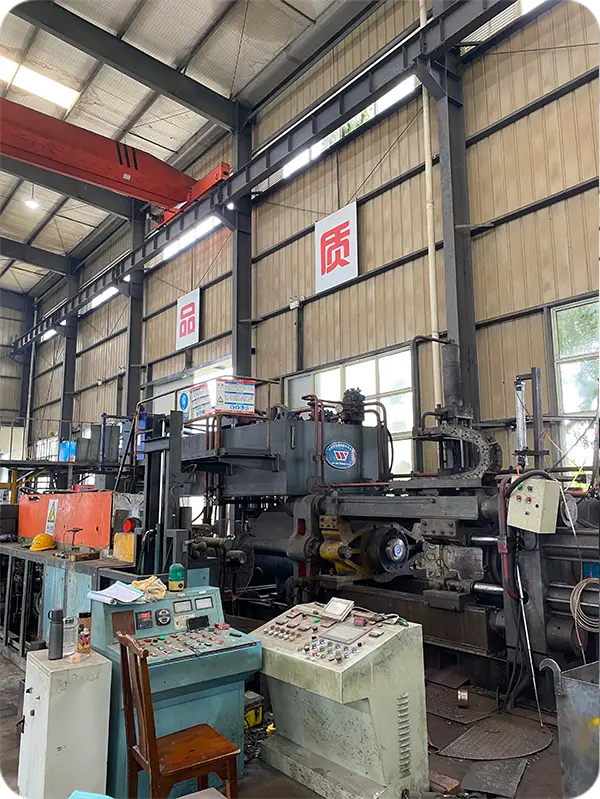
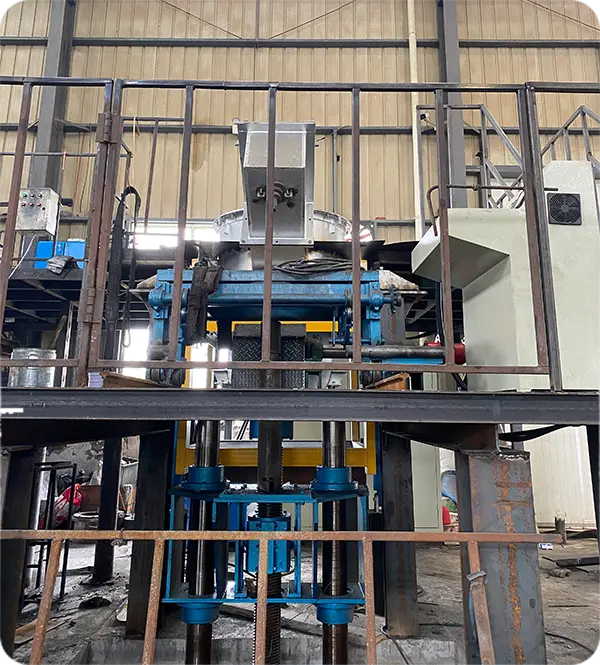
Technological innovation is the core competitiveness of Sichuan Kepai New Materials Co., Ltd. The company has a research and development and production team composed of senior industry experts who keep pace with international cutting-edge technology trends and continuously explore the unknown boundaries in the field of new copper alloy materials. Through a combination of independent research and development and industry-university-research collaboration, Kepai has made breakthrough progress in several areas, including high-performance tellurium copper, lead copper, and sulfur copper.
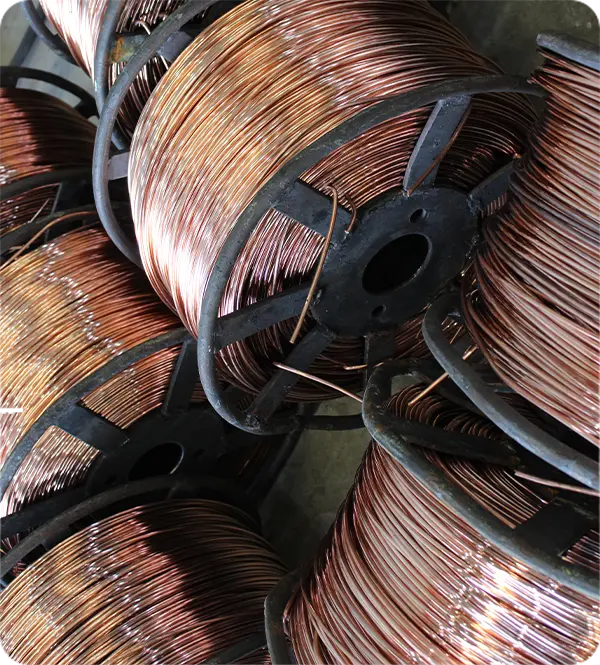

Kepai's product line is rich and diverse, covering a comprehensive range of solutions from basic materials to high-end customization. We focus on providing customers with high-performance, high-quality high-end copper alloy products, including but not limited to pure copper, oxygen-free copper, oxygen-free high-conductivity tellurium copper, nickel tellurium copper, tin bronze, beryllium copper, lead bronze, sulfur copper, and chromium zirconium copper.

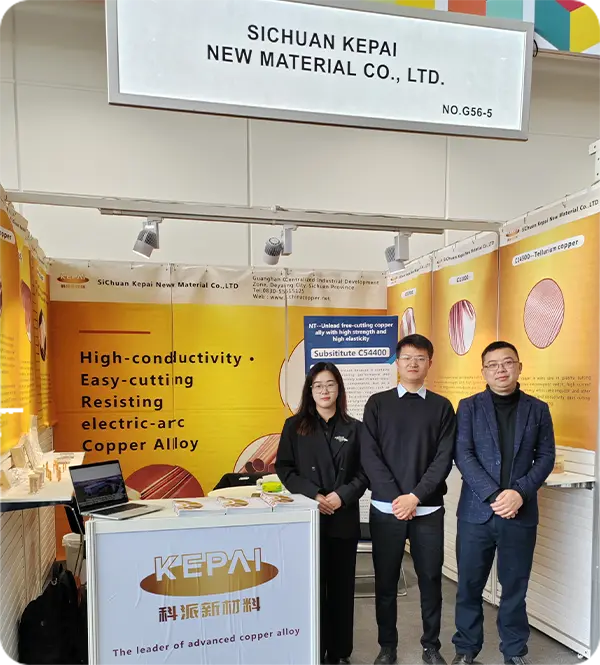
In the face of global market competition, Sichuan Kepai New Materials adheres to the development strategy of "rooted in Sichuan, radiating nationwide, and moving towards the world." By continuously optimizing market layout and improving the sales network, we have established a stable customer base in multiple provinces and cities across the country and have formed long-term cooperative relationships with several internationally renowned enterprises.
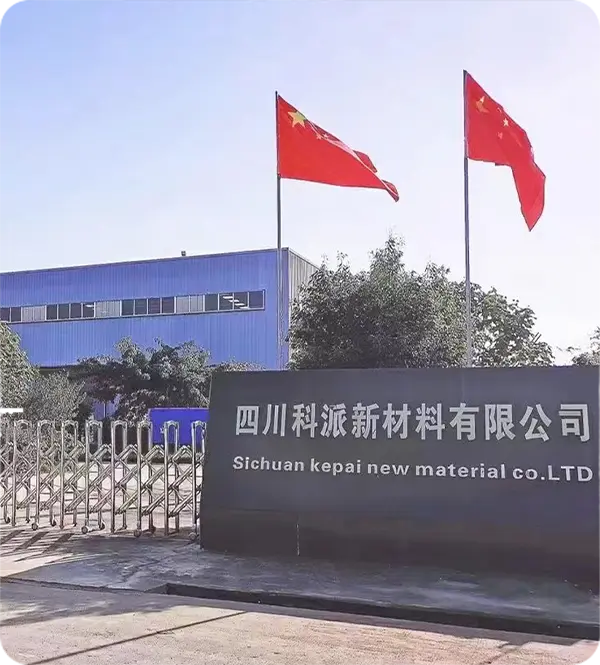

We understand that the long-term development of an enterprise is inseparable from an excellent corporate culture. We advocate the corporate spirit of "integrity, innovation, collaboration, and win-win," encouraging employees to explore boldly and innovate courageously, while also emphasizing teamwork and talent cultivation, striving to create a harmonious, open, and inclusive work atmosphere.
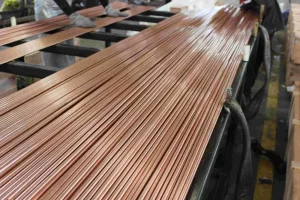
Our manufacturing facility operates under strict international production, environmental, and occupational safety standards, ensuring every delivery complies with global industrial regulations.
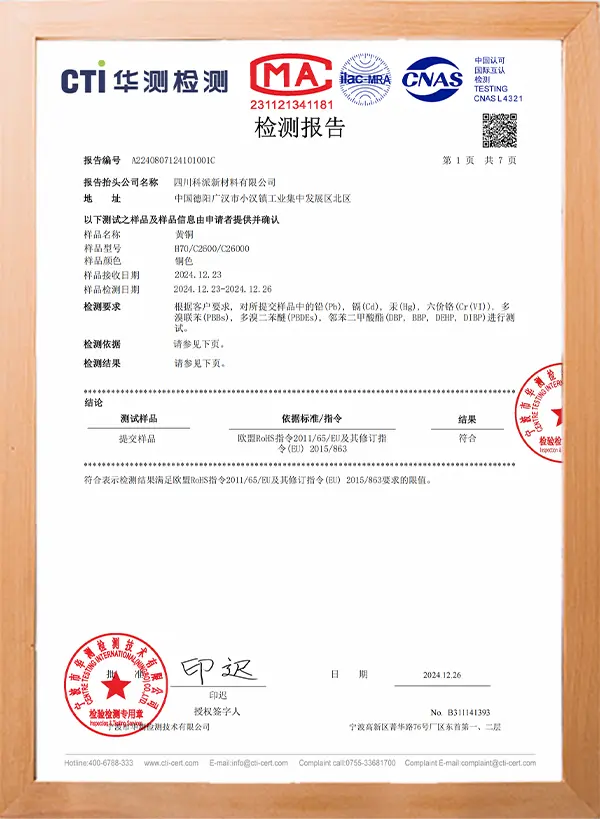
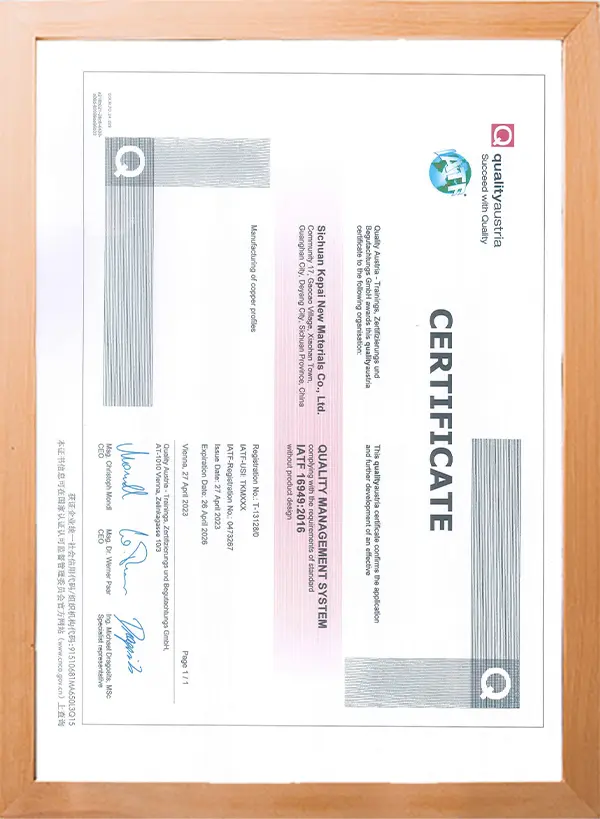
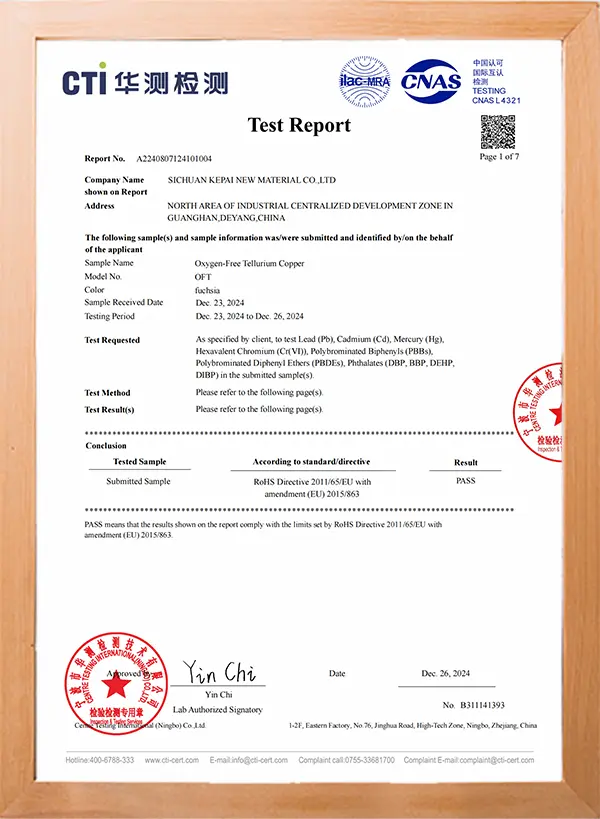
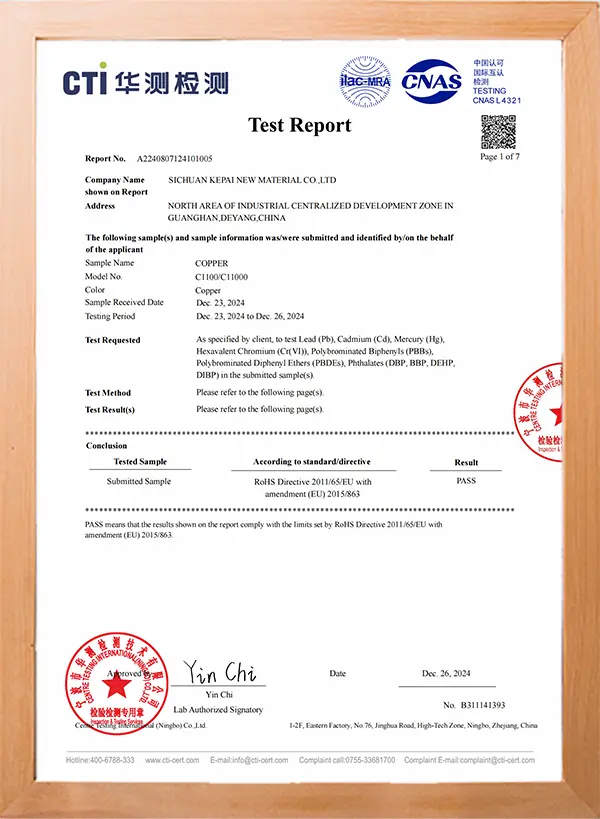
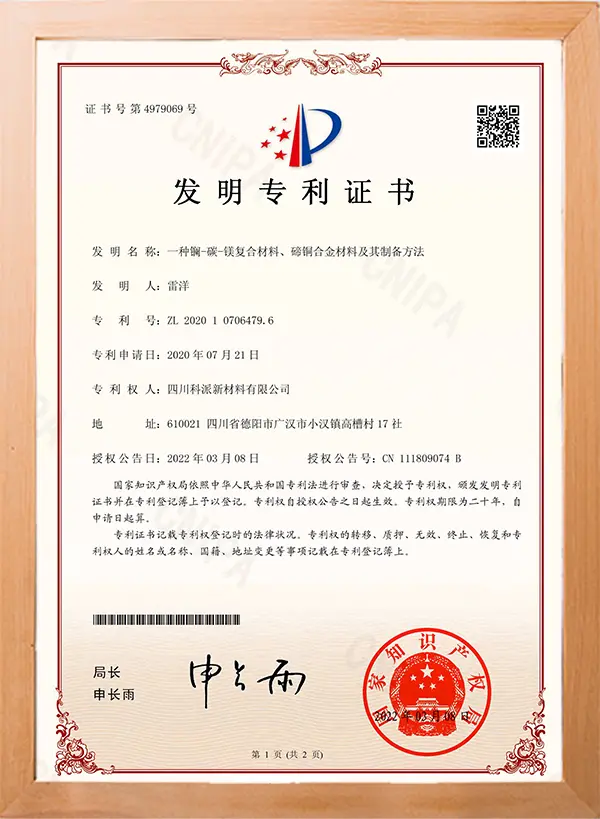
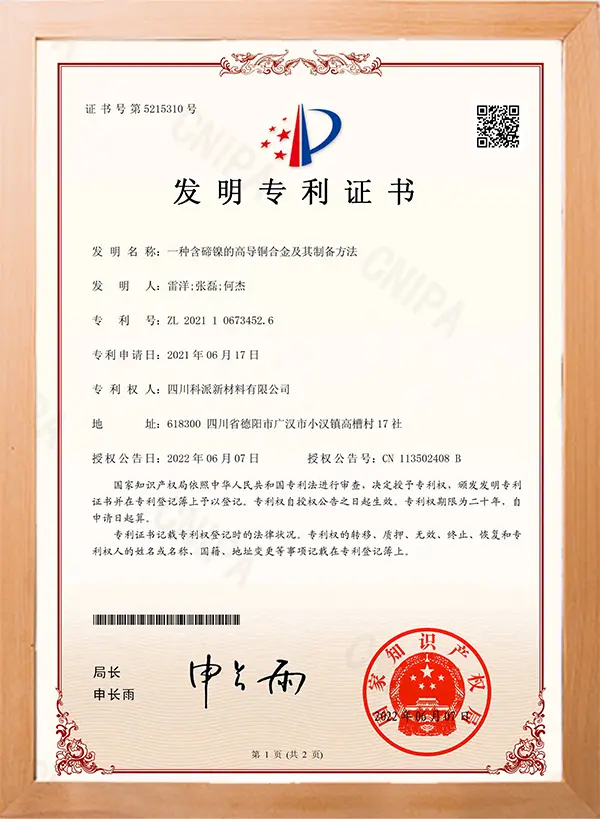
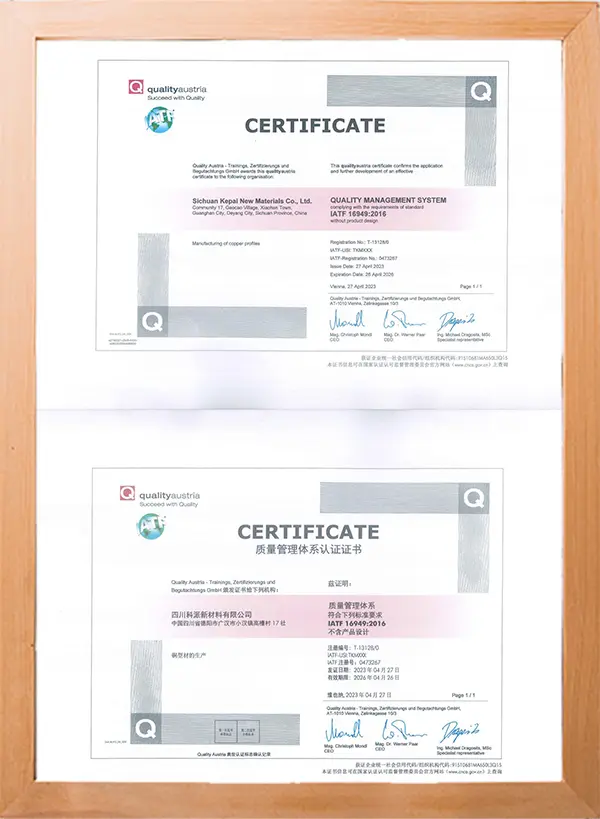
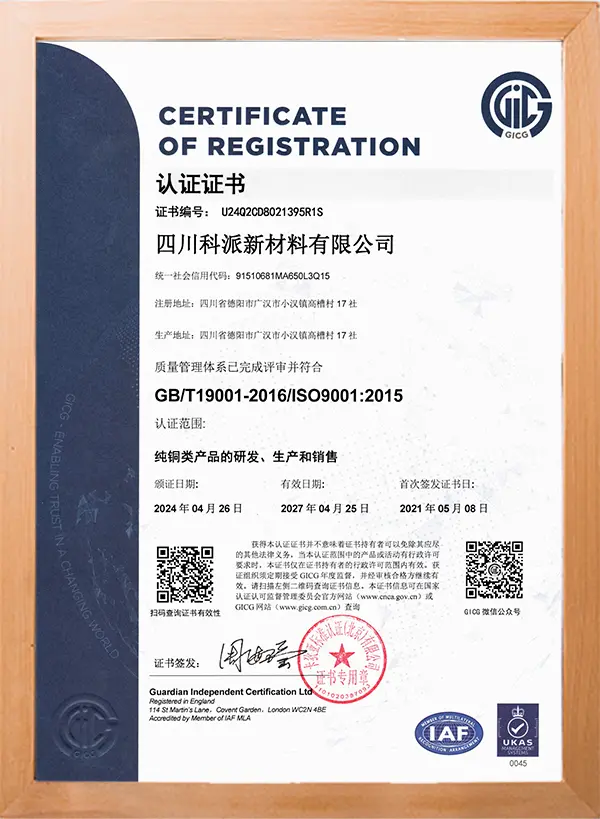
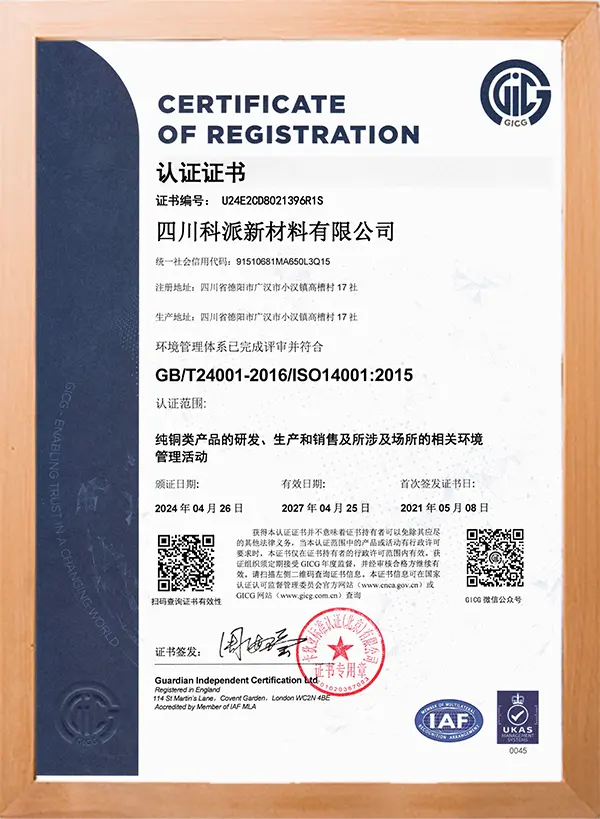
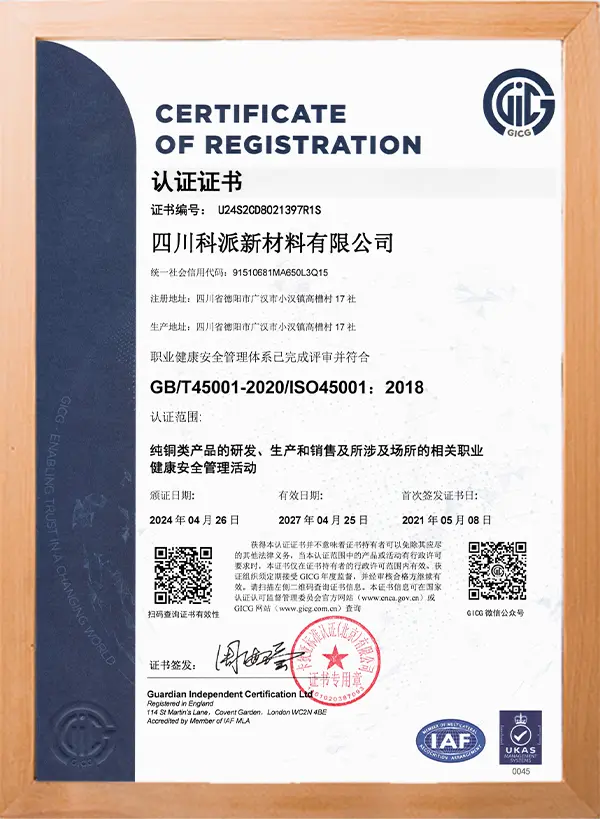
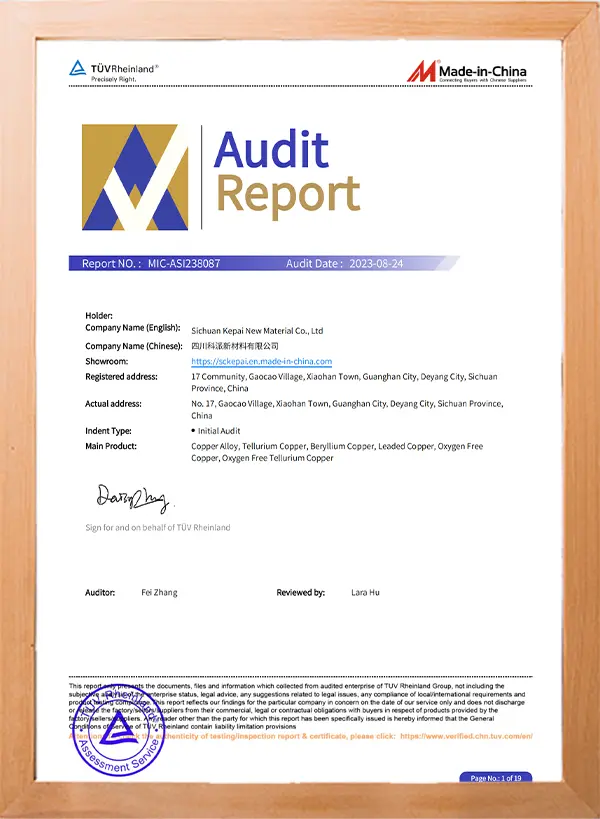
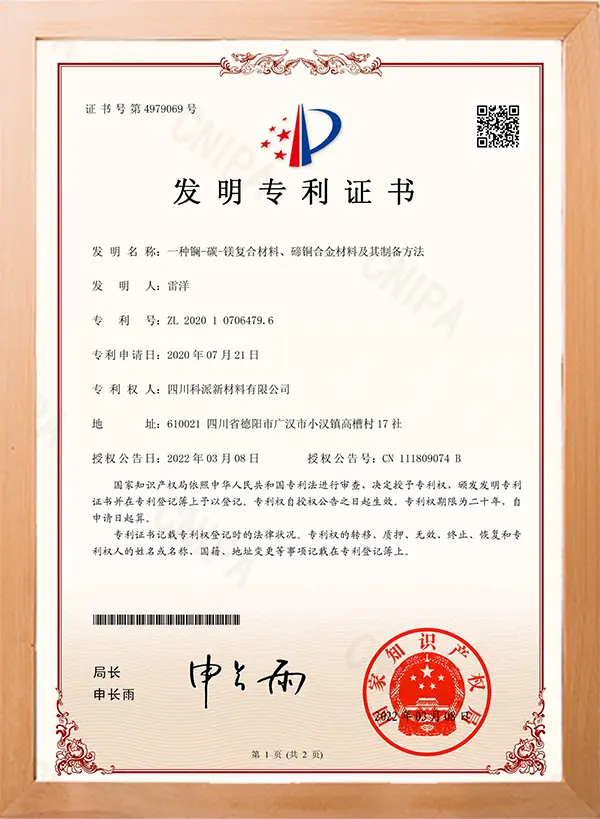
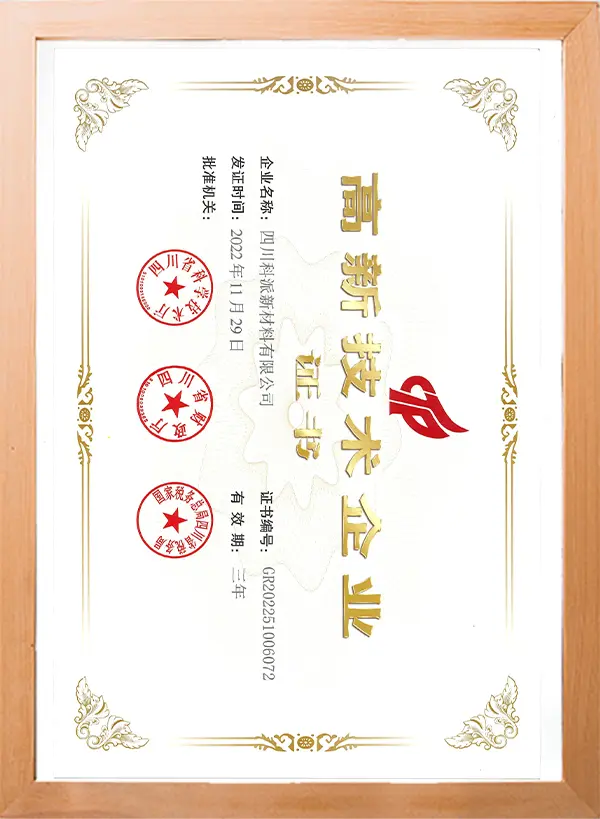
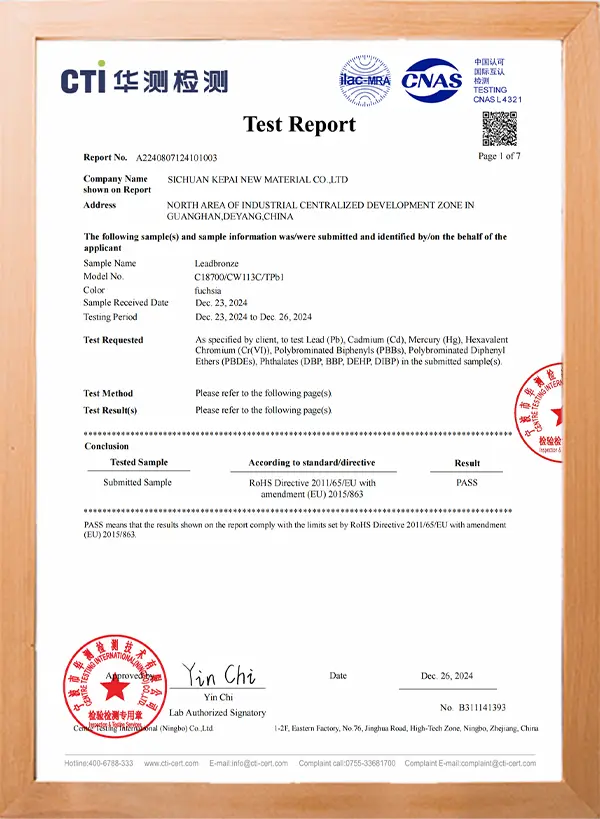
Equipped with high-precision manufacturing systems and testing hardware to guarantee chemical precision and mechanical consistency across all copper and brass product lines.
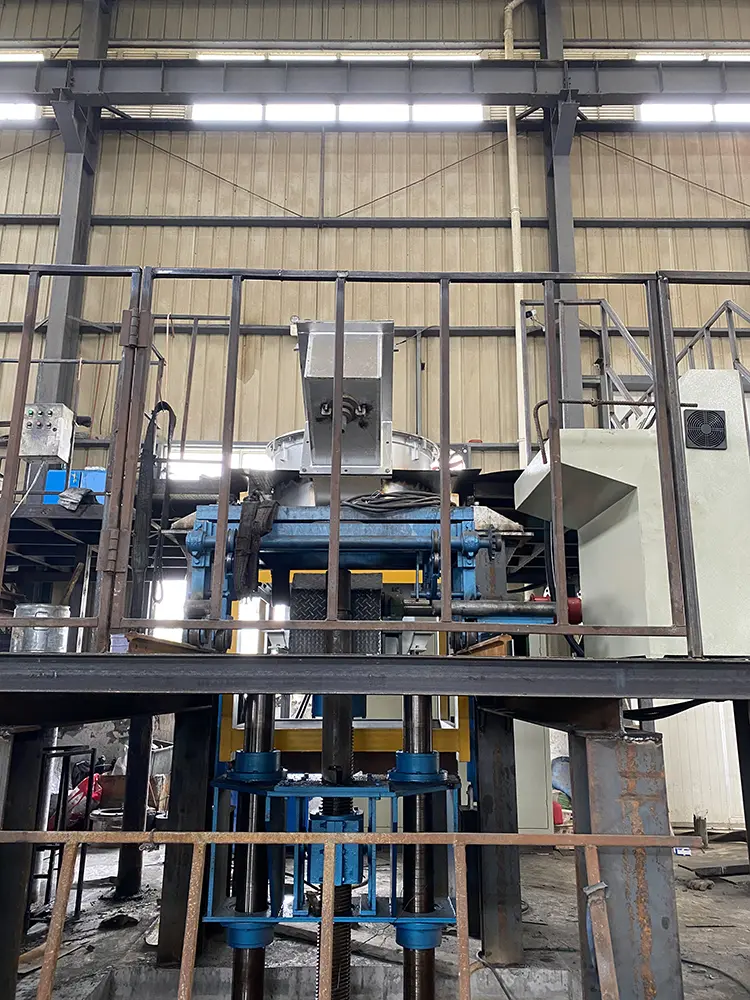
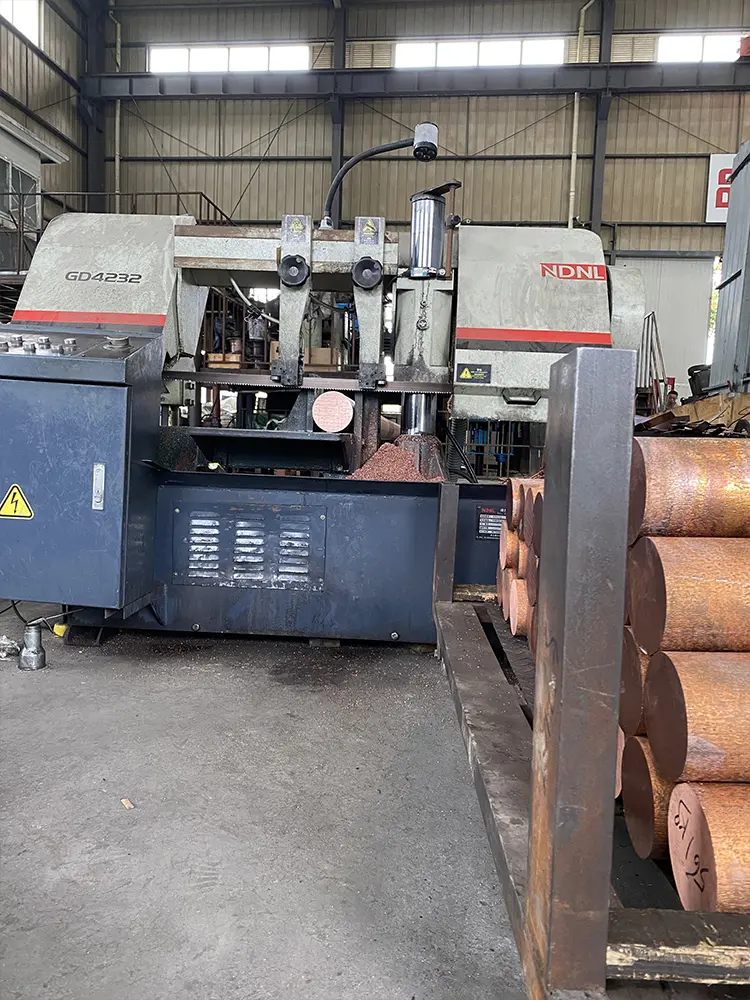
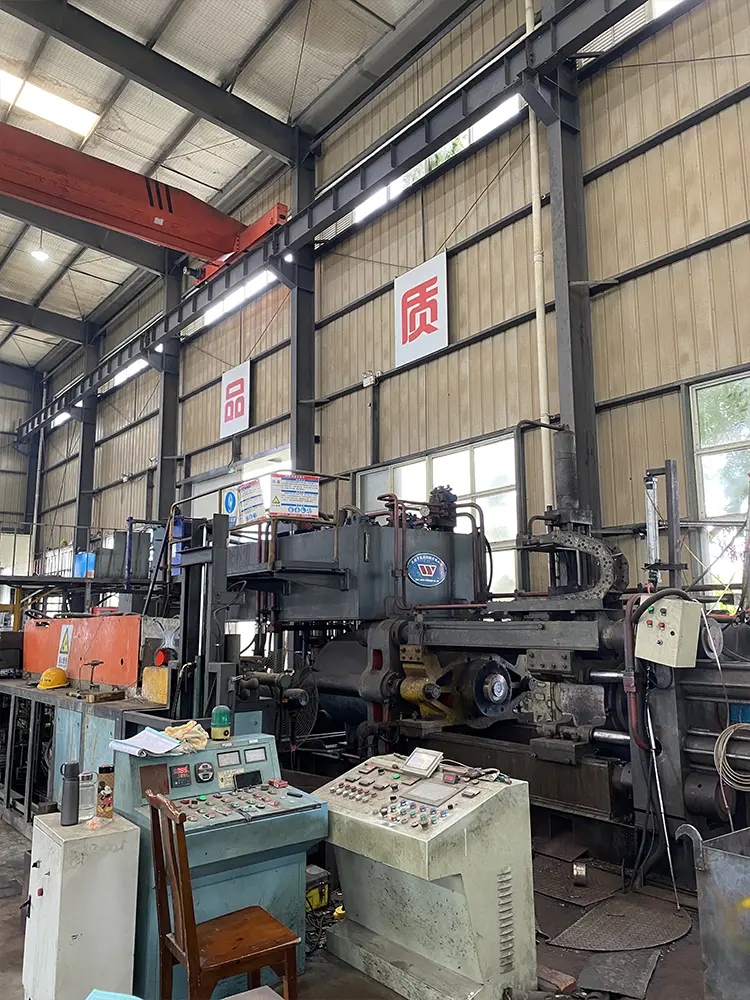
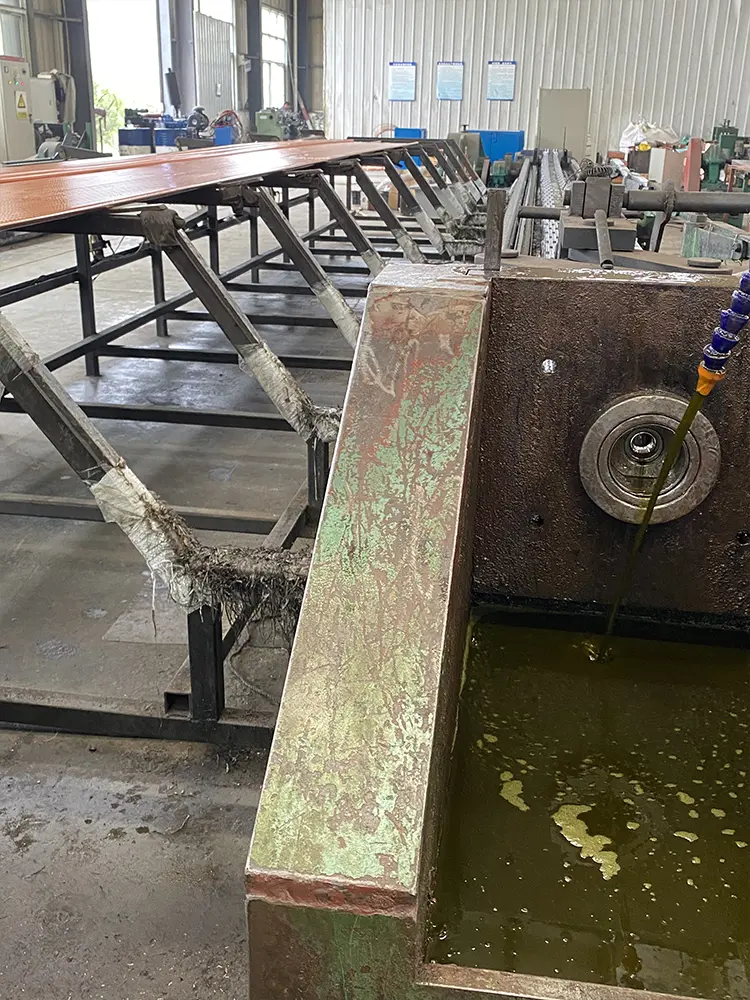
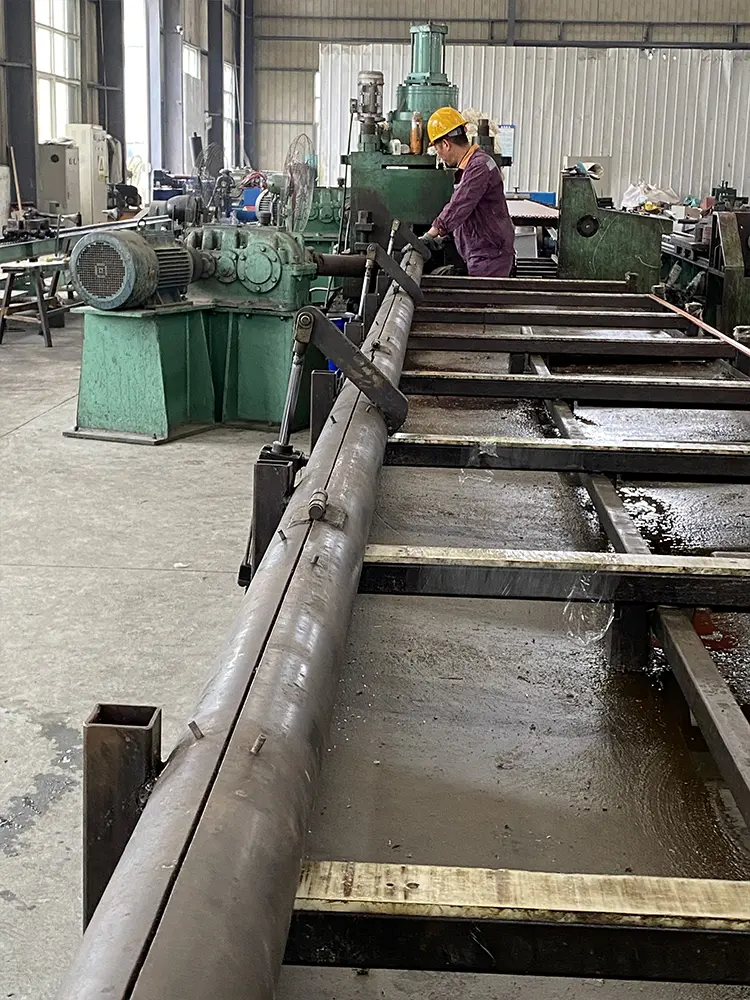
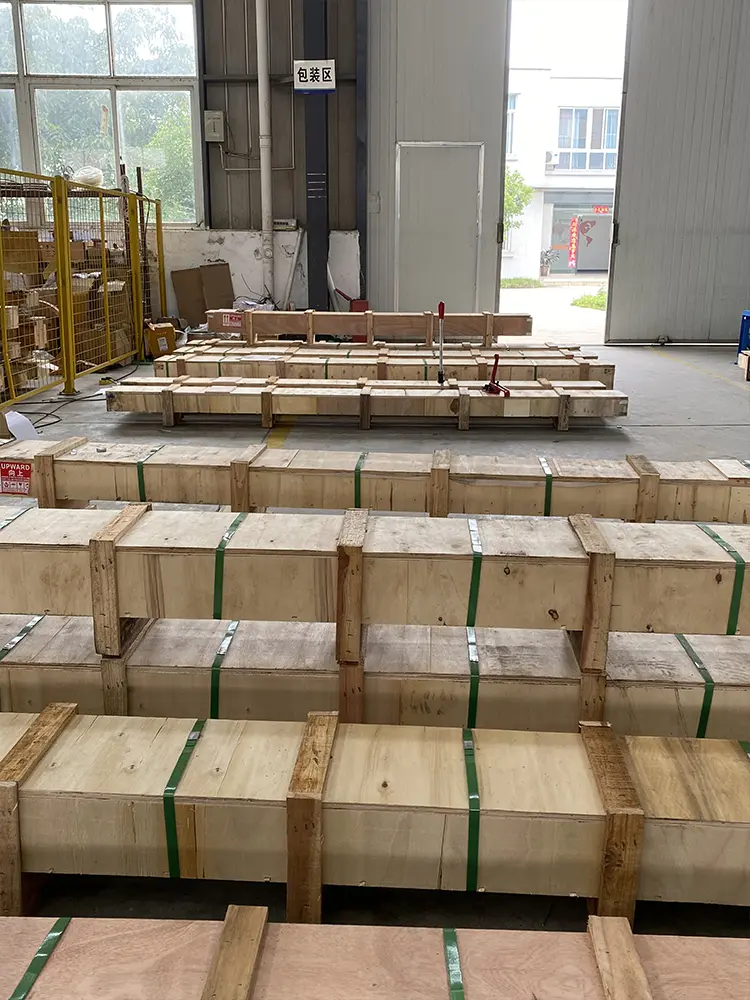
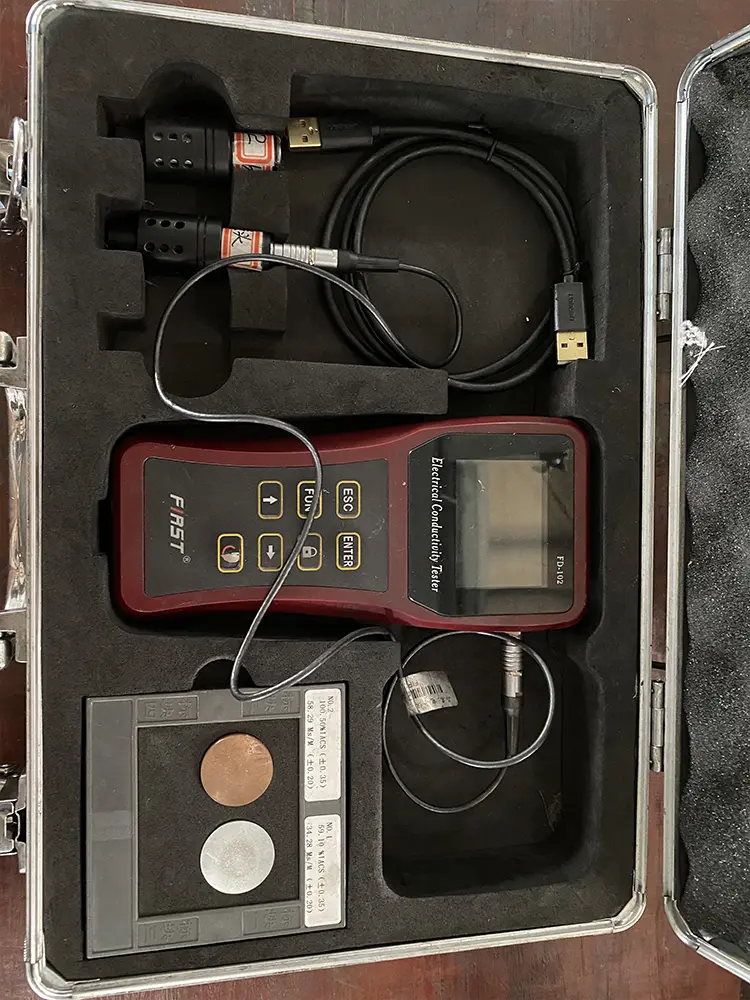
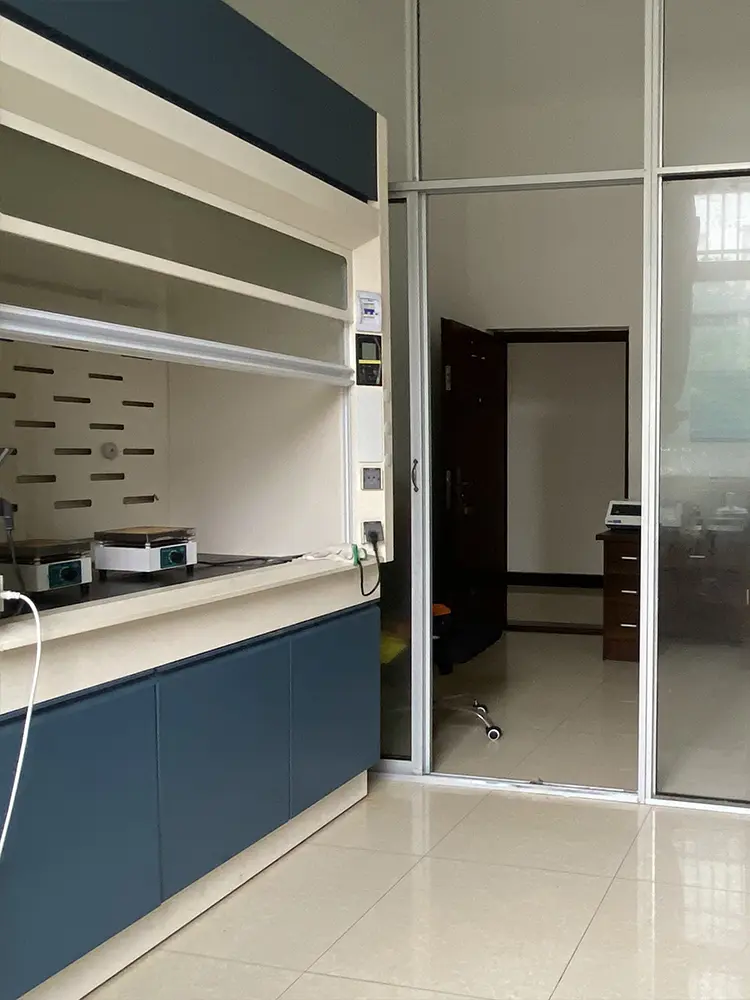

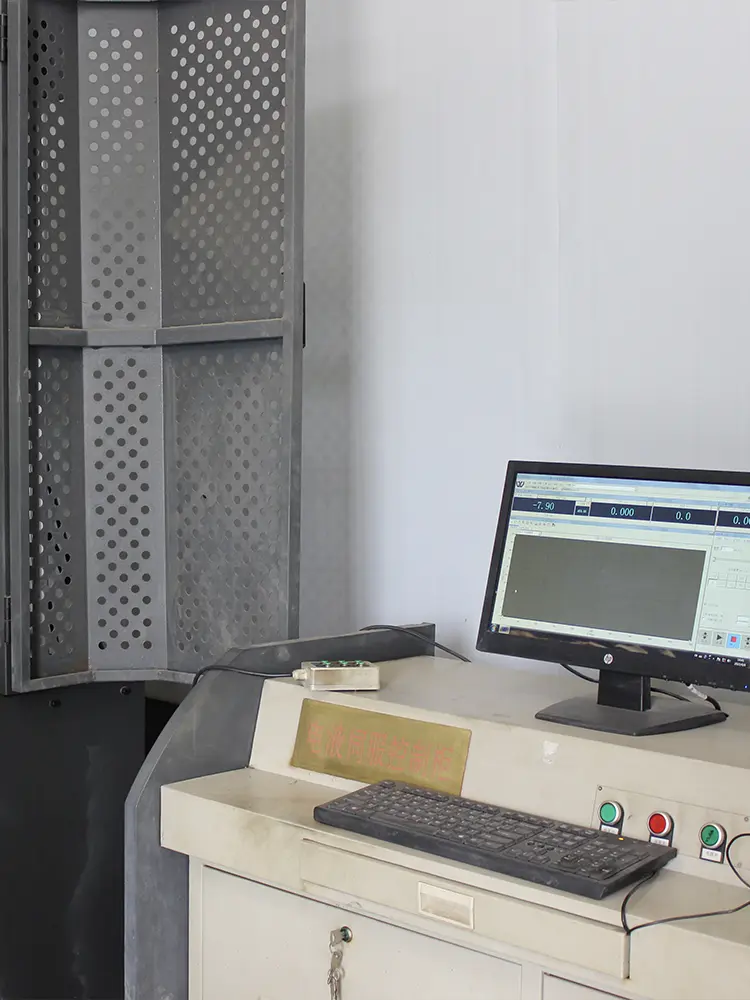
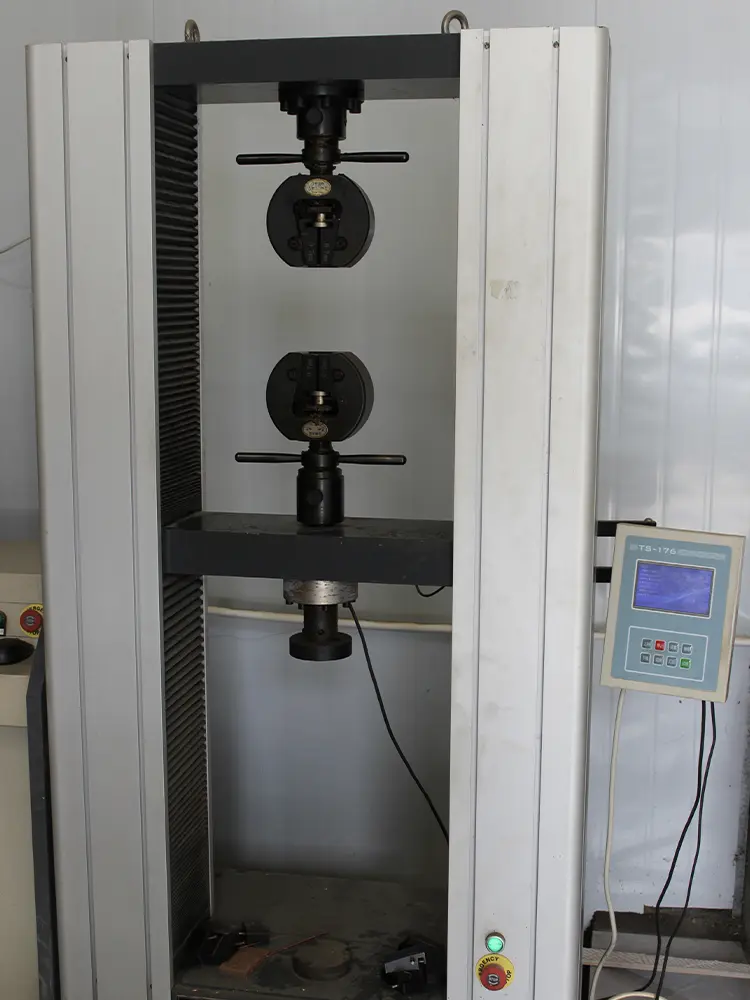
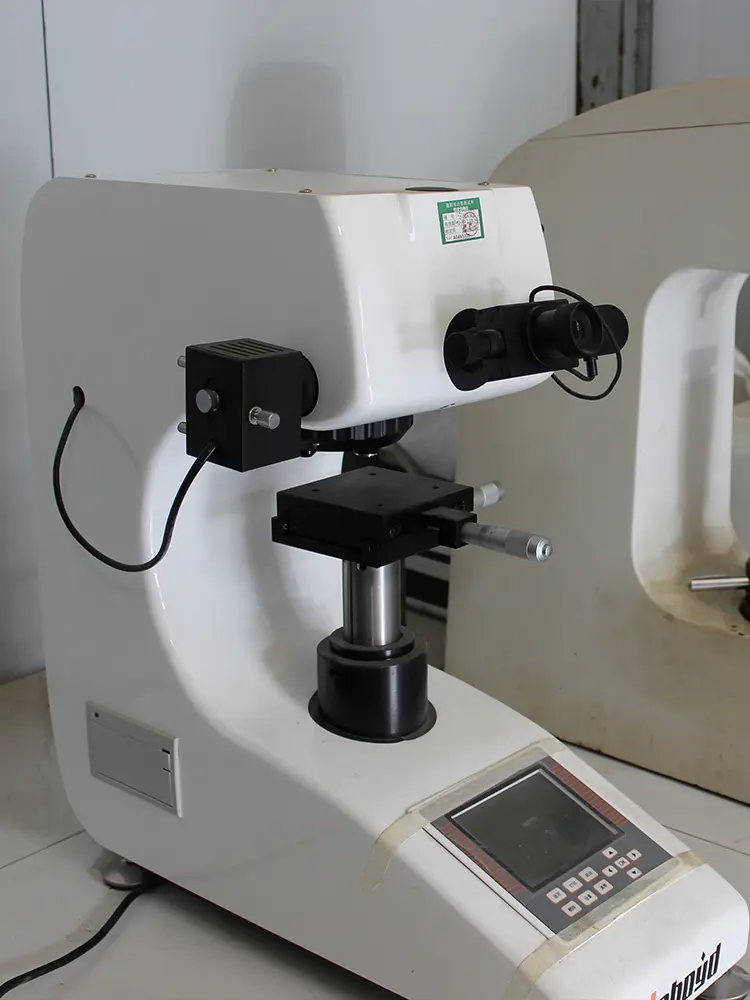
At Sichuan Kepai New Material Co., Ltd., our quality control (QC) infrastructure ensures batch-to-batch consistency. The transition from raw copper cathodes and pure lead elements to final extruded C36000 rods involves a multi-stage monitoring process.
Our testing protocols are divided into chemical verification and mechanical analysis. During smelting, we use optical emission spectrometers to verify chemical composition, maintaining lead distribution within the 2.5% to 3.7% range to ensure the material performs consistently. Following extrusion and cold drawing, the material undergoes eddy current testing to detect internal voids, fractures, or inclusions.
Mechanical validation is carried out using microcomputer-controlled universal testing machines, which verify tensile strength, yield strength, and elongation percentage. Hardness testing ensures that C36000 rods meet the specific tempers required by our customers, including O60 (soft annealed), H02 (half-hard), or H04 (full hard).
This level of quality control is essential for components used in high-safety and high-reliability fields, such as automotive braking networks, aviation connectors, and subsea oil and gas instrumentation, where material failure could lead to operational issues.
Looking to improve manufacturing throughput with high-quality C36000 leaded brass, tellurium copper, or beryllium copper alloys? Get in touch with our engineering support team for detailed technical evaluations and direct factory quotations.
 Kepai
Kepai