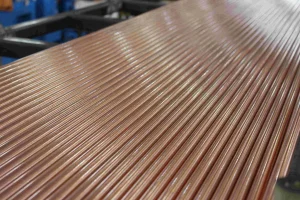
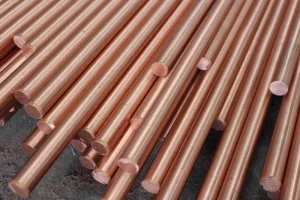
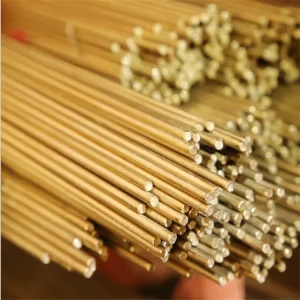
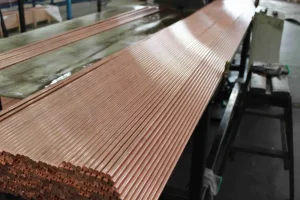
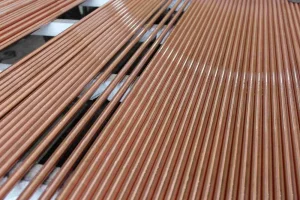
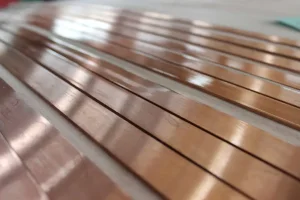
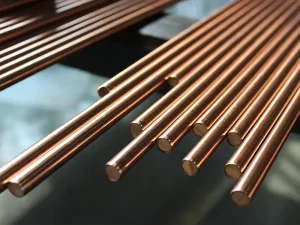
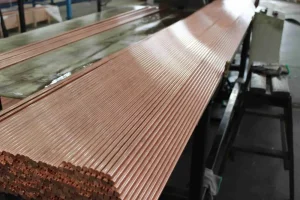
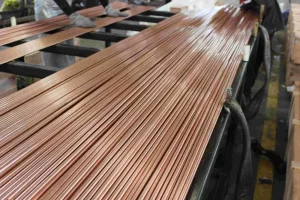
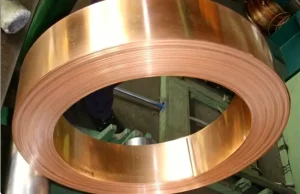
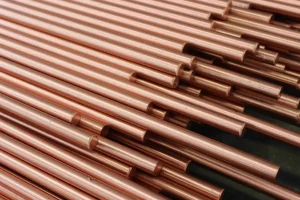
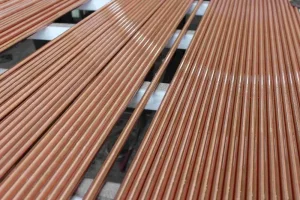
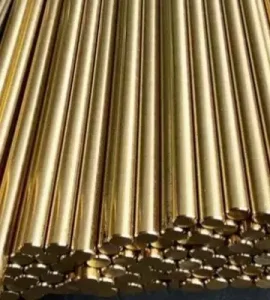
Oxygen-Free High Conductivity (OFHC) and Oxygen-Free (OFC) copper represent the absolute pinnacle of refinement in metallic electrical and thermal conductors. Unlike conventional electrolytic tough pitch (ETP) copper, which contains residual oxygen in the range of 200 to 600 ppm (parts per million), premium oxygen-free copper rods are refined down to less than 10 ppm of oxygen, with ultra-pure variations (OFE) targeting less than 5 ppm.
The absence of cuprous oxide (Cu2O) particulates within the copper crystal matrix eliminates the risk of hydrogen embrittlement when exposed to reducing atmospheres at elevated temperatures. Consequently, this engineering property is vital for applications requiring high-temperature processing, vacuum seal assemblies, and advanced electron device components.
As a premier wholesale oxygen free copper rod supplier, Sichuan Kepai New Material Co., Ltd. applies vacuum-induction smelting and continuous casting techniques to yield microstructures with outstanding conductivity ratings exceeding 101% IACS (International Annealed Copper Standard).
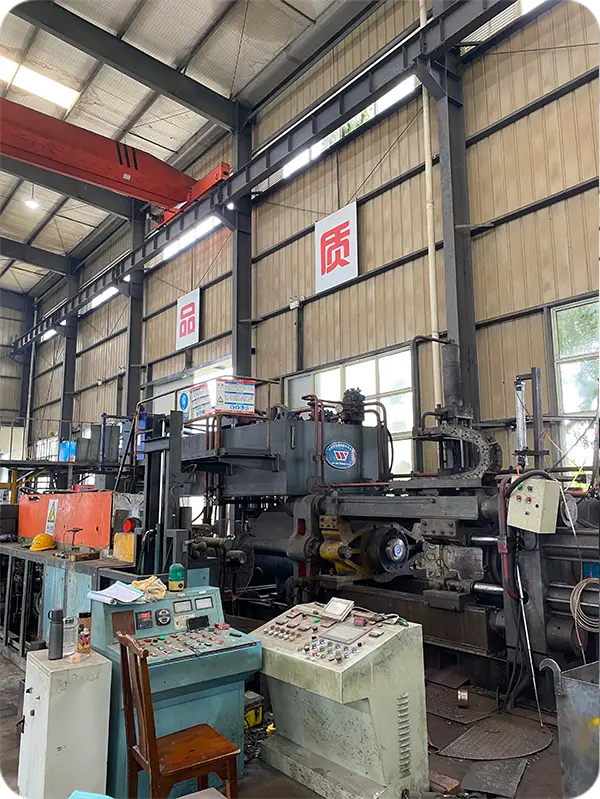
Established in 2017, Sichuan Kepai New Materials Co., Ltd. has grown rapidly to become a leading high-tech enterprise. Our operations integrate research, development, production, and sales within the national 13th Five-Year Plan's strategic emerging materials framework. Located in the western region of the Sichuan Guanghan Industrial Development Zone, adjacent to National Highway 108, our facility operates with outstanding logisitcal infrastructure for domestic and global distribution.
By focusing on special copper alloys such as tellurium copper, high-conductivity oxygen-free copper, silver copper, and dispersion copper, Kepai supports sectors including new energy vehicles (NEVs), 5G telecommunications, laser cutting, and lithium battery relays.
Producing highly reliable oxygen-free copper rods requires precise process control across smelting, extrusion, drawing, and finishing phases. Any atmospheric contamination during smelting can ruin the materials' purity. Sichuan Kepai New Materials employs proprietary, closed-chamber vacuum induction furnaces to prevent atmospheric oxygen, nitrogen, and hydrogen from interacting with the molten copper matrix.
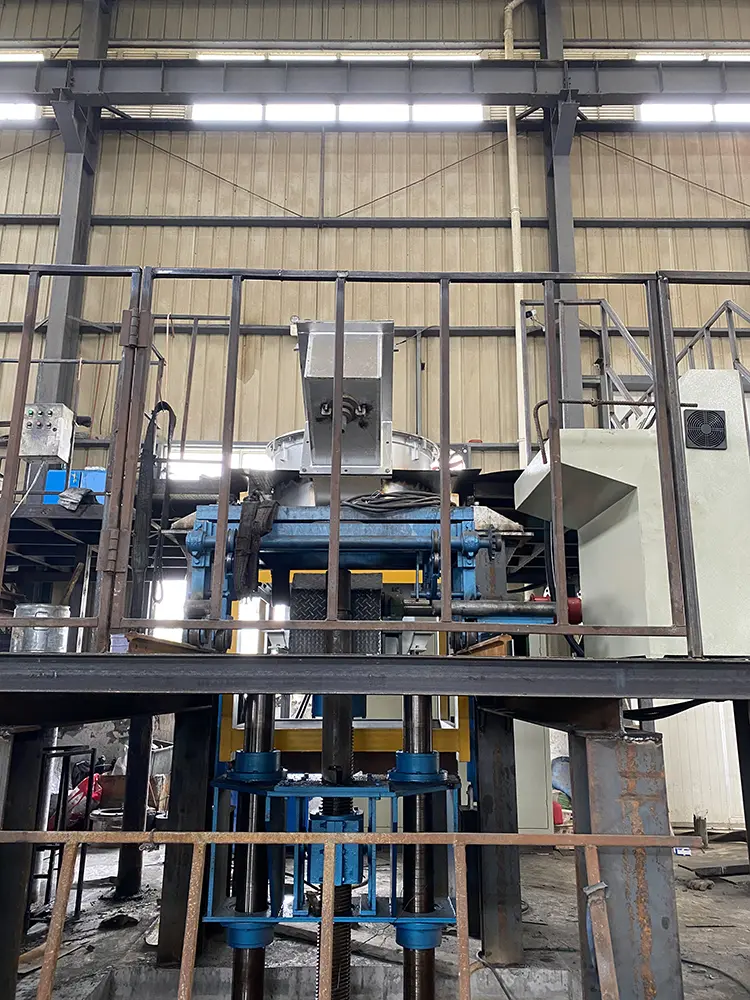
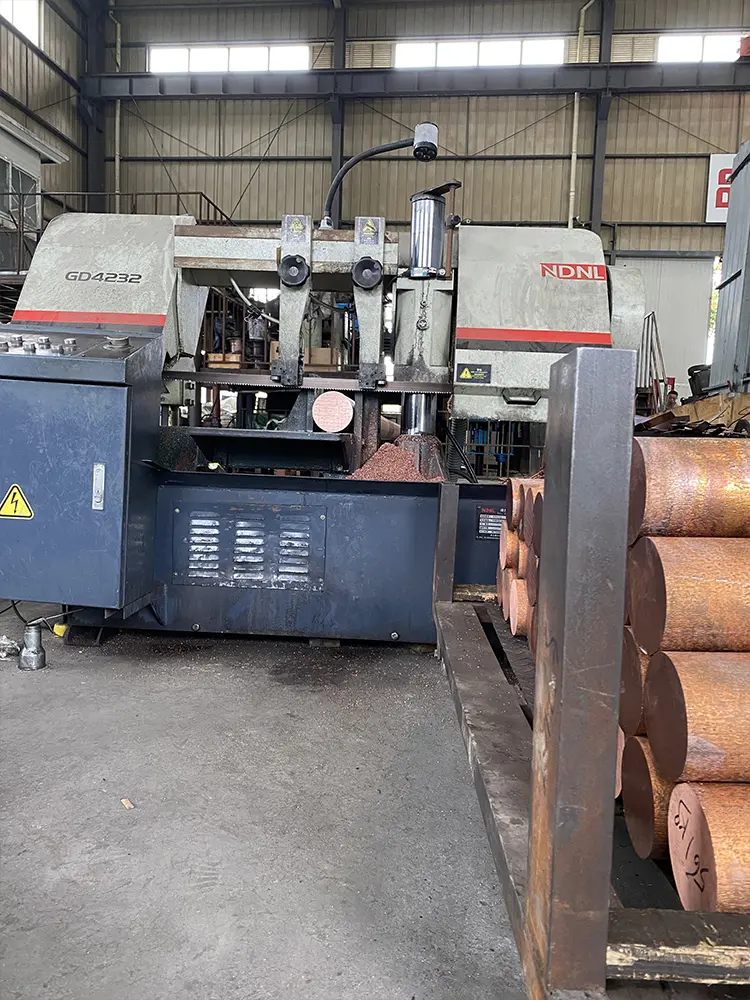
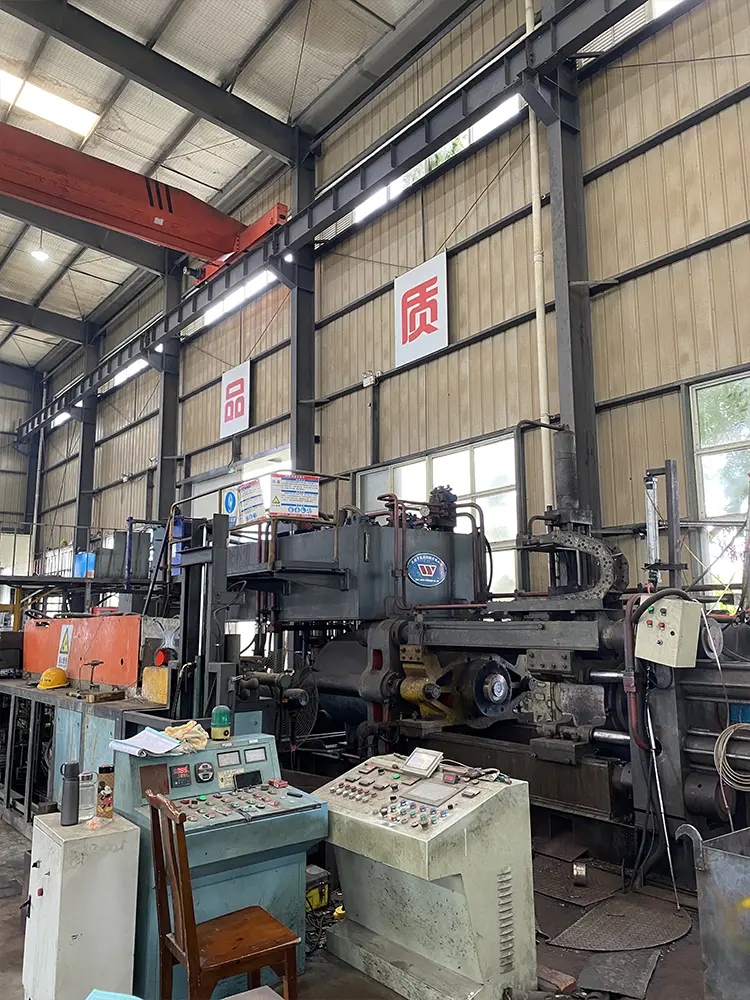
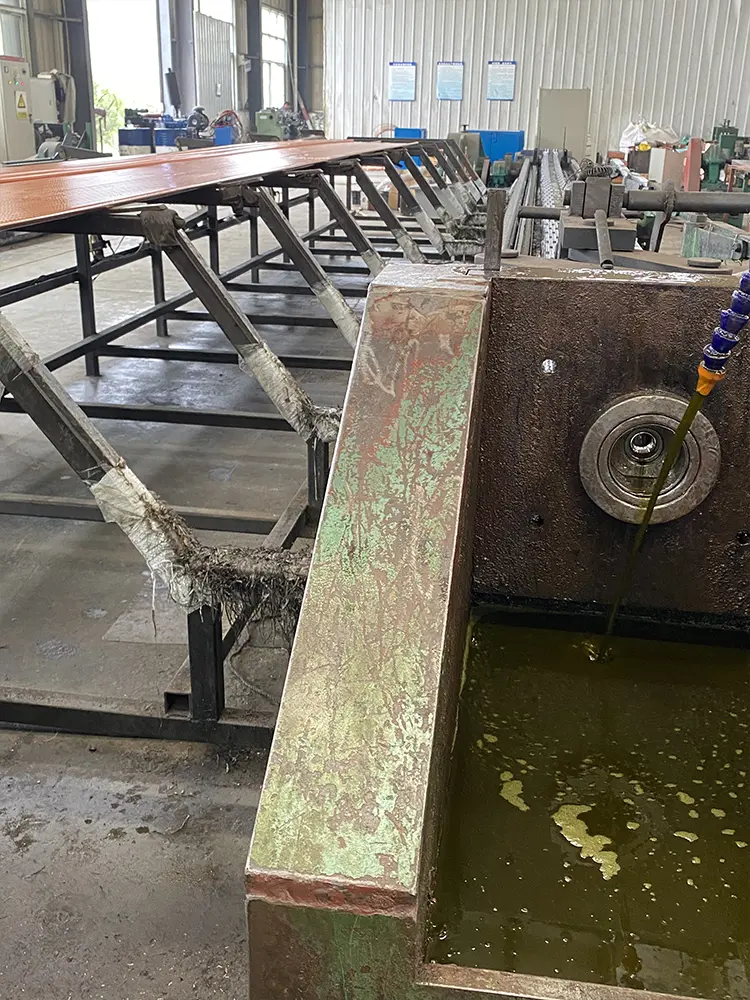
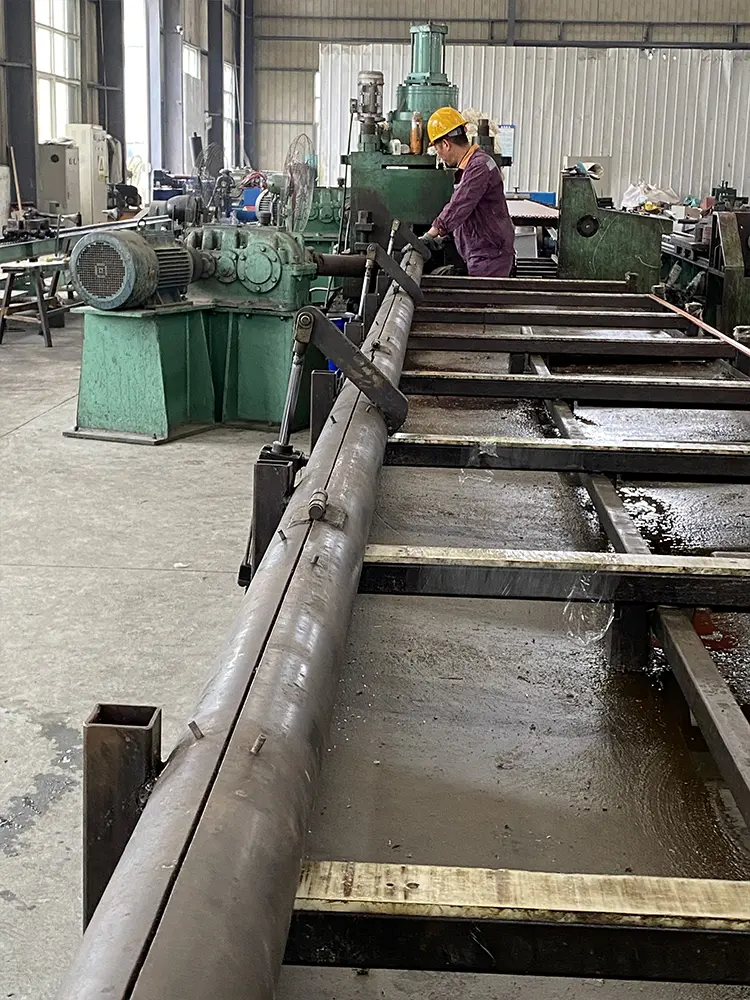

The global market for copper alloys demands consistent supply chains, stable price hedges, and rapid response times. Sichuan Kepai leverages southwest China’s primary raw copper smelting capacity and mineral reserves, which provides a competitive edge in raw material procurement.
By establishing a consolidated, vertically integrated production flow—from raw ingot casting to drawing and precision testing within a single 9,000-square-meter facility—we reduce intermediate logistic costs and quality variances.
We process thousands of tons of high-conductivity alloys annually, driving down variable costs and offering competitive bulk prices to overseas distributors and OEMs.
Located near National Highway 108 and direct rail networks, we offer efficient shipping routes to major international shipping hubs, reducing transit times to Europe, the Americas, and Southeast Asia.
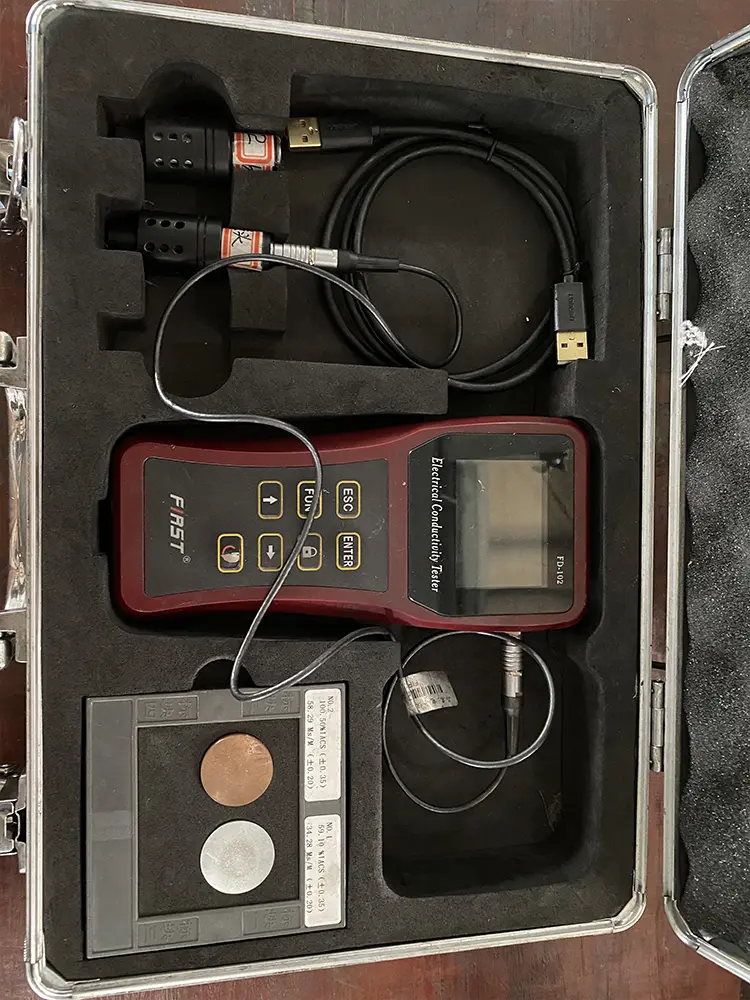
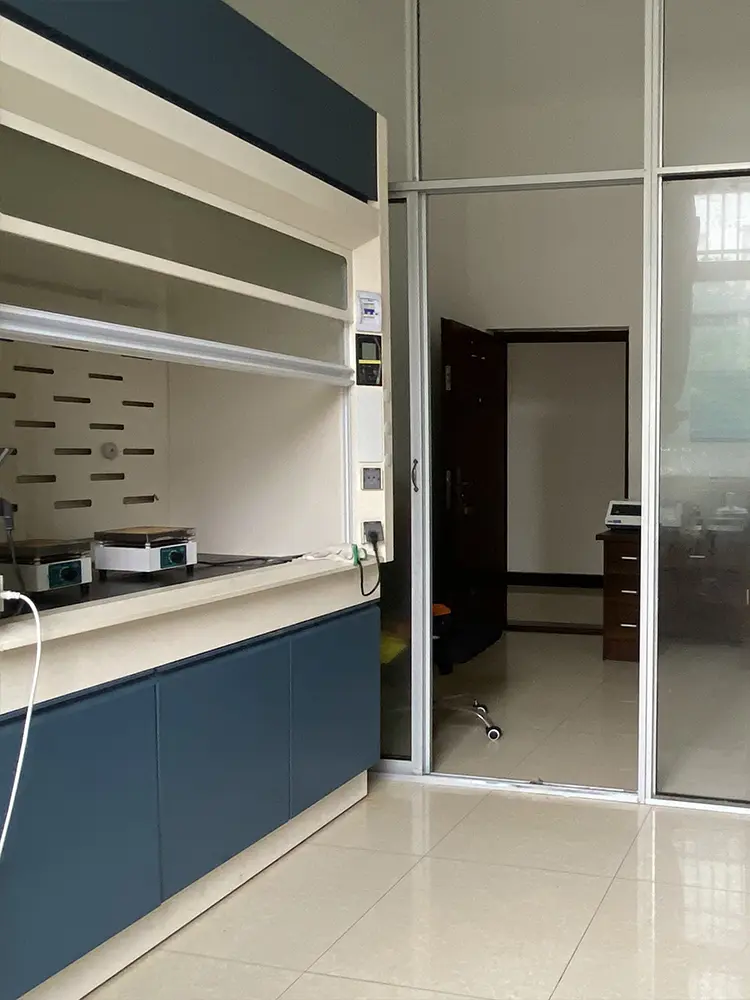
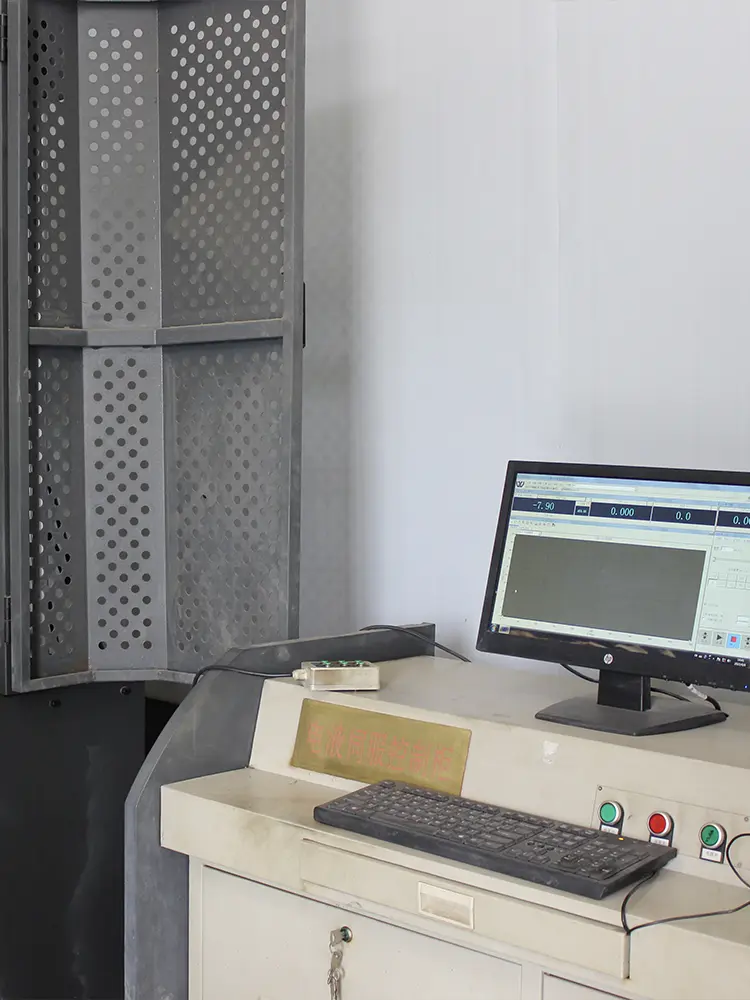
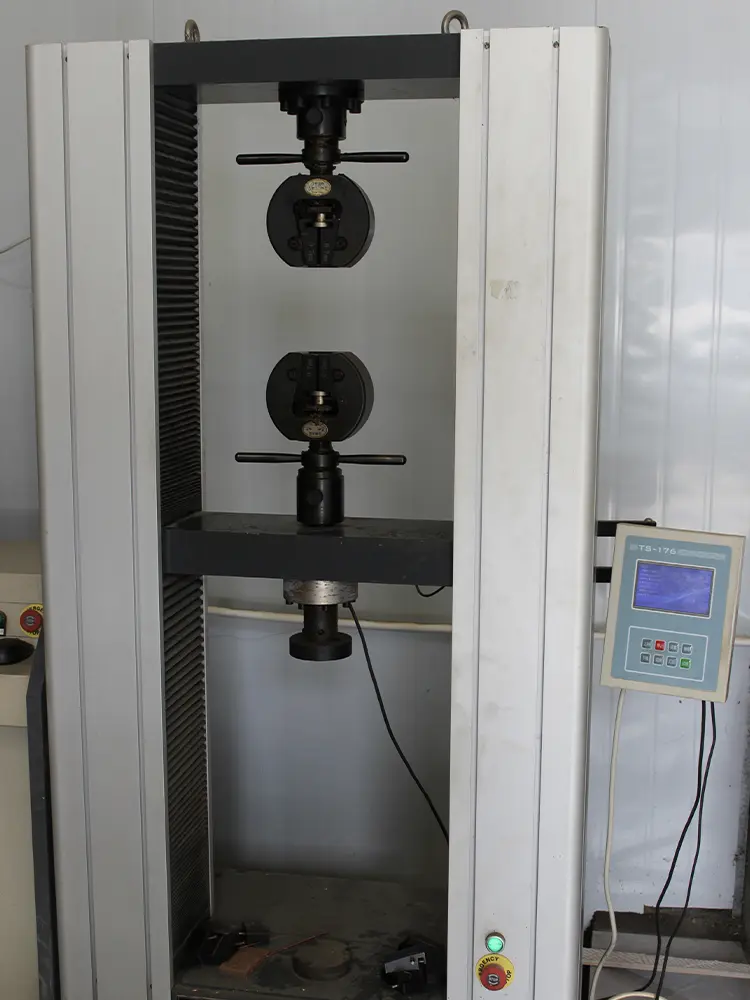
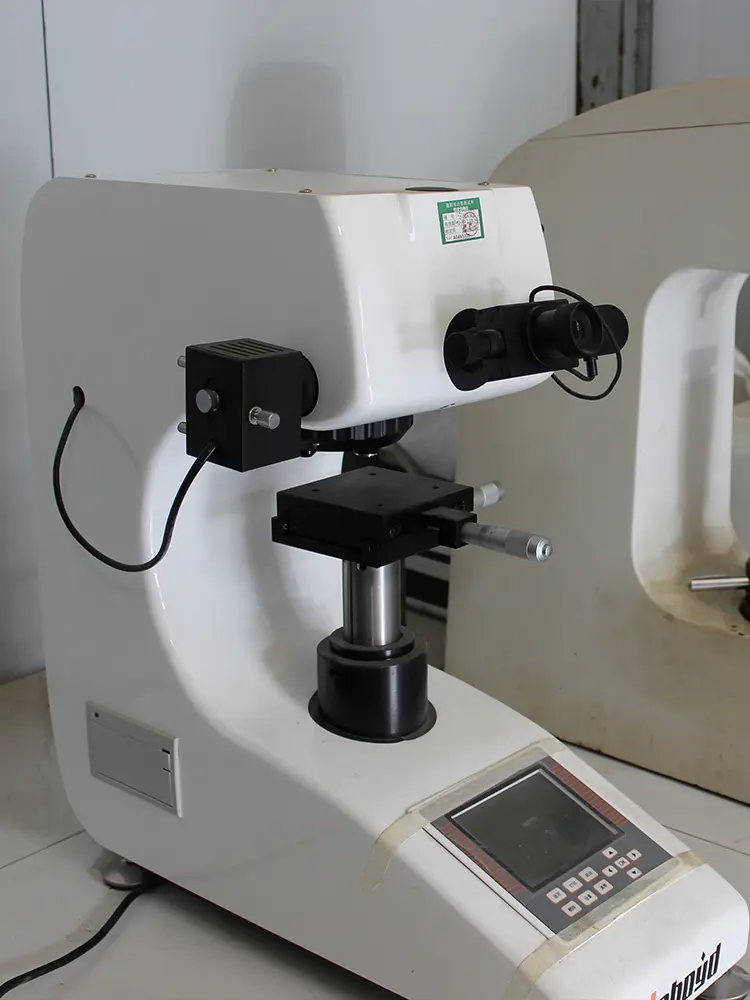
We combine manufacturing and lab validation under one roof. Our testing ensures that every copper batch meets standard purity requirements before leaving the factory.
Modern engineering projects require specialized performance characteristics. Sichuan Kepai produces a range of high-performance alloys tailored for demanding environments:
Combines high electrical and thermal conductivity with excellent machinability (85% rating relative to free-cutting brass). Excellent for plasma cutting torch nozzles and connector pins.
Features high hardness and resistance to softening at elevated temperatures. Widely used for resistance welding electrodes and high-stress structural components.
Delivers high strength and excellent elasticity. Ideal for heavy-duty springs, relays, and subsea instrument housings.
Provides a free-machining alternative to pure copper, maintaining high electrical conductivity (approx. 95% IACS) and resistance to hydrogen embrittlement.
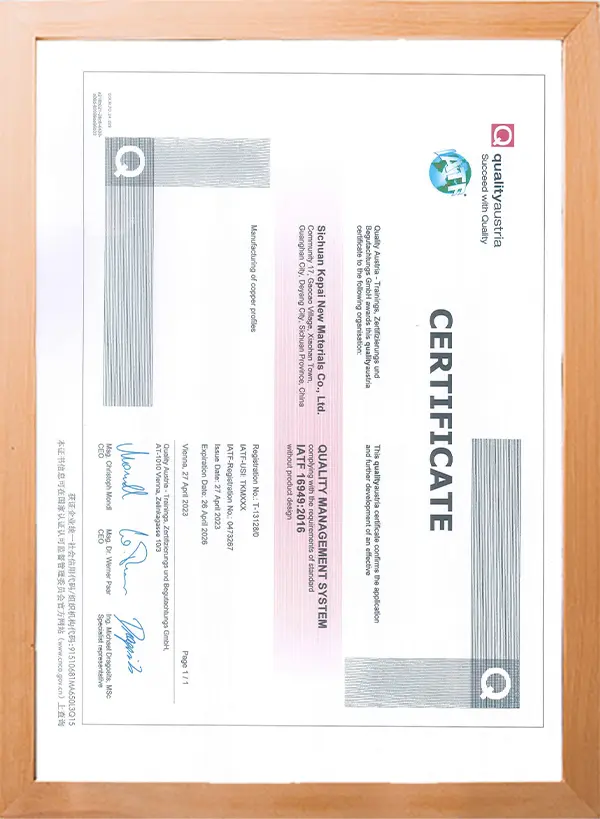
Sichuan Kepai operates in accordance with strict international standards to ensure our materials comply with global engineering requirements. We maintain complete batch traceability, providing Material Test Reports (MTRs) and Chemical Composition Certifications for every shipment of oxygen-free copper rods.
Our materials meet ASTM (B170 for Oxygen-Free Copper, B187 for Copper Bar and Rods), EN, JIS, and DIN standards. This compliance ensures our products meet the technical requirements for critical aerospace, medical, and high-frequency communication systems.
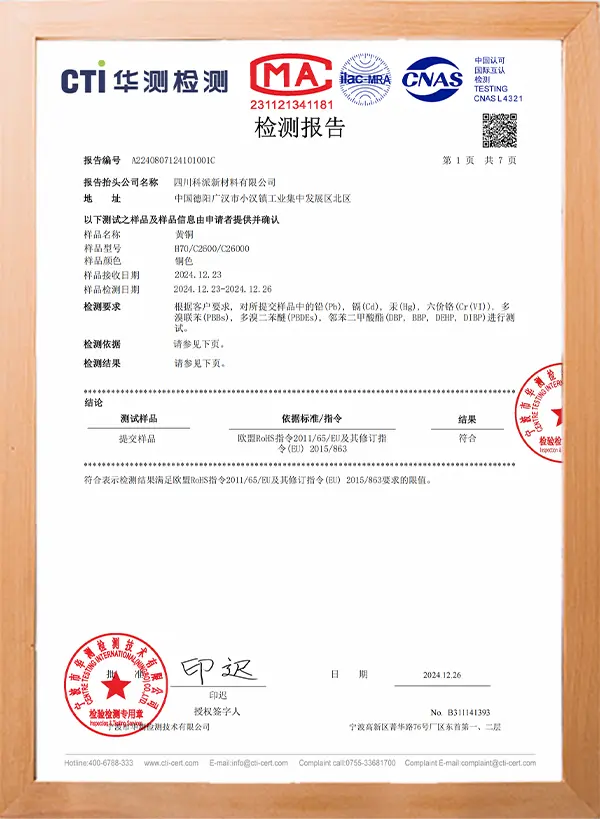
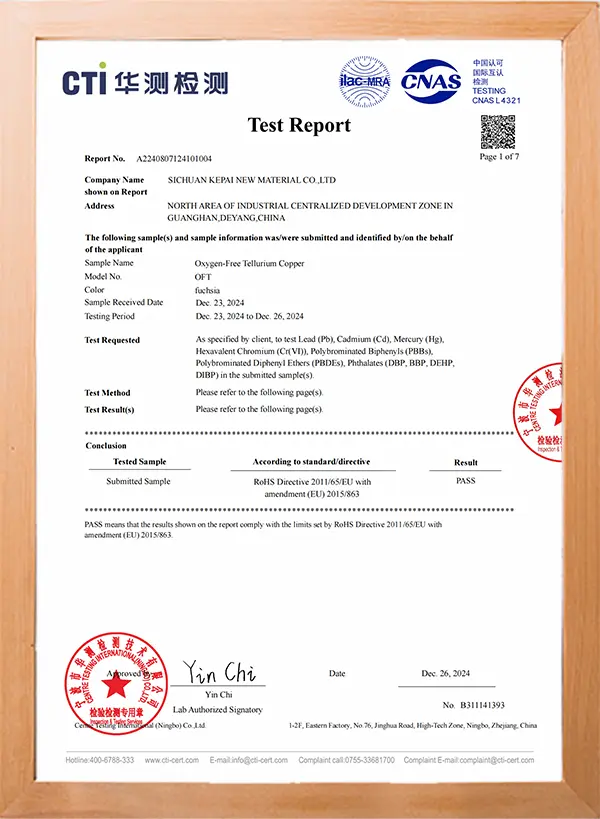
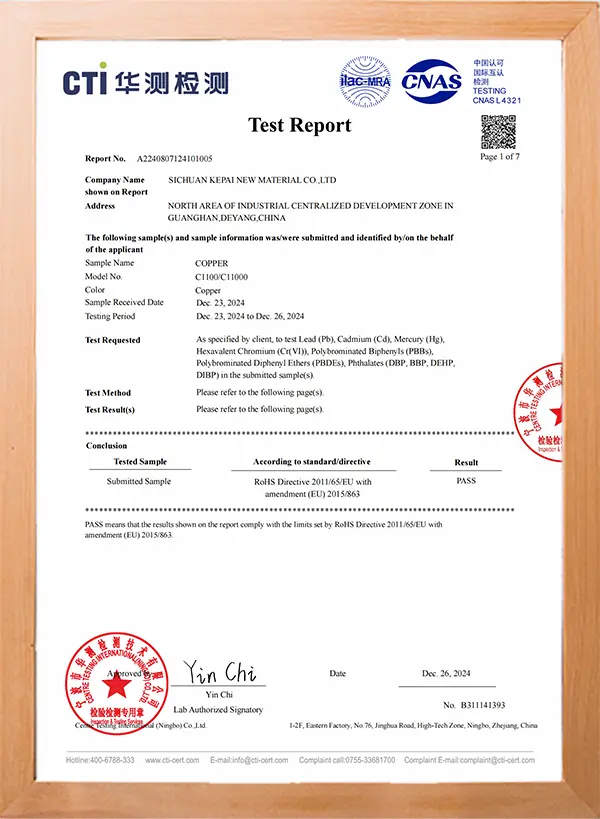
Our factory practices align with RoHS and REACH regulations, confirming our copper alloys are free from restricted hazardous substances.
Oxygen-free copper rods are essential for applications requiring high thermal dissipation, consistent electrical transmission, and long-term durability under stress.
High-voltage direct current (HVDC) contactors in electric vehicles require contact terminals that resist arc erosion and thermal runaways. Oxygen-free copper supports stable contact interfaces, reducing resistance and preventing overheating in EV battery systems.
High-frequency transmission signals are susceptible to attenuation from grain boundary resistance. Our copper rods provide the structural purity needed to manufacture high-frequency wave-guides, coaxial connectors, and vacuum electronic components.
Plasma and laser cutting tips experience extreme thermal stress. The high thermal conductivity of our oxygen-free and tellurium copper alloys helps dissipate heat rapidly, extending consumable life and improving cut quality.
Electrolytic Tough Pitch (ETP) copper (UNS C11000) typically contains 200–600 ppm oxygen and exhibits 100% to 101% IACS conductivity. Oxygen-Free Copper (OFC, UNS C10200) contains less than 10 ppm oxygen and no cuprous oxides, achieving high conductivity and resistance to hydrogen embrittlement. Oxygen-Free Electronic (OFE, UNS C10100) is refined to 99.99% purity with under 5 ppm oxygen, making it suitable for ultra-high vacuum applications and high-frequency components.
Hydrogen embrittlement occurs when copper containing cuprous oxides is heated in the presence of hydrogen. The hydrogen diffuses into the copper and reacts with the oxygen to form water vapor, creating internal micro-cracks. Kepai prevents this by using vacuum induction smelting to reduce oxygen content below 10 ppm, eliminating the presence of oxides in the copper matrix.
Every shipment is accompanied by a Material Test Report (MTR) detailing chemical analysis, tensile strength, hardness, and electrical conductivity testing. We supply certifications matching ISO 9001, RoHS, REACH, and relevant ASTM standards (such as ASTM B170 or B187) as required by project specifications.
Yes, our internal research, development, and tooling departments support custom profile drawing, extrusion configurations, and tailored alloy compositions. We work closely with client engineering departments to meet specific tolerance, dimensions, and mechanical property requirements.
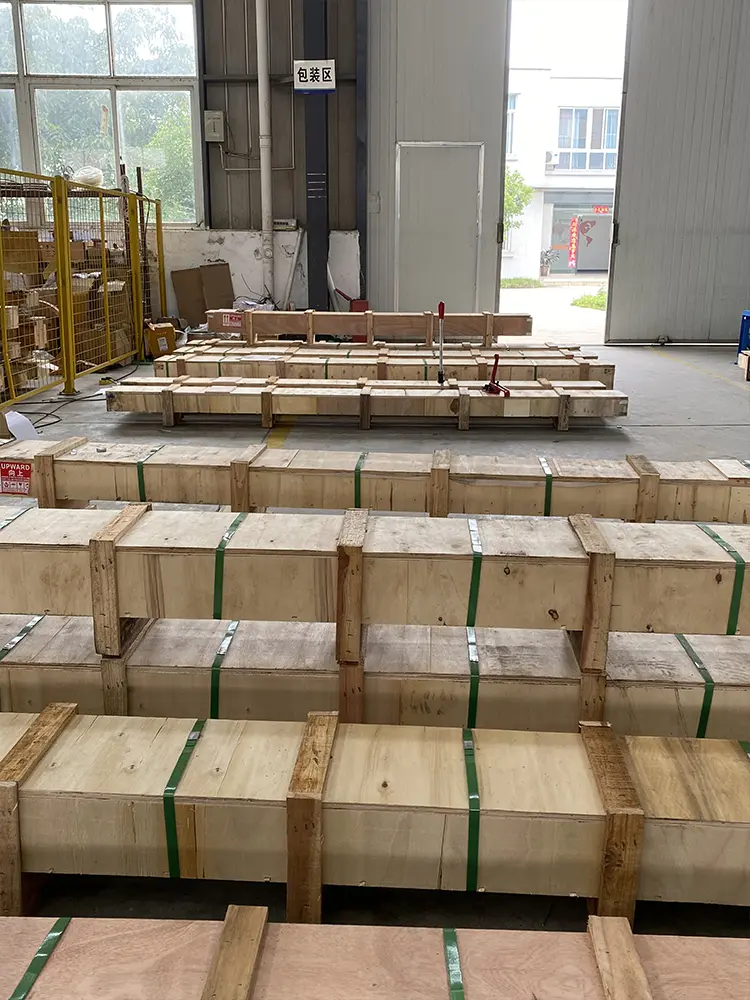
Standard lead times for custom or large bulk orders range from 2 to 4 weeks depending on the alloy system and order volume. For standard dimensions, we maintain stock programs for fast dispatch. Products are packed with anti-corrosion materials and moisture barriers to prevent oxidation during sea transit.
Consult with Sichuan Kepai's engineering and sales teams to obtain customized specifications, quote allocations, and sample distributions. Let us support your material supply chain needs.
 Kepai
Kepai